Naples is one of those cities that makes an impression immediately. It is intense, layered, vibrant, and full of contrasts in the best possible way. In just two days, you can experience historic streets, monumental squares, unforgettable food, artisan traditions, sea views, and the unique atmosphere that makes the city unlike anywhere else in Italy. This itinerary is designed for travelers who want to see the essential highlights without rushing too much, while still leaving room to enjoy the rhythm, character, and spontaneity that are such a big part of Naples.
- 1 Why Naples is perfect for a two-day city break
- 2 Naples in 2 days: itinerary overview
-
3
Day 1 in Naples: the historic heart of the city
- 3.1 Start from Napoli Centrale and head into the old centre
- 3.2 Spaccanapoli and the soul of the historic centre
- 3.3 San Gregorio Armeno and Naples’ artisan tradition
- 3.4 Naples Cathedral and the city’s layered heritage
- 3.5 Piazza del Gesù and the monumental centre
- 3.6 An evening between local food and lively streets
-
4
Day 2 in Naples: panoramas, culture and the seafront
- 4.1 Via Toledo and the energy of the modern city
- 4.2 The Spanish Quarter between atmosphere and character
- 4.3 Piazza del Plebiscito and the monumental side of Naples
- 4.4 Castel dell’Ovo and the waterfront walk
- 4.5 Lungomare di Napoli for sea views and a slower pace
- 4.6 End the trip with dinner and a final look at the bay
- 5 What to eat during 2 days in Naples
- 6 Useful tips for visiting Naples in 2 days
- 7 To Naples by train
Why Naples is perfect for a two-day city break
Naples is ideal for a short escape because it offers a lot within a relatively compact area. In two days, you can move from the ancient heart of the city to elegant squares, lively neighborhoods, and the seafront, all while feeling that every part of Naples tells a different story. It is a city where the past is never far away: Greek roots, Roman traces, medieval lanes, Baroque churches, and grand Bourbon architecture all coexist within the same urban landscape.
Another reason Naples works so well for a city break is its atmosphere. Some places are pleasant to visit, but Naples is a place to experience with all your senses. The sound of scooters in narrow streets, the smell of coffee and pizza, the sight of laundry hanging above old alleys, and the view of the bay with Vesuvius in the distance all create a feeling that stays with you long after the trip ends.
And then there is the practical side. Reaching the city is easy, and once you arrive at Napoli Centrale with Italo, many of the main attractions are accessible on foot or with short metro rides. That makes Naples a smart destination for anyone who wants a weekend full of variety, culture, and great food without needing a complicated travel plan.
Naples in 2 days: itinerary overview
Below is a simple overview of how to organize your time in the city.
| Day | Area | Main stops |
|---|---|---|
| Day 1 | Historic centre | Napoli Centrale, Spaccanapoli, San Gregorio Armeno, Naples Cathedral, Piazza del Gesù |
| Day 1 evening | City centre | Traditional dinner, evening walk through busy streets |
| Day 2 | Monumental centre and seafront | Piazza del Plebiscito, Via Toledo, Spanish Quarter, Castel dell’Ovo, Lungomare |
| Day 2 evening | Waterfront or central district | Dinner with a view and final walk by the bay |
Day 1 in Naples: the historic heart of the city
Start from Napoli Centrale and head into the old centre

Your first day in Naples begins as soon as you step out of Napoli Centrale, one of the city’s main gateways. From here, you can already sense the fast-moving energy that defines Naples. Rather than seeing the station area as a simple transit point, think of it as the threshold between modern urban movement and the layered history waiting just beyond it.
From the station, it is easy to head toward the old centre, either on foot if you enjoy walking through the city from the very beginning, or by using public transport for a quicker start. As you approach the historic core, the atmosphere changes. The streets become narrower, the buildings closer together, and the city begins to reveal its older, more intimate face.
This first transition is important because it introduces one of the essential truths about Naples: the city is not polished in a conventional way, but it is alive, expressive, and deeply authentic. That is part of its charm.
Spaccanapoli and the soul of the historic centre
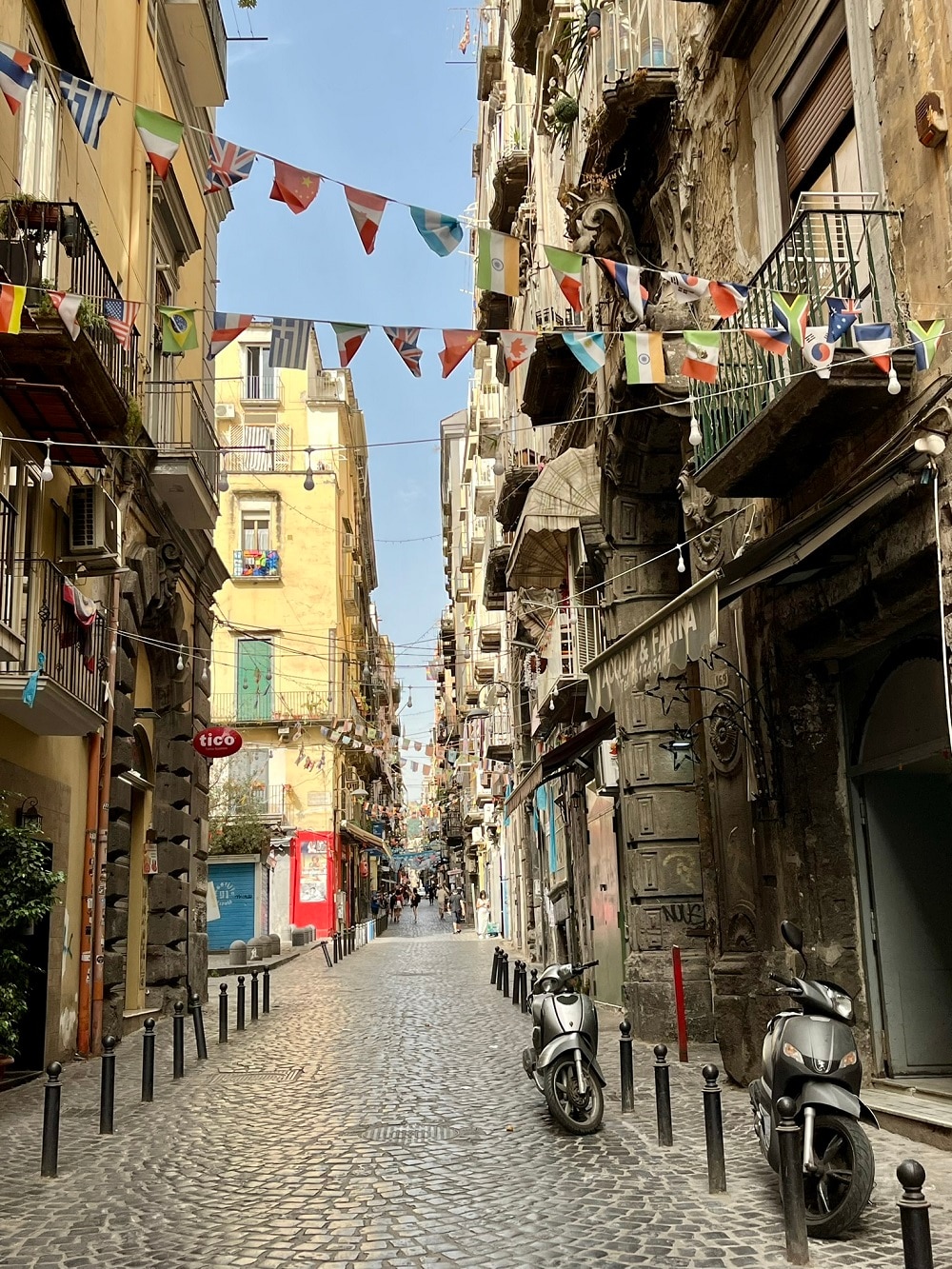
Few streets capture the spirit of Naples better than Spaccanapoli. More than just a street, it is a symbolic line cutting through the old centre and connecting different parts of the city’s historic life. Walking here is one of the best ways to understand Naples, because everything seems to happen at once: people talking from balconies, shops opening onto the street, churches hidden behind simple facades, and little food spots drawing you in with irresistible smells.
Spaccanapoli is not about rushing from one monument to the next. It is about letting the city unfold around you. Along the way, you will pass a mix of sacred buildings, local businesses, old palaces, and small corners that feel unchanged for generations. This is where Naples feels most immediate and most human.
Take your time here. Stop for a coffee, look up at the buildings, and notice how the street rhythm changes from one section to another. The historic centre is not just something to see; it is something to absorb.
San Gregorio Armeno and Naples’ artisan tradition

A short walk from Spaccanapoli brings you to San Gregorio Armeno, one of the most famous streets in Naples. It is known worldwide for its nativity scene workshops, but even outside the Christmas season, it remains one of the city’s most distinctive places.
This street is a reminder that Naples has a strong artisan identity. The workshops are not simply souvenir shops. They reflect a tradition that combines craftsmanship, religious heritage, creativity, and often a sense of humor. The figures displayed in the windows range from classic nativity characters to contemporary personalities, showing how Naples constantly blends old and new.
Even if you are not planning to buy anything, San Gregorio Armeno is worth experiencing because it shows a side of the city that is both highly local and universally appealing. It is one of those places where the cultural identity of Naples becomes visible through handmade objects, gestures, and working traditions.
Naples Cathedral and the city’s layered heritage
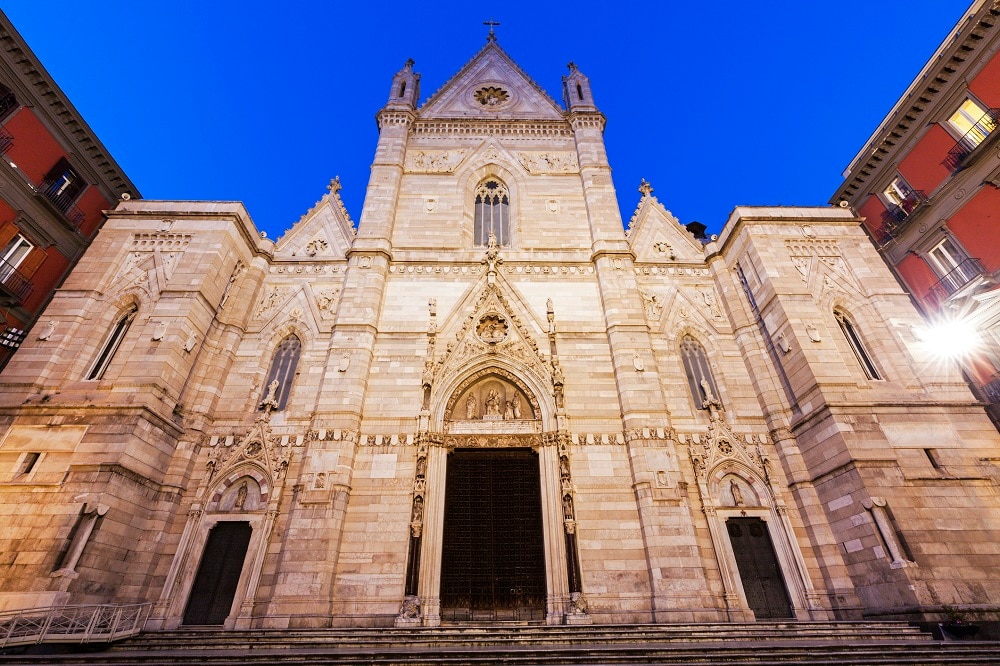
From here, continue toward Naples Cathedral, often called the Duomo. This is one of the city’s most important religious buildings and an excellent place to pause and reflect on Naples’ long and complex history. The cathedral is associated with San Gennaro, the city’s patron saint, whose presence remains deeply meaningful for many locals.
Architecturally, the cathedral reveals how Naples has been shaped over centuries. Different phases, styles, and restorations coexist here, much like they do throughout the city. Visiting the Duomo is not only about entering a church; it is about understanding how faith, civic identity, and history are closely intertwined in Naples.
The area around the cathedral also has its own charm, with a constant flow of residents, visitors, and street life. This combination of spiritual significance and urban vitality is very typical of Naples, where monuments are rarely isolated from everyday life.
Piazza del Gesù and the monumental centre
Later in the day, head toward Piazza del Gesù, one of the most impressive squares in central Naples. By this point, you will have moved through the denser, more labyrinthine heart of the old town, and the square offers a different kind of urban space: broader, more monumental, and visually dramatic.
The square is surrounded by important historic buildings and churches, including Gesù Nuovo, whose striking facade immediately catches the eye. It is also a natural meeting point and a good place to take a break, sit for a while, and watch the city move around you.
What makes this part of Naples especially interesting is the contrast. In a relatively short walk, you go from intimate alleys to grand architecture, from artisan streets to open squares. That variety is one of the reasons a two-day trip to Naples feels rich and satisfying even when time is limited.
An evening between local food and lively streets

As evening arrives, Naples changes again. The city becomes even more social, and the streets fill with voices, movement, and the promise of dinner. Your first night should be dedicated to one of the most important parts of the Neapolitan experience: food.
Whether you choose a classic pizzeria, a traditional trattoria, or a more casual local spot, dinner in Naples is rarely just a practical stop. It is part of the city’s identity. After eating, spend some time walking through the centre again. The evening atmosphere has its own energy, and even familiar streets can feel different after dark.
There is no need to overplan this part of the day. In Naples, some of the best moments come from simply walking, looking around, and allowing the city to surprise you.
Day 2 in Naples: panoramas, culture and the seafront
Via Toledo and the energy of the modern city
Start to Via Toledo, one of the busiest and most famous streets in Naples. If Spaccanapoli represents the ancient soul of the city, Via Toledo shows its modern pulse. Shops, cafés, people commuting, people strolling, residents, and visitors all mix together here.
This is a good place to feel the everyday life of Naples beyond its historic image. The street is lively but also functional, and it connects several parts of the city in a way that makes it ideal for a second-day route. It is the kind of place where you can take a break, browse, stop for coffee, and enjoy the urban flow.
The Spanish Quarter between atmosphere and character
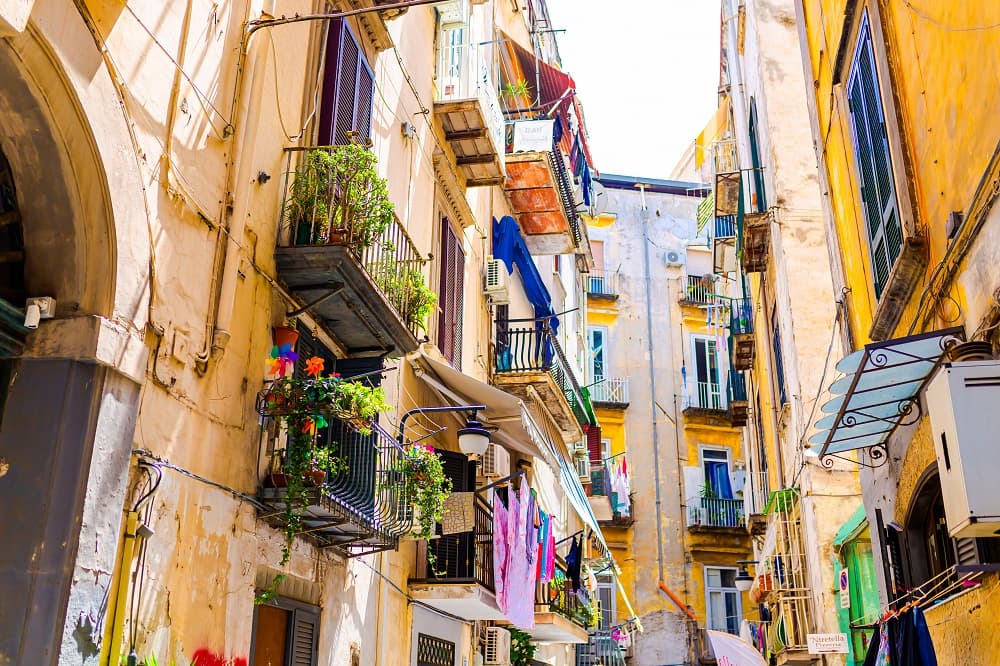
Just off Via Toledo lies the Spanish Quarter, one of the most atmospheric parts of Naples. Once seen only through stereotypes, this area is increasingly appreciated by visitors for its character, energy, and strong local identity. It is not a neighborhood to visit with a checklist in hand. Instead, it is best explored with curiosity and attention.
The narrow lanes, murals, balconies, small shops, and crowded corners create a setting that feels unmistakably Neapolitan. This is one of the places where you understand how much the city’s identity comes from ordinary life as much as from monuments. The Spanish Quarter can feel intense, but that intensity is part of what makes Naples so compelling.
Piazza del Plebiscito and the monumental side of Naples

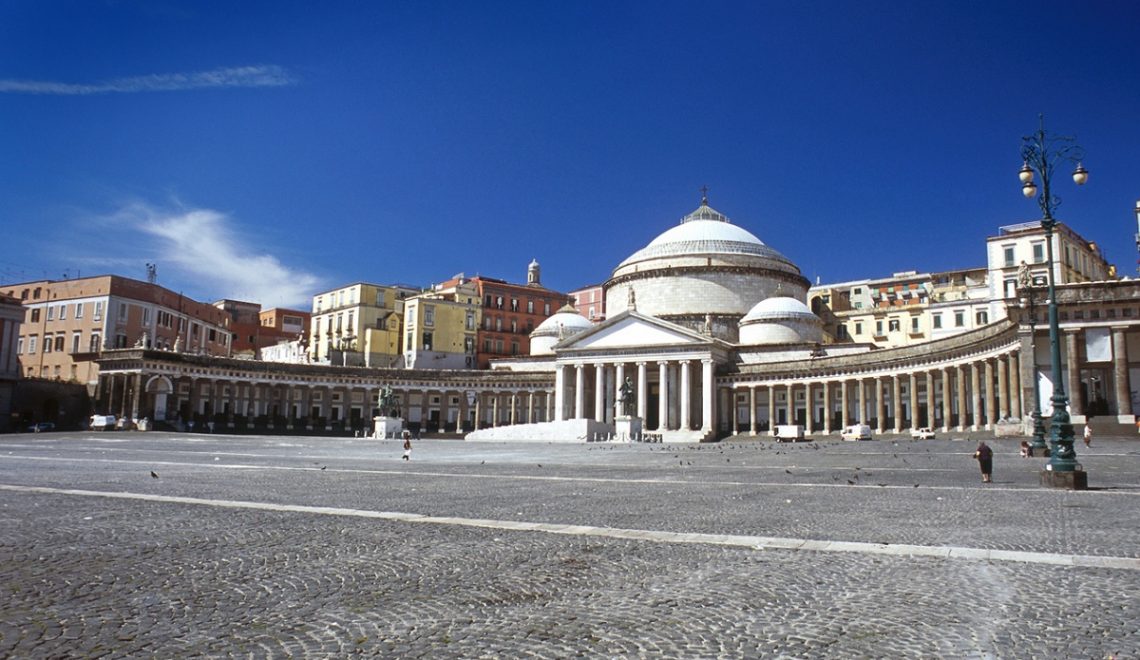
Reach Piazza del Plebiscito, one of the city’s best-known and most elegant public spaces. Wide, open, and monumental, it presents a very different image of Naples from the medieval streets of day one. Here, the city feels grander, more formal, and more closely connected to its royal and political history.
This area is ideal for understanding another side of Naples: not just the intimate, chaotic, and popular city, but also the one shaped by power, ceremony, and urban vision. The buildings around the square give it a theatrical quality, and the open space creates a sense of pause after the tighter streets of the historic centre.
Castel dell’Ovo and the waterfront walk
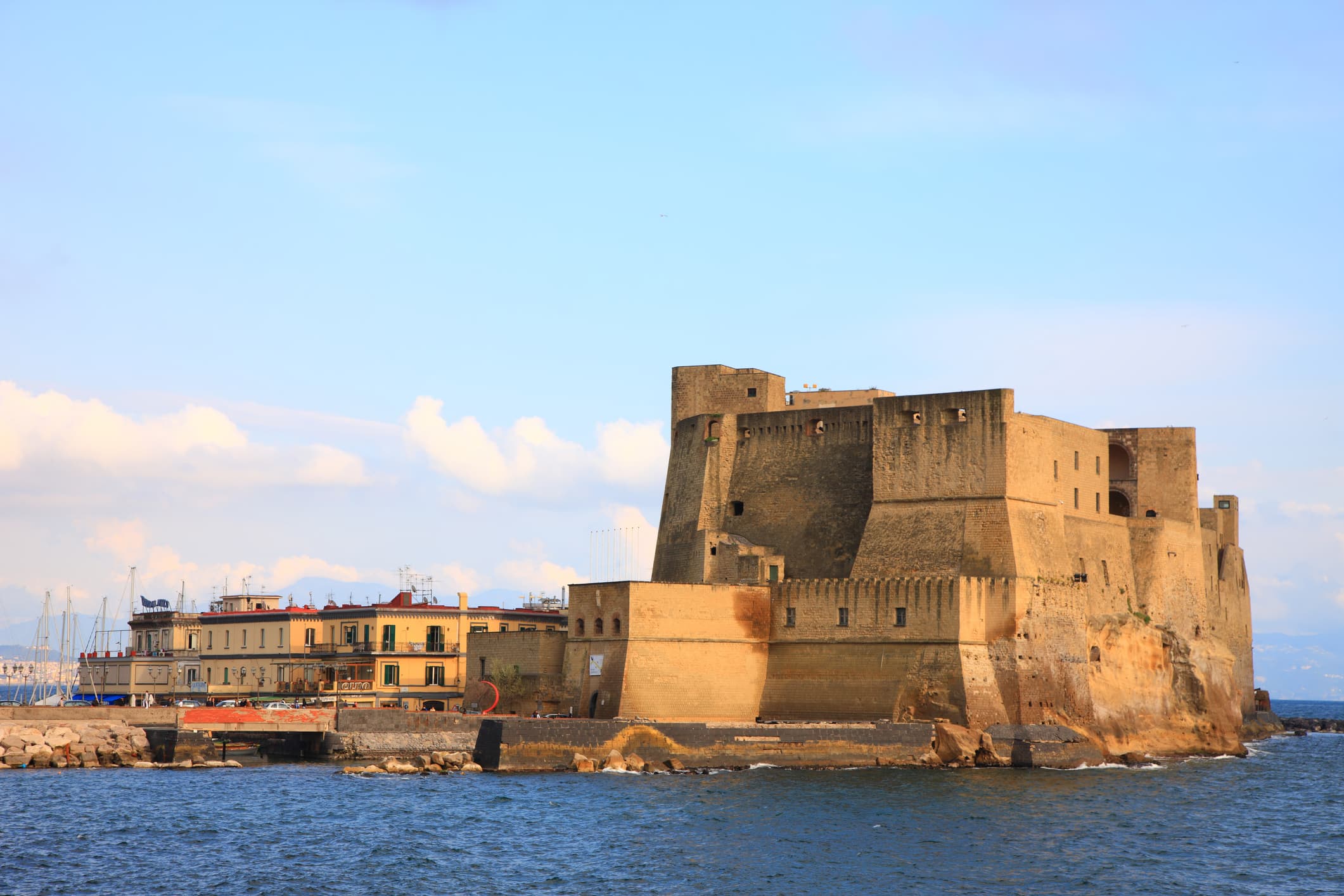
After the denser city centre, head toward Castel dell’Ovo, one of Naples’ most iconic landmarks. Located by the sea, it offers a completely different perspective on the city. Here, the pace begins to slow, and the view opens up.
The castle itself is tied to legends and centuries of history, but even for visitors more interested in atmosphere than architecture, the area is worth visiting simply for its setting. The combination of stone, water, boats, and the bay creates one of the most memorable images of Naples.
Lungomare di Napoli for sea views and a slower pace
From Castel dell’Ovo, continue along the Lungomare di Napoli. After a first day immersed in churches, alleys, and dense urban life, this stretch offers space, light, and air. The sea views are beautiful, and on clear days the outline of Vesuvius adds a dramatic backdrop.
This is one of the best parts of a two-day Naples itinerary because it balances the trip perfectly. It shows that the city is not only about history and street life, but also about landscape and perspective. A walk here is a chance to slow down and simply enjoy where you are.
End the trip with dinner and a final look at the bay
For your last evening, choose a dinner that allows you to enjoy the atmosphere one more time. A waterfront setting can be especially rewarding, but even a place back in the centre can work if it captures the warmth and flavor of the city.
The important thing is to let the trip end gradually. Naples is a city that stays vivid in the memory, and a final walk by the bay or through a lively central street is the perfect way to close two full and rewarding days.
What to eat during 2 days in Naples

A trip to Naples would not be complete without giving proper attention to its food. Of course, pizza is the most famous symbol of the city, and trying it here is almost essential. But Naples offers much more than that.
During two days, you should also try local street food, such as fried specialties and savory snacks that are perfect between visits. Traditional pasta dishes, seafood options near the waterfront, and simple but flavorful seasonal ingredients all reflect the city’s culinary character.
And then there are desserts. Naples has a rich pastry tradition, and even a short break can become memorable with the right sweet treat and an espresso. Food in Naples is not just about eating well. It is about understanding the city’s generosity, creativity, and strong connection to daily pleasure.
Useful tips for visiting Naples in 2 days
The best area to stay
If you only have two days, staying in a central area is the smartest choice. Being close to the historic centre, Toledo, or the station area can make it easier to organize your itinerary efficiently. The right area depends on your travel style, but in general, choosing a well-connected location will help you make the most of your time.
How to move around the city efficiently
Naples can be explored largely on foot if you plan your route well, especially in the centre. For longer distances, metro lines and other local transport options are useful. A good strategy is to combine walking with short public transport rides when needed. If you are arriving by train, reaching Napoli Centrale with Italo gives you a practical starting point for the whole trip.
When to visit Naples for the best experience
Naples can be fascinating year-round, but spring and early autumn are often especially pleasant. The temperatures are usually comfortable, and walking through the city becomes easier and more enjoyable. Summer can be lively and beautiful, particularly by the sea, though it may also be hotter and busier. Winter, on the other hand, can offer a more local and atmospheric experience, especially around festive periods.
To Naples by train
What do you think of this two-day itinerary of Naples? Are you more fascinated by art or enticed by the delicacies of the city? Don’t answer right now, you can fulfill both wishes by reaching Naples by train (if you feel like staying a little longer, you might even consider stopping in Ischia for a few days of wellness and relaxation)
With Italo, you have more than 30 daily connections from all over Italy. Enjoy this journey of art and good taste!