Southern Italy is a destination that captures the imagination with its dramatic coastlines, ancient cities, vibrant traditions and slower rhythms of life. From the historic streets of Naples to the whitewashed villages of Puglia and the cliffs of Calabria, this part of the country offers a travel experience that feels authentic, diverse and deeply rooted in history. Whether you are planning your first journey or returning to explore more deeply, discovering southern Italy means embracing culture, landscapes and flavours that remain unforgettable long after the trip ends.
- 1 Why south Italy is one of the most fascinating regions to explore
- 2 Best cities to visit in southern Italy
- 3 Best southern Italy towns and hidden villages
- 4 Best places to stay in southern Italy
- 5 How to get around southern Italy comfortably
- 6 Tips for planning your trip to southern Italy
- 7 Where to start and how to organize your trip
Why south Italy is one of the most fascinating regions to explore
A mix of history, landscapes and traditions
Few places in Europe offer the same density of cultural heritage as southern Italy. Greek temples, Roman amphitheatres, Norman cathedrals and Baroque palaces coexist within short distances, creating an environment where history is not confined to museums but woven into everyday life.
The landscapes are equally varied. In a single journey you can move from volcanic areas and dramatic coastlines to rolling countryside, olive groves and crystal-clear waters. Each region maintains its own traditions, dialects and culinary identity, giving travellers the impression of visiting several countries within one destination.
When to plan your trip to southern Italy
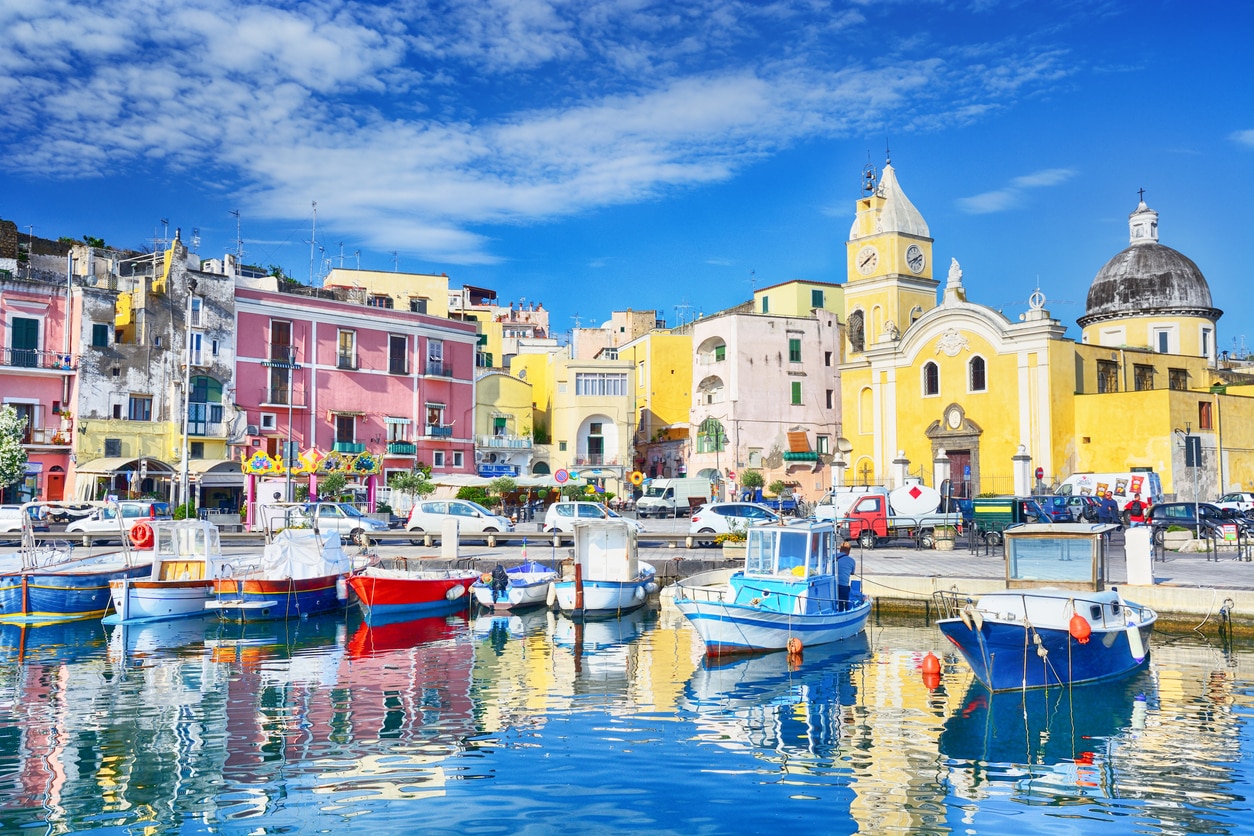
Southern Italy can be visited year-round, but the best periods are usually spring and early autumn, when temperatures are pleasant and major attractions are less crowded. Summer is ideal for coastal destinations and seaside towns, although popular locations can be busy in July and August.
Travelling outside peak months often allows for a more relaxed pace, better accommodation availability and a deeper connection with local life.
Best cities to visit in southern Italy
Naples: vibrant culture and historic landmarks
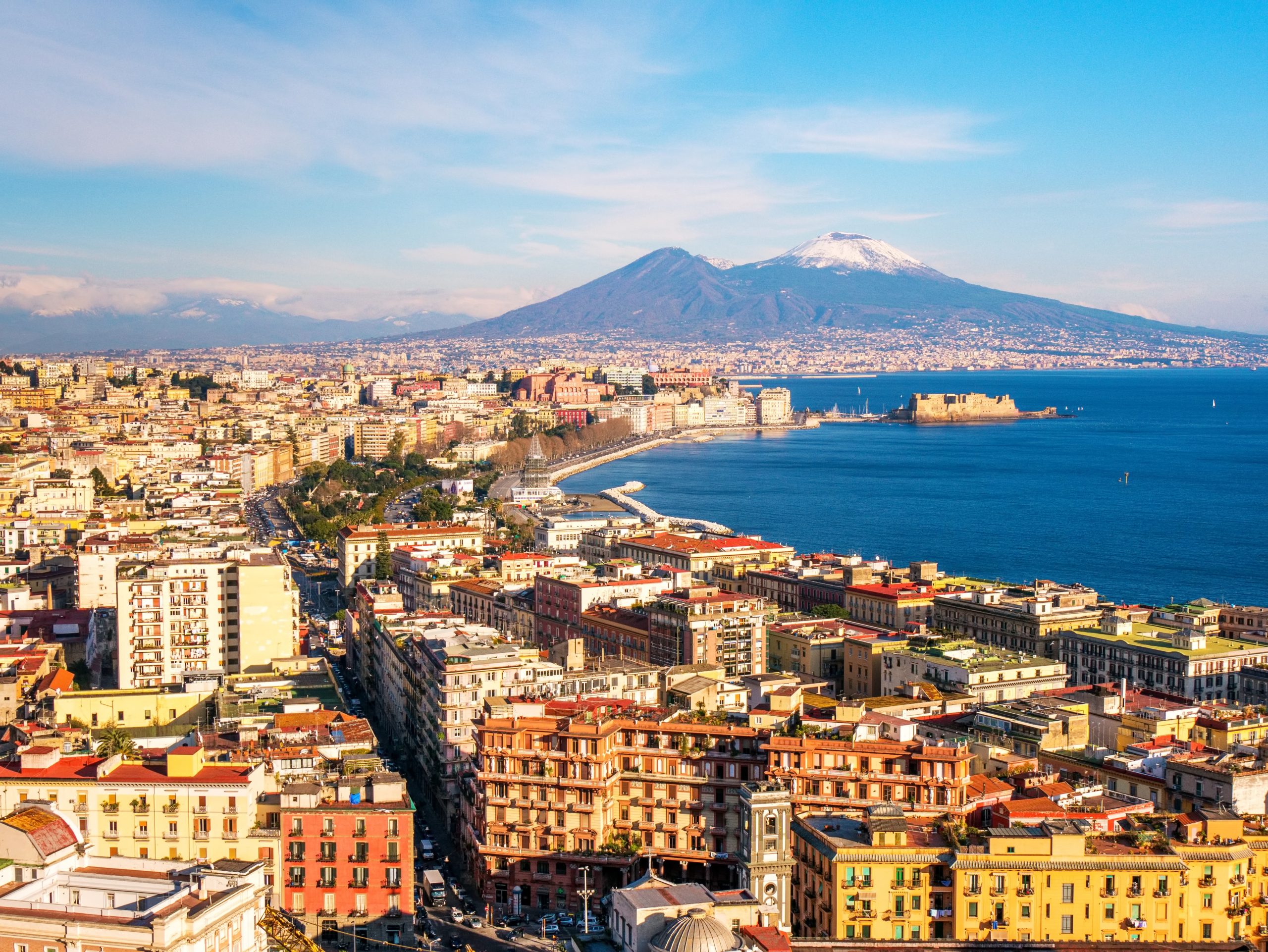
Naples is one of the most intense and fascinating cities in Europe. Its historic centre, a UNESCO World Heritage Site, is a maze of churches, palaces and lively streets where art, daily life and tradition blend seamlessly. Walking along Spaccanapoli, visitors encounter historic workshops, pizzerias, Baroque churches and small squares filled with local life.
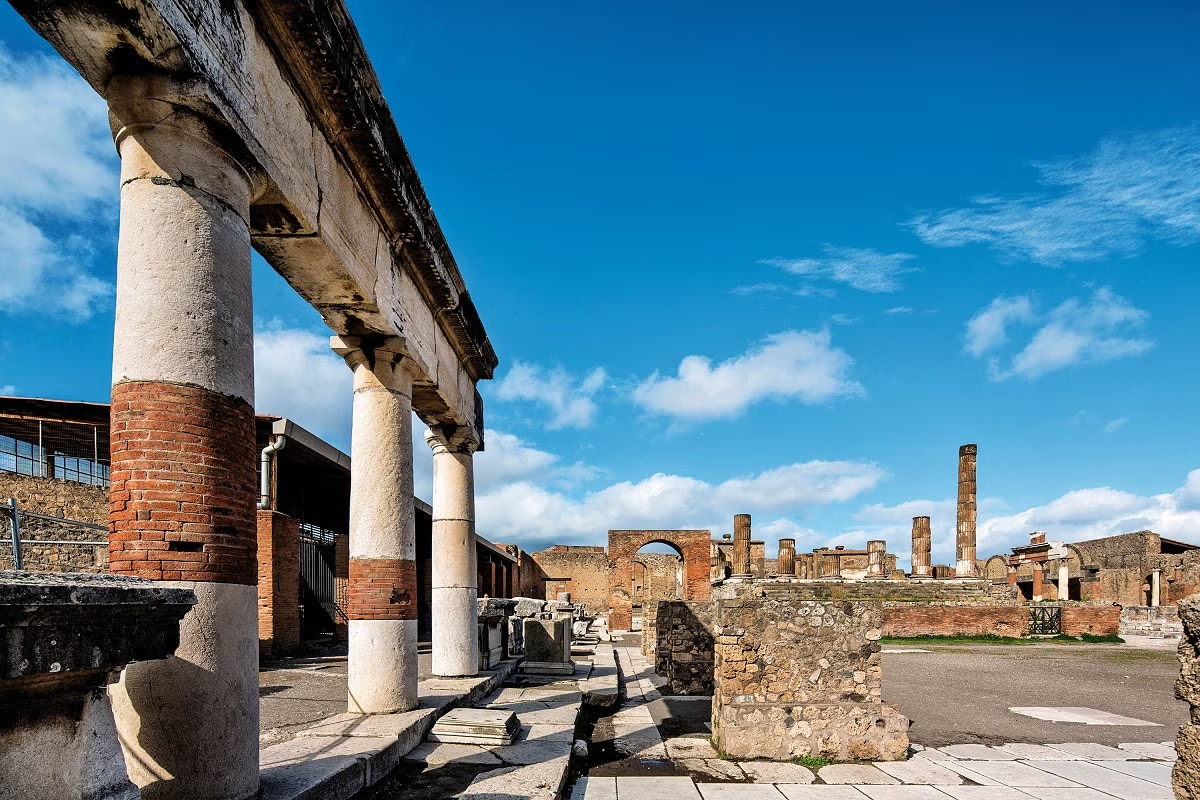
From the treasures of the National Archaeological Museum—home to major finds from Pompeii and Herculaneum—to the panoramic views from Castel Sant’Elmo and the scenic waterfront promenade, Naples offers a wide variety of experiences. Underground tunnels, aqueducts and catacombs reveal layers of history spanning more than two millennia.
Its proximity to Pompeii, Herculaneum and Mount Vesuvius makes Naples an excellent base for exploring iconic sites, while neighbourhoods like the Spanish Quarter offer an authentic glimpse of everyday life. The city is also renowned for its food culture, where pizza, street food and traditional pastries such as sfogliatella and babà reflect the identity and heritage of Naples.
Bari: the gateway to Puglia
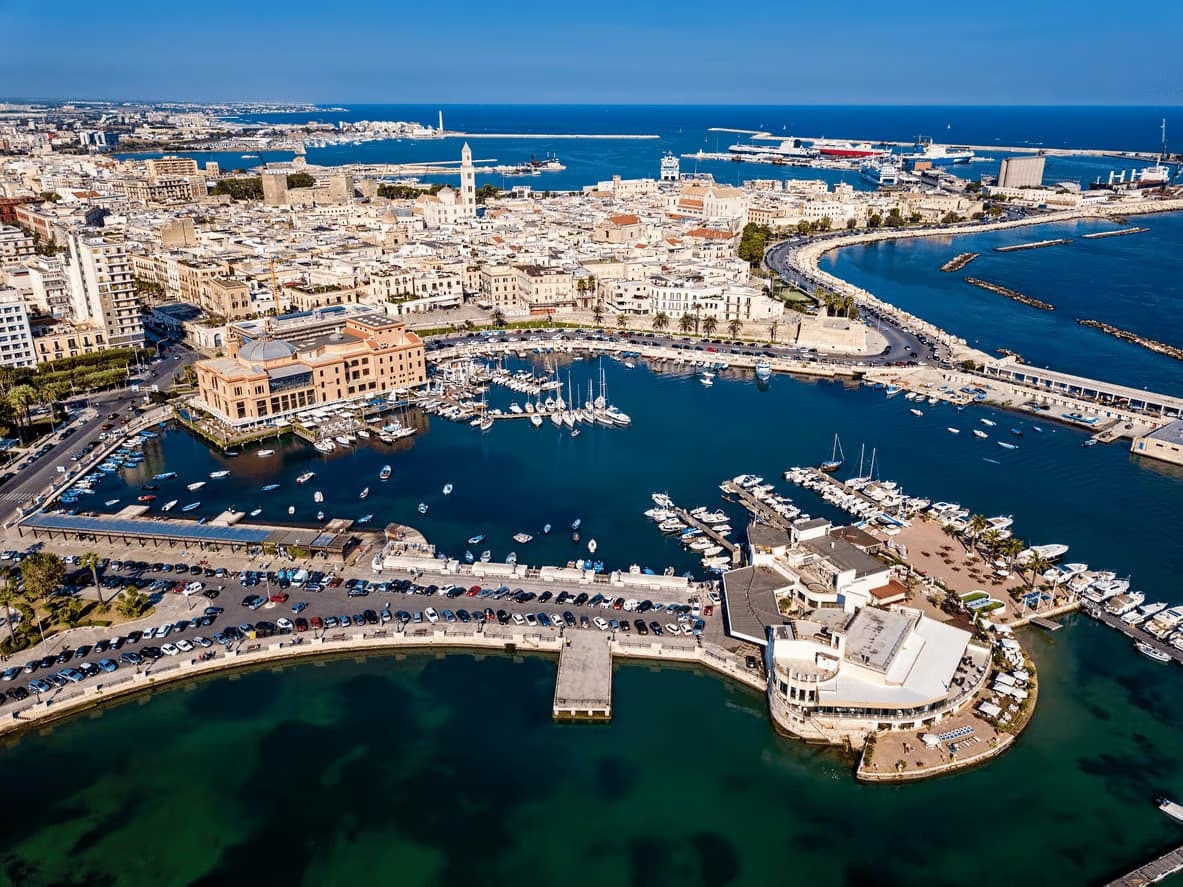
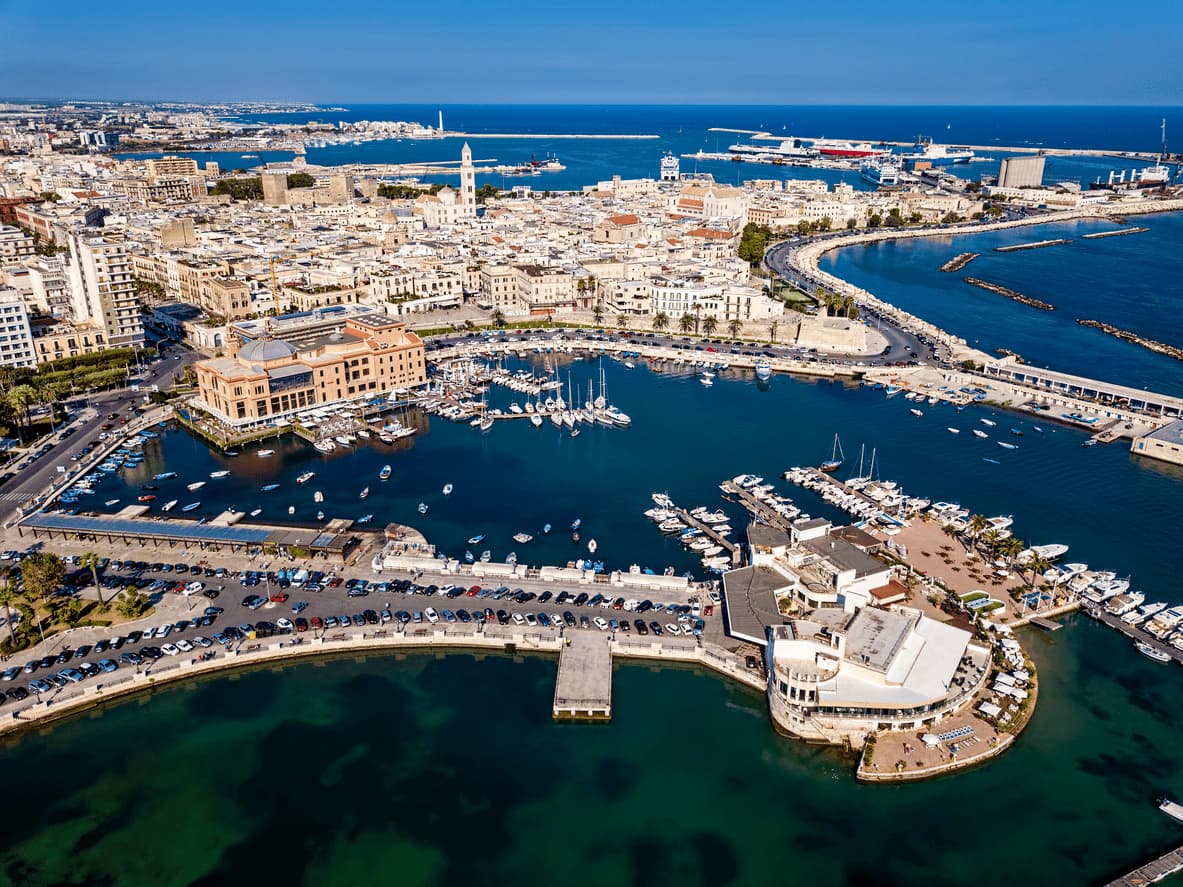
Bari is often considered the ideal starting point for exploring Puglia, thanks to its position on the Adriatic coast and its strong transport connections. Its historic heart, Bari Vecchia, is a charming network of narrow alleys, small squares and centuries-old churches where daily life continues much as it has for generations, and where locals can still be seen preparing fresh orecchiette pasta by hand.
Highlights of the old town include the Basilica of Saint Nicholas and the Cathedral of San Sabino, both notable examples of Apulian Romanesque architecture. Early morning or late afternoon is the best time to experience Bari Vecchia, when the atmosphere is at its most evocative.
Beyond the old town, Bari features a long seafront promenade and the elegant Murat district, which reflects the city’s modern side. Its location makes it a convenient base for visiting nearby destinations such as Alberobello, the Valle d’Itria, Polignano a Mare and the beaches further south, making Bari not only a gateway but a destination worth exploring in its own right.
Polignano a Mare: cliffs, sea and postcard views

Polignano a Mare is one of the most picturesque towns in Puglia, perched dramatically on limestone cliffs above crystal-clear waters. Its most famous beach, Lama Monachile, framed by steep rock walls and an ancient bridge, has become one of the most photographed coastal scenes in Italy.
The historic centre is small but full of character, with whitewashed buildings, flower-filled balconies and terraces opening onto the sea. Walking through its streets, visitors often encounter poetic verses written on stairways and walls, reflecting the town’s artistic spirit. With its combination of spectacular scenery, relaxed atmosphere and authentic charm, Polignano a Mare is a memorable stop on any journey through southern Italy.
Sorrento: sea views and a relaxed Mediterranean atmosphere
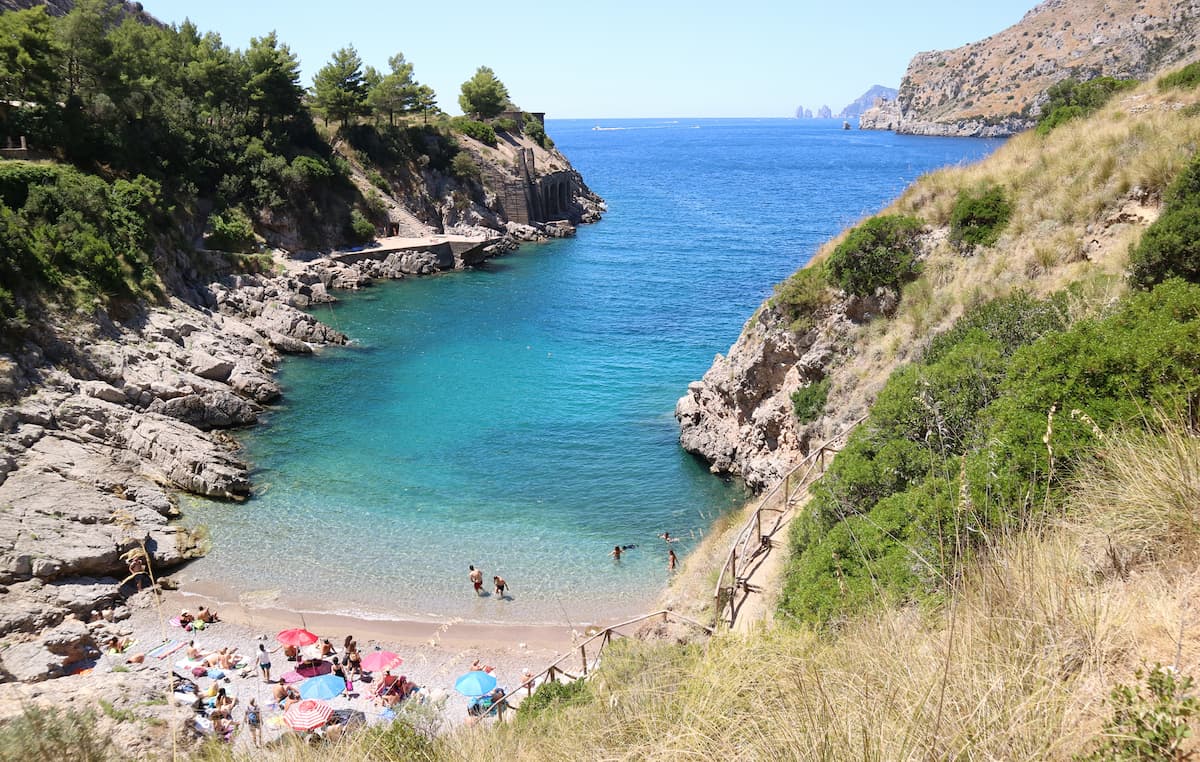
Overlooking the Bay of Naples, Sorrento is famous for its elegant atmosphere, lemon groves and spectacular sunsets. Its historic centre is a pleasant maze of lively streets, boutique shops and traditional restaurants, while scenic terraces offer views of Mount Vesuvius across the water.
Sorrento is also well known for its local traditions, from limoncello production to handcrafted ceramics and regional cuisine. Thanks to its location, it serves as an excellent base for exploring nearby destinations such as Capri, Pompeii and the Amalfi Coast, while maintaining a more relaxed and welcoming pace than larger cities.
Amalfi: dramatic landscapes and coastal charm
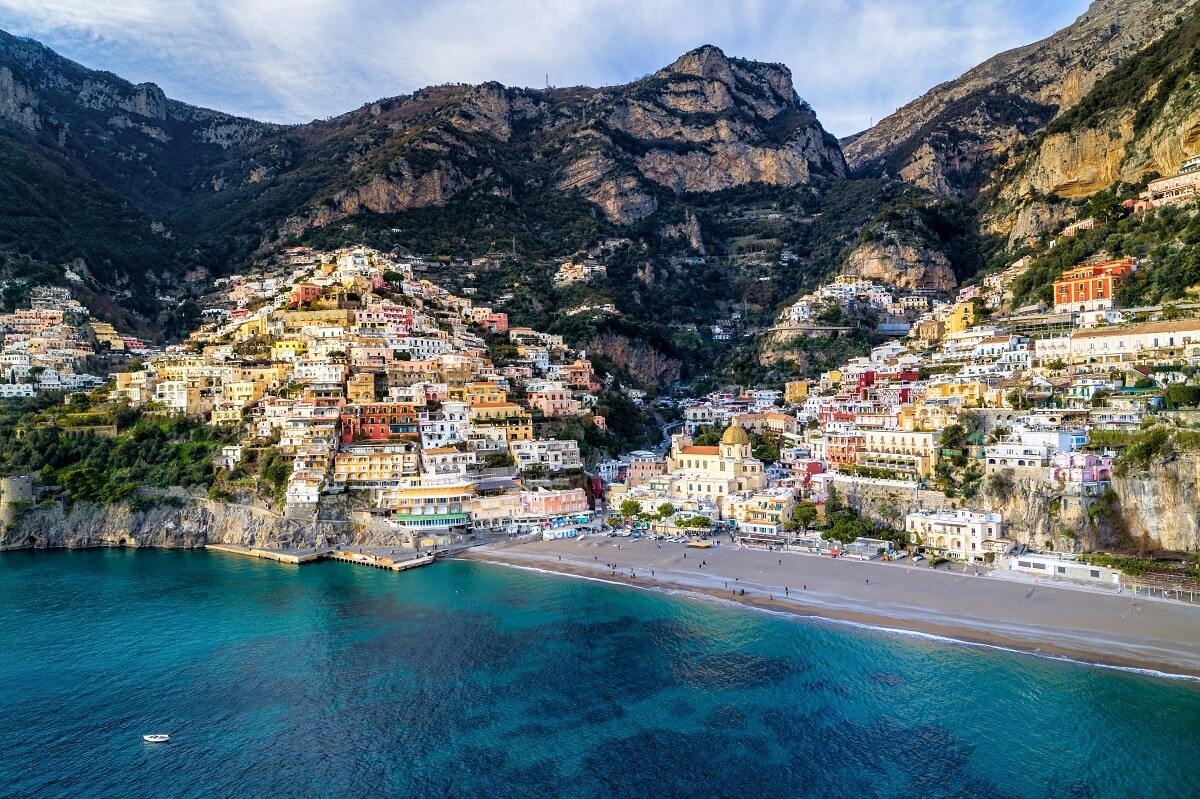
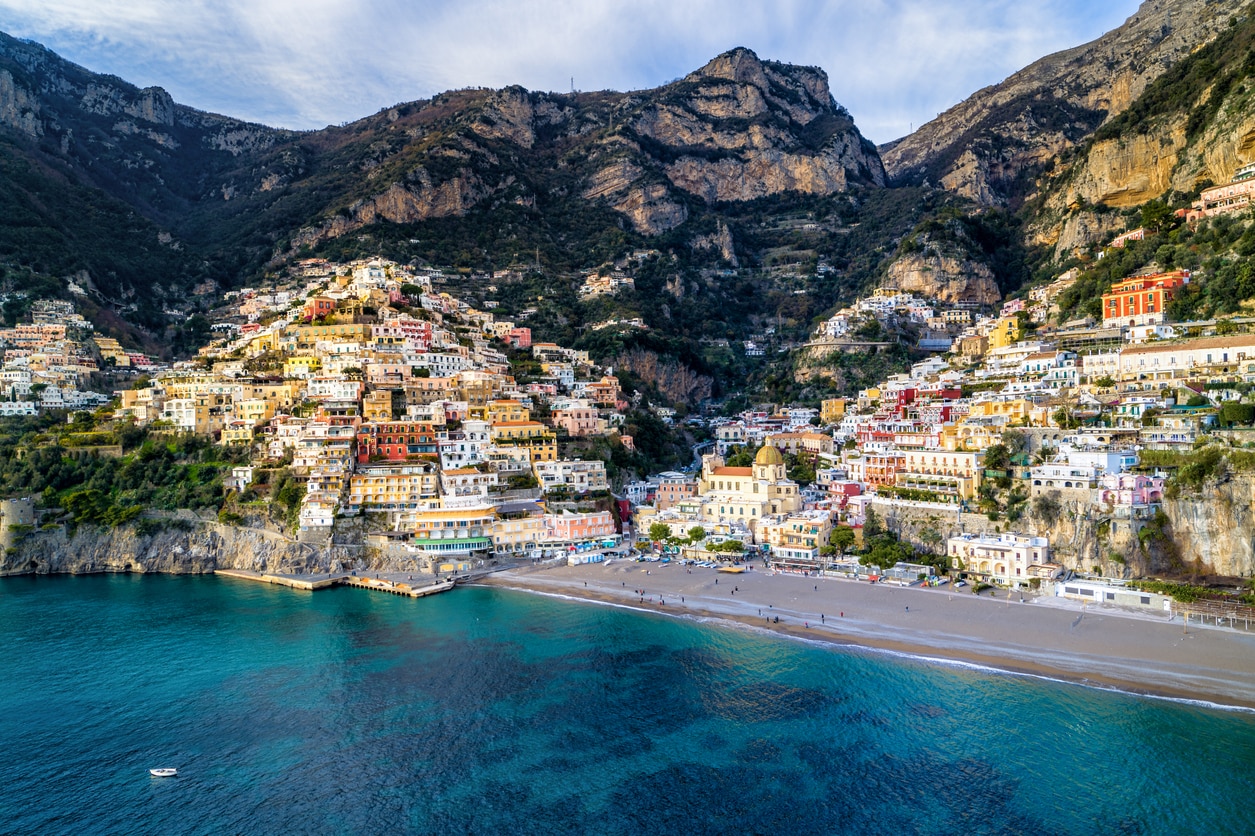
Amalfi is one of the most iconic destinations on the Amalfi Coast, known for its dramatic cliffs, colourful houses and sweeping views over the Mediterranean. At the heart of the town stands the striking Cathedral of Saint Andrew (Duomo di Amalfi), whose staircase and Arab-Norman architecture make it one of the most recognizable landmarks in southern Italy.
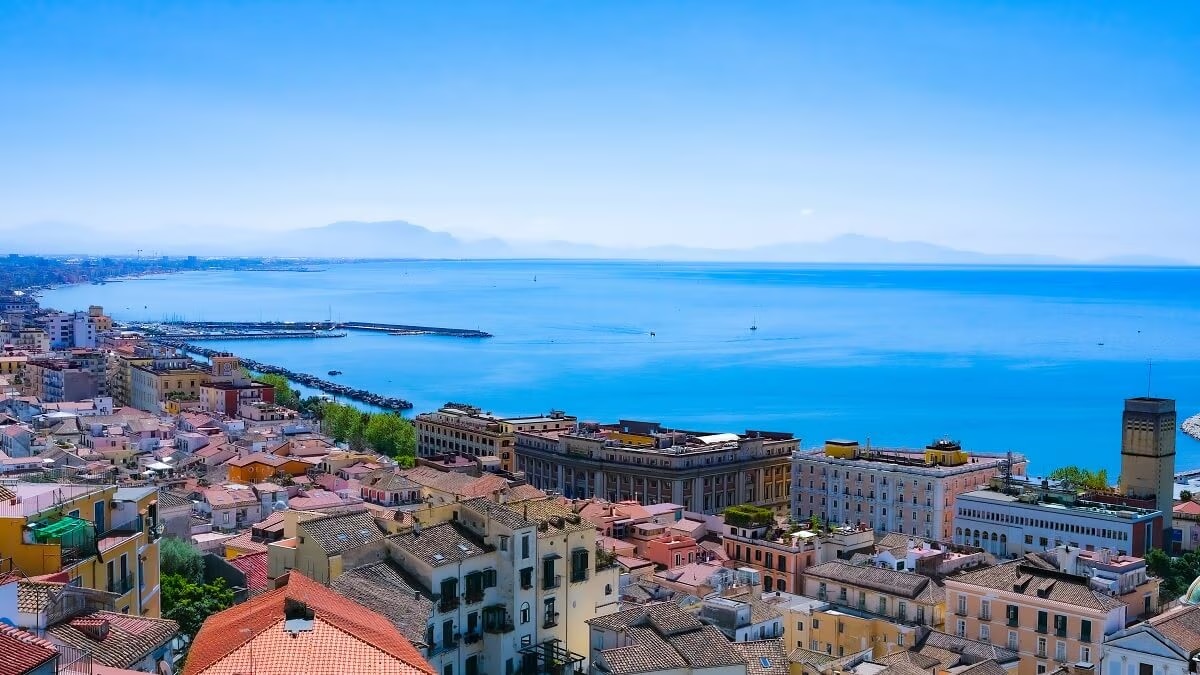
Strolling through Amalfi means wandering narrow streets filled with artisan shops, small cafés and terraces overlooking the sea. The surrounding coastline, with its scenic drives and panoramic viewpoints, offers some of the most breathtaking landscapes in Italy, making Amalfi a perfect destination for travellers seeking both beauty and atmosphere.
Palermo: art, markets and seaside views
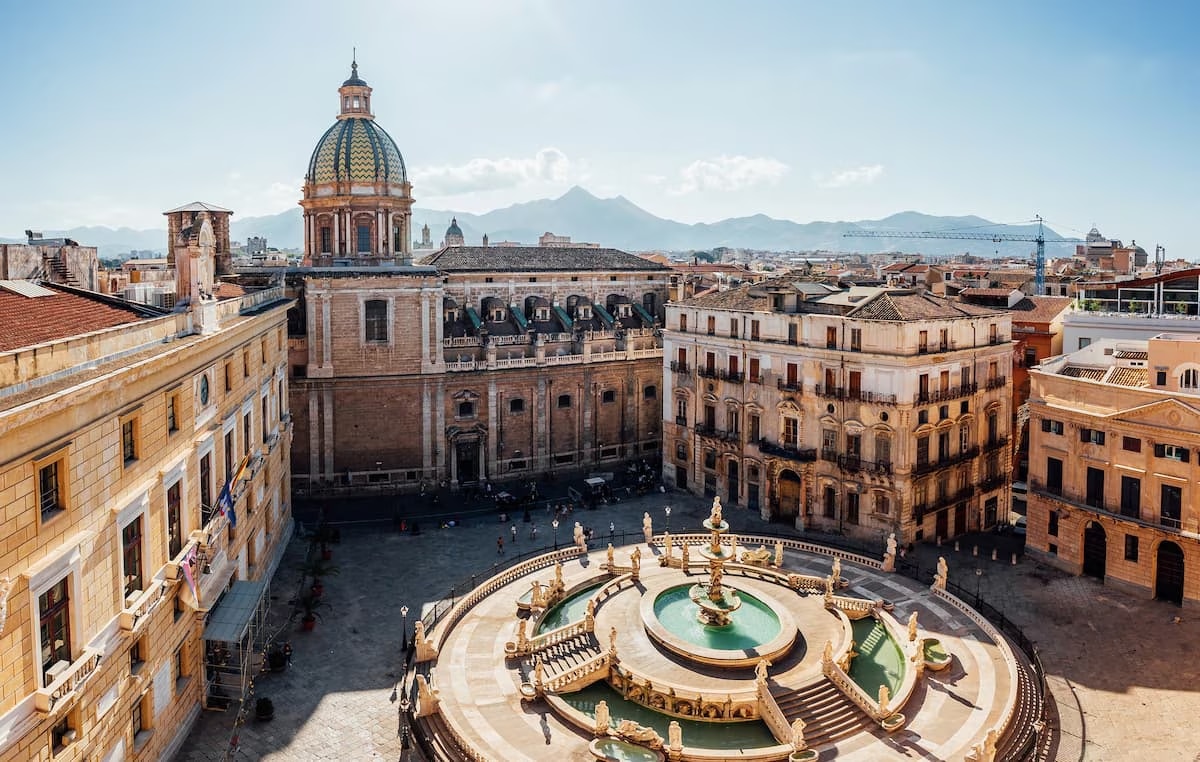
Palermo is a city of contrasts and layered history, shaped by Arab, Norman and Spanish influences. Its architecture reflects centuries of cultural exchange, visible in churches, palaces and vibrant neighbourhoods.
Markets such as Ballarò and Vucciria provide a sensory experience of colours, aromas and local flavours, while the nearby beaches and coastal scenery add another dimension to the journey.
Alberobello and the trulli of Puglia

Alberobello is famous for its unique trulli, traditional white stone houses with conical roofs that create one of the most distinctive landscapes in Italy. Walking through its streets feels like stepping into a storybook setting, especially in the quieter hours of the morning or evening.
The town is relatively small, making it perfect for a slow visit focused on architecture, photography and local crafts.
Matera and its ancient cave dwellings
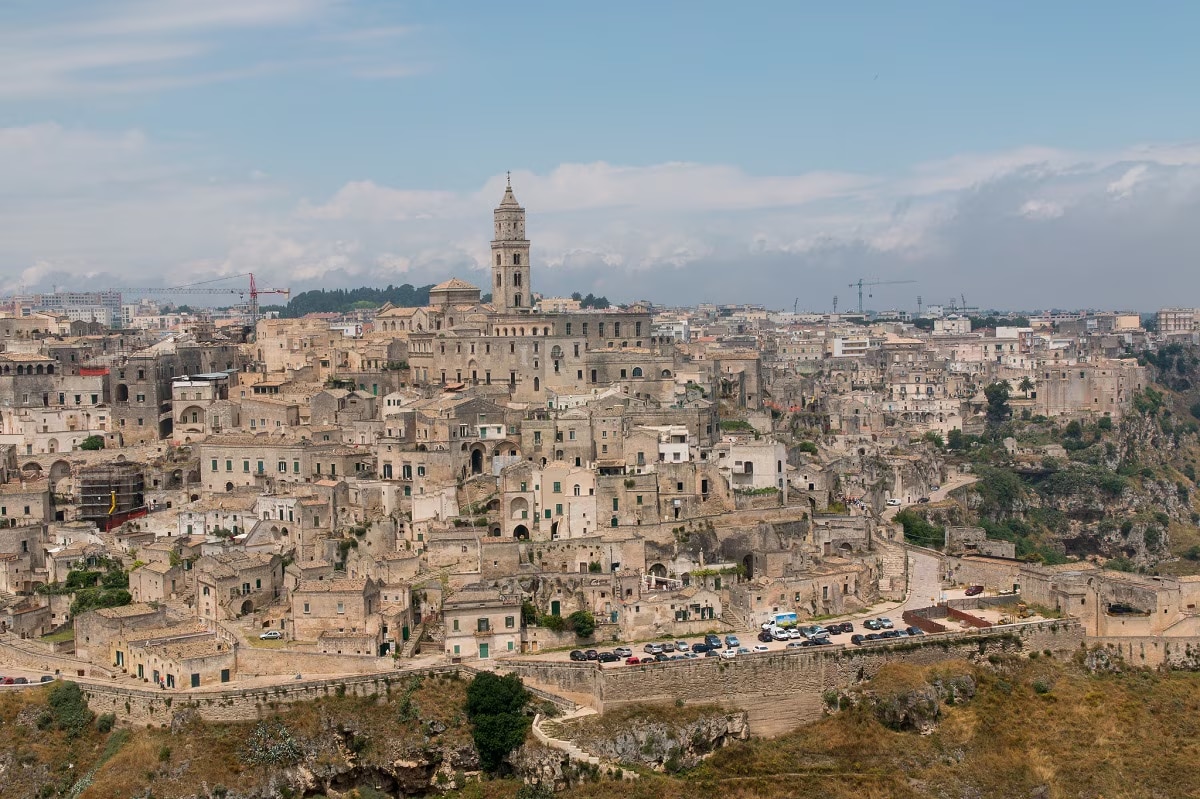
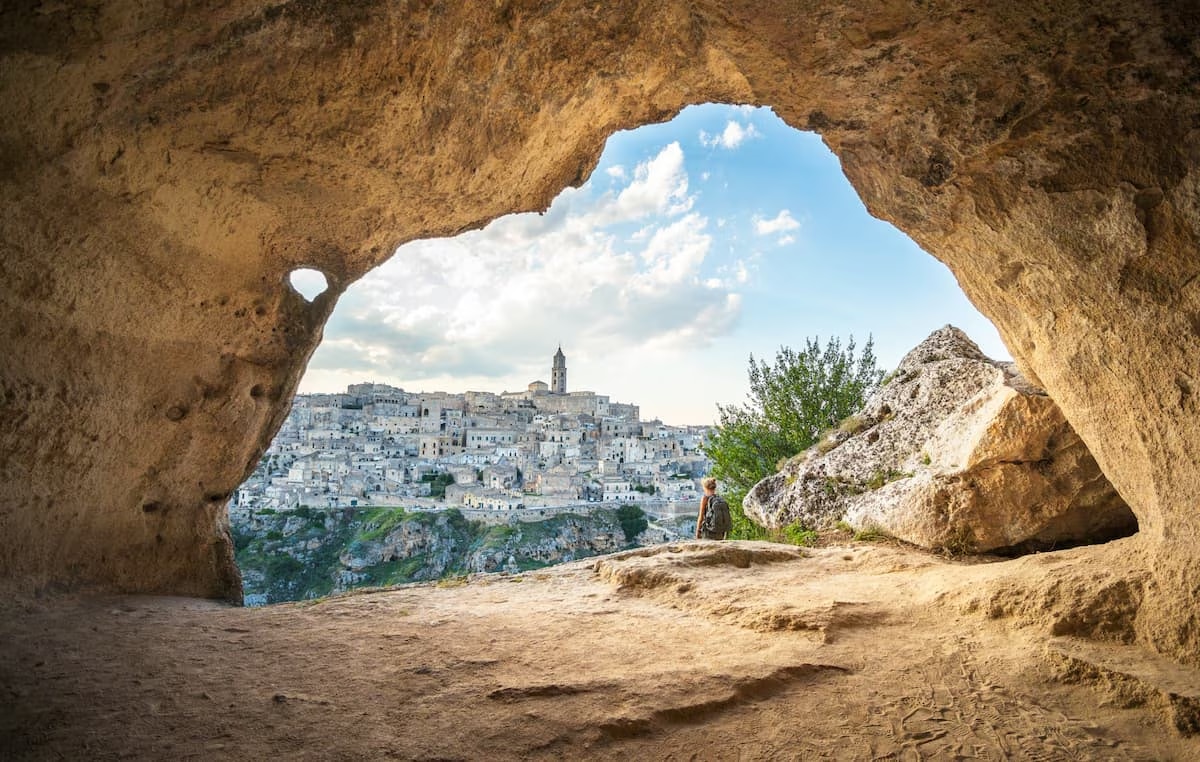
Matera is one of the oldest continuously inhabited cities in the world. The Sassi, ancient cave dwellings carved into rock, form an extraordinary urban landscape that has been carefully restored over recent decades.
Exploring Matera means walking through stone pathways, panoramic terraces and ancient churches carved into the cliffs, discovering a place where history and modern hospitality coexist in remarkable harmony.
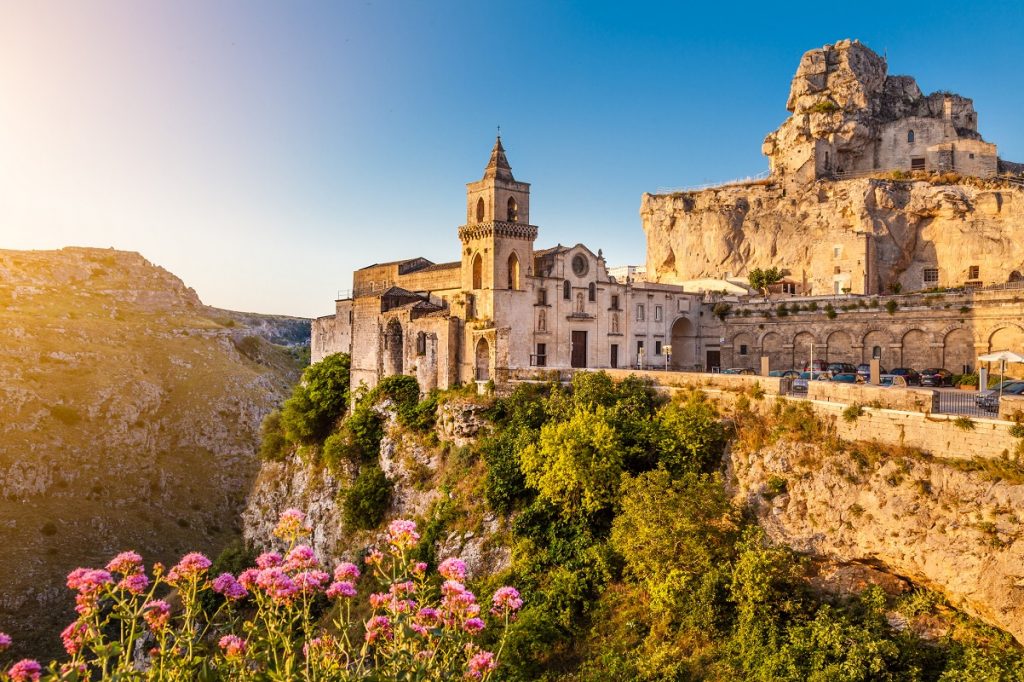
A weekend in Matera? Here’s what to see and do in two days
Ten must-see stops for a splendid weekend in Matera: from the Sassi to the Murgia Park, with museums and shopping – visit it with us!
Tropea and the coast of Calabria
Tropea is often described as one of the most beautiful seaside towns in Italy. Perched on cliffs above turquoise waters, it offers stunning views and a relaxed atmosphere that makes it ideal for a slower pace of travel.
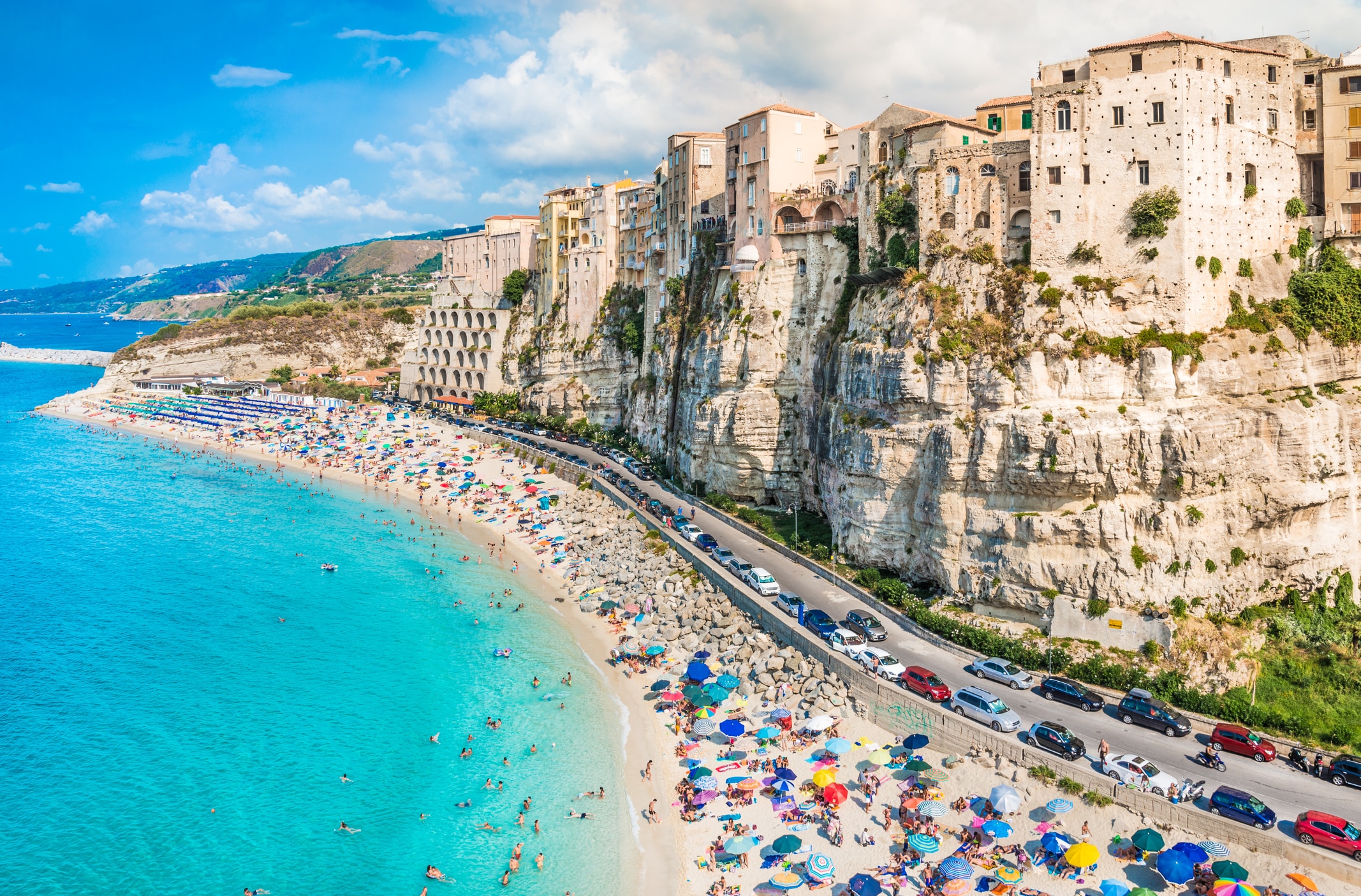
The historic centre, small beaches and nearby coastal routes make Tropea a rewarding stop for travellers seeking both scenery and tranquillity.
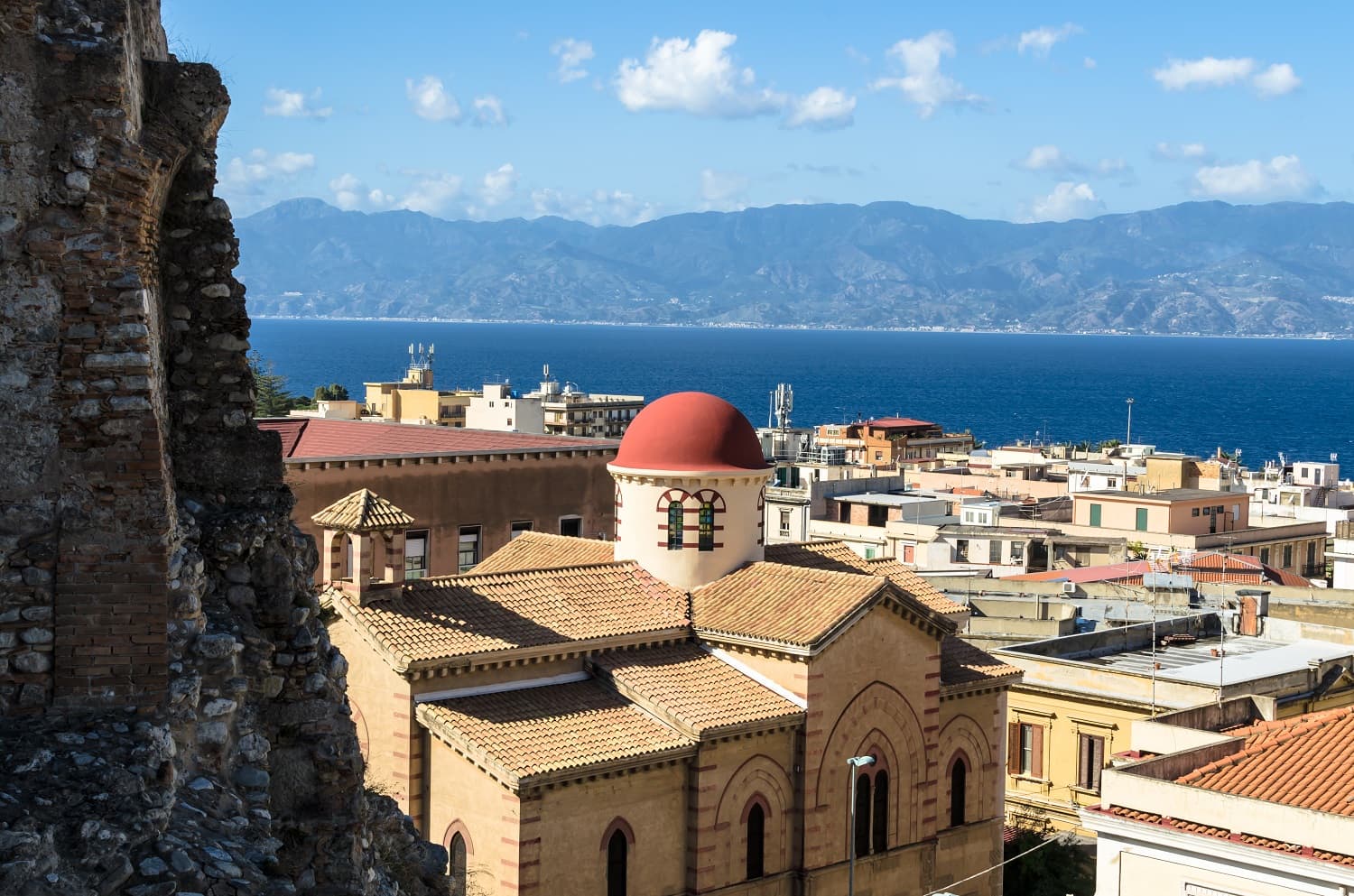
Discovering Reggio Calabria: A Complete Travel Guide
Reggio Calabria, the largest city in the Calabria region, is a vibrant destination that offers a unique blend of history, culture and stunning coastal scenery.
Best places to stay in southern Italy
Coastal destinations for sea lovers
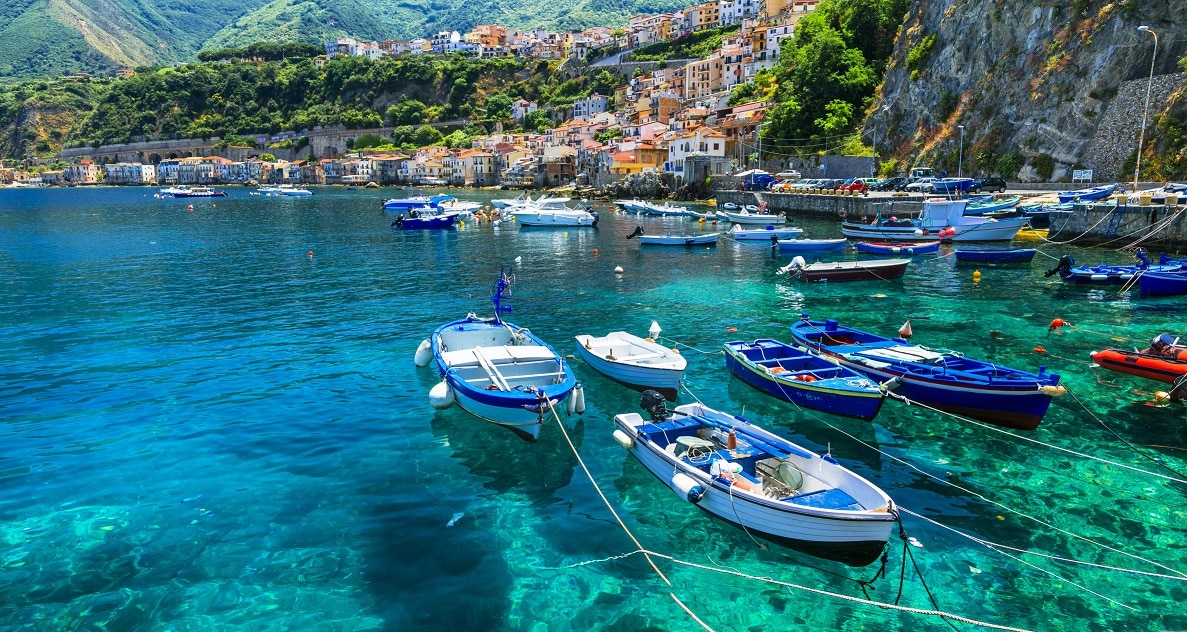
Southern Italy is home to some of the most beautiful coastlines in the Mediterranean. Staying near the sea allows travellers to enjoy beaches, sunsets and seaside restaurants while maintaining easy access to nearby towns and attractions. Along the coasts of Puglia, Sicily and Calabria, visitors can discover some truly remarkable beaches, such as Punta Prosciutto in Porto Cesareo, known for its white sand and shallow turquoise waters, Baia dei Turchi near Otranto, surrounded by pine forests and clear sea, and San Vito Lo Capo in Sicily, famous for its long sandy shoreline and Caribbean-like colours. Another striking destination is Scala dei Turchi, with its bright white cliffs overlooking the sea, offering one of the most distinctive coastal landscapes in Italy.
Coastal destinations are especially appealing in warmer months, when the sea becomes a central part of the experience and days naturally revolve around swimming, relaxing by the shore and enjoying fresh seafood in small waterfront restaurants.
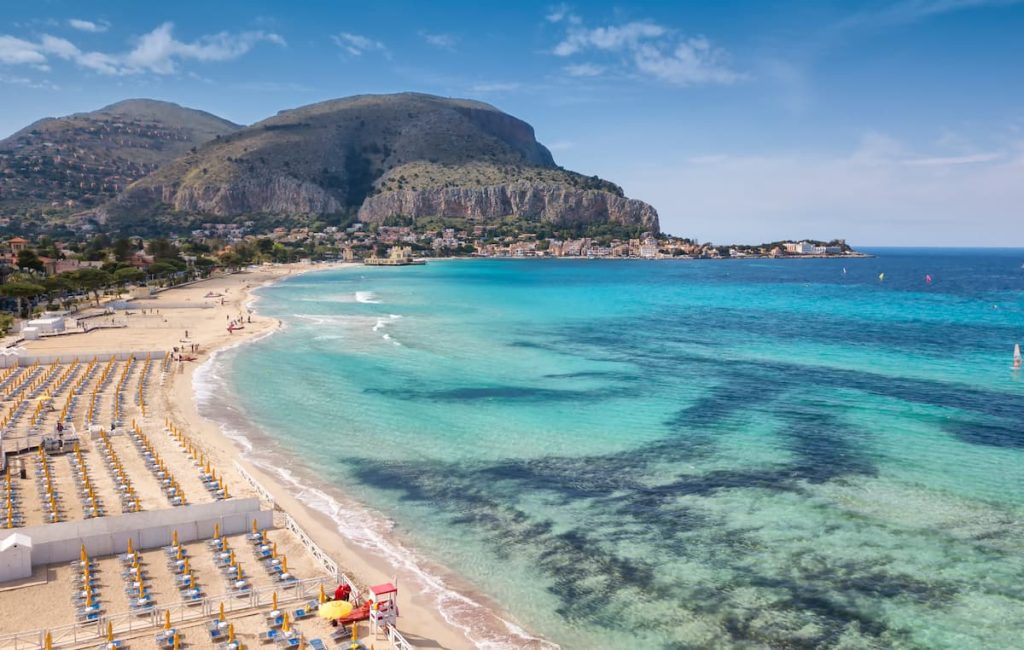
Italy’s Best Beaches in Summer
Explore Italy’s best summer destinations with our comprehensive guide. From the stunning beaches of Sardinia to vibrant cultural events, find everything you need for the perfect Italian summer vacation.
Historic centres for an authentic atmosphere
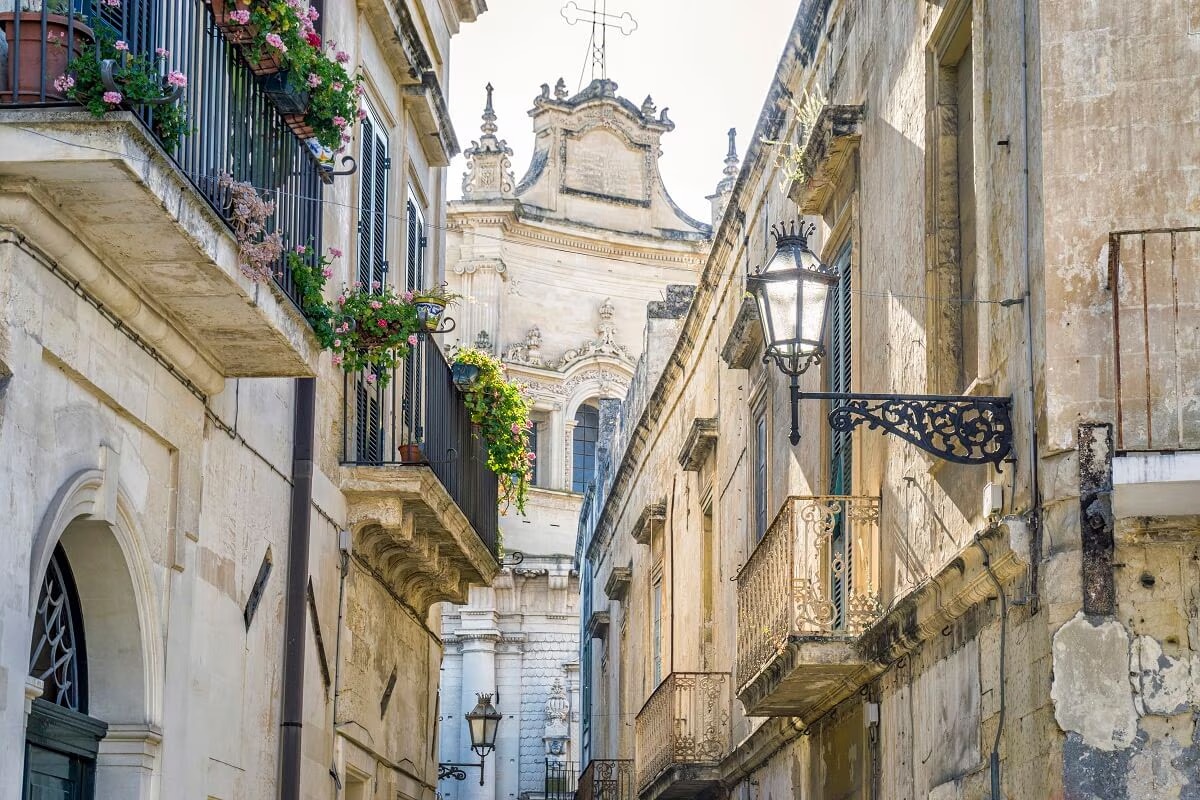
Choosing accommodation in historic centres offers a deeper connection with local culture. Waking up among centuries-old buildings, small squares and traditional cafés creates a more immersive experience than staying in modern districts.
These locations are often ideal for exploring on foot and discovering hidden corners away from the main tourist routes.
How to get around southern Italy comfortably
Travelling between major cities by train
One of the most practical ways to move between major destinations in southern Italy is by train. High-speed connections allow travellers to cover long distances comfortably while enjoying the changing landscapes along the way, making the journey itself part of the experience.
For example, many southern destinations can be reached by starting your journey from cities served by Italo high-speed trains, including Milan, Reggio Emilia, Bologna, Florence and Rome. From these major hubs, it becomes easy to continue toward the Adriatic coast and the regions of Puglia and Salento.
Thanks to the integration between Italo services, Itabus connections and regional trains, travellers can reach many of the most beautiful towns in Puglia. After arriving at an Italo high-speed station, you can continue your trip by bus or regional rail to destinations such as Bari, Brindisi, Lecce, Ostuni, Monopoli and other coastal or inland locations, allowing you to explore areas that are not directly served by high-speed rail. This combined network makes it possible to design flexible itineraries and reach both major cities and smaller towns with relative ease.
Planning connections and travel times
When organizing a multi-city itinerary, it is useful to consider distances and travel times in advance, especially when combining high-speed trains with regional connections or bus routes. Southern Italy rewards slower travel, so allowing enough time in each destination often leads to a more enjoyable experience.
Building an itinerary around a few key bases rather than rushing through many locations helps create a more relaxed and meaningful journey, leaving space to explore not only the main attractions but also the everyday life, landscapes and local traditions that make southern Italy so memorable.
Tips for planning your trip to southern Italy
What to pack and practical advice
Comfortable walking shoes are essential, as many historic centres feature stone streets and uneven surfaces. Lightweight clothing is suitable for most of the year, but evenings can be cooler in spring and autumn, so layering is recommended.
Booking accommodation and major attractions in advance during peak season can also make the trip smoother.
Where to start and how to organize your trip
Once you have selected your starting destination, mapping out a route that balances cities, smaller towns and time to relax helps create a well-rounded trip. Reaching your departure city by Italo can make the journey more comfortable from the very beginning, allowing you to focus on the experience rather than the logistics.
Southern Italy rewards curiosity and patience. Travelling slowly, exploring beyond the most famous landmarks and embracing local rhythms often leads to the most rewarding discoveries. It is a destination that invites you not only to visit, but to truly experience.