Florence, the cradle of the Renaissance, is one of those cities that leaves an indelible mark on every traveler. With its breathtaking architecture, world-famous artworks, and romantic atmosphere, it’s a destination where every street corner tells a story. Whether you’re an art lover, a foodie, or a curious wanderer, Florence offers a perfect blend of culture, beauty, and authenticity. From the majestic Duomo to the quiet artisan workshops of Oltrarno, here’s everything you need to know about what to see and do in Florence.
- 1 Why visit Florence
-
2
Top things to see in Florence
- 2.1 Piazza del Duomo and Florence Cathedral (Santa Maria del Fiore)
- 2.2 Piazza della Signoria and Palazzo Vecchio
- 2.3 The Uffizi Gallery – a treasure trove of Renaissance art
- 2.4 Ponte Vecchio – the symbol of Florence
- 2.5 The Accademia Gallery and Michelangelo’s David
- 2.6 Boboli Gardens and Palazzo Pitti
- 3 Hidden gems of Florence
- 4 What to eat in Florence
- 5 How to get to Florence with Italo Treno
Why visit Florence
The city of art, history, and timeless charm
Florence isn’t just a city—it’s an open-air museum. The birthplace of geniuses like Leonardo da Vinci, Michelangelo, and Dante, it embodies centuries of human creativity. Every step you take reveals something extraordinary: the marble façades of Gothic cathedrals, Renaissance palaces, cobblestone streets, and lively squares where locals and tourists mingle.
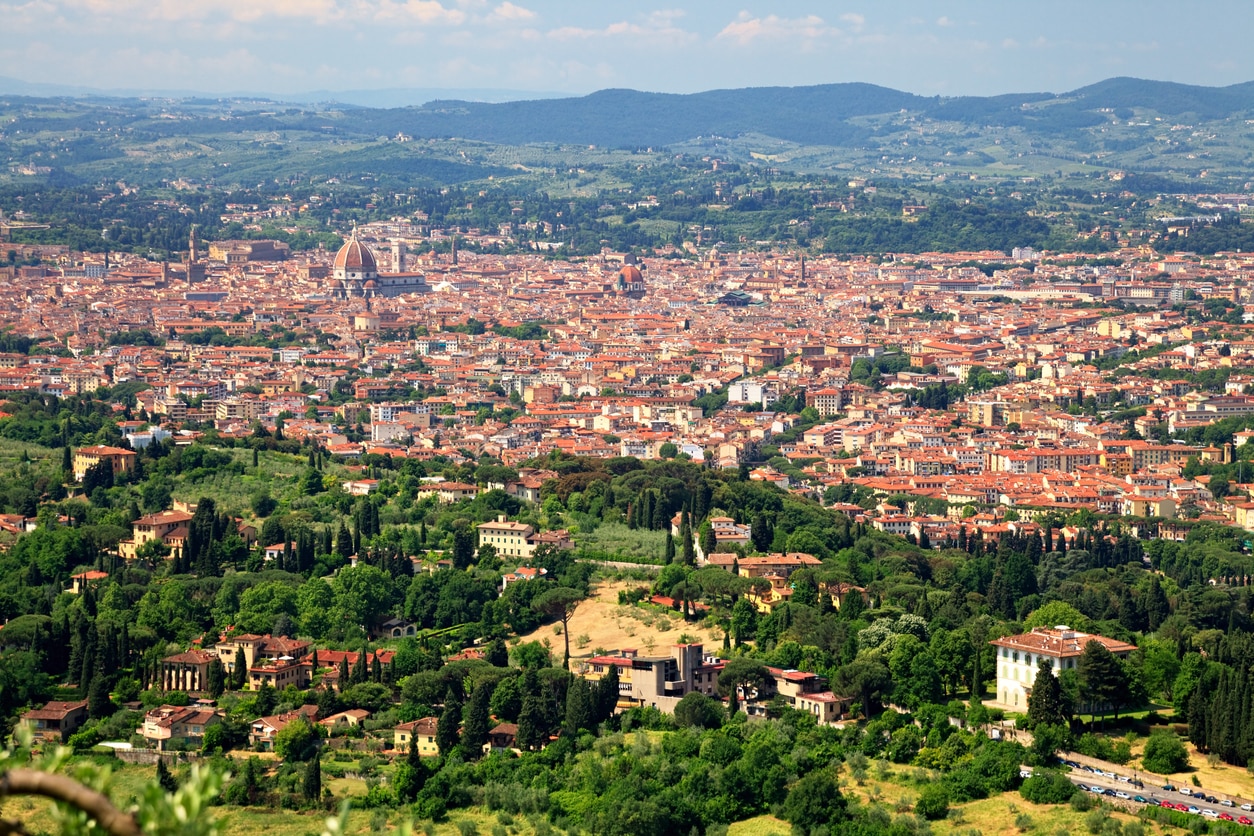
But Florence is not only about its artistic treasures. It’s also a city of warm hospitality, where you can enjoy the simple pleasures of Italian life—a cappuccino at a sunny café, a gelato on a walk along the Arno River, or a glass of Chianti as the sun sets over the terracotta rooftops. Compact and walkable, Florence is the kind of place you can explore at your own pace, savoring every moment.
Top things to see in Florence
Piazza del Duomo and Florence Cathedral (Santa Maria del Fiore)
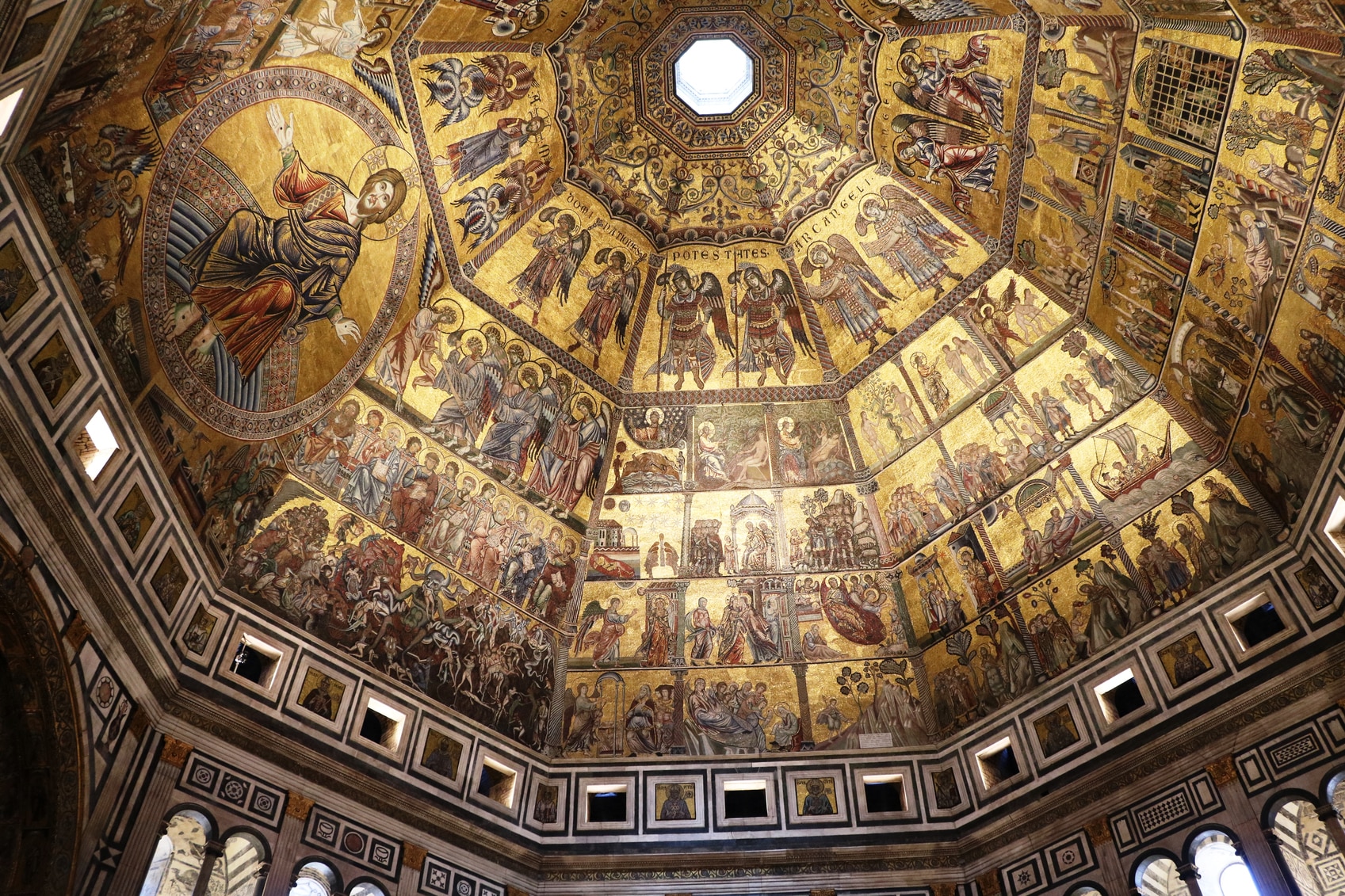
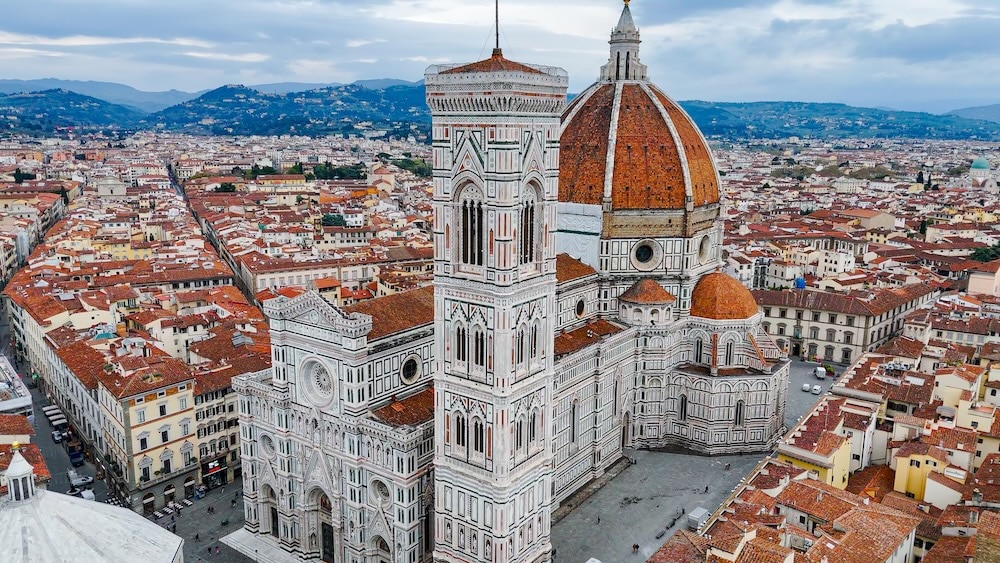
No trip to Florence is complete without visiting Piazza del Duomo, the beating heart of the city and home to its most iconic monument: the Cathedral of Santa Maria del Fiore. Its magnificent dome, designed by Filippo Brunelleschi, dominates the skyline and remains one of the greatest architectural and engineering masterpieces of the Renaissance. The vast interior, with frescoes by Giorgio Vasari depicting the Last Judgment, adds to its grandeur and sense of awe.
Don’t miss the chance to climb to the top of the dome—after 463 steps, you’ll be rewarded with one of the most breathtaking panoramic views in Italy, stretching over the red rooftops and the rolling Tuscan hills beyond.
Next to the cathedral stands Giotto’s Bell Tower, an elegant example of Gothic architecture adorned with colorful marble and intricate reliefs. Nearby, the Baptistery of St. John—one of the city’s oldest buildings—is renowned for its golden mosaic ceiling and its bronze doors, famously dubbed the “Gates of Paradise” by Michelangelo himself.
Together, these monuments form one of the most harmonious architectural ensembles in Europe, representing the artistic spirit and ambition that made Florence the cradle of the Renaissance.
Piazza della Signoria and Palazzo Vecchio
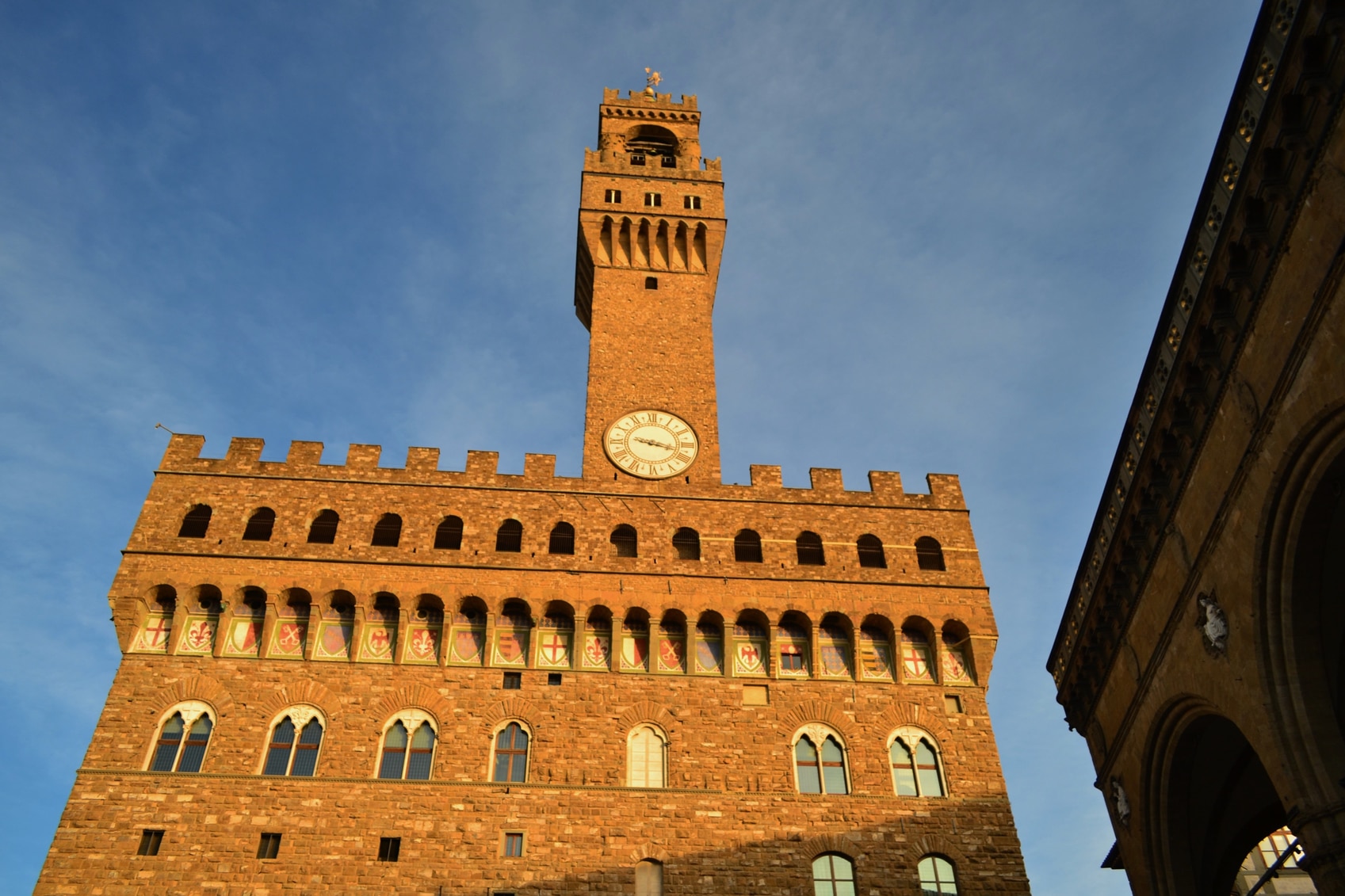
A short walk from the Duomo brings you to Piazza della Signoria, the political and historical heart of Florence since the Middle Ages. This lively square has witnessed centuries of civic life, public celebrations, and even dramatic events, all under the watchful gaze of Palazzo Vecchio, the city’s medieval town hall and symbol of Florentine power.
The piazza itself is like an open-air museum, surrounded by statues and masterpieces that embody the city’s artistic spirit. In front of Palazzo Vecchio stands a replica of Michelangelo’s David, marking the very spot where the original once stood, while nearby the Fountain of Neptune by Ammannati adds a touch of grandeur with its mythological figures.
Step inside Palazzo Vecchio to admire sumptuous halls decorated with frescoes, ornate ceilings, and intricate details that recount the glory of Florence during the Medici era. From the tower, the Torre di Arnolfo, you can enjoy yet another magnificent view of the city.
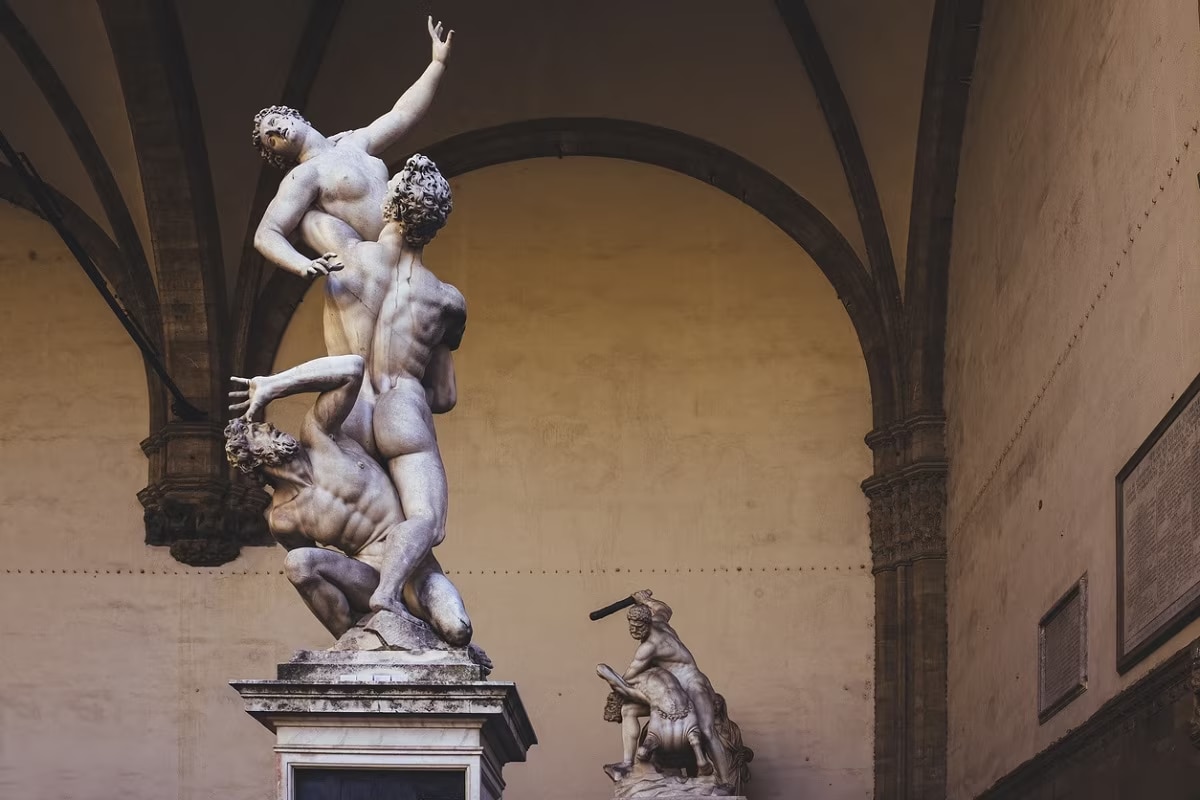
Don’t miss the Loggia dei Lanzi, located at the edge of the square. This elegant arched gallery shelters remarkable sculptures by Benvenuto Cellini and Giambologna, masterpieces displayed in the open air—a powerful reminder that in Florence, art and daily life blend seamlessly.
The Uffizi Gallery – a treasure trove of Renaissance art
Just a few steps from Piazza della Signoria stands the Uffizi Gallery, one of the most celebrated art museums in the world and a true sanctuary of Renaissance genius. Originally commissioned by Cosimo I de’ Medici in the 16th century to house the administrative offices of Florence (hence the name “Uffizi,” meaning “offices”), the building soon became the repository of the Medici family’s extraordinary art collection.
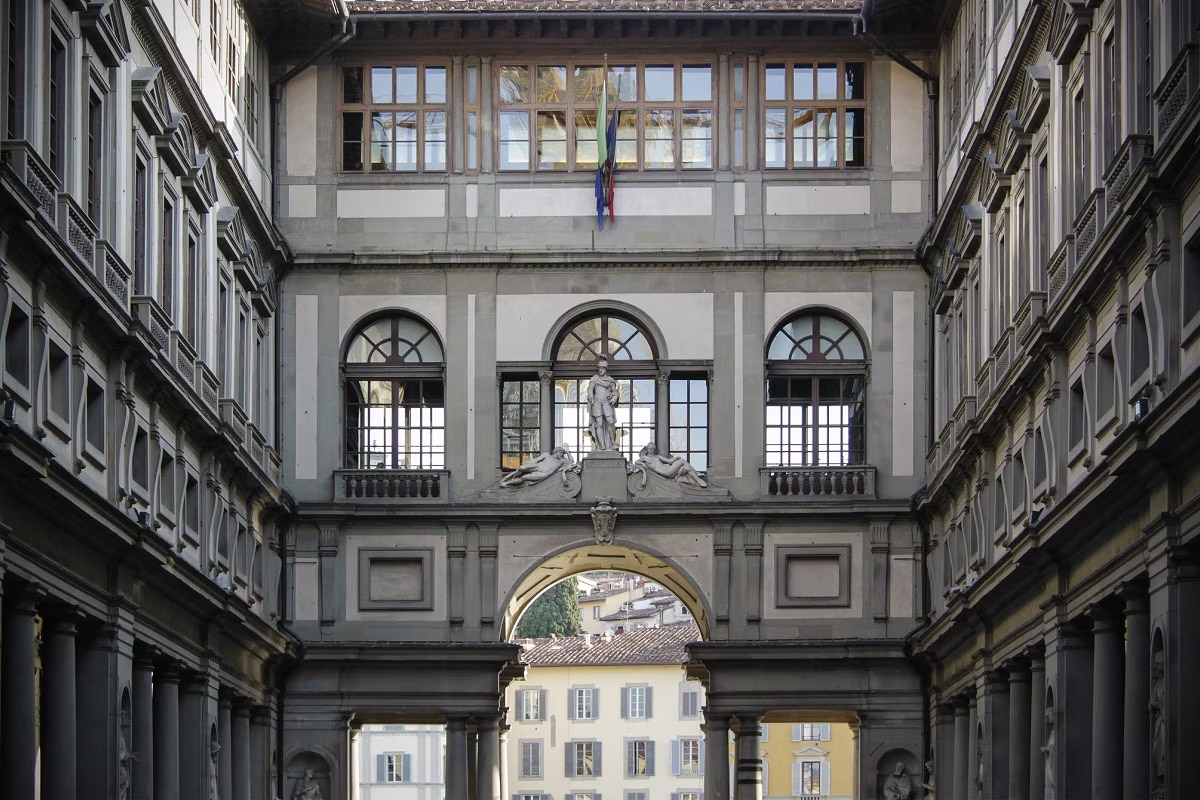
Today, the gallery offers an unparalleled journey through five centuries of art history, from medieval masterpieces to Baroque brilliance. Among its most treasured works are Botticelli’s The Birth of Venus and Primavera, delicate visions of grace and beauty that epitomize the ideals of the Renaissance. You’ll also encounter masterpieces by Leonardo da Vinci, Michelangelo, Raphael, and Caravaggio, each offering a glimpse into the evolution of artistic thought in one of history’s most creative periods.
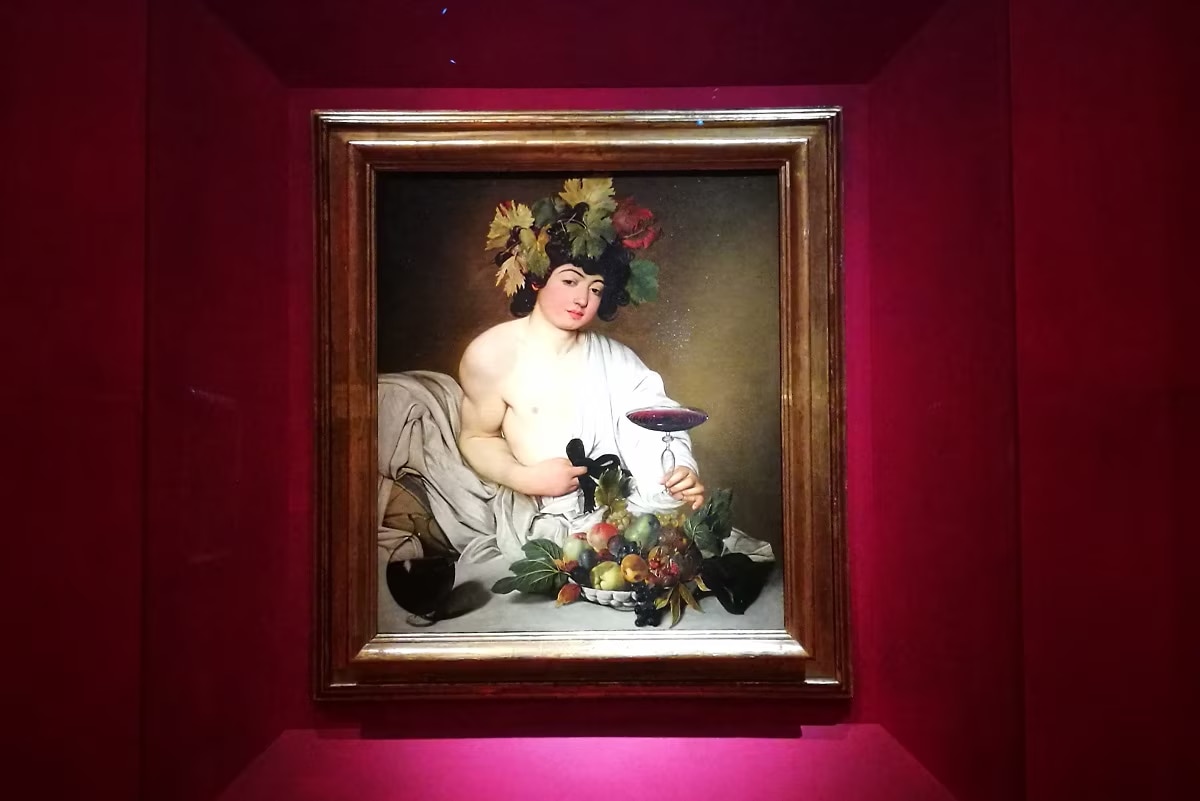
The Uffizi is vast and inspiring—a place to be savored slowly, corridor after corridor, as sunlight filters through the arched windows overlooking the Arno River. To make the most of your visit, book your tickets in advance, as queues can be long, especially in high season. It’s a small effort that rewards you with direct access to one of the greatest art collections ever assembled.
Ponte Vecchio – the symbol of Florence
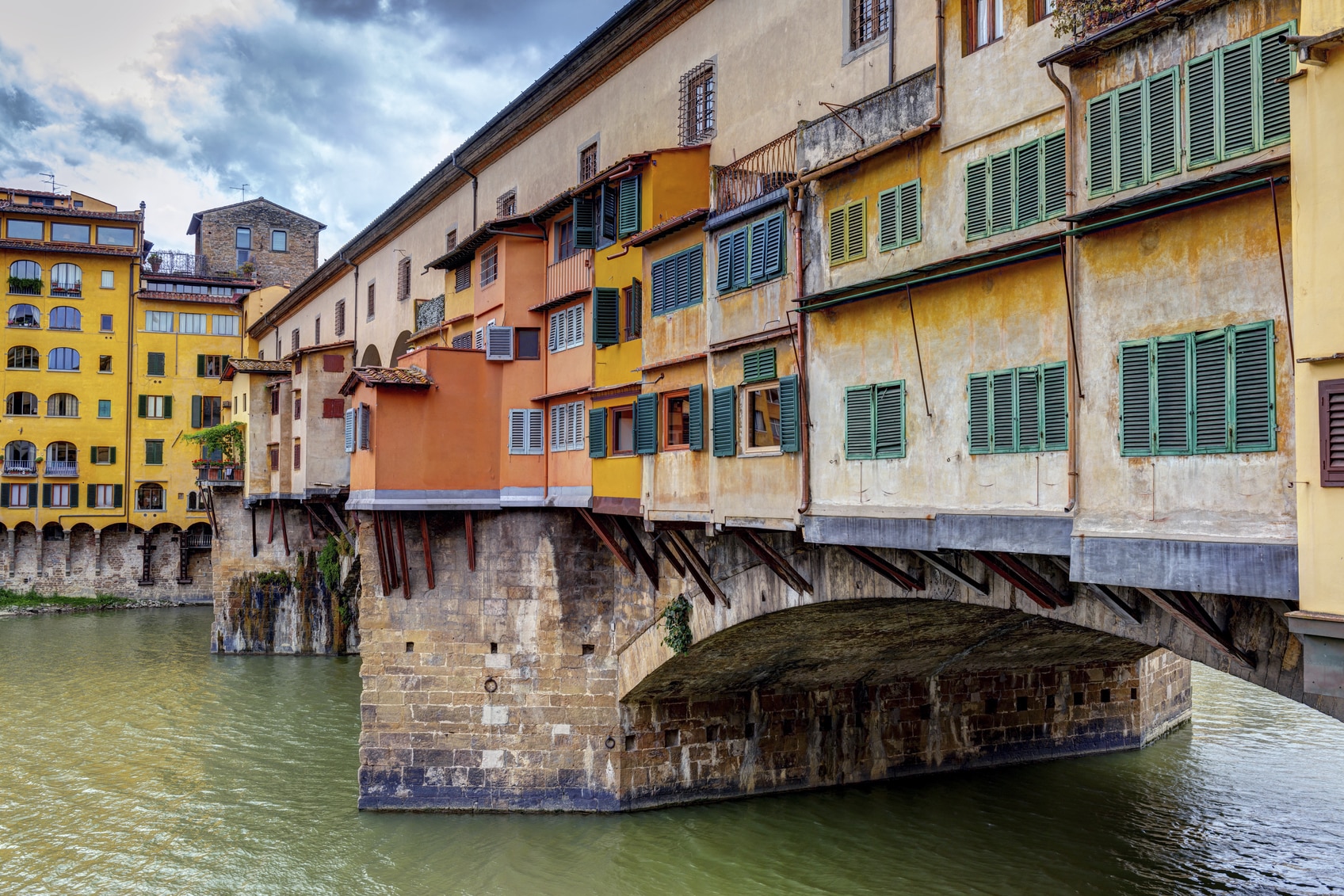
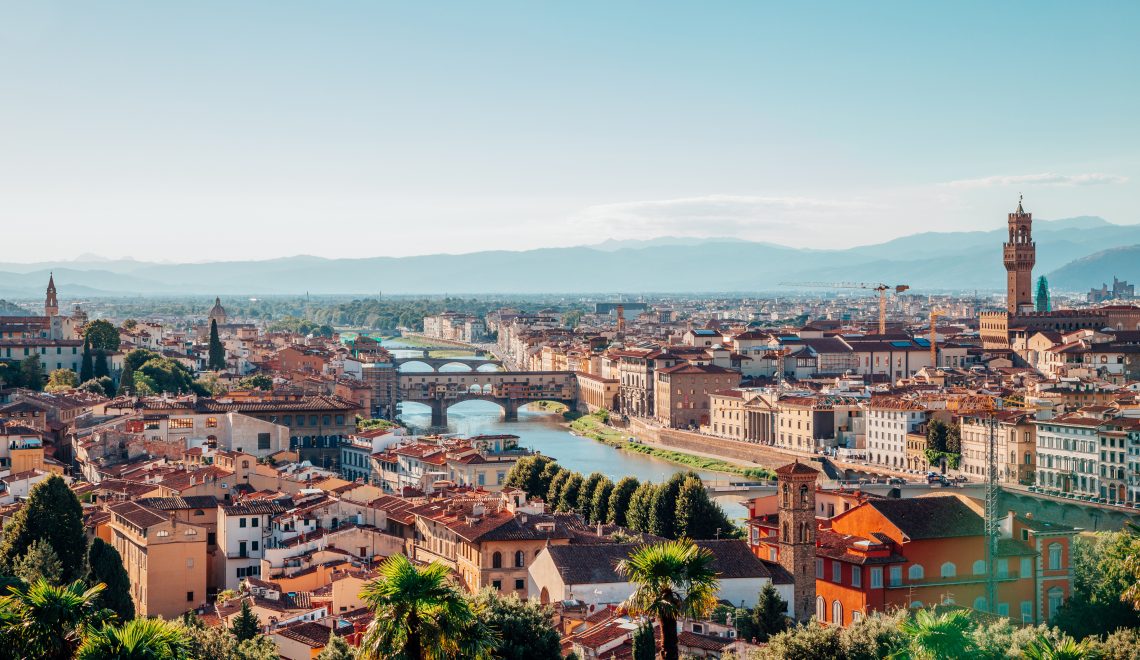
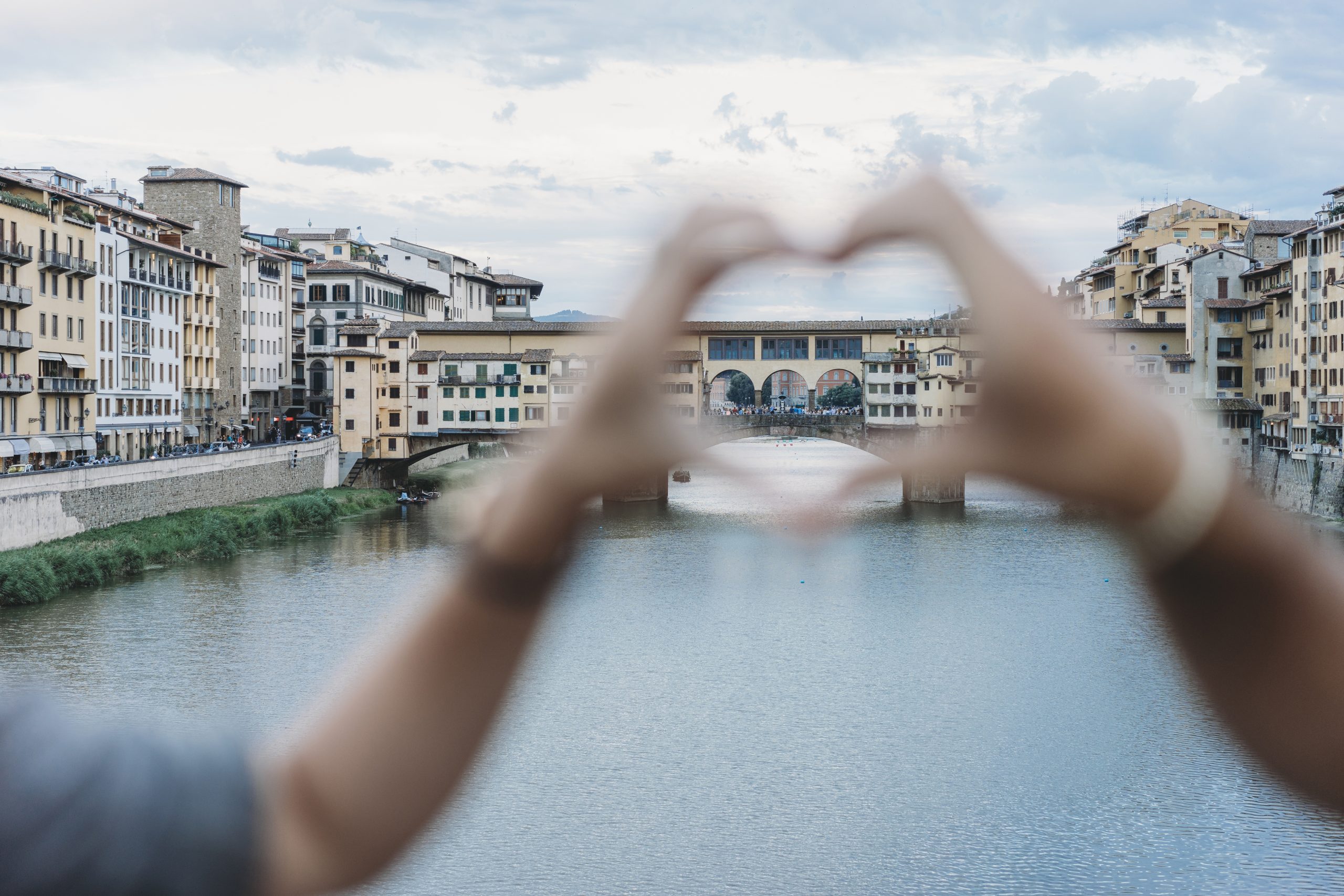
Crossing the Arno River, the Ponte Vecchio is without doubt one of Florence’s most beloved and photographed landmarks. This medieval bridge, dating back to the 14th century, is famous for its picturesque row of jewelry shops that seem to float above the water—an enduring reminder of the city’s craftsmanship and commercial spirit.
Unlike other Florentine bridges, the Ponte Vecchio miraculously survived World War II, spared from destruction when retreating German troops demolished all the others. Its survival turned it into a symbol of resilience and continuity, linking not only the two sides of the river but also centuries of history and artistry.
Walking across it is a sensory experience: the glittering displays of gold and gemstones in the shop windows, the hum of street musicians, and the soft shimmer of the river below. Visit at sunset, when the light reflects off the Arno and the city glows in golden hues—the perfect time to pause at the bridge’s central archway and take in one of Florence’s most romantic views.
The Accademia Gallery and Michelangelo’s David
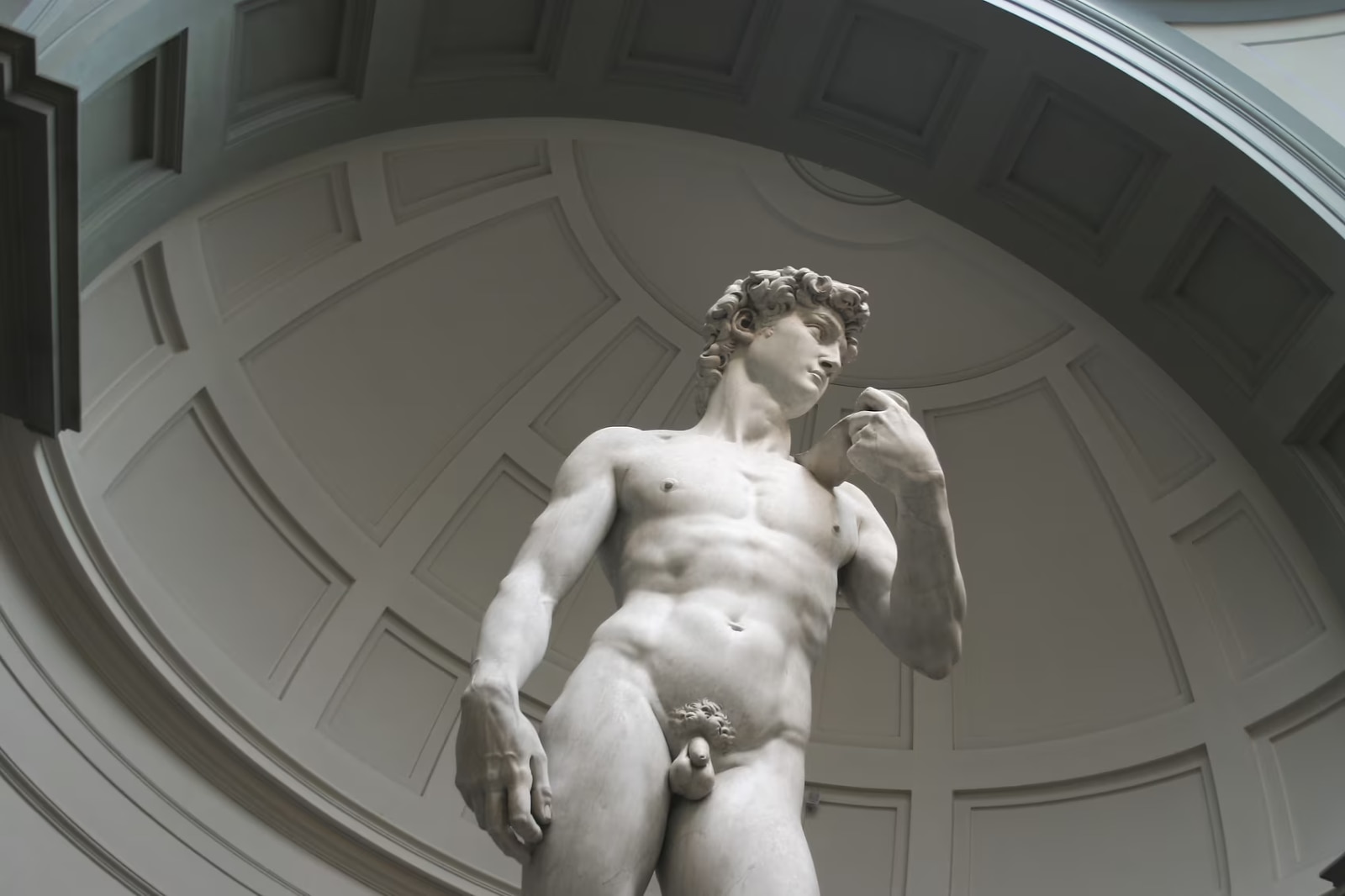
If there’s one artwork that captures the very soul of Florence, it’s Michelangelo’s David—a masterpiece that transcends time, technique, and imagination. Housed in the Accademia Gallery, this iconic marble statue stands over five meters tall, representing the biblical hero moments before his battle with Goliath. Every muscle, vein, and expression reflects Michelangelo’s unmatched ability to turn stone into life, making the David a universal symbol of strength, beauty, and human potential.
But the Accademia offers much more than its most famous resident. As you walk through its luminous halls, you’ll encounter other extraordinary works by Michelangelo, including the “Prisoners” (or “Slaves”), unfinished sculptures that seem to struggle to break free from the marble blocks—powerful metaphors for the artist’s creative process. The museum also preserves a remarkable collection of Renaissance paintings, musical instruments, and sculptures by other Florentine masters, offering a broader understanding of the city’s artistic evolution.
A visit to the Accademia is not just about admiring masterpieces; it’s an invitation to step into the heart of the Renaissance, where art, faith, and human genius reached their highest expression.
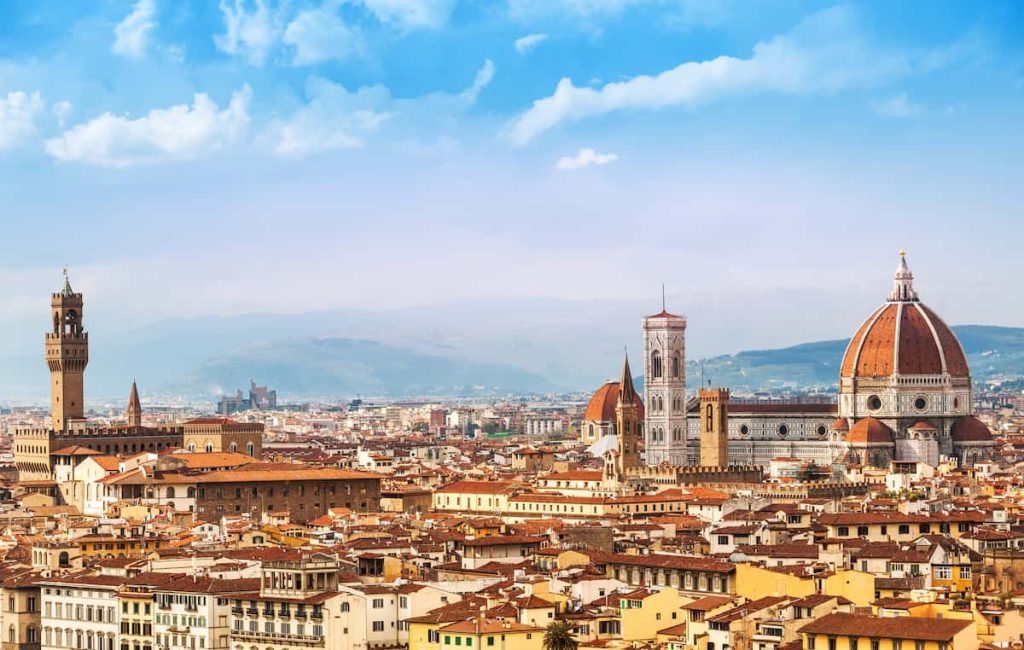
Florence in 1 day: itinerary to discover the best of the city
Florence needs no introduction: it is the cradle of the Renaissance, a city that shaped the history of world art and culture. Despite its countless wonders, the historic center is compact and entirely walkable, making it possible to discover its treasures even in a single day.
Boboli Gardens and Palazzo Pitti

Across the Arno River, in the elegant Oltrarno district, rises the magnificent Palazzo Pitti, once the grand residence of the powerful Medici family. This monumental palace, with its austere Renaissance façade, houses several museums today—including the Palatine Gallery, where masterpieces by Raphael, Titian, and Rubens adorn opulent rooms that once hosted Florence’s ruling dynasty.
Behind the palace unfolds the Boboli Gardens, one of the earliest examples of Italian-style landscape design and a true open-air museum. Created in the 16th century, this vast green oasis blends art and nature in perfect harmony, with ancient statues, ornate fountains, grottos, and cypress-lined avenues leading to breathtaking panoramic terraces over the city.
A stroll through Boboli is the perfect way to slow down and breathe in the atmosphere of Florence’s noble past. Whether you’re admiring the Neptune Fountain, resting by the Isolotto Pond, or climbing up to the Kaffeehaus for sweeping views of the skyline, the gardens offer a serene escape from the bustle of the city—an experience where art, nature, and history intertwine effortlessly.
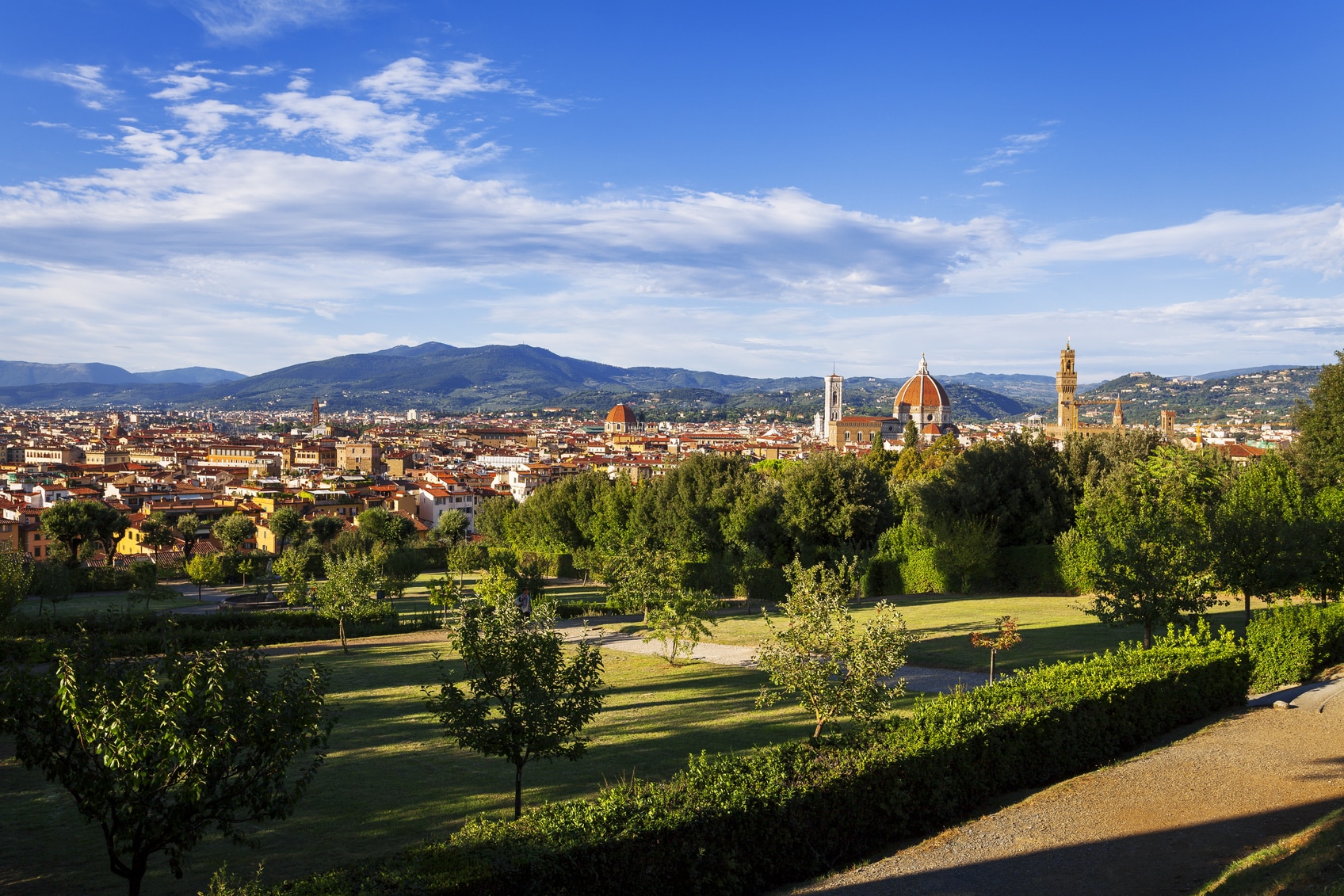
Hidden gems of Florence
The Rose Garden and panoramic views from Piazzale Michelangelo
For one of the best views in Florence, head to Piazzale Michelangelo, especially at sunset. The sweeping panorama over the city’s domes and rooftops is unforgettable. On your way up, stop at the Rose Garden, a tranquil spot filled with sculptures and vibrant blooms—a favorite among locals.
Santo Spirito district – local life and authentic flavors
Across the Arno, the Santo Spirito neighborhood offers a glimpse into the real Florentine lifestyle. Here, artisan workshops, vintage boutiques, and small trattorias replace the grandeur of the city center. Enjoy an aperitivo in Piazza Santo Spirito or sample authentic dishes like pappa al pomodoro and ribollita in one of the family-run restaurants.
Off-the-beaten-path museums and artisan workshops
Florence hides treasures beyond its main attractions. Discover the Museo dell’Opera del Duomo, which houses original sculptures from the cathedral, or visit the Museo di San Marco, filled with Fra Angelico’s serene frescoes. For something different, explore the artisan workshops of Oltrarno, where goldsmiths, leatherworkers, and painters keep centuries-old traditions alive.
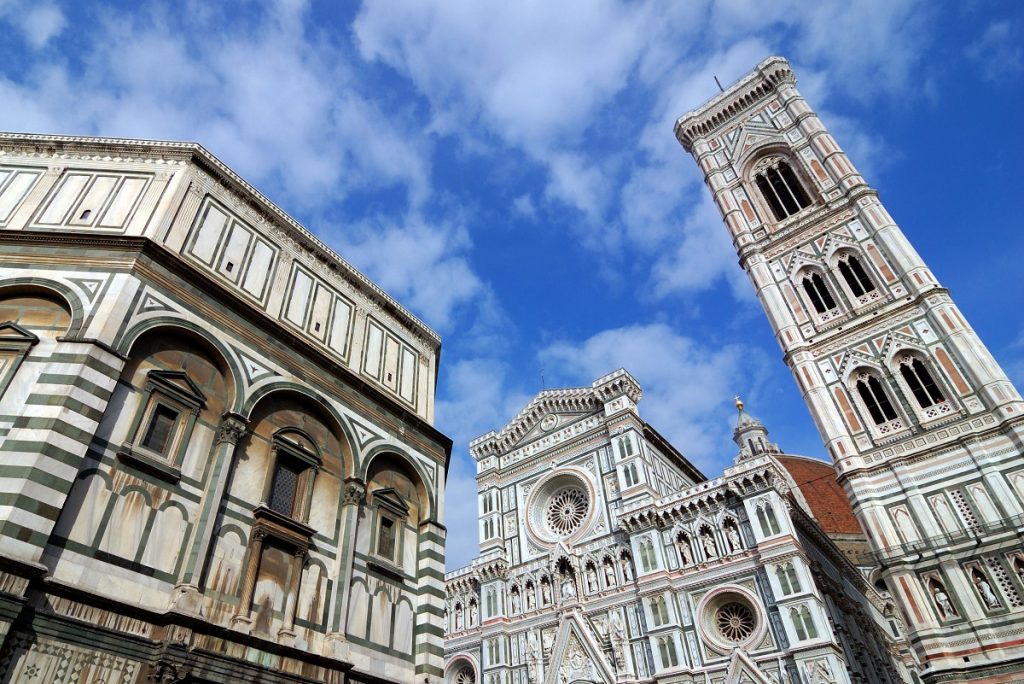
Strange places and legends – five uncommon things to see in Florence
From the Duomo bull to the “Madonna del Puzzo”: discover Florence’s unusual sights with us on an itinerary through the city’s most offbeat locations.
What to eat in Florence
Typical dishes to try and where to find them

Florence’s cuisine is hearty, rustic, and full of flavor. Start with the iconic bistecca alla fiorentina, a thick T-bone steak cooked rare and served with just olive oil and salt. Try pappa al pomodoro, a comforting tomato and bread soup, or ribollita, a vegetable stew that perfectly embodies Tuscan simplicity.
For something quick, grab a lampredotto sandwich, a traditional street food loved by locals, or end your meal with a cantuccini biscuit dipped in Vin Santo, the region’s sweet wine.
Head to Mercato Centrale to experience the full range of Tuscan specialties in a vibrant, modern setting where locals shop and eat together.
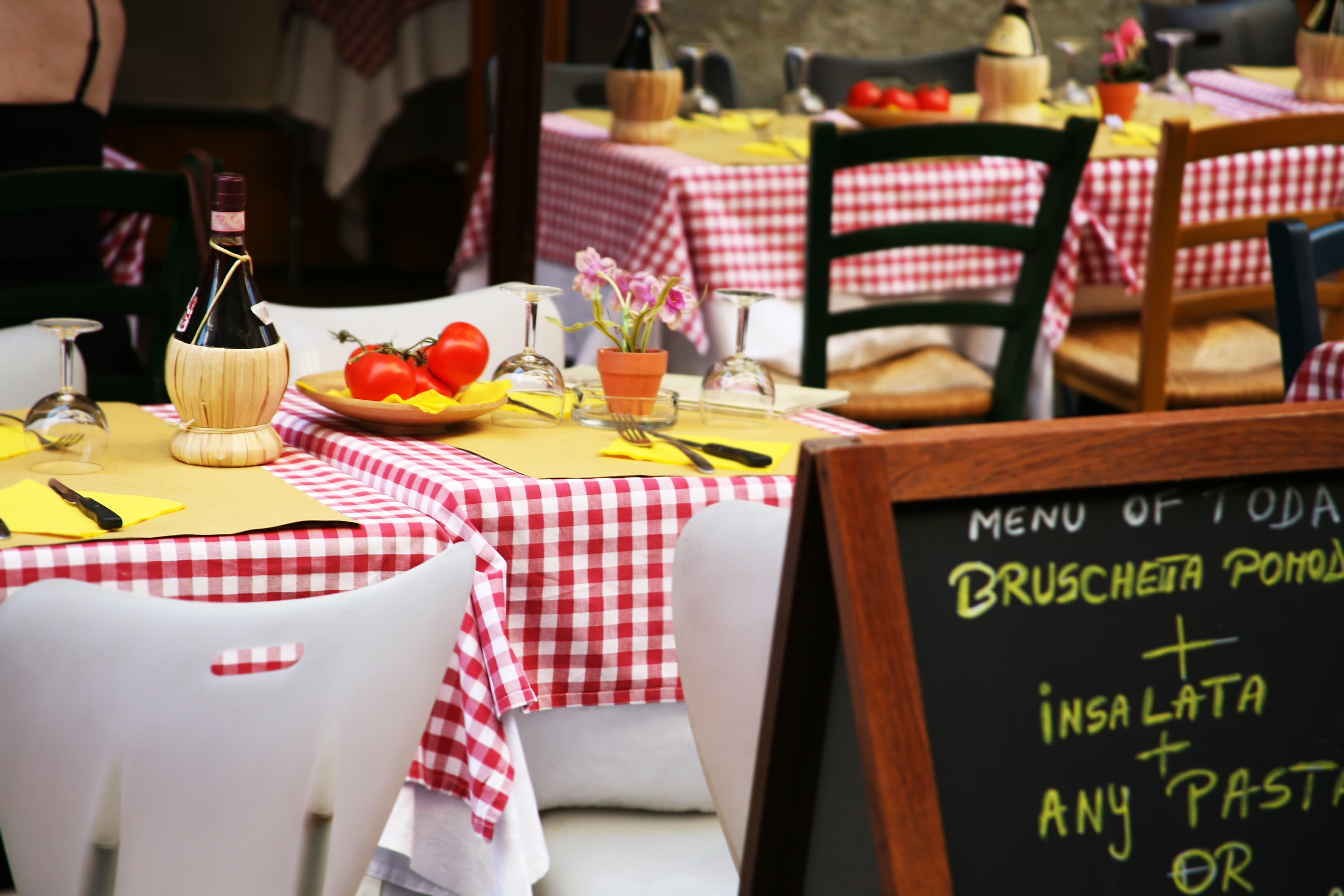
Eating in Florence: the best places to taste traditional dishes
Florence is a city with a long and rich culinary tradition. There are many great places to eat in Florence, but some of the best are the traditional restaurants that serve up classic Tuscan dishes.
How to get to Florence with Italo Treno
Main connections and travel times
Reaching Florence is easy and comfortable thanks to Italo’s high-speed trains, which connect the city to major Italian destinations like Rome, Milan, Bologna, Venice, and Naples.
- From Rome, you can reach Florence in about 1 hour and 30 minutes.
- From Milan, the journey takes roughly 1 hour and 45 minutes.
- From Bologna, it’s just 40 minutes—perfect for a quick getaway.
- From Venice, you can get to Florence in only 2 hours.
Italo trains arrive at Firenze Santa Maria Novella station, located right in the heart of the city, making it the ideal starting point for your adventure through Florence’s historic streets and world-class museums.