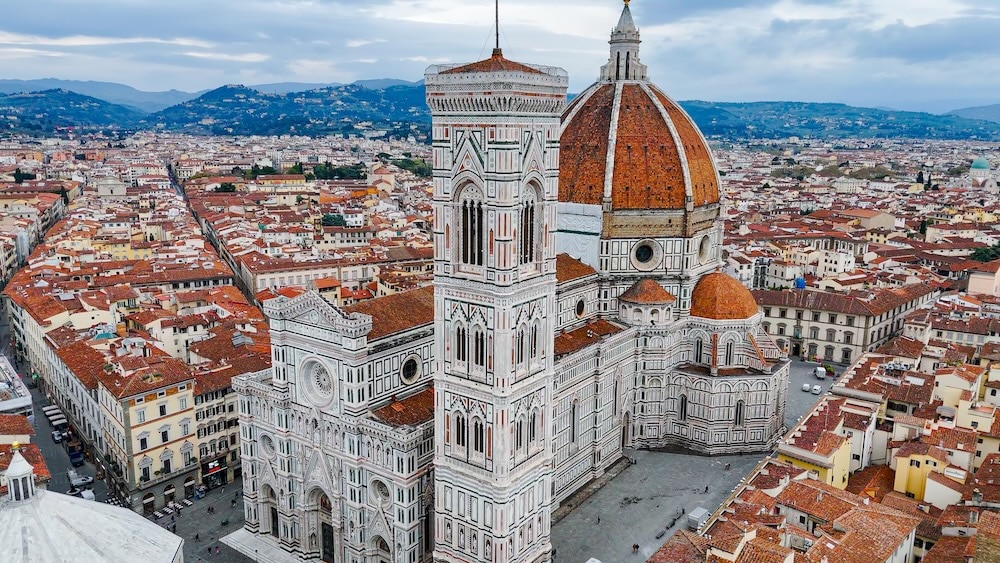
Italy remains one of the most discussed, debated and desired travel destinations in the world. But in an era shaped by overtourism, rising prices and shifting travel habits, it is fair to ask a direct question: is Italy still worth visiting in 2026?
This article offers a realistic, experience-based perspective rather than a romanticised answer. By looking at what still works, what has changed, and how travellers can adapt their expectations, we explore whether Italy continues to reward those who approach it with curiosity, flexibility and awareness.
- 1 Why Italy continues to attract millions of travelers
- 2 What has changed for travelers in recent years
- 3 The advantages of visiting Italy today
- 4 The challenges to consider before planning a trip
- 5 A realistic itinerary idea for a first trip to Italy
- 6 Is Italy worth visiting for different types of travelers?
- 7 Final thoughts: is Italy still worth visiting in 2026?
Why Italy continues to attract millions of travelers
A unique mix of history, landscapes and lifestyle
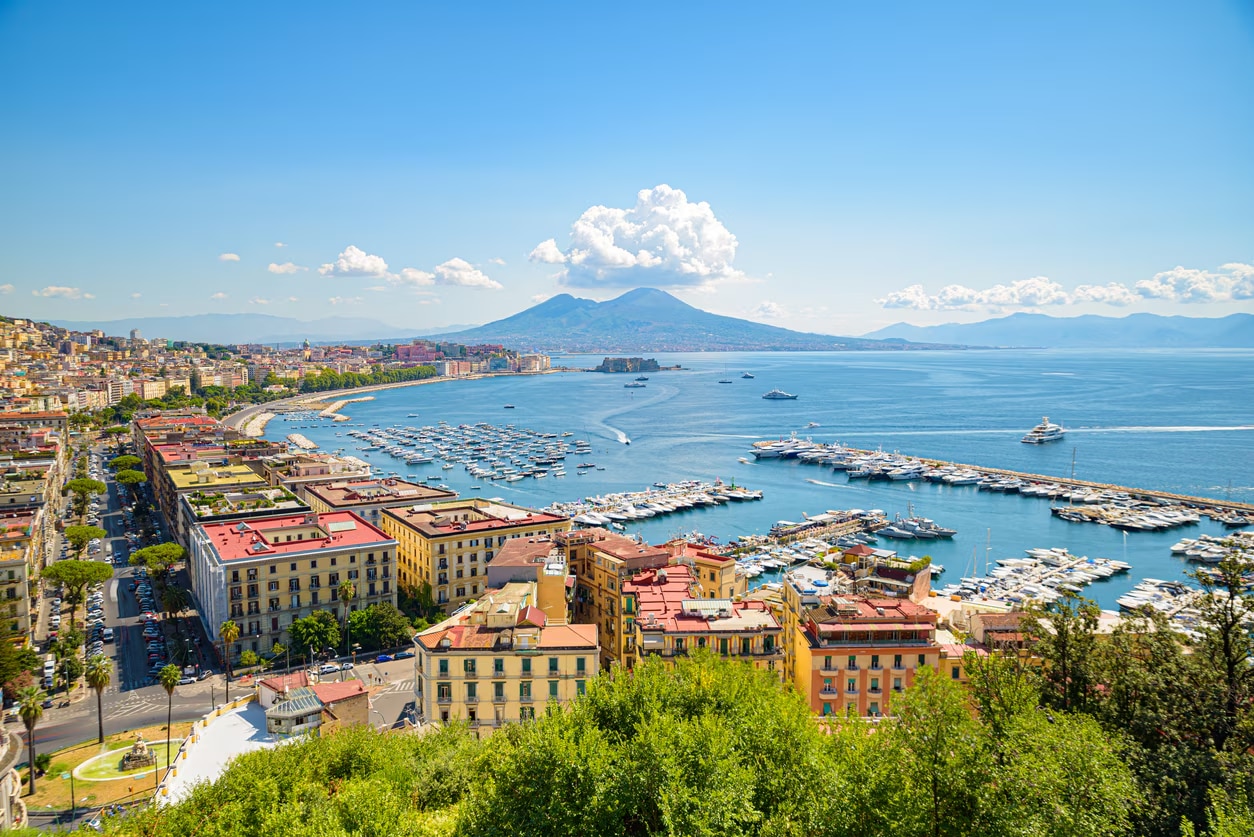
Few countries combine millennia of history, diverse landscapes and a deeply rooted everyday lifestyle as seamlessly as Italy. In a single journey, travellers can move from Roman ruins to Renaissance cities, from alpine scenery to Mediterranean coastlines, without ever feeling a loss of cultural coherence.
Italy’s appeal is not only monumental. It lies in the rhythm of daily life: morning coffees at the bar, evening passeggiate, regional food traditions that change every few hundred kilometres. Even for seasoned travellers, this layered cultural density remains difficult to replicate elsewhere.
The diversity of experiences within short distances
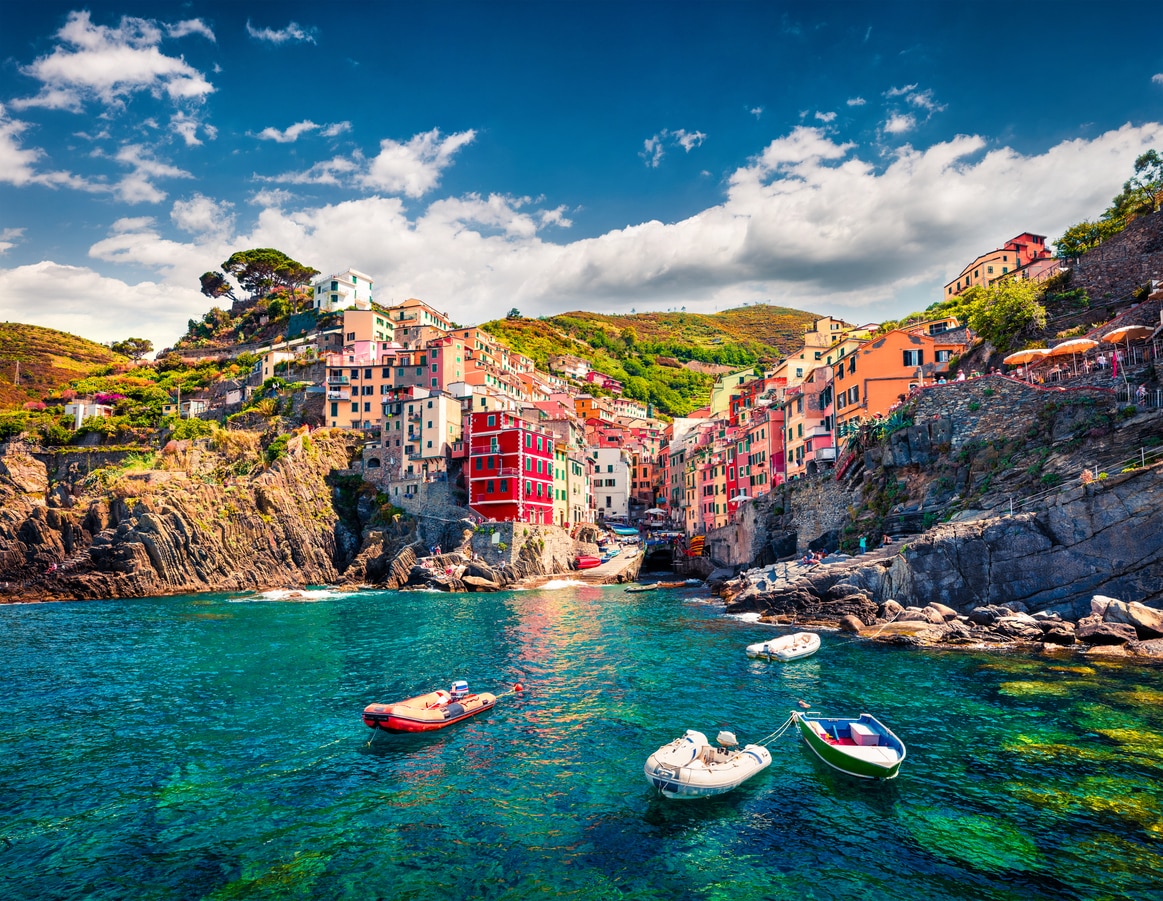
One of Italy’s enduring strengths is its geographical compactness combined with extreme variety. Art cities, rural landscapes, seaside towns and mountain regions coexist within relatively short travel times. This allows travellers to design itineraries that feel rich rather than repetitive.
However, this same advantage often leads to unrealistic plans. Italy rewards those who do less, not more, focusing on depth rather than accumulation.
What has changed for travelers in recent years
Prices, seasonality and the impact of overtourism

There is no denying it: Italy is more expensive than it was a decade ago, particularly in major cities and peak seasons. Accommodation prices in places like Rome, Florence and Venice have risen significantly, and availability can be limited without early planning.
Overtourism has also altered the experience in iconic areas. Crowds, timed entries and regulated access are now part of the reality. This does not make Italy “worse”, but it does change the conditions under which it should be visited.
New travel habits and the rise of slower itineraries
At the same time, travel behaviour is evolving. More visitors are embracing slower itineraries, longer stays and secondary destinations. This shift aligns well with Italy’s structure, where smaller cities and towns often deliver a more authentic experience than headline attractions.
Italy in 2026 is less about ticking boxes and more about choosing wisely.
The advantages of visiting Italy today
Improved infrastructure and high-speed connections between cities
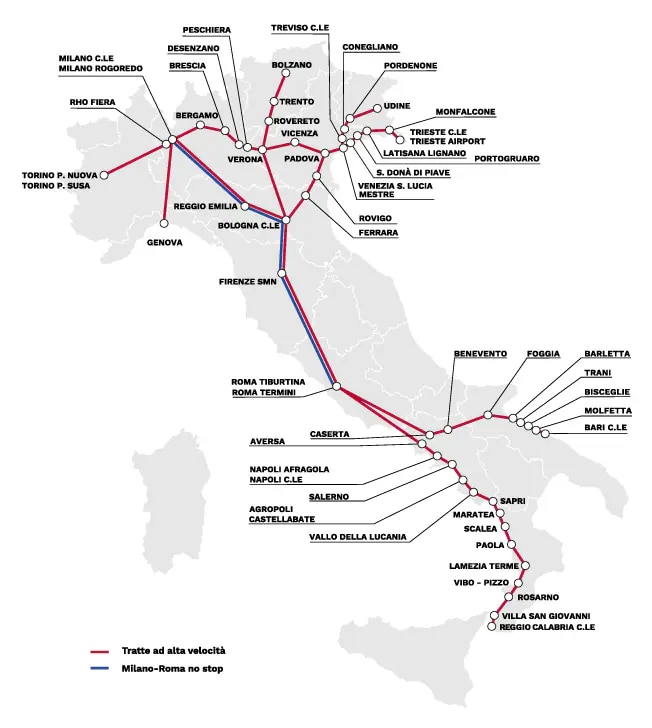
One of Italy’s most tangible improvements for travellers is the efficiency of high-speed rail travel between major cities, with Italo playing a central role in connecting the country’s most iconic destinations. Travelling by high-speed train means moving quickly, comfortably and directly from city centre to city centre, eliminating the need for domestic flights or long car journeys.
With Italo, some of Italy’s most popular routes for international visitors are covered in just a few hours. For example, Rome to Florence takes around 1 hour and 30 minutes, making it easy to combine ancient history and Renaissance art in a single itinerary. The connection between Florence and Venice allows travellers to move from world-class museums to canals and palaces in just over 2 hours, while the Milan–Rome route links Italy’s most dynamic metropolis with its historic capital in under 3 hours.
These fast and frequent connections make itinerary planning significantly simpler. Travellers can base themselves in one city while exploring others, or design multi-city trips without the fatigue often associated with long-distance travel. For many visitors, especially those travelling for the first time, high-speed rail also represents a more sustainable and stress-free alternative to short-haul flights, aligning with the growing demand for conscious and efficient travel.
In practical terms, Italy today feels more connected and accessible than ever, allowing travellers to experience multiple destinations without sacrificing time, comfort or flexibility.
Growing interest in lesser-known destinations
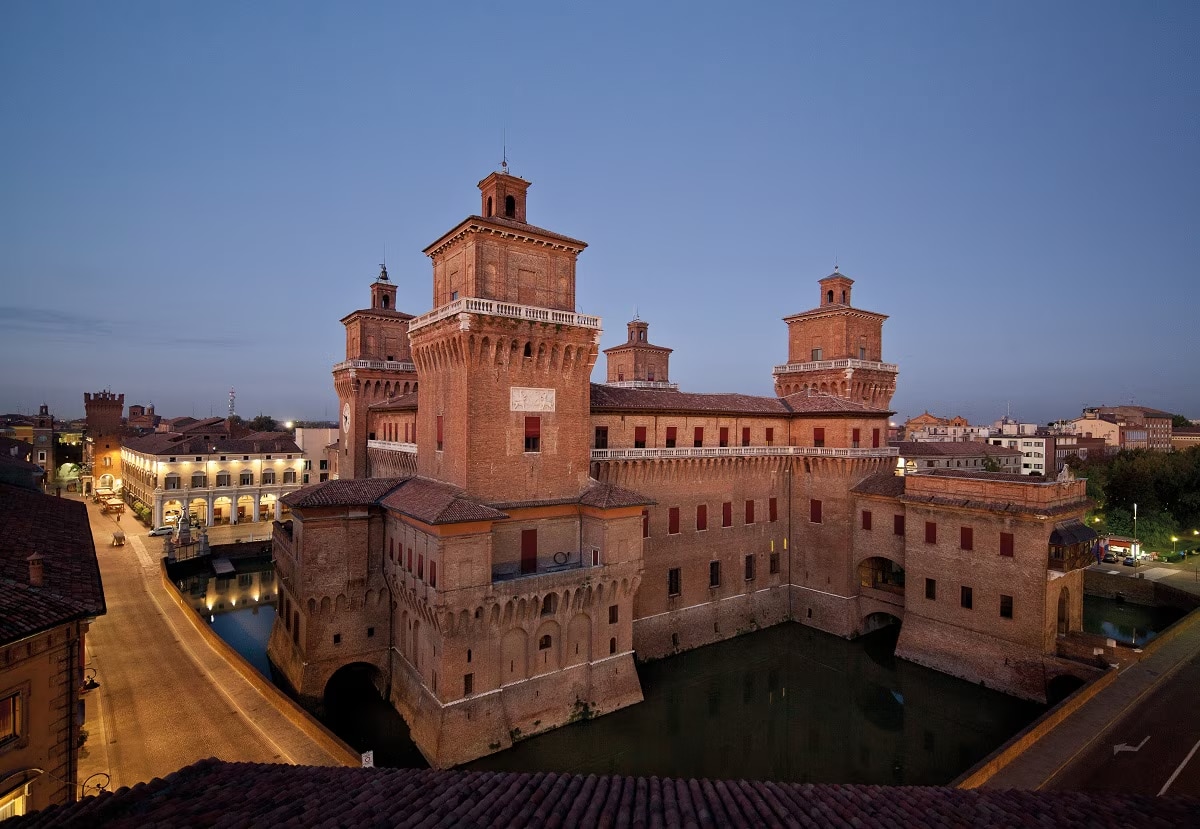
As pressure increases on iconic cities, attention is shifting towards secondary and emerging destinations. Cities such as Ferrara, Pavia or entire regions like Abruzzo are gaining visibility.
These areas often offer better value, fewer crowds and deeper engagement with local culture. In many cases, they represent Italy at its most rewarding.
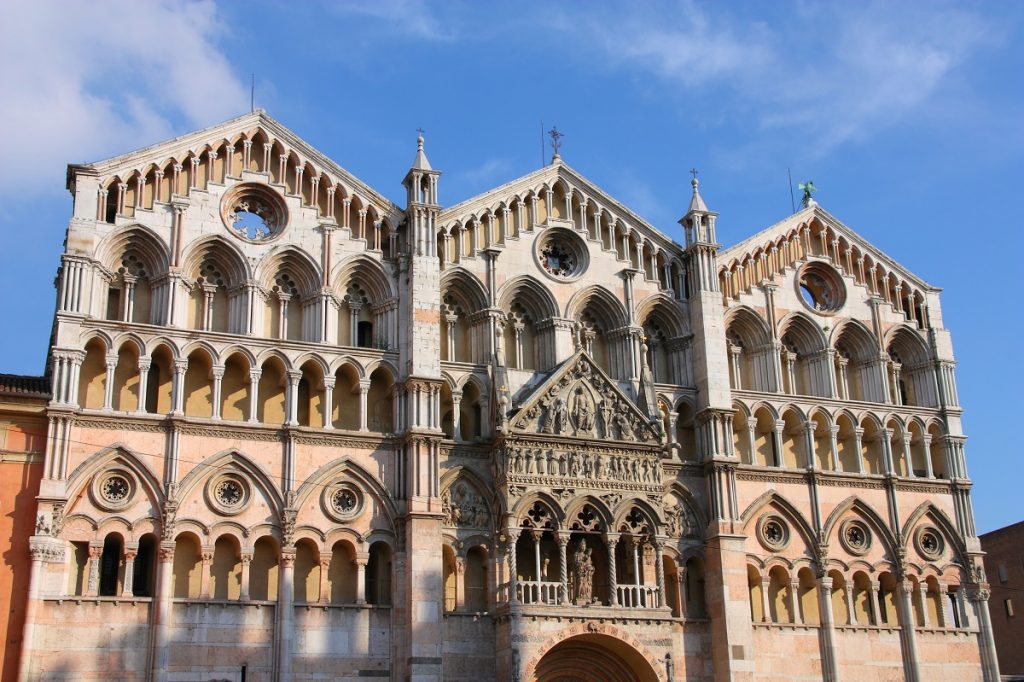
What to see in Ferrara in one day: the itinerary
Ten things not to miss in a one-day trip to Ferrara: follow our itinerary and immerse yourself in the charm of the city of noble Este dynasty.
The challenges to consider before planning a trip
Crowds in major cities and how to avoid them
Crowds remain the main source of disappointment for many visitors. The issue is not the popularity itself, but timing and expectation management. Visiting headline attractions during shoulder seasons, early mornings or midweek can dramatically change the experience.
Alternatively, travellers can balance famous cities with quieter bases nearby, using major hubs as gateways rather than endpoints.
Planning transport and accommodation in peak periods
Italy in high season requires advance planning. Waiting until the last minute often results in higher costs and limited choice. This is not unique to Italy, but its popularity amplifies the effect.
A realistic approach involves locking in key elements early while leaving room for spontaneity at destination level.
A realistic itinerary idea for a first trip to Italy
Combining two or three iconic cities in one week
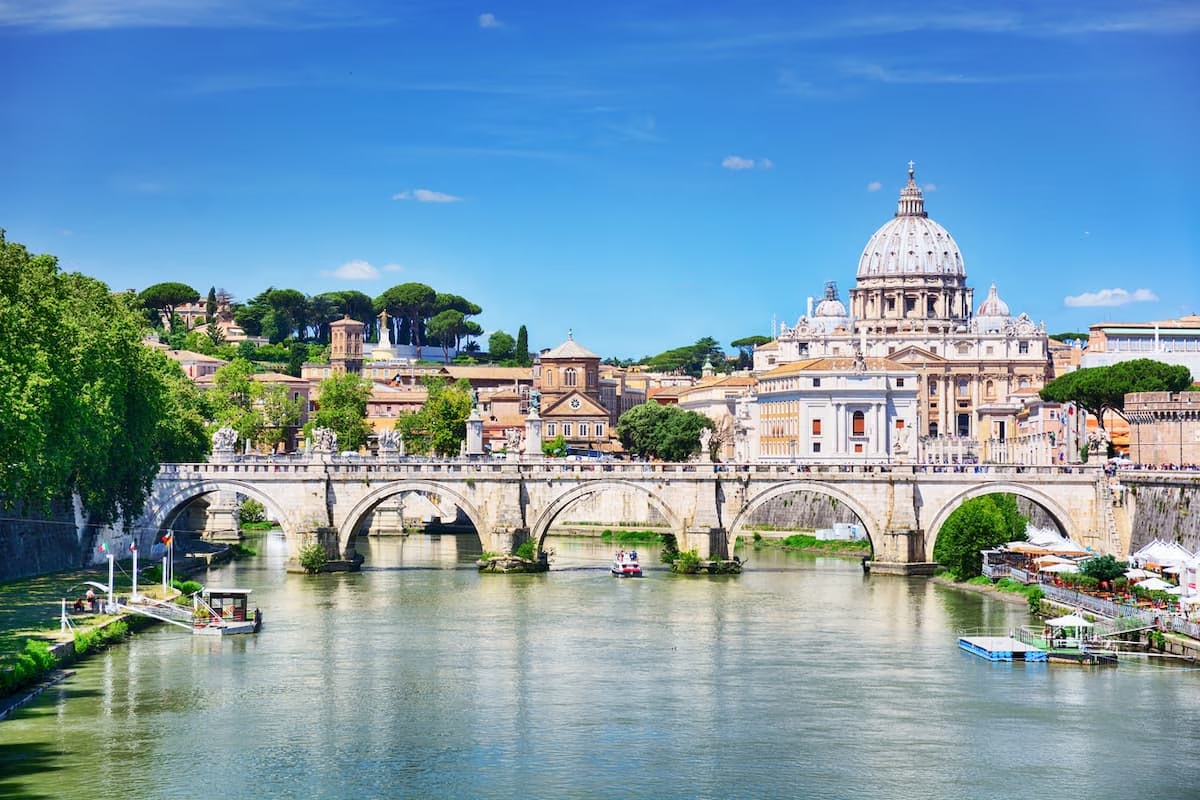
For a first-time visit, restraint is essential. A one-week itinerary works best when limited to two or three cities, for example Rome, Florence and a northern city such as Milan.
This allows enough time to absorb each place without turning the journey into a logistical challenge.
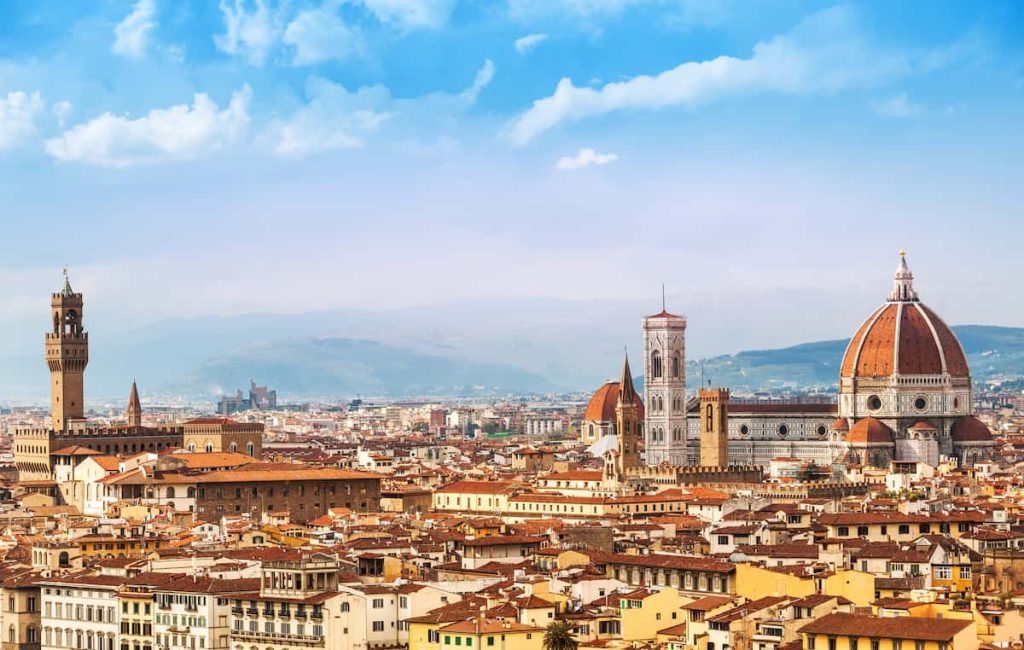
Florence in 1 day: itinerary to discover the best of the city
Florence needs no introduction: it is the cradle of the Renaissance, a city that shaped the history of world art and culture. Despite its countless wonders, the historic center is compact and entirely walkable, making it possible to discover its treasures even in a single day.
Moving efficiently between destinations
Efficient movement between cities is crucial to preserving energy and enjoyment. Choosing routes that minimise transfers and maximise time on the ground makes the difference between a rushed holiday and a meaningful trip.
Italy rewards itineraries built around flow, not distance covered.
Is Italy worth visiting for different types of travelers?
First-time visitors
For first-time travellers, Italy remains absolutely worth visiting, provided expectations are realistic. The key is accepting that no single trip can capture everything. Italy is not a checklist destination; it is a place that invites return visits.

How to Plan a Trip to Italy for the First Time
Discover the best time to visit Italy, must-see destinations, how to get around, and budget tips for your unforgettable Italian adventure. Explore iconic cities, hidden gems, and indulge in world-class cuisine.
Repeat travelers looking for new regions
For repeat visitors, Italy arguably becomes even more interesting. Moving away from the classics opens up regional identities, dialects, cuisines and landscapes that first-time itineraries rarely touch.
In this sense, Italy offers long-term value unmatched by many destinations.
Families and slow travelers
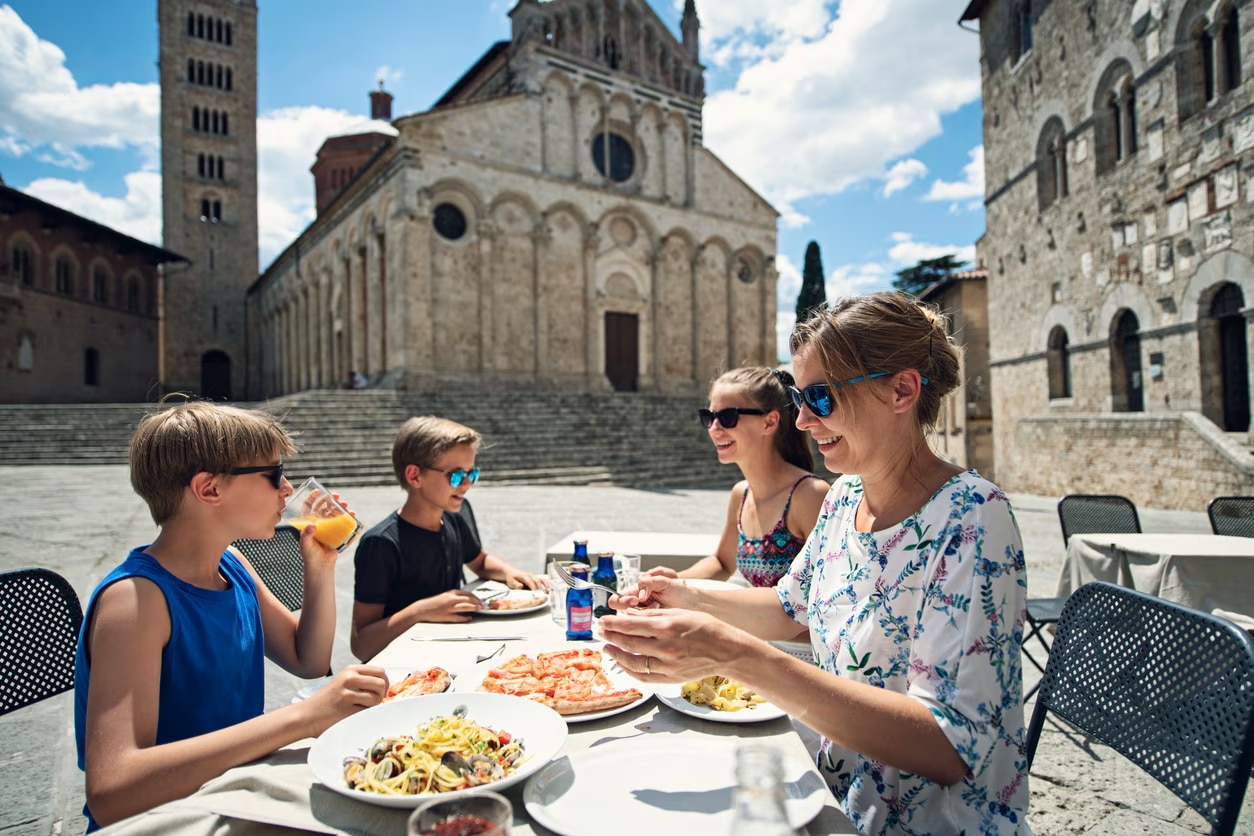
Italy suits families and slow travellers particularly well. Walkable historic centres, strong food culture and short travel distances make it manageable and engaging across generations. Slower pacing aligns naturally with Italian daily rhythms.

Best Family Holiday Destinations for the May Half Term
As spring unfolds, families across the UK look forward to the Spring Bank Holiday and the May Half Term, a perfect opportunity for a getaway. Italy, with its rich culture, stunning landscapes and family-friendly activities, emerges as an ideal destination for this time of year.
Final thoughts: is Italy still worth visiting in 2026?
When expectations match the experience
Italy is still worth visiting when travellers understand what it offers today, not what it offered twenty years ago. Crowds, prices and planning requirements are real, but so are beauty, depth and cultural richness.
Disappointment often stems from unrealistic expectations rather than from the destination itself.
Why Italy remains a destination that rewards curious travelers
Ultimately, Italy continues to reward those who approach it with curiosity, flexibility and respect for its complexity. It is not a destination to be consumed quickly, but one to be interpreted, revisited and slowly understood.
In 2026, Italy is not just worth visiting. It is worth visiting well.