Exploring Milan in just one day is an exciting challenge. The Lombard capital, modern and dynamic, knows how to surprise with its perfect balance of history, art, fashion and innovation. From the soaring spires of the Duomo to the glittering shop windows of the Quadrilatero della Moda, all the way to the Navigli animated by sunset, every corner tells a different side of the city. Whether you are an art lover, passionate about design, or simply drawn to the charm of Italian urban life, Milan can offer a rich and rewarding experience even in the space of a single day.
- 1 Why choose Milan for an unforgettable day
- 2 One-day itinerary in Milan
-
3
What to see in Milan in one day
- 3.1 Piazza Duomo and Milan Cathedral
- 3.2 Galleria Vittorio Emanuele II and the Quadrilatero della Moda
- 3.3 Castello Sforzesco and Parco Sempione
- 3.4 The Last Supper and the Church of Santa Maria delle Grazie
- 3.5 Brera and the Pinacoteca: Milan’s artistic heart
- 3.6 Navigli: a romantic atmosphere between bars and workshops
- 4 What to eat in Milan in one day
- 5 Curiosities about Milan: traditions, events and anecdotes to discover
- 6 How to get to Milan with Italo
- 7 Milan and its surroundings: ideas to extend your visit
Why choose Milan for an unforgettable day
A concentration of fashion, culture and innovation
Milan is a city that becomes more captivating the more you experience it. In just a few hours, you can move from the Gothic charm of the Duomo to the futuristic installations of CityLife, from the scent of coffee in the courtyards of Brera to the sound of trams crossing the streets of the city centre. It is a metropolis that is both elegant and welcoming, where every detail speaks of creativity.
The city is also a trendsetting hub: capital of fashion, design and contemporary culture, Milan succeeds in combining its glorious past with a gaze that is always fixed on the future.
One-day itinerary in Milan
To enjoy Milan stress-free and without hassle, travel with Italo Treno: you arrive directly in the heart of Milan and can easily move around on foot between all the main attractions on the itinerary.
| Time | Activity | Location |
| 09:00 – 10:30 | Visit to the Duomo and the panoramic terraces | Piazza Duomo |
| 10:30 – 11:30 | Walk through the Galleria Vittorio Emanuele II | Historic centre |
| 11:30 – 12:30 | Visit to Castello Sforzesco | Piazza Castello |
| 12:30 – 13:30 | Traditional Milanese lunch | Duomo or Brera area |
| 13:30 – 15:30 | Walk and visit to the Pinacoteca di Brera | Brera district |
| 15:30 – 16:30 | Relax at Parco Sempione | Near Castello Sforzesco |
| 16:30 – 17:30 | Visit to Santa Maria delle Grazie and The Last Supper | Corso Magenta |
| 17:30 – 19:00 | Shopping or a stroll through the Quadrilatero della Moda | Via Montenapoleone |
| 19:00 – 20:30 | Aperitivo on the Navigli | Naviglio Grande |
| 20:30 – 22:00 | Dinner and evening walk | Navigli area |
Morning: between the Duomo, Galleria and Castello
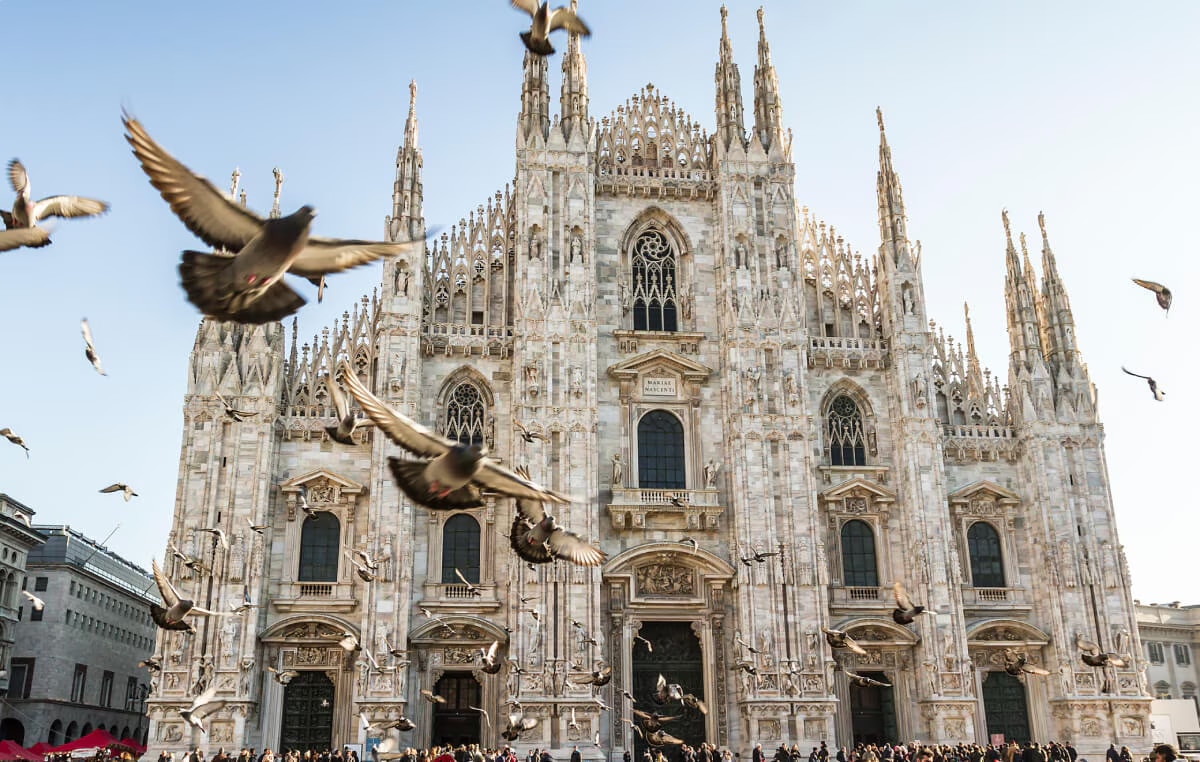
Start your day in the beating heart of the city: Piazza Duomo. Here stands the extraordinary Cathedral, a masterpiece of Gothic style in white marble with its 135 spires and more than 3,000 statues. Climbing up to the terraces is an experience not to be missed: on clear days, the view stretches across the city and all the way to the Alps.
After the visit, cross over to the Galleria Vittorio Emanuele II, with its mosaics and luxury shop windows: a true glass-and-iron drawing room where history and sophistication meet. From here, a short walk will take you to Castello Sforzesco, the Renaissance residence of the Dukes of Milan, now home to important museums and art collections.
Afternoon: art and relaxation in Brera and Parco Sempione
Continue towards the Brera district, the artistic heart of Milan. Its cobbled streets, art galleries and historic cafés reveal the city’s bohemian soul. Do not miss the Pinacoteca di Brera, which houses masterpieces by Raphael, Caravaggio and Mantegna.
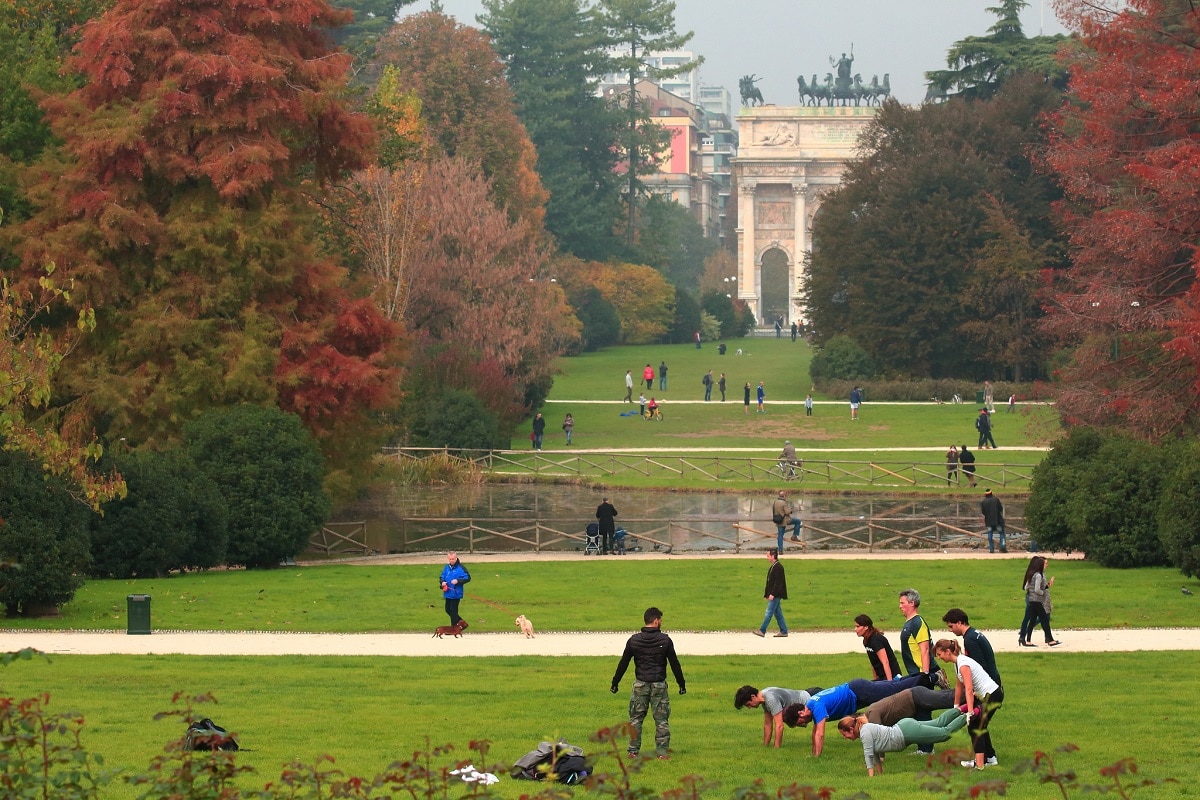
After immersing yourself in art, treat yourself to a break in the nearby Parco Sempione, Milan’s green lung. Here you can relax in the shade of the Arco della Pace and enjoy an ice cream while strolling among ponds and sculptures.
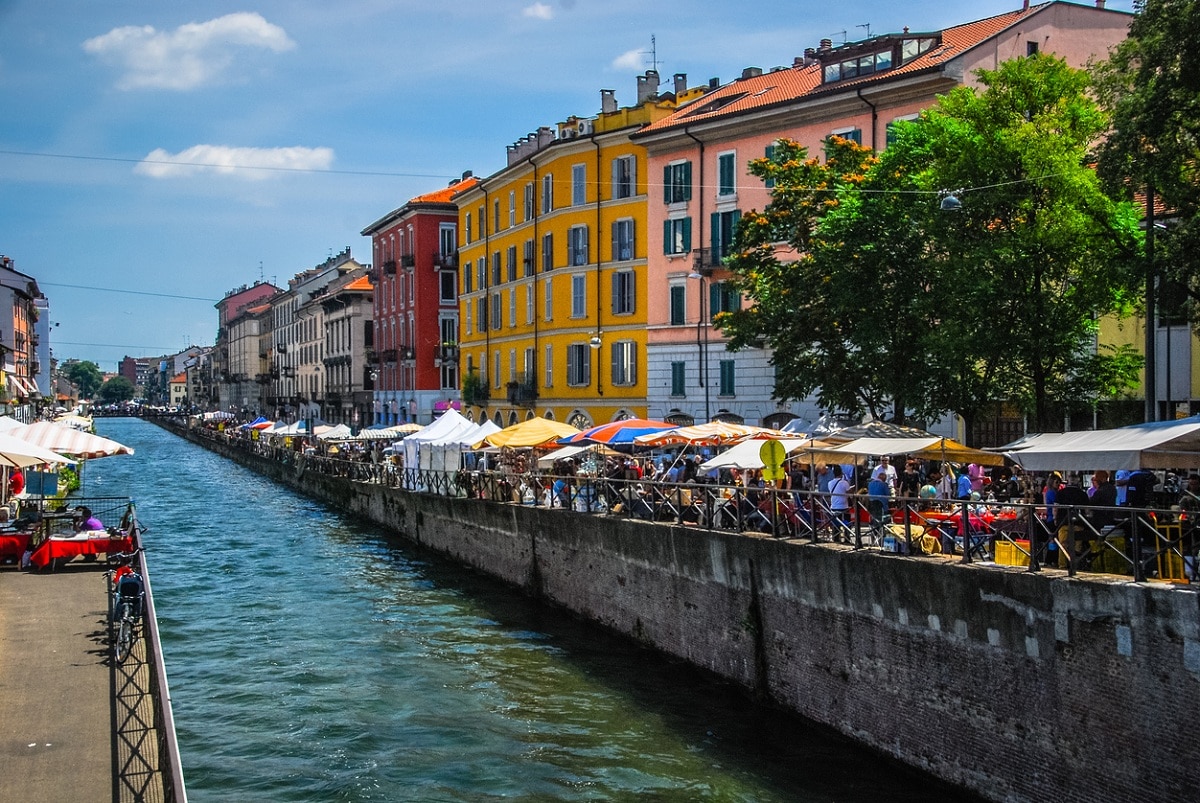
When evening comes, Milan changes pace once again. Head to the Navigli, a lively area full of charm, where history and modernity coexist in perfect balance. The reflections of the lights on the water, the little bridges and the artisan workshops create a truly distinctive atmosphere.
This is also the home of the aperitivo, a local tradition worth experiencing: spritz, cocktails and generous buffets enjoyed by the canals in a convivial and relaxed setting.
Things to do in the evening in Milan: four experiences – something for everyone
Are you on a business trip or traveling with friends in Lombardy’s capital? Make note of these four ideas for your Milan evenings!
What to see in Milan in one day
Piazza Duomo and Milan Cathedral
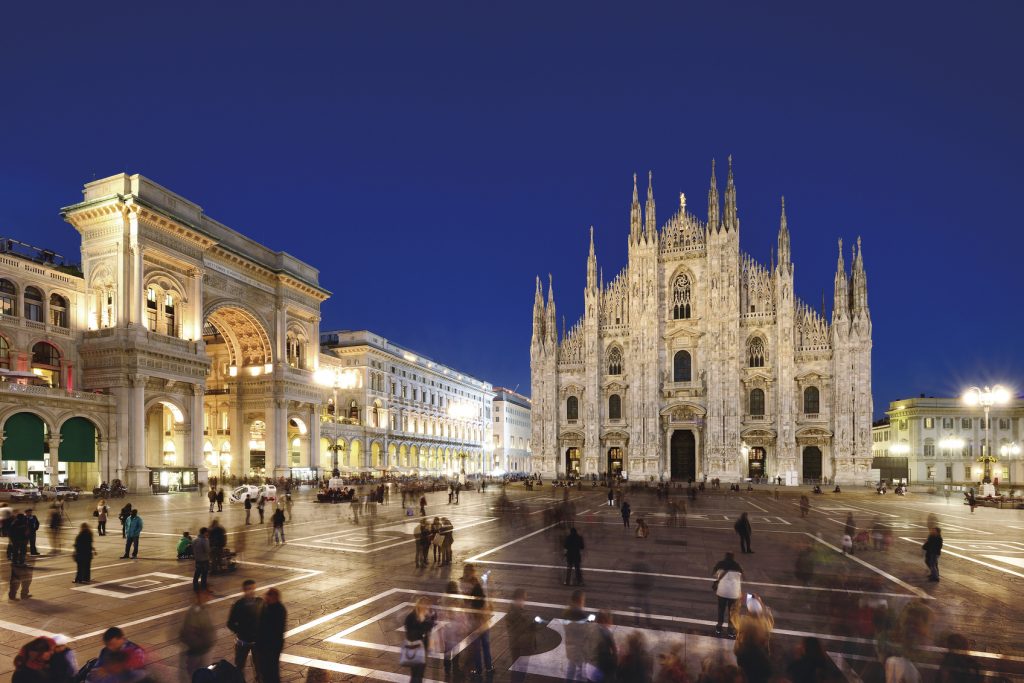
The geographic and symbolic heart of the city, Piazza Duomo is the first stop every visitor should include on their itinerary. It is here that the soul of Milan seems to beat most strongly: a broad open square, always animated by tourists, street artists and the constant movement of city life. The Duomo di Milano, begun in 1386 and completed after more than five centuries of work, is one of the largest and most spectacular Gothic churches in Europe, second in size only to St Peter’s in the Vatican.
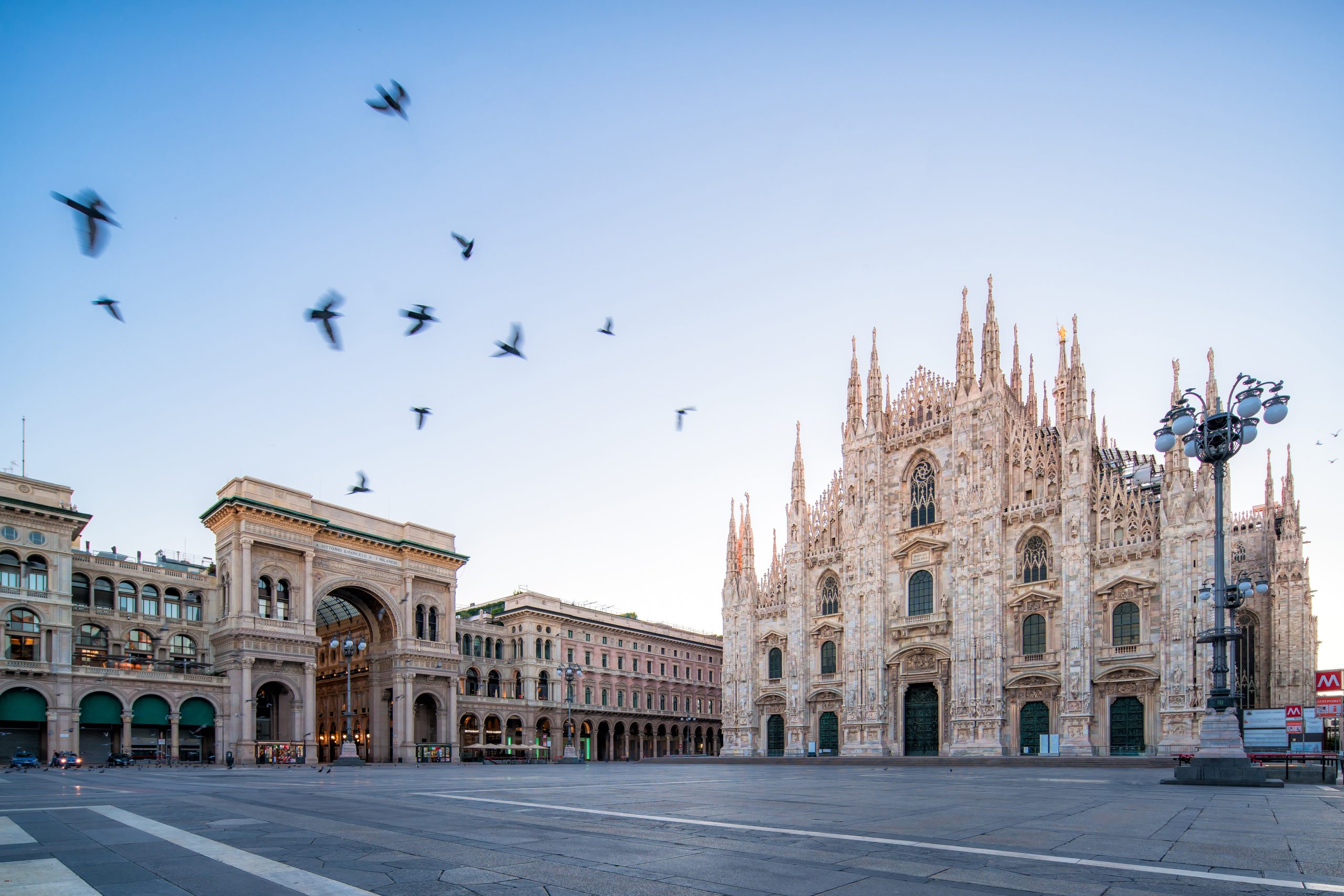
Entering here means stepping into Candoglia marble, the Duomo’s iconic material, which gives the façade its extraordinary appearance, with a weave of pinnacles, arches and statues that shift in colour with the light of the day. Inside, the high vaults create an atmosphere that is both collected and monumental, while the stained-glass windows filter a soft light that brings details, volumes and works of art into relief throughout the cathedral.
Do not miss the visit to the Duomo terraces, which can be reached on foot or by a convenient elevator: from up there, you can admire the Gothic architecture from close range and enjoy one of the most beautiful views of modern Milan, stretching from the historic centre to the distant skyline. On clear days, your gaze can reach all the way to the Alps, giving the city an even more surprising and majestic profile, between ancient roofs and contemporary buildings.
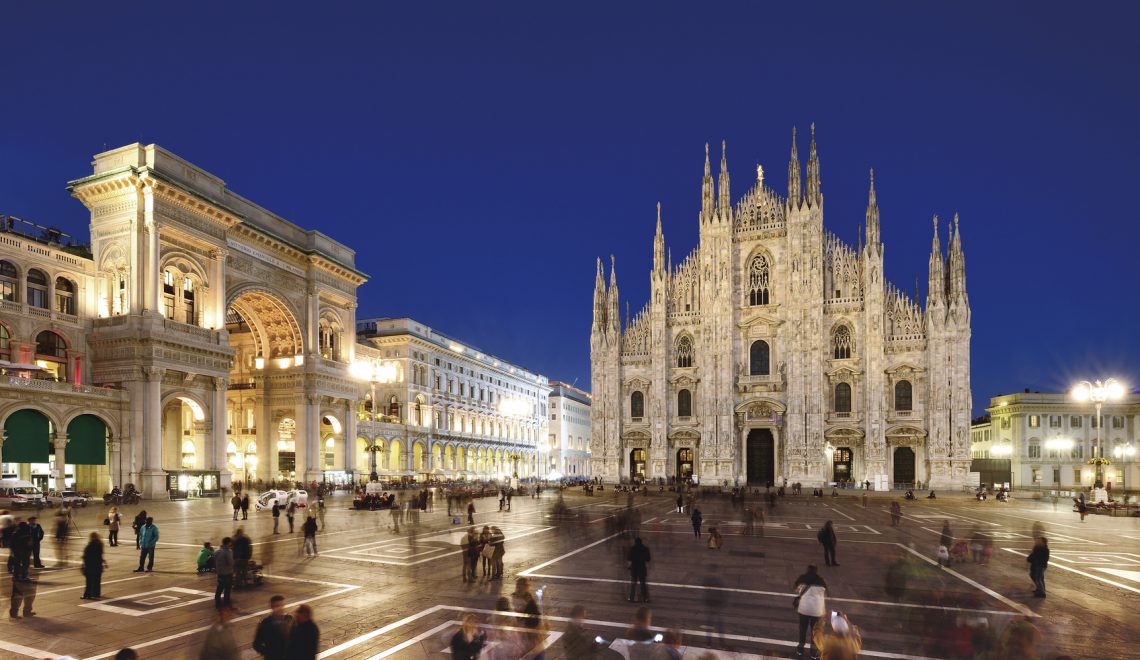
Before leaving the square, take a few minutes to observe the lively scene unfolding all around you: arcades, historic buildings, the Galleria Vittorio Emanuele II and the many cafés overlooking the geometric paving. Sitting here, with an espresso in hand and the Duomo in front of you, is one of those moments that truly capture the essence of Milan: elegant, artistic and always in motion.
Galleria Vittorio Emanuele II and the Quadrilatero della Moda
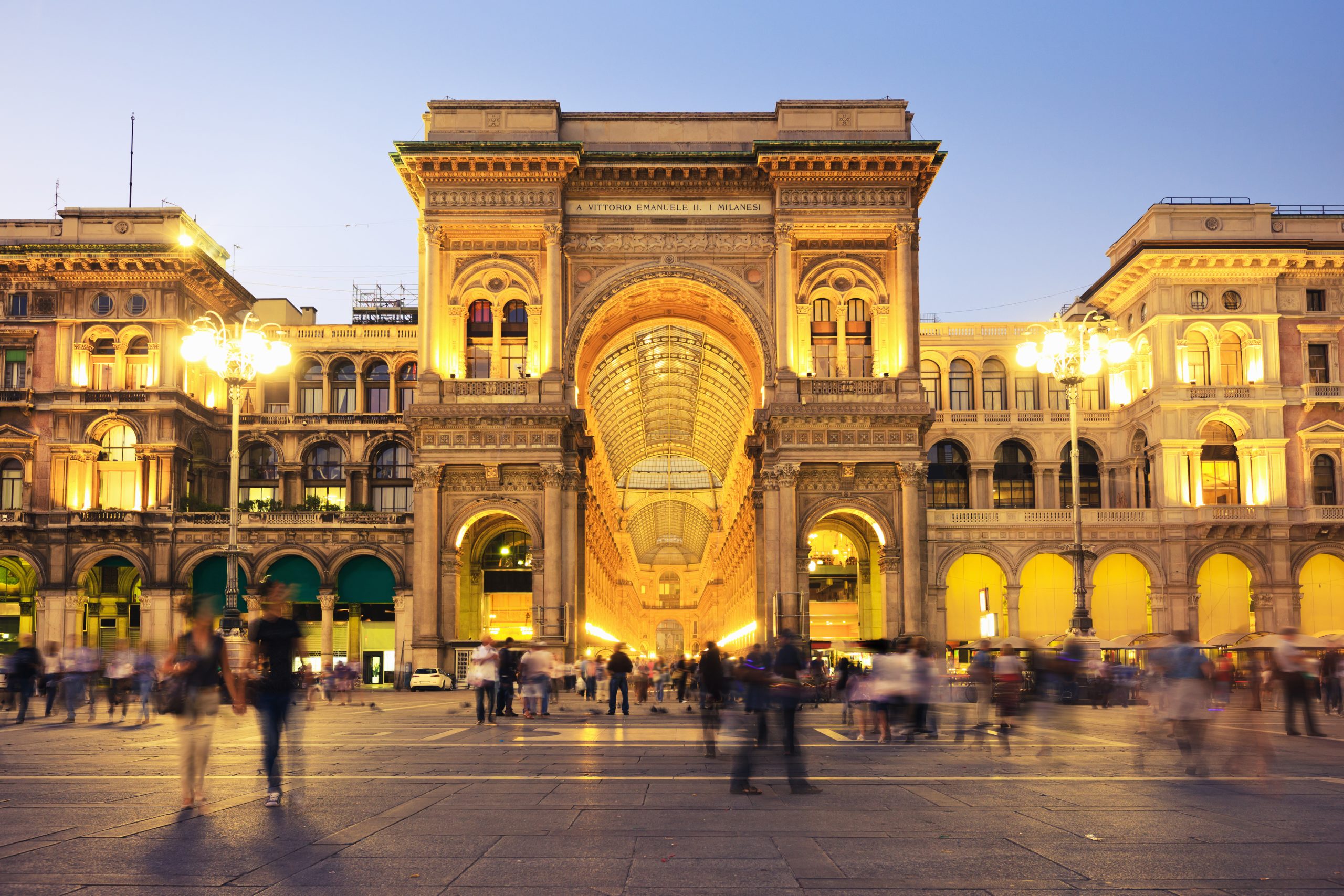
Just a few steps from the Duomo, beyond an elegant iron-and-glass archway, one of the most fascinating galleries in the world opens up: Galleria Vittorio Emanuele II, often nicknamed the “drawing room of Milan”. Inaugurated in 1877 and dedicated to the first king of Italy, it is a masterpiece of nineteenth-century architecture and a symbol of the city. Its iron-and-glass dome, colourful mosaics and floors decorated with the coats of arms of Italy’s main cities make it a place of great visual impact.
Walking beneath its arches, you can breathe in the city’s timeless elegance. Here, luxury shops, historic cafés and refined restaurants coexist, preserving the memory of old bourgeois Milan and projecting it into the present. Stop for a coffee at Camparino in Galleria, a historic venue founded in 1915, or pause for lunch among the dazzling shop windows: every corner has the feel of an urban stage.
There is also a small ritual you should not miss. Look for the mosaic of the bull on the floor, symbol of Turin, and complete the traditional gesture of turning three times on your heels while resting your foot on the animal’s “private parts”: legend has it that it brings good luck and a prompt return to the city.
From here, in just a few minutes, you can reach the Quadrilatero della Moda, bordered by Via Montenapoleone, Via della Spiga, Via Manzoni and Corso Venezia. This is the city’s most elegant and exclusive district, where international designer boutiques, art galleries and grand historic residences line the streets. Even if you are not planning to shop, it is well worth wandering through its orderly streets, breathing in the sophisticated atmosphere that has made Milan one of the world capitals of fashion and design.
As the sun begins to set, the shop windows light up and golden reflections blend with the voices of passers-by: this is one of those moments when the city reveals its most glamorous and contemporary side, suspended between history and modernity.
Castello Sforzesco and Parco Sempione
Continuing on foot along Via Dante, with your eyes drawn to the imposing tower rising in the distance, you reach the majestic Castello Sforzesco, one of Milan’s most recognisable landmarks. Built in the 15th century at the behest of Francesco Sforza, Duke of Milan, the castle was once a military fortress, then a noble residence, and later the seat of court, barracks and, today, one of the city’s most important cultural hubs.
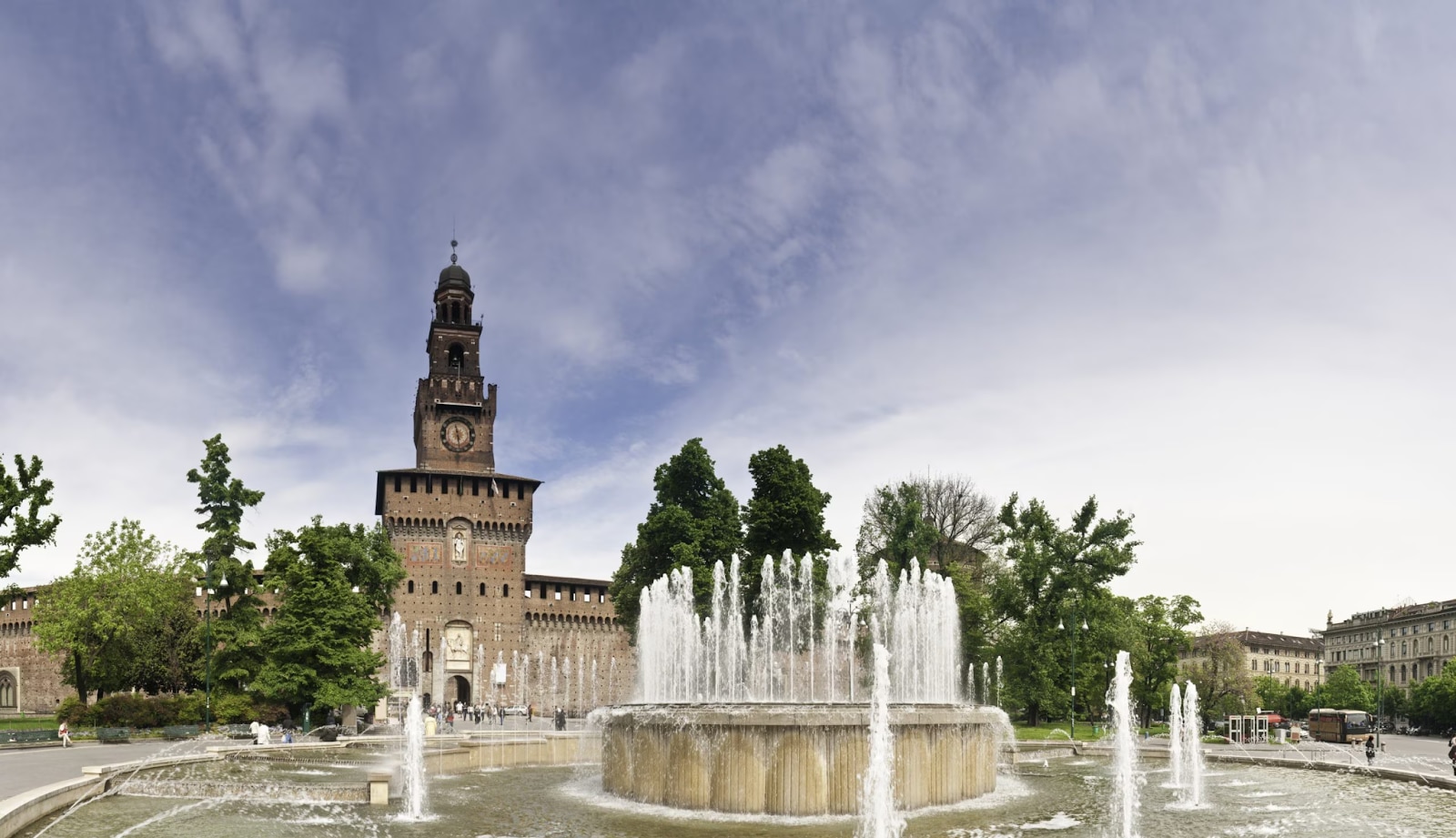
The impact of this extraordinary building is immediate: a vast courtyard, crenellated towers and drawbridges that tell the grandeur of the Sforza period and its later transformations. Inside, the Castle houses several museums and art collections, including the Museum of Ancient Art, the Pinacoteca and the Trivulziana Library, where Leonardo da Vinci’s drawings are preserved. Not to be missed is also the Pietà Rondanini, Michelangelo’s final unfinished sculpture, a work that leaves visitors spellbound by its emotional power.
Leaving the castle behind, you will find yourself in front of one of the places most loved by the people of Milan: Parco Sempione, the city’s green lung. Created in the nineteenth century on the model of the great English parks, it offers an oasis of peace where locals and visitors come to enjoy a relaxing walk or a break between one visit and the next. Here, tree-lined paths, ponds and broad lawns intertwine with the striking profile of the Arco della Pace, a neoclassical monument that marks the park’s northern entrance.
Walking between the Castle and Parco Sempione means discovering one of the most authentic and harmonious sides of Milan, where history, art and nature coexist in perfect balance. In spring, the park fills with flowers and sound, while in autumn the amber-coloured leaves create an especially evocative setting. It is the ideal place to pause on a bench, watch city life flow by and enjoy the beauty of a Milan that knows how to be majestic and, at the same time, incredibly welcoming.
The Last Supper and the Church of Santa Maria delle Grazie
Among the absolute highlights of a day in Milan, The Last Supper by Leonardo da Vinci deserves a special place. The work, known worldwide, is housed in the refectory of the Dominican convent of Santa Maria delle Grazie, just a few minutes from the city centre, and is one of the most extraordinary cultural experiences you can have in the city.
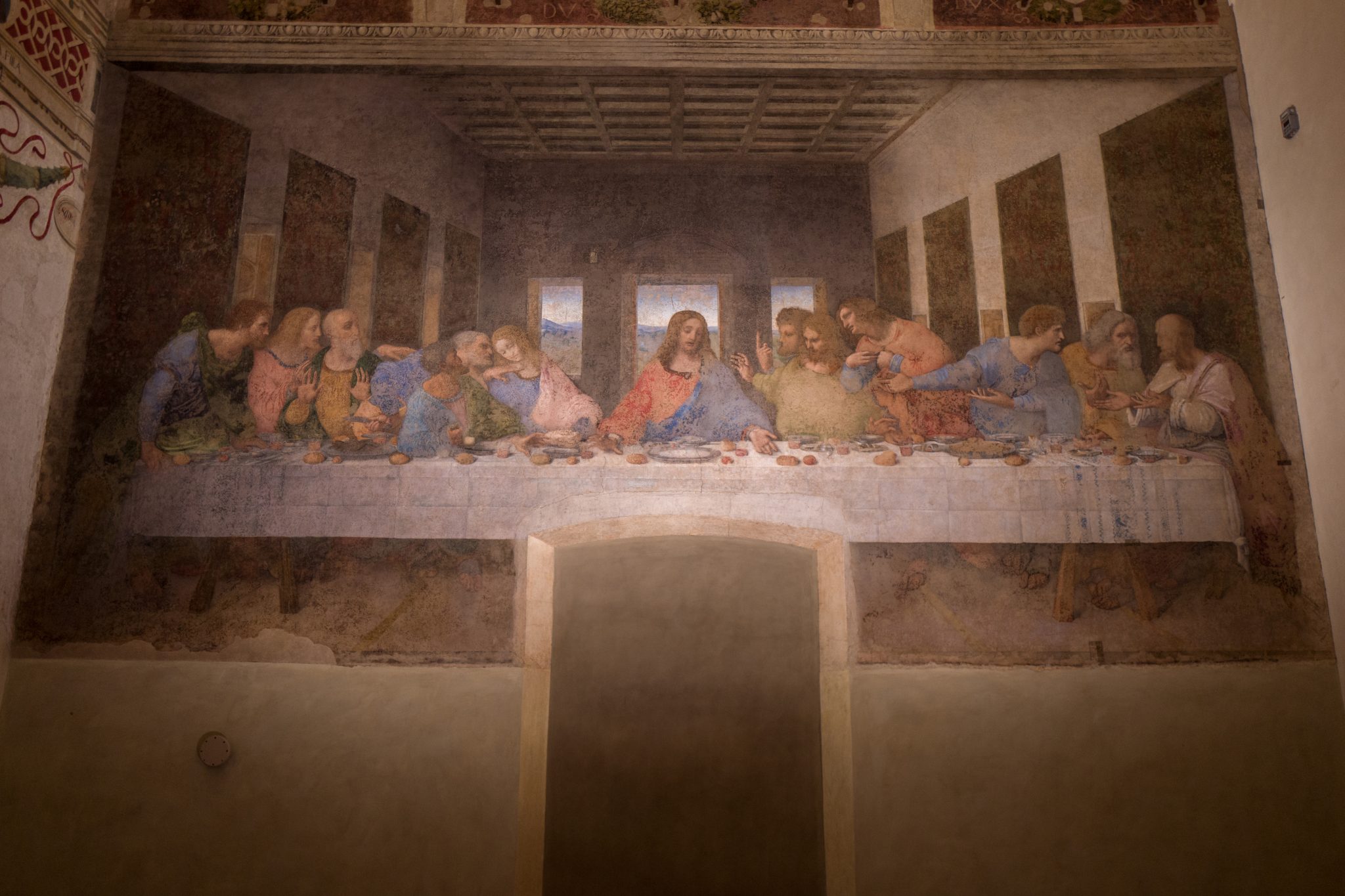
Created between 1495 and 1498 on commission from Ludovico il Moro, the fresco represents the moment when Jesus announces the betrayal of one of his disciples. Leonardo chose to experiment with an innovative technique here, different from traditional fresco, and this makes the work at once fascinating, visually vibrant and exceptionally delicate. Despite the centuries, the restorations and the events it has gone through, the scene still manages to hold the viewer’s gaze.
To preserve the delicate balance of the work, access to the room is strictly regulated and limited to small groups of visitors. Booking well in advance is therefore essential, especially during periods of high season. Every minute spent in front of this masterpiece is a true journey into the artistic genius of Leonardo and into the visual and emotional refinement of an image that, even today, continues to move generations of viewers.
Next to the refectory stands the Church of Santa Maria delle Grazie, another great Milanese landmark. The building is a masterpiece of Renaissance architecture, with an elegant brick façade, a remarkable dome and interiors that reveal the Lombard taste for sobriety combined with richness of detail. UNESCO has recognised the complex as a World Heritage Site, further confirming its exceptional historical and artistic value.
Stopping in this area, even briefly, means stepping into a place where history, faith and beauty come together in a deeply evocative way. It is the ideal destination for those who want to admire one of the highest peaks of Italian art, but also for anyone wishing to enjoy a moment of contemplation and silence in a Milan that knows how to reveal its most cultured and profound side.
Brera and the Pinacoteca: Milan’s artistic heart
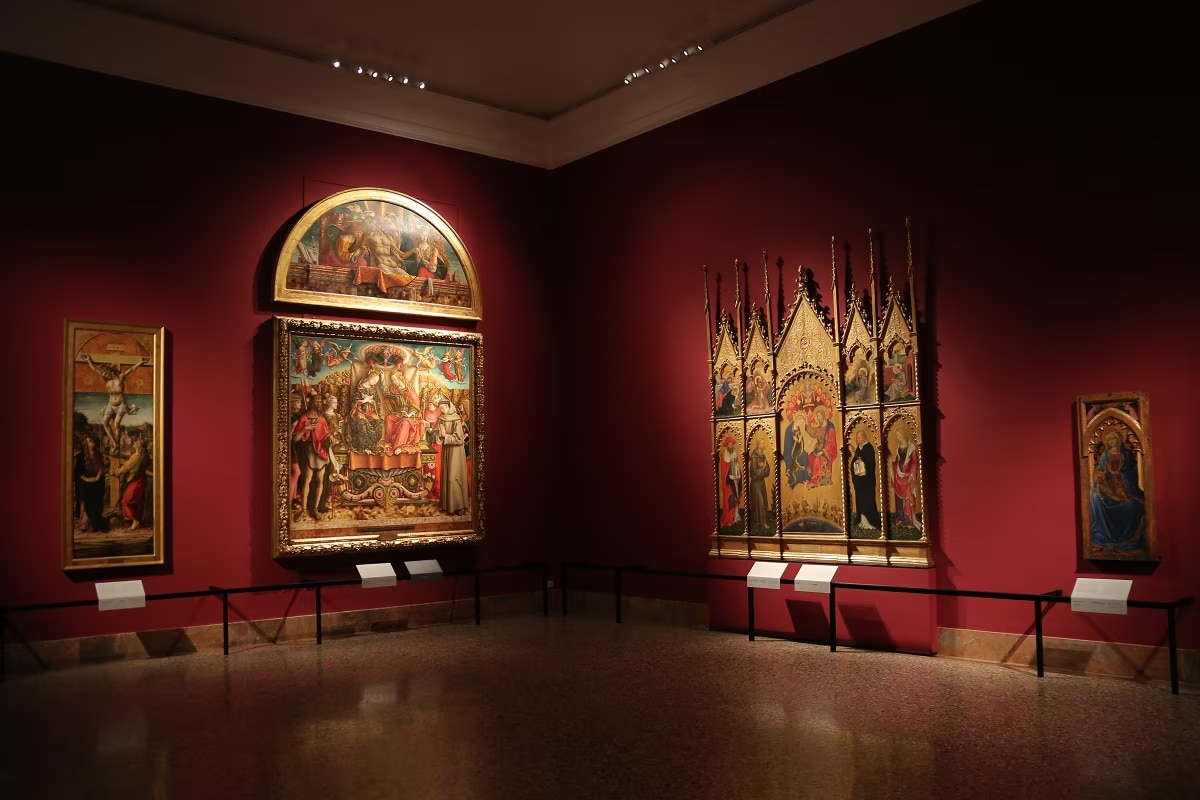
Among Milan’s most fascinating districts, Brera is undoubtedly the one that best embodies the city’s artistic and bohemian soul. Walking through its cobbled streets, flower-filled balconies and the windows of artisan workshops means stepping into an atmosphere suspended in time, where the charm of the past meets the creative energy of the present.
At the heart of the district lies the Pinacoteca di Brera, one of the most important museums in Italy. Founded in 1809 by Napoleon, the gallery houses an extraordinary collection spanning the history of art from the fourteenth century to the nineteenth century. Among its most celebrated masterpieces are the “Pala di Montefeltro” by Piero della Francesca, the “Dead Christ” by Andrea Mantegna and Raphael’s “Marriage of the Virgin”, true pillars of Italian painting.
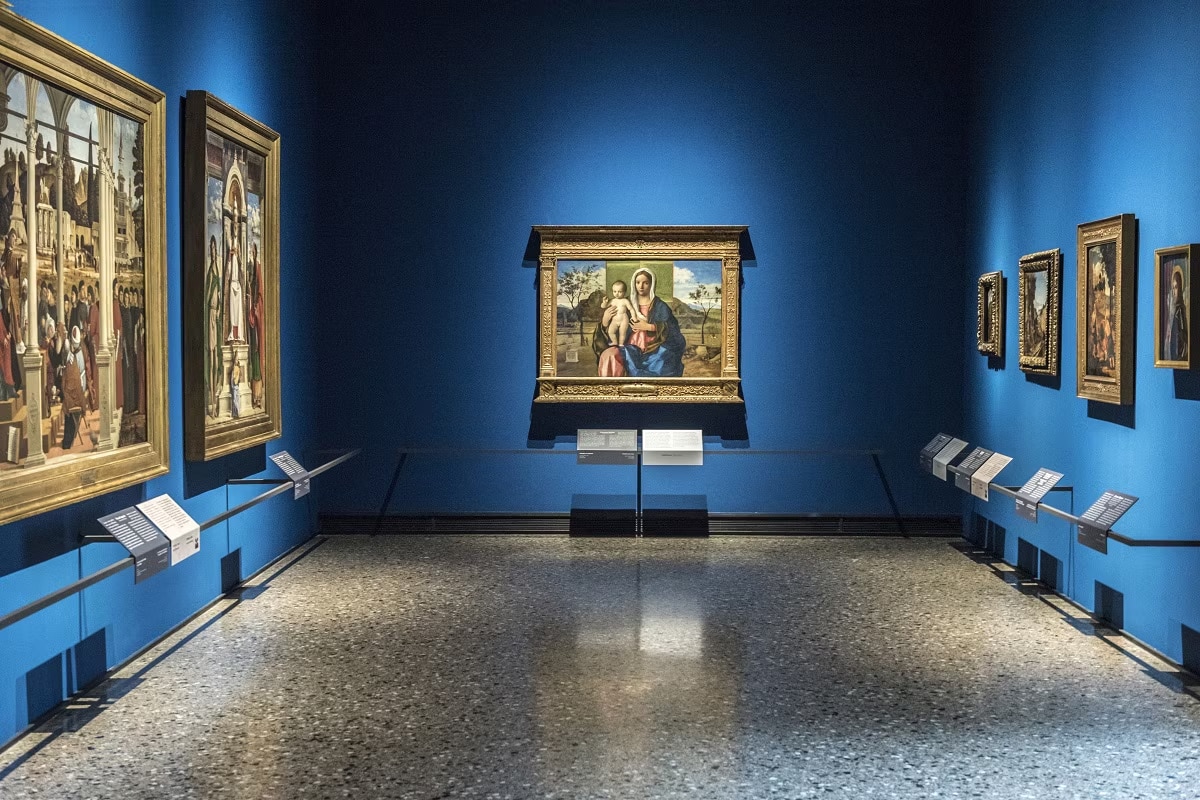
Beyond the masterpieces themselves, the Pinacoteca stands out for its intimate and quiet atmosphere: each room is a small world to explore, where the works engage in dialogue with the light filtering through the large windows and the curated display route. In the courtyard of honour, with the bronze statue of Napoleon as Mars the Peacemaker sculpted by Canova, you can feel the spirit of the place: a temple of art in the beating heart of the metropolis.
After your visit, it is well worth taking a break in the literary cafés and art galleries that animate the streets of Brera, making the district one of the city’s most inspiring corners. Frequented by students of the Brera Academy, musicians and writers, every corner tells a story: a hidden bridge over an inner courtyard, an independent bookshop inviting you to leaf through art volumes, the scent of coffee accompanying open-air sketches.
Visiting Brera means discovering the most authentic and poetic Milan, the one that preserves its identity between art, culture and everyday life. It is the perfect place to lose yourself without rushing, guided only by the pleasure of discovery — just as true Milanese do.
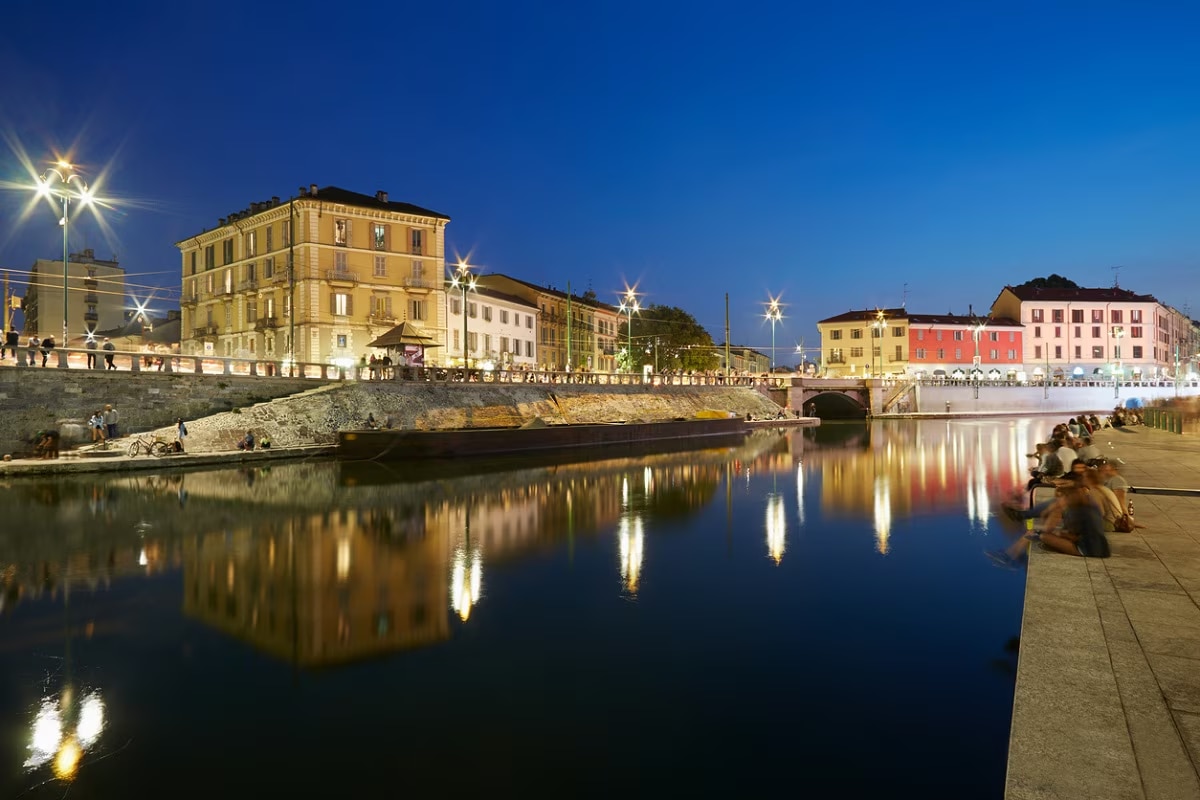
Built in the Middle Ages and the Renaissance to connect the city with the Lombard lakes, the Navigli today represent one of Milan’s liveliest districts. Strolling along the Naviglio Grande and the Naviglio Pavese at sunset is an unmissable experience, among old houses, lively venues and views rich in charm.
What to eat in Milan in one day
Typical Milanese dishes to try
A one-day itinerary cannot be considered complete without tasting Milan’s traditional cuisine. Risotto alla milanese, scented with saffron, and cotoletta alla milanese, crisp and satisfying, are two of the city’s most iconic specialities. If you visit Milan in winter, try cassoeula or a hearty dish based on osso buco, while to end on a sweet note there is always the famous panettone, which was born right here.
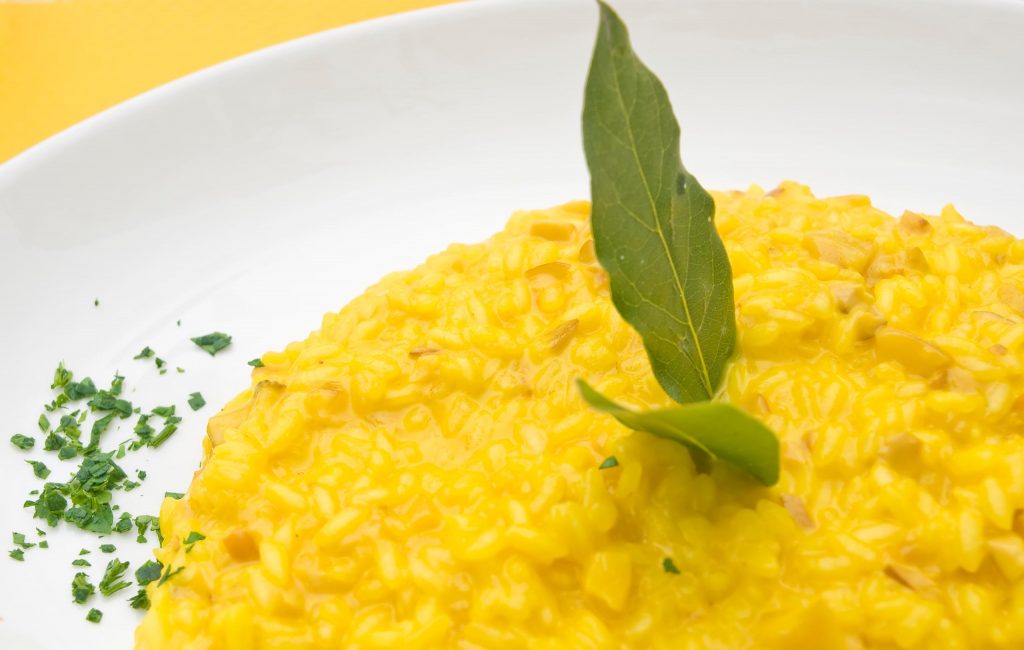
Typical Milanese dishes: discover 5 dishes you must try in Milan
If you’re thinking of spending a few days in Milan and curious about what the best typical dishes are, then you’re in the right place. Discover Italo’s list!
Where to stop for lunch or aperitivo
For lunch, the historic centre offers a wide selection of bistros and trattorias where you can enjoy typical dishes in an elegant setting. In Brera, you will find charming venues with romantic outdoor seating, while the Navigli are the perfect place for an unforgettable aperitivo.
Curiosities about Milan: traditions, events and anecdotes to discover
Few people know that Milan boasts one of the oldest metro systems in Europe, inaugurated in 1964, and that each line is decorated according to a precise design concept signed by Franco Albini and Bob Noorda. Another curious fact concerns the Madonnina, the famous golden statue watching over the Duomo: by tradition, no building should rise above it in height unless a copy is placed on its summit, as happened with the skyscrapers of Porta Nuova.
Milan is also a city that lives through events: every year it hosts internationally renowned occasions such as Milan Fashion Week, the Fuorisalone del Design and MiArt, which transform its streets into true crossroads of art, style and innovation.
How to get to Milan with Italo
The main routes to Milan
Milan can be reached easily from many Italian cities thanks to Italo high-speed trains. The main routes connect the city with Rome, Naples, Florence, Bologna, Turin and Venice, allowing you to arrive directly in the urban centre, with stops at Milano Centrale or Rogoredo.
For those travelling from the capital, Italo also offers Milano–Rome Non-Stop trains, the ideal solution for moving between the two cities in less than three hours, with maximum comfort and no intermediate stops
Milan and its surroundings: ideas to extend your visit
Day trips to Pavia, Bergamo or Turin
If, after exploring Milan, you would like to continue your journey, this is the perfect moment to plan a trip beyond the city. Pavia, with its Certosa and Ponte Coperto; Bergamo, with its Città Alta suspended in time; or Turin, elegant and majestic with its historic arcades and royal museums. All three are ideal destinations for a cultural or romantic weekend.
Book your trip with Italo and discover Milan in one day, reaching the beating heart of the city and enjoying an experience that brings together elegance, culture and Italian charm.