Milan is a city that reveals itself gradually. At first glance it may seem fast-paced and business-oriented, but give it time and it rewards you with layers of history, world-class art, cutting-edge design and a lifestyle that blends tradition with constant reinvention. This 3-day itinerary in Milan is designed to help you experience the city in a balanced, enjoyable way: iconic landmarks, vibrant neighbourhoods, cultural highlights and moments to simply soak in the atmosphere. Three days are ideal to understand Milan’s soul without rushing, leaving space for discovery as well as for pleasure.
How to organise a 3-day itinerary in Milan
When to visit Milan
The best time to visit Milan is generally spring (April to June) and early autumn (September and October). During these months, temperatures are pleasant and the city is lively without the extreme heat of summer or the foggy days typical of winter. Fashion weeks and major design events can make the city particularly vibrant, but also busier, so booking accommodation and attractions in advance is advisable.
Milan is compact and easy to navigate. Many central attractions are within walking distance, and the public transport network makes moving between neighbourhoods simple and efficient. Arriving by high-speed train allows you to step straight into the city centre, saving time and avoiding unnecessary transfers. This convenience is one of the reasons Milan is perfect for a short yet fulfilling city break.
Milan in 3 days: itinerary at a glance
To help you plan your time efficiently, the table below summarises the suggested itinerary, organised by day and time of day. It provides a quick overview of the main stops, making it easier to visualise the rhythm of each day and balance major landmarks, cultural highlights and relaxing moments while exploring Milan.
Milan in 3 days itinerary map
| Timing | Itinerary stops |
| Day 1 Morning | Milan Cathedral and the Duomo terraces |
| Day 1 Late Morning | Galleria Vittorio Emanuele II |
| Day 1 Late Morning | La Scala Theatre |
| Day 1 Late Morning | Piazza della Scala and the historic surroundings |
| Day 1 Lunch | Lunch break in the city centre |
| Day 1 Afternoon | Castello Sforzesco |
| Day 1 Late Afternoon | Parco Sempione and Arco della Pace |
| Day 2 Morning | Santa Maria delle Grazie and Leonardo’s Last Supper |
| Day 2 Late Morning | Navigli canals and the Darsena area |
| Day 2 Lunch | Lunch along the Navigli |
| Day 2 Afternoon | Porta Nuova and modern Milan |
| Day 2 Afternoon | Bosco Verticale and contemporary architecture |
| Day 2 Evening | Aperitivo in the Isola district |
| Day 3 Morning | Milan’s fashion district and shopping streets |
| Day 3 Afternoon | Brera district and Pinacoteca di Brera |
| Day 3 Lunch | Lunch in Brera |
| Day 3 Late Morning | Museo del Novecento |
| Day 3 Late Afternoon / Evening | Rooftop views and final strolls – Highline Milano |
Day 1: exploring Milan’s historic centre
Milan Cathedral and the Duomo terraces
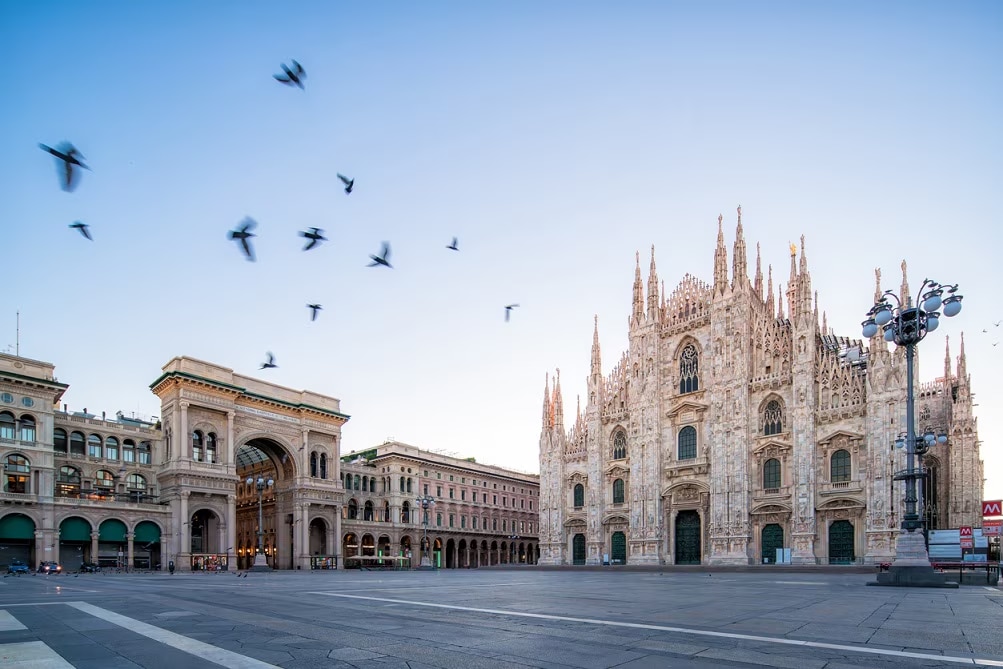
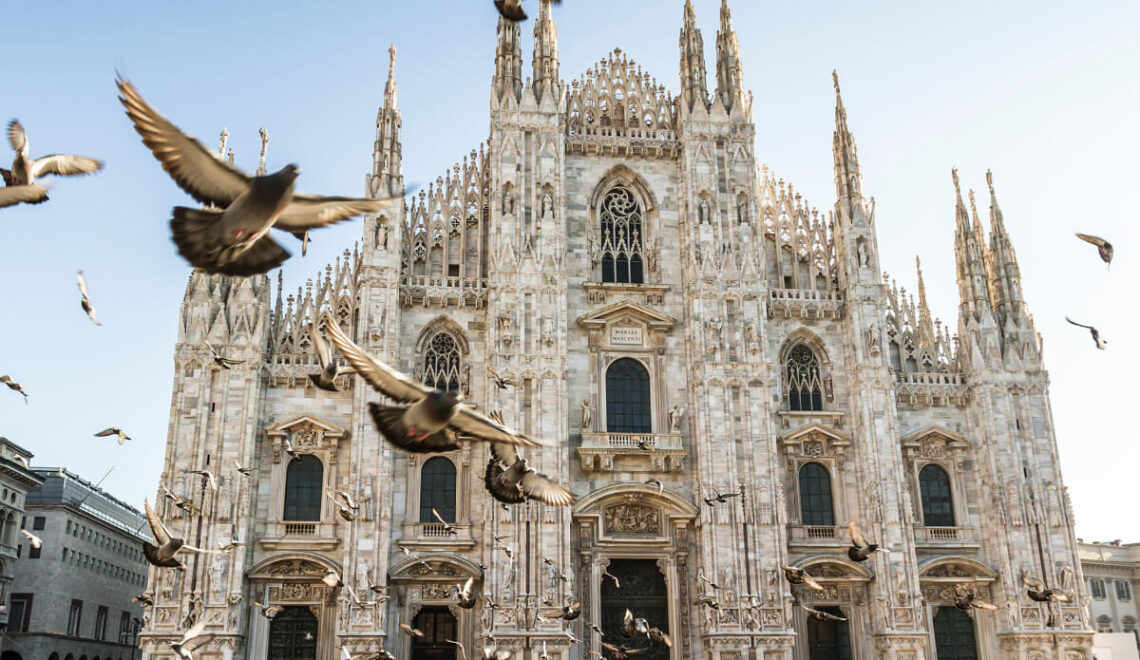
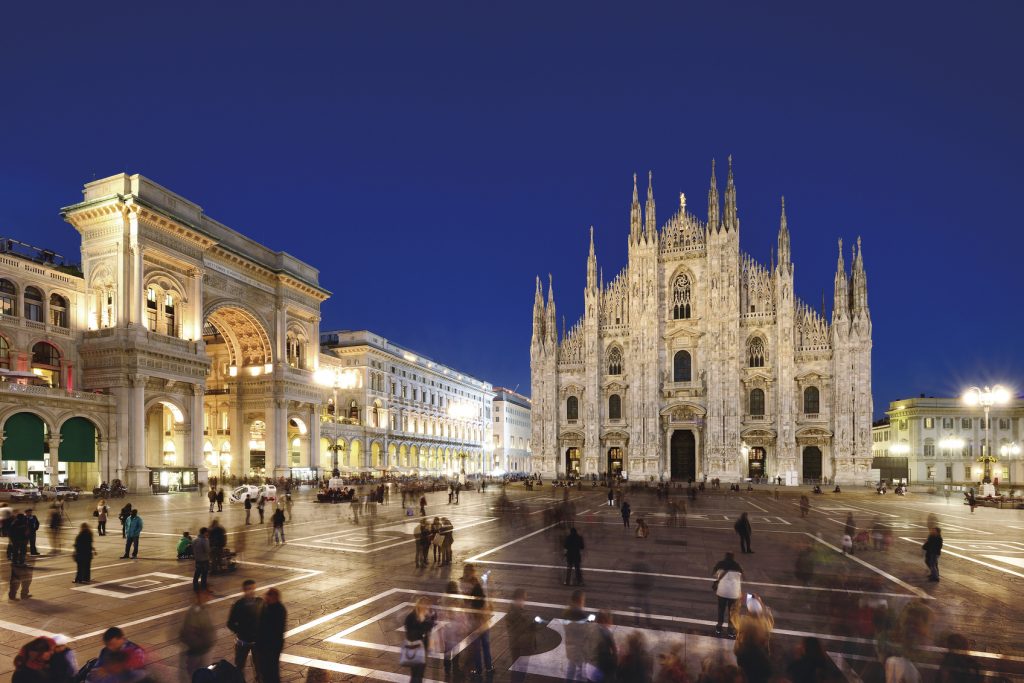
Start your itinerary at the very heart of the city: Milan Cathedral, an architectural masterpiece and one of the largest churches in Europe. Construction began in the late 14th century and continued for centuries, resulting in a unique blend of Gothic elements and Lombard craftsmanship that makes the Duomo instantly recognisable. Its pink-white marble façade, adorned with more than 3,000 statues and countless spires, is already impressive from Piazza del Duomo, but the experience truly comes to life once you go up.
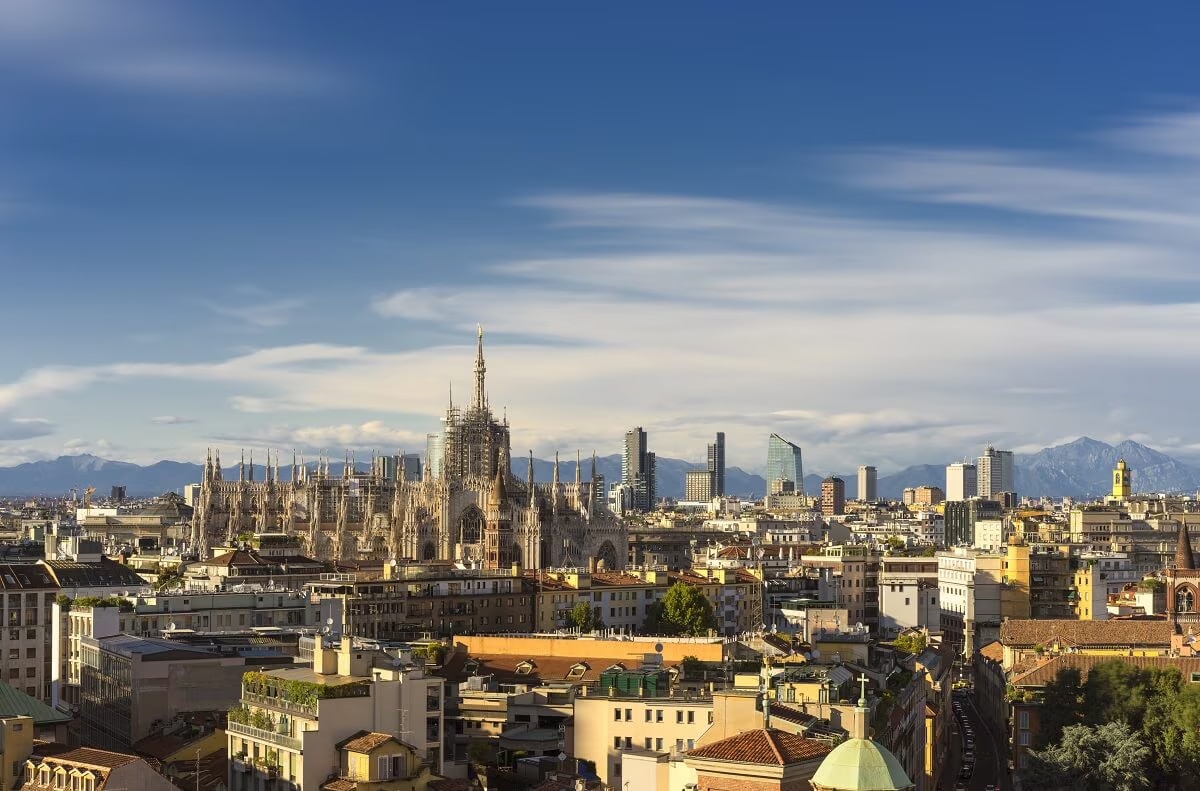
The Duomo terraces are the real highlight of the visit. From here, you can walk among the spires themselves, observe the intricate details of the sculptures up close and enjoy panoramic views over Milan’s rooftops. On clear days, the Alps are even visible in the distance, offering a striking contrast between the city’s historic core and its modern skyline. You can reach the terraces either by stairs or lift, making the visit accessible and easy to fit into a busy itinerary.
Allow at least 60–90 minutes for the full experience, including the cathedral interior and the terraces, and consider visiting early in the morning to avoid crowds and enjoy a calmer, more atmospheric introduction to Milan.
Milan: what to see and what to do for free
Set off with us on an original tour of Milan: here’s what to see for free in the city and where to eat inexpensively. You can visit Milan on a budget too!
Galleria Vittorio Emanuele II
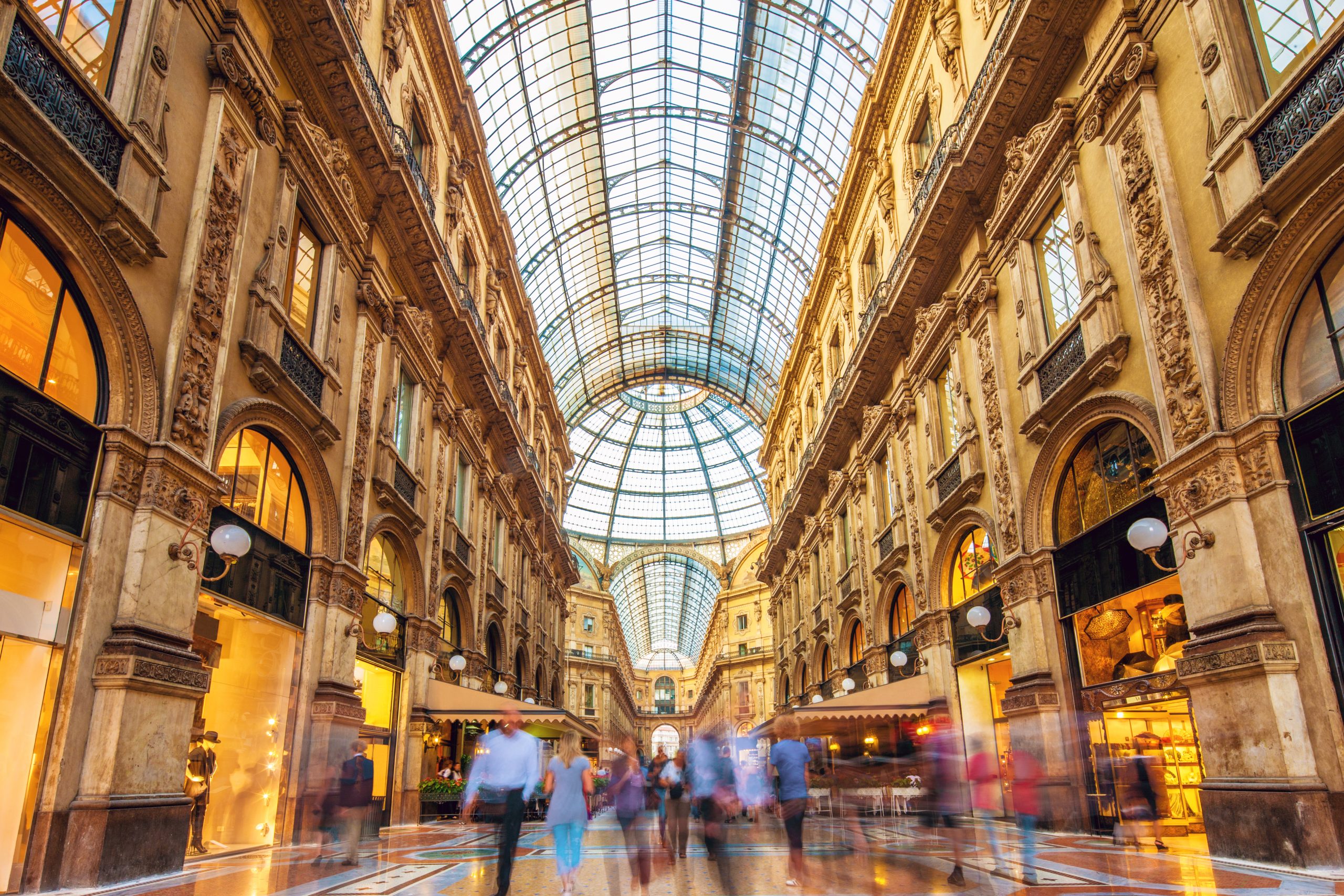
Just steps away from the Duomo, the elegant Galleria Vittorio Emanuele II reveals Milan’s most refined and cosmopolitan side. Built in the late 19th century, this grand shopping arcade is often described as Milan’s living room, a place where architecture, fashion and social life naturally intersect.
Beneath its impressive glass-and-iron dome, historic cafés, luxury boutiques and iconic fashion houses line the mosaic-covered floors, creating an atmosphere that feels both monumental and lively. Look down to spot the famous bull mosaic, where tradition says spinning on your heel brings good luck, and then lift your gaze to admire the elegant symmetry of the galleries above.
The Galleria is the perfect place for a short pause, whether for an espresso at a historic café or simply for some people-watching. Even without shopping, walking through it offers a snapshot of Milanese style and daily life, making it an essential stop on any first visit to the city.
La Scala Theatre
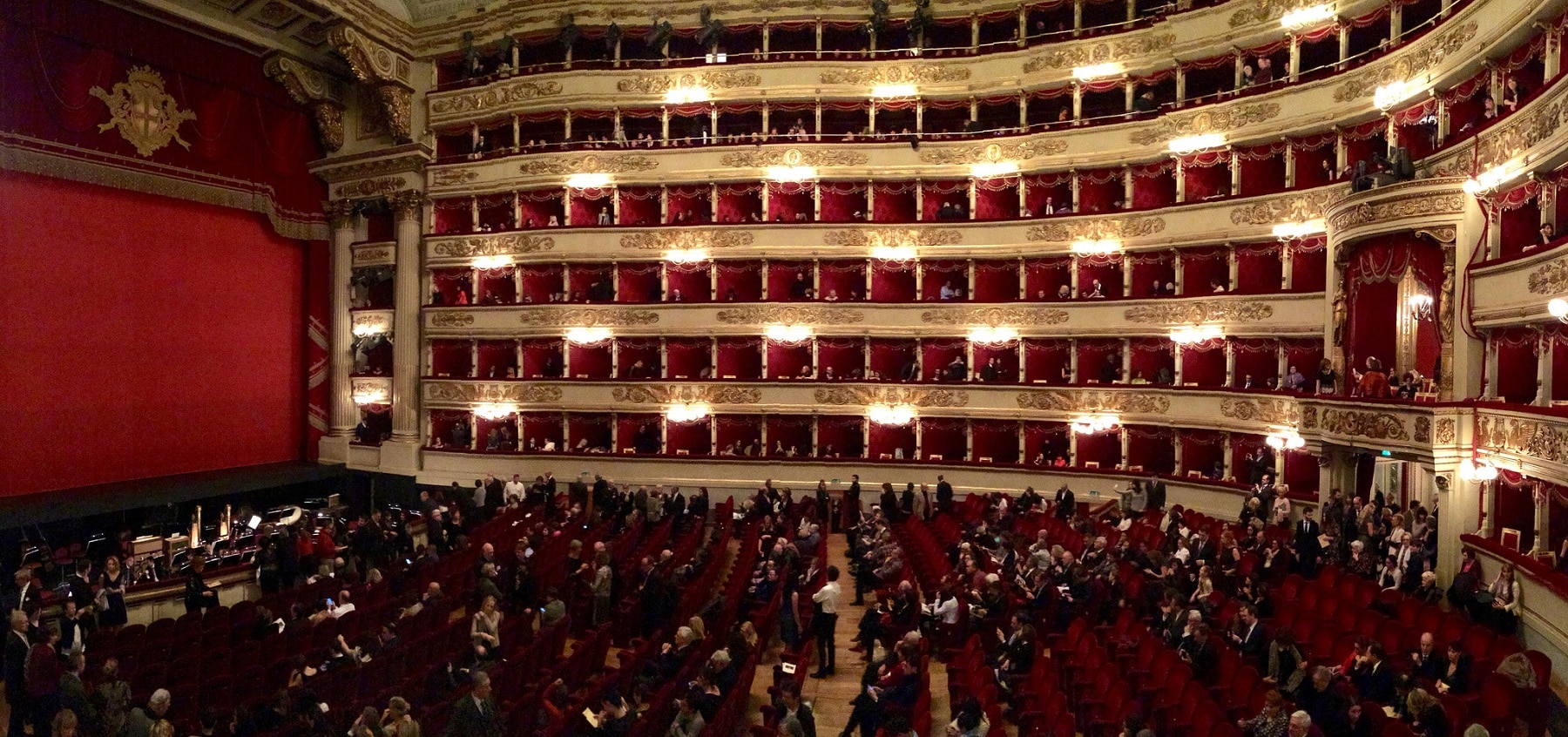
A short walk from the Galleria leads you to La Scala Theatre, one of the most prestigious opera houses in the world and a true symbol of Milan’s cultural identity. Officially known as Teatro alla Scala, it has hosted legendary composers, conductors and performers since its opening in 1778, becoming a global reference point for opera and classical music.
Even if you don’t attend a performance, the area around La Scala is worth lingering in. The elegant square and nearby streets reflect Milan’s deep-rooted connection to music, art and intellectual life, offering a quieter, more refined atmosphere compared to the bustle of Piazza del Duomo. For those interested in going a step further, the La Scala Museum provides insight into the theatre’s history, showcasing costumes, instruments and memorabilia that tell the story of centuries of musical excellence.
Piazza della Scala and the historic surroundings
Piazza della Scala and its neighbouring streets reveal a more understated and refined side of Milan, far removed from the crowds of the nearby Duomo. Framed by elegant palaces and important cultural institutions, this area reflects the city’s aristocratic past and its long-standing role as an intellectual and cultural capital.
Here you’ll find landmarks such as Palazzo Marino, now home to the city’s town hall, and historic buildings that speak of Milan’s political and artistic influence over the centuries. Strolling through these quieter streets allows you to slow the pace, admire refined architecture and experience a more local atmosphere. It’s an ideal area for a brief walk between major sights, offering a deeper understanding of Milan beyond its most iconic landmarks.
Lunch break in the city centre
For lunch, choose a traditional trattoria or a modern bistro nearby. Milanese cuisine is rich and comforting, and a relaxed lunch is essential to recharge before the afternoon.
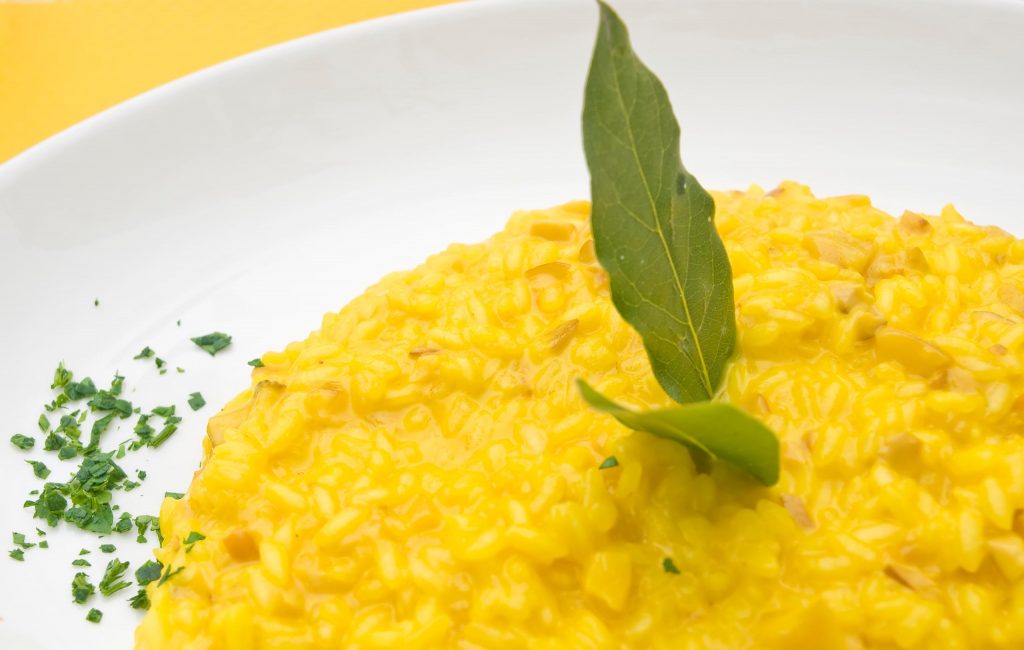
Typical Milanese dishes: discover 5 dishes you must try in Milan
If you’re thinking of spending a few days in Milan and curious about what the best typical dishes are, then you’re in the right place. Discover Italo’s list!
Castello Sforzesco
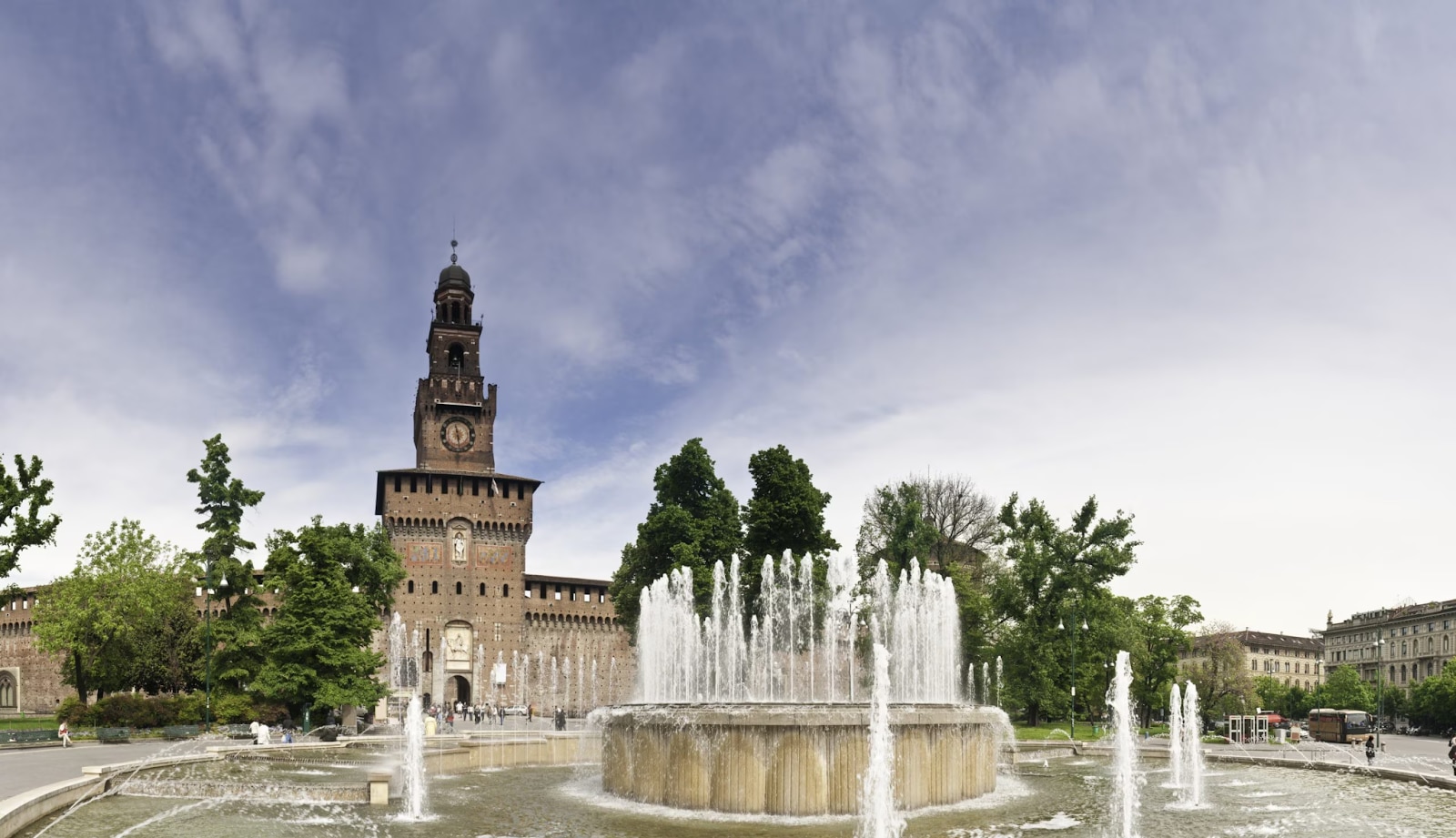
In the afternoon, head to Castello Sforzesco, one of the most important historical landmarks in Milan and a powerful symbol of the city’s Renaissance past. Originally built in the 15th century as a defensive fortress, the castle later became the residence of the ruling Sforza family and a centre of political and cultural life. Over the centuries, it has been expanded, damaged and restored, reflecting the many phases of Milan’s history.
Today, Castello Sforzesco houses several museums and exhibition spaces, covering everything from ancient art and decorative objects to musical instruments and Renaissance masterpieces. However, even without entering the museums, walking through its vast courtyards and along its imposing walls offers a tangible sense of Milan’s former power and strategic importance. The castle also marks the transition between the historic city and the green spaces beyond, making it a natural and scenic stop within a full day of exploration.
Parco Sempione and Arco della Pace
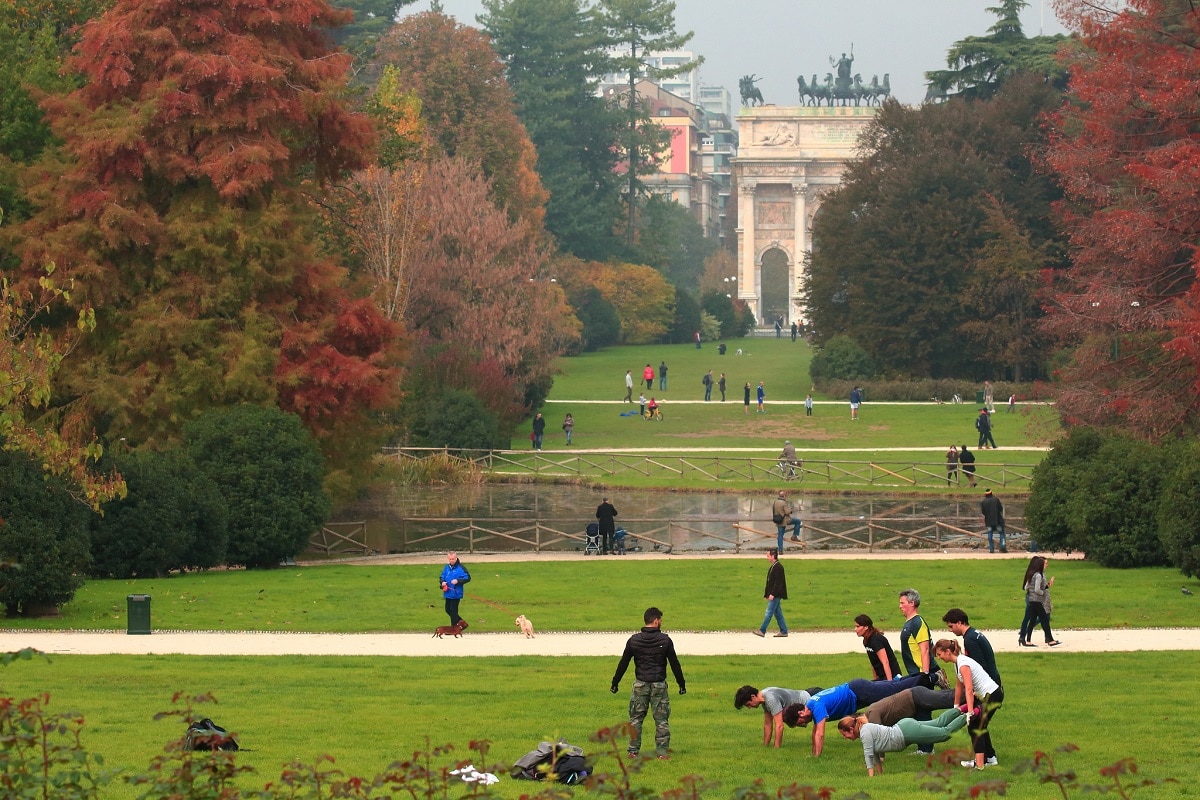
Just behind the castle stretches Parco Sempione, one of Milan’s largest and most loved green spaces. Designed in the late 19th century, the park offers wide lawns, tree-lined paths and open views that make it an ideal place to slow down after a morning of sightseeing. It’s where locals come to read, jog, relax or simply enjoy a break from the urban rhythm.
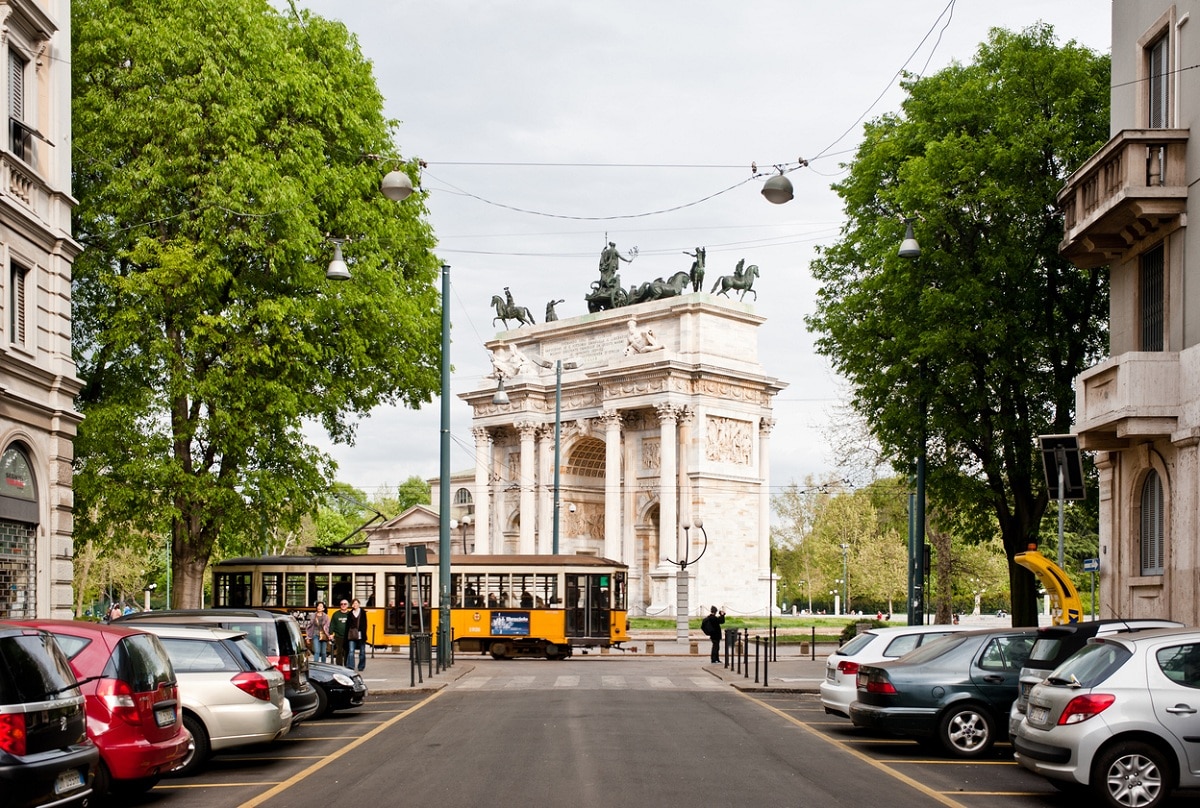
Crossing the park on foot naturally leads you to the monumental Arco della Pace, a striking neoclassical arch that marks the end of the historic axis connecting the castle to the city’s western districts. In the late afternoon, this area becomes particularly lively, with cafés filling up and residents gathering for a drink before dinner. It’s the perfect spot to pause, take in the atmosphere and enjoy a moment of calm before the evening unfolds.
What to see and do in Milan: from iconic landmarks to local secrets
Milan is a city that never fails to surprise. Known worldwide as a hub of fashion, design, and business, the Lombard capital is also a treasure trove of history, art, and vibrant local life.
Day 2: art, culture and iconic masterpieces
Santa Maria delle Grazie and Leonardo’s Last Supper
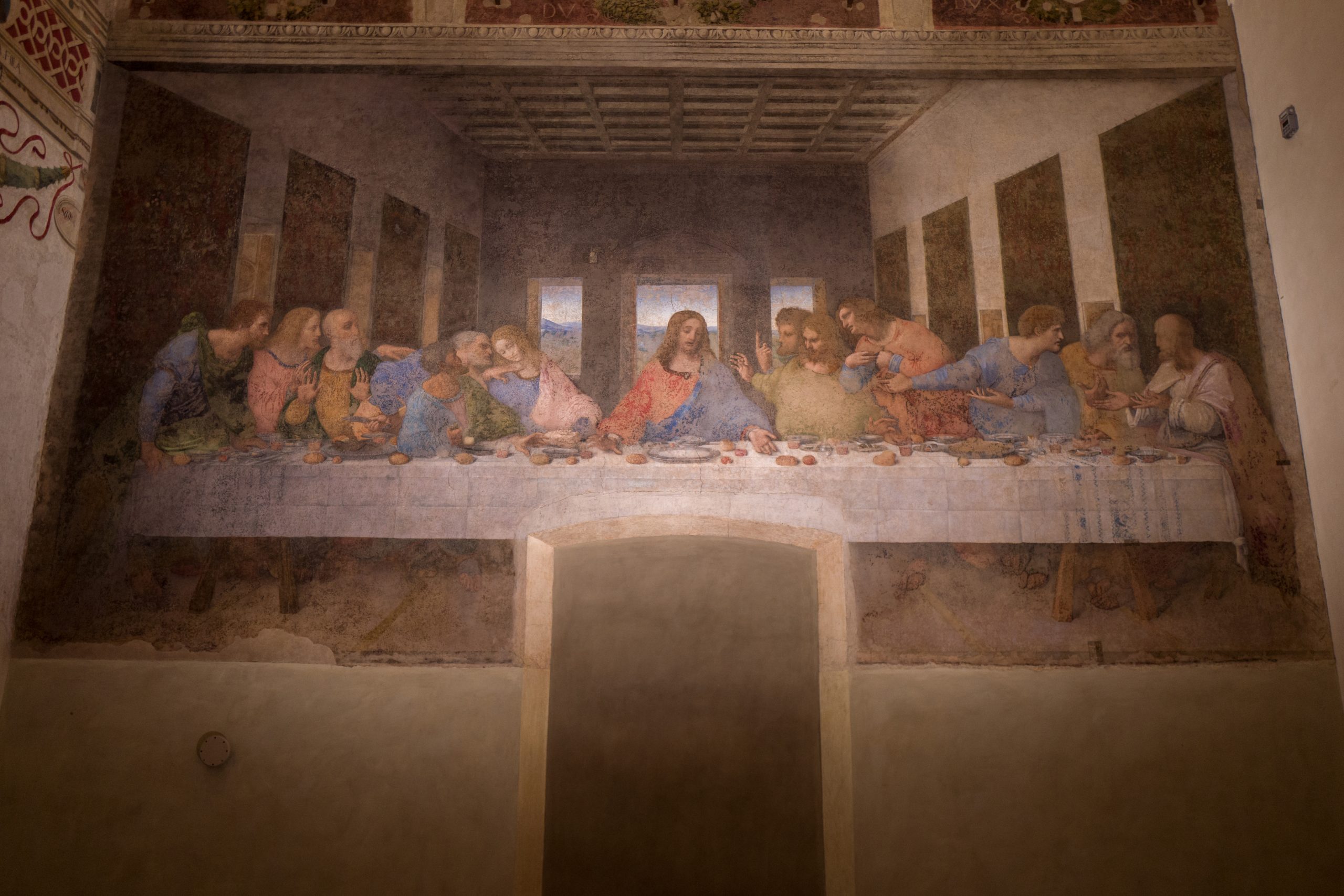
Day two begins with one of Milan’s most extraordinary cultural treasures: Leonardo da Vinci’s Last Supper, housed in the refectory of Santa Maria delle Grazie. Painted between 1495 and 1498, this iconic fresco is considered one of the greatest masterpieces in the history of art, not only for its artistic quality but also for its revolutionary composition and emotional depth.
Seeing The Last Supper in person is a powerful and memorable experience. Leonardo’s innovative technique, combined with centuries of restoration work, makes the visit as much about the artwork itself as about its preservation. Access is strictly regulated to protect the fresco, with small groups allowed in for limited time slots, which helps create a quiet and almost reverent atmosphere.
For this reason, booking tickets well in advance is essential, especially during peak travel seasons. Plan to spend at least an hour in the area, taking time not only to view the Last Supper but also to admire the elegant architecture of Santa Maria delle Grazie, a UNESCO World Heritage Site that adds historical and spiritual context to one of Milan’s most celebrated works of art.
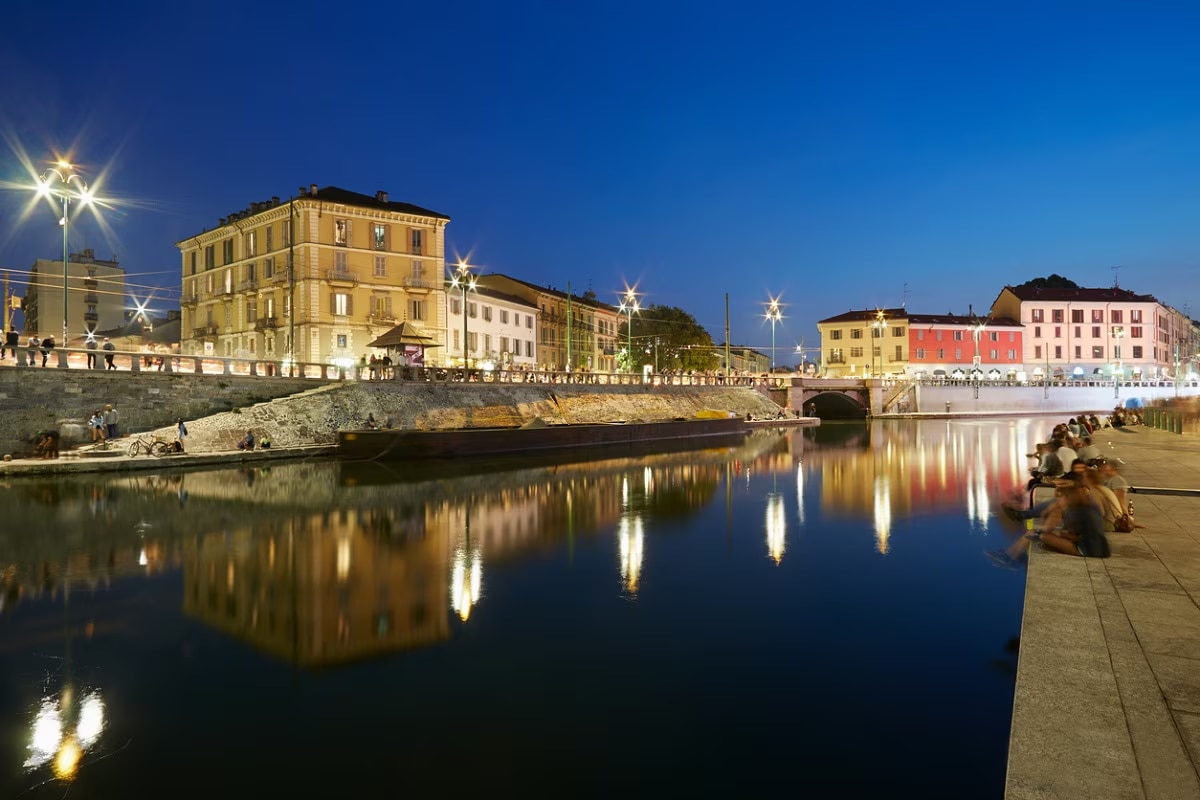
After such an intense cultural moment, head to the Navigli canals. Designed partly by Leonardo himself, this area shows a completely different side of Milan, creative, relaxed and deeply social. Lunch by the canals is unhurried and atmospheric. Choose a restaurant overlooking the water and enjoy seasonal dishes while watching daily life unfold.
Porta Nuova and modern Milan
In the afternoon, move towards Porta Nuova, Milan’s modern face. Skyscrapers, innovative architecture and public spaces reflect how the city constantly reinvents itself while remaining deeply rooted in its past.
Bosco Verticale and contemporary architecture
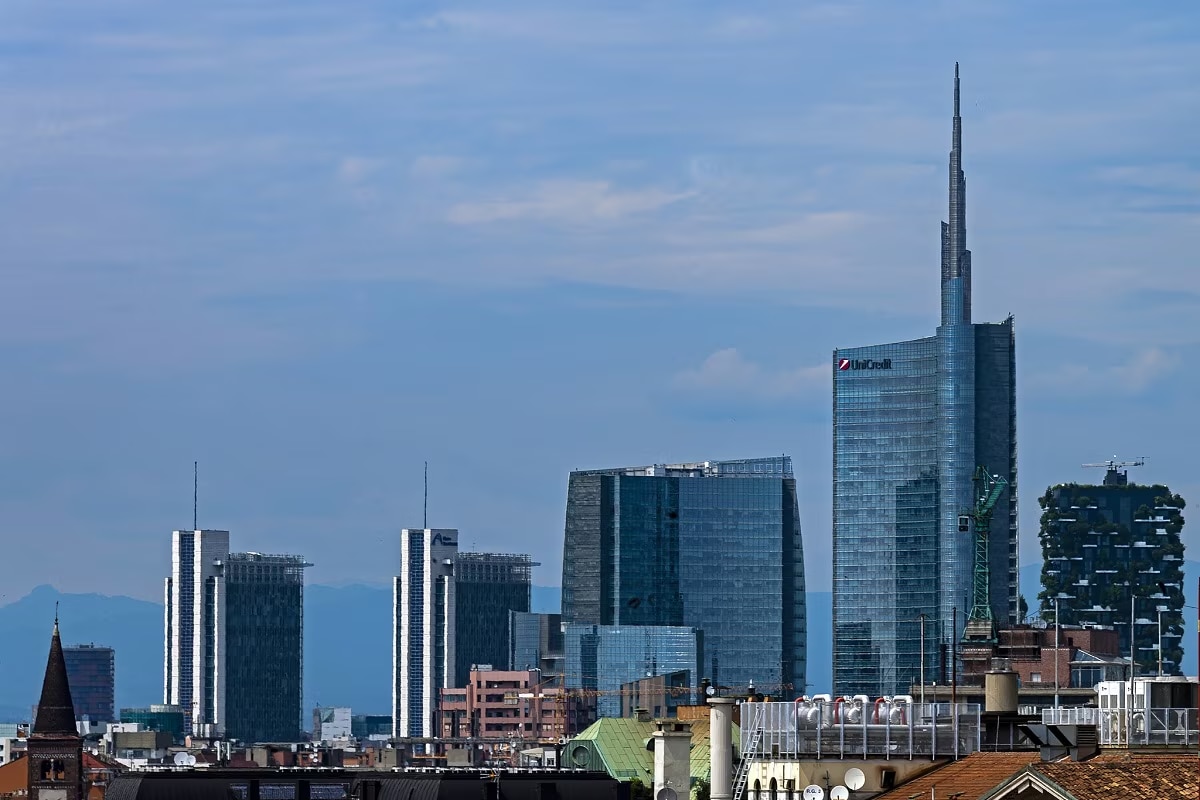
The Bosco Verticale is the most iconic symbol of Milan’s contemporary transformation and a landmark of innovative urban design. Comprising two residential towers covered with thousands of trees, shrubs and plants, this ambitious project reimagines the relationship between architecture and nature in a dense metropolitan setting.
Designed to improve air quality, reduce noise and regulate temperature, the Bosco Verticale embodies Milan’s commitment to sustainability and forward-thinking design. It also represents a broader shift in the city’s identity, where modern architecture, green spaces and quality of life play a central role alongside history and tradition.
Even when admired from the outside, the towers offer a striking visual contrast to Milan’s historic centre and provide a clear example of how the city continues to innovate while setting new standards for urban living in Europe.
Aperitivo in the Isola district

End the day in the Isola district, where aperitivo culture thrives. This is the ideal place to experience Milan like a local, with lively bars, informal settings and a welcoming atmosphere.
Day 3: fashion, museums and alternative Milan
Milan’s fashion district and shopping streets – Via Monte Napoleone
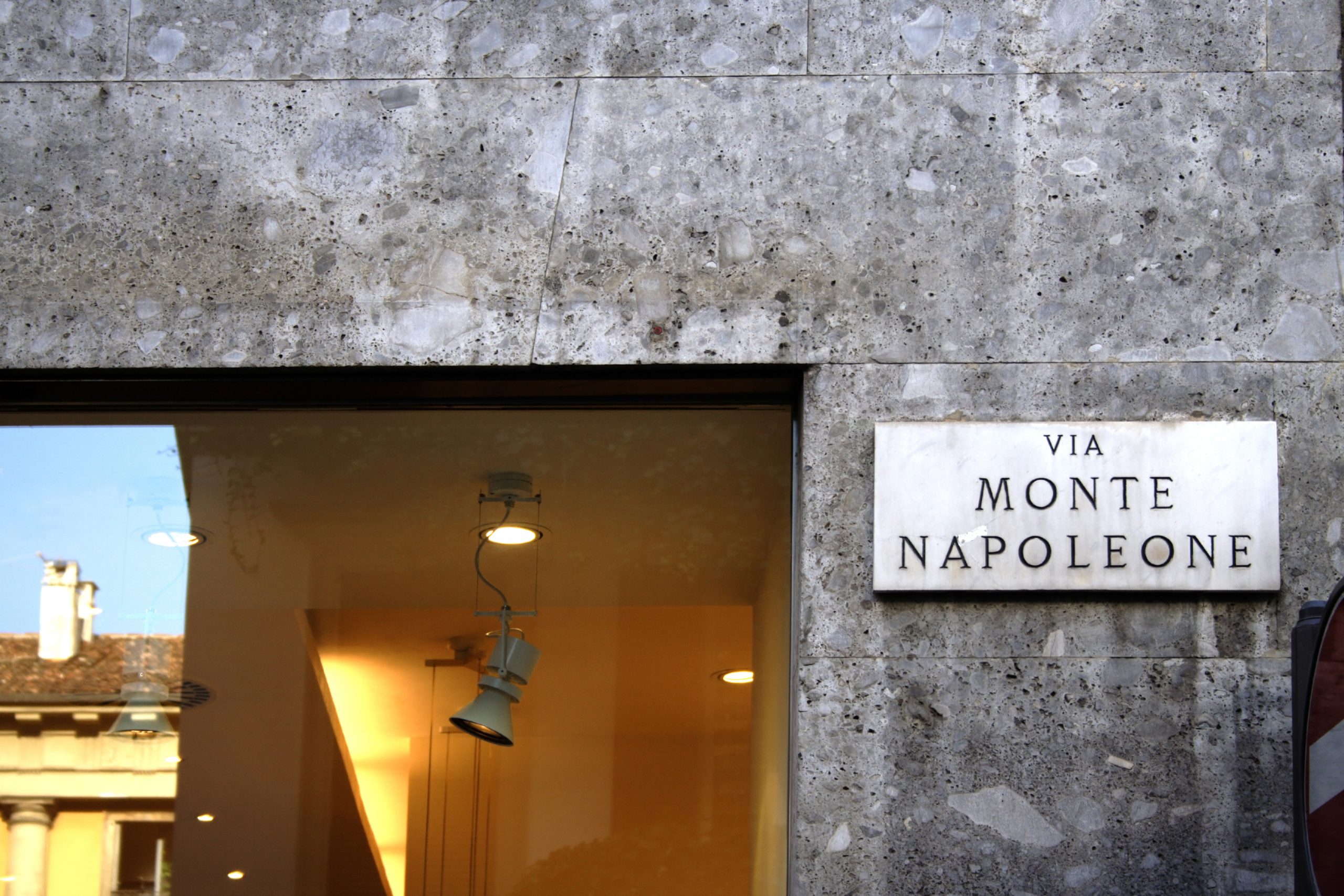
No trip to Milan is complete without exploring its fashion district, and Via Monte Napoleone is the perfect place to experience it. This elegant street, at the heart of the Quadrilatero della Moda, is lined with flagship boutiques, historic palazzi and refined window displays that reflect Milan’s global influence on style and design. Even without shopping, strolling here offers a clear sense of the city’s identity, where craftsmanship, luxury and contemporary trends meet, making it one of the most iconic and atmospheric walks in Milan.
Brera district and Pinacoteca di Brera
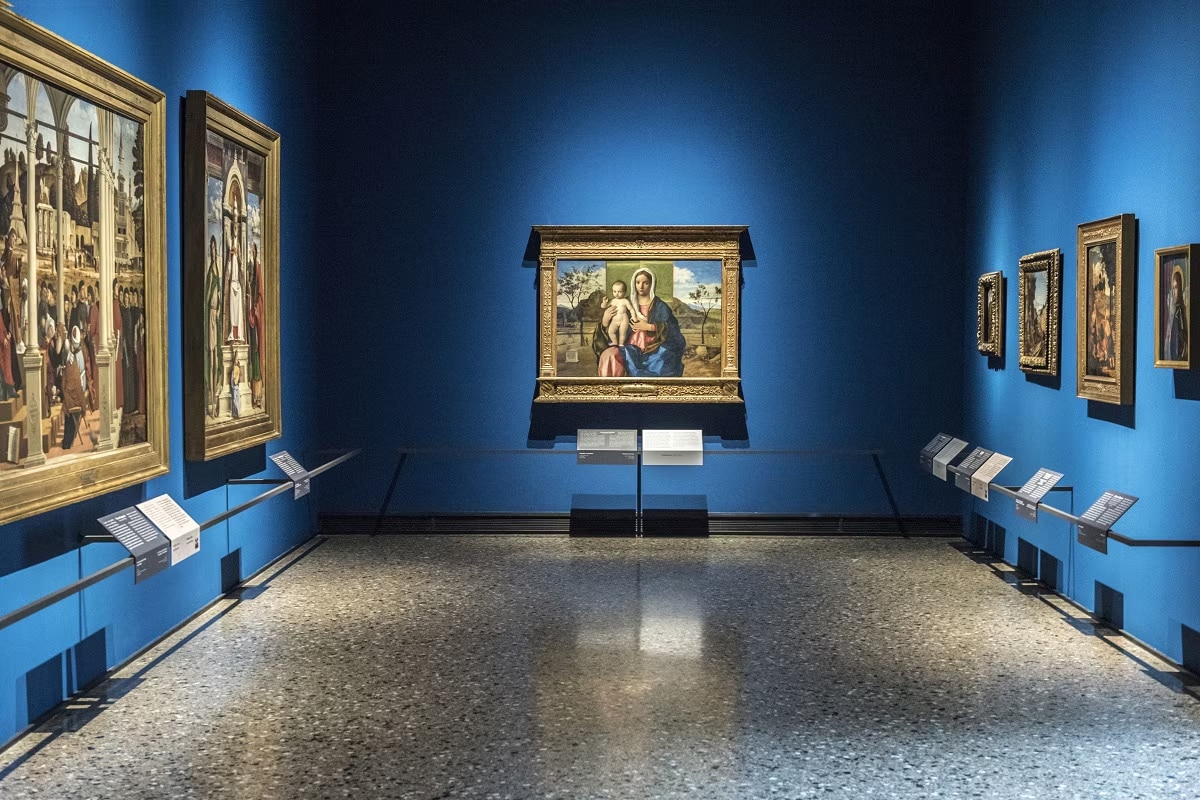
The Brera district perfectly combines elegance, creativity and tradition, offering one of the most atmospheric experiences in Milan. Once a bohemian quarter frequented by artists and intellectuals, Brera still retains a refined yet relaxed character, with cobbled streets, independent boutiques, art galleries and historic cafés that encourage slow, unhurried exploration.
At its cultural heart lies the Pinacoteca di Brera, one of Italy’s most important art museums. Its collection spans centuries of Italian painting, featuring masterpieces that help trace the evolution of national artistic identity. Visiting the Pinacoteca not only enriches your understanding of Italian art, but also reinforces Milan’s role as a key cultural centre beyond fashion and finance.
Even outside the museum, wandering through Brera’s streets is part of the experience. Courtyards hidden behind elegant façades, small squares and lively terraces create an inviting atmosphere, making this area an ideal stop to enjoy Milan at a more human, contemplative pace.
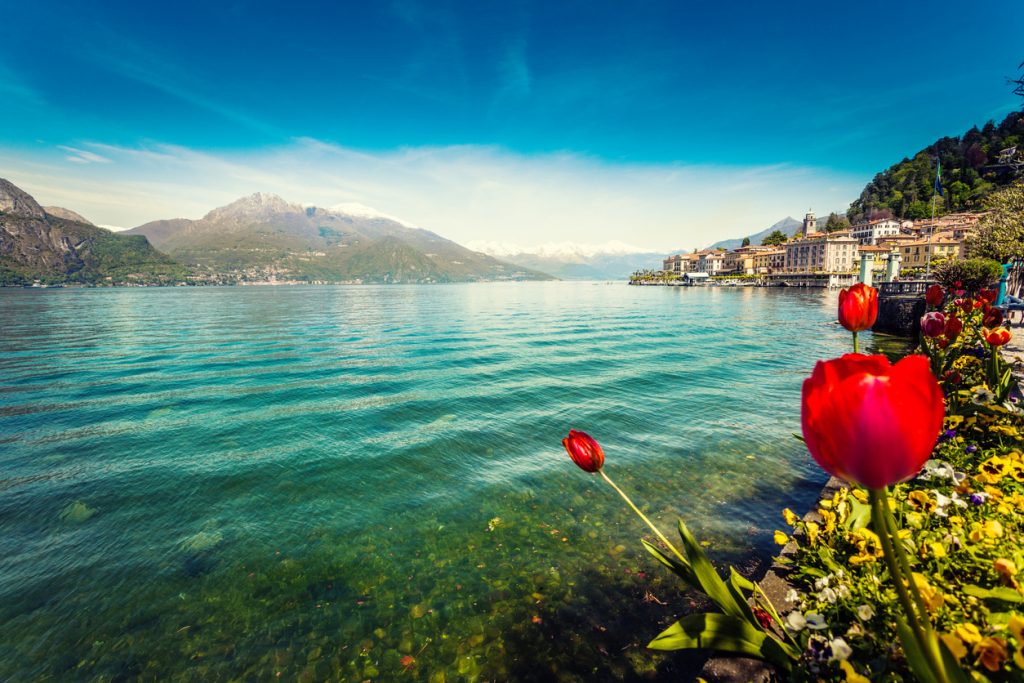
What to see near Milan: the most beautiful places
Set off with us on an original tour of Milan: here’s what to see for free in the city and where to eat inexpensively. You can visit Milan on a budget too!
Lunch in Brera
Brera is perfect for lunch, with refined yet relaxed options that reflect the neighbourhood’s artistic character. Spend the afternoon discovering Milan’s hidden courtyards and lesser-known corners. These quiet spaces often surprise visitors and reveal the city’s intimate side.
Museo del Novecento
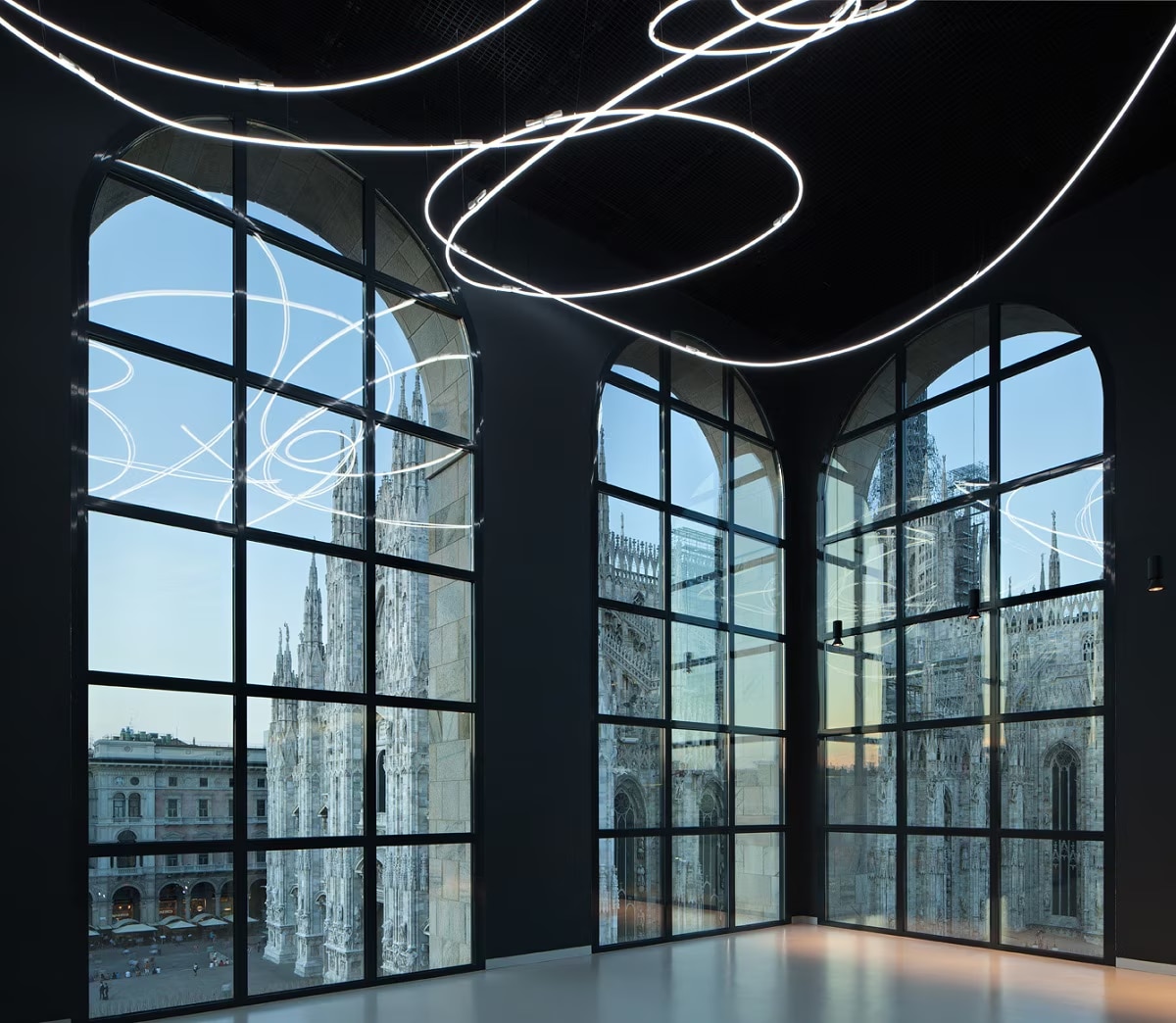
The Museo del Novecento offers a compelling journey through modern and contemporary Italian art, making it an essential stop for understanding Milan’s cultural evolution. Located next to Piazza del Duomo, the museum’s setting alone creates a powerful dialogue between historic Milan and its 20th-century artistic transformation.
The collection focuses on key movements such as Futurism, Metaphysical art and post-war abstraction, featuring works by some of Italy’s most influential artists. As you move through the galleries, the exhibitions help contextualise Milan’s central role in shaping modern aesthetics, design culture and intellectual debate, highlighting how the city became a laboratory for new ideas and creative experimentation.
Beyond the artworks themselves, the museum also offers panoramic views over the Duomo square, reinforcing the connection between art, architecture and the urban landscape. Plan to spend at least an hour here to fully appreciate how Milan’s artistic identity has contributed to broader European cultural movements.
Rooftop views and final strolls – Highline Milano
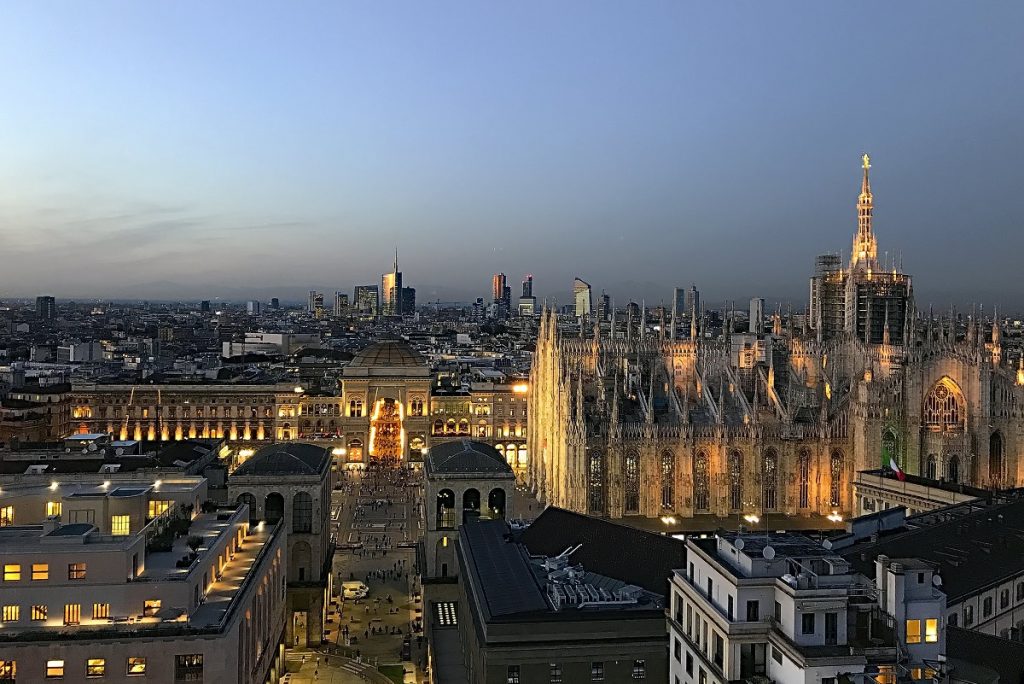
End your three days in Milan by heading upwards or slowing things down. A perfect place to do so is Highline Milano, a panoramic walkway set above Galleria Vittorio Emanuele II. From here, you can admire the Duomo, the rooftops of the historic centre and the evolving skyline, all from a unique vantage point that reveals how past and present coexist across the city. Whether you visit at sunset or in the soft light of early evening, the experience offers a memorable perspective and a moment to reflect on everything you’ve discovered.
Afterwards, take time for a final evening stroll through the surrounding streets of the centre, when the pace softens and Milan reveals a more intimate side. Soft lights, elegant shop windows and lively yet unhurried squares create the perfect atmosphere to say goodbye to a city that blends history, innovation and lifestyle with remarkable ease. It’s a fitting conclusion to a journey that shows Milan is not just a place to visit, but a city to be experienced slowly.
Day trips from Milan by train
One of Milan’s greatest strengths is its strategic location at the heart of northern Italy, which makes it an ideal base for memorable day trips by high-speed train. From Milan, you can easily reach some of Italy’s most iconic cities and destinations, adding variety to your itinerary without changing accommodation or losing valuable time in transit.
Thanks to Italo’s high-speed connections, cities such as Turin, Verona, Venice, Bologna and Florence are all within comfortable reach, even for a single day. Whether you’re drawn to historic centres, art cities or world-famous architecture, these destinations can be explored without the need for overnight stays.
Travelling with Italo means starting your journey in comfort and arriving directly in the city centre, avoiding unnecessary transfers and maximising your time on the ground. It’s the most efficient way to complement a 3-day stay in Milan, transforming your trip into a broader discovery of northern Italy while keeping travel smooth, fast and stress-free.