Italy is one of the most dreamt-about travel destinations in the world, yet it is also one of the easiest countries to plan badly. This article explores the most common itinerary mistakes first-time visitors make in Italy, from underestimating distances to overloading their schedules, and explains how to avoid them. With a deeper understanding of how Italian geography, travel rhythms and rail connections really work, you can design a smoother, more rewarding journey that leaves room for discovery rather than exhaustion.
- 1 Why Italy is harder to plan than it looks
- 2 Trying to see too much in too little time
- 3 Misjudging travel times within Italy
- 4 Choosing the wrong base for day trips
- 5 Not accounting for seasonality and crowds
- 6 Overlooking smaller cities and secondary destinations
- 7 Skipping transport planning until the last minute
- 8 How to plan a smarter Italy itinerary
- 9 Final tips for a smoother first trip to Italy
Why Italy is harder to plan than it looks
At first glance, Italy seems compact, intuitive and well connected. On a map, Florence looks close to Rome, Venice feels like a short hop from Milan, and the temptation to “fit everything in” is strong. The problem is that Italy does not behave like a checklist destination. Travel times vary significantly, historic city centres slow you down, and the sheer density of cultural landmarks demands time, not speed.
Another common misconception is assuming that Italy can be experienced evenly. In reality, each region has its own pace, transport logic and seasonal challenges. Planning Italy well requires understanding not just where places are, but how long they actually take to experience.

Italy on a Budget: How to Experience the Best Without Breaking the Bank
Traveling to Italy doesn’t have to be expensive. Our guide shows you how to experience the best of Italy on a budget, including tips on affordable transportation, budget-friendly accommodations, and free or low-cost activities. Enjoy Italy without breaking the bank!
Trying to see too much in too little time
Underestimating distances between cities
One of the most frequent mistakes is assuming that short geographic distances automatically mean short travel times. While Italy’s high-speed rail network is extremely efficient, not every city pair is connected directly, and not every journey happens at top speed.
Travel time is not just what happens on the train. It includes getting to the station, navigating large terminals, possible waiting times, and then reaching your accommodation once you arrive. A journey that looks like “two hours” on paper can easily turn into half a day when all these elements are combined.
Packing too many destinations into one trip
Many first-time visitors try to see five or six major cities in a single week. Rome today, Florence tomorrow, Venice the day after. This approach often results in spending more time in transit than actually enjoying the places you came to see.
Italy rewards depth over breadth. Spending three nights in one city instead of one night in three different cities allows you to move at a human pace, explore neighbourhoods beyond the highlights and absorb the atmosphere that makes each destination unique.
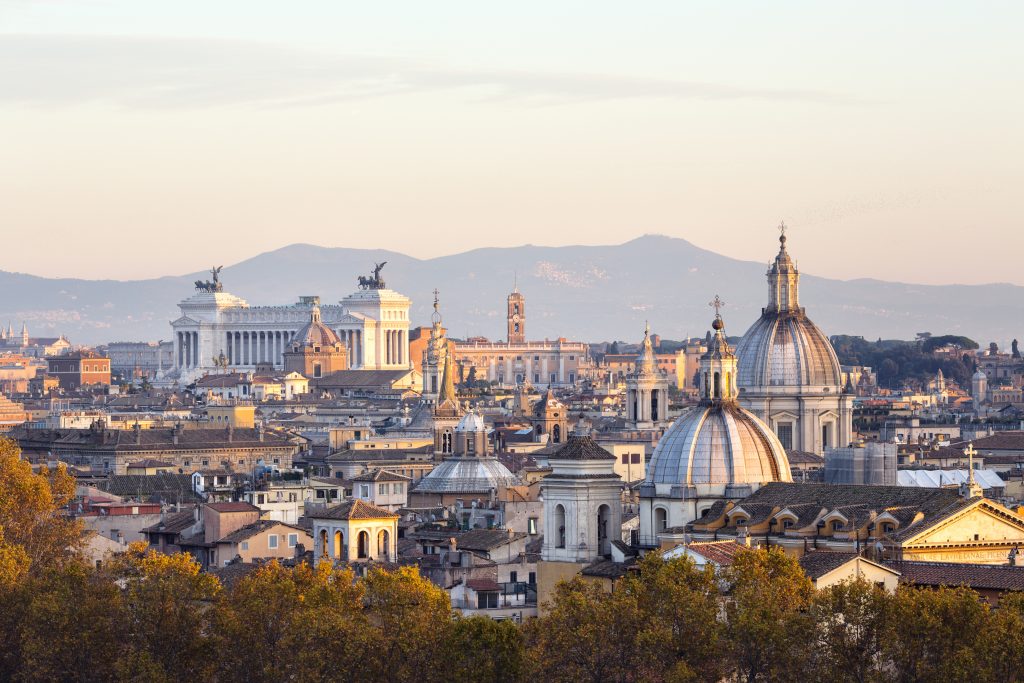
3 days in Rome: the ultimate itinerary
Maximize your Rome adventure in just 3 days with our essential guide. Explore iconic sights from the Colosseum to the Vatican, ensuring you experience the best of Italy’s eternal city.
Misjudging travel times within Italy

Assuming trains always mean short journeys
High-speed trains are a fantastic way to travel in Italy, but they are not magic portals. Not all routes are equally fast, and some destinations require regional connections after the high-speed leg.
A common error is assuming that once you are “on the train”, the journey will be quick and seamless. In reality, route choice matters, and understanding which connections are truly efficient can make the difference between a relaxed day and a stressful one.
Ignoring connections and transfer times
Another underestimated factor is transfer time. Changing trains often requires moving between platforms in large stations, sometimes with limited time buffers. If your itinerary relies on very tight connections, even a minor delay can cascade through your entire day.
Building realistic margins into your travel plans is not pessimism — it is smart planning. A well-designed itinerary anticipates friction instead of denying it.
Choosing the wrong base for day trips

Staying far from main train stations
Accommodation choice has a huge impact on itinerary success. Staying far from the main train station might look charming or cheaper, but it can add significant daily friction to your travel plans.
Each extra transfer, bus ride or taxi journey adds cognitive load and time. Over several days, this can quietly erode your energy. Choosing accommodation within easy reach of a major station often results in a much smoother experience, especially for first-time visitors.
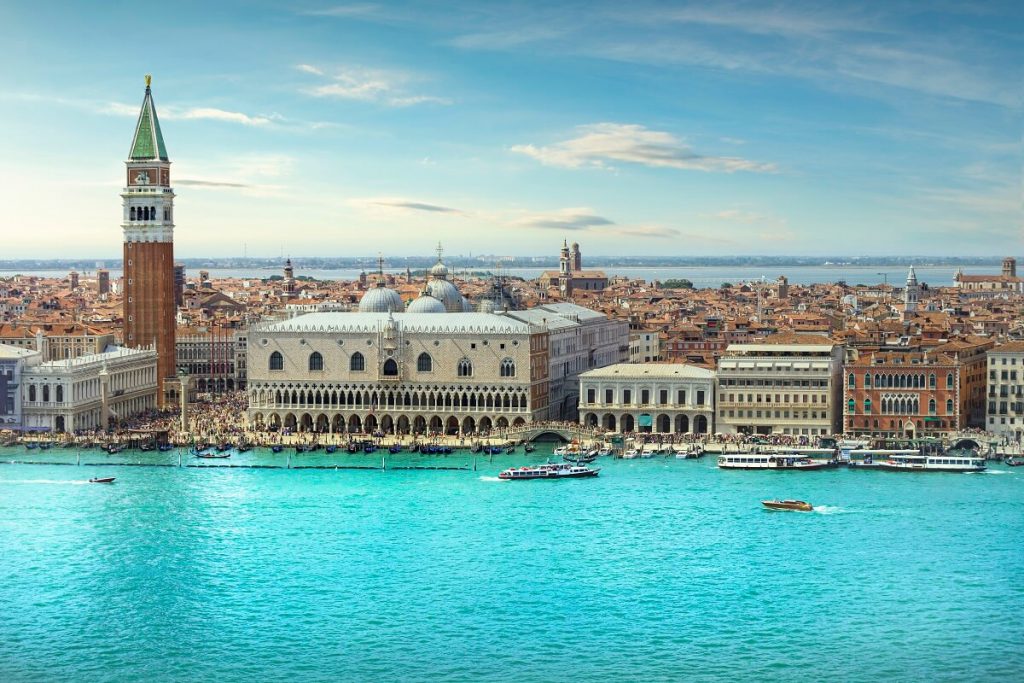
Venice Two-day trip: 14 unique things to do
Creating a two-day itinerary for Venice will allow you to experience the essence of this unique city, from its historical landmarks to its beautiful canals. Here’s a suggested itinerary to make the most out of your two days.
Using one city as a base for unrealistic excursions
Another classic mistake is using a single city as a base for multiple long day trips. While some excursions work beautifully, others look feasible only on paper.
Spending four hours travelling to visit a destination for two hours before returning is rarely enjoyable. In many cases, staying overnight closer to the destination makes the entire experience more relaxed and immersive.
Not accounting for seasonality and crowds

Visiting peak destinations at the wrong time of year
Italy’s most famous cities attract massive visitor numbers during peak seasons. Summer crowds and holiday periods can dramatically change the experience of places that otherwise feel magical.
Ignoring seasonality can mean long queues, limited availability and inflated prices. Understanding when and how demand peaks allows you to adjust expectations, timing and even destination choices to avoid frustration.
Planning major attractions without time buffers
Major attractions often require advance planning and time flexibility. Scheduling them back-to-back without buffers leaves no room for delays, rest or spontaneous discovery.
A well-paced itinerary treats key visits as anchors rather than obstacles, leaving intentional space before and after to absorb the experience instead of rushing through it.
Overlooking smaller cities and secondary destinations
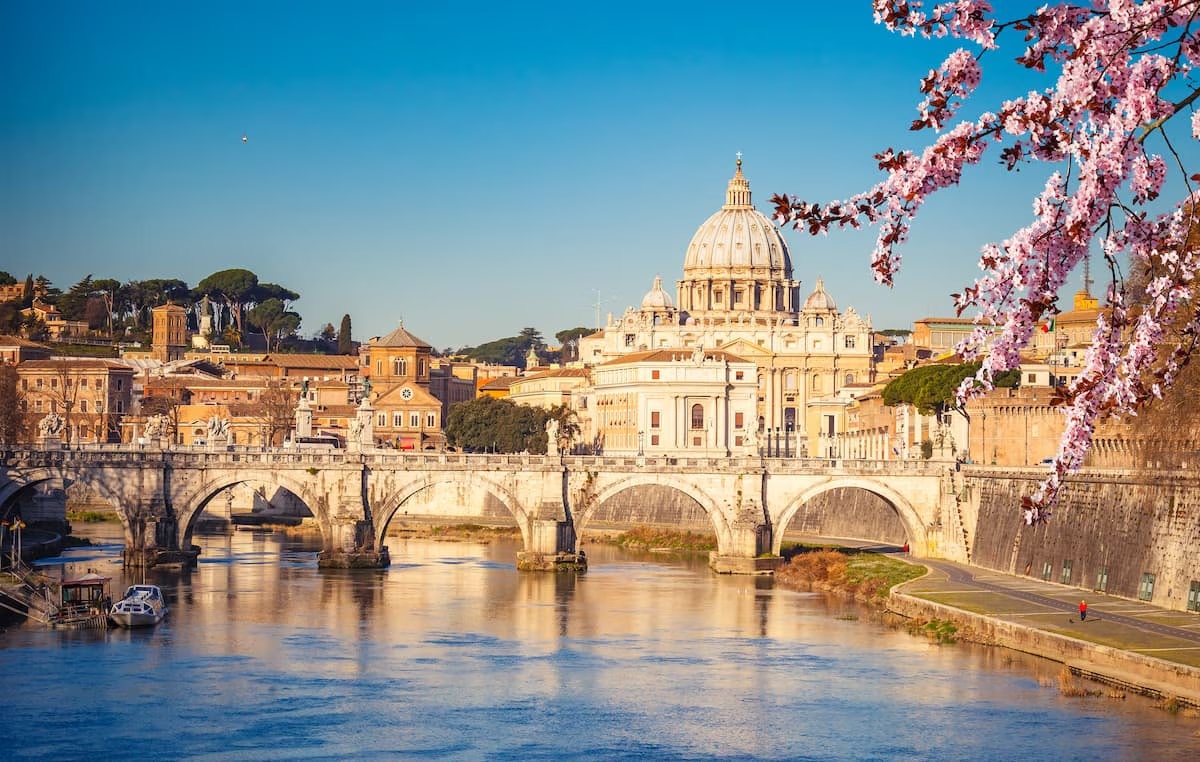
Focusing only on iconic cities
Rome, Florence and Venice deserve their reputation — but they are not the whole country. Many first-time itineraries focus exclusively on the most famous names, missing the opportunity to experience Italy’s extraordinary diversity.
Smaller cities often offer just as much cultural richness with fewer crowds and a slower rhythm. They also tend to integrate more naturally into rail-based itineraries, making travel days feel lighter rather than heavier.
Missing slower, more authentic experiences
Italy is not only about monuments. It is about daily life, regional traditions and local rhythms. When itineraries are too dense, these experiences disappear.
Allowing time for unplanned moments — a long lunch, a neighbourhood walk, a local market — often becomes the most memorable part of a trip. An itinerary that leaves no room for life is not efficient; it is incomplete.
Skipping transport planning until the last minute

Booking tickets too late
Leaving transport booking to the last minute can significantly limit choice and flexibility. Popular routes and travel times sell out quickly, especially during busy periods.
Early planning does not mean locking yourself into rigid schedules, but it does allow you to secure the most efficient options and design your itinerary around them instead of forcing last-minute compromises.
Not comparing routes and travel options
Not all routes are created equal. Some connections are faster, more direct or more comfortable than others, even between the same cities.
Comparing options in advance helps you align travel times with your daily plans and energy levels. Smart itineraries are built around the journey itself, not just the destination.

Best places to visit in Italy: top cities and must-see attractions
Italy is one of those destinations that travelers dream of for a lifetime. With its blend of ancient history, breathtaking landscapes, artistic treasures, and culinary delights, it offers something for every kind of explorer.
How to plan a smarter Italy itinerary

Building your route around rail connections
A strong Italian itinerary often follows a clear rail logic, moving step by step rather than zig-zagging across the map. This reduces travel fatigue and creates a sense of narrative continuity.
Starting from well-connected hubs and progressing logically through regions allows you to spend more time exploring and less time recovering from transit.
Allowing flexibility without losing structure
The best itineraries balance structure and freedom. Key travel days and anchor experiences are planned, while lighter days remain open to adjustment.
This approach protects you from logistical stress while preserving the joy of spontaneity — a crucial element of any Italian journey.

Best Family Holiday Destinations for the May Half Term
As spring unfolds, families across the UK look forward to the Spring Bank Holiday and the May Half Term, a perfect opportunity for a getaway. Italy, with its rich culture, stunning landscapes and family-friendly activities, emerges as an ideal destination for this time of year.
Final tips for a smoother first trip to Italy
A successful first trip to Italy is not about seeing everything. It is about seeing enough, well. Respect distances, plan transport thoughtfully, choose fewer destinations and allow time for the unexpected.
Italy rewards travellers who slow down, observe and adapt. With a realistic itinerary and a flexible mindset, your first visit becomes not a race against time, but the beginning of a long-term relationship with one of the world’s most complex and rewarding destinations.