Tuscany is one of those rare regions that seems to gather many different versions of Italy into one journey: Renaissance cities, medieval piazzas, vineyard-covered hills, thermal landscapes, stone villages and a food culture that feels generous, rooted and unmistakably local.
For first-time visitors, it can be hard to decide where to begin, because Tuscany is not just about one postcard view or one famous landmark. It is a region best discovered gradually, moving between art cities and countryside, between iconic stops and quieter corners that reveal its slower rhythm. From Florence and Siena to Val d’Orcia, Chianti and Maremma, this is a destination that rewards curiosity at every step.
- 1 Why Tuscany is one of Italy’s most rewarding regions to explore
- 2 Best cities to visit in Tuscany
- 3 The most beautiful towns and villages in Tuscany
- 4 Tuscany’s countryside and landscapes you should not miss
- 5 Top things to do in Tuscany for first-time visitors
- 6 How to plan a trip to Tuscany
- 7 Travel across Italy and start your Tuscany trip with Italo
Why Tuscany is one of Italy’s most rewarding regions to explore
What makes Tuscany so compelling is not only the beauty of its individual places, but the way they connect into a wider experience. You can spend the morning inside a church, palace or museum, the afternoon driving through hills lined with cypress trees, and the evening in a village square with a glass of local wine and a simple, memorable meal. The region’s appeal lies in this balance between great cultural heritage and everyday pleasure. Official tourism resources also frame Tuscany as a destination built around art, villages, itineraries, wellness and landscapes, which helps explain why it works equally well for a short escape or a broader multi-stop holiday.
Best cities to visit in Tuscany
Florence: Renaissance masterpieces and iconic views
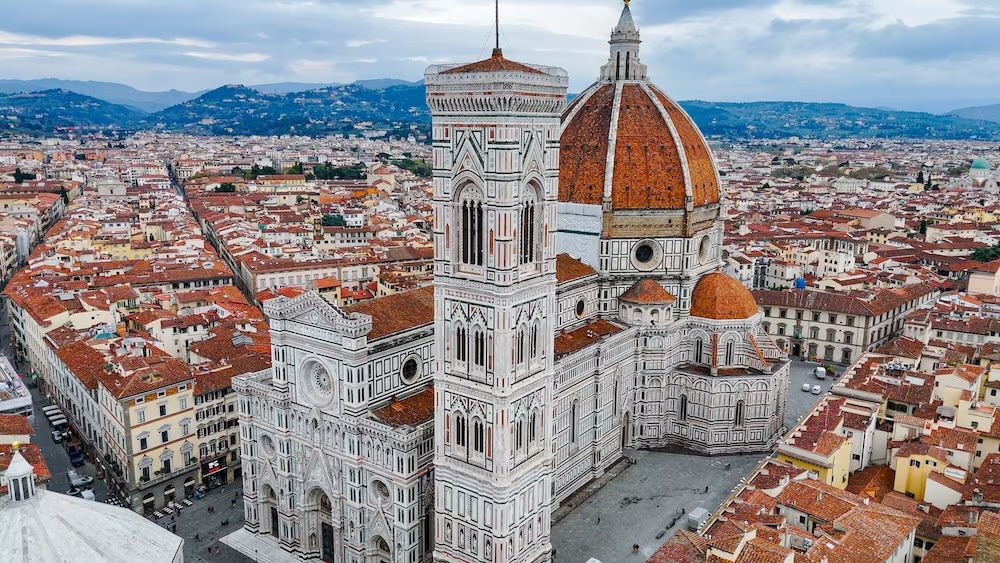
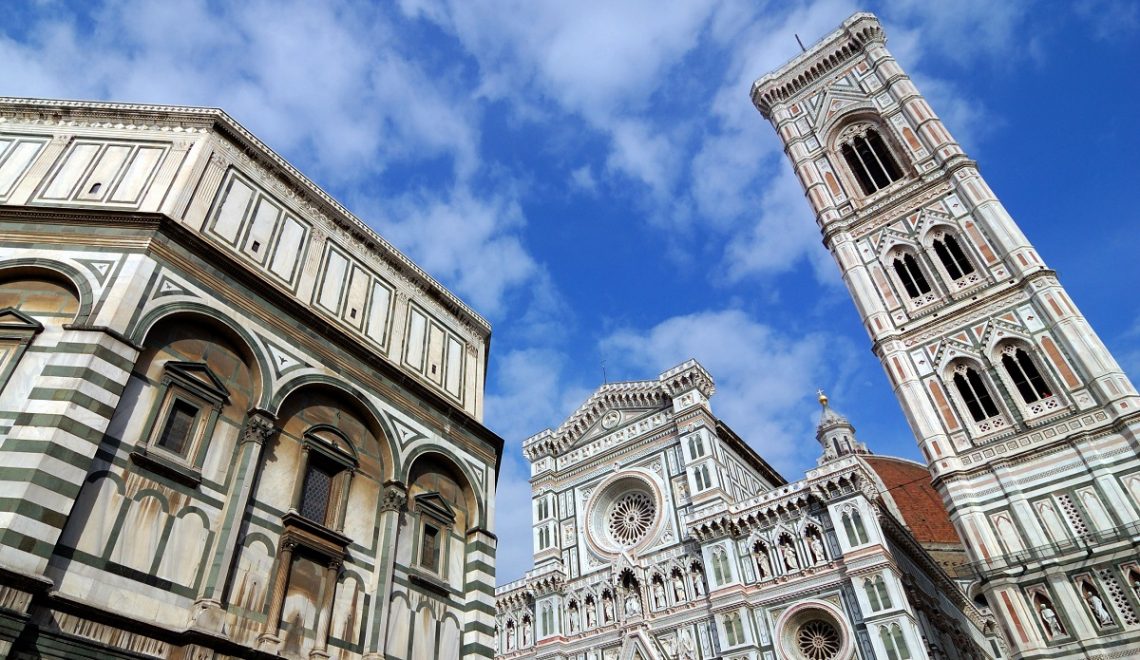
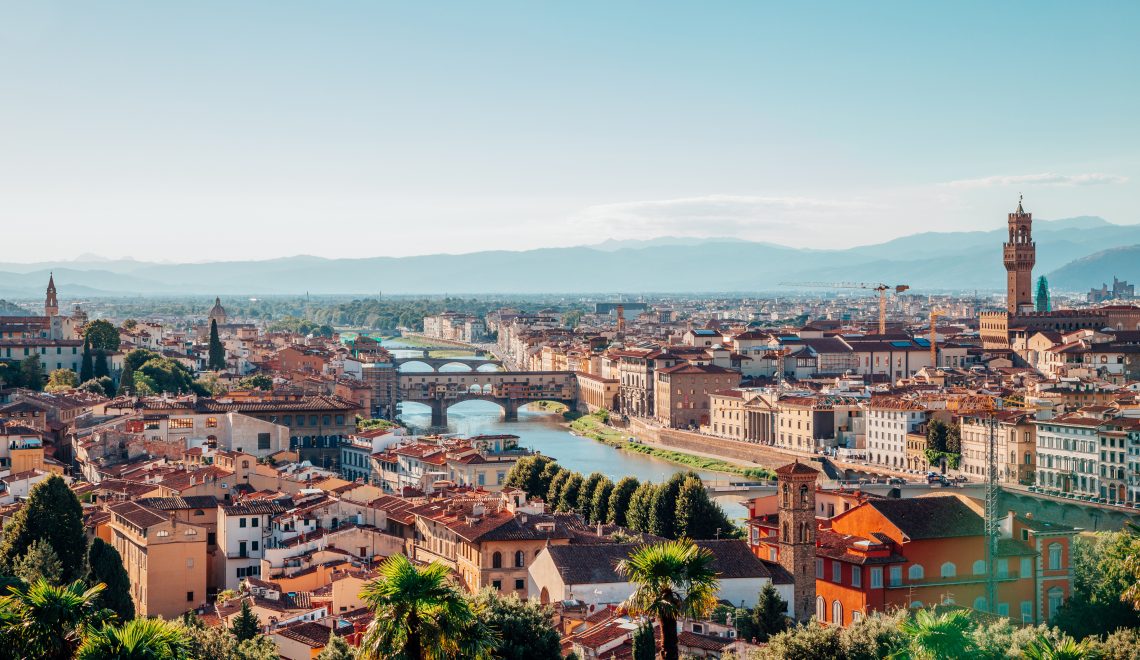
Florence is the natural starting point for many trips to Tuscany, and for good reason. It is a city where art and urban beauty feel inseparable. The historic centre is filled with world-famous landmarks, but Florence is not rewarding only because of its masterpieces. It is also about atmosphere: bridges over the Arno, elegant streets, artisan corners and views that open unexpectedly as you walk. A first visit usually revolves around the Duomo area, Ponte Vecchio and panoramic terraces such as Piazzale Michelangelo, but the city continues to unfold long after the “must-sees” are ticked off.
Siena: medieval streets and the charm of Piazza del Campo
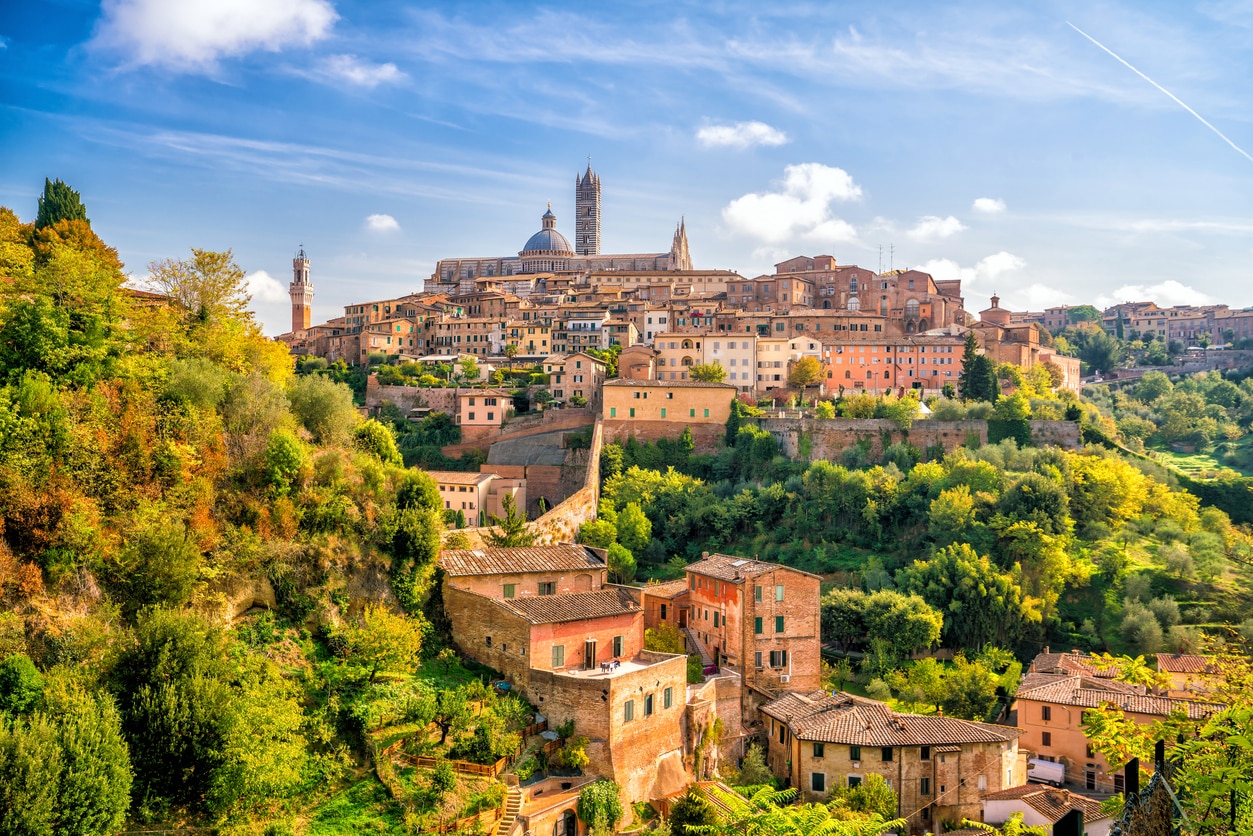
Siena offers a very different mood. If Florence feels refined and grand, Siena feels more intimate, earthy and medieval. Its historic centre is wonderfully coherent, and Piazza del Campo remains one of the most beautiful urban spaces in Italy. Walking here means following curved streets, brick façades and sudden openings onto churches and civic buildings. It is a city that invites you not to rush. Even without a packed itinerary, Siena leaves a strong impression simply through its shape, scale and atmosphere.
Pisa: beyond the Leaning Tower
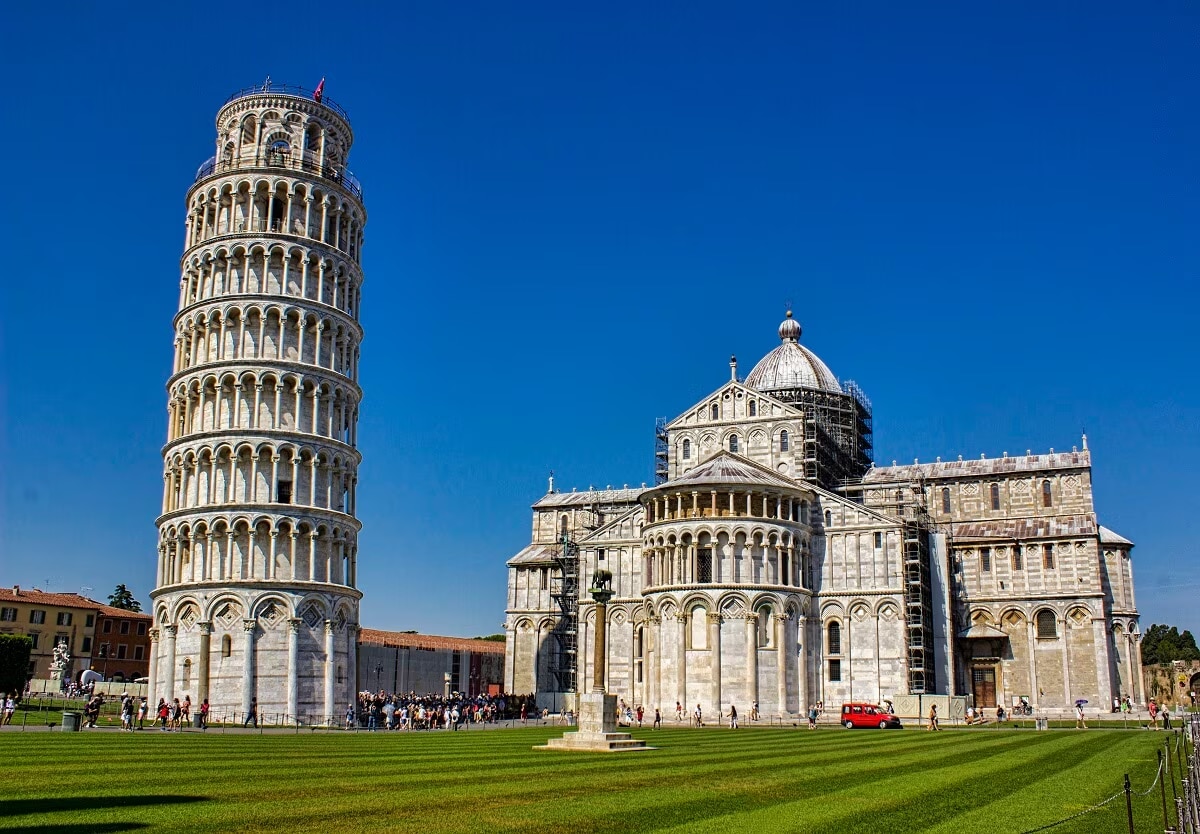
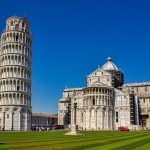
Pisa is often reduced to a single image, but there is more to it than the Leaning Tower. Of course, the Piazza dei Miracoli deserves its fame, and seeing the tower in person remains one of those classic experiences that still works. But Pisa also rewards a broader stroll: along the river, through quieter streets and into a city that feels more layered than its postcard reputation suggests. For many travellers, it makes sense as either a half-day stop or part of a wider itinerary paired with Lucca.
Lucca: walls, churches and relaxed elegance
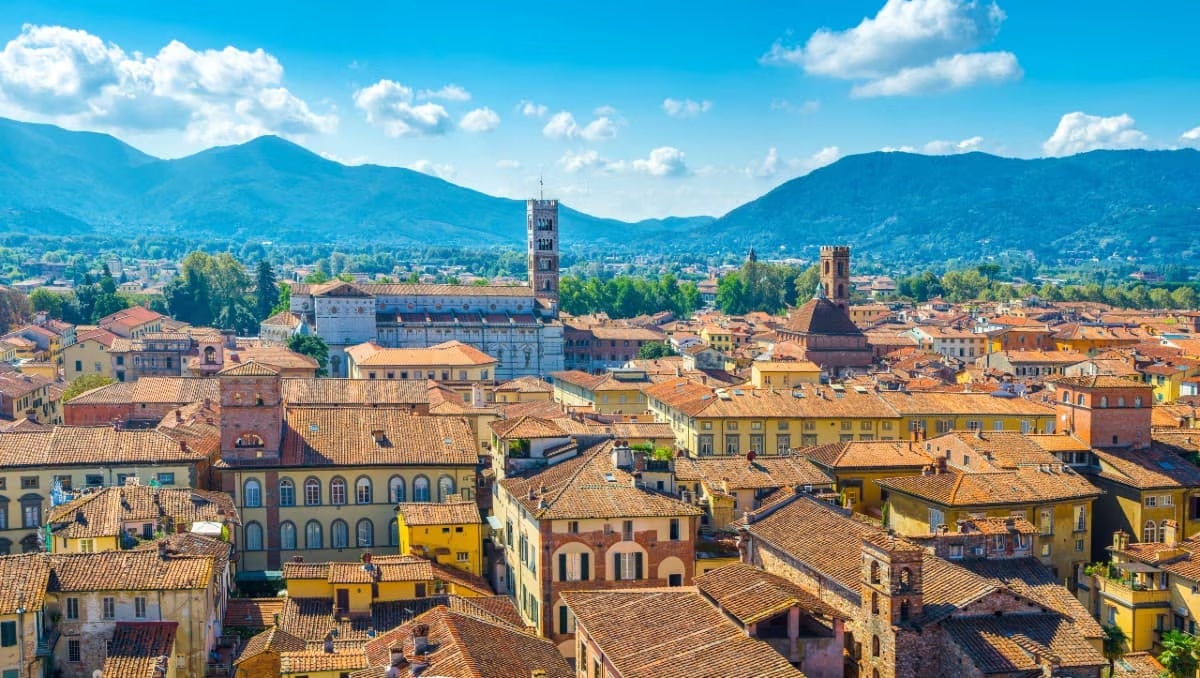
Lucca has a grace all its own. Surrounded by its famous Renaissance walls, it offers one of the most pleasant historic centres in Tuscany. The pace here feels softer, and that is part of the appeal. You come for the churches, piazzas and towers, but you stay for the sense of ease. Walking or cycling along the walls is one of the city’s defining pleasures, and landmarks such as the Guinigi Tower add personality to the skyline. Lucca is ideal for travellers who want beauty without intensity.
Arezzo: art, history and a more authentic side of Tuscany
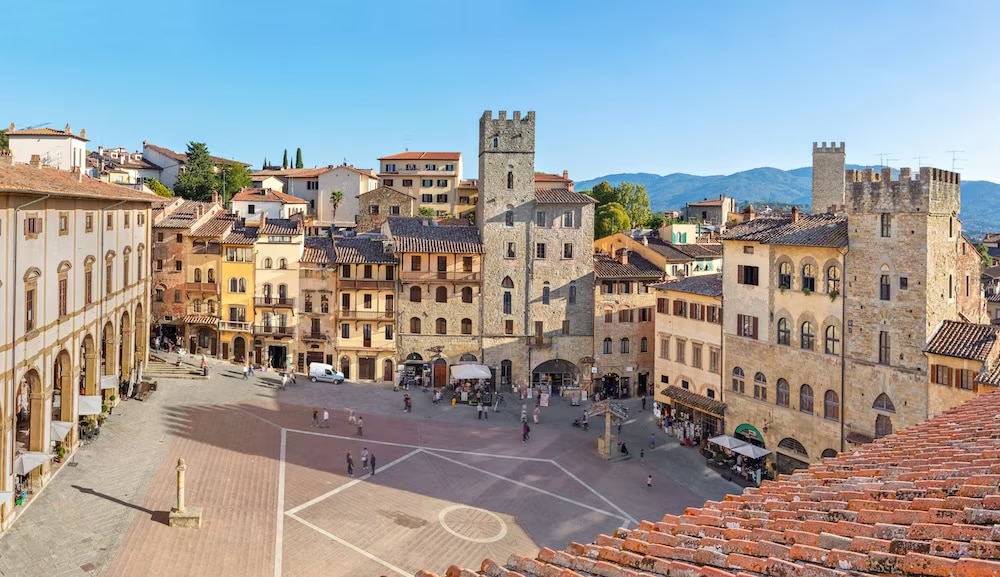
Arezzo is sometimes overlooked in favour of bigger names, yet that is precisely why it can feel so rewarding. It has a strong artistic identity, a historic centre with real depth, and a less overtly touristic rhythm. Piazza Grande, churches, museums and elegant streets give it substance, while the overall atmosphere remains grounded and lived-in. For those looking for a Tuscan city with character but fewer crowds, Arezzo is a very strong choice.
The most beautiful towns and villages in Tuscany
San Gimignano: towers, views and historic atmosphere
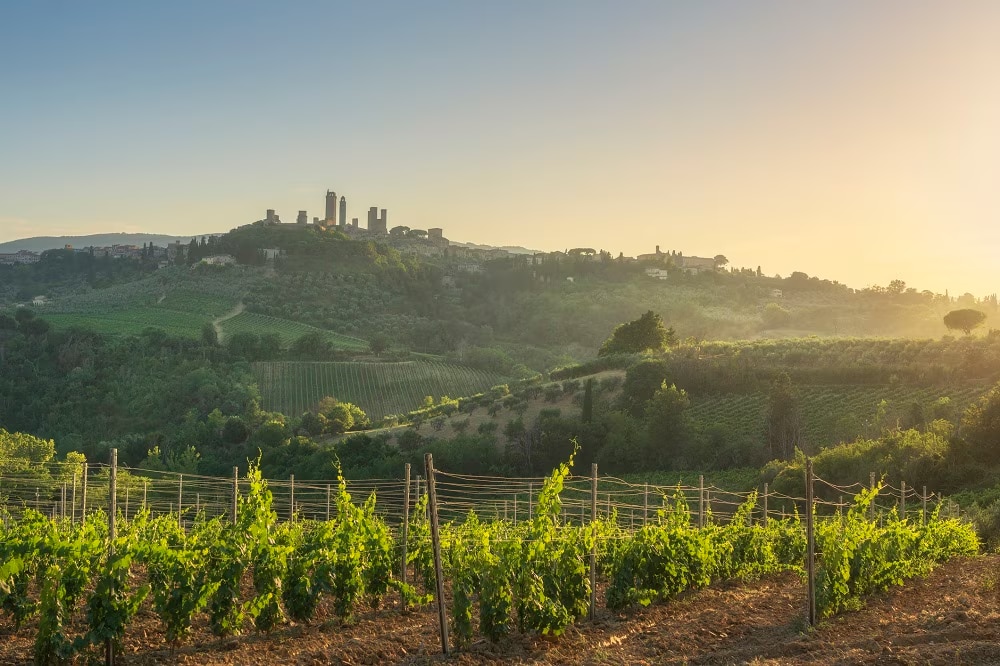
San Gimignano is one of Tuscany’s most recognisable villages, famous for its medieval towers and commanding position in the landscape. It has a dramatic silhouette and a compact centre that feels immediately evocative. Even when it is busy, there is still something powerful about arriving and seeing those towers rise above the hills.
Montepulciano: wine, palaces and panoramic streets
Montepulciano combines noble architecture, scenic streets and a long winemaking tradition. It is the sort of hill town where the climb is part of the experience, with elegant façades, viewpoints and wine cellars shaping the visit. It feels grander than many small towns, yet still warmly tied to the surrounding countryside.
Pienza: the ideal Renaissance town in the Val d’Orcia
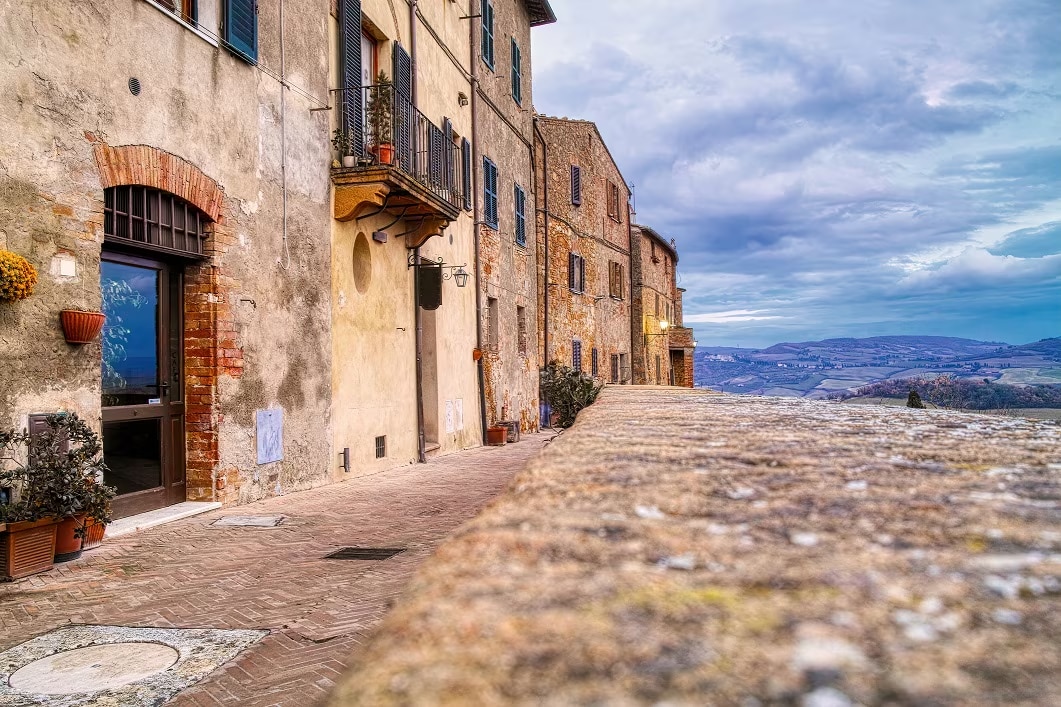
Pienza is admired for its harmonious layout and refined beauty. Small but memorable, it offers one of the clearest examples of Renaissance urban thinking translated into a village scale. What makes it especially appealing is the contrast between carefully composed architecture and the open landscapes of the Val d’Orcia all around it.
Pitigliano: the dramatic hilltop village carved into tuff rock
Pitigliano is among Tuscany’s most visually striking places. Built dramatically on a tuff cliff, it seems to emerge directly from the rock. The setting alone makes it unforgettable, but the village also rewards a slower visit through its lanes, viewpoints and layered history. It is one of those places that feels almost theatrical at first glance, then more complex as you explore it.
Cortona: one of Tuscany’s most scenic hill towns
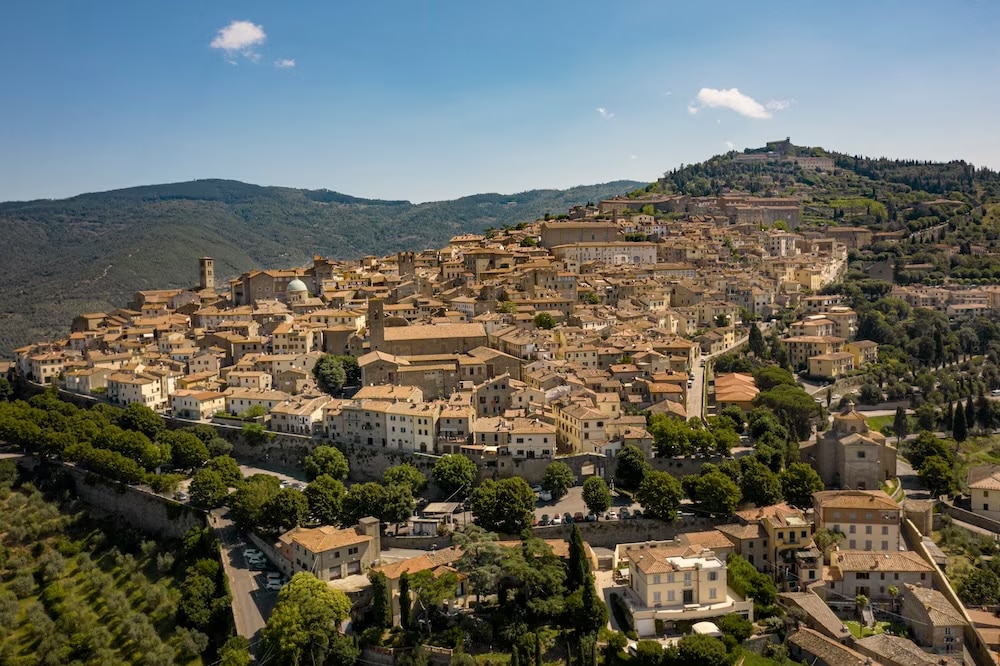
Cortona has a long-standing appeal thanks to its elevated setting, stone streets and broad views across the landscape. It is elegant but not cold, scenic but still substantial. For travellers drawn to hill towns with a strong sense of place, Cortona remains one of the most satisfying stops in the region.
Tuscany’s countryside and landscapes you should not miss
Val d’Orcia: postcard scenery and rolling hills
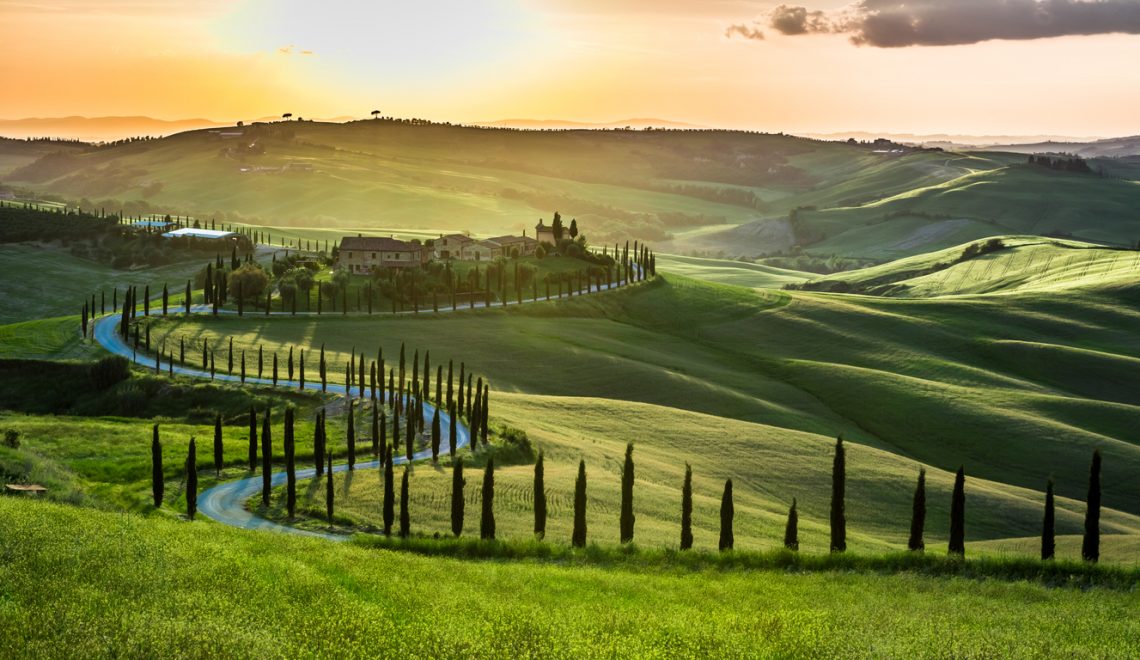
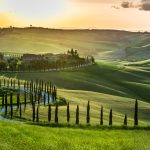
Val d’Orcia is the landscape many travellers imagine before they even arrive in Tuscany: rolling hills, cypress-lined roads, golden fields and villages suspended above the land. It is one of the region’s most iconic areas and perhaps the clearest expression of Tuscany’s visual identity.
Chianti: vineyards, castles and classic Tuscan roads
Chianti is where wine culture and scenery come together most naturally. Vineyards, stone hamlets, winding roads and rural estates create a setting that feels deeply associated with the Tuscan imagination. It works beautifully for scenic drives, tastings and slower countryside days.
Crete Senesi: a quieter and more unusual side of the region
Less famous than Val d’Orcia but fascinating in a different way, the Crete Senesi offers softer, more lunar landscapes shaped by clay hills and open horizons. This is Tuscany in a quieter register, ideal for those who enjoy photography, silence and less obvious itineraries.
Maremma: nature, coast and rural beauty
Maremma broadens the idea of Tuscany. Here the region becomes wilder, more expansive and more connected to nature. The area blends countryside, coastal character, thermal traditions and tuff villages, making it especially attractive for travellers who want more than art-city sightseeing.
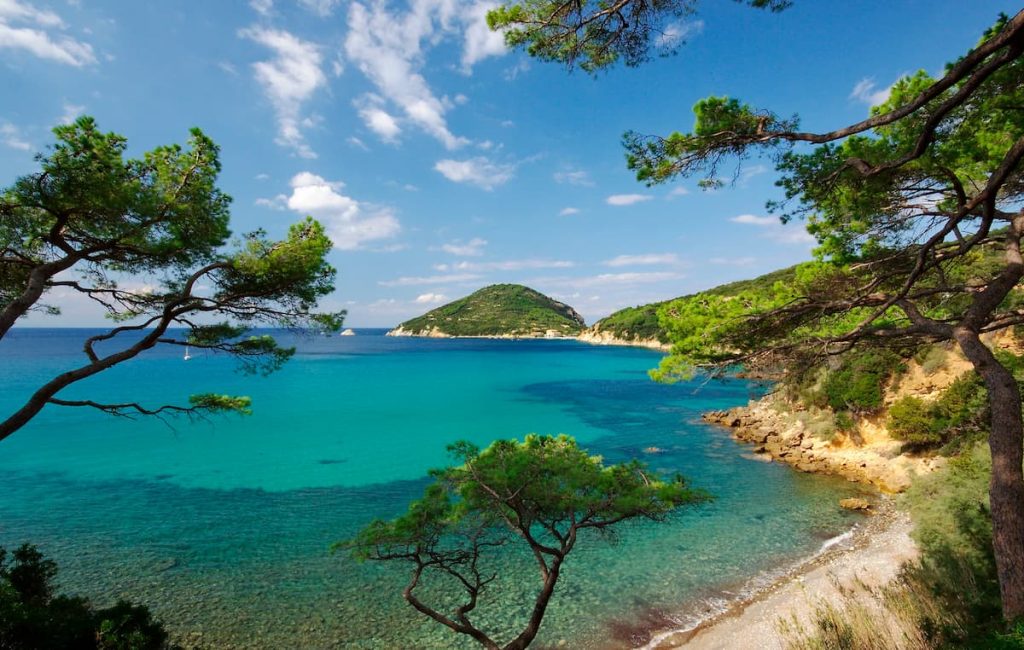
The most beautiful beaches in Tuscany
Explore the stunning beaches of the Tuscan coast and its islands such as the Etruscan Coast, Versilia, Maremma, and the islands of Elba and Giglio. Fin out the unique features of each beach from sandy shores to rocky coves.
Top things to do in Tuscany for first-time visitors
Visit historic centres filled with art and architecture
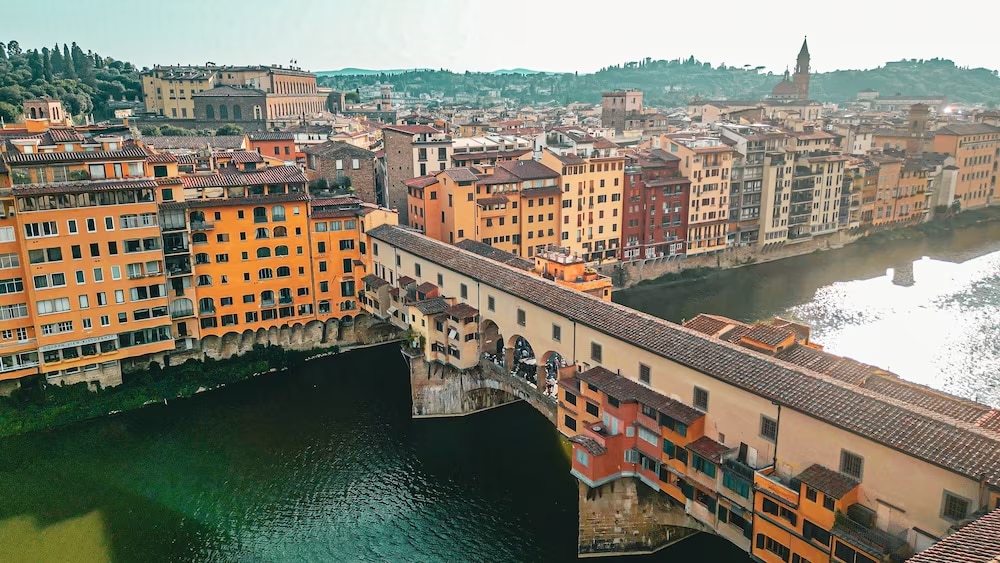
A first trip to Tuscany should absolutely leave room for its historic centres, because this is where much of the region’s identity becomes tangible. Florence, Siena, Lucca and Arezzo each tell a different story, and that variety is one of the great pleasures of travelling here. In one city, you move through the legacy of the Renaissance; in another, you find medieval streets, quieter piazzas and a more intimate rhythm. Rather than rushing from one monument to the next, it is often far more rewarding to let these places reveal themselves gradually through walking, pausing and simply absorbing their atmosphere. In Tuscany, art and architecture are not confined to museums: they shape entire streets, squares and skylines, turning even a simple stroll into part of the experience.
Plan a wine and food experience in the countryside

Tuscany is not only seen; it is also tasted, and this is one of the reasons the region leaves such a lasting impression. Adding a countryside stop centred around wine, olive oil and local cooking gives the journey more depth, because it connects the beauty of the landscape with the traditions that have shaped it over time. A vineyard visit, a tasting in a rural estate or a long lunch in the hills can become much more than a pleasant break: it becomes a way to understand Tuscany through its flavours, rhythms and rural heritage. Food and wine here are part of the scenery itself, not just an extra to the itinerary, and that is what makes this kind of experience so memorable.
Discover thermal towns and wellness escapes
Wellness is another side of Tuscany that deserves real attention, especially if you want to experience the region beyond its art cities and vineyard landscapes. Tuscany’s thermal tradition is long-established, and official regional tourism resources continue to present hot springs, spa towns and wellness retreats as one of the area’s defining travel experiences. Among the best-known names are Saturnia, famous for both its thermal facilities and the scenic Cascate del Mulino, Bagno Vignoni in the Val d’Orcia, with its distinctive historic thermal setting, San Casciano dei Bagni, known for the celebrated Fonteverde spa, and Montecatini Terme, one of Europe’s historic great spa towns and part of the UNESCO-listed “Great Spa Towns of Europe.”
A thermal stop can bring a very different rhythm to the trip. After days spent walking through historic centres and hill towns, an afternoon devoted to warm waters, panoramic views and a slower pace adds depth to the journey. In Tuscany, wellness rarely feels detached from the landscape: it is often woven directly into it, making these places not just relaxing, but also deeply atmospheric.
Enjoy scenic drives, walks and photo stops
Some of Tuscany’s greatest pleasures are wonderfully simple: a road through vineyards, a pause at a viewpoint, a walk linking one village to the next, a quiet church appearing in the countryside. These moments often become the memories that last longest.
A Beginner’s Guide to Italian White Wine
Among the various types of Italian wines, white wines hold a special place, offering a diverse range of flavors, aromas, and styles. This guide will introduce you to the world of Italian white wines, highlighting key regions, popular varieties, and tips for enjoying these delightful beverages.
How to plan a trip to Tuscany
When to go for cities, countryside and coastal areas
Spring and early autumn are usually ideal if you want a balance of good weather and manageable sightseeing. Summer works well for broader regional travel, especially if you want to combine inland stops with coastal areas, but major cities can be hotter and busier.
How many days you need to see Tuscany well
Three days can introduce Tuscany, especially if you focus on Florence and one or two surrounding destinations. A fuller regional trip benefits from at least five to seven days, allowing time for both cities and countryside.
The most satisfying approach is often to build contrast into the route: one major city, one or two historic towns, and a countryside area in between. That rhythm prevents the journey from becoming repetitive and lets Tuscany show its range.
Travel across Italy and start your Tuscany trip with Italo
One of the best ways to begin a trip through Tuscany is to arrive in Florence Santa Maria Novella, which works naturally as a gateway to the region. Florence is directly connected with major cities such as Rome, Milan, Naples, Venice, Bologna and many others, with fast journey times. From Florence, there are also easy onward connections toward Tuscany’s wider territory, including cities such as Arezzo, Siena and Grosseto. That makes Florence an ideal starting point for a multi-stop regional itinerary built around art cities, villages and countryside.