Tuscany is one of those destinations that rarely needs an introduction, yet always deserves one. Art cities, medieval villages, rolling hills, vineyards and coastlines coexist within a relatively compact region, offering travellers an extraordinary variety of experiences. From world-famous Renaissance masterpieces to quiet countryside roads dotted with cypress trees, Tuscany rewards both first-time visitors and seasoned Italy lovers. This guide explores the top 10 places to visit in Tuscany, while also offering practical inspiration on what to see beyond the main cities, how to plan your trip and how to make the most of your journey.
- 1 Why Tuscany is one of Italy’s most loved travel destinations
-
2
Top 10 places to visit in Tuscany
- 2.1 Florence: art, history and Renaissance masterpieces
- 2.2 Pisa: the iconic Leaning Tower and beyond
- 2.3 Siena: medieval charm and timeless traditions
- 2.4 Lucca: city walls, music and hidden corners
- 2.5 San Gimignano: the town of medieval towers
- 2.6 Val d’Orcia: rolling hills and postcard landscapes
- 2.7 Chianti: vineyards, villages and wine culture
- 2.8 Cortona: Etruscan roots and cinematic views
- 2.9 Arezzo: art cities off the beaten path
- 2.10 Elba Island: sea, nature and Napoleonic history
- 3 Best things to do in Tuscany for first-time visitors
- 4 Best time to visit Tuscany
- 5 How to plan a trip to Tuscany by train
- 6 Exploring Tuscany with Italo Treno
Why Tuscany is one of Italy’s most loved travel destinations
Tuscany’s appeal lies in its unique balance between culture, nature and tradition. Few regions in Europe can boast such a dense concentration of artistic masterpieces, historic towns and UNESCO-listed landscapes, all within easy reach of one another. Here, culture is not confined to museums: it spills into city squares, country churches, rural abbeys and historic vineyards.
Another key factor is Tuscany’s ability to suit different travel styles. Whether you are planning a cultural city break, a slow countryside escape, a romantic journey or a food-and-wine-focused trip, Tuscany adapts naturally. Add to this the region’s strong identity, warm hospitality and deeply rooted traditions, and it becomes clear why Tuscany continues to attract travellers year after year.
Top 10 places to visit in Tuscany
- Florence: art, history and Renaissance masterpieces
- Pisa: the iconic Leaning Tower and beyond
- Siena: medieval charm and timeless traditions
- Lucca: city walls, music and hidden corners
- San Gimignano: the town of medieval towers
- Val d’Orcia: rolling hills and postcard landscapes
- Chianti: vineyards, villages and wine culture
- Cortona: Etruscan roots and cinematic views
- Arezzo: art cities off the beaten path
- Elba Island: sea, nature and Napoleonic history
Florence: art, history and Renaissance masterpieces
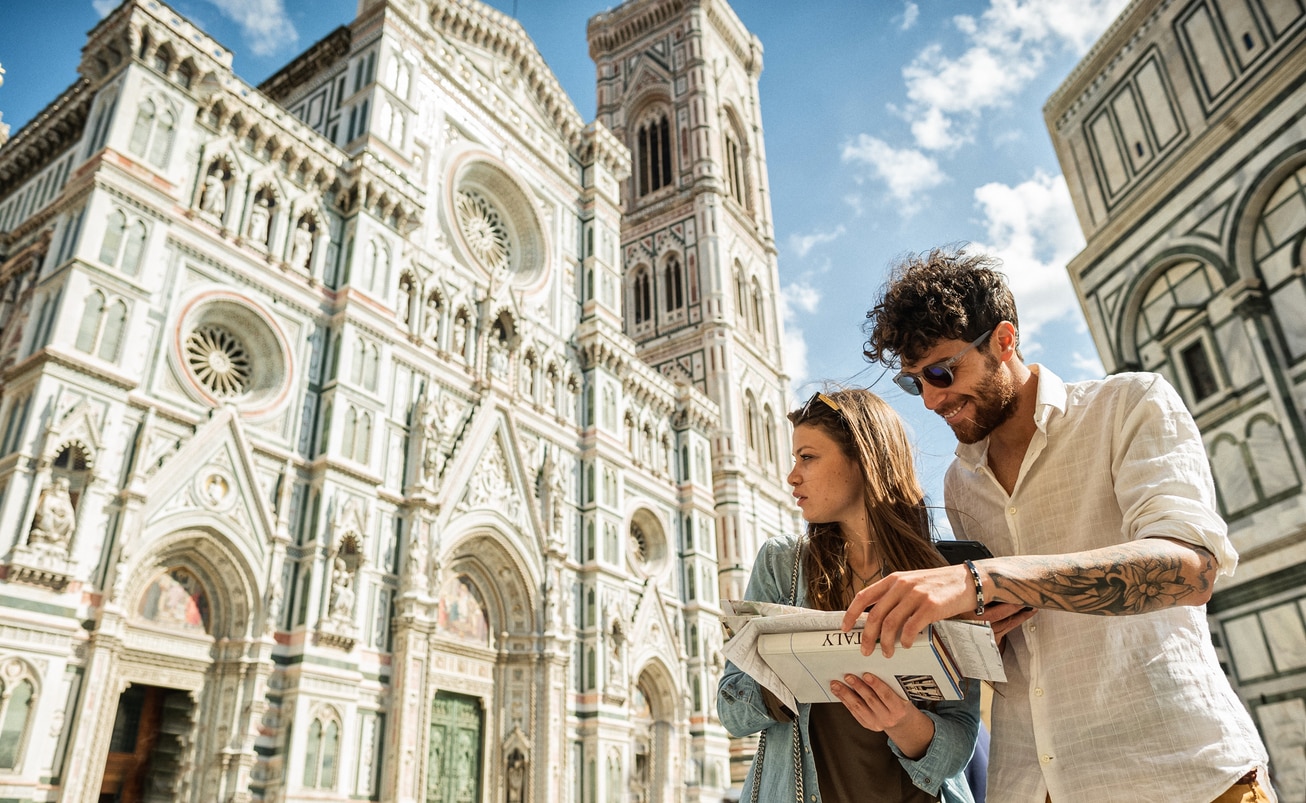
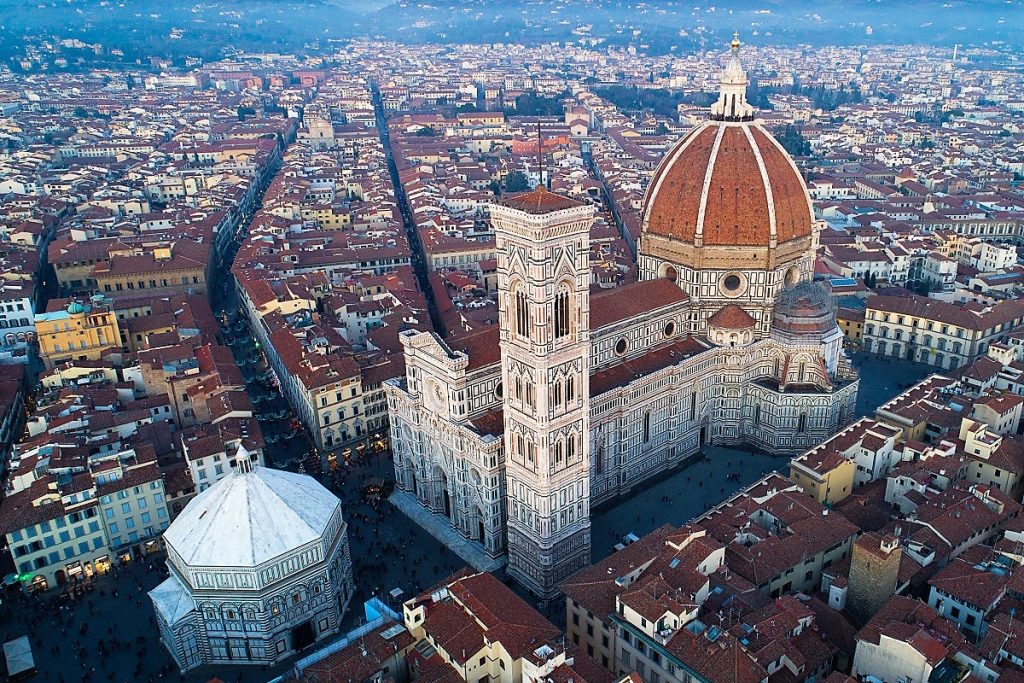
Florence is the cultural heart of Tuscany and one of the most influential cities in European history. Known as the cradle of the Renaissance, Florence offers an unparalleled concentration of art, architecture and historical landmarks. From majestic cathedrals to world-renowned museums, the city is a living showcase of human creativity.
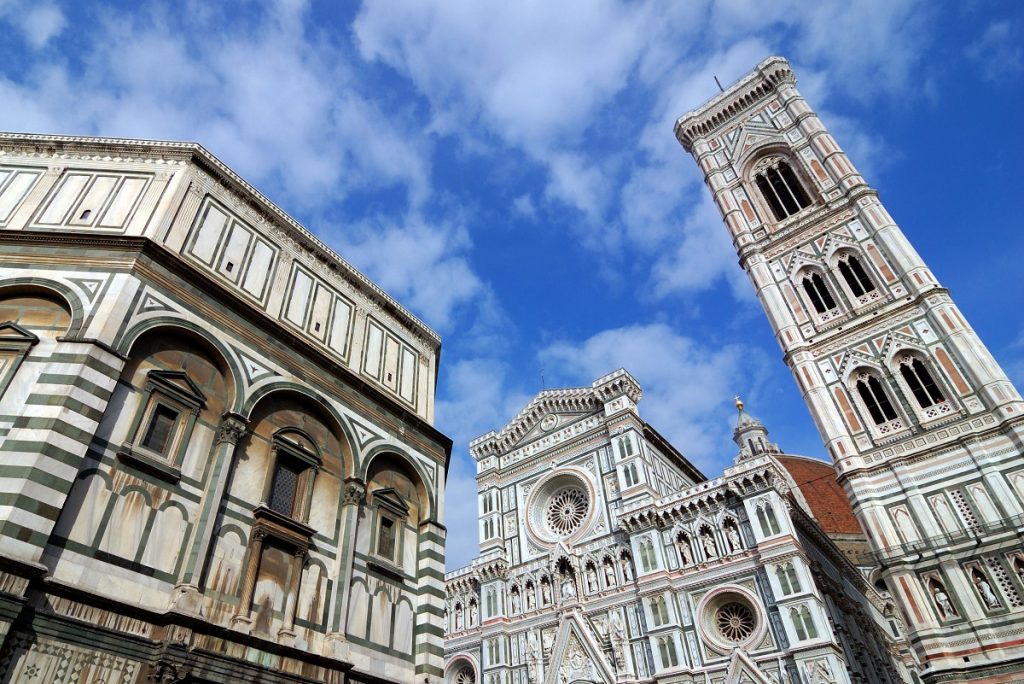
Florence in 2 days: complete walking itinerary for first-time visitors
Planning 2 days in Florence is the perfect way to experience the essence of the Renaissance capital without rushing. Compact, walkable, and overflowing with masterpieces at every corner, Florence offers an unforgettable blend of art, history and Tuscan lifestyle.
Beyond its iconic sights, Florence rewards travellers who explore at a slower pace. Historic neighbourhoods, artisan workshops and panoramic viewpoints reveal a more intimate side of the city, making it a destination that goes far beyond first impressions.
Pisa: the iconic Leaning Tower and beyond
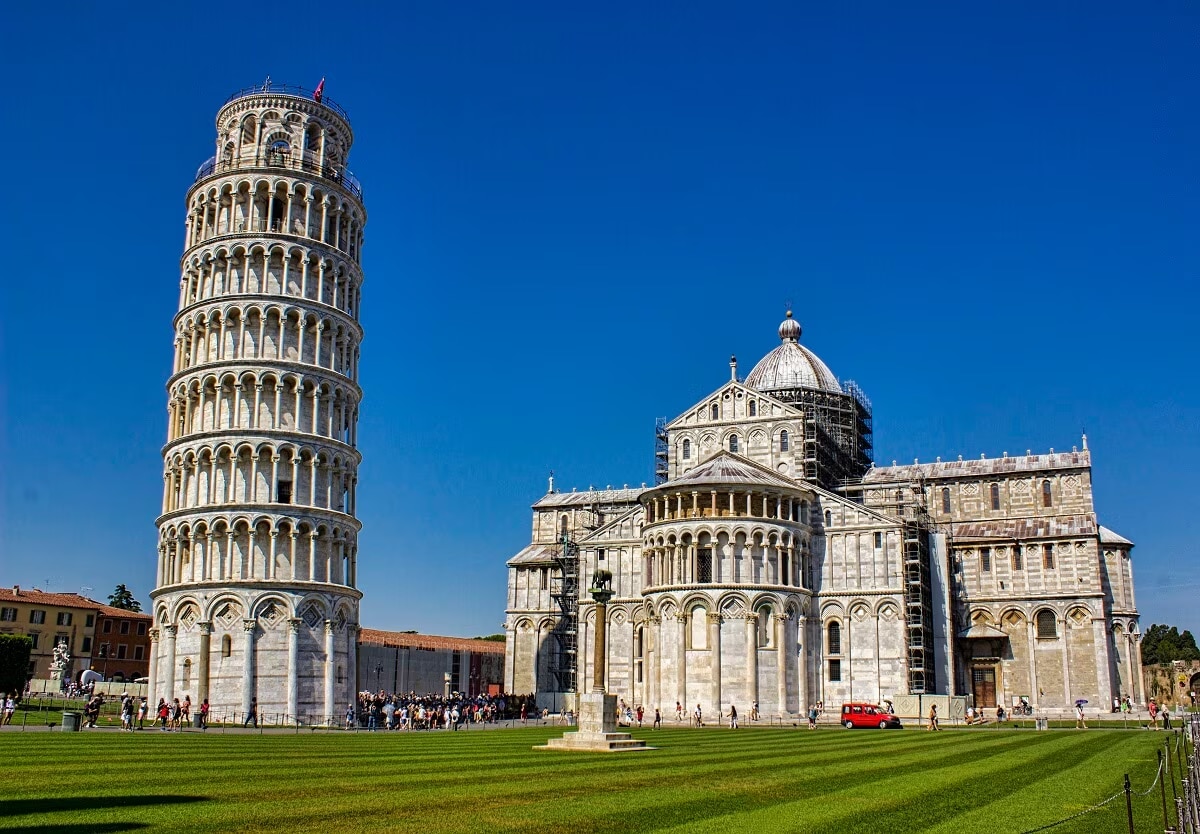
Pisa is instantly associated with its world-famous Leaning Tower, yet reducing Pisa to a single monument would mean overlooking its rich and multifaceted identity. The tower stands within a remarkable monumental complex, where Romanesque masterpieces create one of the most harmonious and striking architectural ensembles in Italy, showcasing the city’s historic power and artistic ambition.
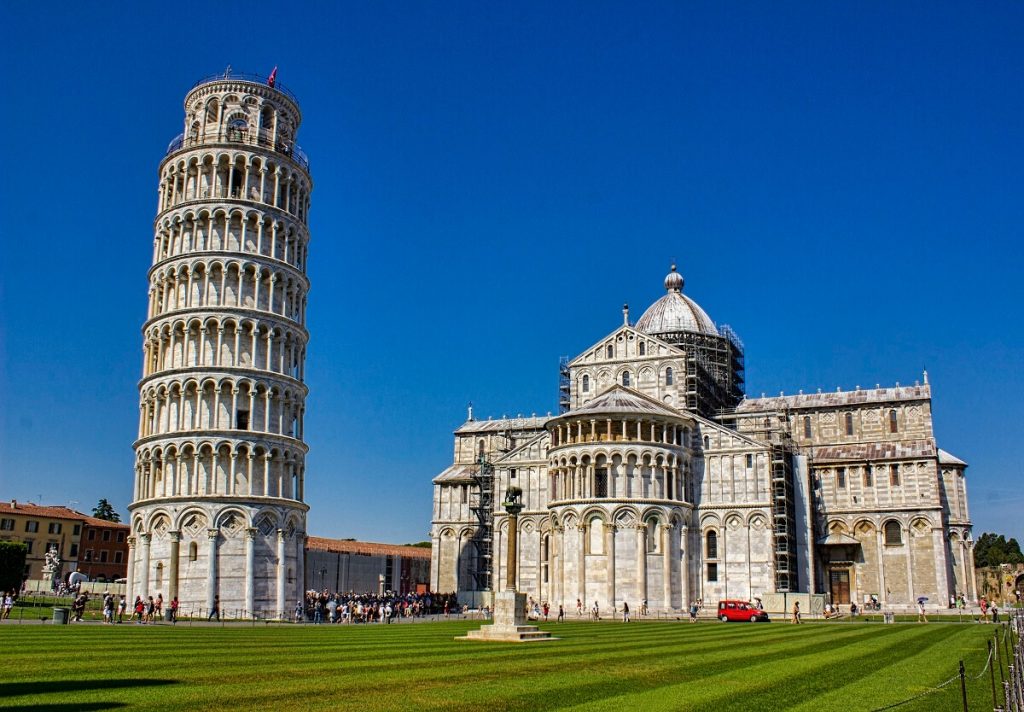
Pisa in One Day: What to see and do in Pisa
Italo guides you in an exploration of Pisa, the beautiful city of the Leaning Tower: the walking itinerary.
Beyond this iconic setting, Pisa reveals a different rhythm. Its historic centre is shaped by centuries of academic life and maritime heritage, reflected in elegant palaces, lively squares and a youthful atmosphere driven by one of Europe’s oldest universities. A walk along the riverbanks of the Arno, or through lesser-known streets away from the main tourist routes, unveils a city that feels authentic, vibrant and deeply lived-in—a place where global fame coexists naturally with everyday local life.
Siena: medieval charm and timeless traditions
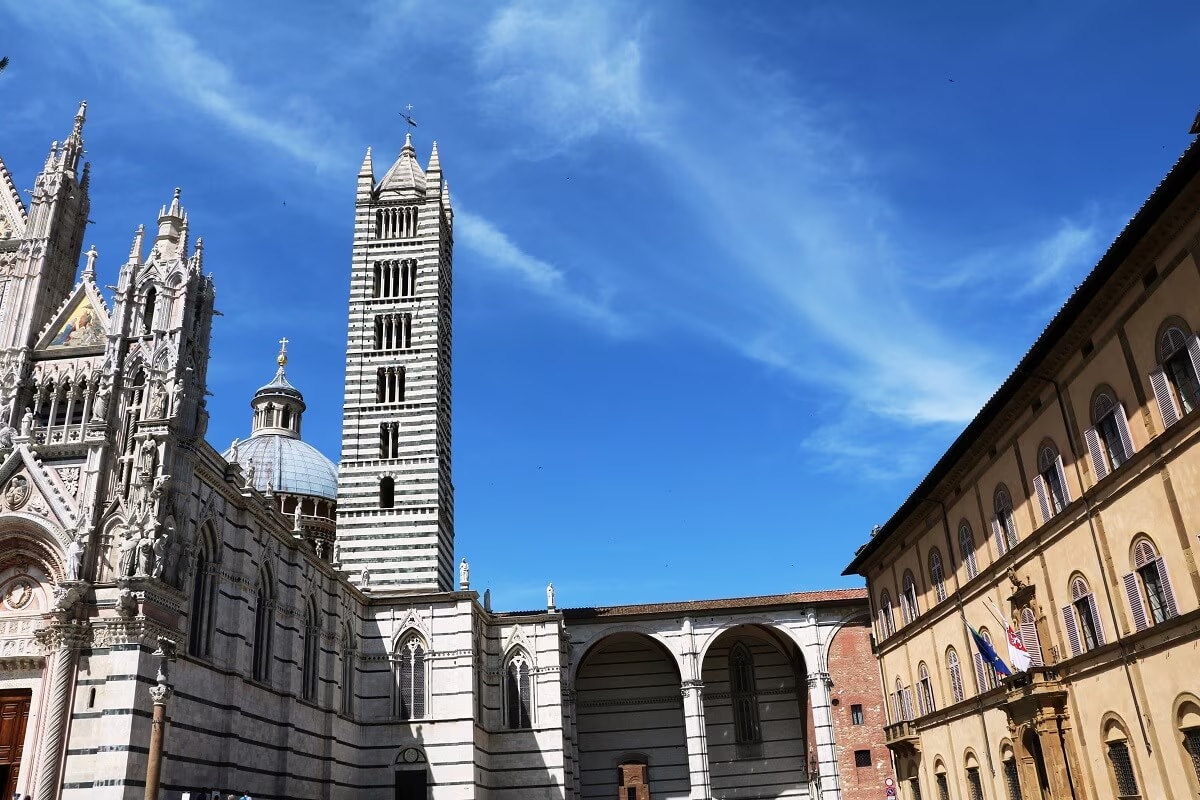
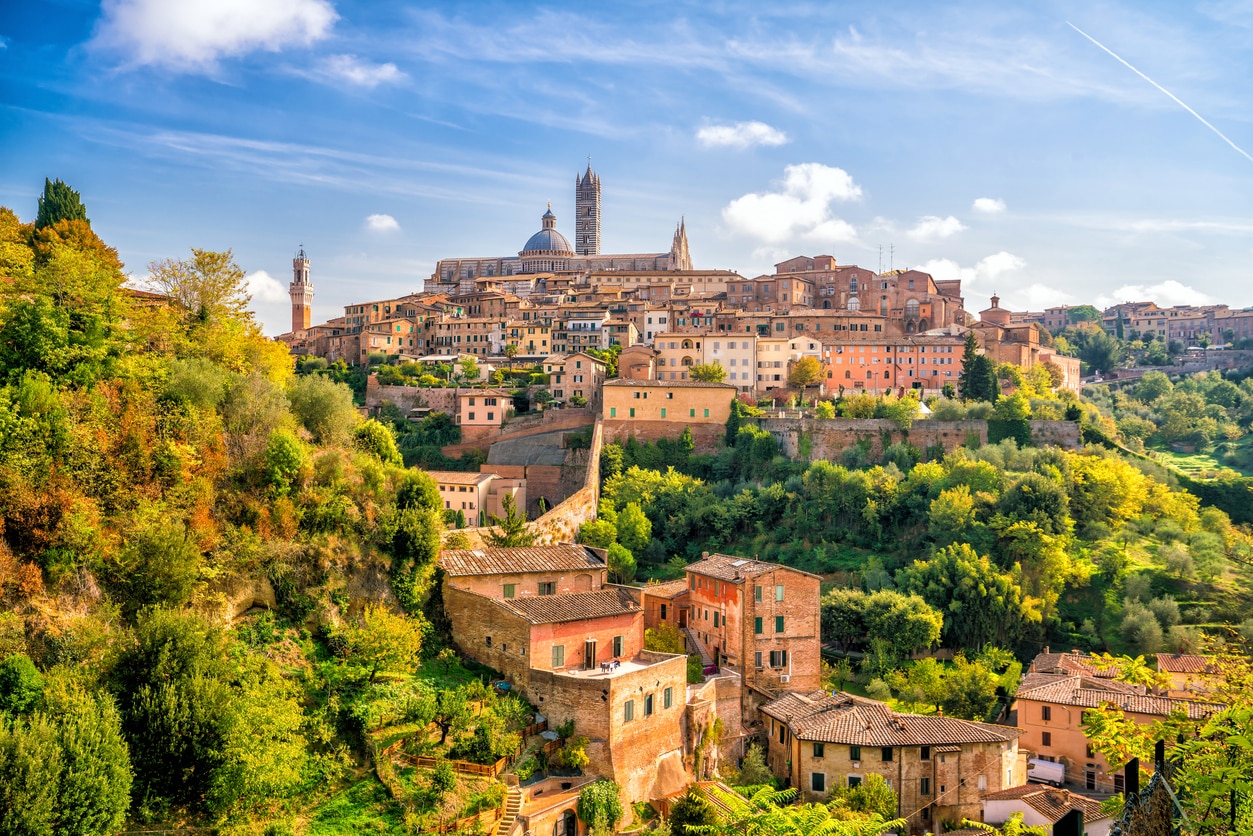
Siena offers one of the most evocative and perfectly preserved medieval cityscapes in Italy. Its historic centre, recognised as a UNESCO World Heritage Site, is a masterpiece of urban harmony, where brick palaces, narrow streets and monumental squares reflect centuries of civic pride and artistic ambition.
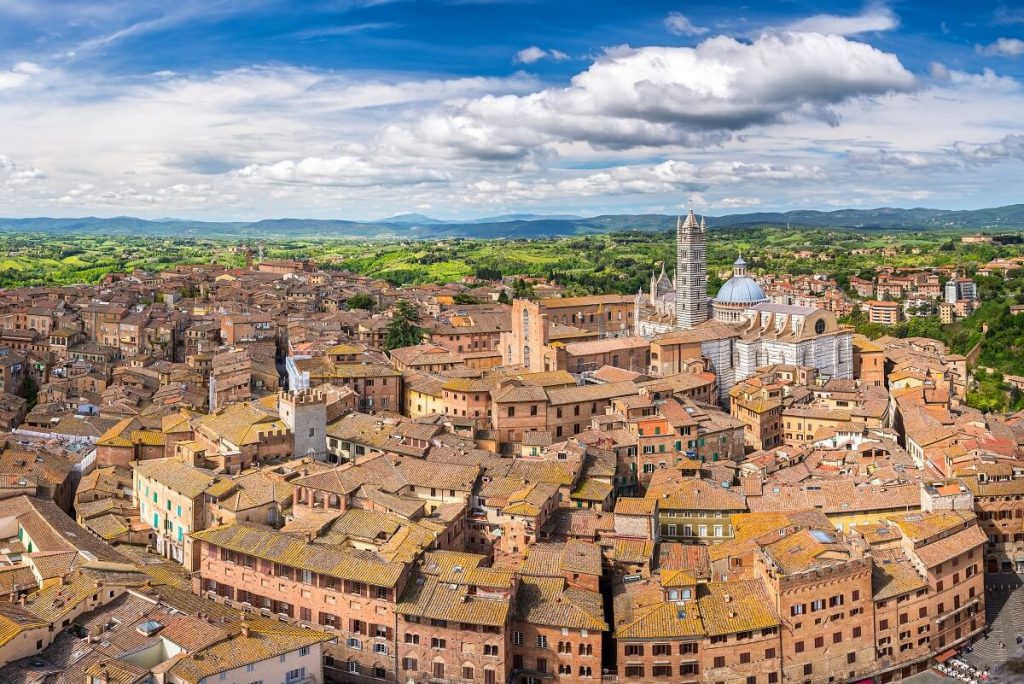
Things to do in Siena: must-see sights and authentic experiences
From the Cathedral to Piazza del Campo and beyond, Italo takes you to discover Siena, one of Tuscany’s most beautiful and atmospheric cities.
What truly sets Siena apart is the deep bond between the city and its neighbourhoods, known as contrade, which still play a central role in daily life. These historic districts are the heart of Siena’s traditions, colours and rivalries, and they come vividly to life during festivals and events that have been passed down through generations. The result is an atmosphere that feels firmly rooted in the past yet vibrantly alive, offering travellers an immersive journey into Tuscany’s medieval soul, where history is not just preserved, but actively lived.
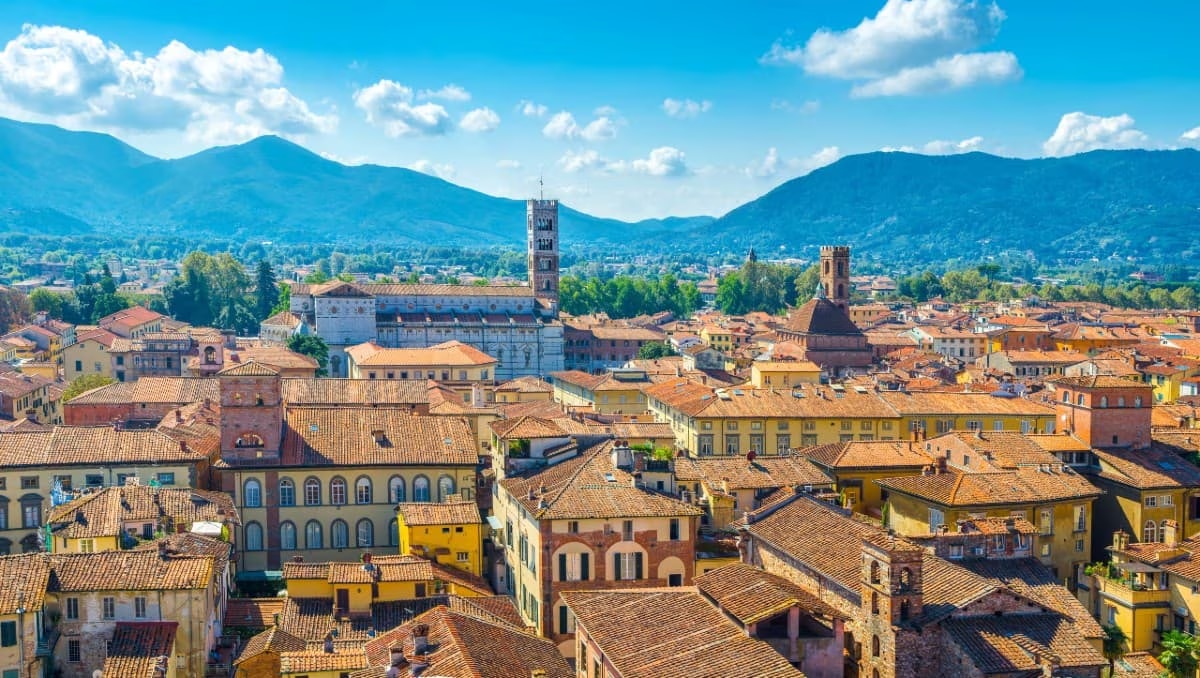
Lucca stands out for its exceptionally well-preserved Renaissance walls, which encircle the historic centre in a continuous green ring. Today, these walls have been transformed into a tree-lined promenade, perfect for a relaxed walk or bike ride, offering a unique perspective over rooftops, bell towers and quiet inner courtyards.
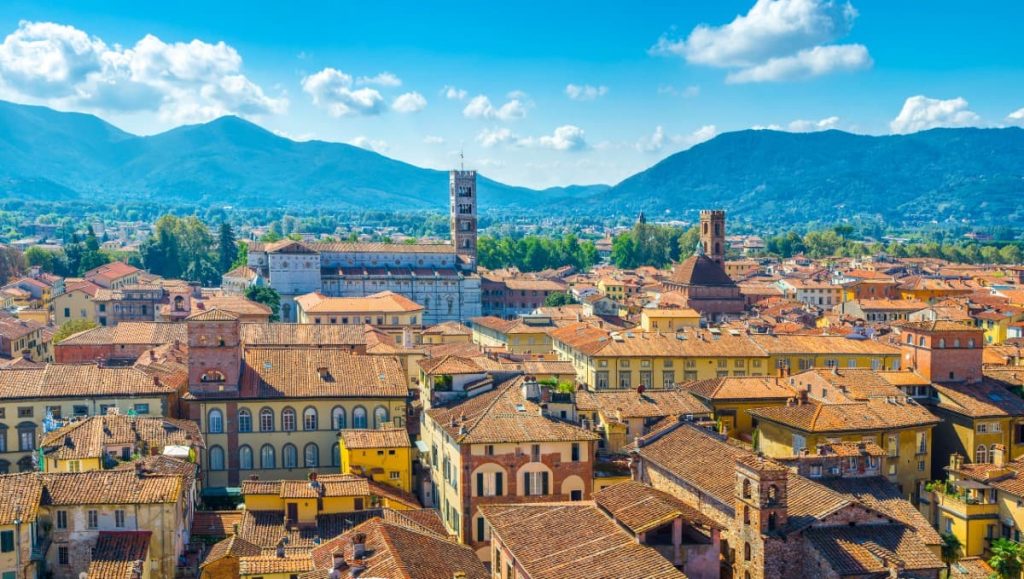
Lucca in a day: a snap itinerary
Itinerary for a one-day visit to Lucca: here is everything you need to know if you only have 24 hours to explore the city of 100 churches.
Inside the walls, Lucca reveals a refined and understated elegance. Roman remains, medieval towers and graceful churches blend seamlessly with intimate squares, hidden alleyways and local cafés, creating an atmosphere that feels both historic and lived-in. Deeply connected to music and cultural heritage, Lucca is the birthplace of composer Giacomo Puccini and hosts events that celebrate this artistic legacy throughout the year.
All of this makes Lucca an ideal destination for travellers seeking a calmer, more intimate Tuscan city, where history is present at every corner but experienced at a slower, more authentic pace.
San Gimignano: the town of medieval towers
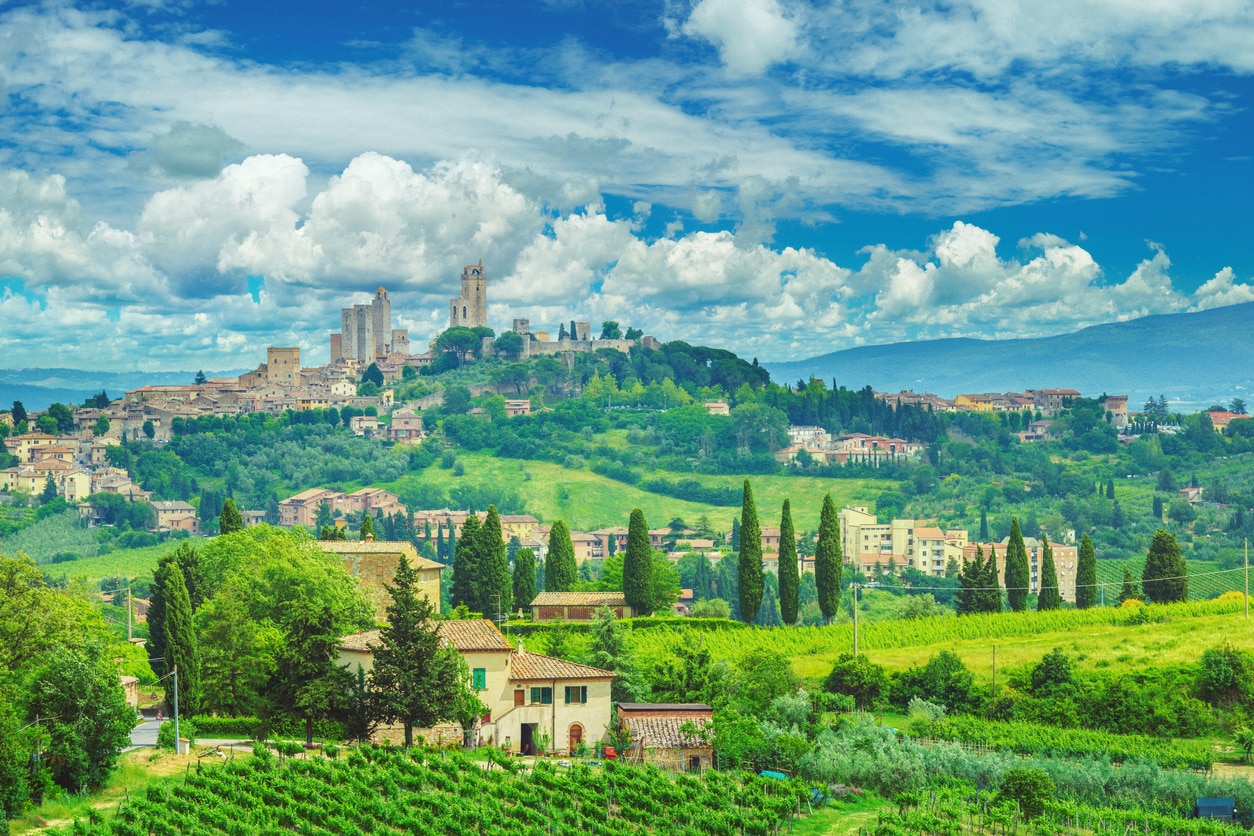
San Gimignano is instantly recognisable thanks to its dramatic skyline of stone towers, which rise above the surrounding hills and make the town one of the most iconic images of Tuscany. Built by powerful noble families during the Middle Ages as symbols of wealth and influence, these towers still dominate the landscape today, giving San Gimignano its distinctive and timeless character—hence its nickname as the “medieval Manhattan.”
Despite its relatively small size, the town preserves an extraordinary sense of architectural harmony, with well-preserved streets, squares and historic buildings enclosed within ancient walls. Walking through San Gimignano means stepping into a perfectly balanced blend of history, panoramic viewpoints and rural scenery, where sweeping views over vineyards and rolling countryside are never far away. This close relationship between town and landscape makes San Gimignano a must-see stop in central Tuscany, ideal for travellers seeking medieval atmosphere, scenic beauty and authentic Tuscan charm in a single destination.
Day Trip from Florence: Where to Go for One Day
Explore the breathtaking wonders surrounding Florence with our curated guide to the best day trips. From medieval marvels to culinary capitals, embark on unforgettable Italian adventures.
Val d’Orcia: rolling hills and postcard landscapes
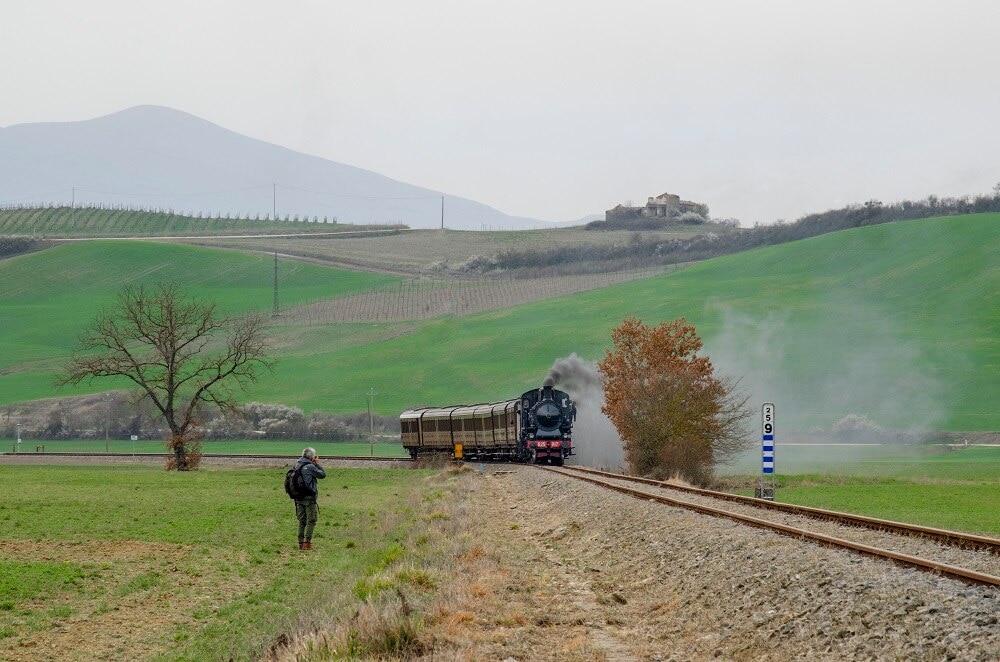
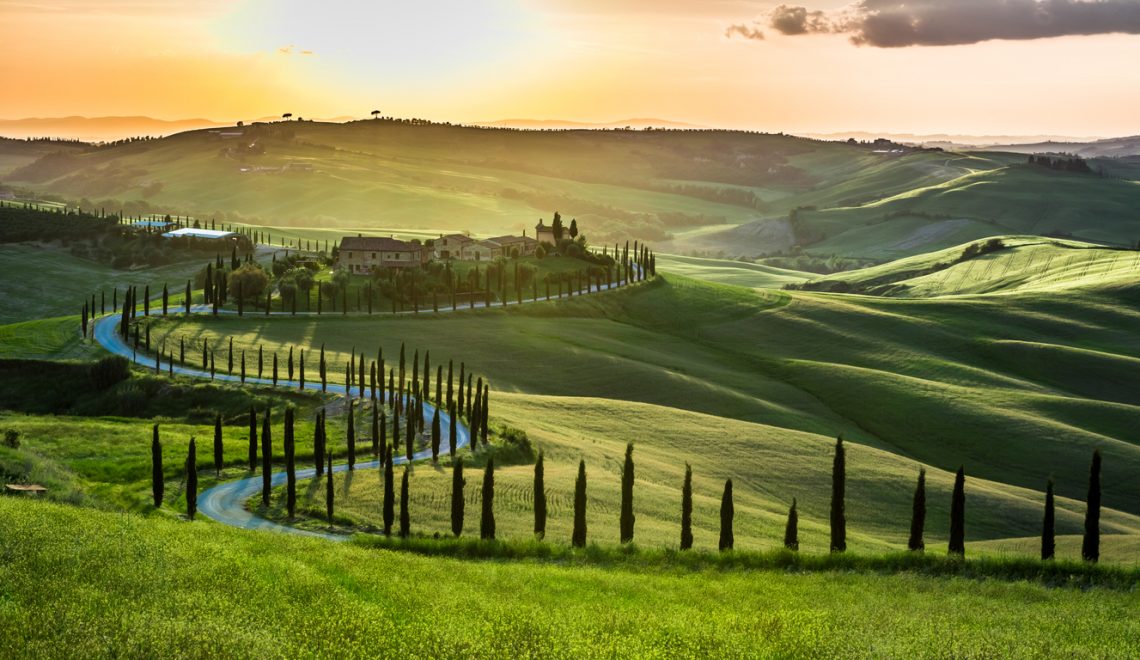
Val d’Orcia represents the Tuscany of postcards and collective imagination. Rolling hills, cypress-lined roads and golden fields define this UNESCO-listed landscape, shaped over centuries by agricultural traditions.
Here, the journey itself becomes part of the experience, as every road reveals carefully balanced scenery shaped by centuries of agricultural tradition.
Chianti: vineyards, villages and wine culture

Chianti is synonymous with world-class wine, yet its appeal extends far beyond vineyards and cellars. This iconic Tuscan region unfolds through a patchwork of rolling hills, hilltop villages, medieval castles and winding country roads, creating a landscape where gastronomy, culture and nature are inseparably linked.
Travelling through Chianti means immersing yourself in a countryside shaped by centuries of tradition, where vineyards coexist with olive groves, stone farmhouses and small villages that seem untouched by time. Every stop offers a deeper sense of authentic rural Tuscany, combining breathtaking scenery with a strong local identity—an experience defined not only by what you see, but by the slower rhythm and enduring character of the land itself.
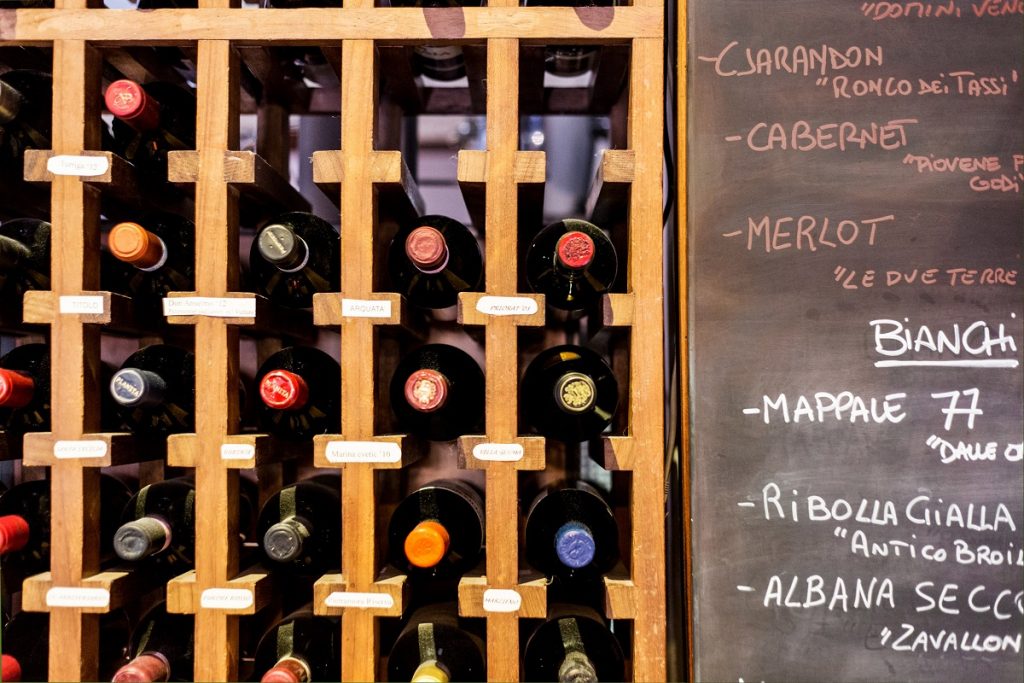
Italy’s Vineyard Stays: A Journey Through Tastings and Wine Bars
Whether you are looking for an in-depth exploration of viticulture through a guided vineyard tour or a casual evening at a chic wine bar, Italy offers a spectrum of experiences that promise to enrich your understanding and appreciation of wine. T
Cortona: Etruscan roots and cinematic views
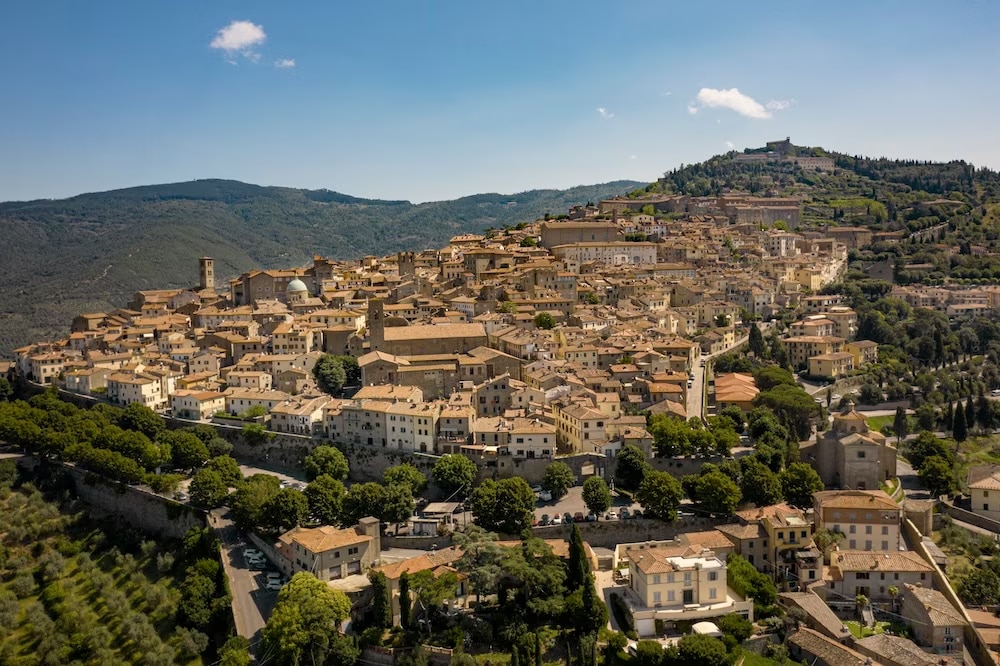
Cortona is one of Tuscany’s oldest and most atmospheric hill towns, with origins that trace back to the Etruscan civilisation, long before the Roman era. Perched high above the Val di Chiana, Cortona enjoys a commanding position that rewards visitors with sweeping panoramic views stretching across the valley and surrounding countryside.
Walking through Cortona means moving through layers of history, where ancient walls, medieval streets and Renaissance influences coexist in perfect balance. Its evocative setting, combined with a rich artistic and cultural heritage, has also made Cortona a favourite backdrop for cinema and literature. This blend of ancient roots, artistic legacy and breathtaking scenery makes Cortona particularly appealing to travellers drawn to Tuscany’s deep past and its enduring visual and cultural power.
Arezzo: art cities off the beaten path
Arezzo is often overlooked by first-time visitors, yet it holds an exceptionally rich artistic and architectural heritage. Its historic centre unfolds across gently sloping streets, where medieval buildings, antique shops and elegant squares create an atmosphere that feels both authentic and deeply rooted in local life.
Arezzo’s churches and museums house important works of art, offering moments of discovery that rival those of more famous Tuscan cities—without the crowds. The city’s slower pace and strong identity make it an ideal destination for travellers who enjoy exploring lesser-known corners of Tuscany, where culture is experienced in a more intimate and unhurried way.
Elba Island: sea, nature and Napoleonic history
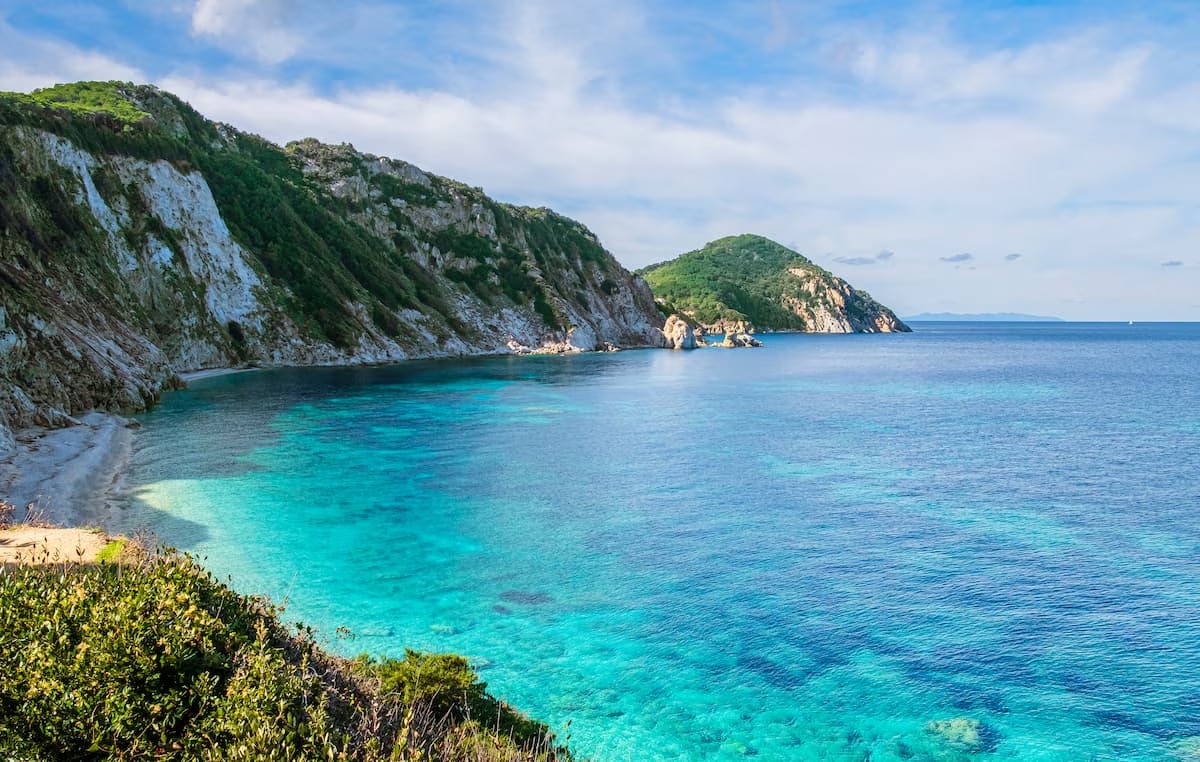
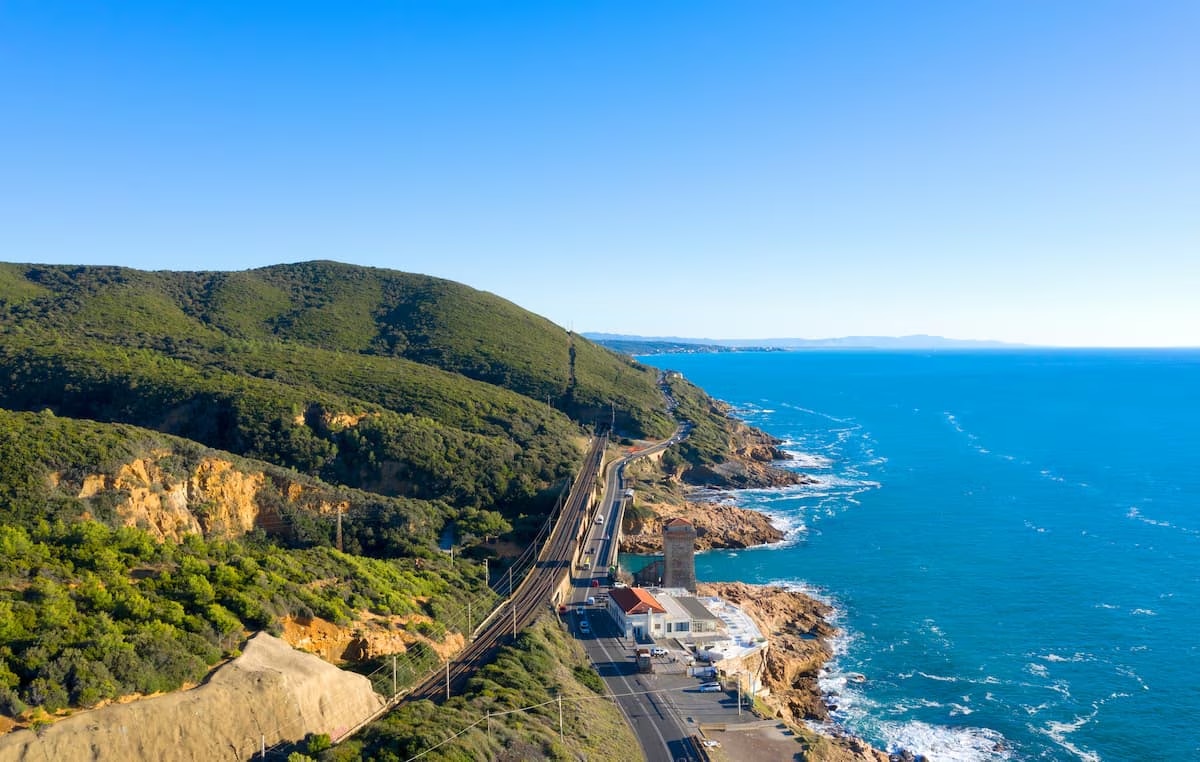
Elba Island reveals a surprisingly diverse side of Tuscany, where the region’s iconic art cities give way to crystal-clear seas, rugged coastlines and unspoilt natural landscapes. The island is famous for its sandy beaches and secluded coves, but its appeal extends far inland, with hiking trails winding through Mediterranean scrub, hills and panoramic viewpoints overlooking the Tyrrhenian Sea.
Beyond its natural beauty, Elba is also steeped in history. The island is forever linked to Napoleon Bonaparte’s exile, a legacy that can still be explored through historic residences, museums and landmarks that tell the story of this pivotal chapter in European history. This unique combination of coastal relaxation, outdoor adventure and historical depth makes Elba an ideal destination for travellers who want to experience Tuscany from a completely different perspective—one that blends nature, culture and sea in perfect harmony.
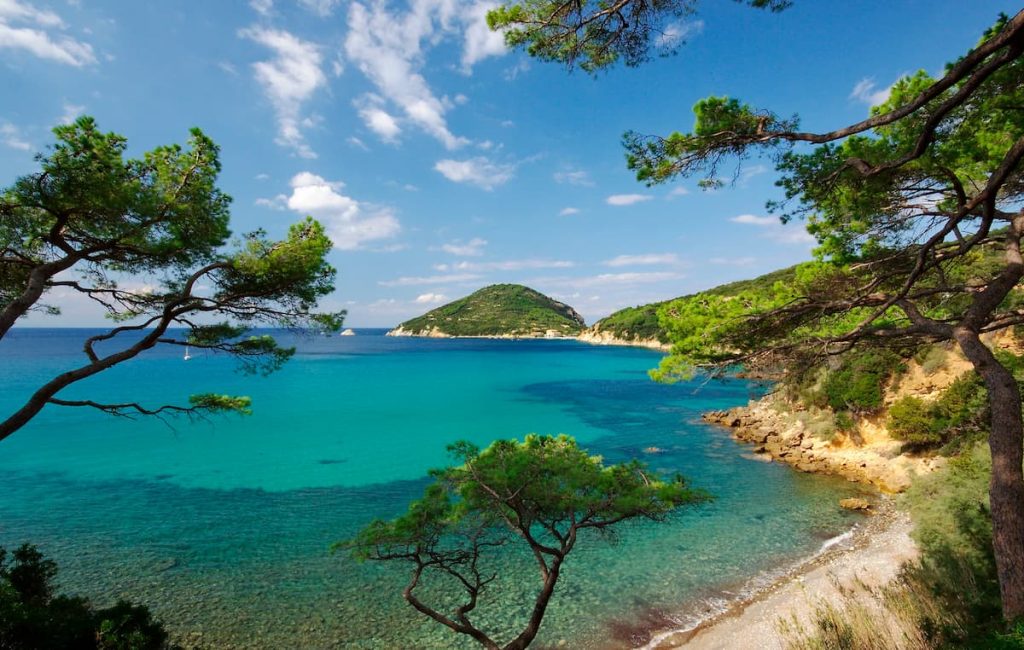
The most beautiful beaches in Tuscany
Explore the stunning beaches of the Tuscan coast and its islands such as the Etruscan Coast, Versilia, Maremma, and the islands of Elba and Giglio. Fin out the unique features of each beach from sandy shores to rocky coves.
Best things to do in Tuscany for first-time visitors
For first-time visitors, the key to truly understanding Tuscany lies in finding the right balance between its many different souls. The region reveals its full character when art cities are paired with countryside escapes, historic landmarks with open landscapes, and museum visits with moments dedicated to food, wine and everyday local life.
Exploring Florence, Siena or Pisa introduces you to Tuscany’s artistic and architectural heritage, but stepping beyond the city walls—into vineyards, valleys and hill towns—adds depth and perspective to the journey. Equally important is taking time to enjoy the region’s culinary culture, whether through a relaxed lunch in a small town, a glass of local wine overlooking the hills or a stroll through a traditional market. By blending culture, nature and gastronomy, first-time visitors can experience Tuscany not as a checklist of sights, but as a living, cohesive destination.
Best time to visit Tuscany
Spring and autumn are often considered ideal, offering pleasant weather and vibrant colours. Summer brings longer days and lively events, while winter reveals a quieter, more introspective side of the region. Each season highlights different aspects of Tuscany’s character.
How to plan a trip to Tuscany by train
Tuscany is particularly well suited to train-based travel, especially when Florence acts as your main gateway to the region. Reaching Florence by high-speed train means arriving directly in the historic heart of the city, ready to start exploring without the stress of traffic, parking or long transfers. Florence is efficiently connected with Rome, Milan, Naples, Bologna and Venice, making it easy to include Tuscany within a wider Italian itinerary.
Once in Florence, the region opens up naturally. Local and regional connections allow you to reach cities such as Pisa, Siena, Lucca and Arezzo, as well as scenic areas beyond the main urban centres. Planning your trip by train encourages a slower, more sustainable way of travelling, letting you focus on landscapes, culture and experiences rather than logistics—an ideal approach for discovering Tuscany at its most authentic.
Exploring Tuscany with Italo Treno
Travelling with Italo Treno makes it easy to reach Tuscany’s key cities comfortably and efficiently. High-speed connections allow you to arrive directly in the heart of the region, ready to begin your journey through art, landscapes and traditions. Tuscany is a destination that unfolds step by step—and arriving by train sets the perfect pace from the very start.