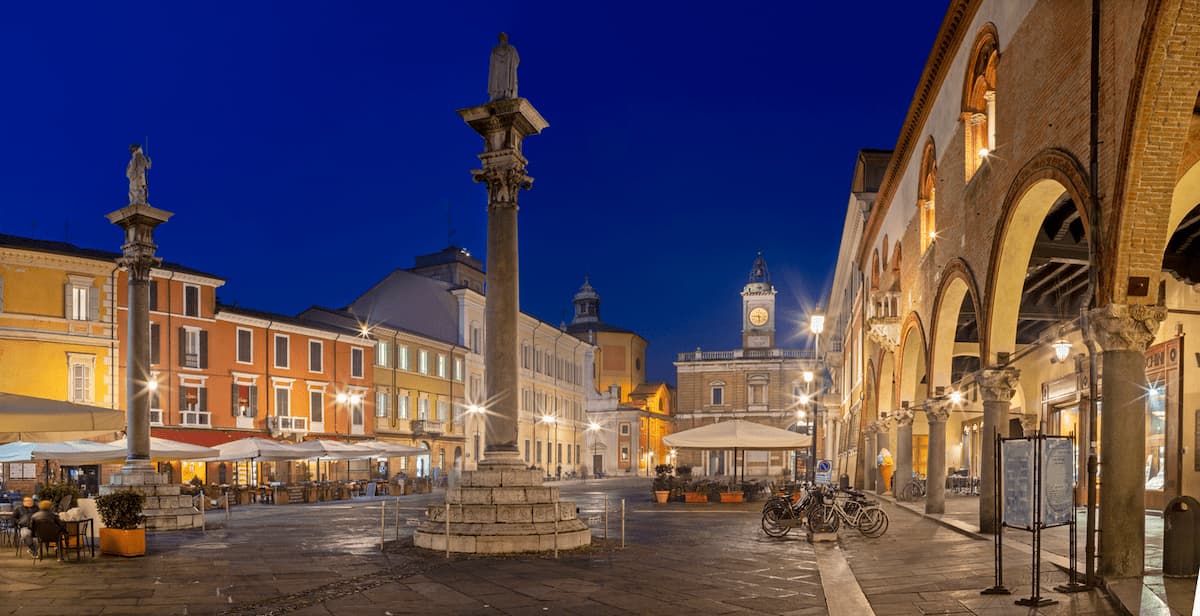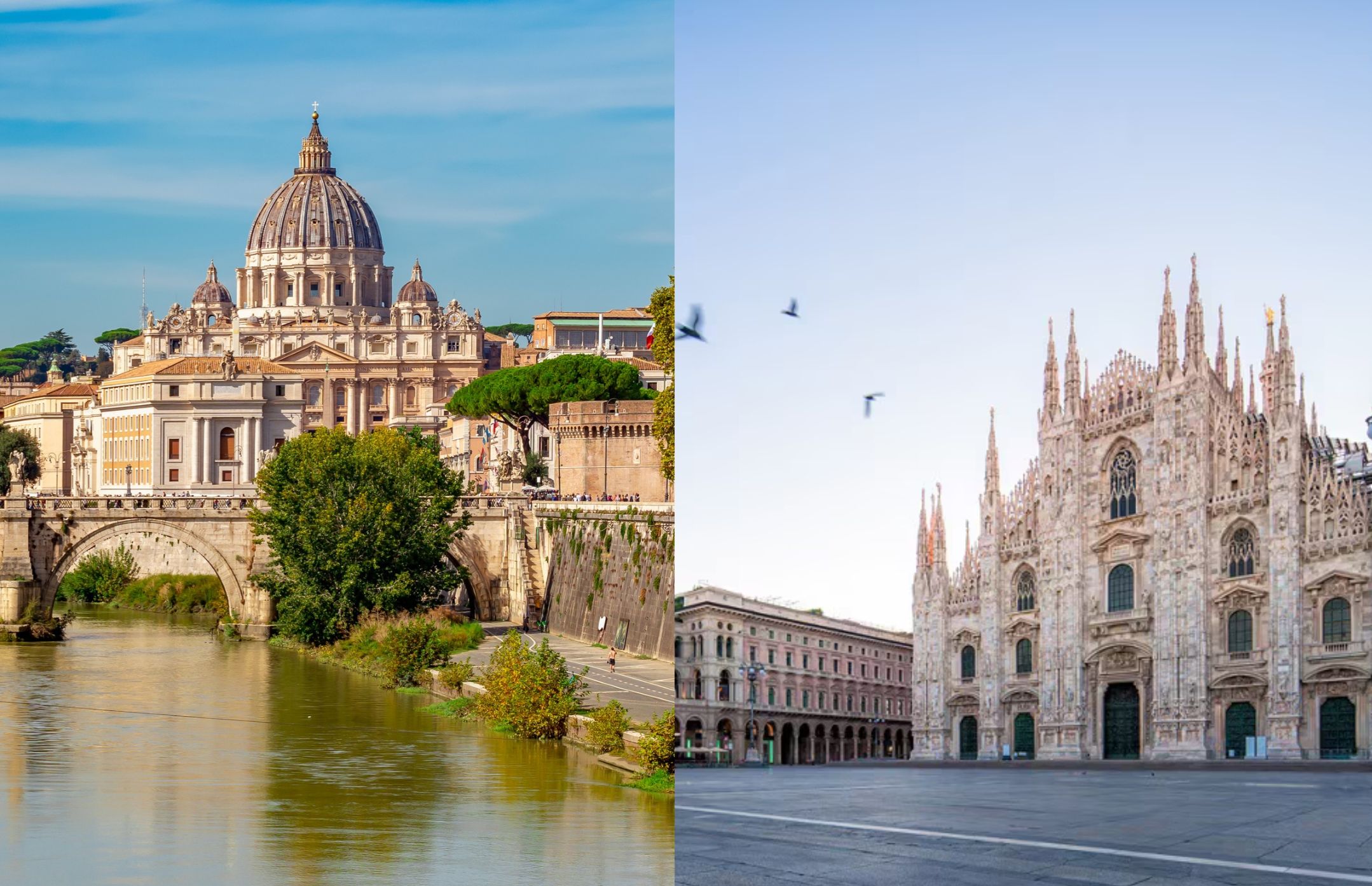
Pick your Italian reality. Milan chases the future with sharp tailoring and fast espresso. Rome pulls you straight into loud piazzas and late night tables. Stop looking for a winner. Just figure out which rhythm matches your escape.
- 1 Is Rome or Milan bigger?
- 2 Which city is better for first-time visitors?
- 3 Milan or Rome for sightseeing and cultural attractions?
- 4 Milan or Rome: which city offers the best food experiences?
- 5 Is Rome or Milan better for shopping?
- 6 Milan or Rome: which is better for nightlife and concerts?
- 7 Christmas in Milan or Rome: which city should you choose?
- 8 Is Milan or Rome cheaper to visit? Comparing travel and daily costs
- 9 And what about flights?
- 10 Milan or Rome: which is better for your travel style?
- 11 How to travel between Milan and Rome with Italo
- 12 Why visit both Milan and Rome on the same trip?
Milan vs Rome: which city should you visit?
A quick morning espresso in Trastevere tells you everything about Rome. Scooters zip past Baroque facades, laundry snaps between balconies, and daily life unspools against open-air ancient ruins. It is magnetic, loud, and built for travellers who love slow afternoons on sunlit piazzas.
Milan runs on a completely different rhythm, swapping classical charm for sharp edges and forward momentum. Italy’s commercial engine lives behind sleek courtyards, minimalist galleries, and polished cocktail bars. If your trip calls for modern design, boundary-pushing architecture, and urban speed, head north.
Is Rome or Milan bigger?
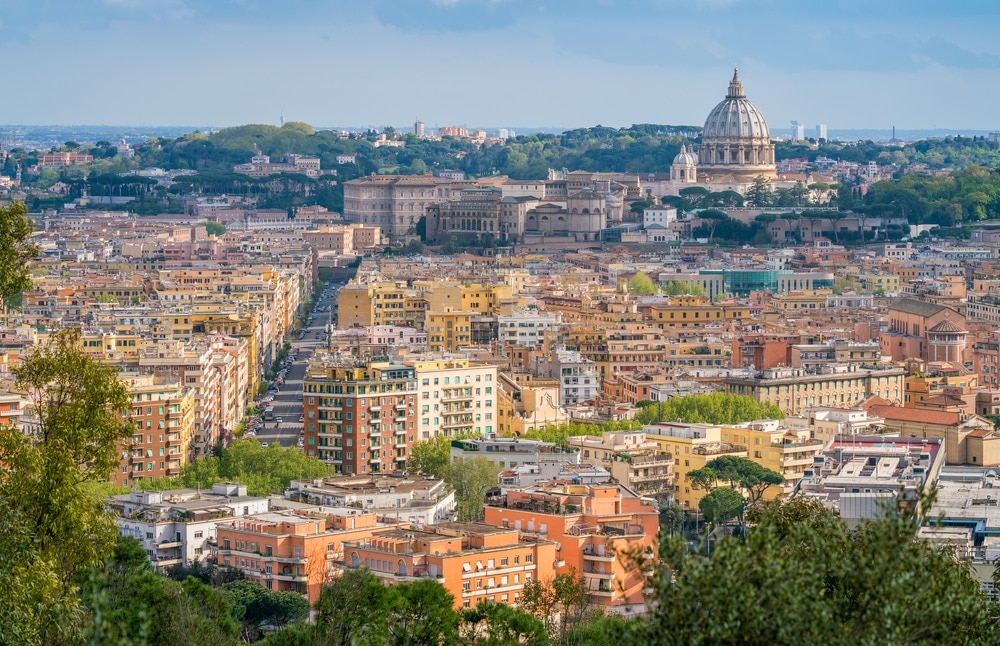
Pure numbers make this comparison simple: Rome is massive. Covering nearly 1,288 square kilometres with 2.7 million residents, the capital spreads across seven rolling hills and vast archaeological valleys. Exploring it properly requires serious stamina and sturdy walking shoes.
Milan packs its punch into a much tighter footprint. With roughly 1.4 million residents across 180 square kilometres, its core is remarkably efficient. You can easily stroll between Brera, the Duomo, and the Quadrilatero della Moda on foot, or use the metro to cross town in minutes.
Which city is better for first-time visitors?
For an unmistakable first taste of Italy, Rome delivers an instant cinematic hit. Rounding a corner to face the Colosseum or the roaring water of the Trevi Fountain satisfies bucket-list dreams immediately. The sheer density of iconic stone makes it an essential stop for newcomers.
Milan serves as a calmer, highly sophisticated entry point for anyone wanting to dodge massive tourist crowds and chaotic lines. You get high-end dining, world-class art, and legendary shopping in a clean, easily manageable grid that never feels exhausting.
Milan or Rome for sightseeing and cultural attractions?
Sightseeing comes down to what century you want to explore. Rome offers raw antiquity and monumental Papal architecture at every corner. Milan bridges Renaissance genius with bold modern towers and private contemporary art foundations.
Rome: ancient history, iconic landmarks and timeless charm
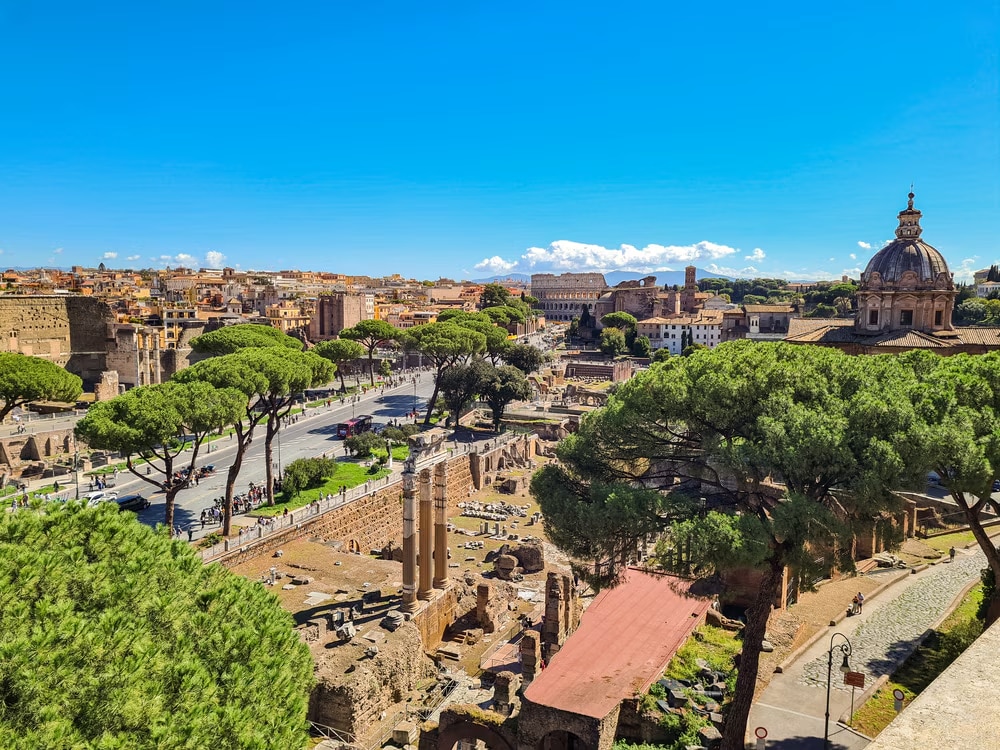
Standing beneath the unreinforced concrete dome of the Pantheon or tracking ancient chariot ruts through the Roman Forum brings classical history to life. Add the frescoed halls of the Vatican Museums and the street-level energy of Monti, and your days fill up fast.
Direct Italo high-speed trains drop you right at Roma Termini in the city centre, leaving you just a quick metro stop away from the Colosseum. If you are staying near the lively eastern quarters, hopping off at Roma Tiburtina puts you straight into the local action.
Milan: art, architecture and modern attractions
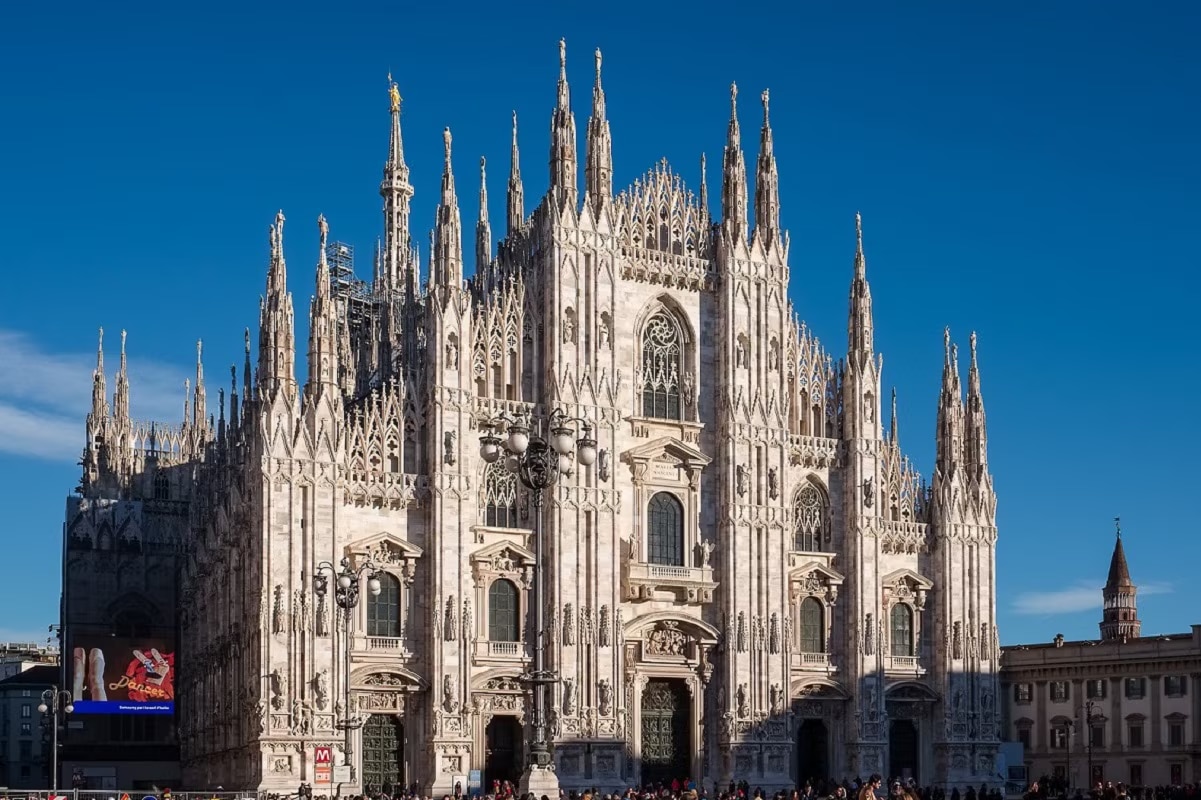
Milanese sightseeing starts on the white marble rooftop terraces of the Duomo di Milano, looking out across the Lombard plains toward the Alps. From there, take in Leonardo’s The Last Supper at Santa Maria delle Grazie, or head past Sforza Castle into Porta Nuova to see the green towers of the Bosco Verticale.
Arrive right in the heart of the city at Milano Centrale, an architectural landmark with instant connections to the yellow metro line. For fast access to southern design districts and contemporary art hubs, Milano Rogoredo gets you there without
Milan or Rome: which city offers the best food experiences?
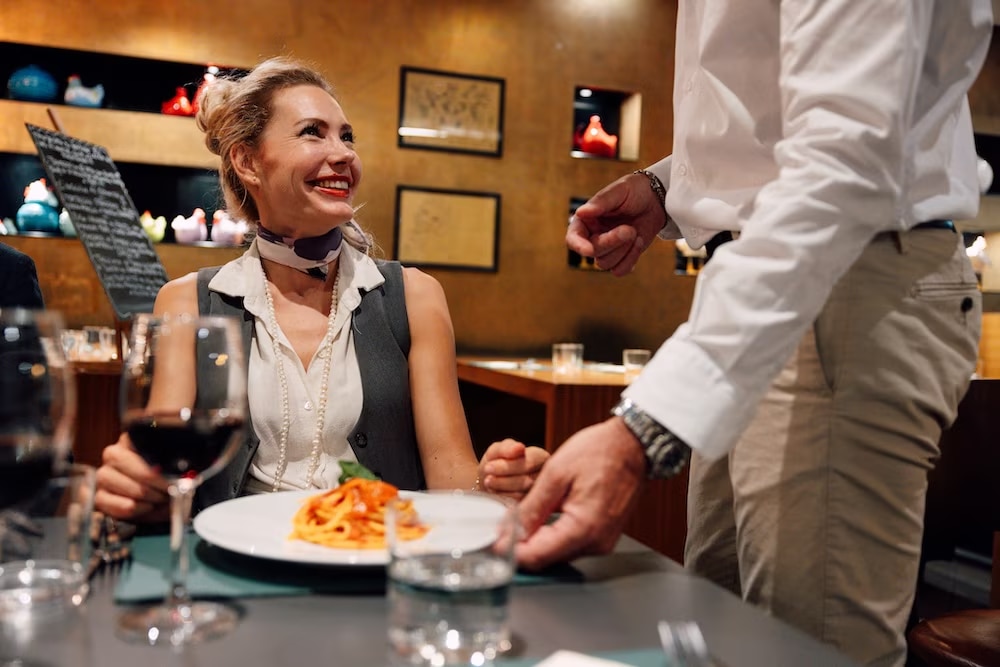
Dining in Rome revolves around bold, punchy comfort food. Trattoria tables fill up with the four iconic Roman pastas: silky carbonara, sharp cacio e pepe, rich amatriciana, and pork-forward gricia. Between meals, grab hot mozzarella-stuffed supplì on the go or crisp carciofi alla giudia in the Jewish Ghetto.
Milan trades tomato sauces for rich northern traditions, led by saffron-infused risotto alla Milanese and bone-in cotoletta alla Milanese fried in clarified butter. The late afternoon brings the city’s signature ritual: pulling up a chair along the Navigli canals for a bitter Campari spritz and small plates during aperitivo.
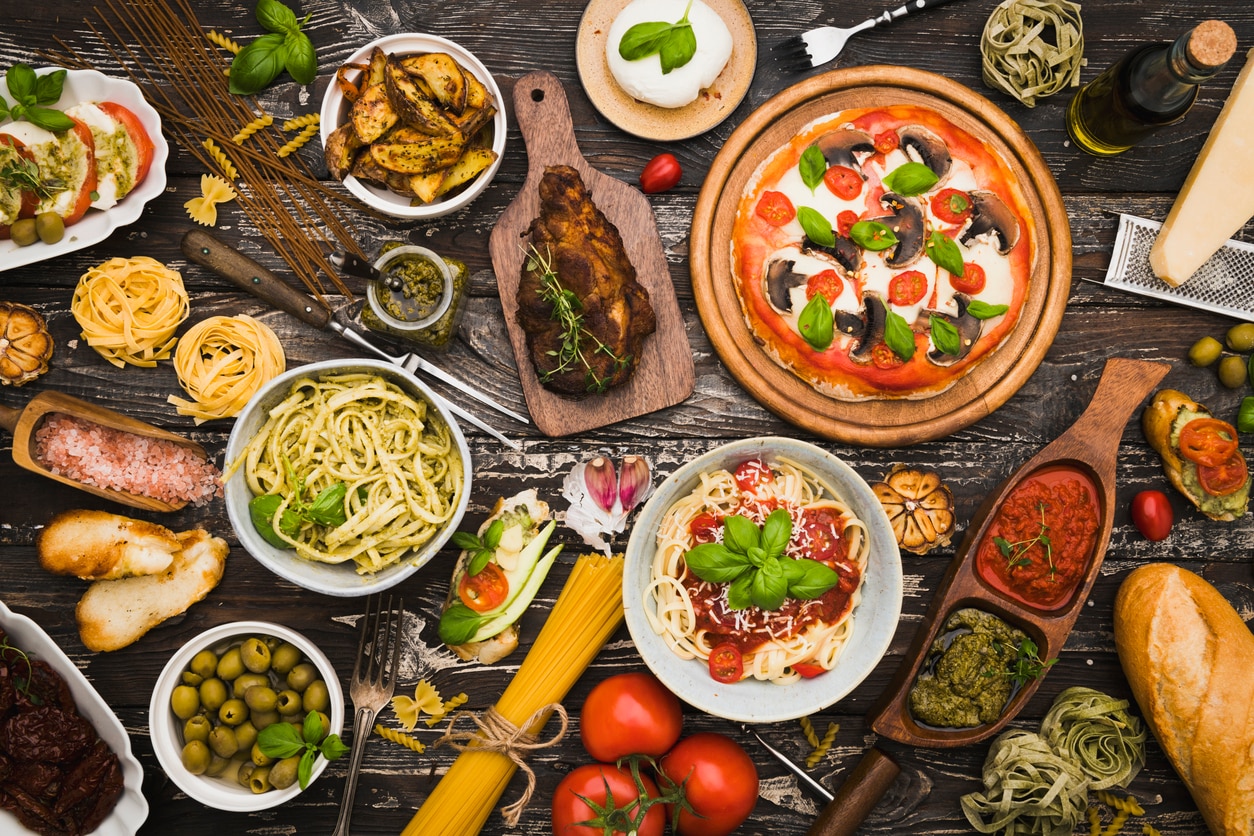
Italian Food by Region: What to Eat in Every Area
Italy is a culinary paradise, renowned for its diverse and rich food culture. Each of the 20 regions boasts its own unique flavors, ingredients and traditional dishes. This article serves as your Italian food guide, highlighting the must-try dishes from each region.
Is Rome or Milan better for shopping?
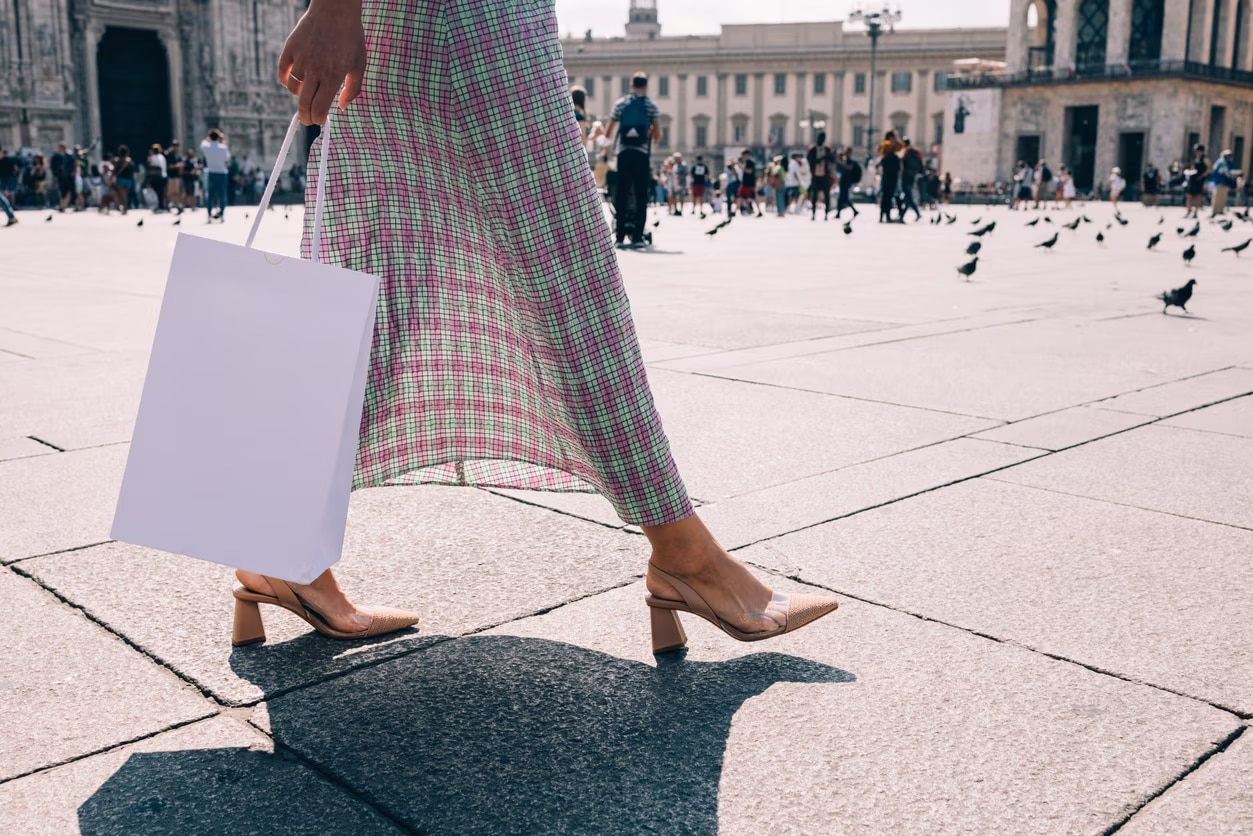
Style lovers will find their natural home in Milan. The legendary Quadrilatero della Moda, anchored by Via Montenapoleone and Via della Spiga, serves as an open-air runway of flagship fashion houses. For niche boutiques and perfume labs, head to Brera, while Corso Buenos Aires covers major international high-street brands.
Rome mixes luxury labels with old-school artisan heritage. High fashion clusters along Via dei Condotti right below the Spanish Steps. For unique leather goods and curated vintage racks, wander the cobblestones of Via del Governo Vecchio, where independent makers work out of sunlit storefronts.
Milan or Rome: which is better for nightlife and concerts?
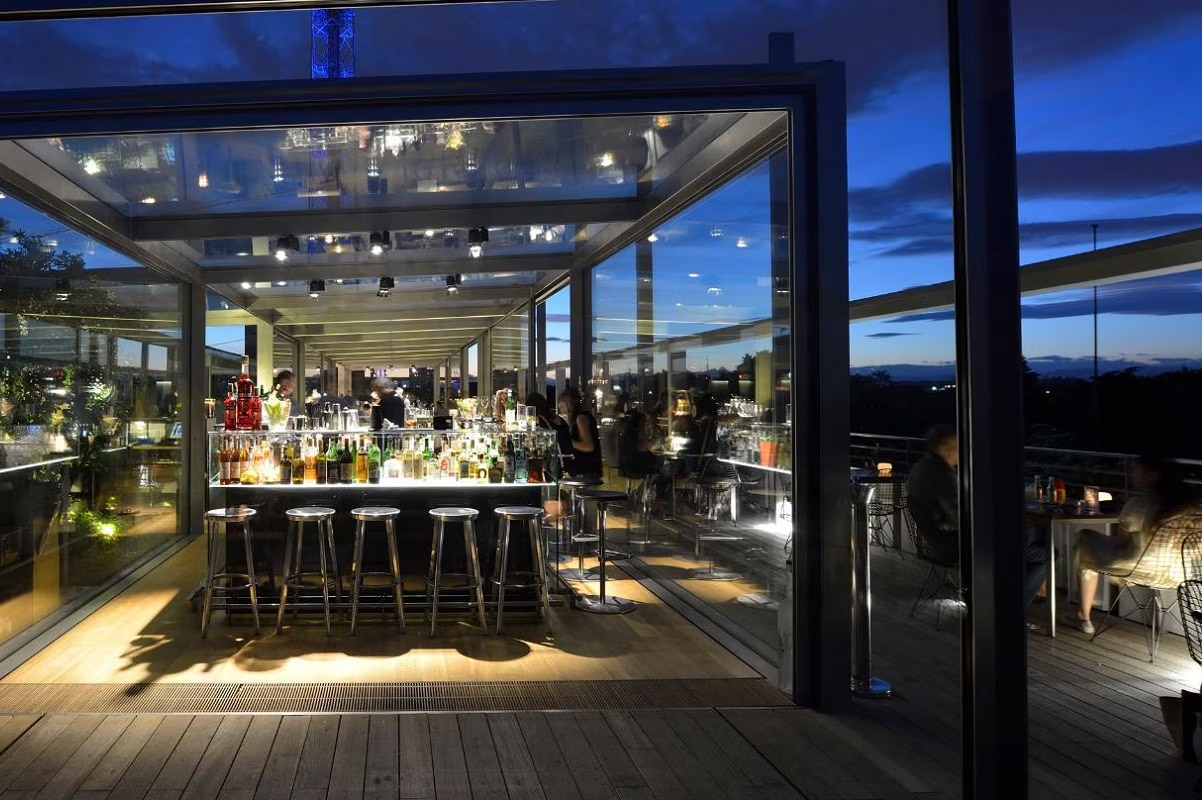
Nightlife in Milan is polished, late, and cocktail-driven. Young crowds gather along the Navigli canals and the edgy streets of Isola, while rooftop lounges near Porta Nuova serve drinks with skyline views. Stadium rock tours pack out the San Siro Stadium, while major arena acts headline the Unipol Forum.
Rome keeps things social, casual, and open-air. Evenings start with glasses of red wine on piazza steps before moving into the buzzing bars of Trastevere and San Lorenzo. In summer, the ancient ruins of the Baths of Caracalla host open-air opera, while global tours take over the Stadio Olimpico.
Christmas in Milan or Rome: which city should you choose?
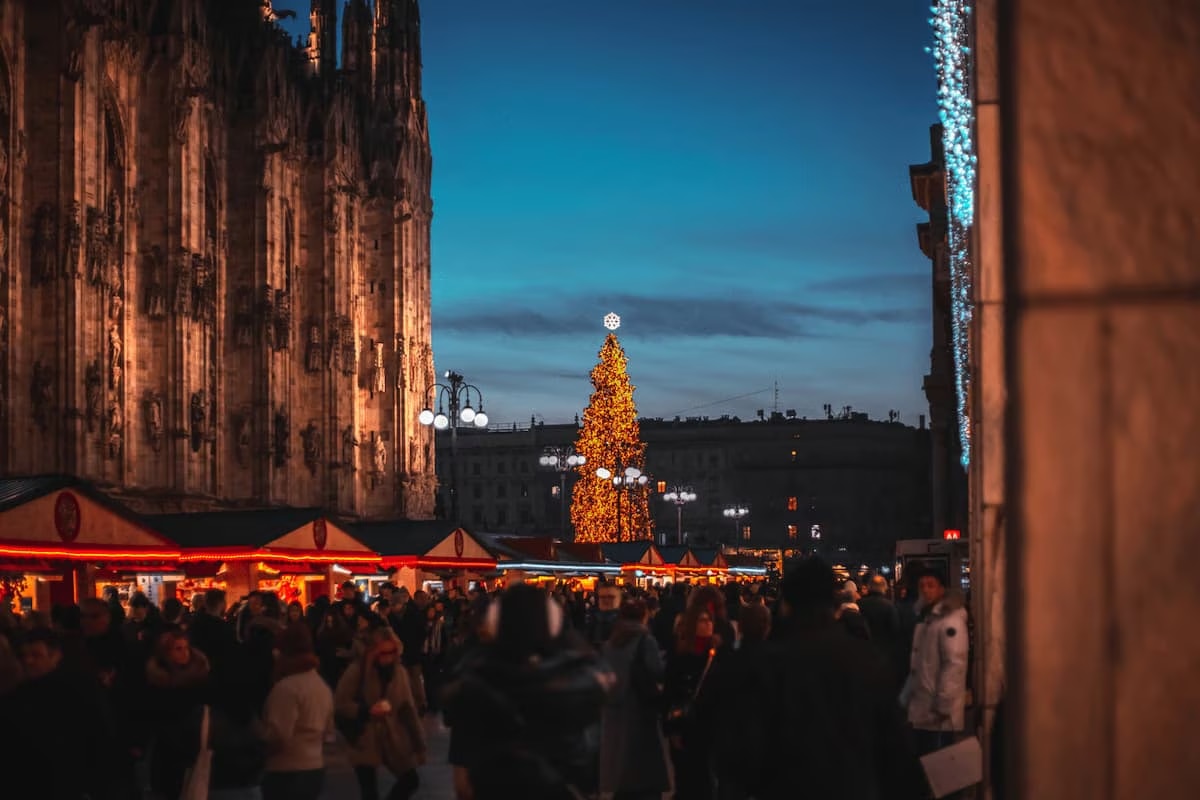
Winter dresses Milan up with crisp northern air and glowing designer displays. A giant tree sparkles beside the Duomo, while the centuries-old Oh Bej! Oh Bej! market at Sforza Castle sells roasted chestnuts and antique trinkets. It is an ideal escape for festive shopping and sharp winter tailoring.
Rome delivers a deeply traditional, cinematic holiday mood under winter skies. Handcrafted nativity scenes (presepi) fill neighbourhood basilicas, and a monumental tree lights up St Peter’s Square. Evening strolls around the seasonal stalls of Piazza Navona feel straight out of a classic holiday postcard.

Christmas in Italy: Top Destinations for Festive Magic
From the snowy peaks of the Alps to the historic streets of Rome, Christmas in Italy is a magical time filled with traditions, lights and festive joy. Whether you are wandering through a bustling market in Florence or sipping hot chocolate in Turin, the spirit of Christmas is palpable in the air.
Is Milan or Rome cheaper to visit? Comparing travel and daily costs
Up north, baseline expenses climb quickly across sleek design quarters and rooftop bars. Room rates surge whenever Milan Fashion Week or the Salone del Mobile roll into town. Still, a quick commuter pranzo di lavoro and a remarkably compact, walkable layout keep daily spending grounded.
Under Roman skies, stretching your travel budget feels effortless because monumental history doubles as free scenery. You can spend entire afternoons studying Caravaggio canvases inside quiet basilicas without touching your wallet. Central hotel beds get expensive during Easter rushes, but neighbourhood trattorias guarantee hearty local plates at everyday prices.
And what about flights?
Northern arrivals fly into Milan Malpensa for long-haul routes, city-close Milan Linate for quick European hops, or Bergamo for low-cost carriers. The capital relies on Rome Fiumicino (FCO) as its primary worldwide gateway, backed by Ciampino for budget routes. Factor airport express fares and transfer times into your ticket budget before booking.
Milan or Rome: which is better for your travel style?
Aligning your destination with who you travel with makes planning completely effortless.
Best for couples and romantic getaways

Sunset over Rome’s terracotta rooftops from the Pincian Terrace is timeless romance in action. Follow it with candlelit wine in a quiet Trastevere alley. Milan counters with sleek modern charm: craft cocktails on sleek rooftops, chic design hotels, and quiet strolls along the illuminated canals.
Best for families and first-time visitors
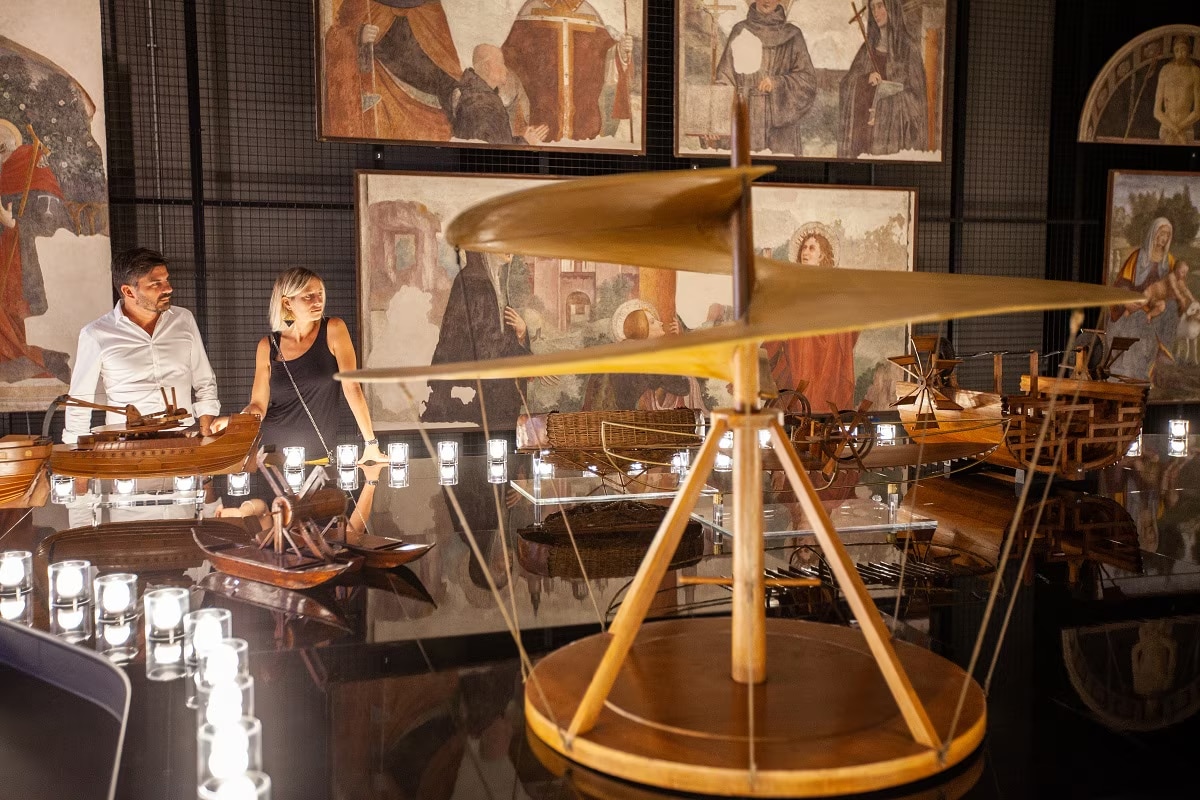
Rome turns family holidays into real-world adventures, from imagining gladiators at the Colosseum to tossing coins into monumental fountains. Milan works wonders for curious kids with the full-scale submarines of the Leonardo da Vinci Science Museum and the open lawns of Sempione Park.

Family Fun in Italy: Kid-Friendly Attractions and Activities
Planning a family trip to Italy? Our guide covers the best kid-friendly attractions and activities, from beaches and historic cities to theme parks and interactive museums. Make your Italian family holiday unforgettable with these tips and recommendations.
Best for a short city break
Got forty-eight hours? Milan wins hands down for sheer efficiency. You can climb the Duomo terraces, browse world-class art, and catch sunset aperitivo without losing hours to transit. Rome is too vast to rush on a weekend; save the capital for when you have four full days to explore.

What to see in Milano in 2 days: the mini-guide
From the Duomo to the Castello Sforzesco, the Navigli, and the shopping streets: be sure to follow the Italo guide to the city of Milan.
How to travel between Milan and Rome with Italo
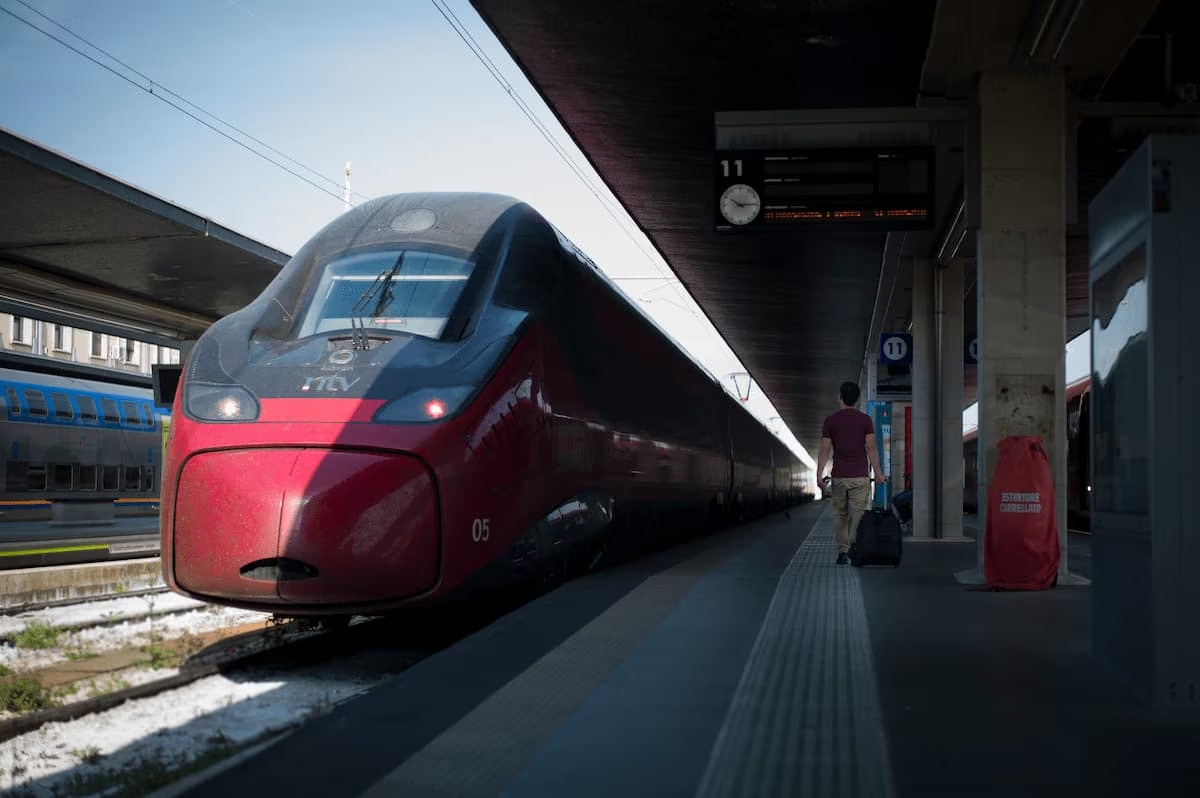
You do not have to split the difference between north and south. Italo high-speed trains link both urban centres in under three hours, turning cross-country travel into a comfortable, scenic hop through the Italian countryside.
Milan to Rome: train or flight?
Flights look fast on a screen until you factor in security lines, baggage claims, and airport transfers. Stepping aboard Italo takes you from Milano Centrale straight into Roma Termini in as little as 2 hours and 52 minutes.
You skip the airport hassle entirely, sinking into wide leather seats with free Wi-Fi while watching the rolling hills of Tuscany and Umbria sweep past your window.
Rome to Milan: train or bus?
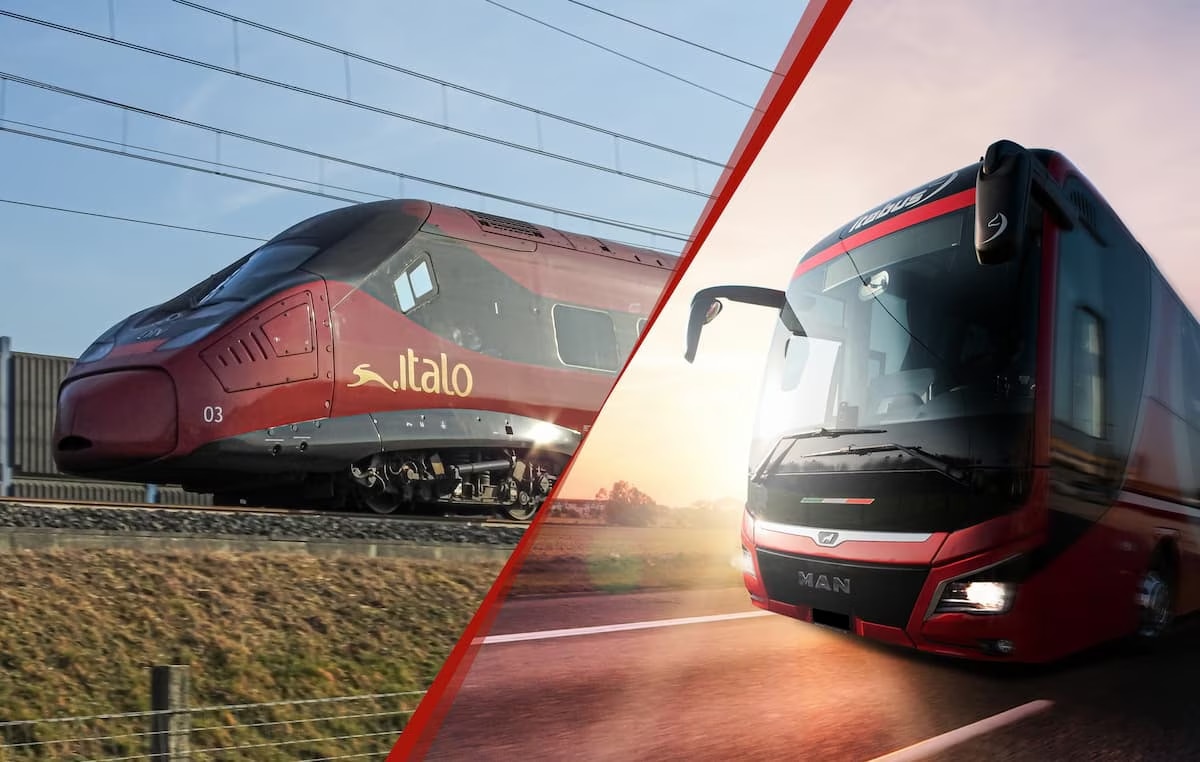
Long-distance coaches take seven to eight tiring hours on the highway. Choosing Italo gets you from Roma Termini to Milano Centrale in just about three hours, giving you back an entire day of your vacation.
Frequent departures let you finish your morning cappuccino near the Spanish Steps and step out in Milan just in time for lunch. Booking early secures the best fares while keeping your schedule smooth and flexible.
Why visit both Milan and Rome on the same trip?
Pairing both cities gives you the full spectrum of Italian culture on a single journey. Spend two days taking in Milan‘s sharp design, sleek art galleries, and aperitivo bars, then step onto a high-speed train heading south.
In less than three hours, you are standing in ancient Rome ready for three days of ruins, lively piazzas, and authentic trattorias. With Italo connecting both hubs, your dream Italian holiday is ready to go.