Behind Ravenna’s unassuming brick facades lie some of the world’s most breathtaking, gold-leaf UNESCO mosaics. Once the capital of three ancient empires, this walkable, bike-friendly gem links shimmering 6th-century Byzantine vaults directly to Dante’s Tomb. Far from the tourist crowds, Ravenna seamlessly pairs extraordinary early Christian art with Romagna’s legendary cuisine, from warm piadina to handmade pasta, offering an unforgettable, unhurried Italian escape.
-
1
Best things to see in Ravenna
- 1.1 Basilica of San Vitale
- 1.2 Mausoleum of Galla Placidia
- 1.3 Basilica of Sant’Apollinare Nuovo
- 1.4 Neonian Baptistery
- 1.5 Arian Baptistery
- 1.6 Mausoleum of Theodoric
- 1.7 Dante’s Tomb and the Basilica of San Francesco
- 1.8 Piazza del Popolo
- 1.9 Domus of the Stone Carpets
- 1.10 MAR – Ravenna Art Museum
- 2 Ravenna walking tour: the best sights in one day
- 3 What to do in Ravenna beyond the mosaics
- 4 How many days do you need in Ravenna?
- 5 How to get to Ravenna with Italo
Best things to see in Ravenna
Basilica of San Vitale
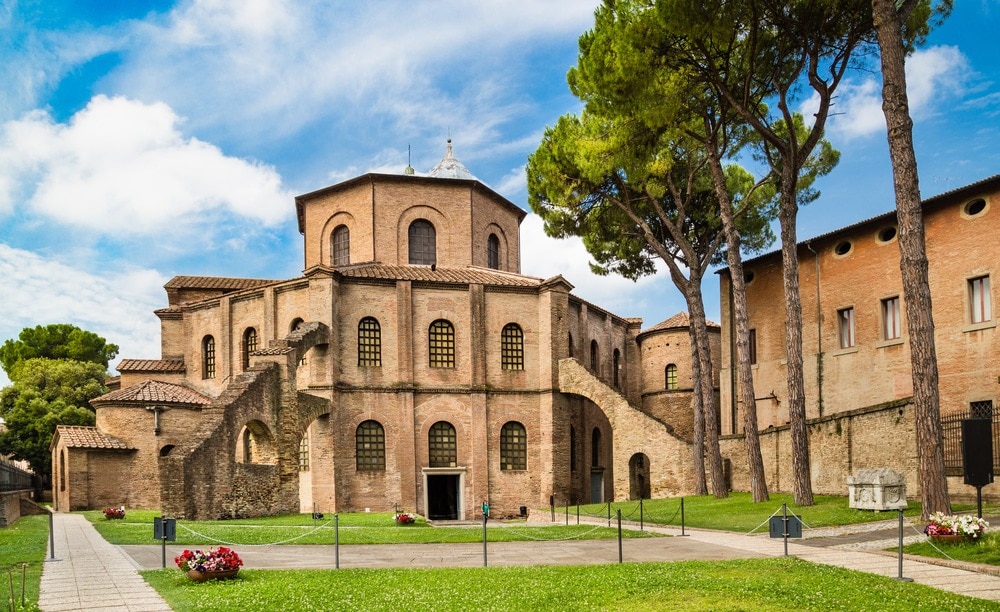
Completed in 547 AD during the reign of Emperor Justinian, the Basilica of San Vitale stands as a masterpiece of Byzantine architecture. Its octagonal design departs from the traditional Roman basilica layout, creating a soaring, light-filled central space supported by massive piers. The sanctuary’s apse is adorned with world-famous mosaics depicting Justinian and Empress Theodora alongside their imperial court. Every detail, from the embroidered hems of their silk robes to the shimmering golden halos, serves as political and religious iconography. Purchasing a combined entry ticket at the entrance grants access to San Vitale and four other key religious sites across the city.
Mausoleum of Galla Placidia
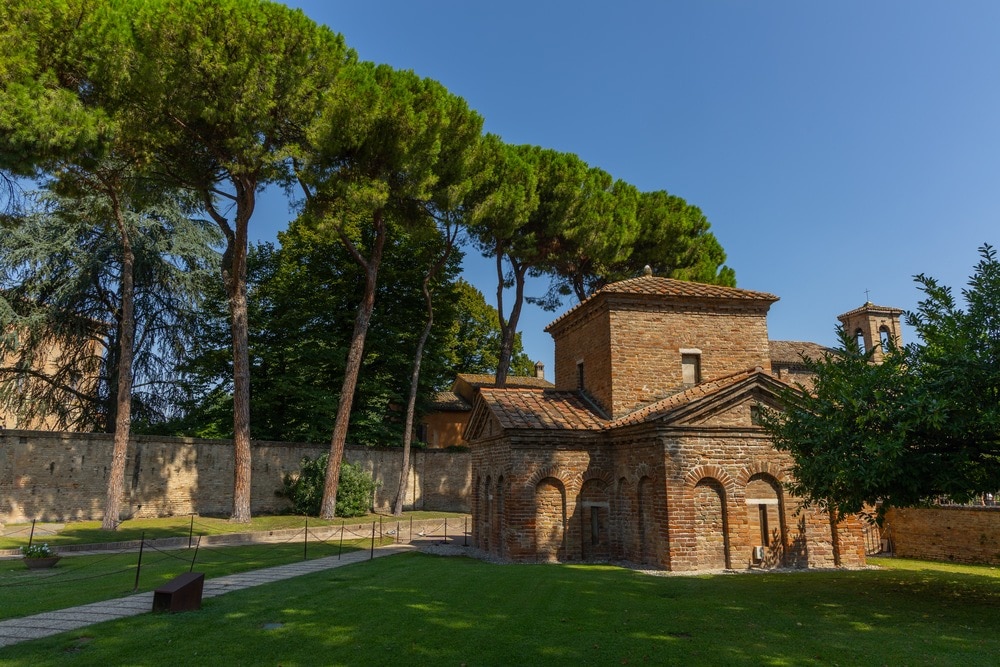
Positioned directly behind San Vitale, the Mausoleum of Galla Placidia contains what is widely considered the oldest and best-preserved mosaic cycle in Ravenna. Entering this cruciform brick structure feels like stepping inside a glowing jewel box illuminated only by narrow alabaster windows. Overhead, a deep indigo vault features hundreds of gold stars spiraling toward a central Latin cross, creating an enchanting night sky effect. Historians still debate whether Empress Galla Placidia was ever interred here, but the artistic execution remains unmatched. Due to its small size, visits are strictly timed during peak hours to preserve the climate within.
Basilica of Sant’Apollinare Nuovo
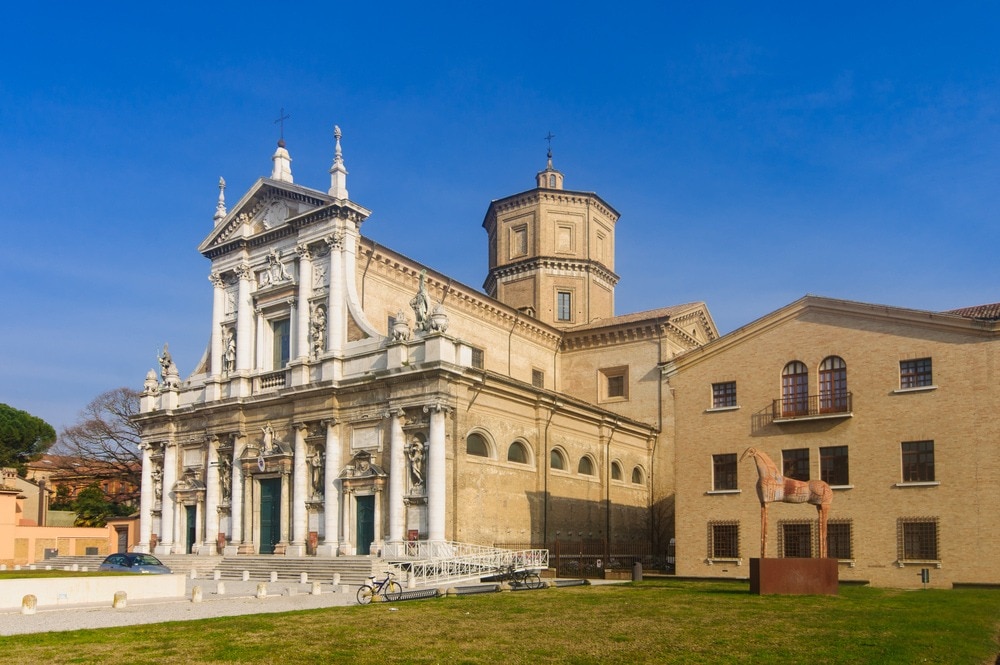
Erected by the Ostrogothic King Theodoric the Great as a royal chapel, the Basilica of Sant’Apollinare Nuovo showcases the fascinating political shift from Goths to Byzantines. Running down the high walls of the nave are two breathtaking processions of white-robed saints and martyrs moving rhythmically toward the altar. Look closely at the mosaics depicting the ancient port of Classis; subtle discoloration reveals where Arian figures were deliberately erased when the church was reconsecrated under Orthodox Byzantine rule. Situated along Via di Roma, it serves as a convenient first stop when walking into town directly from the railway station.
Neonian Baptistery
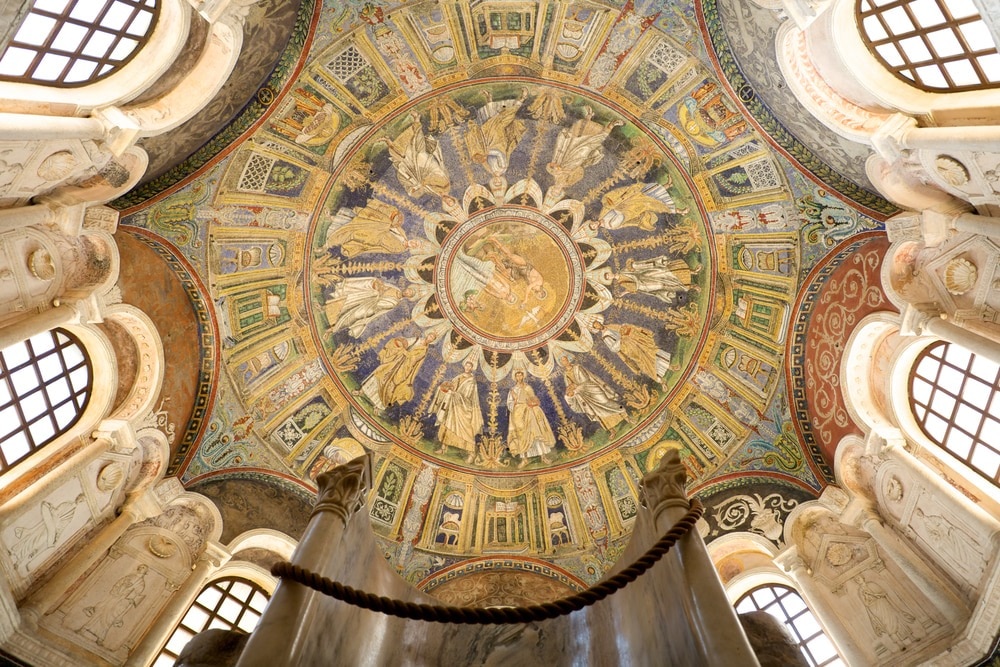
The Neonian Baptistery, also referred to as the Orthodox Baptistery, is the oldest monument in Ravenna, dating back to the late 4th and early 5th centuries. Crowned with an extraordinary mosaic dome, the central scene depicts the baptism of Christ in the Jordan River surrounded by a circular procession of the twelve apostles. Beneath the dome, marble bas-reliefs, stucco work, and classic arches create an incredible sense of architectural depth despite the building’s small dimensions. It sits adjacent to the Archiepiscopal Museum, where you can inspect the famous 6th-century ivory Throne of Maximian.
Arian Baptistery
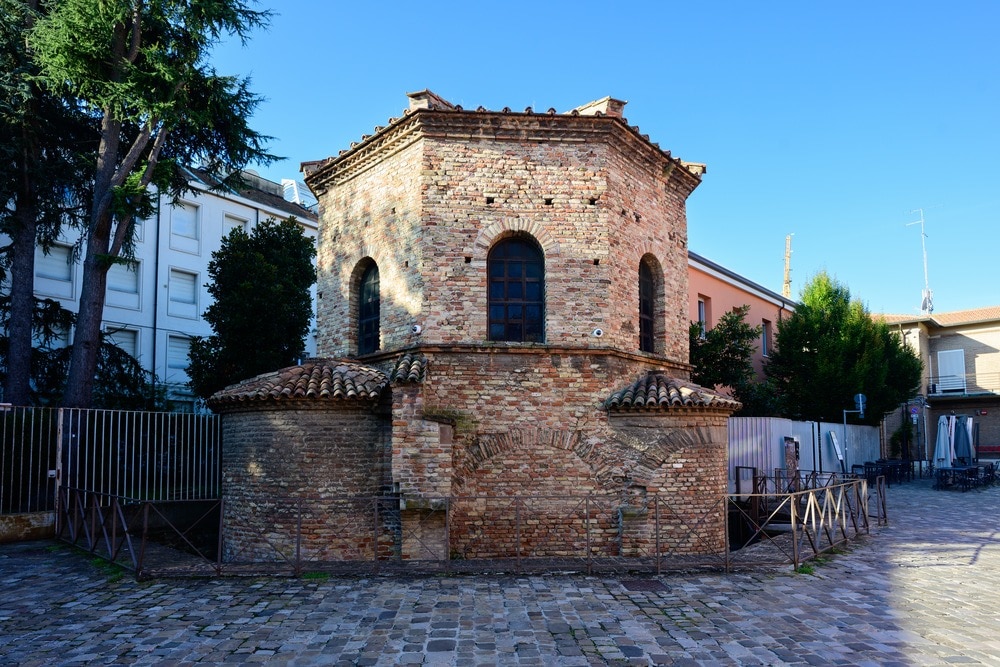
Constructed decades after the Neonian site under King Theodoric, the Arian Baptistery reflects the theological divides that once split early Christianity. The dome features a similar scene of Christ’s baptism, yet subtle iconographic variations reveal the unique Arian belief regarding the nature of the Trinity. The bare brick walls surrounding the central space contrast sharply with the shimmering mosaic ceiling above, giving visitors a sense of how the monument appeared before later renovations were removed. Tucked away in a tranquil courtyard off Via degli Ariani, it is one of the quietest sites in the historic center.
Mausoleum of Theodoric
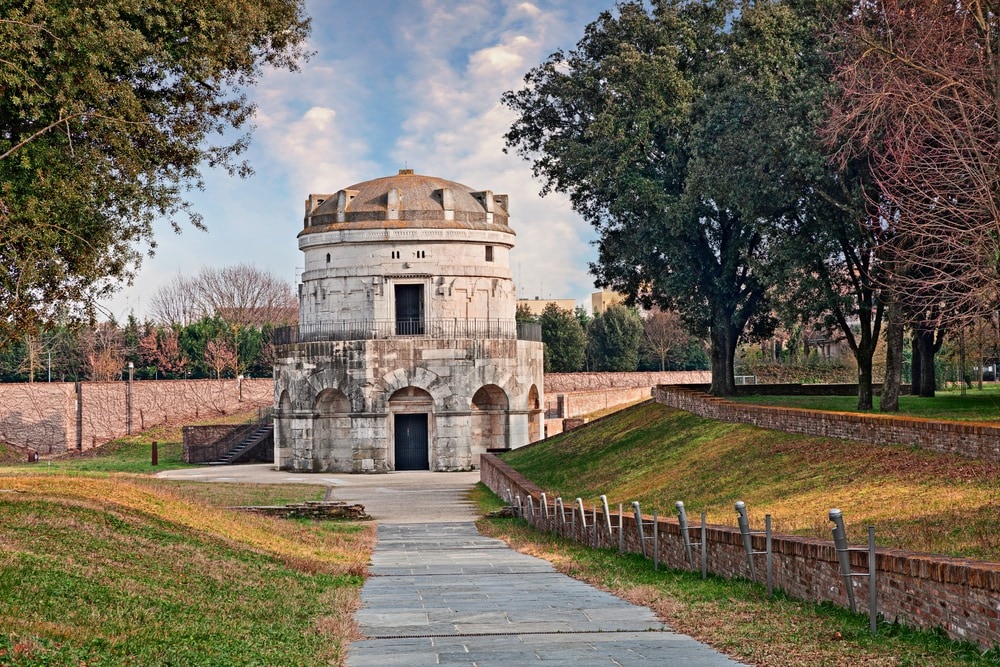
For a striking departure from Ravenna’s colorful glass tesserae, the Mausoleum of Theodoric presents an imposing display of barbarian stonemasonry. Constructed in 520 AD using massive blocks of white Istrian limestone, this two-story decagonal tomb features no mortar in its construction. Its defining engineering feat is the monolithic roof—a single carved stone disc weighing over 230 tons that was raised to crown the structure. Set within a peaceful park slightly northeast of the city center, the site offers a stark, memorable look at the Ostrogothic monarch who ruled Italy.
Dante’s Tomb and the Basilica of San Francesco
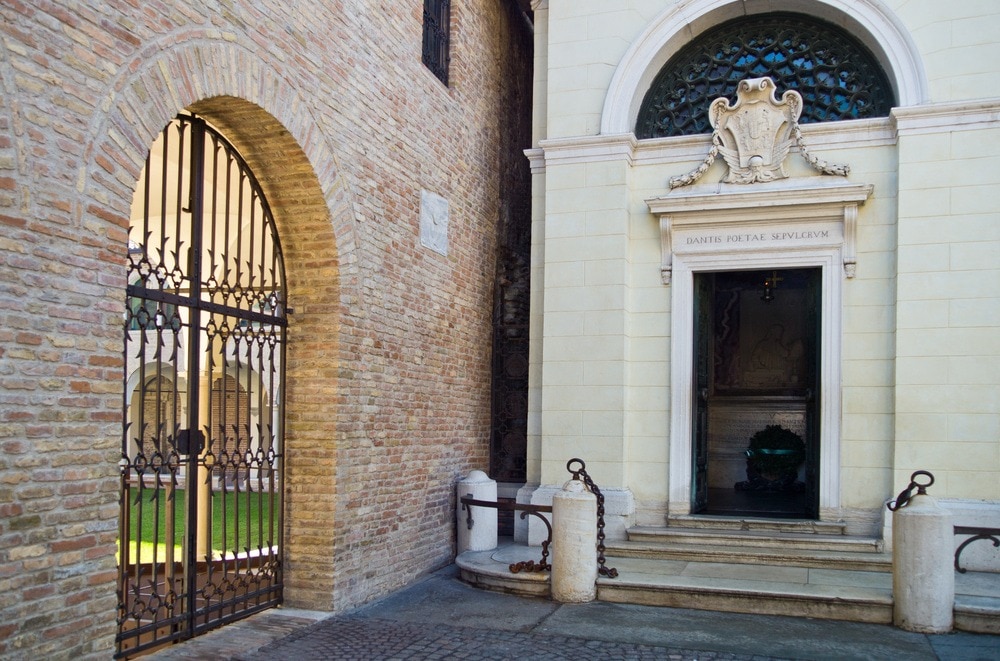
Exiled from Florence, Dante Alighieri found refuge in Ravenna, where he completed the Divine Comedy before his death in 1321. His neoclassical tomb, built in 1780, forms the anchor of the Zone of Silence, a designated quiet district where respect for the poet is strictly observed. Directly adjacent stands the 5th-century Basilica of San Francesco, where Dante’s funeral mass was held. Descend the stairs to the church’s flooded crypt to view ancient mosaic floors submerged under water, where goldfish can often be seen swimming among the ancient stone tiles.
Piazza del Popolo
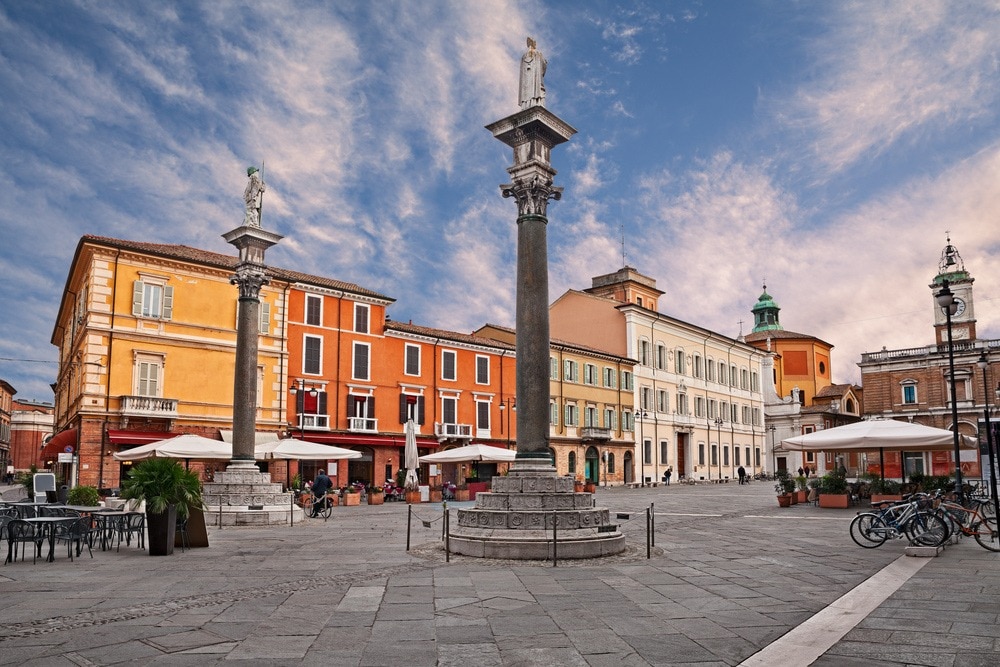
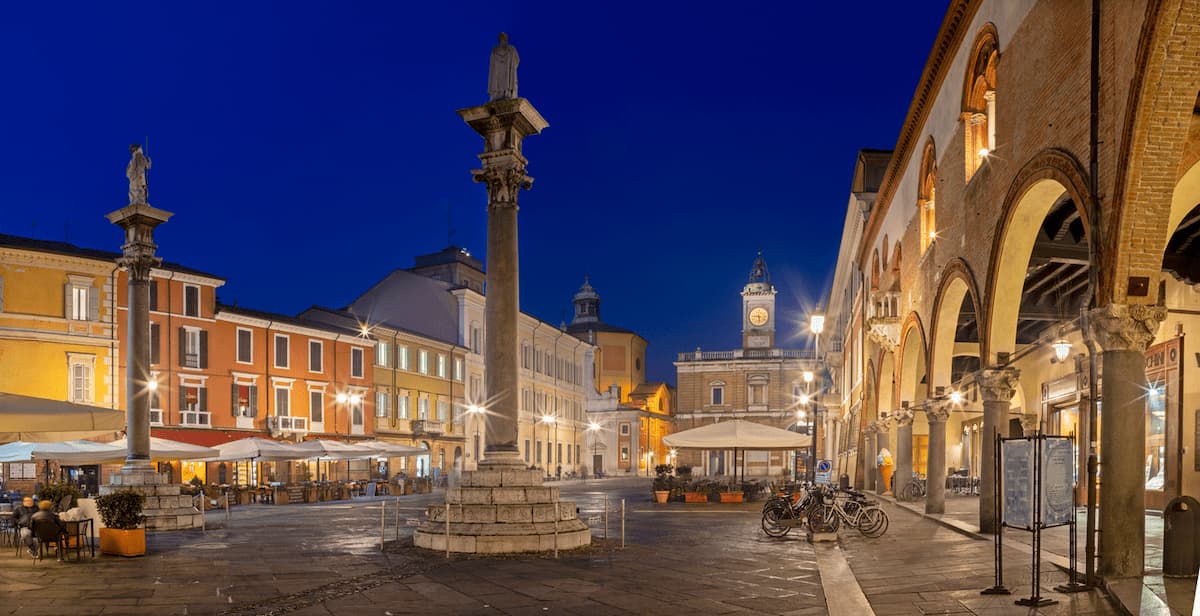
Laid out in the 15th century during Venetian rule, Piazza del Popolo functions as the elegant living room of Ravenna’s civic life. Two granite columns topped with statues of Saint Vitalis and Saint Apollinaris guard the square, echoing the architectural style of Venice’s Piazza San Marco. The piazza is anchored by the historic Palazzo dei Rasponi del Sale and lined with shaded outdoor cafes. It serves as an ideal central landmark for resting between sightseeing legs, offering front-row views of daily life as locals navigate the square on bicycles.
Domus of the Stone Carpets
Located beneath the Church of Sant’Eufemia, the Domus of the Stone Carpets (Domus dei Tappeti di Pietra) is one of Italy’s most extraordinary underground archaeological finds. Discovered accidentally during underground garage excavations in 1993, this 6th-century Byzantine palatial residence contains over 700 square meters of intricate mosaic flooring. Raised metal walkways allow visitors to look down upon geometric patterns, floral borders, and vibrant figurative scenes like the “Dance of the Genius of the Seasons.” The site offers rare insight into how mosaic art was incorporated into elite private residences rather than churches.
MAR – Ravenna Art Museum
Housed within the historic 16th-century monastery of the Loggetta Lombardesca, the MAR (Museo d’Arte della Città di Ravenna) bridges ancient history with modern artistic expressions. While its upper galleries hold significant paintings from the 14th to the 19th centuries, the museum’s highlight is its Contemporary Mosaic Collection. Here, mid-century and modern artists—including Chagall and Vedova—reinterpret traditional glass tesserae techniques through bold, abstract sculpture and avant-garde panels. The museum demonstrates that mosaic making remains a vibrant, evolving craft in Ravenna rather than a static relic of antiquity.
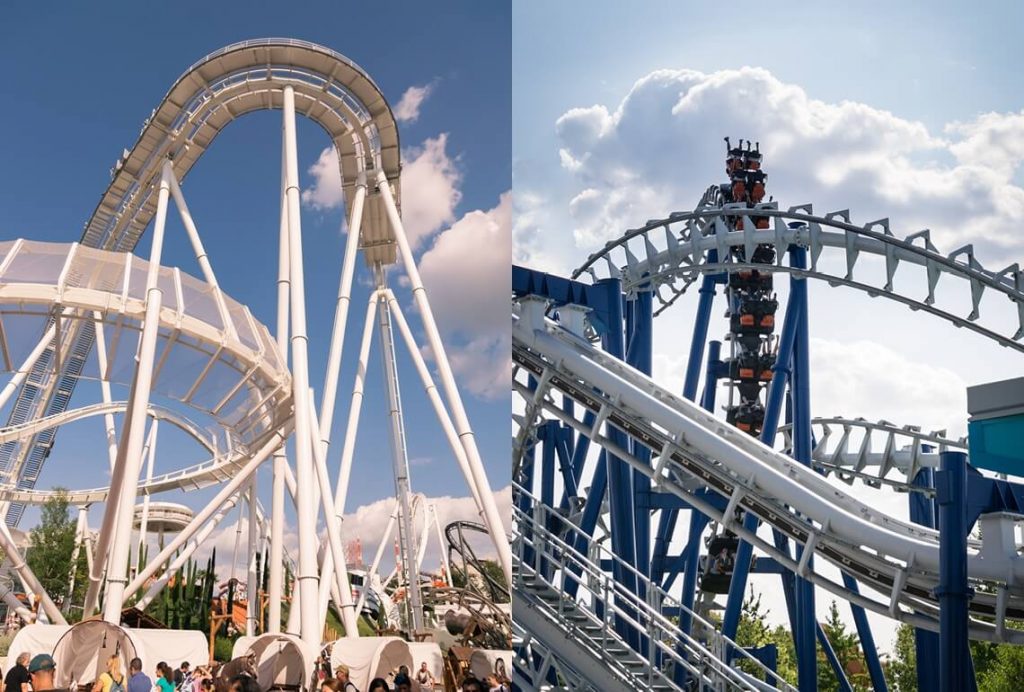
A Journey Through Italy’s Top Theme Parks
Italy boasts a variety of theme parks that cater to thrill-seekers and families alike. From the enchanting rides of Gardaland to the cinematic experiences at Cinecittà World, there’s something for everyone. This is a guide to some of the best theme parks in Italy that promise fun and excitement for all ages.
Ravenna walking tour: the best sights in one day
From Ravenna train station to Sant’Apollinare Nuovo
Exit Ravenna station and walk five minutes down Viale Farini to join Via di Roma, reaching the Basilica of Sant’Apollinare Nuovo as your opening stop. After marveling at the dual processions of saints along the nave, take a short stroll to visit the contemporary collection at the MAR museum. Alternatively, head west along Via Alberoni toward the Dante district, soaking in the quiet morning atmosphere along the city’s residential streets before the main mid-day crowds gather at the central sights.
From Dante’s Tomb to Piazza del Popolo
Head into the Zone of Silence to pay homage at Dante’s Tomb and view the submerged crypt inside the Basilica of San Francesco. From there, follow Via Dante Alighieri north for two blocks to reach Piazza del Popolo. The square provides a natural spot to pause for an espresso or a traditional lunch of piadina romagnola at a local trattoria. Use this central hub to purchase your multi-site UNESCO ticket before continuing into the northern district for the afternoon’s primary mosaic destinations.
From San Vitale to the Mausoleum of Galla Placidia
Walk northwest along Via Salara to enter the monumental complex containing the Basilica of San Vitale and the Mausoleum of Galla Placidia. Spending time inside both sites offers the ultimate climax to a day trip, showcasing the height of 6th-century Byzantine artistic achievement. Finish your loop by visiting the nearby underground floors at the Domus of the Stone Carpets, or take a 15-minute walk northeast to view the megalithic architecture of the Mausoleum of Theodoric before heading back to the station.
What to do in Ravenna beyond the mosaics
Take a seaside escape to Marina di Ravenna or the Cervia Salt Pans
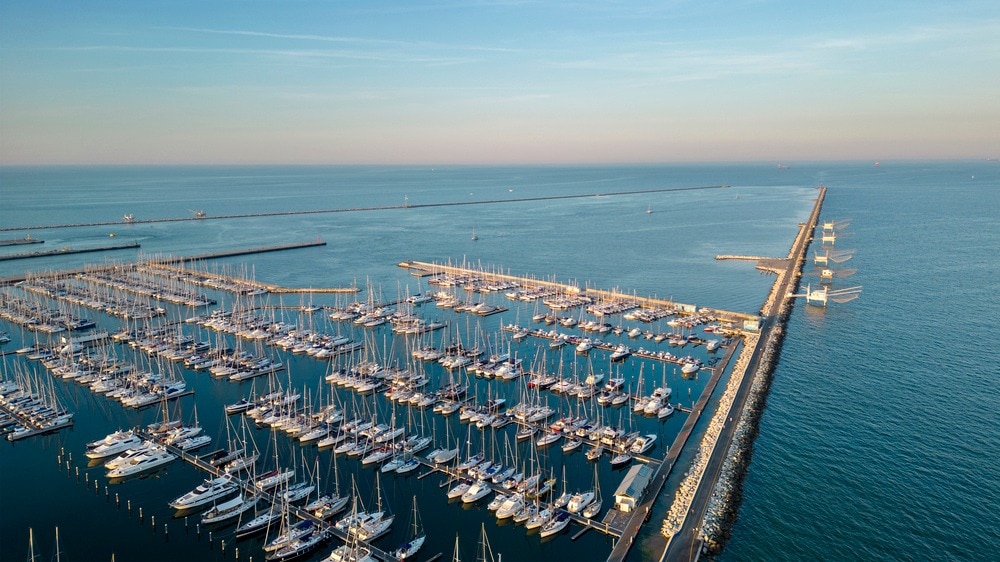
A short trip from the city center opens up Ravenna’s relaxed Adriatic coastline. Head to Marina di Ravenna to walk along extended stone piers and enjoy fresh seafood at rustic padelloni—traditional wooden fishing huts perched over the water. Alternatively, venture slightly south to the Saline di Cervia, the southernmost gateway of the Po Delta Park. Guided electric boat tours and walking paths lead visitors past shimmering pink salt basins where wild pink flamingos and rare migratory waterfowl nest throughout the warmer months, offering a peaceful coastal retreat.
Explore nature and birdwatching in the Po Delta Park
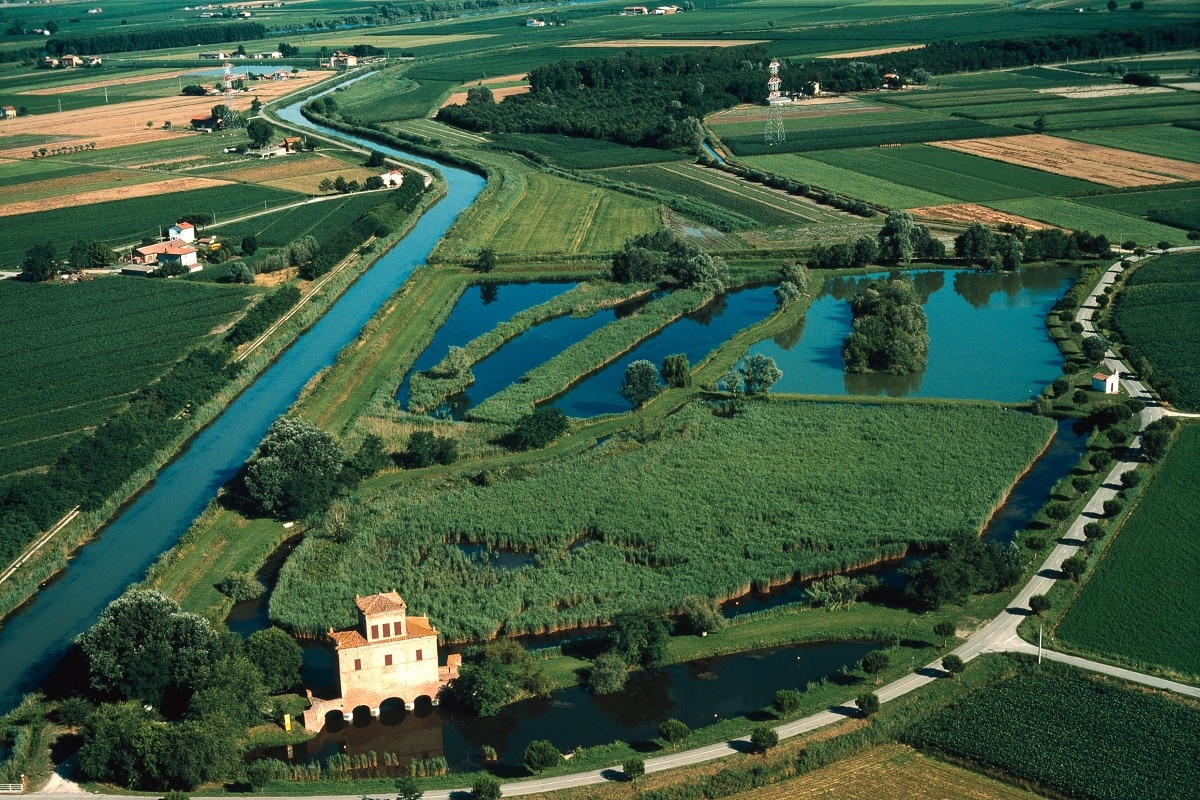
Nature enthusiasts can swap historic monuments for the pristine wilderness of the Parco del Delta del Po, a UNESCO biosphere reserve surrounding Ravenna. Rent a bicycle to navigate the flat, shaded trails winding through the Pineta di San Vitale, an ancient pine forest that has sheltered the coastline since antiquity. Nearby, the flooded forest of Punte Alberete offers silent wooden boardwalk trails leading through oak groves, submerged marshlands, and lily ponds. Armed with binoculars, visitors can spot grey herons, kingfishers, and rare bird species in one of Europe’s most vital wetlands.
Savor the authentic flavors of Romagna cuisine

Ravenna’s food culture offers a comforting journey through the culinary traditions of Emilia-Romagna, world-famous for its rich, handmade pasta. Begin your meal with a warm piadina romagnola, a thin unleavened flatbread stuffed with creamy squacquerone cheese, prosciutto, and peppery arugula. For dinner, pull up a chair at a local osteria to sample handmade cappelletti filled with seasoned cheese and tossed in a rich meat ragù, or savory passatelli served in rich broth. Pair every dish with a glass of bold Sangiovese di Romagna red wine to complete your immersion into local life.
How many days do you need in Ravenna?

A single day provides sufficient time to cover Ravenna’s primary UNESCO monuments, Dante’s Tomb, and a leisurely lunch in the historic center. Following a streamlined walking route allows you to comfortably transition from the train station through San Vitale, Galla Placidia, and Sant’Apollinare Nuovo without feeling overburdened by transit. It makes the city one of the premier cultural day-trip destinations in northern Italy for travelers operating on a tight schedule.
Extending your visit to two full days transforms the trip into a far more relaxed, thorough cultural getaway. Extra time allows you to explore outlying sites like the magnificent Basilica of Sant’Apollinare in Classe, located five kilometers south of town, and spend more time inside the MAR art museum or the Domus of the Stone Carpets. Additionally, an overnight stay lets you experience the town after the day-trippers depart, enjoying quiet evening aperitivos along Piazza del Popolo and unhurried meals in traditional neighborhood trattorias.
Choosing to stay for three or more days ultimately allows you to combine artistic sightseeing with exploring the surrounding region. You will have ample time to organize a cycling excursion through the ancient pine forests and wetlands of the Po Delta Park, treat yourself to a relaxing afternoon along the coast at Marina di Ravenna, or venture to nearby Faenza to discover its world-famous artisan ceramics.
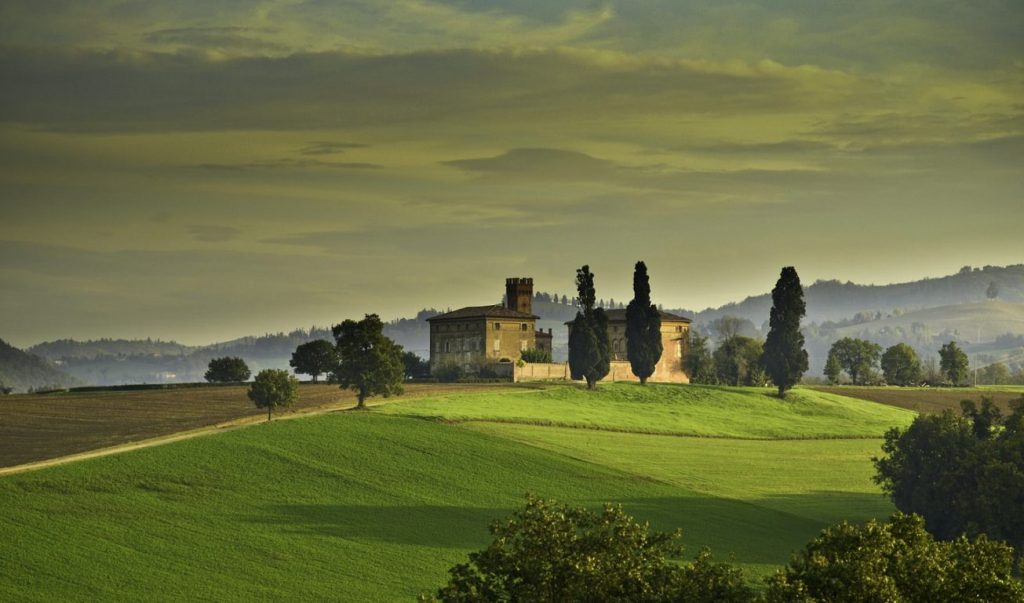
Emilia Romagna, Italy: A Complete Travel Guide
Emilia-Romagna, a region in northern Italy, is a treasure trove of art, history and, of course, delicious food. From the bustling cities of Bologna and Modena to the serene beauty of the Apennines, this region offers something for every traveler.
How to get to Ravenna with Italo

Reaching Ravenna by train is the smartest way to avoid restricted traffic zones (ZTL) and urban parking hassles.Travelers from major hubs such as Rome, Milan, Florence, Turin can reach Ravenna by combining an Italo high-speed train with a regional train connection.
Once you step off the train in Ravenna, the compact, pedestrian-friendly layout places world-class Byzantine mosaics, Dante’s heritage, and local trattorias within easy walking distance right from the station.