In just seven days, high-speed rail effortlessly connects four distinct Italian worlds: Milan, Bologna, Rome, and Naples. As sleek northern avenues give way to medieval arcades, imperial ruins, and vibrant southern streets, the scenery transforms seamlessly outside your window. It’s a stress-free journey through the country’s rich design, historic layers, and undeniable regional character.
-
1
Your 7-Day Italy Tour Itinerary
- 1.1 Day 1 – Milan’s Historic Center and Contemporary Spirit
- 1.2 Day 2 – Leonardo, Local Neighborhoods, and the Train to Bologna
- 1.3 Day 3 – Bologna’s Porticoes and Culinary Traditions
- 1.4 Day 4 – A Final Taste of Bologna and the Journey to Rome
- 1.5 Day 5 – Ancient Rome and the City’s Grand Piazzas
- 1.6 Day 6 – Vatican Morning and High-Speed Train to Naples
- 1.7 Day 7 – Historic Naples, Local Flavors, and Departure
- 2 Extra Days and Beyond the Main Cities
- 3 Practical Tips for Your One-Week Italy Train Journey
- 4 Travel Across Italy with Italo
7-Day Italy Train Tour Overview & Quick Snapshot
- Day 1: Milan
- Day 2: Milan and evening train to Bologna
- Day 3: Bologna
- Day 4: Bologna and train to Rome
- Day 5: Rome
- Day 6: Rome and train to Naples
- Day 7: Naples and departure
Main rail transfers:
- Milan → Bologna
- Bologna → Rome
- Rome → Naples
Your 7-Day Italy Tour Itinerary
Day 1 – Milan’s Historic Center and Contemporary Spirit

Starting at Piazza del Duomo, visitors encounter Milan’s iconic pale marble cathedral, which took nearly six centuries to fully construct. Accessing the rooftop terraces via elevator or stairs offers close-up views of the 135 spires and the golden Madonnina watching over the city. Just steps away, the glass-domed Galleria Vittorio Emanuele II—famously nicknamed “Milan’s living room”—connects directly to the world-famous La Scala Opera House.
Heading north leads toward the historic Brera district, known for its ocher-colored facades and artistic legacy. Art enthusiasts should allocate at least two hours for the Pinacoteca di Brera, housed in a 17th-century Jesuit palace. Masterpieces inside include Raphael‘s Marriage of the Virgin and Francesco Hayez‘s romantic painting The Kiss, a key visual symbol of Italian unification.
Walking through these central quarters provides an engaging narrative of how medieval craftsmanship evolved into modern design capital status. Concluding the evening near Brera places you within easy walking distance of major transit lines.

Italy by luxury train: a new way to travel between Rome, Florence and Milan
Luxury train travel in Italy combines high-speed connections and city-centre arrivals with refined comfort and hospitality. Traveling between iconic destinations like Rome, Florence, and Milan becomes an elegant, sophisticated experience in itself.
Day 2 – Leonardo, Local Neighborhoods, and the Train to Bologna
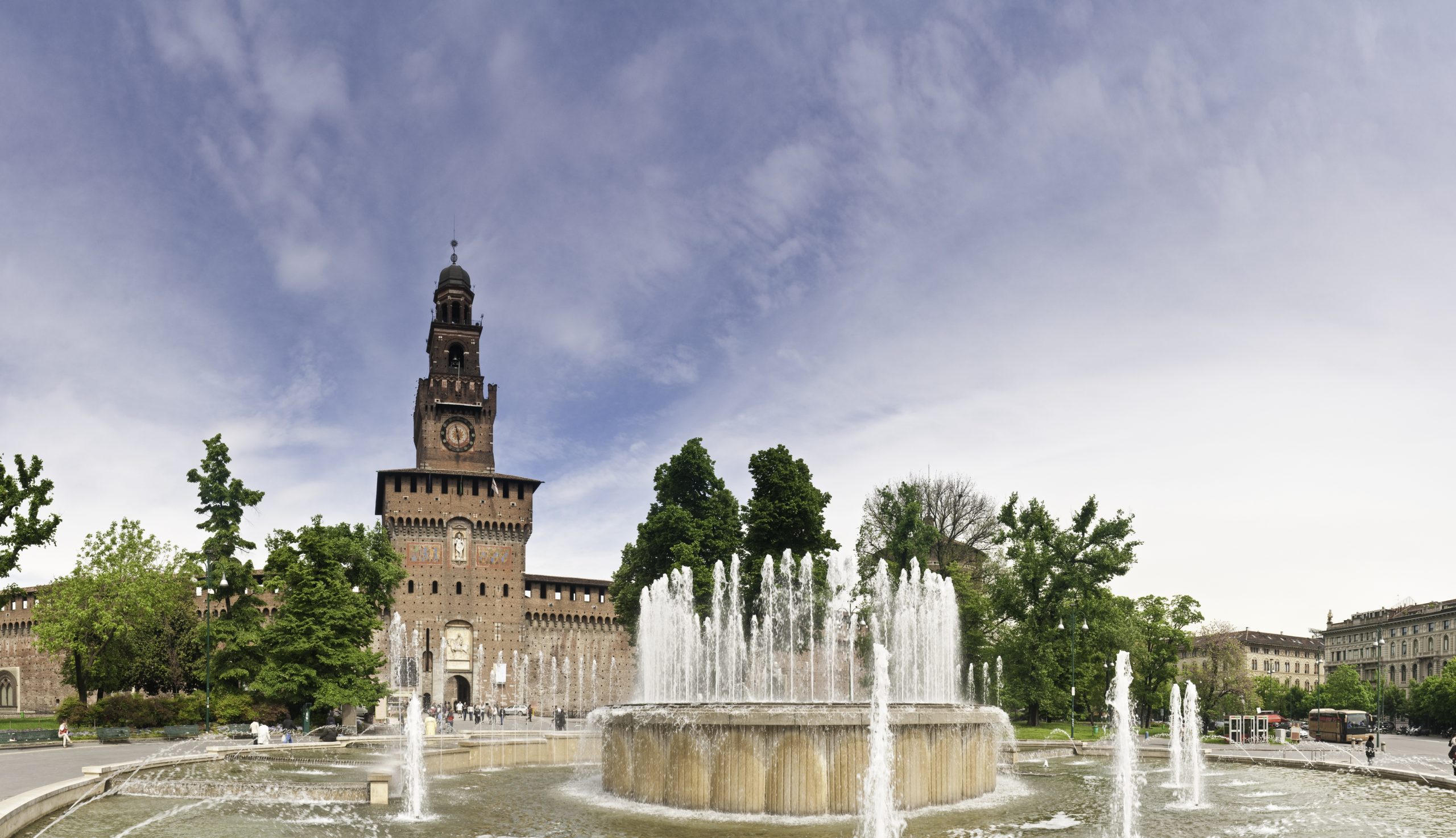
Securing advance time-slot tickets for Leonardo da Vinci’s Last Supper at Santa Maria delle Grazie is mandatory. Strict twenty-minute viewing limits protect the delicate fresco, painted using an experimental tempera-on-plaster technique that began deteriorating almost immediately. A short walk east leads to the massive brick courtyards of Castello Sforzesco, once one of Europe’s largest military citadels. Inside the castle, the civic museums house Michelangelo’s Pietà Rondanini, a deeply moving sculpture he worked on until mere days before his death.
Continuing through Parco Sempione brings travelers to the neoclassical Arco della Pace, built along the ancient axis aligning directly with Paris. Alternatively, the southern Navigli district showcases historic canal systems originally engineered to float marble blocks directly to the Duomo construction site.
Retrieving luggage in the late afternoon allows for a smooth transfer to Milano Centrale station, an architectural marvel of Art Deco and Monumentalism. High-speed trains depart frequently for Bologna, covering the distance in roughly one hour. Evening arrivals land at Bologna Centrale, located just north of the medieval center. Settling into your accommodation early sets up an efficient start for the morning ahead.
Day 3 – Bologna’s Porticoes and Culinary Traditions
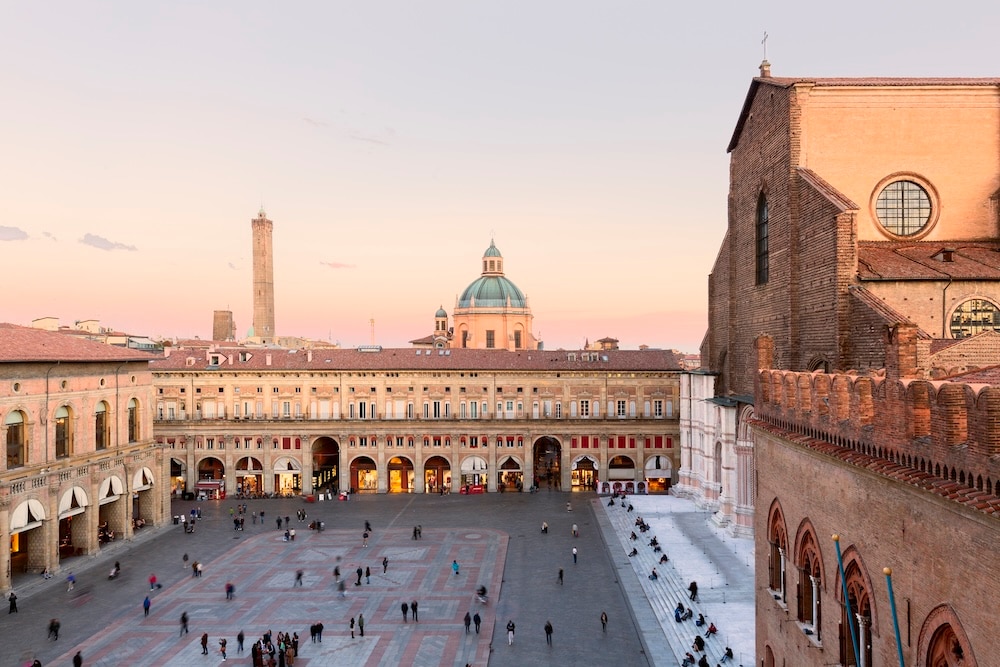
Piazza Maggiore serves as Bologna’s primary gathering place, anchored by the massive, unfinished facade of the Basilica of San Petronio. Inside the basilica, Gian Domenico Cassini’s 1655 meridian line acts as a giant solar calendar, casting sunlight across the marble floor through a tiny roof aperture. Spanning over sixty kilometers, the city’s UNESCO-listed porticoes originally expanded medieval living space overhead to accommodate a rapidly growing university population.
Exploring the ancient Quadrilatero district reveals narrow alleys where shop signs still honor medieval artisan guilds. Nearby, the University of Bologna—founded in 1088 as the Western world’s oldest university—houses the historic Archiginnasio and its wooden Anatomical Theatre, complete with statues of anatomical masters. The iconic Two Towers, Asinelli and Garisenda, provide dramatic architectural reminders of the medieval rivalries that once filled the city skyline with hundreds of towers.
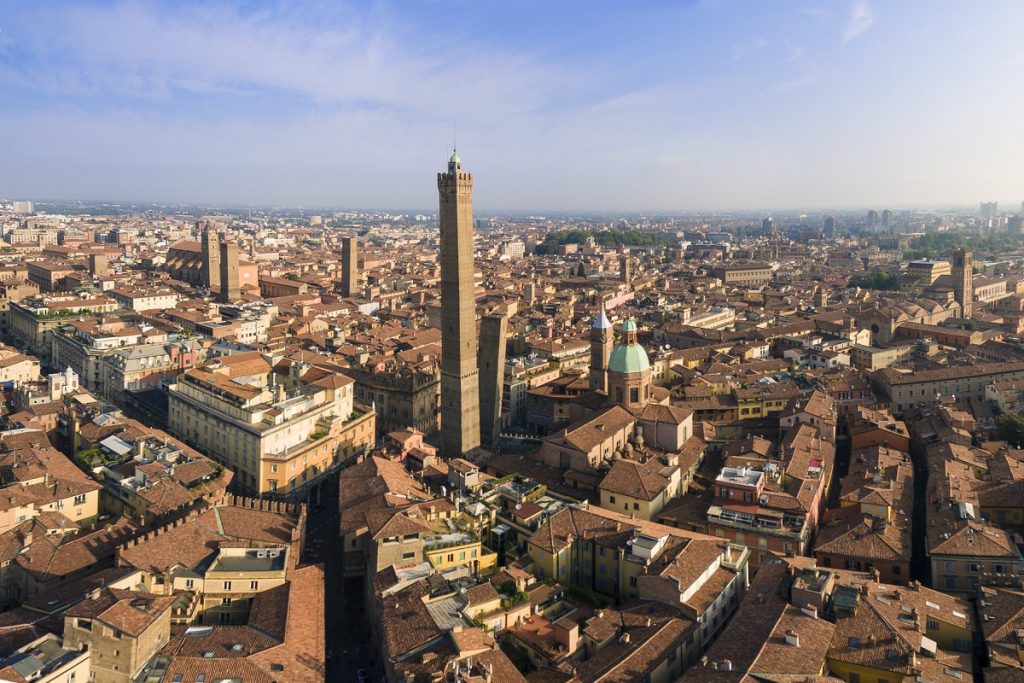
What to see in Bologna for free (and where to eat on a budget)
Who said that you can enjoy beauty and culture only if you pay for them? Here are some of the best things to see in Bologna for free.
Day 4 – A Final Taste of Bologna and the Journey to Rome
Known locally as Sette Chiese, the Santo Stefano complex incorporates multiple interconnected sanctuaries built to replicate the Church of the Holy Sepulchre in Jerusalem. Wandering through its brick cloisters offers insight into early medieval religious architecture and 5th-century symbolism. Catching a high-speed train at Bologna Centrale connects you to Roma Termini in under two and a half hours.
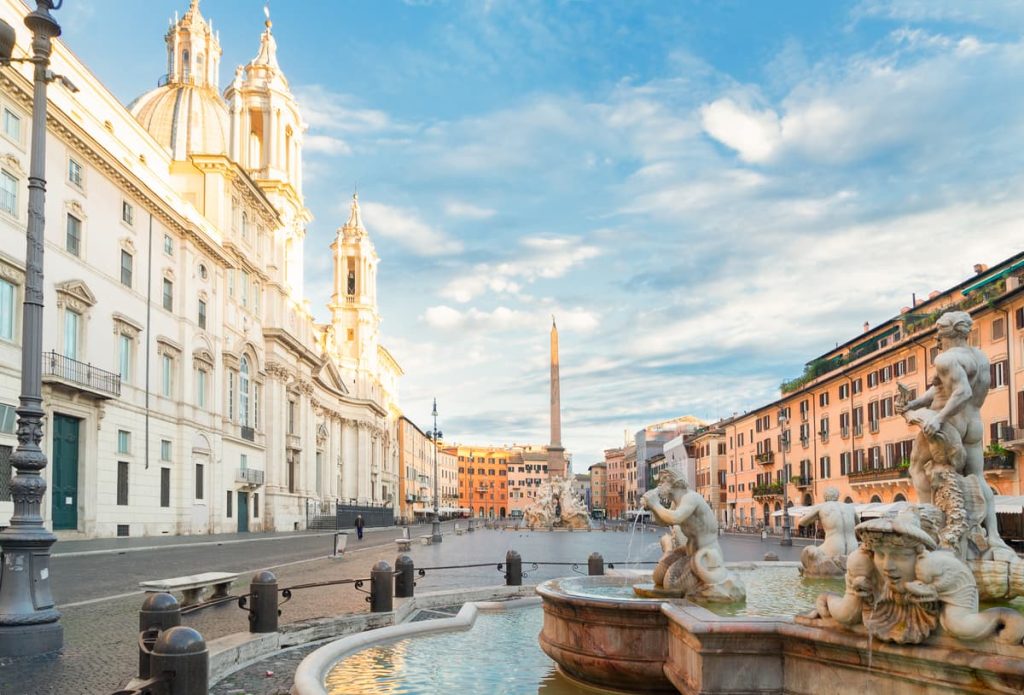
Arriving in the capital presents an immediate shift toward dense urban traffic and layered historical epochs. Navigating the central streets brings you directly to the Pantheon, whose unreinforced concrete dome features an open central oculus as its sole natural light source. A short walk westward opens into Piazza Navona, which precisely preserves the athletic arena layout of Emperor Domitian’s ancient stadium beneath its Baroque surface.
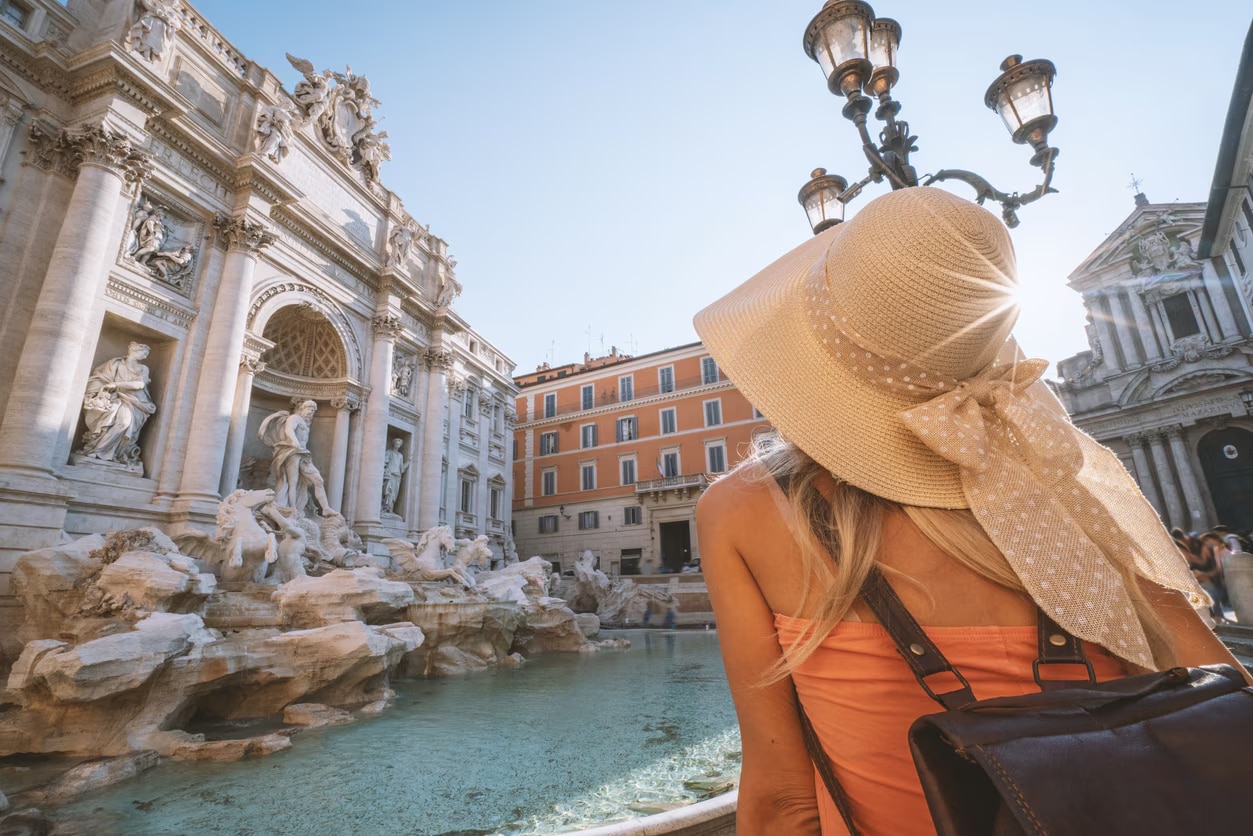
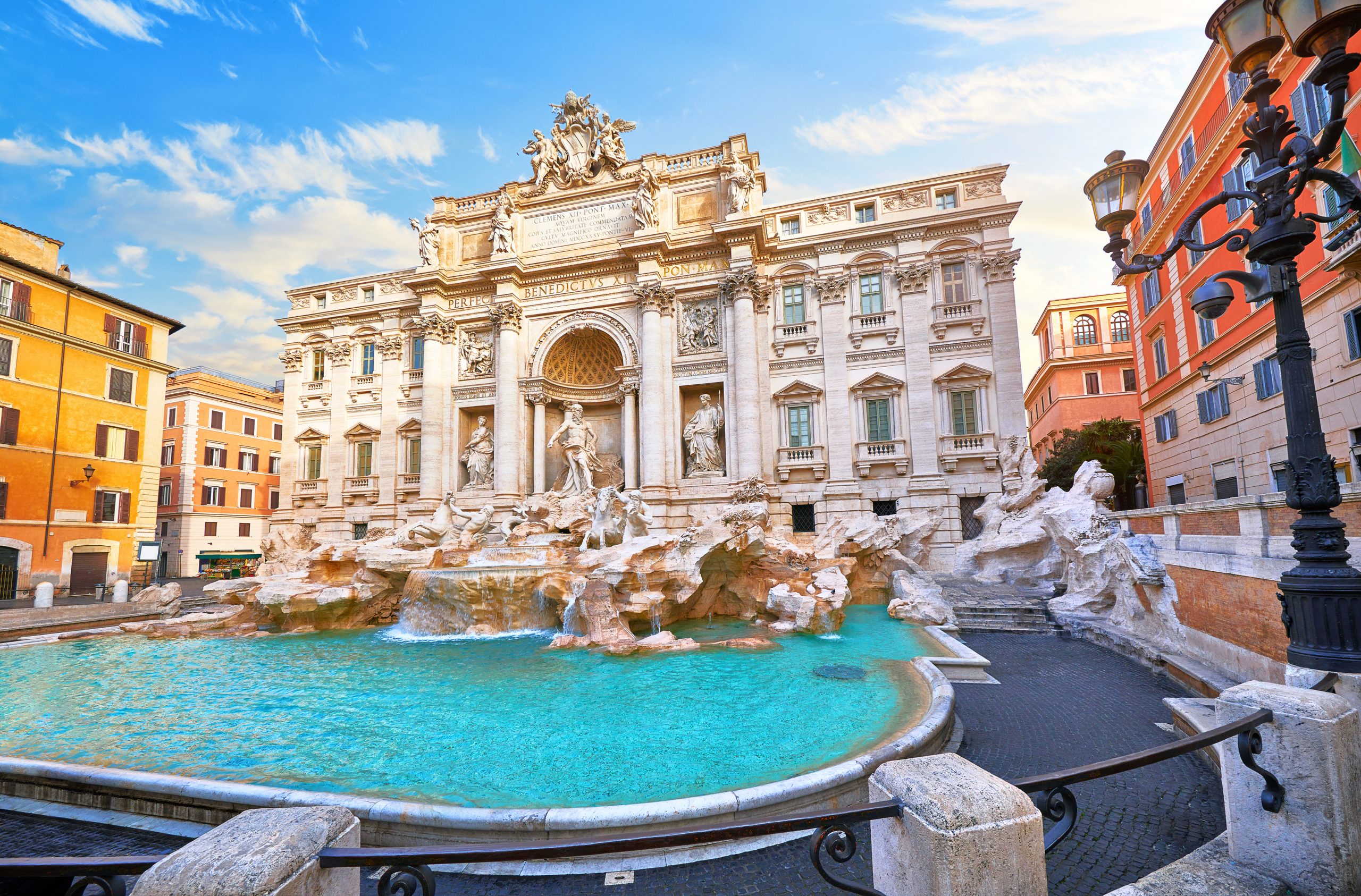
Central features here include Bernini’s striking Fountain of the Four Rivers, cleverly engineered to support an ancient Egyptian obelisk over hollow travertine rock. Continuing eastward leads to the grand Baroque basin of the Trevi Fountain, fed by the ancient Aqua Virgo aqueduct functioning since 19 BC. Completing this orientation route on foot connects three major architectural eras in a single afternoon.
Day 5 – Ancient Rome and the City’s Grand Piazzas
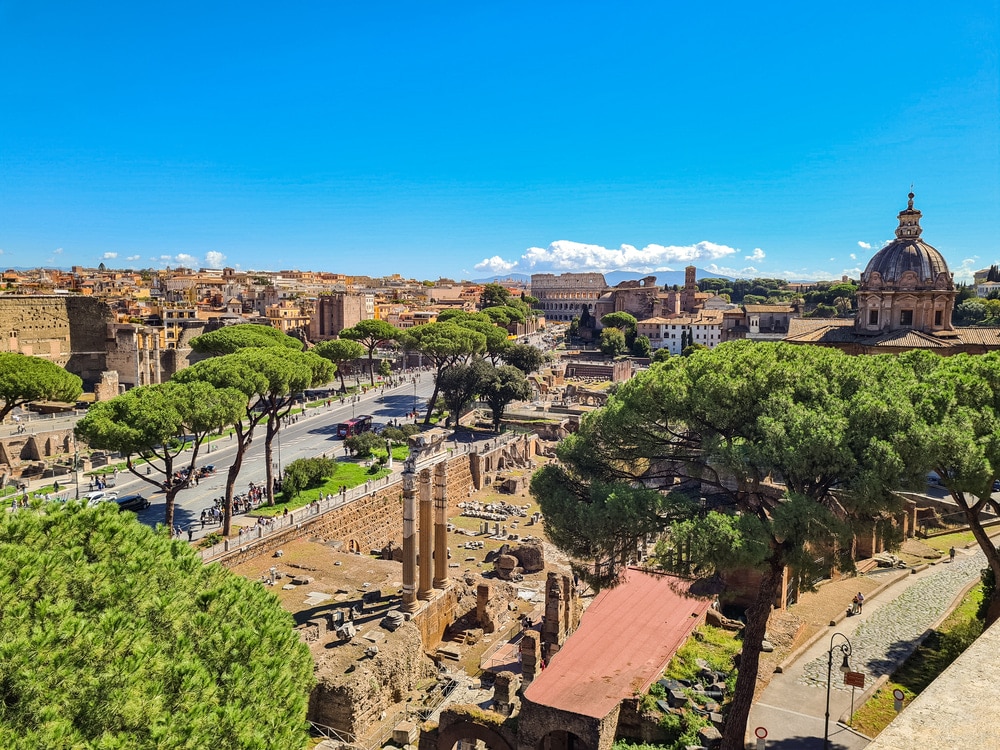
Mandatory advance booking rules require securing Colosseum entry tickets well ahead of your travel date. Exploring the arena and subterranean hypogeum reveals the complex elevator and trapdoor machinery that once lifted wild beasts directly onto the wooden arena floor. Adjacent to the amphitheater, the Roman Forum preserves the civic core where speeches at the Curia Julia and victories under the Arch of Titus shaped an empire.
Uphill, the Palatine Hill displays massive brick foundations from the imperial palaces, where the word “palace” itself originated. Art history continues at the nearby Capitoline Museums, established in 1471 as the world’s oldest public museum and home to the original bronze equestrian statue of Marcus Aurelius. Sturdy walking footwear and ample hydration are essential for navigating miles of uneven ancient paving stones.
5 Restaurants for dining al fresco in Rome among monuments and iconic symbols of the city
The 5 best restaurants with outdoor seating in Rome: Aroma, Osteria dell’Ingegno, Armando al Pantheon, Alfredo alla Scrofa, and Spiazzo.
Day 6 – Vatican Morning and High-Speed Train to Naples
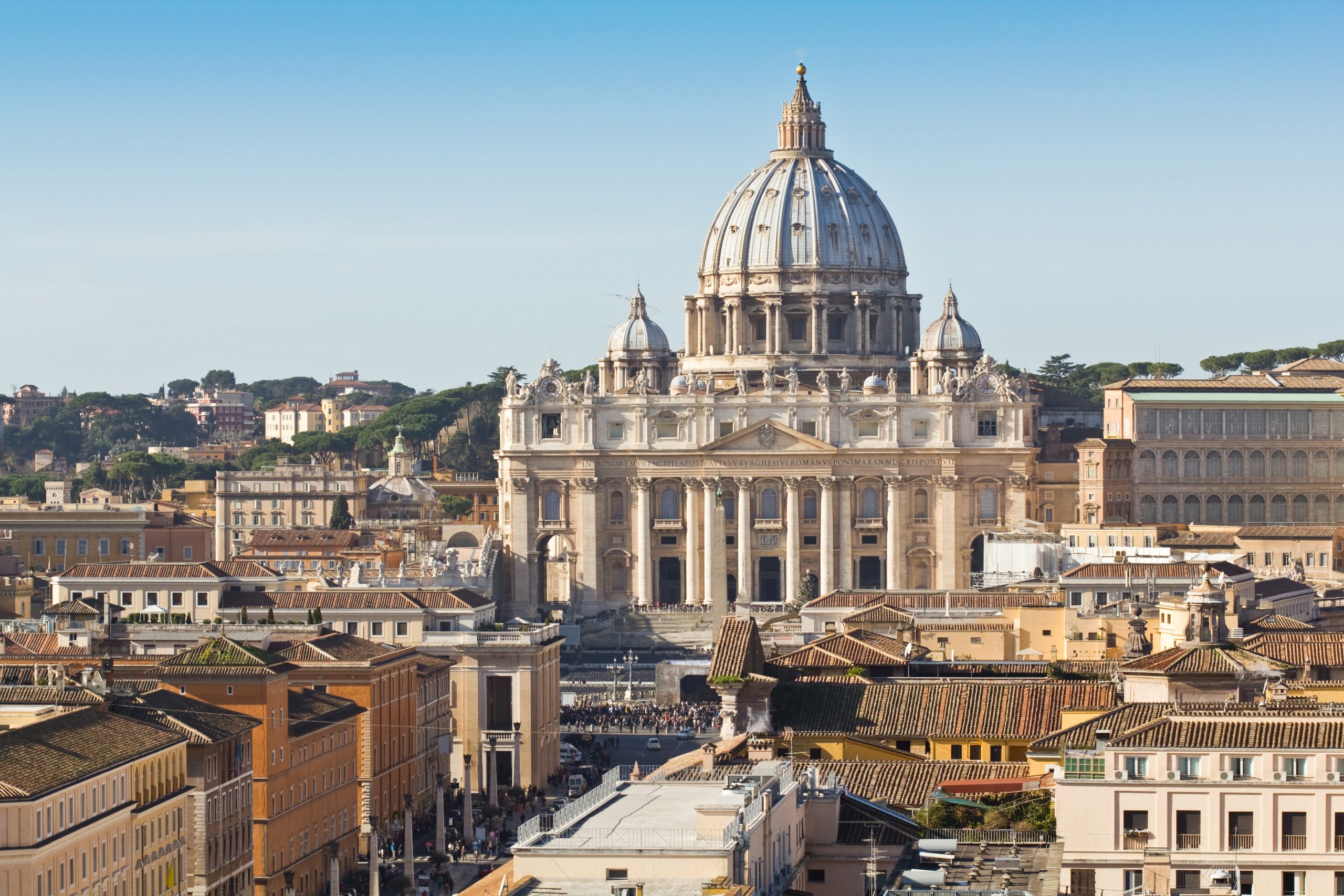
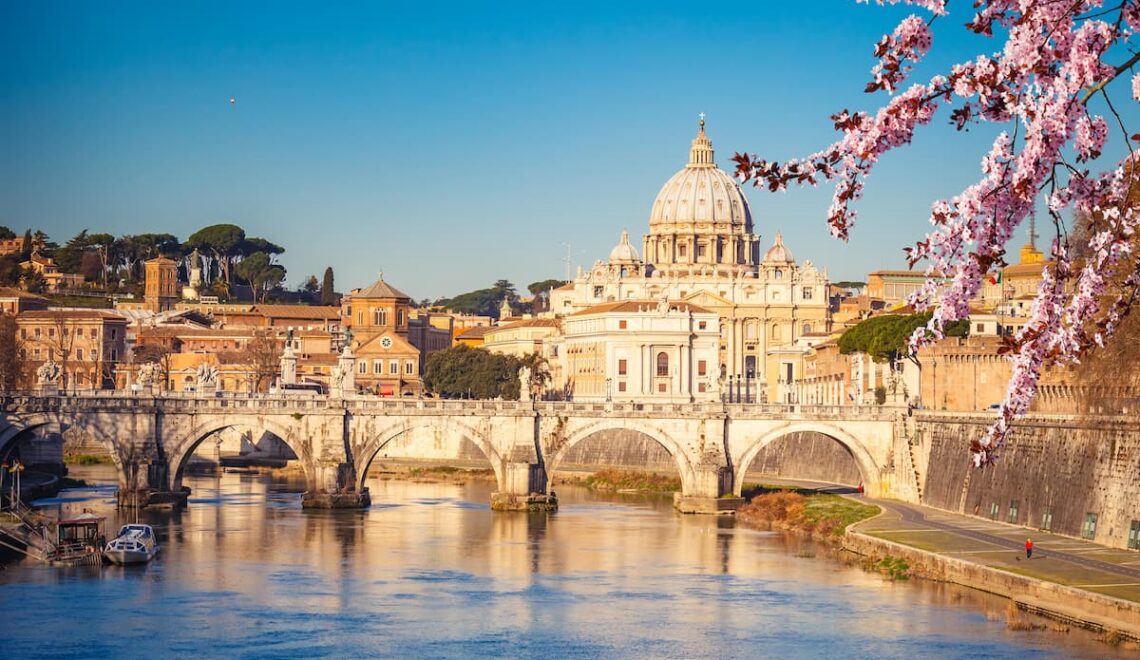
Choosing between St. Peter’s Basilica and the Vatican Museums helps prevent an overly rushed morning. Visiting St. Peter’s allows time to view Bernini’s massive bronze Baldacchino—cast partly from bronze stripped from the Pantheon—and Michelangelo’s marble Pietà. Alternatively, booking Vatican Museums tickets online provides access to the Raphael Rooms and the Sistine Chapel, where Michelangelo painted over 300 figures across the ceiling.
Reserving an early morning time slot ensures you reach the train station without missing your departure. High-speed rail from Roma Termini reaches Napoli Centrale station in just seventy minutes. Stepping out onto Via Toledo introduces the grid-pattern streets of the historic Spanish Quarter, constructed in the 16th century to house the Spanish viceroy’s troops.
Walking down this bustling avenue leads directly toward Piazza del Plebiscito and the monumental Royal Palace. Along the Lungomare seafront promenade, wide views open across the Bay of Naples toward the looming silhouette of Mount Vesuvius. Castel dell’Ovo offers an ideal vantage point for photographing the coastline, named according to legend after a magical egg hidden in its foundations by the poet Virgil. Arriving early in the evening leaves plenty of time to navigate the city’s distinct public transit options.
Day 7 – Historic Naples, Local Flavors, and Departure
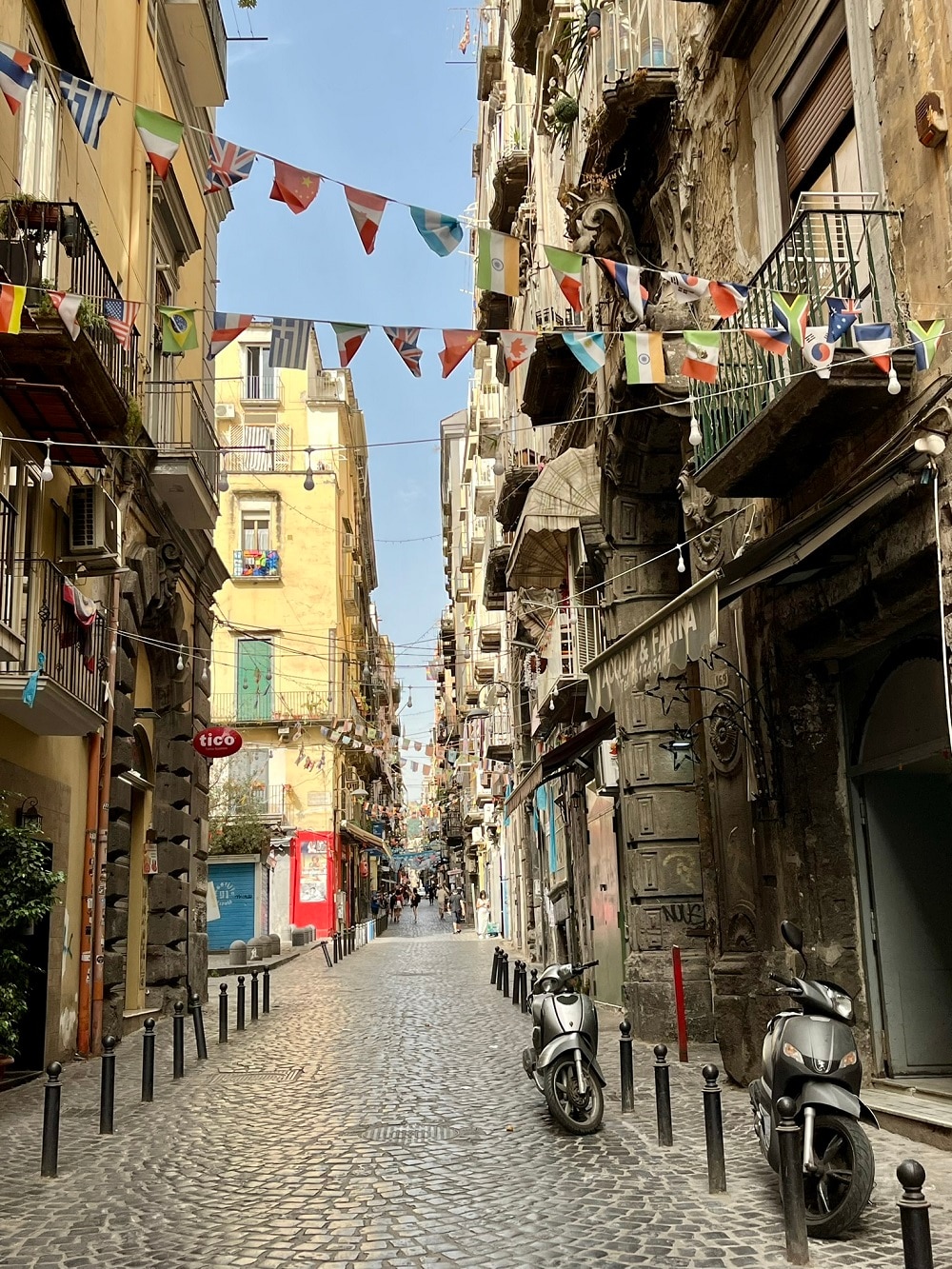
Spaccanapoli, the ancient Greek Decumanus Inferior, bisects the historic center along a perfectly straight east-west path visible from the hills above. Advance reservations are strictly required to view Giuseppe Sanmartino’s breathtaking Veiled Christ inside the Cappella Sansevero, famous for its translucent marble veil carved from a single stone block.
Further east, the Duomo di Napoli houses the Royal Chapel of the Treasure of San Gennaro. Inside this baroque chapel, vials containing the patron saint’s dried blood are preserved for triannual liquefaction ceremonies closely watched by the city. Branching off the main thoroughfare, Via San Gregorio Armeno is famous worldwide for traditional nativity scene workshops operating year-round. Observing master artisans craft terracotta figurines provides a deep look into Neapolitan cultural folklore.
Local bakeries near Piazza Bellini offer quick regional treats before final departure preparations. Reaching nearby Napoli Centrale station takes just minutes via local metro or taxi. Ultimately, smooth transit links bring this dense seven-day itinerary across four Italian cities to a memorable conclusion.
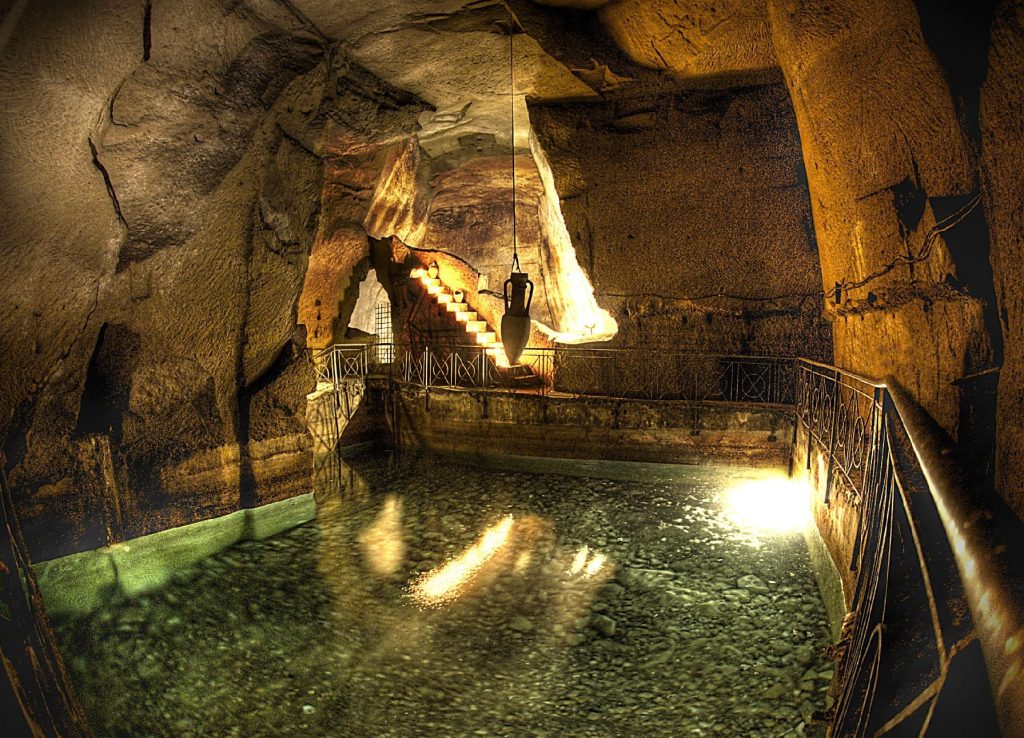
Naples Underground: Try the tour!
Naples Underground reveals centuries of hidden history beneath the vibrant city streets. From ancient aqueducts to wartime shelters, this subterranean tour offers an essential, immersive journey through time.
Extra Days and Beyond the Main Cities
The following optional excursions require adding extra days to your overall trip. Incorporate them only if you can extend your journey without reducing the time dedicated to the four main cities.
A Day Trip to Lake Como from Milan
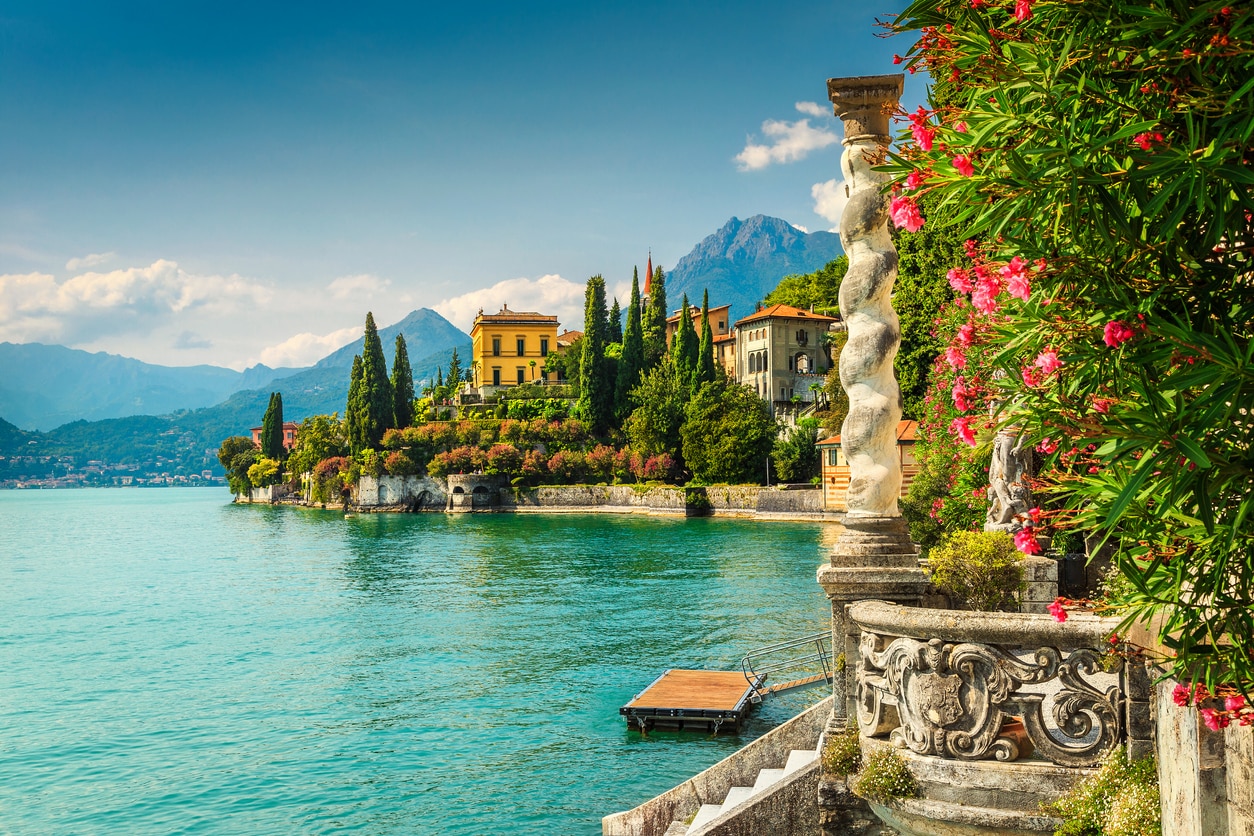
Direct train connections link Milan to the waterfront promenades, historic villas, and scenic ferry routes of Lake Como. Como provides the most straightforward rail access, whereas reaching towns further north like Bellagio or Varenna involves a connecting ferry ride. To keep the day relaxed, limit your schedule to one lakeside town, a single boat ride, and a quiet lunch before returning to Milan for the night.
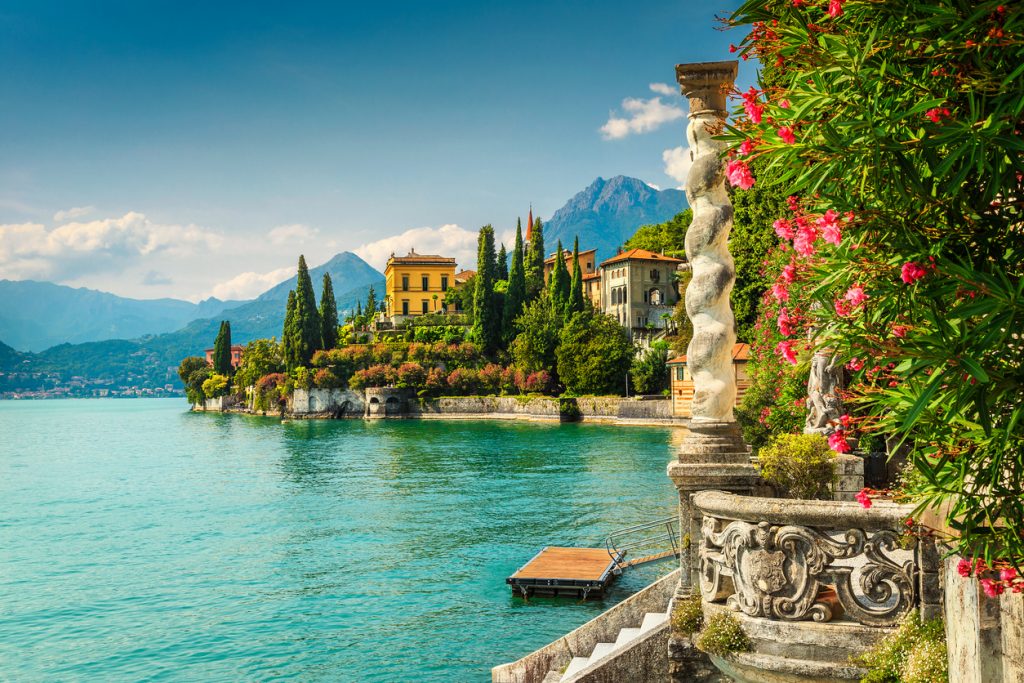
Is Lake Como overrated? When it’s worth it and when it’s not
Lake Como remains a world-class destination, but approach is everything. Avoiding peak-season day trips and choosing the right base allows you to bypass tourist bottlenecks and experience the lake’s true, timeless charm.
Exploring Modena or Parma from Bologna
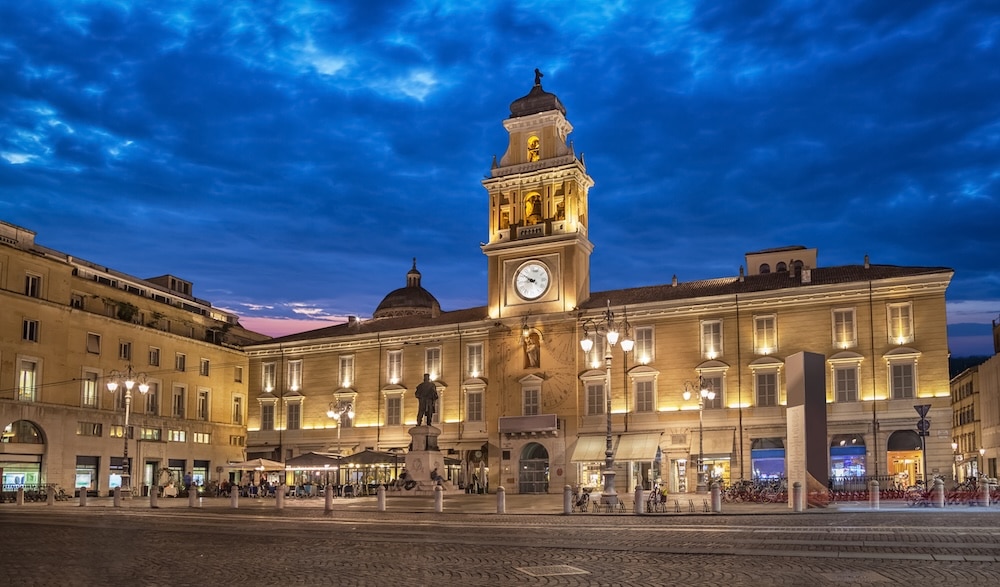
Short regional train rides from Bologna connect travelers to two distinct capitals of Italian gastronomy. Modena pairs a compact medieval center with traditional balsamic vinegar cellars and legendary supercar heritage. Parma showcases elegant architecture, fine art galleries, and deep roots in Parmigiano Reggiano and Prosciutto di Parma. Choose just one city for your day trip, keeping in mind that countryside food producers require advance transport and bookings.
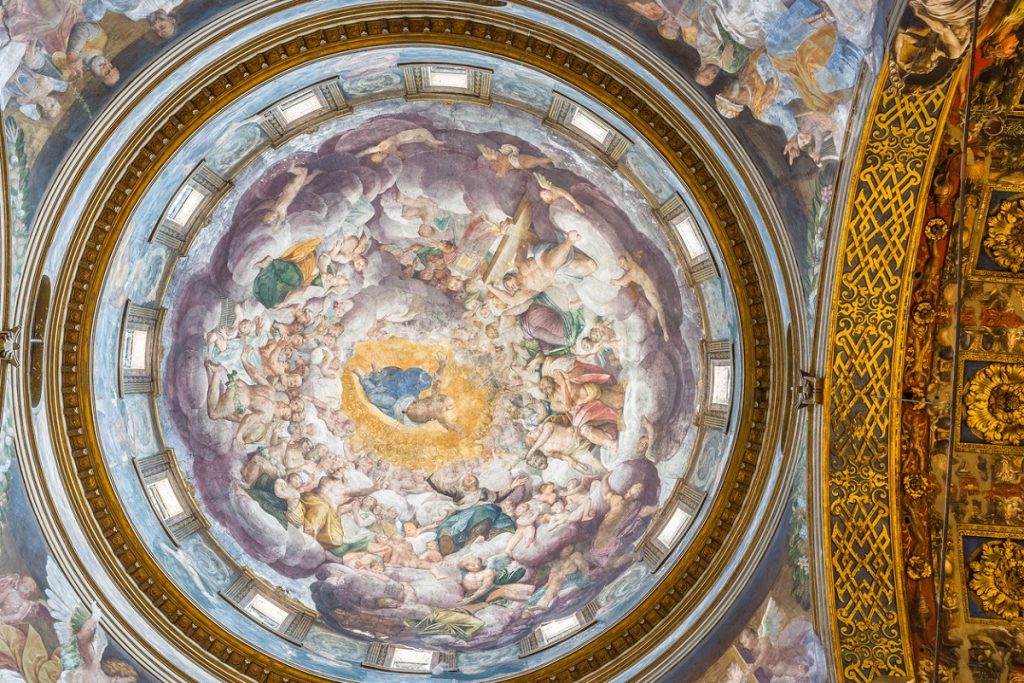
Parma in one day: four legs and sweets you cannot miss
Here are the must-see stops if you want to visit Parma in a day: follow us on a tour of the center, enjoying history, art, and, of course, great food!
Imperial & Renaissance Retreats: The Grand Villas of Tivoli

Located just east of Rome, Tivoli hosts two magnificent UNESCO World Heritage sites within easy reach. Hadrian’s Villa (Villa Adriana) displays the vast ruins of a sprawling 2nd-century imperial sanctuary, while Villa d’Este delights visitors with terraced gardens and elaborate Renaissance fountains. An early morning start and pre-booked entry tickets ensure a smooth visit before continuing your journey south to Naples.
Ancient Pompeii or the Amalfi Coast
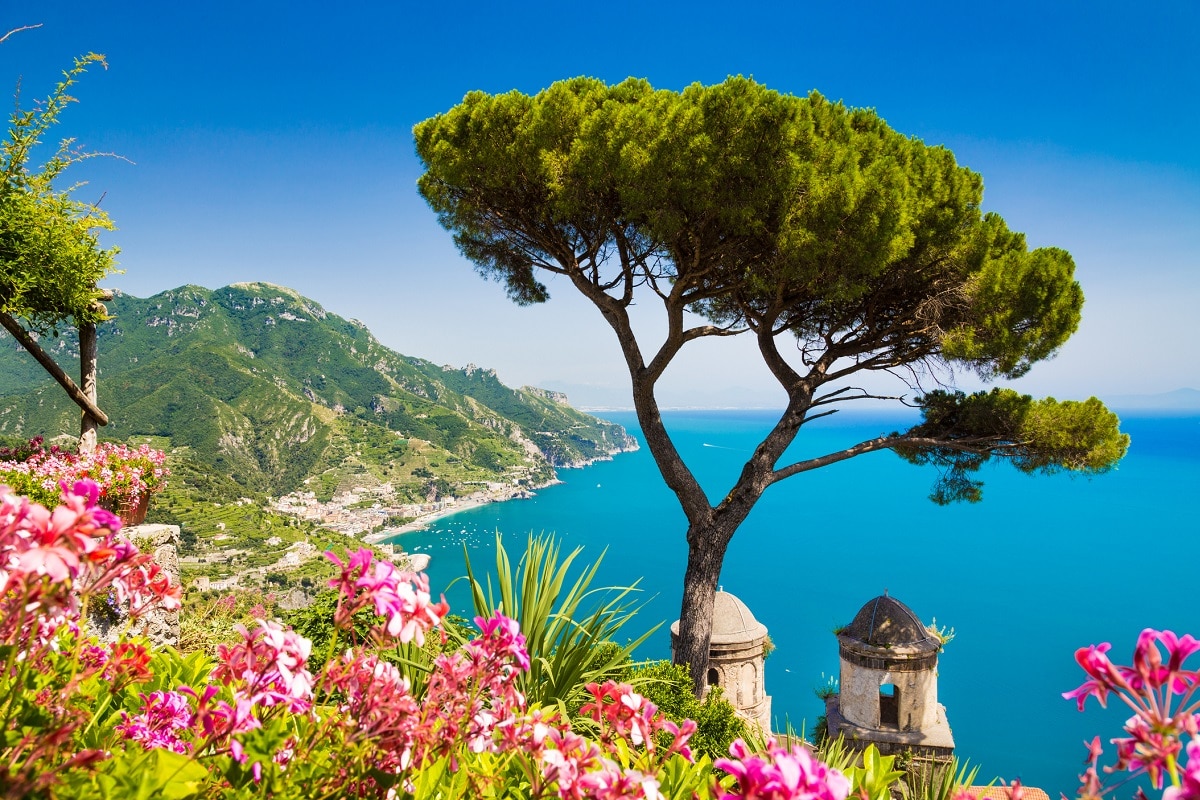
Extending your stay in Naples opens the door to two iconic southern excursions. History enthusiasts should dedicate a full day to Pompeii, exploring remarkably preserved Roman streets, bathhouses, and frescoed villas. Alternatively, travel toward the Amalfi Coast via seasonal ferry or coastal bus, focusing on one or two picturesque towns like Positano or Amalfi. Dedicate a full extra day to either option to avoid rushing your final departure.
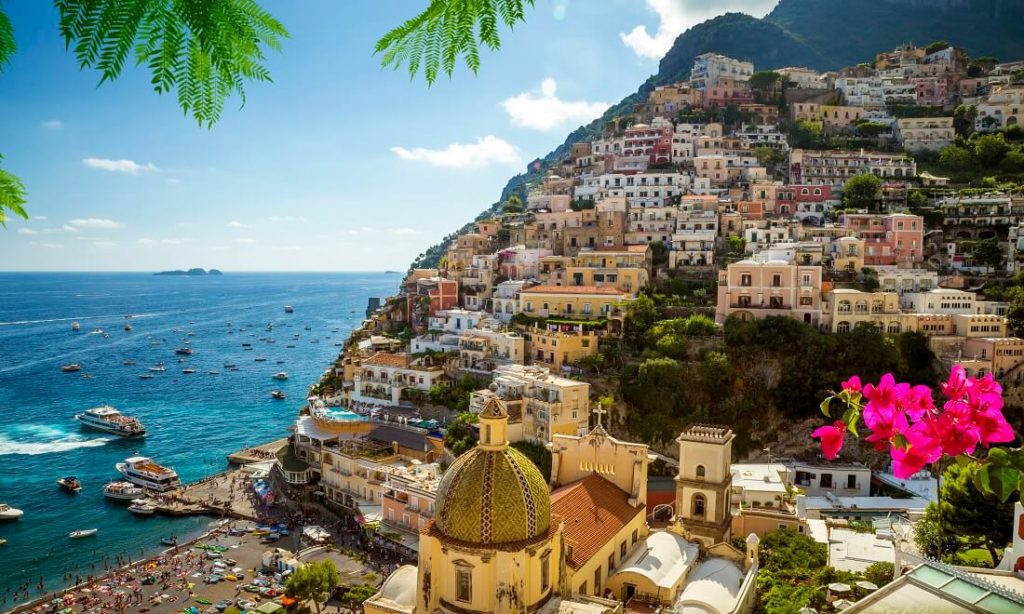
How to Get to the Amalfi Coast
Learn how to reach the stunning Amalfi Coast from Rome, Florence, Sorrento, Naples, Sicily, and the US. Discover travel tips, routes, and transport options for an unforgettable journey.
Practical Tips for Your One-Week Italy Train Journey
- Choose open-jaw flights: Book your arrival into Milan and departure from Naples to avoid wasting valuable sightseeing time returning to your starting point.
- Reserve trains and major sights early: Lock in high-speed rail tickets and timed-entry reservations for popular attractions well in advance to secure preferred time slots and better rates.
- Stay near central train stations: Pick accommodations close to major rail hubs to streamline check-ins, minimize transfers, and avoid hauling heavy luggage through city streets.
- Pack light for frequent transfers: Limit yourself to manageable luggage to navigate train platforms, station stairs, and cobblestone paths comfortably across four different cities.
Travel Across Italy with Italo
Four cities, three high-speed connections, and one clear route make this week ambitious without turning it into a blur. Check the latest Italo schedules, choose departures that protect your sightseeing time, and reserve the main journeys before the most convenient trains fill up.
With the rail transfers arranged in advance, you can spend your energy where it belongs: looking closely at Leonardo’s work, lingering over lunch beneath Bologna’s porticoes, walking through ancient Rome, and following the streets of Naples wherever they lead. Italy keeps changing along the way, and the train gives you a front-row seat.