Lake Como is undeniably one of Italy’s most famous landscapes, but its popularity has sparked a real debate: is it still worth visiting? The answer isn’t a simple yes or no; it depends entirely on your approach. The experience can be world-class if you choose your base carefully and avoid the busiest summer windows. However, it often feels overrated for those who arrive for a rushed day trip during peak season, only to face crowded ferries and inflated prices. Ultimately, the “magic” of the lake still exists, but enjoying it today requires realistic expectations and a strategy to avoid the most obvious tourist bottlenecks.
- 1 Why Lake Como divides travellers
- 2 So, is Lake Como overrated?
- 3 When Lake Como is absolutely worth visiting
- 4 When Lake Como may feel overrated
- 5 Best time to visit Lake Como to avoid crowds
- 6 Lake Como off the beaten path
- 7 Is Lake Como expensive for tourists?
- 8 Getting around Lake Como
- 9 Travel to Lake Como with Italo
Why Lake Como divides travellers
Lake Como tends to polarize opinions because it offers two very different realities. On one side, there is the classic Italian dream: historic villas, lakeside aperitifs, and panoramic views that genuinely live up to the hype. On the other, there is the reality of a destination struggling with its own popularity, especially during summer weekends. This gap explains why some visitors leave enchanted while others feel underwhelmed. The lake is no longer a “hidden gem,” and its most famous towns are anything but quiet. However, the beauty of the landscape is undeniable. The secret to enjoying it lies in moving past the surface-level tourism and using a bit of strategy to find the more authentic side of the lake.
So, is Lake Como overrated?
Lake Como isn’t overrated, but it isn’t “easy” either. Most disappointment comes from a mix of bad timing and an itinerary that’s too rushed. The area is genuinely beautiful, but it’s rarely quiet, cheap, or effortless. For a first trip, it’s important to separate filtered images from the reality of a very popular destination. The famous villages are worth seeing, but they will be crowded. The ferries offer incredible views, but they require navigation and patience. While lakeside tables are memorable, you often pay a premium for the view rather than the food. Ultimately, the lake is worth the visit, as long as you treat it as a real, bustling place rather than a perfectly curated postcard.
When Lake Como is absolutely worth visiting
For breathtaking scenery and lakeside villages
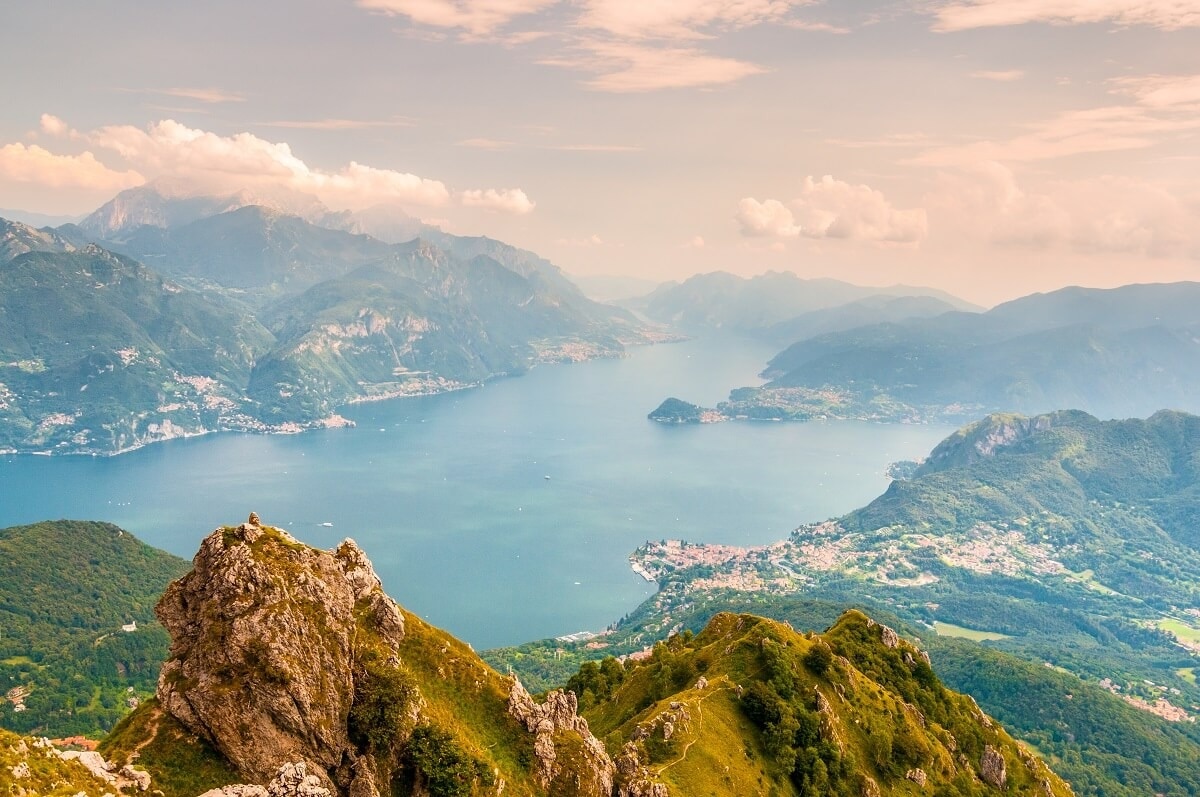
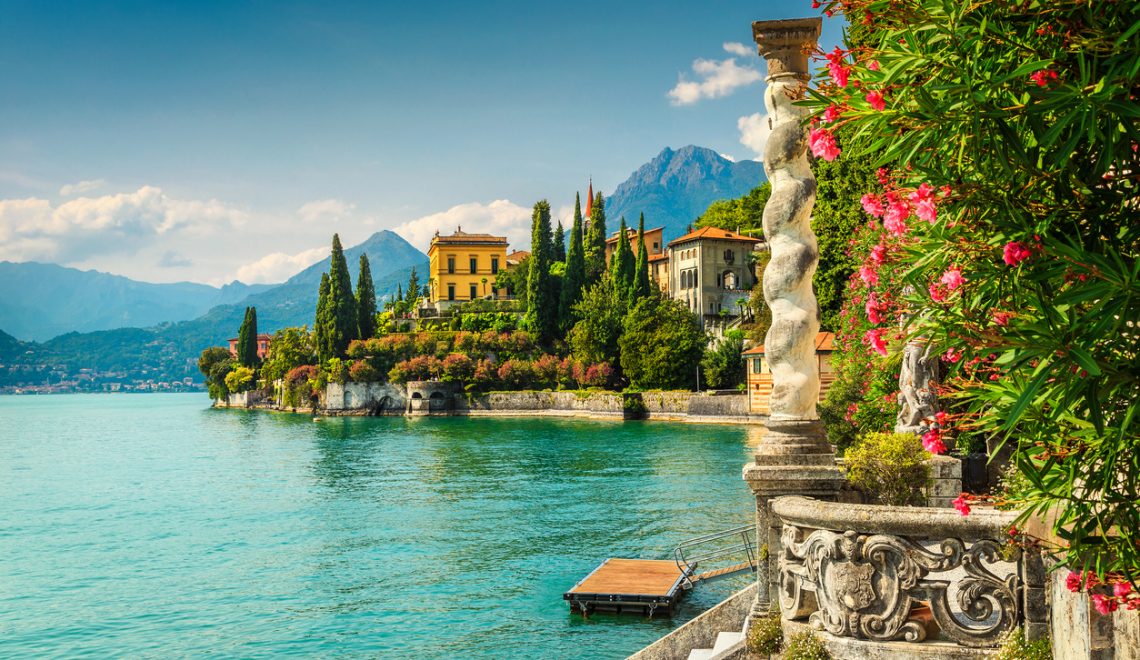
Lake Como is worth the trip for the scenery alone. Its distinctive “Y” shape creates a dramatic backdrop where steep mountains drop straight into the water, dotted with pastel villages and stone stairways. The real appeal isn’t just one famous spot, but the rhythm of the lake: spending a morning in Varenna, crossing the water by ferry, and wandering through small harbours. It’s these transitions between villages that make the destination feel special.
For slow travel, boat rides and romantic views
The lake is at its best when you stop rushing. This isn’t a place to “tick off” in a few hurried hours; the pleasure lies in watching the light change on the water or sitting by a pier with a coffee. A boat ride, whether by public ferry or private tour, is the best way to see the area. From the water, the villas and gardens reveal their full charm, and even the busiest towns feel peaceful from a distance.
For villas, gardens and iconic lake landscapes
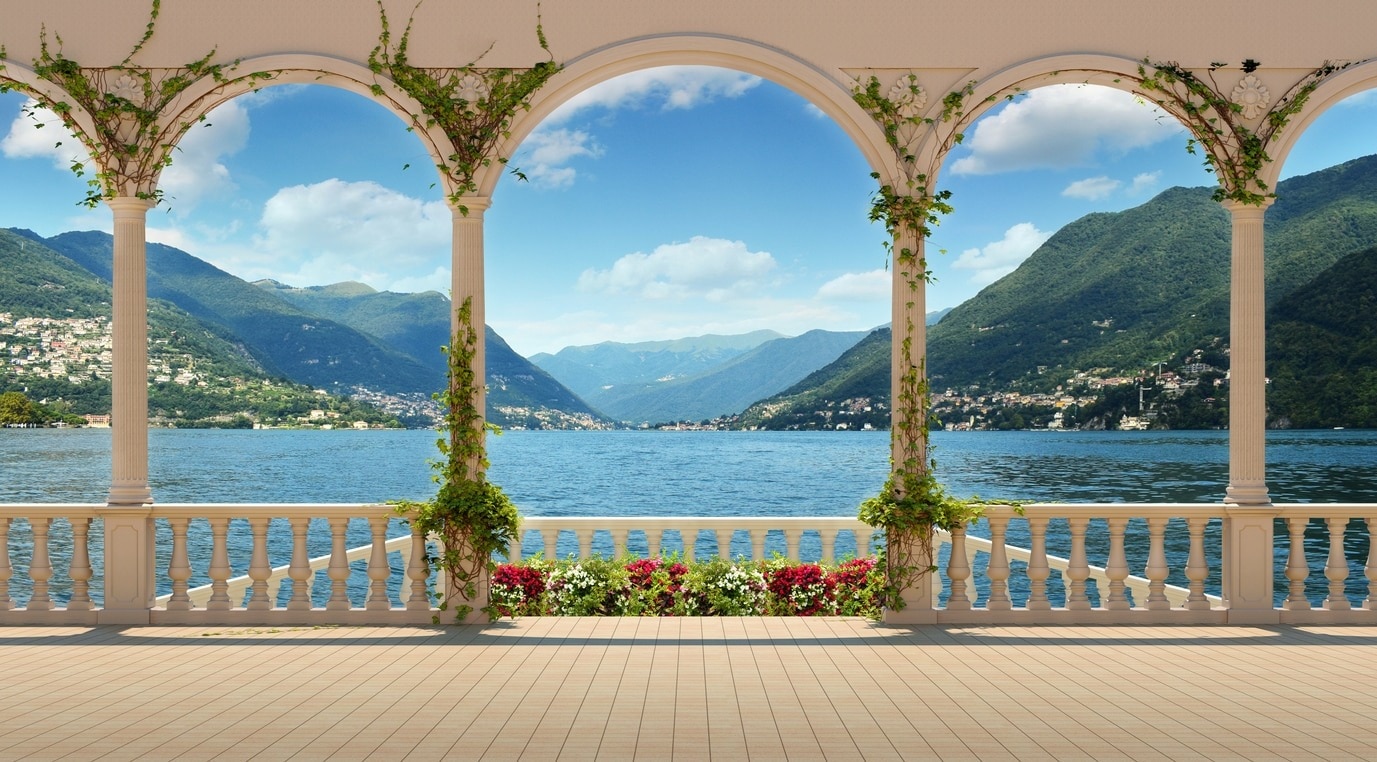
The historic residences and their manicured grounds are what give Como its elegant identity. They are a major draw, especially in spring when the greenery and panoramic terraces are at their peak. If you appreciate the mix of architecture, art, and landscape design, these villas genuinely live up to the hype, offering a refined atmosphere that you won’t find anywhere else in Italy.
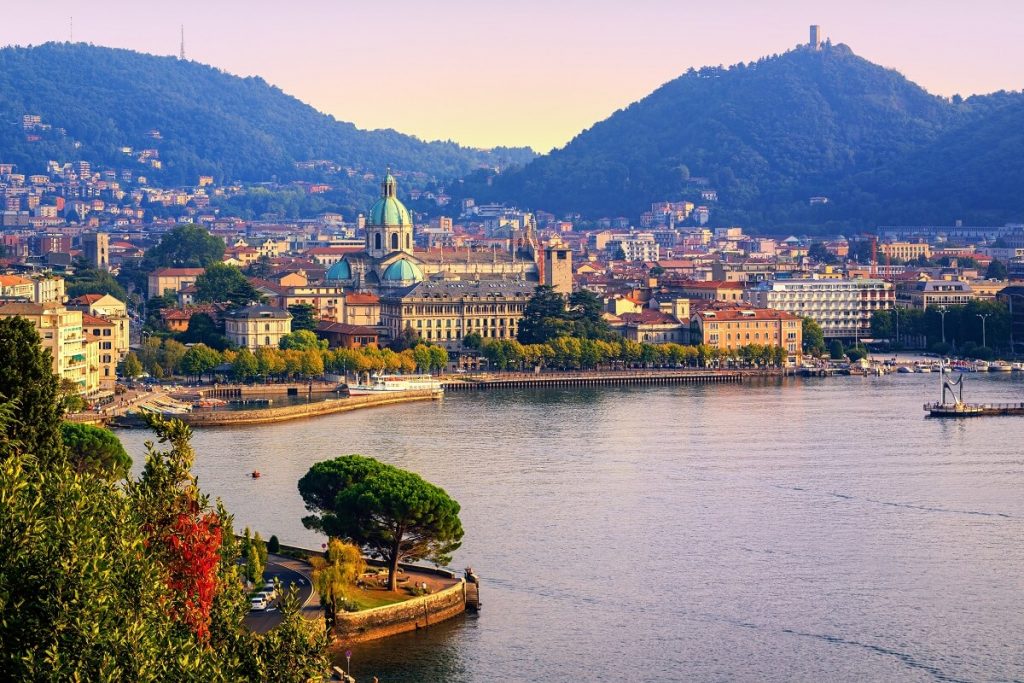
Things to see in Como – the Lake and breathtaking villas
From the lake to the villas in nearby villages: don’t miss Italo’s guide to Como, one of the most picturesque destinations throughout northern Italy.
When Lake Como may feel overrated
If you only have a rushed day trip
While a day trip is possible, it’s often the perfect recipe for disappointment. If you arrive late and spend most of your time queuing for ferries or rushing through crowded streets, the lake will feel more like a logistical headache than a dream. On a map, distances look short, but moving between towns takes time—when you factor in walking routes and lunch breaks, a hurried itinerary rarely leaves room to actually enjoy the view.
If you visit during peak-season mid-day crowds
The atmosphere of the lake changes completely in the middle of the day, especially during summer weekends. This is when the narrow lanes become bottlenecks, restaurants fill up instantly, and waiting for transport becomes your main activity. The scenery remains beautiful, but the sense of elegance and relaxation is easily lost when you’re fighting for space alongside thousands of other visitors.
Bellagio and Varenna are stunning, but they are anything but secret. Known respectively as the “Pearl of the Lake” and the ultimate “romantic getaway”, they attract everyone for their perfectly preserved pastel alleys and world-famous lakefronts. These towns are iconic precisely because they offer that classic, postcard-perfect Italy everyone dreams of. However, expecting them to feel like undiscovered gems is a mistake. They are highly commercialized hubs, and they only work if you visit with realistic expectations about the crowds and the “tourist-first” nature of the area. If you go expecting solitude, you will be disappointed—their beauty is no longer a secret, and they are now designed to handle a global audience.
Best time to visit Lake Como to avoid crowds
Choosing when to visit Lake Como is a trade-off between weather and logistics. Spring and early summer (April to June) are generally considered the ideal window offering the perfect balance of pleasant weather and livability. During these months, the gardens are in full bloom, and you avoid the high humidity and summer storms typical of July and August. While the peak summer months offer a vibrant holiday vibe, they also bring the largest crowds, higher prices, and intense heat that can make exploring less comfortable.
For those considering a quieter trip, the lake remains fascinating in every season. Seeing snow-capped peaks against crystal-blue water on a sunny winter day can be more peaceful than a sweltering July afternoon, but it comes with caveats. Most hotels and tourist services close from November to late March, and ferry routes are limited to the central lake. Additionally, the sun sets as early as 4:00 PM, and cultural events are mostly confined to the larger hubs of Como and Lecco. Ultimately, the best time depends on whether you prioritize full seasonal services or a quiet, dramatic landscape.
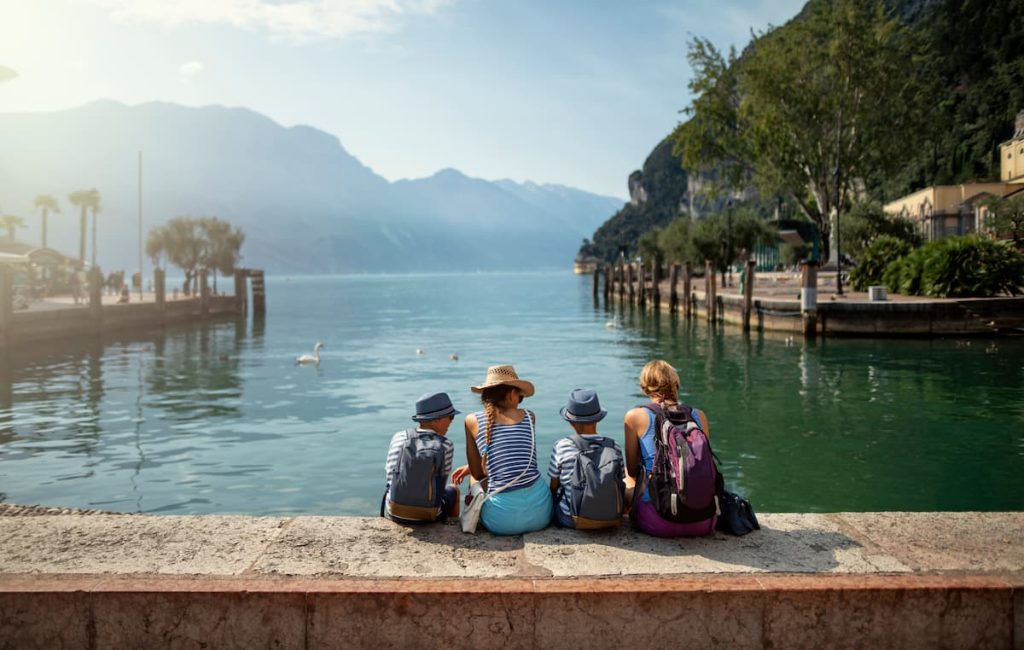
Italy’s best lakes: the 10 most famous ones
Dive into the beauty of Italy’s lakes. Perfect spots for relaxation and adventure. Find your serene escape now!
Lake Como off the beaten path
Lesser-known villages for a quieter escape
If you want to escape the mainstream tourist circuit , it’s worth looking toward villages like Torno, Argegno, or Nesso. These spots offer a much gentler pace and a local atmosphere that the more famous hubs have largely traded for high-volume tourism. In these smaller towns, life still revolves around the local square and the small stone piers rather than souvenir shops. Choosing one of these quieter villages as your base doesn’t mean missing out; the ferry system still connects you to the icons, but it allows you to retreat to a calmer environment at the end of the day, away from the frantic energy of the main tourist triangle.
Hiking trails, lake walks and panoramic viewpoints
To truly understand the scale of the landscape, you have to get away from the water’s edge. The lake is about much more than just villas and ferries, and heading uphill is the single best way to lose the crowds. Trails like the Sentiero del Viandante or the trek up to the church of San Martino offer views that no ferry ride can match. These hillside paths reveal a more spacious, rugged side of the destination where the only sound is the wind through the olive groves. For active travelers, this is the most rewarding way to experience the lake: the higher you climb, the more the busy waterfronts feel like distant, quiet miniatures.
Where to find a more authentic food experience

Finding a meal that doesn’t feel “staged” usually requires a short walk away from the main promenade. While a lakeside table is tempting, some of the most memorable food on the lake is tucked into the back alleys or located in the hills above the water. Look for small, family-run trattorias where the menu is short and focused on regional ingredients like lake fish or local cheeses. These places prioritize flavor and hospitality over the “spectacle” of the view. You’ll not only find better value but also a genuine dining experience where you can actually hear yourself think, far from the hurried service of the high-traffic tourist spots.

Eating in Italy Like Locals
Whether it’s in a bustling city trattoria or a quaint countryside osteria, the flavors of Italy promise to delight and inspire. With this guide, you’re ready to navigate the Italian culinary scene, armed with the knowledge to order with confidence and relish every bite as the locals do
Is Lake Como expensive for tourists?
Lake Como often feels pricey because its popularity is concentrated in small, high-demand areas where you pay a premium for exclusivity and location. Between boutique hotels and lakeside dining, costs can escalate quickly, especially in the most iconic spots. However, you don’t need a luxury budget to enjoy the area; the secret is to use the public ferry system and look for accommodation in well-connected but quieter towns like Colico or Lecco. By balancing famous landmarks with scenic hikes and choosing local trattorias tucked away from the main waterfronts, you can experience the lake’s genuine beauty without the inflated price tag. Ultimately, the best parts of the lake—the mountain views and historic alleys—are accessible to anyone with a well-planned itinerary.
Getting around Lake Como
Navigating Lake Como requires a bit of strategy because the area is much larger than it looks on a map. What appears to be a short distance across the water can take a significant amount of time once you factor in ferry schedules or winding coastal roads. Deciding whether to rely on public transport or a private vehicle depends entirely on your base and the type of experience you are looking for.
When to use a car (and when to avoid it)
A car offers the flexibility needed to reach remote hillside viewpoints or hidden restaurants that aren’t served by public transport. However, during the busiest months, driving is often more stressful than it’s worth. If your itinerary is focused on the central lake and the main historic centers, a vehicle can quickly become a logistical burden. It is generally only recommended if you plan to stay deep in the hills or explore the less accessible northern shore, where ferry connections are less frequent, just be prepared for the logistical challenge of finding a spot once you arrive at your destination.
Lake Como ferry tips
For most travelers, the ferry network is the most efficient way to travel, allowing you to skip the lakeside traffic bottlenecks. These boats are incredibly scenographic, offering a unique perspective on the historic villas and mountains that you simply cannot get from the road. However, because schedules change significantly depending on the season, it is essential to plan your movements in advance using the official Navigazione Laghi website rather than relying on a fixed routine. A route that is frequent in July might be limited or completely different during the shoulder season, making real-time checking a necessity.
To make the most of the system, it is highly recommended to book tickets online to skip the long queues at the ticket offices, especially since fast hydrofoil seats tend to sell out quickly. You should also always verify the actual crossing time before booking a restaurant or activity on the opposite shore; a trip that looks simple on a map can easily take over an hour once you factor in boarding and walking time. If the public system feels too crowded, a private or small-group boat tour remains the best alternative for a more relaxed and curated experience of the lake’s most iconic landmarks.
Travel to Lake Como with Italo

Reaching Lake Como by train is the most practical way to start your trip, allowing you to skip the stress of traffic and the constant search for parking along narrow lakeside roads. With Italo, you can travel in total comfort to major northern hubs like Milan and easily connect to the lake’s shores from there. The efficiency of the network ensures fast travel times, with journeys from Turin to Como taking about 1h 50min, from Florence around 2h 50min, and from Rome approximately 3h 45min. Choosing the train means you can start relaxing the moment you board, arriving refreshed and ready to explore historic villas and the authentic rhythm of one of Italy’s most iconic destinations.