Southern Italy is one of the most rewarding areas of the country to explore in one week: a journey through ancient cities, sunlit coastlines, archaeological wonders, whitewashed villages and food traditions that change from region to region. This 7-day Southern Italy itinerary is designed for travellers who want to discover some of the best cities to visit in Southern Italy, without rushing too much and without losing the pleasure of slow wandering. From Naples and Pompeii to Sorrento, Bari, Matera, Salerno or Lecce, this route blends culture, sea views and unforgettable towns into a balanced travel plan.
- 1 Why choose Southern Italy for a 7-day trip
- 2 Southern Italy itinerary: how to plan one week
- 3 Day 1 Naples, the perfect gateway to Southern italy
- 4 Day 2: Pompeii and Mount Vesuvius
- 5 Day 3: Sorrento and the Amalfi Coast
- 6 Day 4: Bari and the heart of Apulia
- 7 Day 5: Alberobello, Polignano a Mare and Ostuni
- 8 Day 6: Matera, one of the most unique places in Southern Italy
- 9 Day 7: Salerno or Lecce, two great final stops
- 10 Tips for planning a Southern Italy itinerary
- 11 How to move between destinations
- 12 Travel to Southern Italy with Italo
Why choose Southern Italy for a 7-day trip
Beyond its geography, this region is a collection of distinct cultural identities where dialects, landscapes, and architecture change noticeably over short distances. Traveling here means entering a world where deeply rooted traditions still shape the daily routine. The route connects the high-energy reality of local street life with the quiet presence of ancient ruins and rock-cut settlements. From proud culinary heritages to historic coastal avenues and sheer cliffs, the real value of the journey lies in these sharp regional contrasts and multi-generational legacies.
Southern Italy itinerary: how to plan one week
Executing a multi-region transit route without fatigue requires a strict structural strategy. Instead of a frantic daily hotel migration, operational efficiency relies on establishing three or four central overnight hubs. This geographic anchoring completely eliminates the friction of constant packing while transforming neighboring landmarks into seamless day excursions. Choosing strategic bases unlocks deep culinary and coastal networks on one side of the peninsula before smoothly transitioning to the distinct maritime grids and ancient rock-hewn sanctuaries of the east. It is a logistical blueprint engineered to safeguard the depth of the journey, ensuring movement serves the experience rather than dictating it.
Map of a one-week itinerary in Southern Italy
| Day | Destination | Focus of the day |
| Day 1 | Naples | Explore the historic center on foot, visiting iconic alleys, local workshops, and traditional pizzerias. |
| Day 2 | Pompeii & Mount Vesuvius | Visit the ancient Roman archaeological site and hike up to the volcano’s crater rim for views over the bay. |
| Day 3 | Sorrento & Amalfi Coast | Discover cliffside panoramic terraces and explore the famous coastal towns of Positano and Amalfi. |
| Day 4 | Bari | Cross to the Adriatic coast to explore the walled old town and watch traditional street pasta-making. |
| Day 5 | Alberobello, Polignano & Ostuni | A structured day trip mapping regional variety, from dry-stone trulli to limestone cliffs and whitewashed lanes |
| Day 6 | Matera | Investigate the ancient rock-cut cave neighborhoods and experience the canyon area during an overnight stay. |
| Day 7 | Salerno or Lecce | Choose your custom finale: relaxed coastal history in Campania or refined baroque architecture in deep Apulia |
Day 1 Naples, the perfect gateway to Southern italy
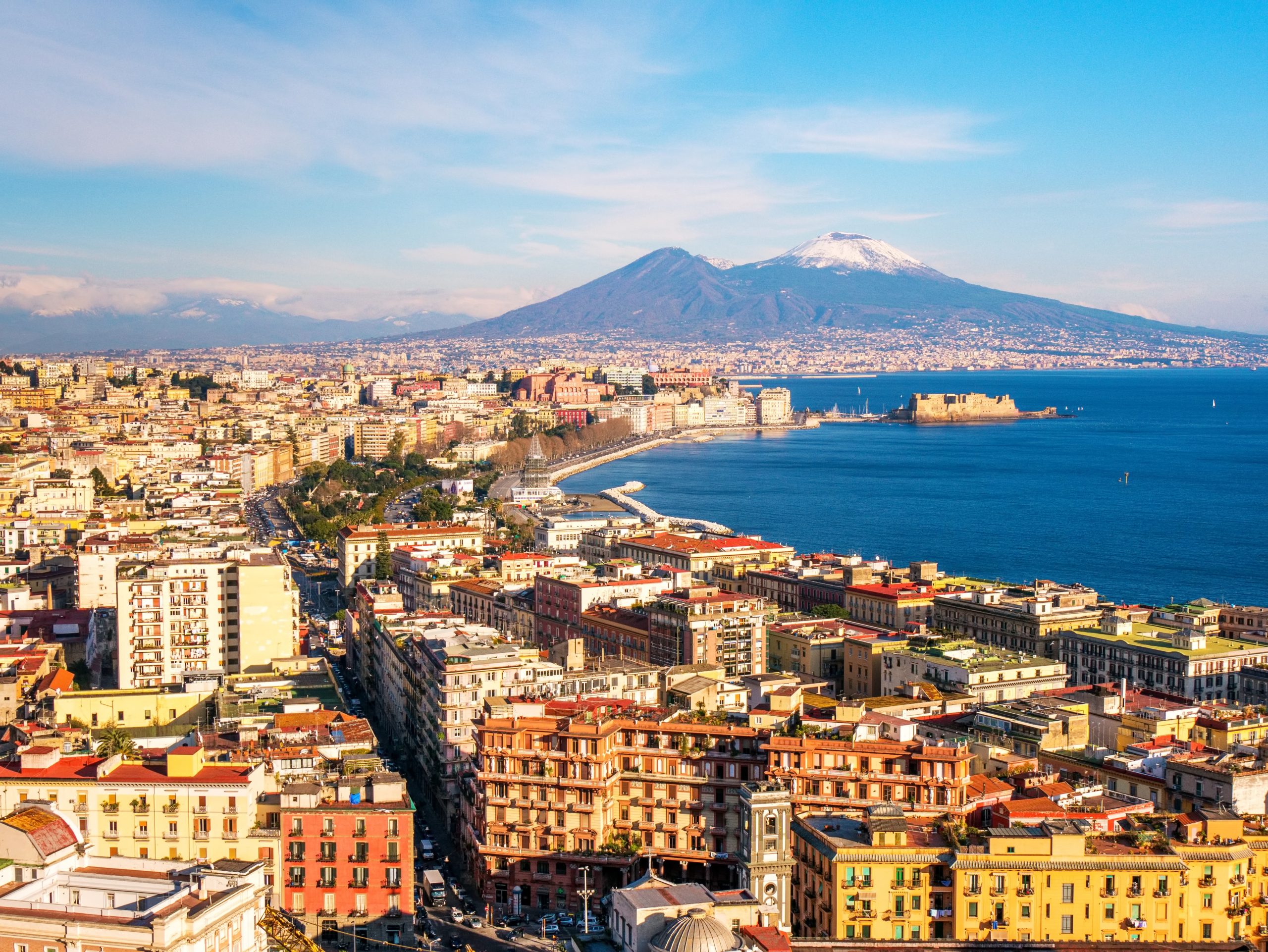
Naples is the ideal starting point for a one-week Southern itinerary. It is an intense, layered metropolis where baroque churches, underground aqueducts, and lively street trade all coexist. Discover the city on foot by exploring the narrow alleys of the historic center, where everyday local life unfolds naturally. The atmosphere is immediate: voices from balconies, wood-fired pizzerias, and laundry hanging above ancient stone paths.
What to see in Naples
Beyond a rigid timeline, Naples offers a rich collection of historic landmarks and cultural highlights that define its character. To experience the city at your own pace, prioritize these essential sights during your journey:
- Spaccanapoli: The long, iconic street that cuts directly through the heart of the old town, perfect for experiencing the authentic daily rhythm of the city.
- San Gregorio Armeno: A world-famous historic lane lined with multi-generational artisan workshops dedicated to the traditional craft of nativity scene making.
- The Duomo and the Cloister of Santa Chiara: Two essential architectural anchors that combine grand religious history with the peaceful, tiled sanctuary of the ancient cloister.
- The Sansevero Chapel: A mandatory cultural stop where securing an early reservation allows you to stand before the extraordinary Veiled Christ, a marble masterpiece known worldwide.
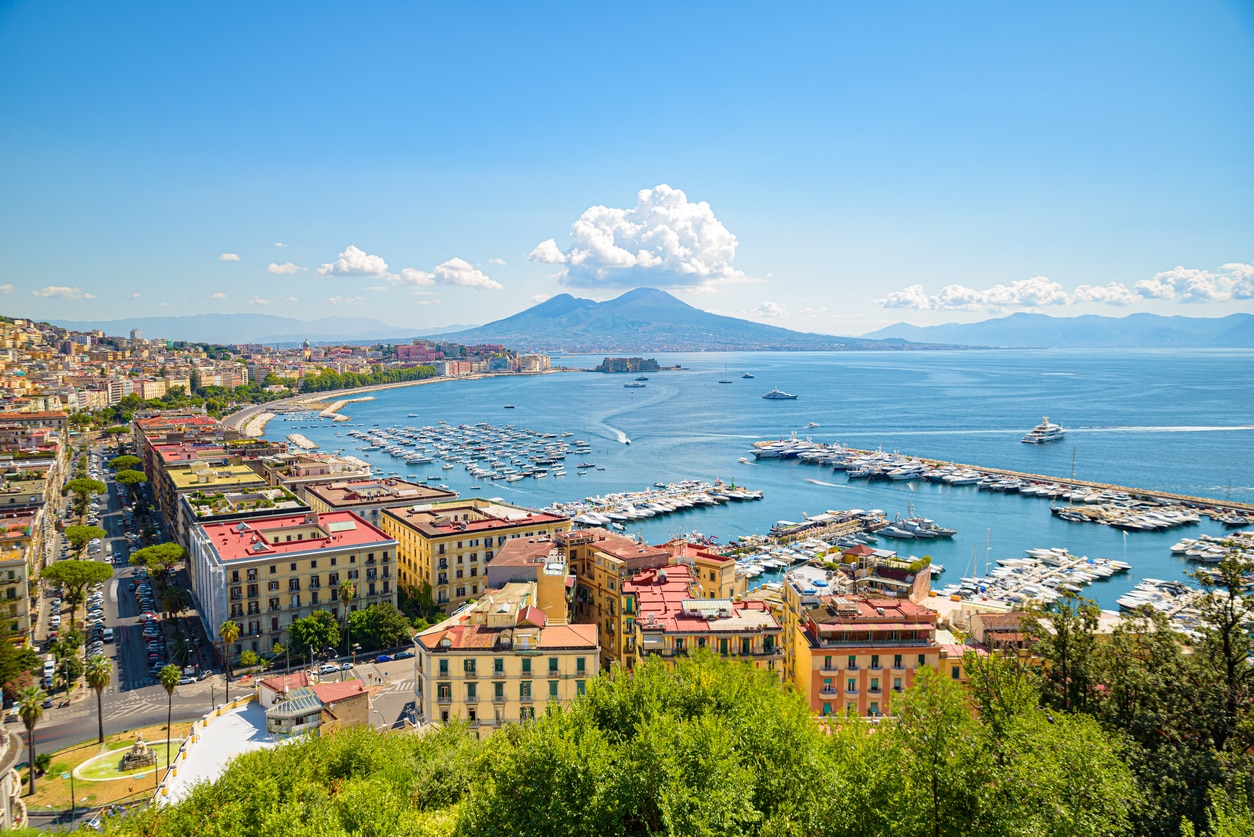
- Castel dell’Ovo and the Seafront Promenade: The scenic coastal area where the historic fortress opens entirely onto the bay, offering a wide panoramic view of Mount Vesuvius in the distance.
- Traditional Pizzerias: An absolute culinary highlight where you can enjoy authentic Neapolitan pizza right in the very streets where this legendary dish was born.

Secret Naples: five unusual places to visit and things to do in the city
From the Fontanelle Cemetery to the Farmacia degli Incurabili: discover the sites to visit in Naples and delve into the most unusual and secret part of the city.
Where to stay in Naples
The historic center is perfect if you want to stay close to main monuments, hidden churches, and local restaurants. The seafront promenade or Chiaia district offers wider streets, sea breezes, and a much calmer evening environment, making it a great sanctuary after a full day of walking.
Day 2: Pompeii and Mount Vesuvius
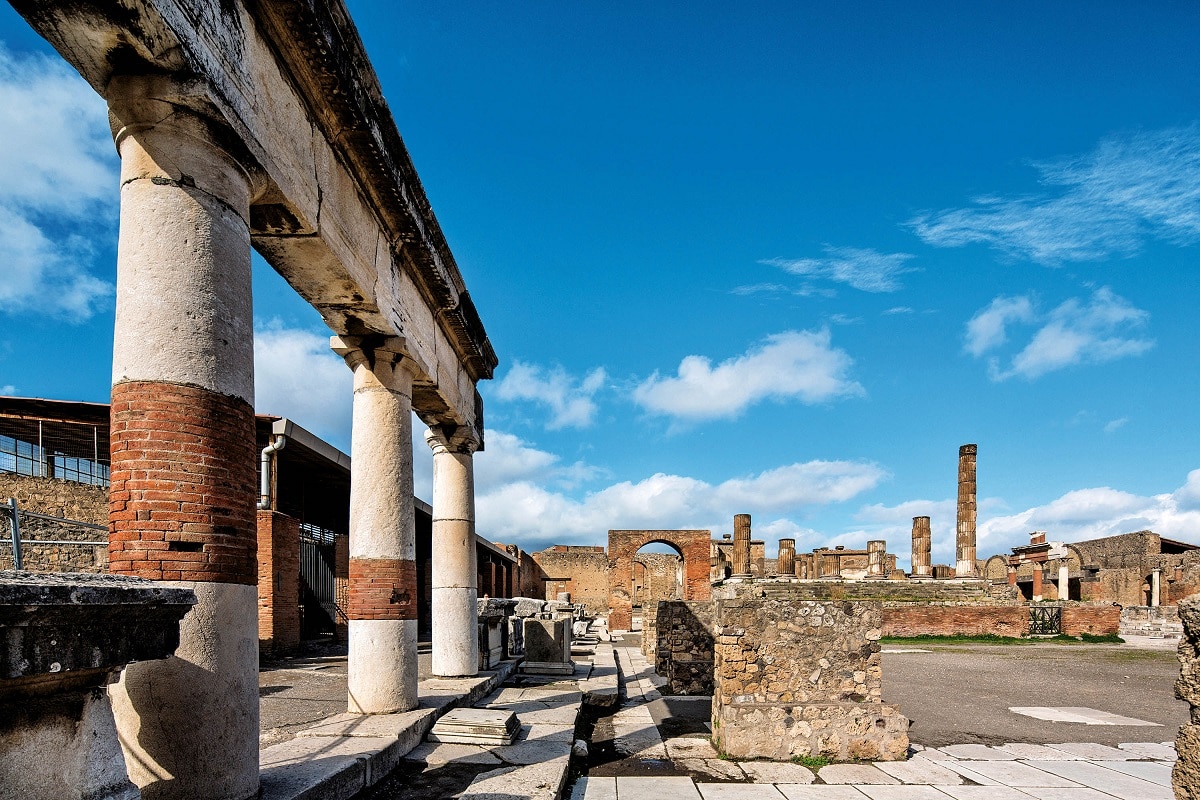
Your second day delivers a confrontation with the true gravity of time. Pompeii represents something far more compelling than a collection of historic ruins; it is an entire, sophisticated Roman society caught midbreath, preserved with startling clarity by the volcanic eruption of 79 AD.
Visiting Pompeii from Naples
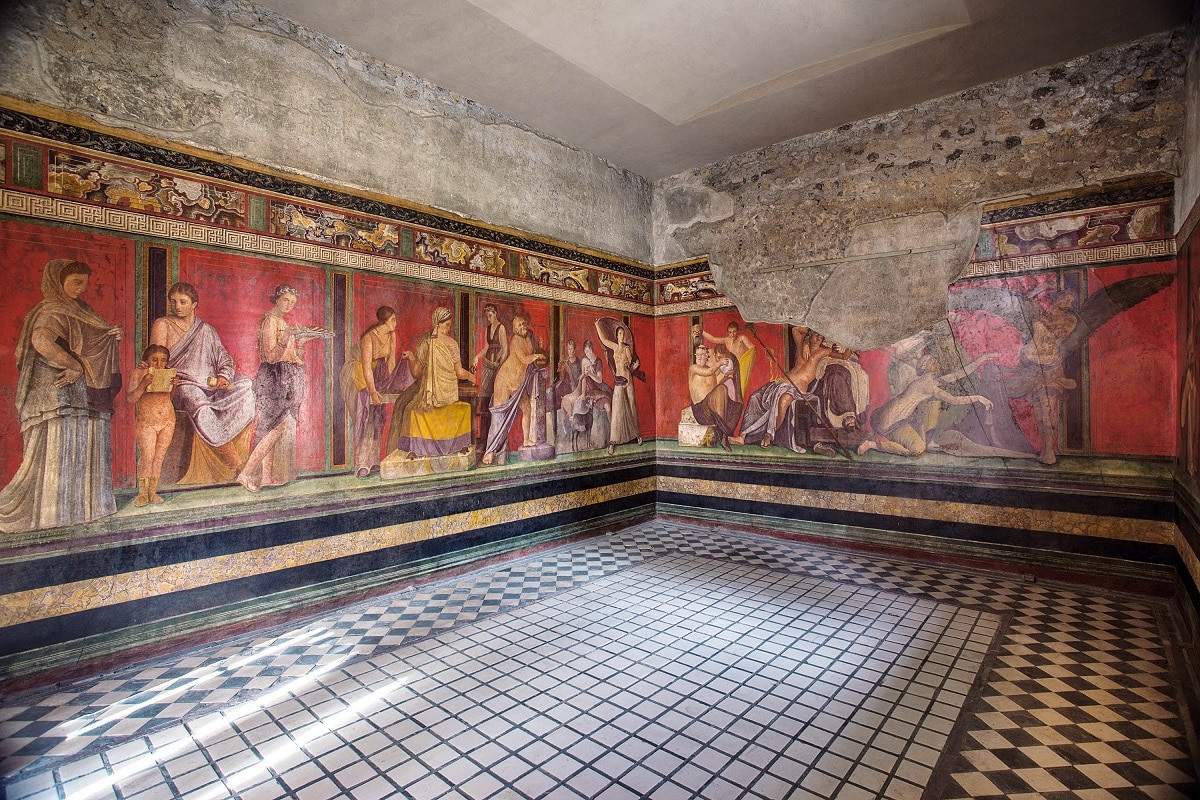
This essential historical anchor can be reached seamlessly from Naples, making it an efficient full-day excursion. Once past the gates, take your time. The site is massive, and it is best experienced by focusing on these key archaeological highlights:
- The Forum: The massive central square that served as the political, commercial, and religious heart of the ancient city.
- The Ancient Theaters: Well-preserved performance structures that showcase the grand architectural scale of classical antiquity.
- Villa Frescoes: Intricate wall paintings that still retain their rich, deep pigments inside private Roman living quarters.
Note: Remember to wear robust walking shoes and bring water, as the ancient basalt streets are uneven and shade is limited
Adding Mount Vesuvius to your itinerary
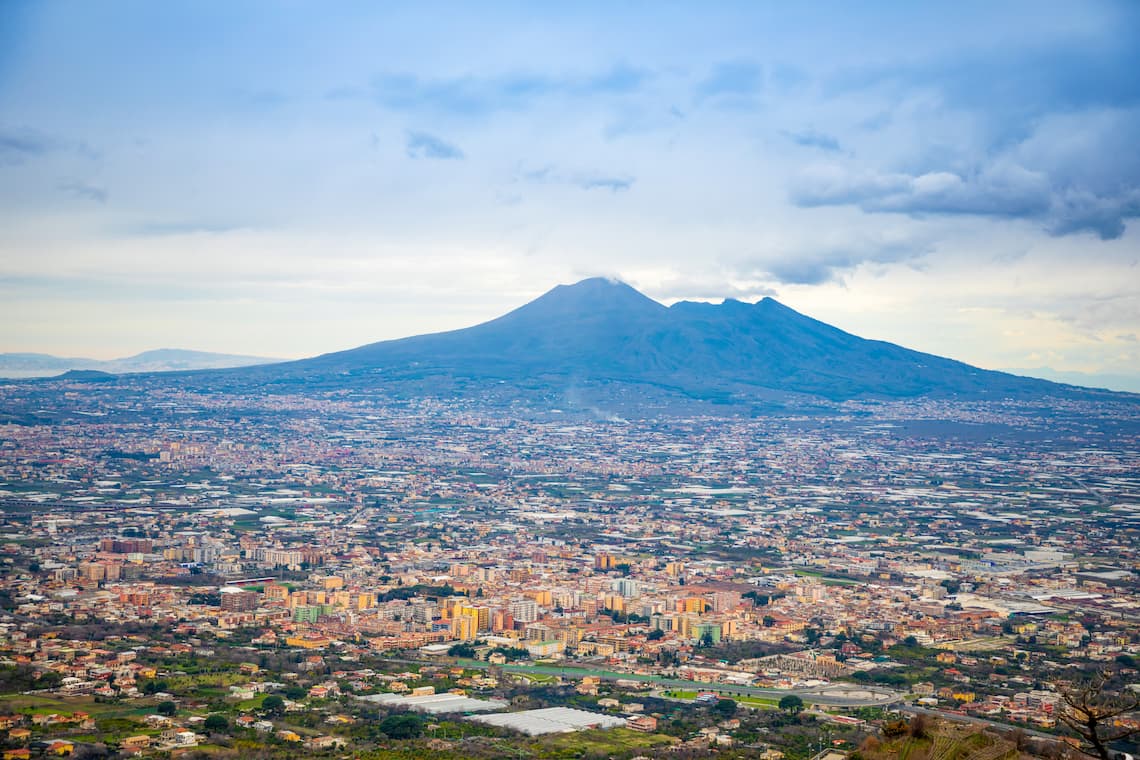
To complete the historical narrative, ascend the slopes of the force that sealed Pompeii’s destiny. A short afternoon connection brings you to the trail leading to the crater of Mount Vesuvius. Hiking to the rim offers a direct look into the volcano and an expansive panoramic view over the Bay of Naples.
What to see in Pompeii: the five archaeological excavations not to be missed
Sumptuous houses covered with mosaics, mysterious frescoes, and plaster casts. Amidst drama and splendor – what to see in Pompeii, reliving its history.
Day 3: Sorrento and the Amalfi Coast
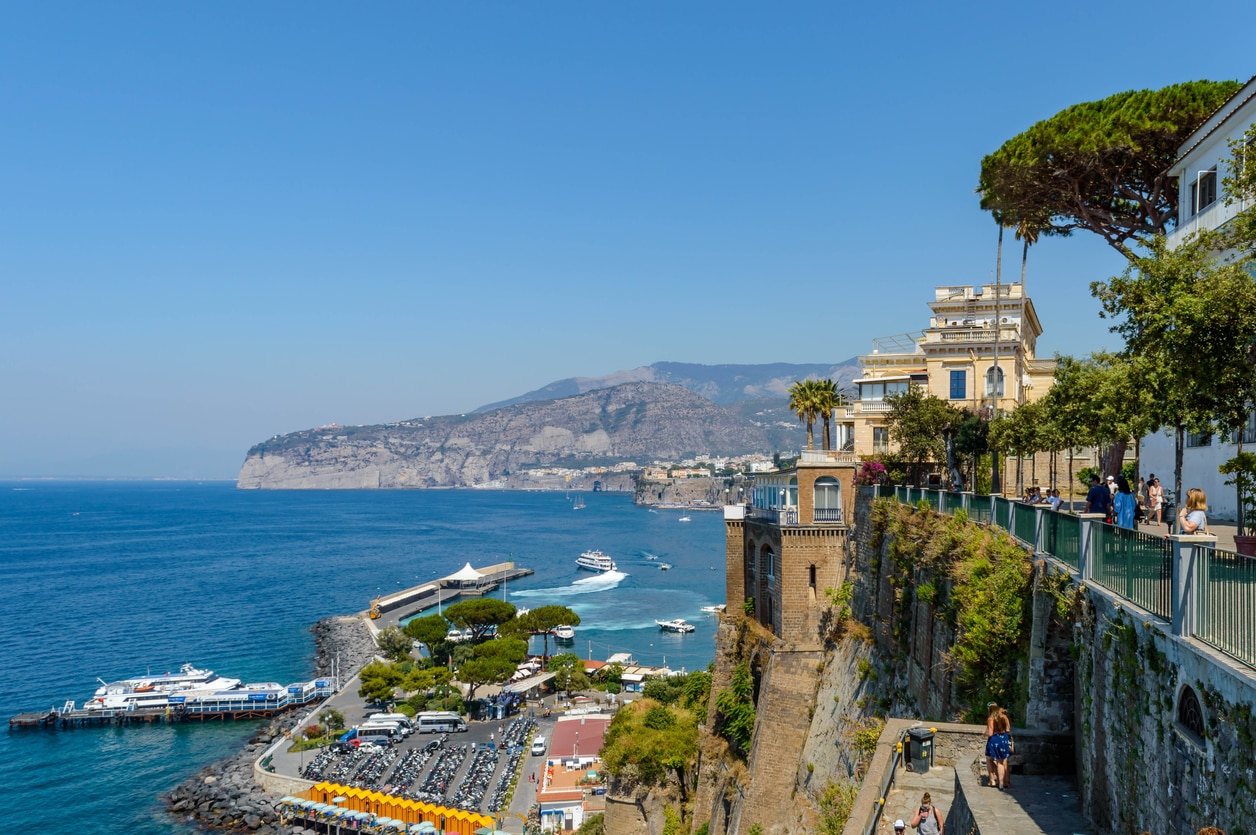
The third morning marks a transition into coastal refinement. Perched on sheer cliffs overlooking the blue waters of the bay, Sorrento is an elegant town structured around manicured lemon orchards and panoramic views.
Why Sorrento is one of the best places to stay in Southern Italy
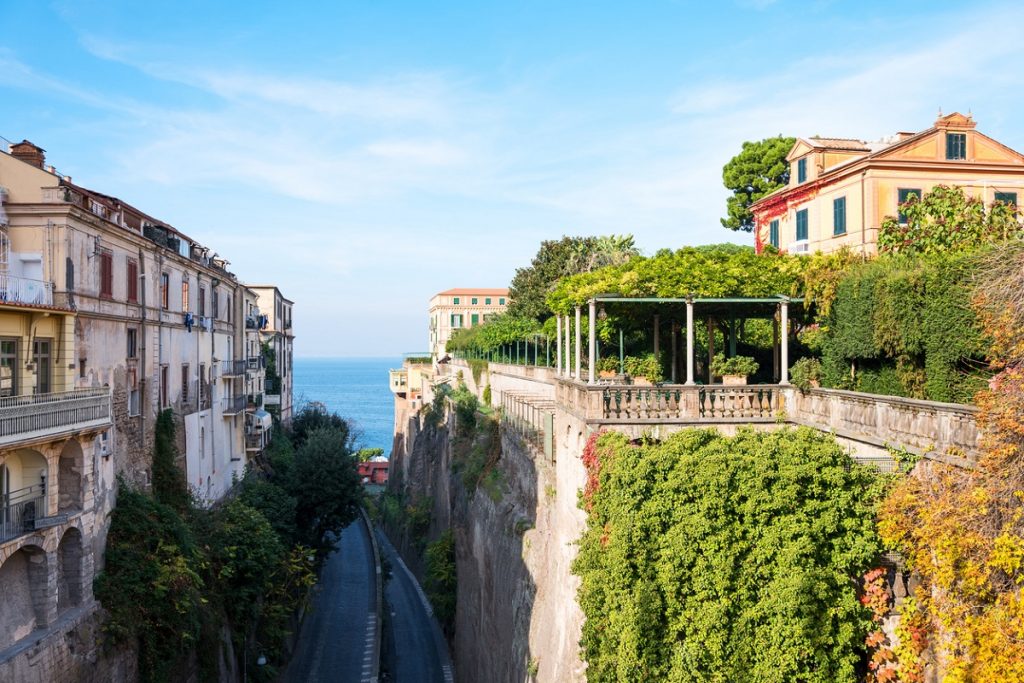
Sorrento is an excellent logistical hub because it masterfully balances resort charm with high travel utility. It features a highly walkable center and cliffside terraces opening directly to the sea. From this base, you can arrange easy day trips to the Amalfi Coast or Capri without the hassle of moving your luggage between small, isolated coastal villages.
Sorrento in a day: what to do after an afternoon at the beach
Would you like to discover what to see in Sorrento in one day after spending the morning by the sea? This itinerary combines a refreshing swim with nature, art, local flavours and an evening stroll through the lively heart of town.
Positano, Amalfi and coastal views
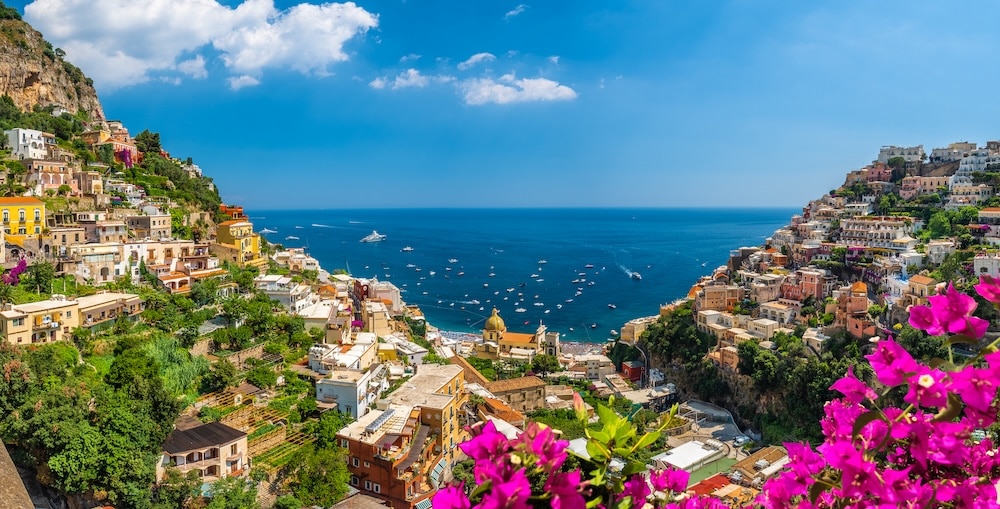
Dedicate your afternoon to exploring the famous Amalfi Drive. To enjoy the scenery without coastal traffic stress, it is best to start early and choose two main stops to focus on:
- The Amalfi Drive: The legendary, winding cliffside road known worldwide for its spectacular panoramic views.
- Positano: A postcard-perfect coastal gem, famous for its colorful houses cascading down steep slopes toward the beach.
- Amalfi: A historic maritime republic featuring a striking cathedral and a lively waterfront.
Day 4: Bari and the heart of Apulia
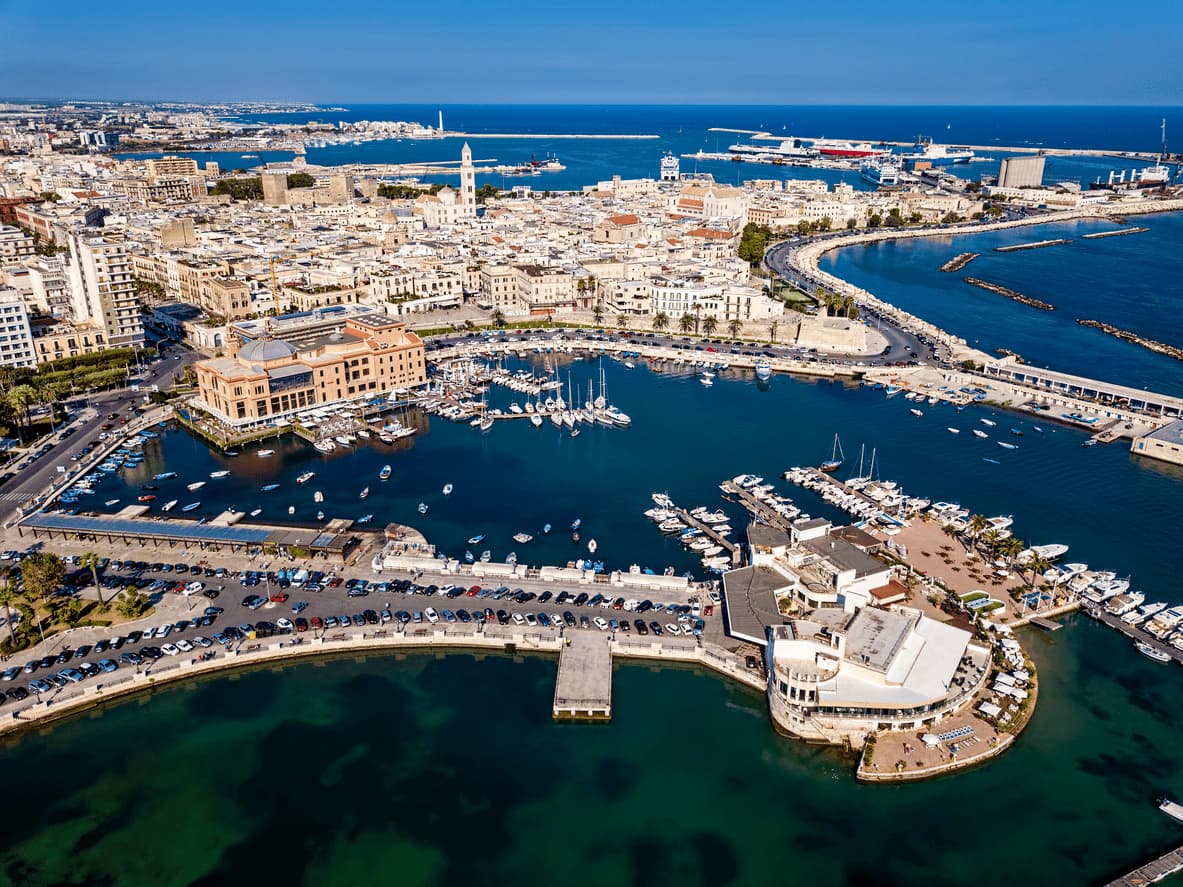
On the fourth day, leave the Tyrrhenian coast behind to cross the peninsula toward the east. Your destination is Bari, a proud Adriatic gateway that pairs an authentic maritime culture with a relaxed Adriatic rhythm.
Bari Vecchia and the seafront
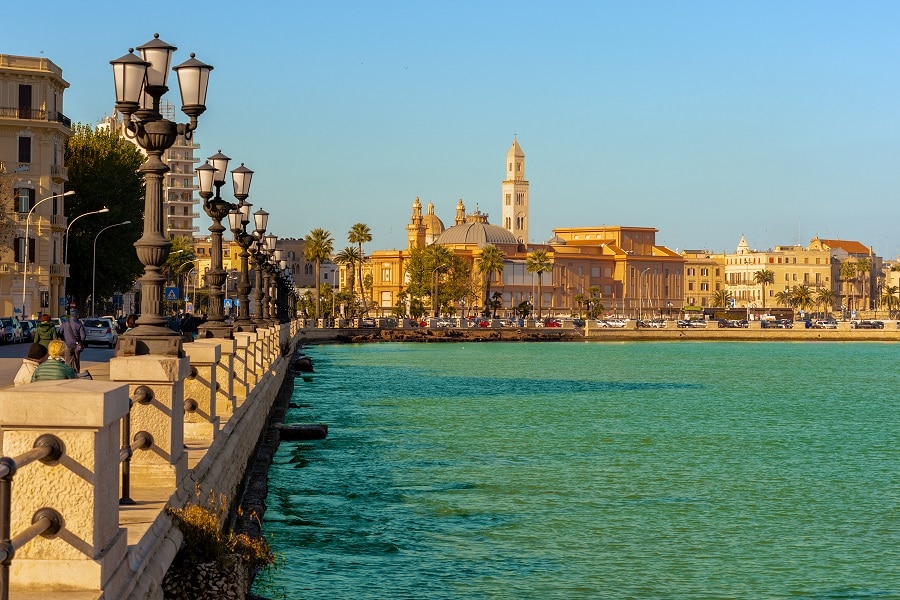
The soul of the city lives within Bari Vecchia, the walled historic core. This labyrinth of stone paths operates as an open-air living room where you can watch multi-generational local women hand-rolling fresh orecchiette pasta outside their doorways. When exploring this area, make sure to include these key highlights:
- The Old Town Alleys: A fascinating stone maze where local culture and culinary traditions are completely visible on the streets.
- Basilica di San Nicola: A stunning Romanesque masterpiece and a core historical anchor of the city.
- The Old Fishing Harbor: A traditional spot to explore and observe the local maritime life.
- The Seafront Promenade: A grand walkway perfect for joining the locals for a traditional sunset stroll.
What to Do and Eat in Bari
Exploring Bari promises an enriching experience filled with history, stunning landscapes, delectable cuisine and warm hospitality. Whether you’re wandering through ancient streets or relaxing on sun-kissed beaches, Bari truly captivates every visitor’s heart.
Where to stay in Bari
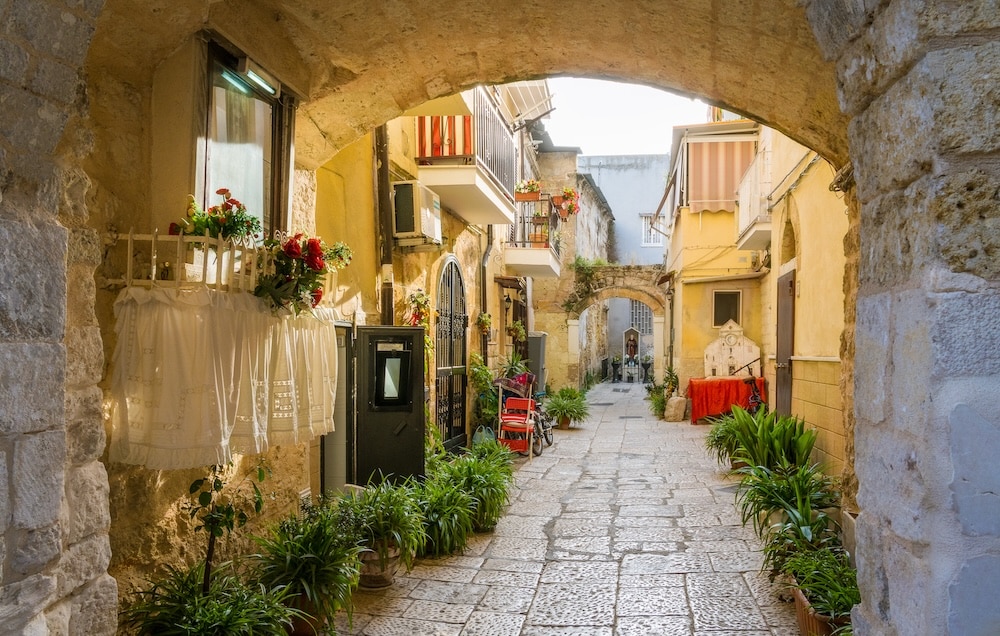
Choose a historical residence in the old town if you are looking for an authentic atmosphere. If you prefer modern architecture and immediate access to shopping avenues and rail connections, the 19th-century Murat district provides an incredibly polished, strategic base that allows you to explore the wider region easily.
What to see in Bari: wonders and curiosities of the Apulian capital
Bari is a city that surprises with remarkable naturalness: it has the slow pace of seaside towns, the lively character of Southern cities and a layered history that can be felt in every corner, among Romanesque churches, squares open to the wind, alleys full of voices and the scent of focaccia.
Day 5: Alberobello, Polignano a Mare and Ostuni
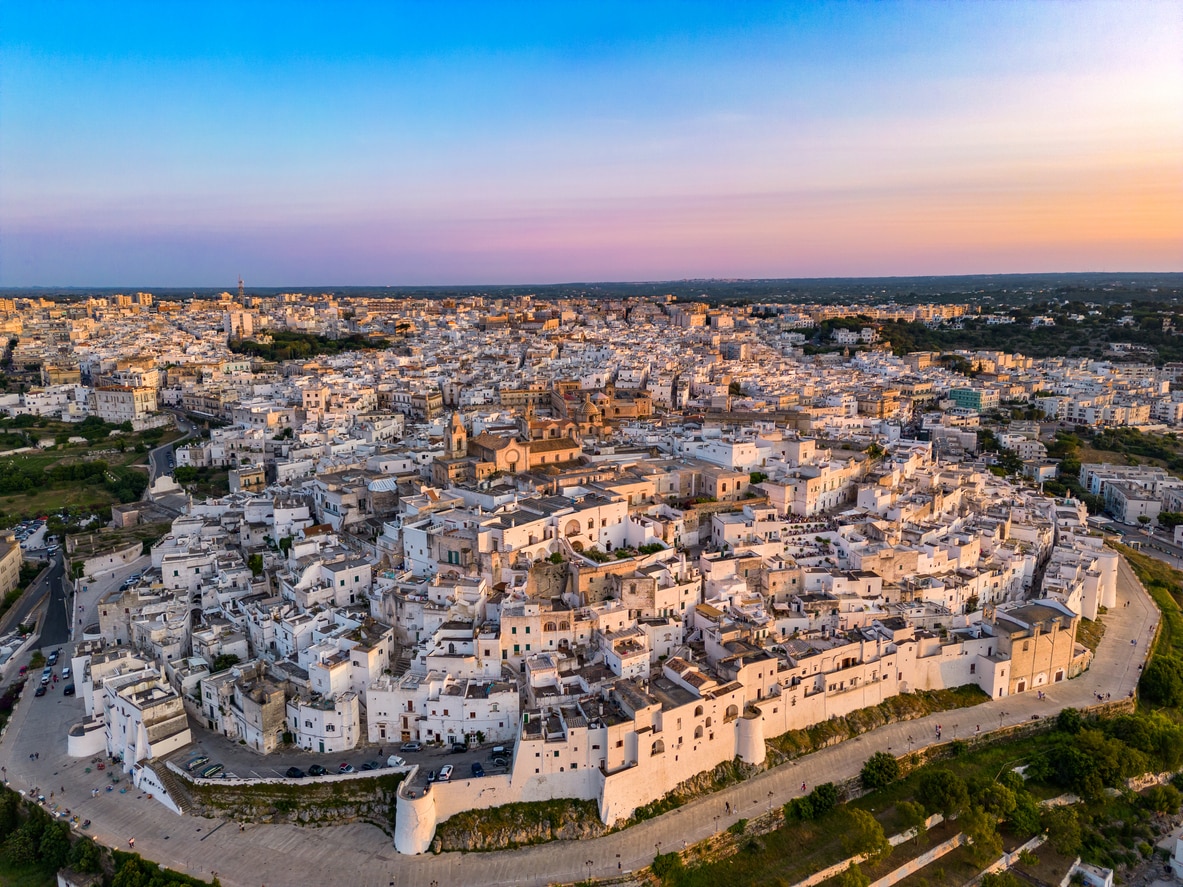
Day five unfolds as a highly curated circuit through Apulia’s most distinct architectural treasures, shifting from unique inland heritage to dramatic maritime perches.
The best Southern Italy towns to visit in Apulia
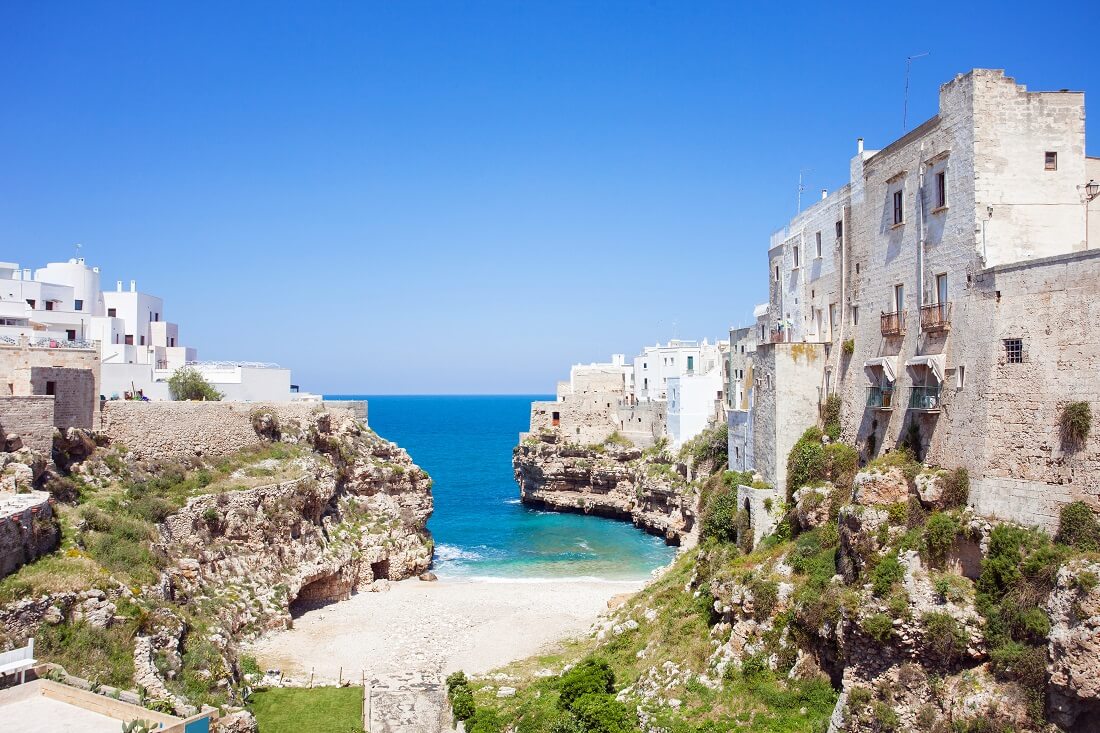
To experience the incredible visual and structural variety of the region, explore these three iconic destinations:
- Alberobello: World-famous for its unique, cone-roofed trulli houses that feel completely detached from modern templates.
- Polignano a Mare: Built daringly onto the margins of white limestone cliffs hanging directly over a crystal-clear sea.
- Ostuni: The famous “White City,” featuring a fortified labyrinth of chalk-washed stone pathways perched on a hill overlooking endless seas of ancient olive trees.
Trulli, whitewashed villages and sea views

These three towns show the great variety of the region. To maintain a deliberate, comfortable travel pace, choose two destinations. Combining the dry-stone heritage of Alberobello with the cliffside overlooks of Polignano offers a balanced day trip; save Ostuni for a late-afternoon stroll when the white stone catches the deep tones of the Southern sunset.
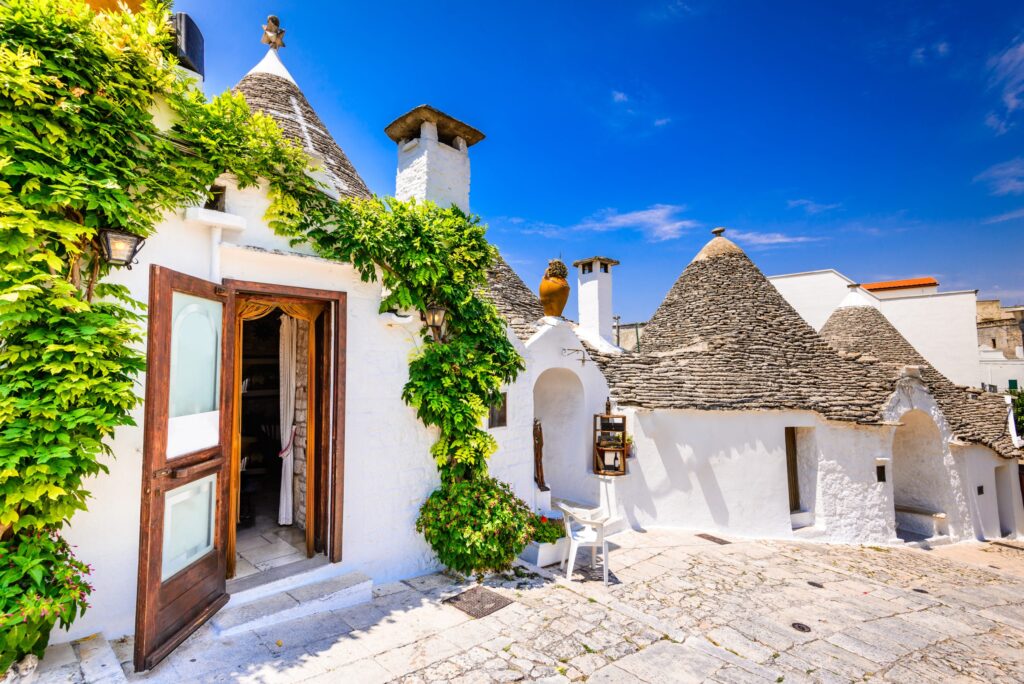
Exploring Puglia: Your Ultimate Travel Guide to Italy’s Enchanting Region
Explore Puglia, Italy’s enchanting region where history and pristine beaches blend with culinary excellence. Discover what makes this area a must-visit with our comprehensive guide.
Day 6: Matera, one of the most unique places in Southern Italy
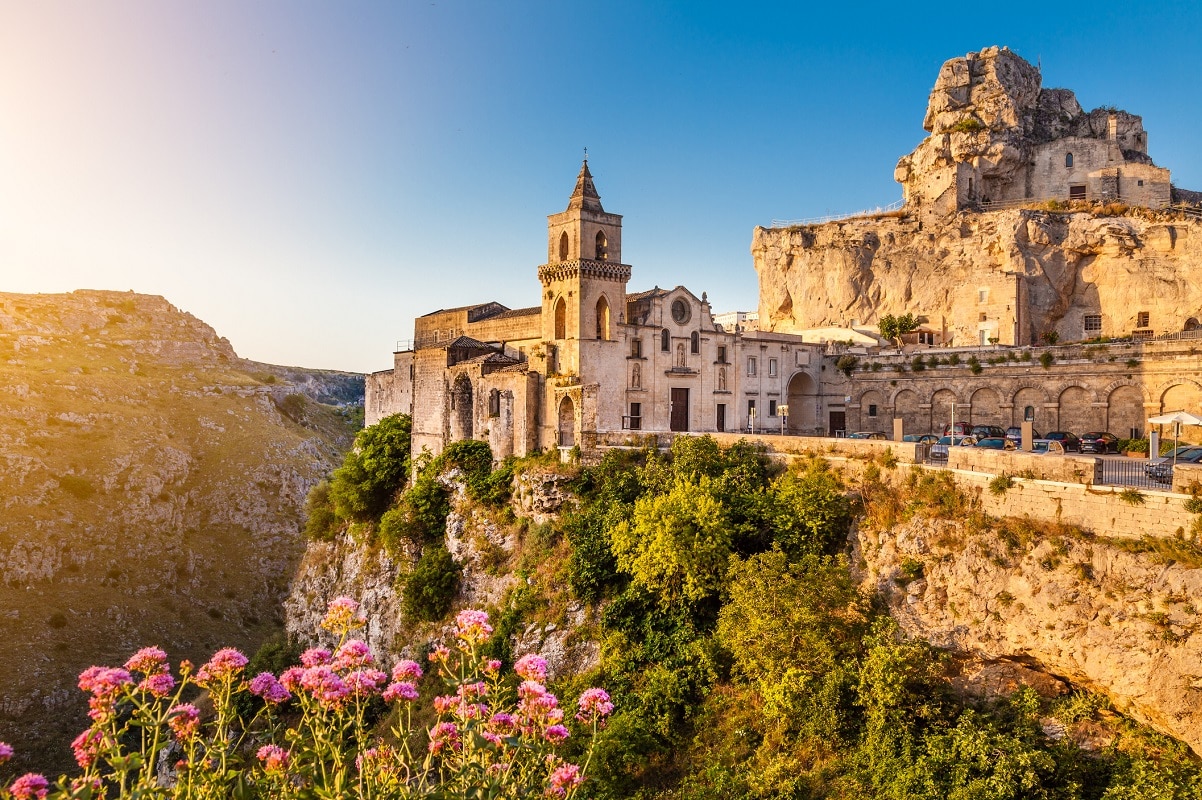
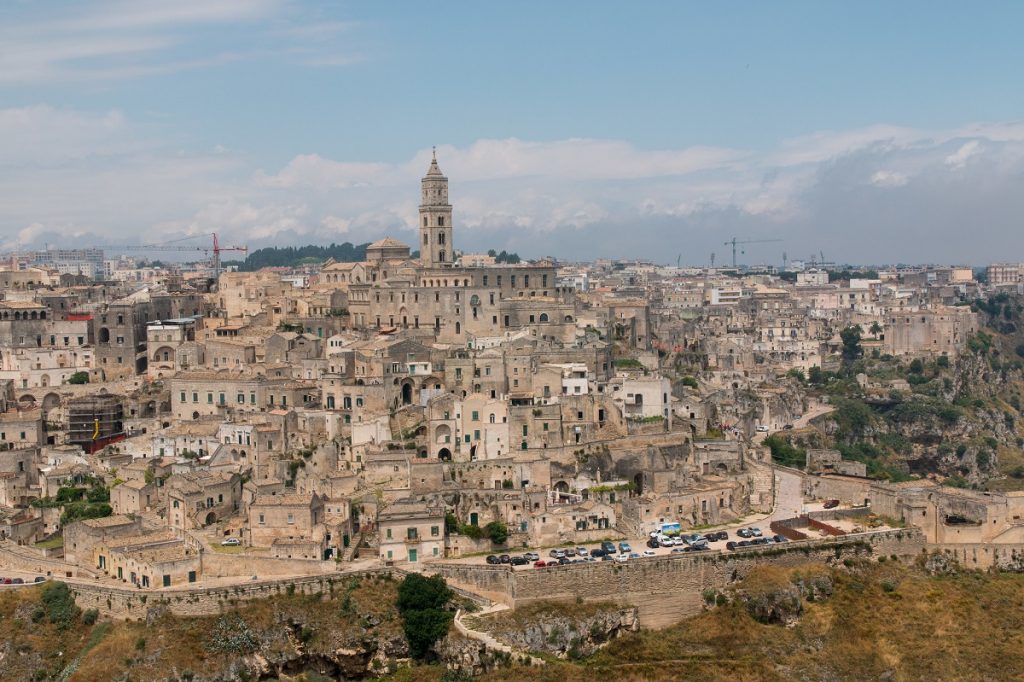
Cross the border into the rugged Basilicata region to confront a city that defies conventional definitions. Matera is a monument to human endurance, its entire urban structure hand-carved directly into the limestone walls of a massive, prehistoric ravine.
Exploring the Sassi di Matera
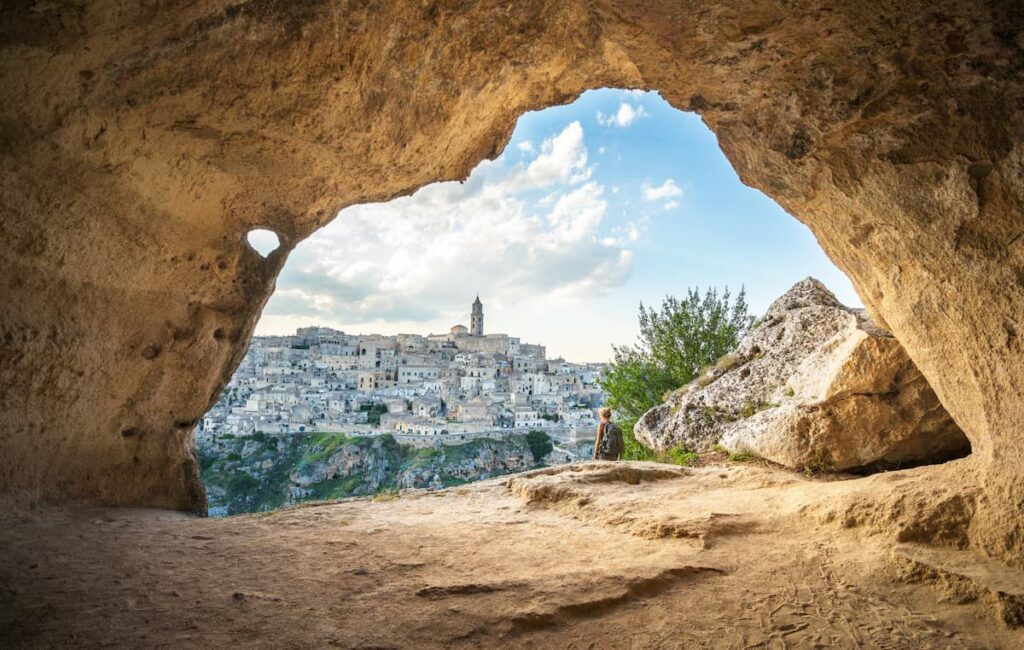
Navigating the historic Sassi districts requires you to move along winding stone stairways and narrow lanes. Matera invites quiet observation rather than rushed checklists, as its beauty lies in the texture of the stone and the vast silence of the canyon. When exploring this vertical stone network, make sure to discover these specific features:
- Rock-cut Byzantine churches: Ancient places of worship hidden behind unassuming stone facades throughout the ravine.
- Preserved cave houses: Historic spaces open to visitors that showcase exactly how families lived here for centuries.
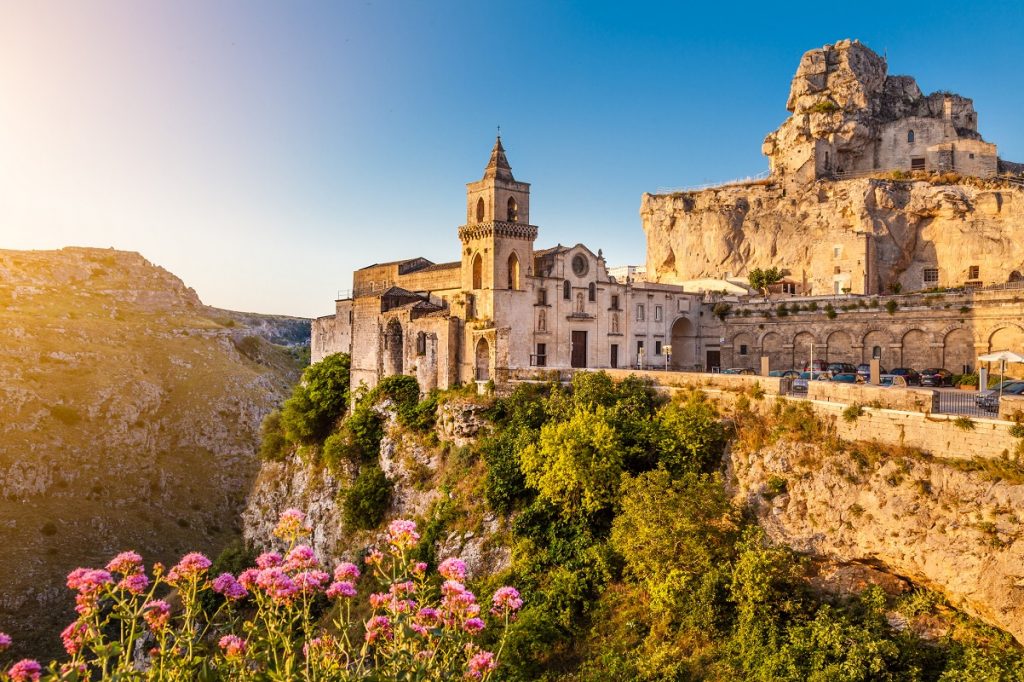
A weekend in Matera? Here’s what to see and do in two days
Ten must-see stops for a splendid weekend in Matera: from the Sassi to the Murgia Park, with museums and shopping – visit it with us!
Why Matera deserves an overnight stay
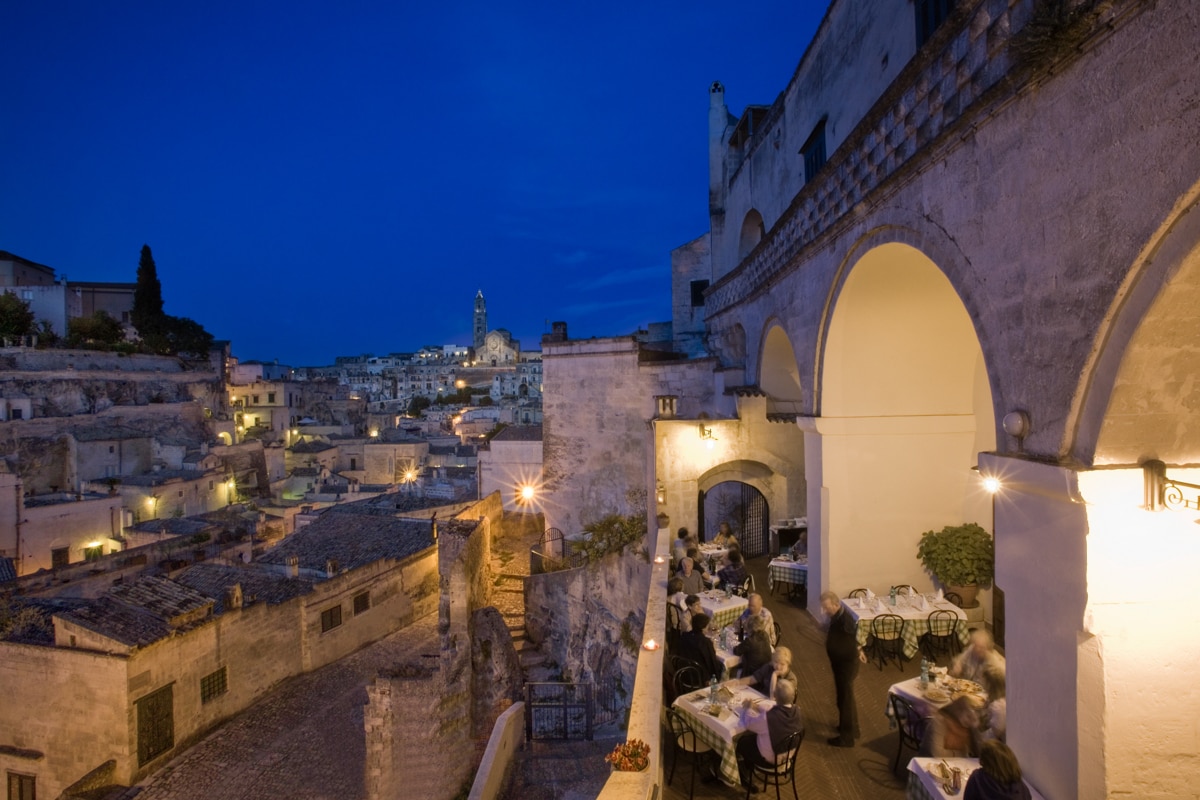
Experiencing Matera purely as a hurried day trip is a profound travel mistake. When the afternoon crowds depart, the city undergoes a beautiful transformation. The vast stone valleys light up with soft amber glows, creating a cinematic and silent atmosphere under the stars that stands out as a core highlight of the trip.
Visiting Matera with children: the five sights not to be missed
Would you like to visit Matera with children? Good idea! Here’s what to see, from the Cave House to the treasures of the Murgia park.
Day 7: Salerno or Lecce, two great final stops
Your final twenty-four hours present an elegant logistical crossroads, allowing you to customize the grand finale of your Southern journey based on your transit plans and personal style.
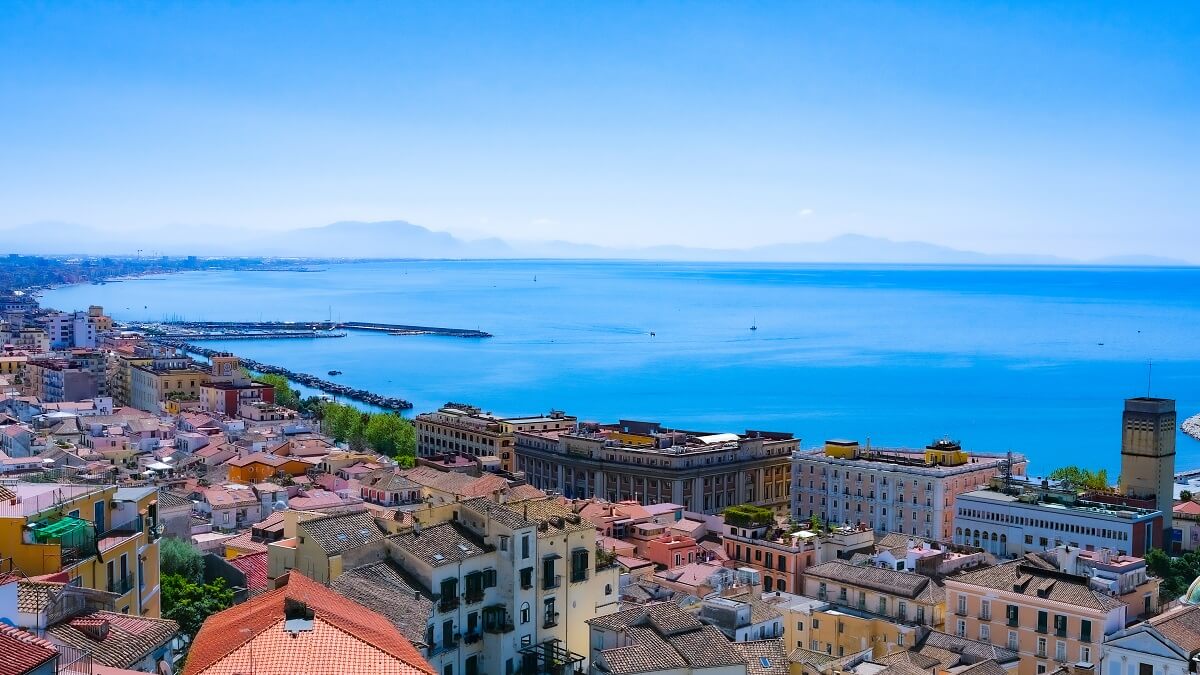
Salerno for coastal elegance and Mediterranean atmosphere
If your travel logistics require returning west toward Campania’s transport networks, Salerno is a strategic choice. It offers a relaxed local vibe unbothered by heavy international crowds, making it a perfect setting to wrap up your week by the sea. When exploring the city, focus on these essential sights:
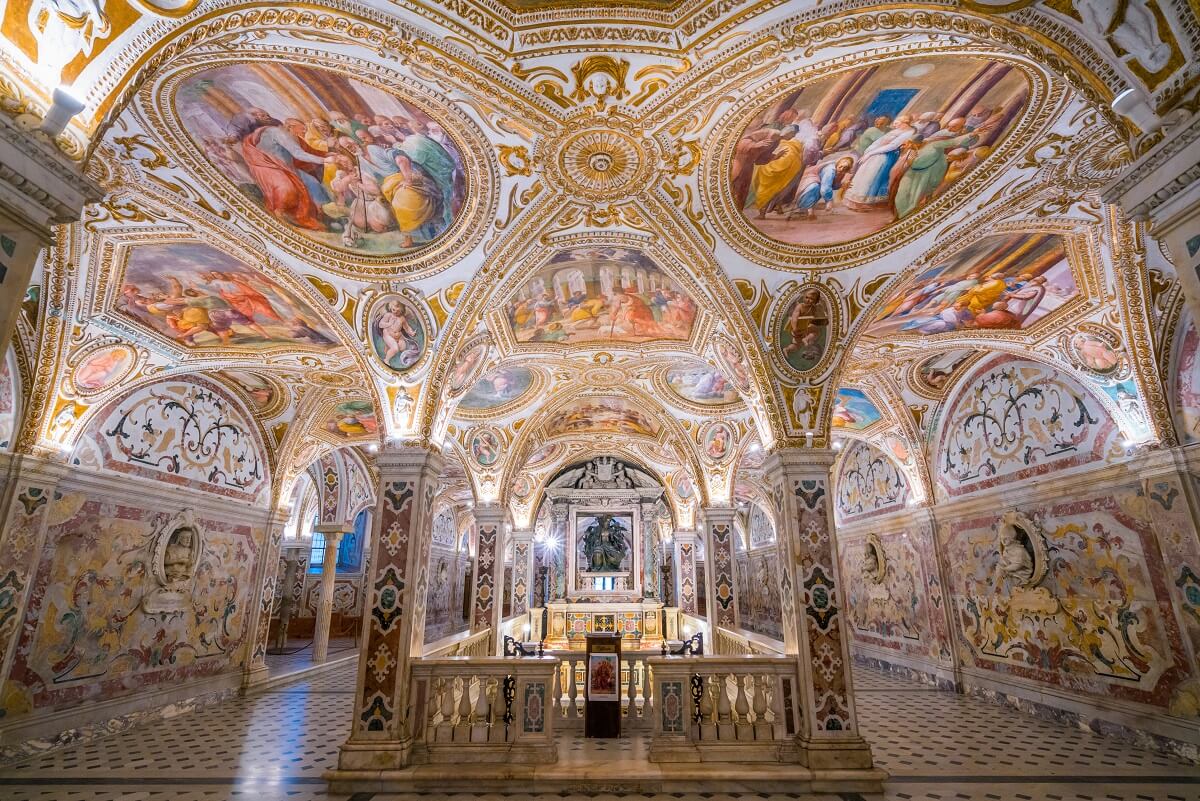
- The Cathedral (Duomo): A historic and architectural masterpiece located in the heart of the old town, featuring unique cultural details.
- The Waterfront Promenade: A long, pleasant coastal walkway ideal for a relaxed stroll and enjoying the maritime breeze.
- The Historic Centre: A charming medieval core filled with narrow lanes, perfect for wandering and enjoying an authentic local meal.
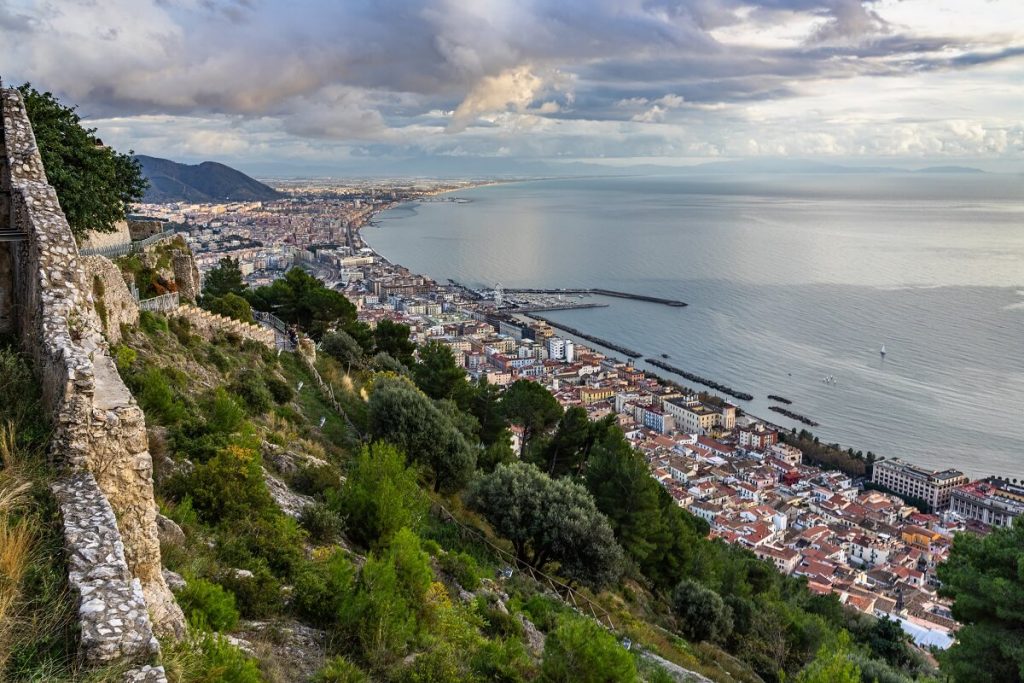
Things to Do in Salerno, Italy: A Comprehensive Travel Guide
Discover the best things to do in Salerno, Italy, with our comprehensive travel guide. Explore top sights, historical landmarks, and beautiful beaches. Plan perfect day trips from Salerno to the Amalfi Coast and more. Perfect for a romantic weekend or a family vacation.
Lecce for baroque beauty and Southern charm
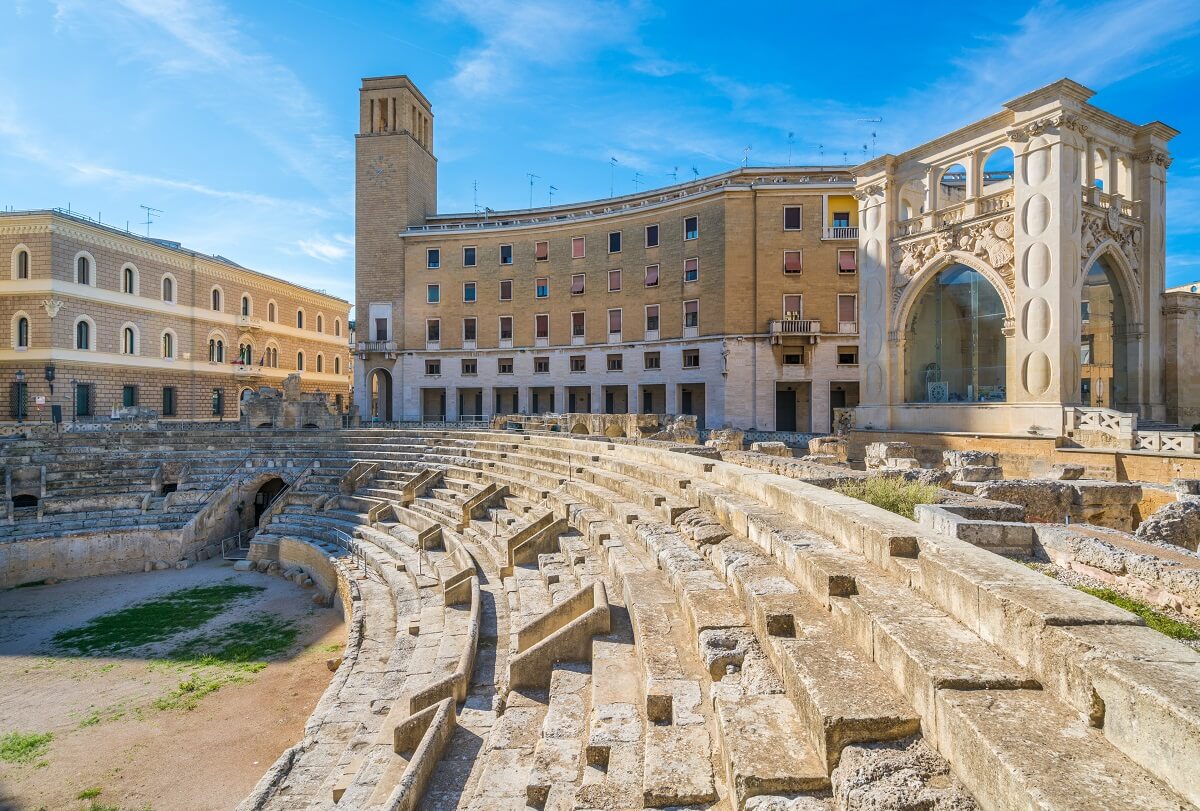
If heading deeper south, choose Lecce, widely celebrated as the “Florence of the South.” This highly refined city is filled with golden stone façades and an elegant evening aperitivo atmosphere, anchored by these must-see landmarks:
- Piazza del Duomo: A magnificent, grand square that forms the refined architectural and social heart of the historic center.
- Basilica di Santa Croce: A true triumph of ornate baroque architecture, famous for its wildly intricate and detailed limestone facade.
- The Roman Amphitheatre: An impressive ancient structure sunken into the main square, showcasing the city’s multi-layered history.
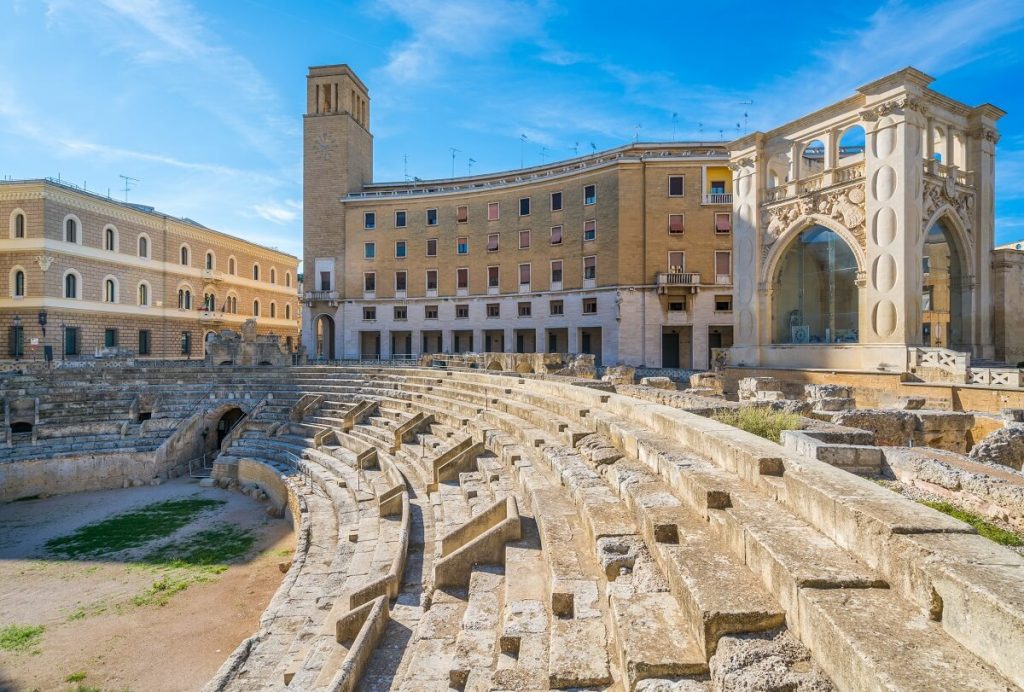
Lecce: Ten things to do and see
Lecce: the city of the Baroque, churches and scents of the Mediterranean. One of Italy’s most fascinating open-air museums, this city is ideal all year round for a holiday break to enjoy culture, food, and wine.
Tips for planning a Southern Italy itinerary
Balancing an expansive, multi-region timeline across the south requires structural clarity. The key to a flawless execution lies in mapping your movements to mirror the local pace beautifully.
How to balance cities, beaches and small towns
Always alternate intense urban days with quieter coastal or village stops. Let the maritime calm of Sorrento reset your equilibrium after the dense history of Naples and Pompeii, and allow the vast, rock-carved silence of Matera to bring a reflective pause after the lively streets of Bari.
When to visit Southern Italy
Spring (April to June) and autumn (September to October) offer the best weather conditions and manageable crowds. Summer is ideal for beaches but can be hot and crowded, while winter is great for cultural city breaks focused on regional cuisine and local city life.
How to move between destinations
Seamless transportation forms the backbone of a one-week itinerary. Relying on central urban hubs as your overnight bases keeps your transit structured, minimizing the logistics of luggage handling and maximizing your actual time spent inside the historic centers.
Travel to Southern Italy with Italo
Navigating the rich landscapes of the south by rail transforms transit into an effortless pleasure. Traveling by high-speed train removes the friction of traffic, parking limits, and restricted driving zones (ZTL). Traveling with Italo stands as the fastest and most comfortable way to move between different regions, creating a seamless connection across the country. Through this network, you can quickly reach major southern gateways like Naples, Salerno, and Bari.
Moving between the Tyrrhenian and Adriatic seas becomes a hands-free, exceptionally comfortable experience. This allows you to stay refreshed and ready to rely on local transit lines within individual destinations to reach the cliffs of the Amalfi Coast, the unique villages of Apulia, or the timeless stone alleys of Matera, revealing the ultimate face of Italy’s southern soul.