A 7-day Tuscany itinerary is the perfect way to enjoy one of Italy’s most beloved regions at a relaxed yet inspiring pace. In one week, you can wander through the Renaissance streets of Florence, admire the Leaning Tower of Pisa, cycle along Lucca’s ancient walls, explore the medieval beauty of Siena and San Gimignano, and lose yourself among the vineyards, cypress-lined roads and hilltop villages of Chianti and Val d’Orcia. This itinerary is designed for travellers who want to combine art, culture, food, wine and scenic landscapes, with enough time to savour each destination without feeling rushed.
- 1 Why spend one week in Tuscany
- 2 7 days in Tuscany: itinerary overview
- 3 Day 1: Florence and the heart of the Renaissance
- 4 Day 2: Pisa and Lucca between iconic landmarks and charming streets
- 5 Day 3: Siena and San Gimignano, medieval Tuscany at its best
- 6 Day 4: Chianti countryside and wine villages
- 7 Day 5: Val d’Orcia, from Pienza to Montepulciano
- 8 Day 6: Arezzo and Cortona, art and views beyond the classic route
- 9 Day 7: Back to Florence with a final Tuscan stop
- 10 Best time to visit and Practical Tips
- 11 How to get around
- 12 Start your journey with Italo
Why spend one week in Tuscany
Choosing one week in Tuscany means giving yourself the chance to experience the region with the right rhythm, moving beyond the most famous sights and letting each place unfold naturally. Seven days allow you to alternate museum visits, historic centres, panoramic walks and quiet moments at the table, without having to choose between cultural discovery and simple relaxation. It is enough time to understand how varied Tuscany can be: elegant and monumental in its cities, intimate in its smaller towns, generous in its cuisine and deeply atmospheric in its landscapes. A Tuscany itinerary in 7 days is ideal for travellers who want a complete journey, where every day has a different flavour and the pleasure of travel is found not only in what you see, but also in the way you experience it.
7 days in Tuscany: itinerary overview
This 7-day Tuscany itinerary begins and ends in Florence, one of the easiest and most rewarding gateways to the region. From there, you can explore Tuscany’s main cities and add day trips to smaller towns and countryside areas.
Map of a one-week itinerary in Tuscany
| Day | Activities | Area |
| 1 | Duomo, Piazza della Signoria, Uffizi Gallery, and sunset at Piazzale Michelangelo. | Florence |
| 2 | Leaning Tower and Piazza dei Miracoli; cycling the city walls and Piazza dell’Anfiteatro. | Pisa & Lucca |
| 3 | Piazza del Campo and the Cathedral; exploring the “Town of Towers.” | Siena & San Gimignano |
| 4 | Greve in Chianti, wine tasting, and scenic drives through Panzano and Radda. | Chianti |
| 5 | Pienza’s Renaissance center and the hilltop wine cellars of Montepulciano. | Val d’Orcia |
| 6 | Antique shopping and frescoes in Arezzo; panoramic views and steep lanes in Cortona. | Arezzo & Cortona |
| 7 | Oltrarno district, Boboli Gardens, or the hilltop views from Fiesole. | Florence / Fiesole |
Day 1: Florence and the heart of the Renaissance
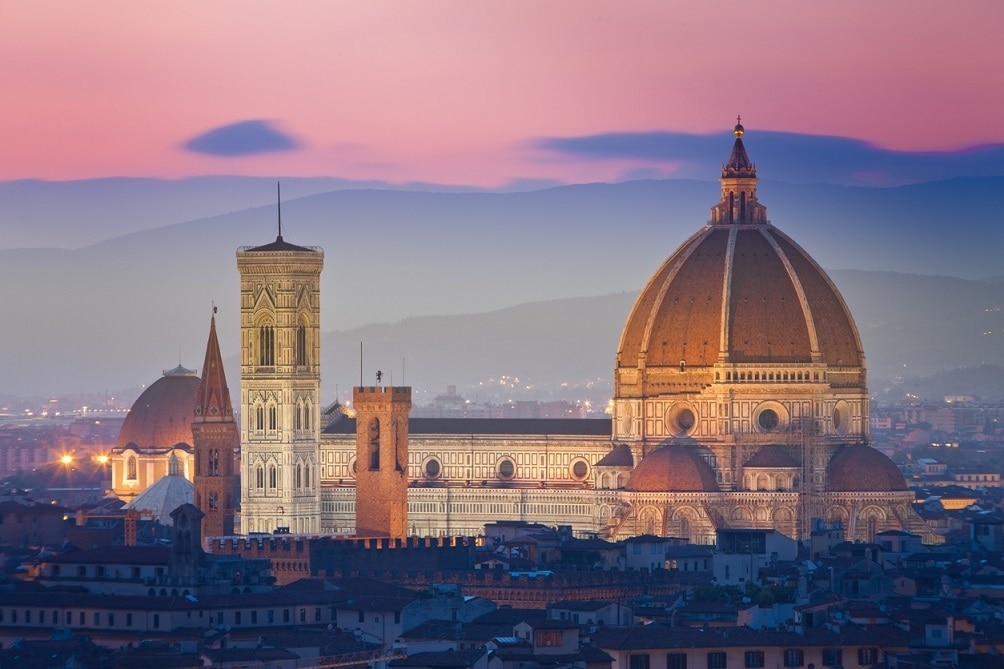
Florence is the ideal starting point for your week in Tuscany. Elegant, walkable and rich in masterpieces, the city offers an unforgettable introduction to the region’s artistic soul.
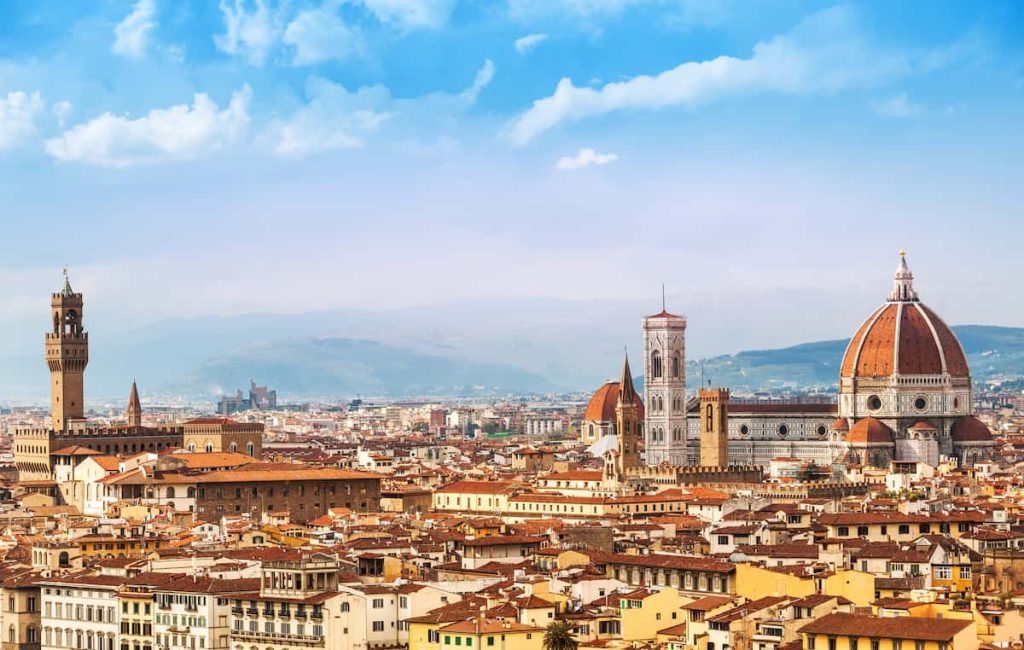
Florence in 1 day: itinerary to discover the best of the city
Florence needs no introduction: it is the cradle of the Renaissance, a city that shaped the history of world art and culture. Despite its countless wonders, the historic center is compact and entirely walkable, making it possible to discover its treasures even in a single day.
What to see in Florence in one day
Start your morning in Piazza del Duomo, where the Cathedral of Santa Maria del Fiore dominates the skyline. It’s a breathtaking sight, especially when you’re standing right under Brunelleschi’s dome. From there, walk over to Piazza della Signoria, which feels like an open-air museum filled with statues and the grand Palazzo Vecchio.
If you’re an art lover, you’ll definitely want to spend time at the Uffizi Gallery to see Botticelli and Michelangelo, but remember to book ahead. If you prefer to stay outdoors, cross the Ponte Vecchio and wander into the Oltrarno district. This side of the river has a much more local feel, full of artisan workshops and cozy, traditional trattorias. End your day at Piazzale Michelangelo; watching the city turn golden as the sun sets over the Arno is something you’ll never forget.
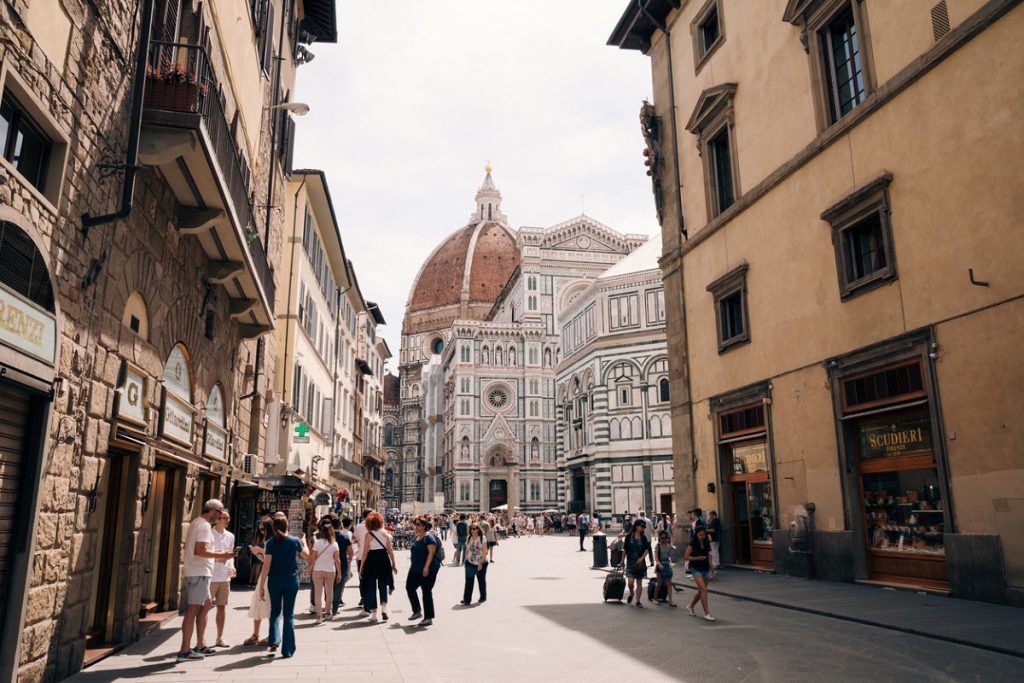
Free Things to Do in Florence (and where to eat on a budget)
Discover the best of Florence without spending a dime! Explore top attractions & secret spots with our guide
Where to enjoy your first Tuscan dinner
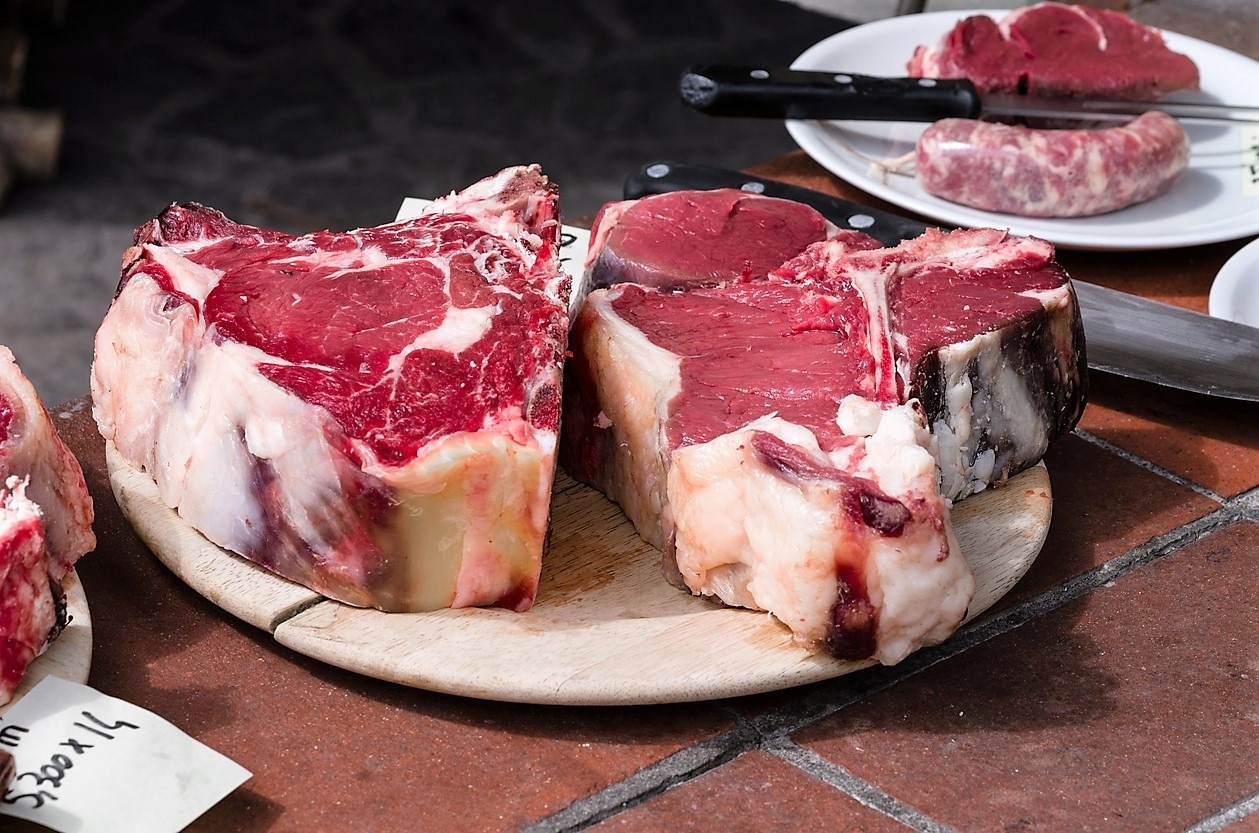
Your first meal in Tuscany should be all about comfort and tradition. Look for a family-run trattoria and try a bowl of ribollita, a thick, savory vegetable soup, or some pappardelle with wild boar ragù. If you’re feeling hungry, the bistecca alla fiorentina is the legendary choice—just remember it’s meant to be shared and enjoyed slowly with a glass of bold local red wine.
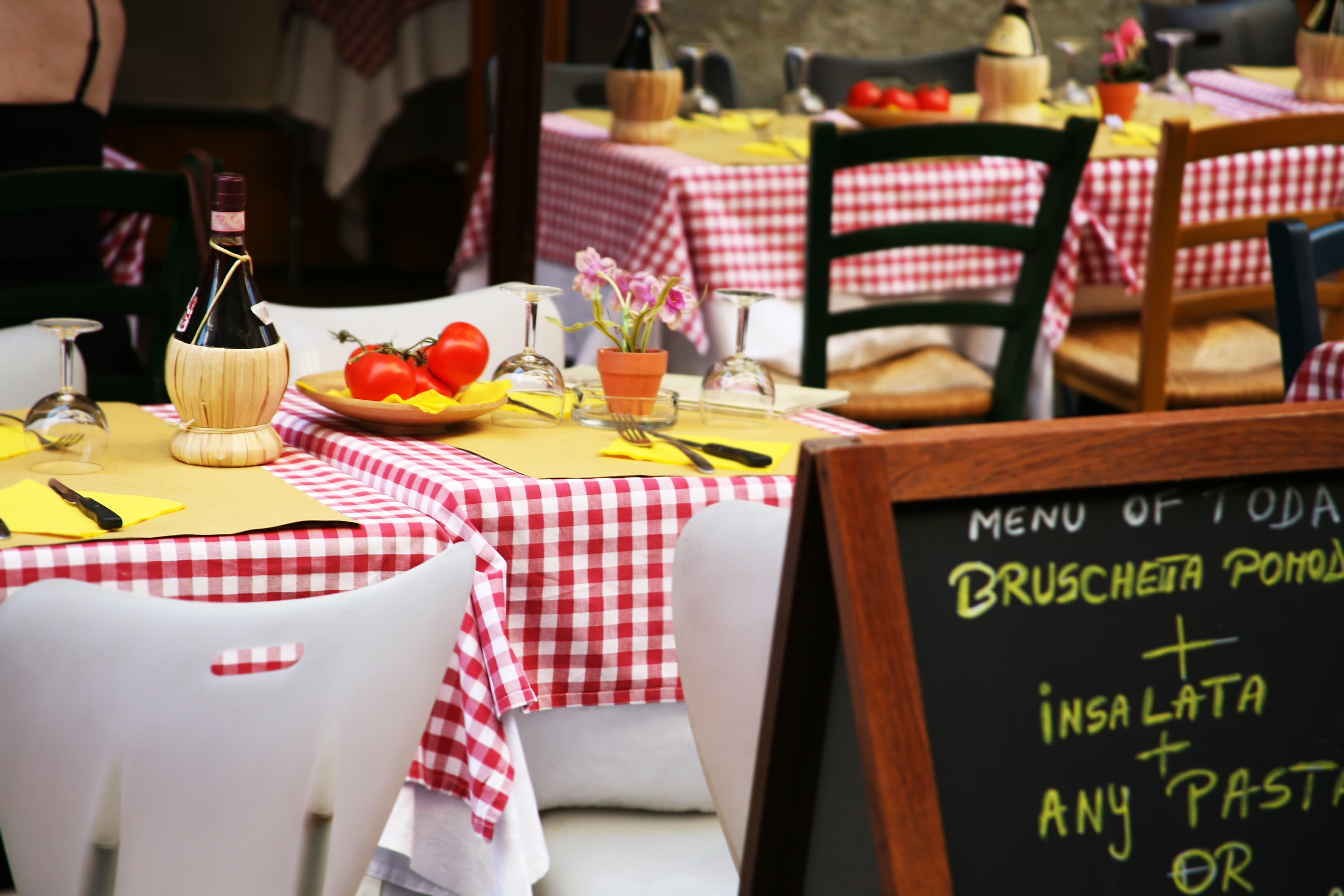
Eating in Florence: the best places to taste traditional dishes
Florence is a city with a long and rich culinary tradition. There are many great places to eat in Florence, but some of the best are the traditional restaurants that serve up classic Tuscan dishes.
Day 2: Pisa and Lucca between iconic landmarks and charming streets
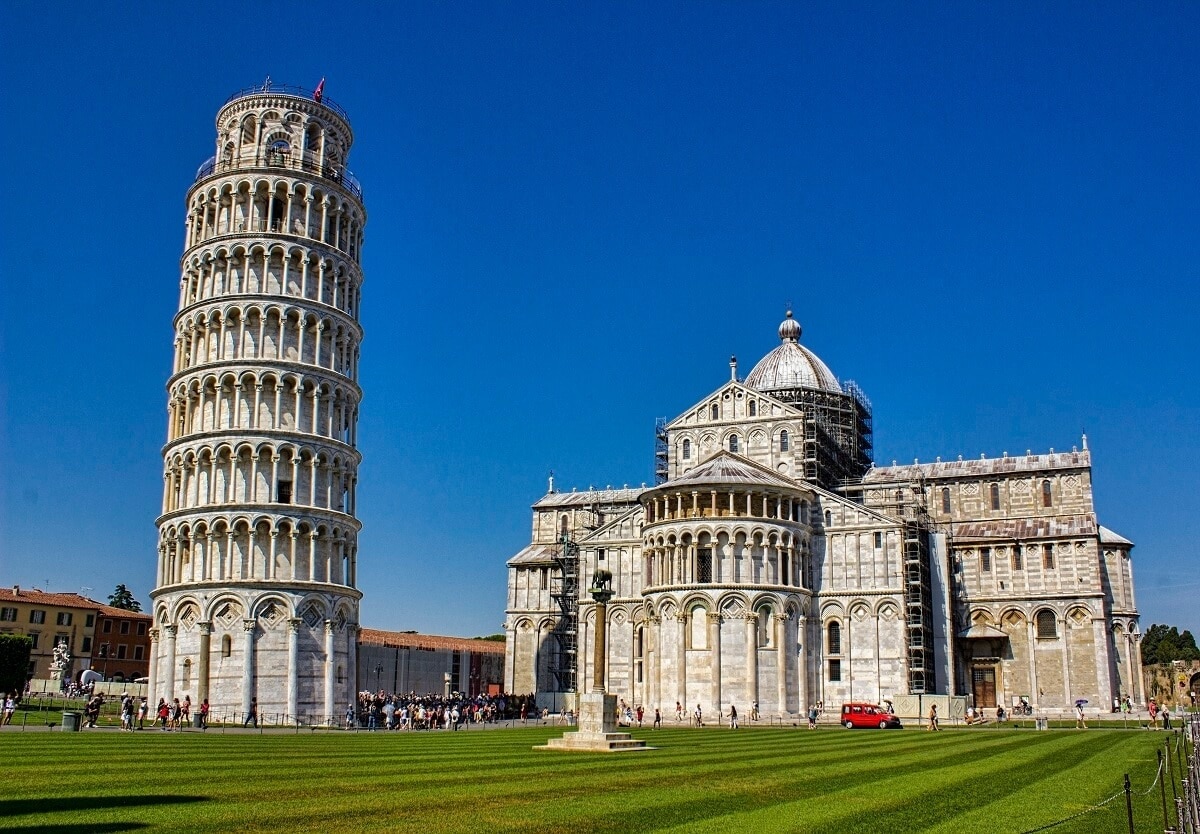
The second day is perfect for discovering two very different Tuscan cities: Pisa, famous throughout the world for its Leaning Tower, and Lucca, a refined and peaceful town enclosed by Renaissance walls.
The Leaning Tower and Piazza dei Miracoli
Once in Pisa, go straight to Piazza dei Miracoli. It’s one of the most striking architectural spots in Italy, and seeing the white marble of the Leaning Tower, the Cathedral, and the Baptistery against the bright green grass is a real highlight. Even if you only stay for a few hours, the sheer history and atmosphere of the square are powerful enough to make the stop worth it.
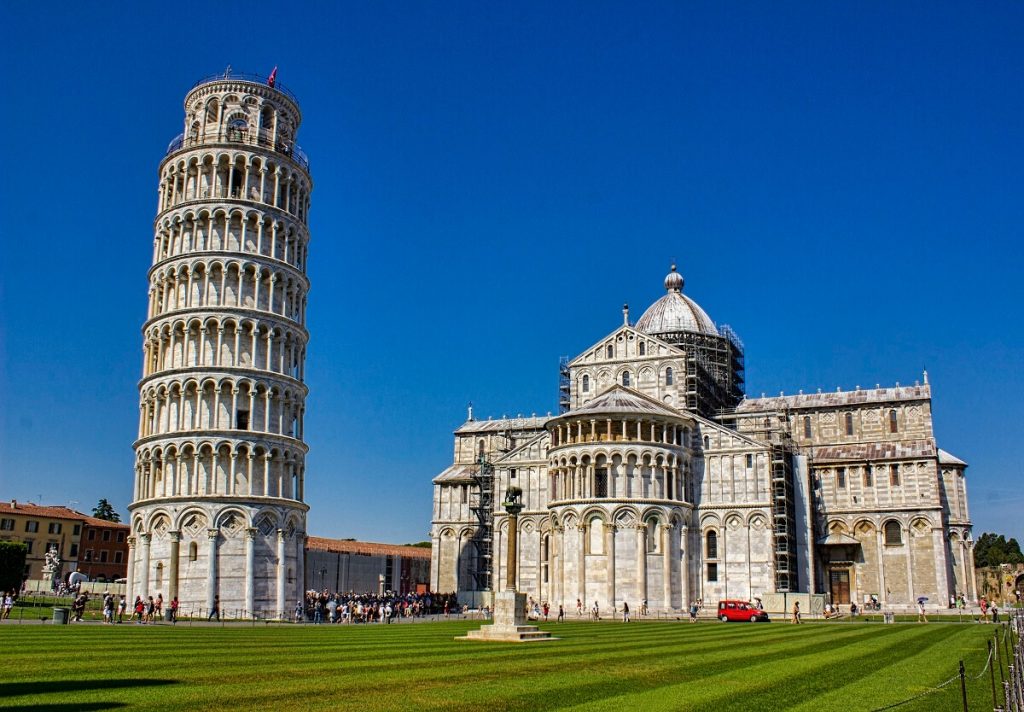
What to see and do in Pisa
Pisa is often associated with one unforgettable image: the Leaning Tower rising with elegant improbability from the green lawn of Piazza dei Miracoli. Yet the city offers much more than its most famous monument.
Lucca by bike or on foot: a slow-paced Tuscan gem
Next, head over to Lucca, a city that practically forces you to slow down. Its perfectly preserved Renaissance walls are now a wide, leafy promenade, perfect for a walk or a bike ride. Inside the walls, the town is a maze of elegant churches, hidden courtyards, and lovely cafés. Don’t miss Piazza dell’Anfiteatro, a unique oval square built on the ruins of a Roman theater. It’s the kind of place where you can just wander and let the quiet charm of the city guide you
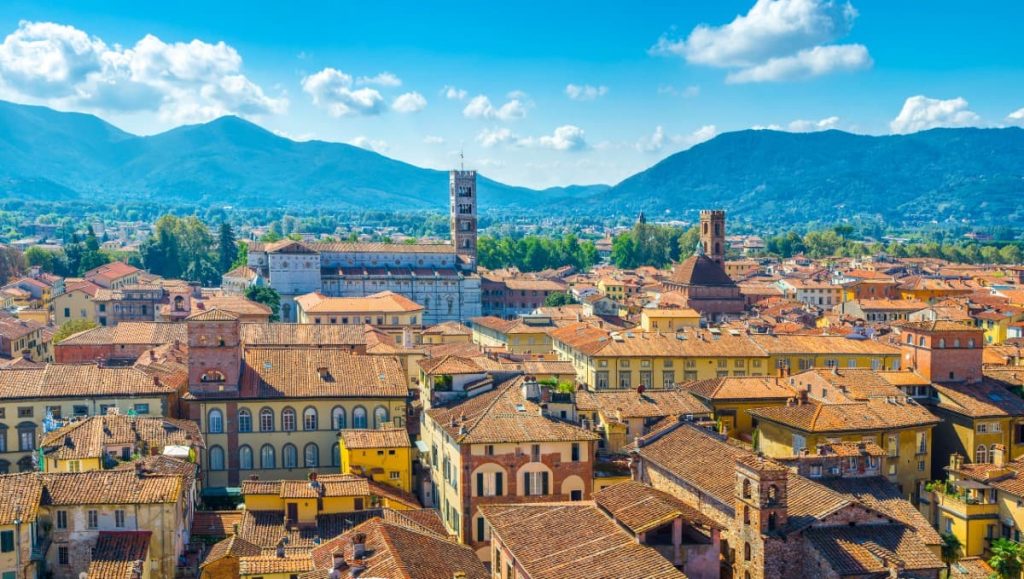
Lucca in a day: a snap itinerary
Itinerary for a one-day visit to Lucca: here is everything you need to know if you only have 24 hours to explore the city of 100 churches.
Day 3: Siena and San Gimignano, medieval Tuscany at its best
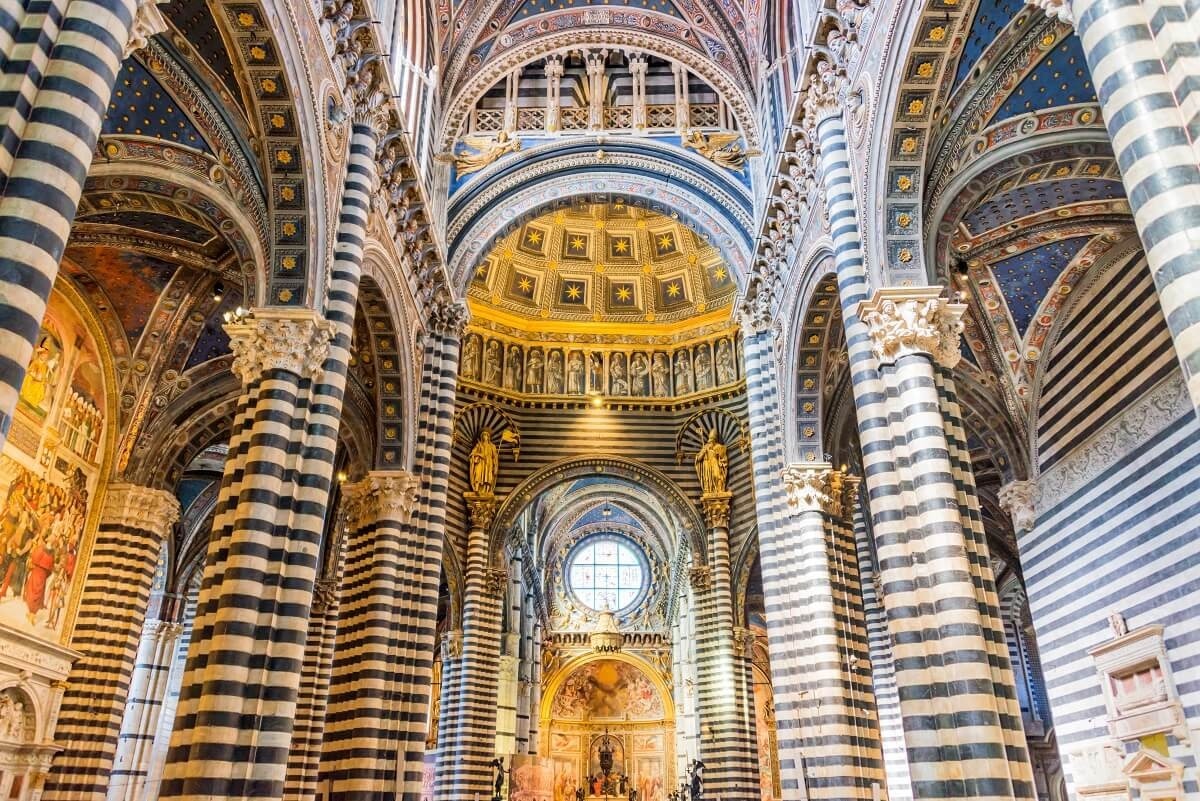
Your third day is dedicated to two of Tuscany’s most atmospheric medieval destinations: Siena and San Gimignano.
Piazza del Campo and Siena’s historic centre
Siena is a stunning city of warm brick and Gothic marble. Its heart is Piazza del Campo, the shell-shaped square famous for the Palio horse race. You can climb the Torre del Mangia for a bird’s-eye view of the city or visit the Cathedral, which is arguably one of the most beautiful in all of Italy. The best way to see the center is on foot, letting yourself get a little lost in the narrow lanes that suddenly open up into small, sun-drenched squares.
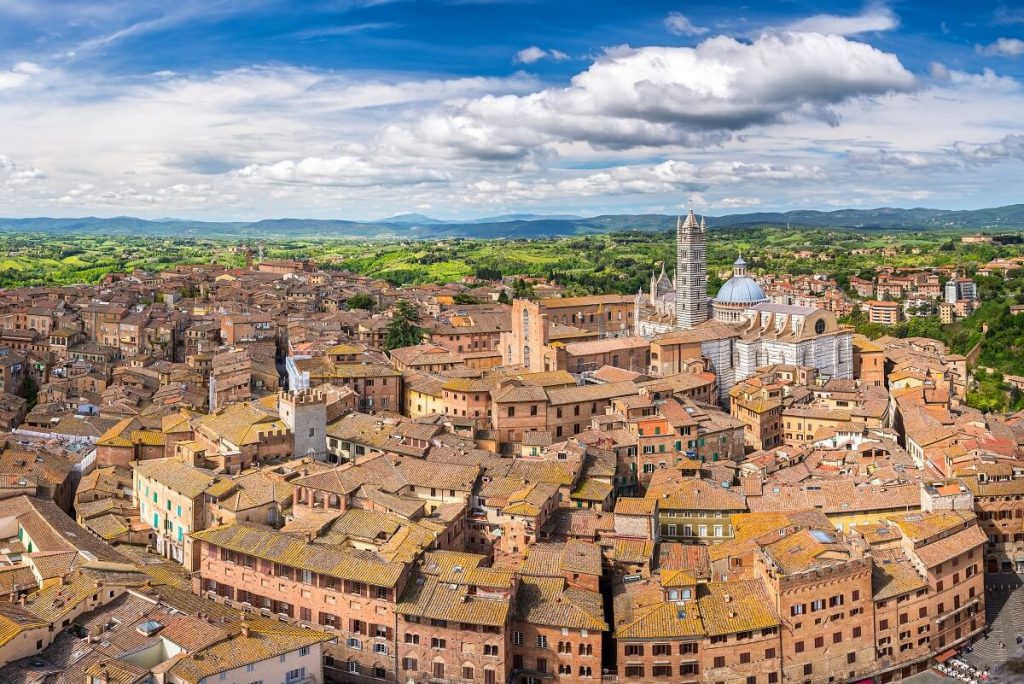
Things to do in Siena: must-see sights and authentic experiences
From the Cathedral to Piazza del Campo and beyond, Italo takes you to discover Siena, one of Tuscany’s most beautiful and atmospheric cities. A place that feels both timeless and intensely alive.
San Gimignano and its unforgettable towers
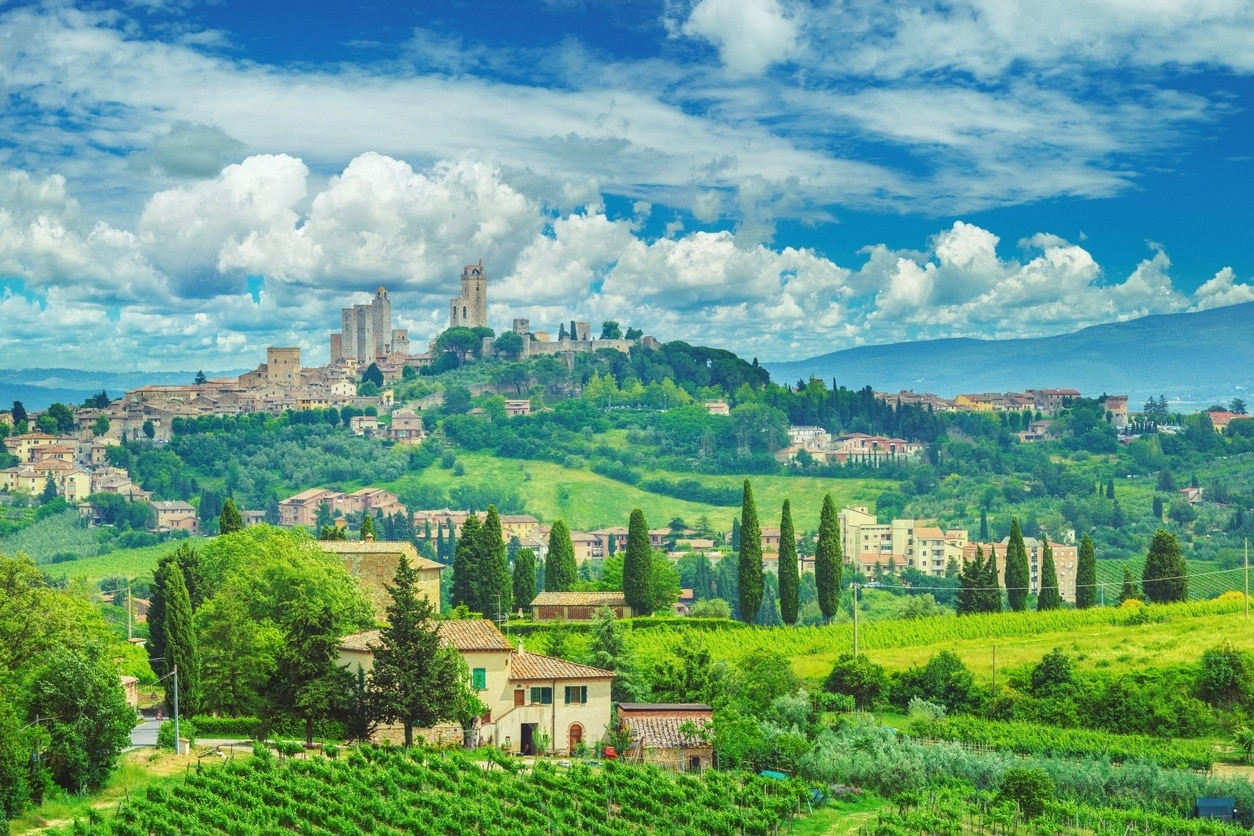
In the afternoon, make your way to San Gimignano, often called the “Manhattan of the Middle Ages” because of its skyline. Walking through the old stone gates feels like stepping back in time. Explore the main squares, climb a tower for a view over the surrounding vineyards, and before you leave, make sure to grab a scoop of gelato in the center, it’s widely considered some of the best in the world.
Day 4: Chianti countryside and wine villages
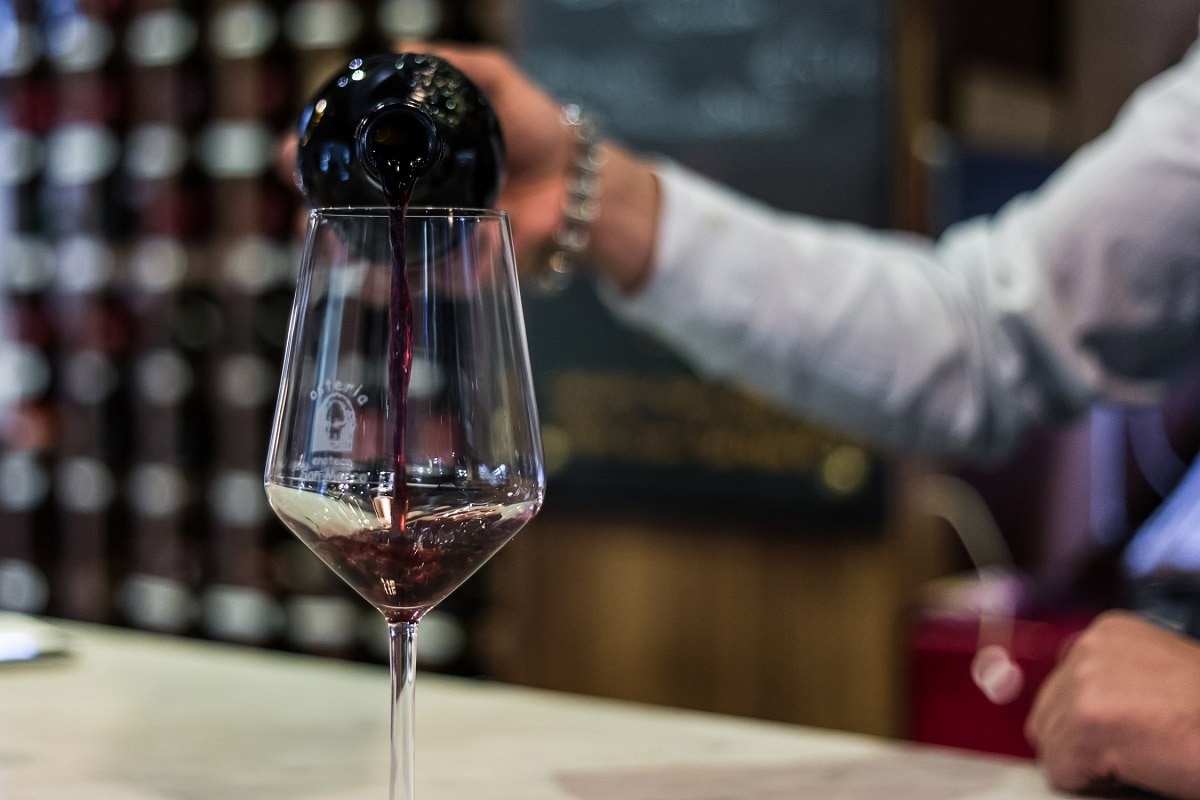
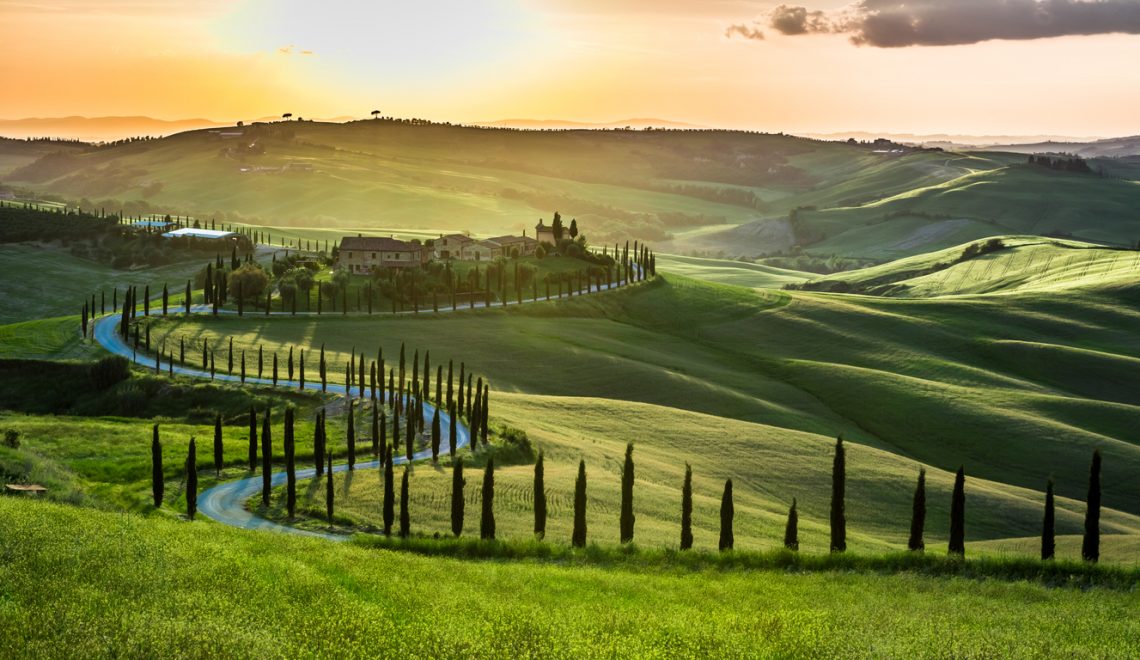
After three days of cities and towns, it is time to embrace the Tuscan countryside. Chianti is one of the region’s most iconic landscapes, where vineyards, olive trees and stone farmhouses create postcard-perfect views.
Greve in Chianti and the flavours of the region
Start your countryside tour in Greve in Chianti. It’s a welcoming town with a beautiful triangular square surrounded by arched porticoes and local butcher shops. It’s the perfect place to stock up on regional treats like pecorino cheese and cured meats. Since wine is the soul of this area, visiting a local estate for a tasting is a great way to enjoy the views while learning a bit more about the land.
Scenic stops among vineyards and hilltop hamlets
Spend the rest of the day simply driving. The beauty of Chianti isn’t just in the towns, but in the winding roads and cypress-lined driveways between them. Stop in smaller spots like Panzano or Radda in Chianti to soak up the atmosphere. This is the Tuscany of your imagination: golden fields, rolling hills, and views that look like they were painted by hand.
Day 5: Val d’Orcia, from Pienza to Montepulciano
Val d’Orcia is one of Tuscany’s most enchanting areas, known for its harmonious landscapes, soft hills and timeless villages. This is the Tuscany many travellers dream of before they arrive.
Pienza, the ideal Renaissance town

Begin your morning in Pienza, a tiny town designed as the “ideal” Renaissance city. It’s incredibly graceful, with romantic walkways that look out over the entire valley. It’s also the capital of pecorino cheese, so be sure to try some at a local shop. Pienza is small and quiet, making it the perfect place for a slow, relaxed start to your day.
Montepulciano and the charm of Tuscan wine country
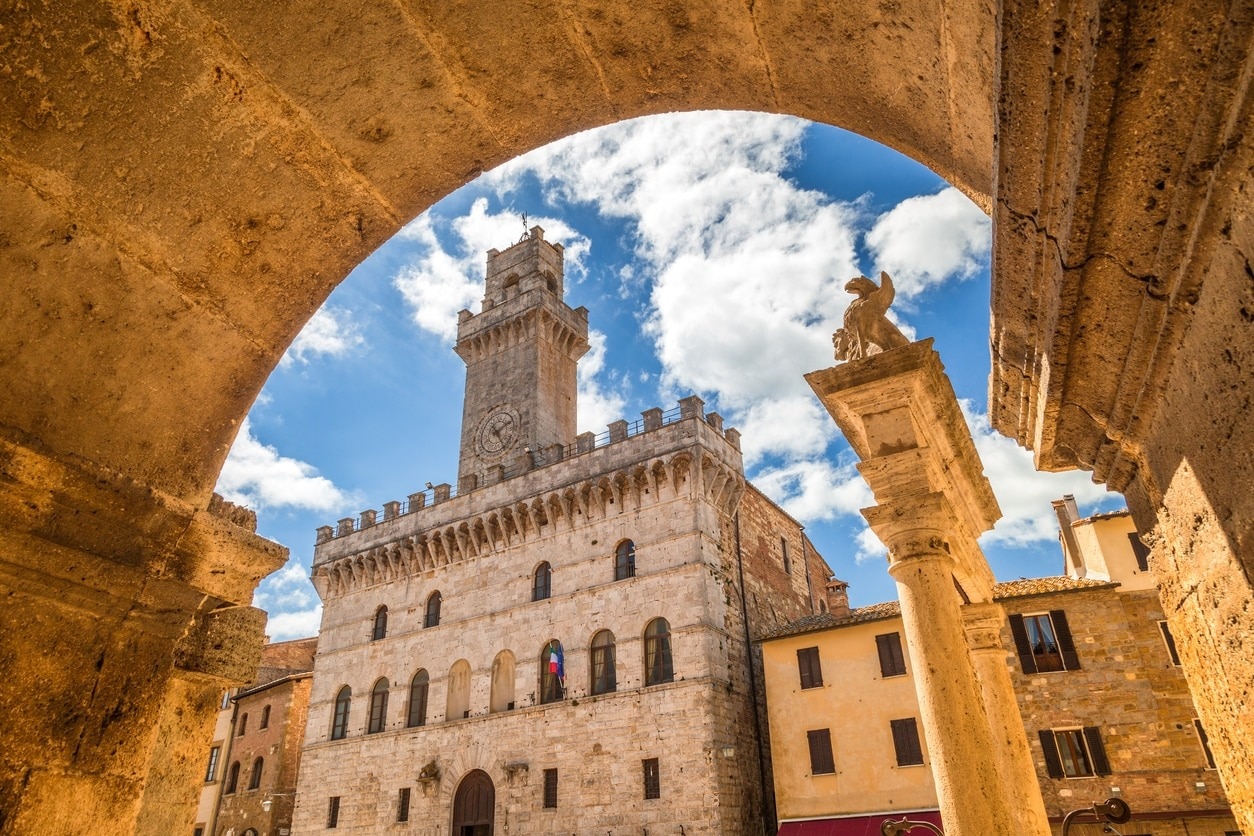
Next, continue to Montepulciano, a hilltop town full of noble palaces and steep, narrow streets. What makes this place special are the ancient wine cellars carved directly into the rock beneath the buildings. The climb to the top is a bit of a workout, but once you reach Piazza Grande, the views are spectacular. If you can, stay for dinner; the town becomes incredibly magical as the evening lights come on.
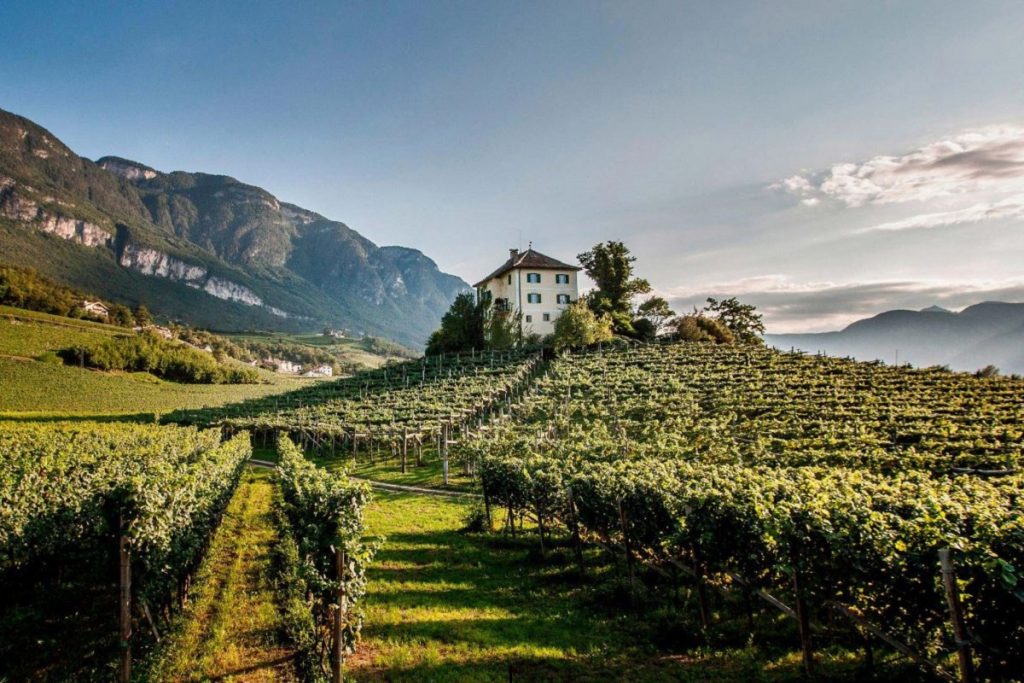
Italy’s Wine Regions: A Journey Through Vineyards and Tastings
Dive into unique flavours, prestigious estates, and wine-tasting holidays for an immersive cultural and gastronomic journey.
Day 6: Arezzo and Cortona, art and views beyond the classic route
Day six takes you slightly away from the most travelled paths, towards two towns that offer culture, elegance and sweeping views.
Arezzo’s frescoes, squares and antique soul
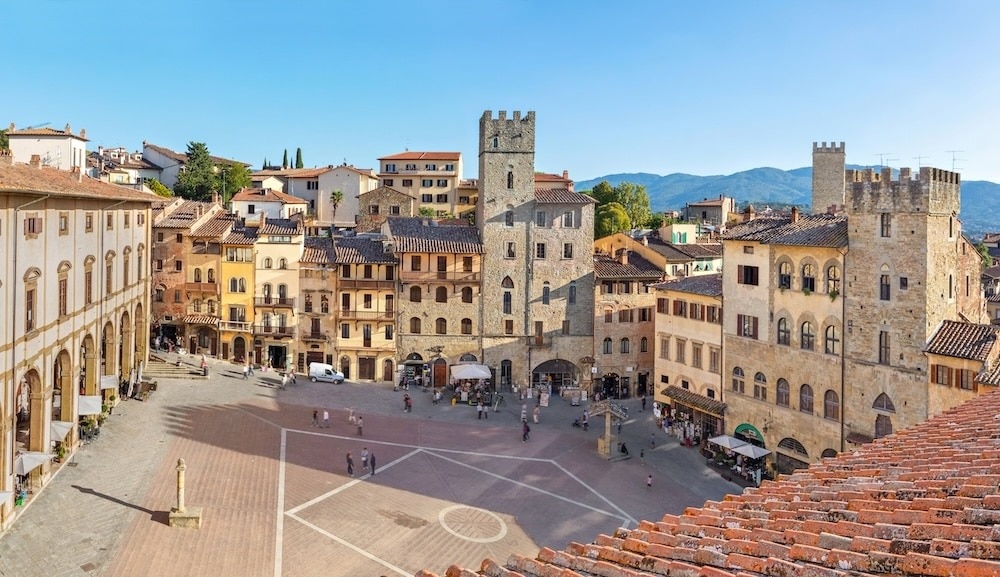
Arezzo is a refined city with a real, authentic feel. While its sloping Piazza Grande is the main draw, you can easily explore its artistic highlights in a morning. Start at the Basilica di San Francesco for the famous frescoes, then walk up to the Duomo dei Santi Pietro e Donato and the medieval Pieve di Santa Maria Assunta. Make sure to stop by the Basilica di San Domenico to see Cimabue’s crucifix, and if you’re a fan of Renaissance history, a quick visit to Casa Vasari is a must. It’s a peaceful, lived-in city where you can soak up world-class art without the usual crowds.
Cortona, a hilltop town with postcard views
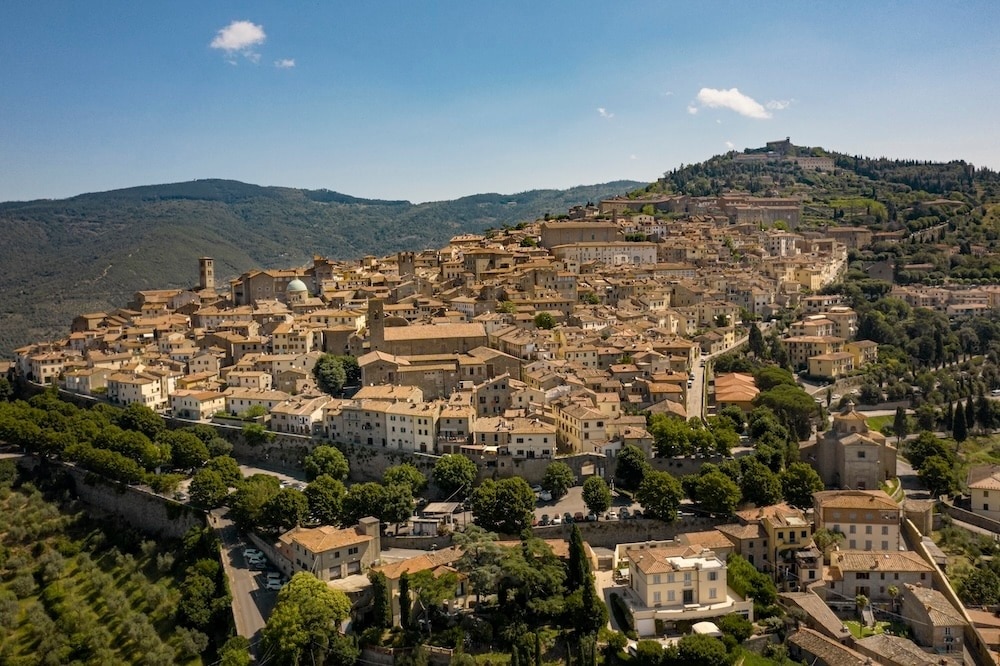
In the afternoon, head up to Cortona, which sits high on a hill overlooking the Val di Chiana. Its stone houses and panoramic terraces are incredibly romantic. Don’t worry about a strict itinerary here; just wander the steep streets, grab a coffee in a quiet square, and enjoy the views of the countryside stretching out below you.
Day 7: Back to Florence with a final Tuscan stop
Your final day brings you back to Florence, giving you the chance to revisit favourite corners or add one last short excursion.
Last walk through Florence or a detour to Fiesole
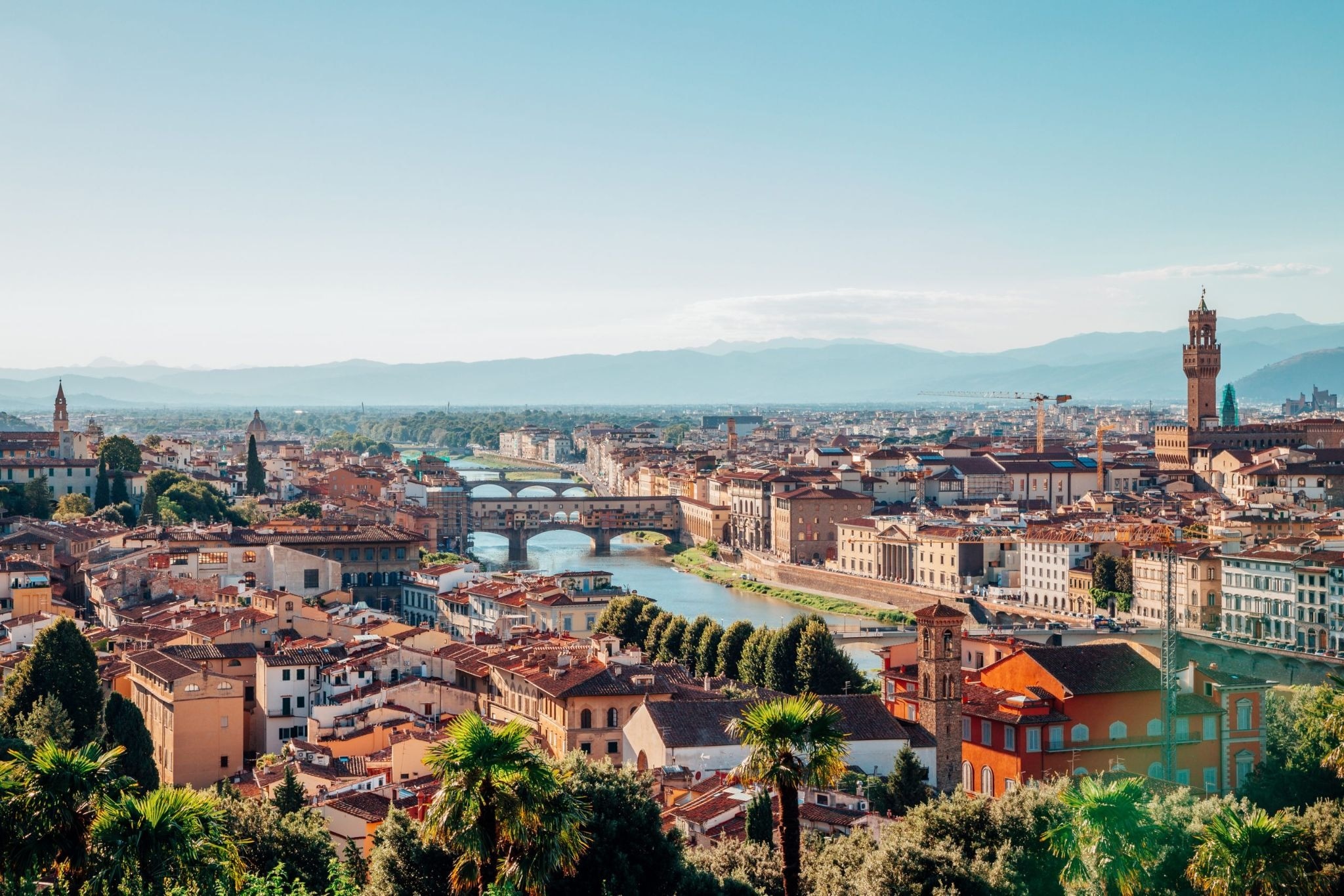
If you want a low-key final day, head back to the Oltrarno district or take a stroll through the Boboli Gardens. Alternatively, take a quick trip up to Fiesole. It’s a peaceful town just a few minutes outside Florence that offers perhaps the best view of the entire city. It’s a great way to see the Duomo from a distance and get one last look at the Tuscan hills before you leave.
How to end your week in Tuscany
Wrap up your journey with one last great meal. Think handmade pasta, fresh seasonal vegetables, and a final glass of wine. After a week, Tuscany won’t just feel like a place you visited, but a collection of moments, the warm sun on a cathedral wall, the scent of cypress trees, and the simple joy of a long lunch in a quiet piazza.
Best time to visit and Practical Tips
Tuscany is beautiful all year round, but spring and autumn are especially pleasant. From April to June, the countryside is green and bright, the weather is mild and the days are long. September and October are also wonderful, with harvest atmospheres, warm colours and excellent food and wine experiences. Summer is lively and sunny, ideal for those who enjoy long evenings outdoors, while winter offers a quieter and more intimate side of the region, especially in Florence, Siena and the smaller towns.
To make the most of your week, here are a few final tips:
- Don’t overbook your days: Tuscany’s charm lies in “slow travel.” Leave time for a long lunch or a spontaneous stop in a quiet piazza.
- Wear comfortable shoes: You’ll be walking on a lot of ancient cobblestones and steep uphill lanes!
- Book ahead: For major museums in Florence or the Leaning Tower in Pisa, booking tickets online in advance is essential to avoid long queues.
- Let the region set the rhythm: Sometimes the best memories aren’t the famous monuments, but a simple cappuccino in a quiet square or a sunset over the cypress trees.
How to get around
Tuscany is best enjoyed when you don’t rush, and choosing the right transport for each day is key. For the first part of your itinerary, Days 1, 2, 3, and 6, the train is your best friend. It’s fast, budget-friendly, and drops you right in the heart of Florence, Pisa, Lucca, Siena, and Arezzo, saving you from the headache of restricted traffic zones (ZTL) and expensive parking.
However, for the “postcard” landscapes of Days 4 and 5 (Chianti and Val d’Orcia), the logistics change. These areas are all about winding backroads and tiny hilltop hamlets that trains simply don’t reach. If you want to explore in total autonomy and stop whenever a view catches your eye, having a car is essential. On the other hand, if you prefer a more stress-free experience without worrying about maps or driving, joining an organized day tour is a fantastic alternative; it allows you to soak up the scenery (and perhaps a few extra glasses of wine) with complete peace of mind.
Start your journey with Italo
Tuscany is waiting with its art cities, gentle landscapes, and unforgettable flavors. The easiest way to kick off this adventure is to hop on an Italo train to Florence. By choosing high-speed travel, you trade hours of driving for a relaxing journey, arriving right in the city center fresh and ready to explore.
Don’t wait for the last minute, book your tickets now to secure the best fares and start counting down the days. Whether it’s your first time or a long-awaited return, seven days is the perfect window to discover the many souls of this land. From that first sunset over the Arno to the final glass of wine in a quiet village square, your Tuscan dream is just a train ride away.