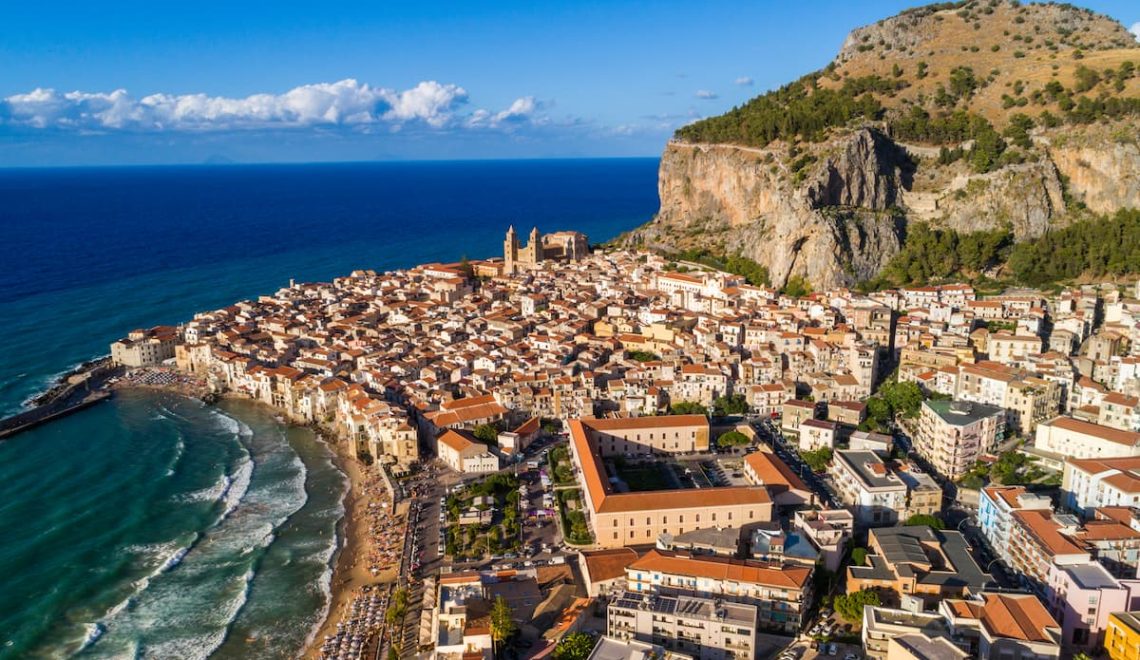
Nestled on Sicily’s northern coast, Cefalù is a stunning destination that perfectly balances historical grandeur with relaxed Mediterranean life. This guide explores the town’s essential highlights, from the towering Norman Cathedral with its world-famous Byzantine mosaics to the labyrinth of the medieval old town and the historic old harbour. Beyond the ancient stone streets, you will discover a diverse coastline featuring both vibrant sandy beaches and quiet rocky bays, alongside panoramic hiking trails up La Rocca and a rich culinary scene filled with authentic Sicilian flavours.
Why visit Cefalù on your trip to Sicily
Beyond its postcard beauty, Cefalù is the perfect gateway for anyone wanting to experience the authentic Sicilian way of travelling: slow, accessible, and rich in flavors. Unlike larger destinations on the island, the entire town is easily navigable on foot. This layout makes it an incredibly versatile stop: it is small enough to be thoroughly explored during a day trip, yet vibrant enough to anchor a long, relaxed weekend. For first-time visitors, Cefalù represents the perfect introduction to the Sicilian way of travelling: slow, scenic, and full of flavour. You can visit the main monuments without rushing, stop for a refreshing granita, and still have plenty of time to watch the sunset from the waterfront.
Cefalù Cathedral and the churches to visit
The Norman Cathedral and Byzantine Mosaics
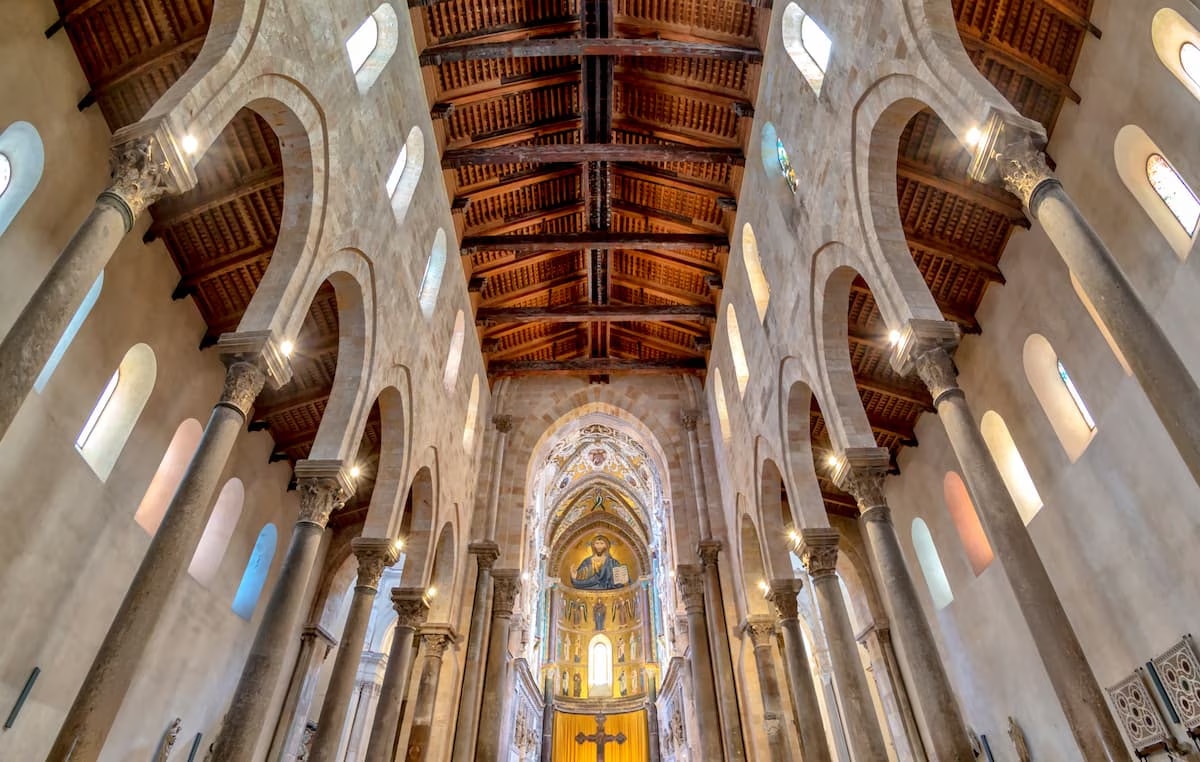
The most important monument in Cefalù is undoubtedly its cathedral, a majestic Norman building that dominates the historic centre with its twin towers and imposing fortress-like façade. Standing in Piazza del Duomo, it immediately gives the town a grand character, showcasing a unique historical blend of Norman, Byzantine, and Arab architectural influences. Inside, the eye is drawn to the magnificent mosaic of Christ Pantocrator in the apse, one of the most iconic images in Sicilian art. Crafted by Byzantine masters in the 12th century, the golden background and the refined details create an environment of deep stillness, making the cathedral an essential first stop on any itinerary.
Piazza del Duomo and the Historic Cloister
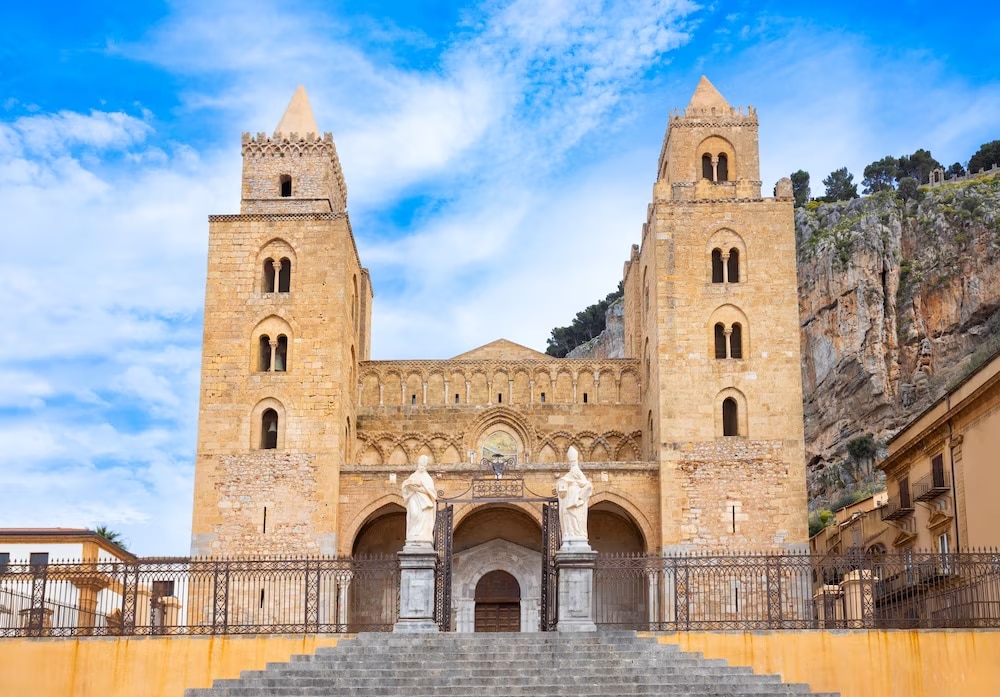
After exploring the interior, take time to enjoy Piazza del Duomo. Framed by historic palaces, cafés, and restaurants, this elegant square is the social hub of Cefalù, where locals and visitors gather to slow down and enjoy the view. Tucked away right beside the main building is the cathedral cloister. This quiet courtyard reveals a more intimate side of the medieval complex, featuring beautifully carved double columns and graceful arches that showcase the artistic mastery of the Norman era.
Other historic churches to see in Cefalù
Beyond the cathedral, Cefalù preserves several smaller churches that make a walk through the historic centre even richer, each adding a different glimpse into the town’s religious and artistic heritage.
- Church of Santo Stefano Protomartire, also known as the Church of Purgatory: a Baroque church on Corso Ruggero with one of the most striking façades in the old town.
- Church of Maria Santissima della Catena: an elegant church near Piazza Garibaldi, recognisable for its raised entrance and scenic position.
- Church of the Santissima Annunziata: a small historic church that reveals the quieter, more intimate side of Cefalù.
- Church of the Itria: a discreet religious stop linked to the town’s devotional traditions.
- Church of San Giorgio and San Leonardo, also known as the Badiola: a lesser-known church worth noticing during a slower walk through the centre.
- Church of the Santissima Trinità: a simple church to include if your route leads towards the slopes of La Rocca.
These churches may not have the fame of the cathedral, but they help create the layered atmosphere of Cefalù: a place where faith, architecture and local identity have shaped the urban landscape over centuries.
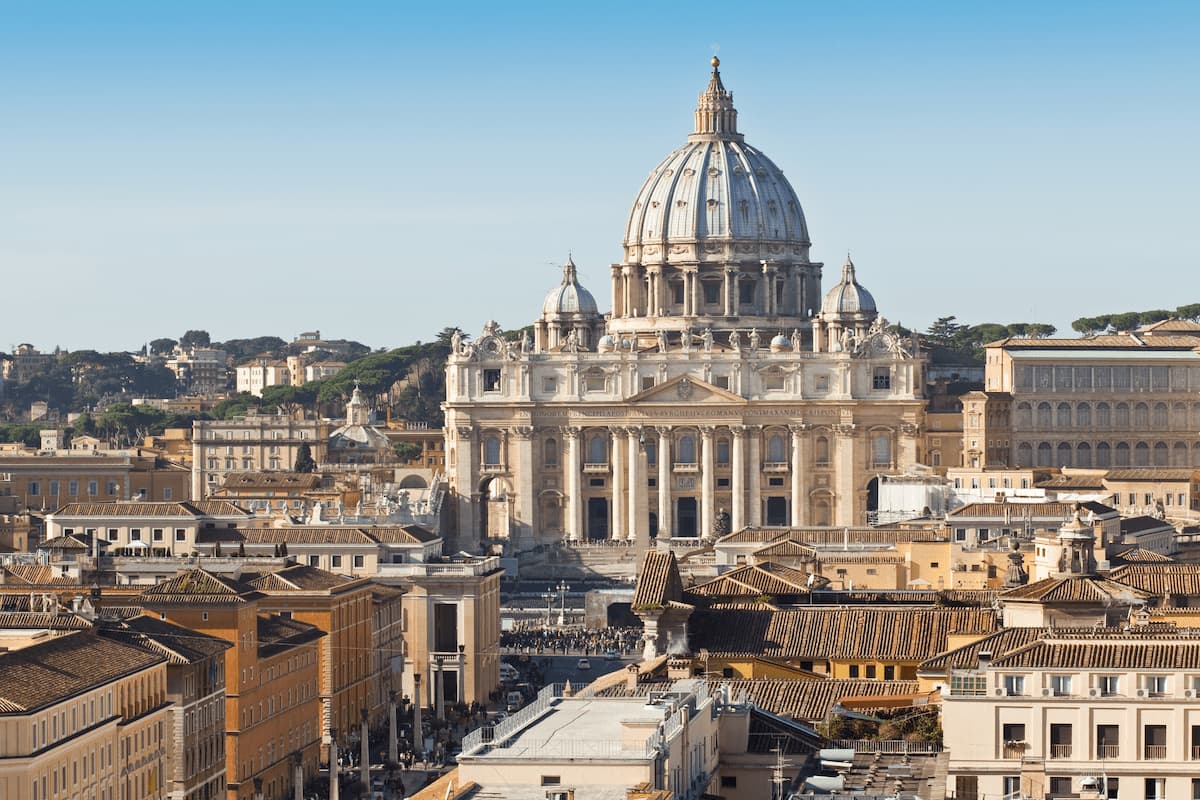
Italy’s Religious Heritage: A Journey Through Historic Churches and Cathedrals
These are just a few of the many beautiful churches in Italy. With its rich religious history and stunning architecture, Italy is a must-visit destination for any traveler interested in churches.
Cefalù old town: streets, harbour and historic corners
The Medieval Streets of the Historic Centre
The historic centre is a labyrinth of narrow, stone-paved alleys full of small discoveries. As you wander away from Corso Ruggero, the bustling main street lined with artisan shops and ceramic boutiques, the pace slows down, revealing balconies with laundry drying in the sun and hidden seafood trattorias.
The Picturesque Old Harbour (Marina)
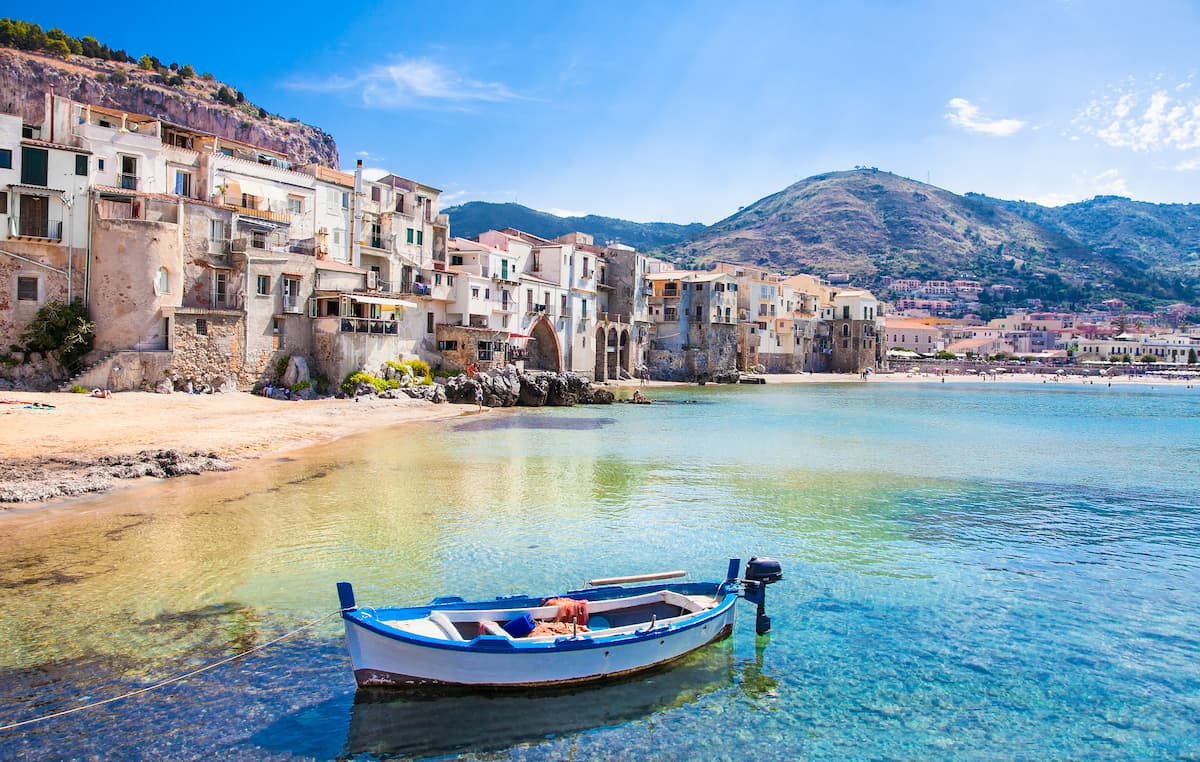
The old harbour, known locally as the Marina, is one of Cefalù’s most photogenic spots. Small wooden fishing boats rest on the shore, while historic stone houses rise directly behind the beach line. This area offers a quiet walk along the water and a direct look into the town’s ancient relationship with maritime trade and fishing.
The Medieval Washhouse (Lavatoio Medievale)
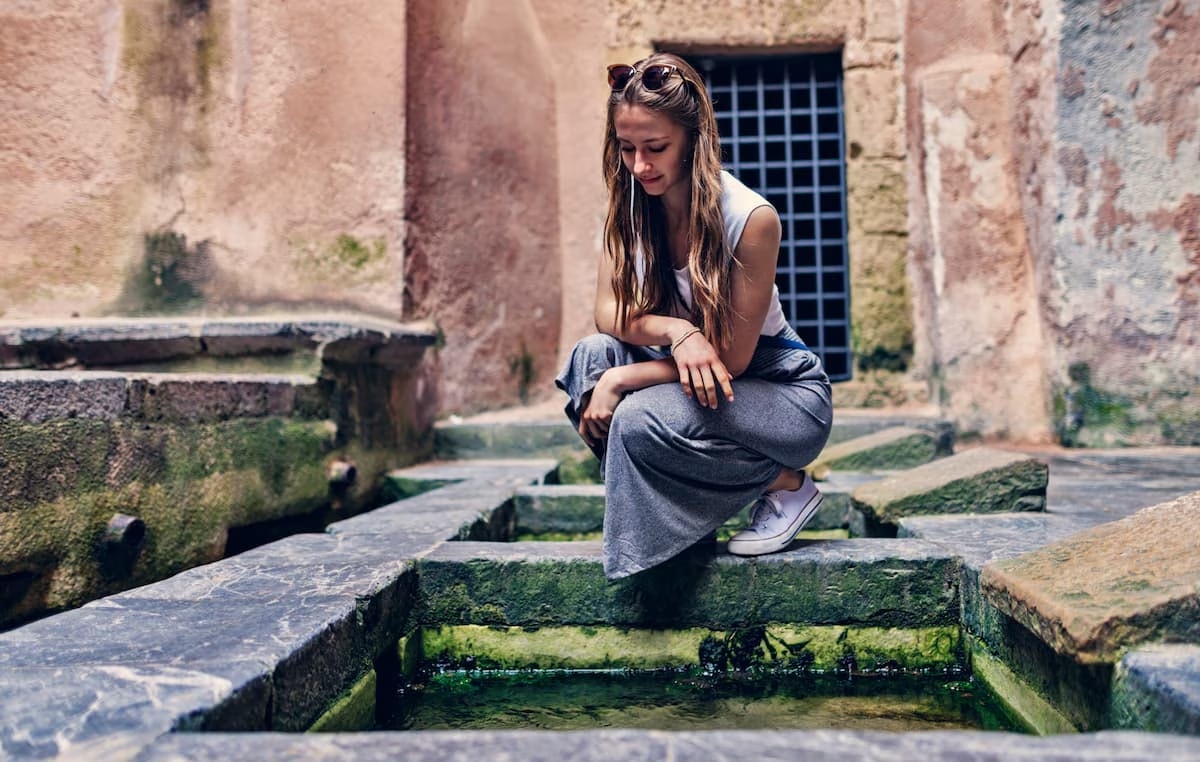
Hidden below street level and reached by a curved lava-stone staircase, the medieval washhouse is a fascinating window into past daily life. Natural freshwater still flows through stone basins equipped with original cast-iron spouts, where local women used to gather for centuries.
Porta Pescara: The Sea Gateway
Porta Pescara is the last remaining defensive gateway of the town’s ancient walls. This gothic arch frames a breathtaking view of the blue Tyrrhenian Sea and the coastline, making it one of the most popular spots for photography, especially during the late afternoon. Stepping through the stone passage feels like entering another era, seamlessly connecting the shaded, medieval alleys of the historic centre directly to the open marine shore where waves gently meet the old town’s foundations.
Osterio Magno
Located along Corso Ruggero, the Osterio Magno is a fortified defensive palace traditionally linked to the noble Ventimiglia family. Its elegant bi-lobed and tri-lobed Norman windows are well worth a stop, serving as a reminder of Cefalù’s medieval aristocratic importance.
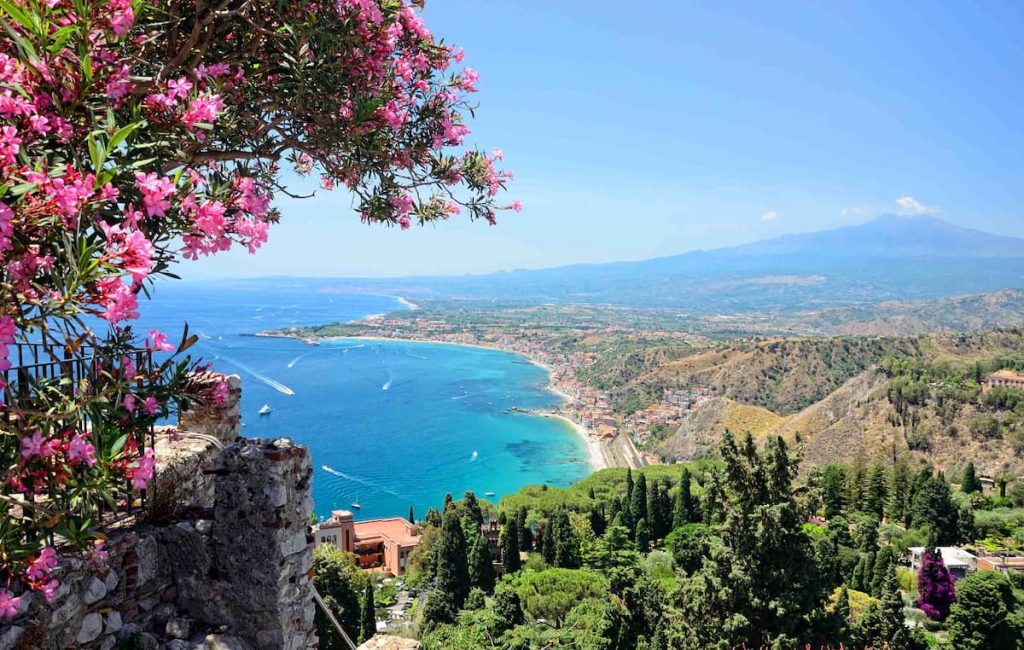
Sicily in 7 days: ultimate itinerary for an unforgettable week
Sicily is one of those destinations that never feels one-dimensional. In the space of a single week, you can move from lively historic capitals to hilltop villages, from monumental Greek archaeology to Baroque townscapes, and from seaside promenades to the slopes of Europe’s highest active volcano.
Best beaches in Cefalù
Lungomare Cefalù: The Main Beach
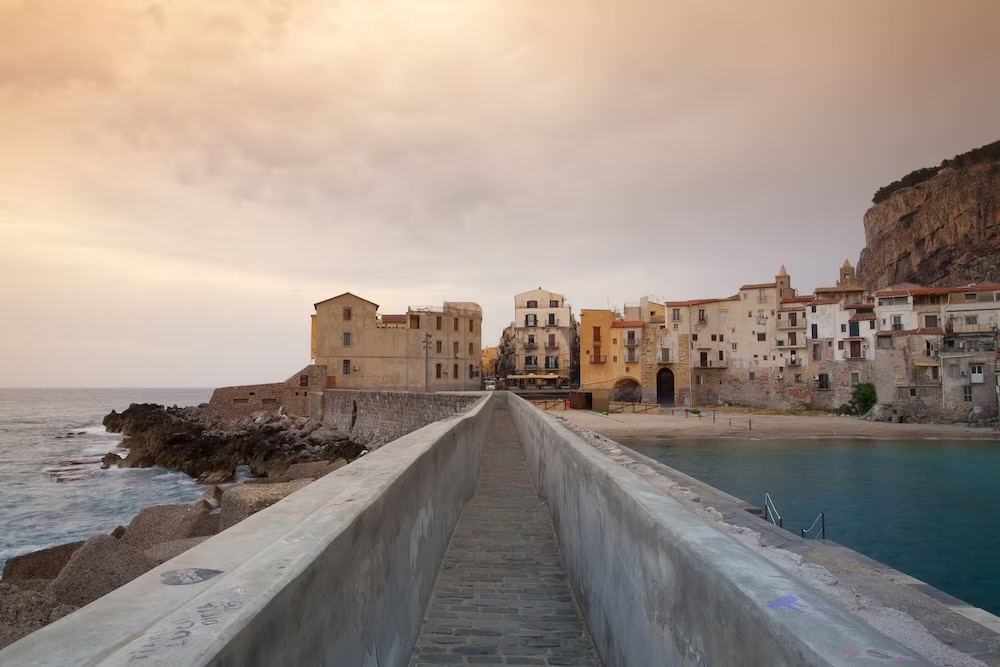
Long, sandy, and running right alongside the town, the main beach (Spiaggia di Cefalù) allows you to move effortlessly from sightseeing to swimming. It is fully equipped with lidi (beach clubs), cafés, and restaurants, making it ideal for families and anyone seeking maximum comfort and shallow, clear waters.
Caldura Beach: A Rocky Escape
For a completely different coastal landscape, Caldura beach offers a wilder setting. Located a 20-minute walk east of the centre, this small pebble bay features dark rocky stacks and deep, transparent waters perfect for snorkeling. The scenic path leading down to the shore winds through patches of fragrant Mediterranean scrub, rewarding those who make the short trek with a dramatic view of limestone cliffs plunging straight into a deep turquoise sea.
Tip: Bring sturdy beach shoes, as the terrain is rocky and less serviced than the main promenade.
Sant’Ambrogio and Secluded Coastal Spots
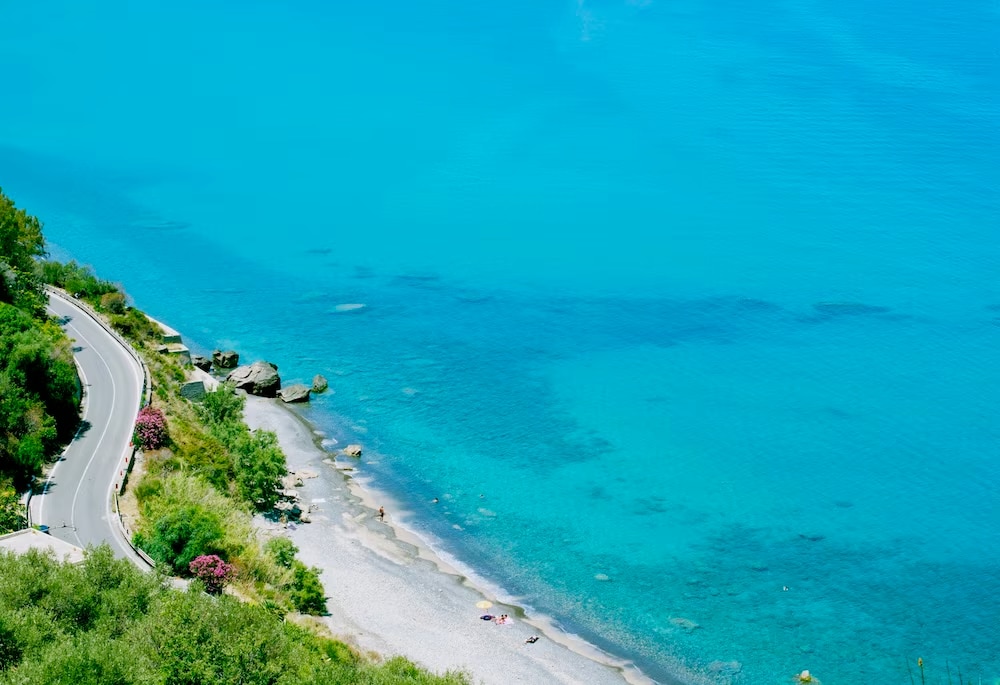
If you prefer quiet surroundings, consider heading towards Sant’Ambrogio, a small coastal hamlet a few kilometres outside the town centre. Its long beach of mixed sand and smooth pebbles offers a relaxed rhythm and clear waters, far away from the peak summer crowds. It remains an unhurried, authentic slice of the coast where the sound of the waves isn’t drowned out by background music, making it the perfect retreat for a peaceful afternoon of reading or a quiet sunset swim.
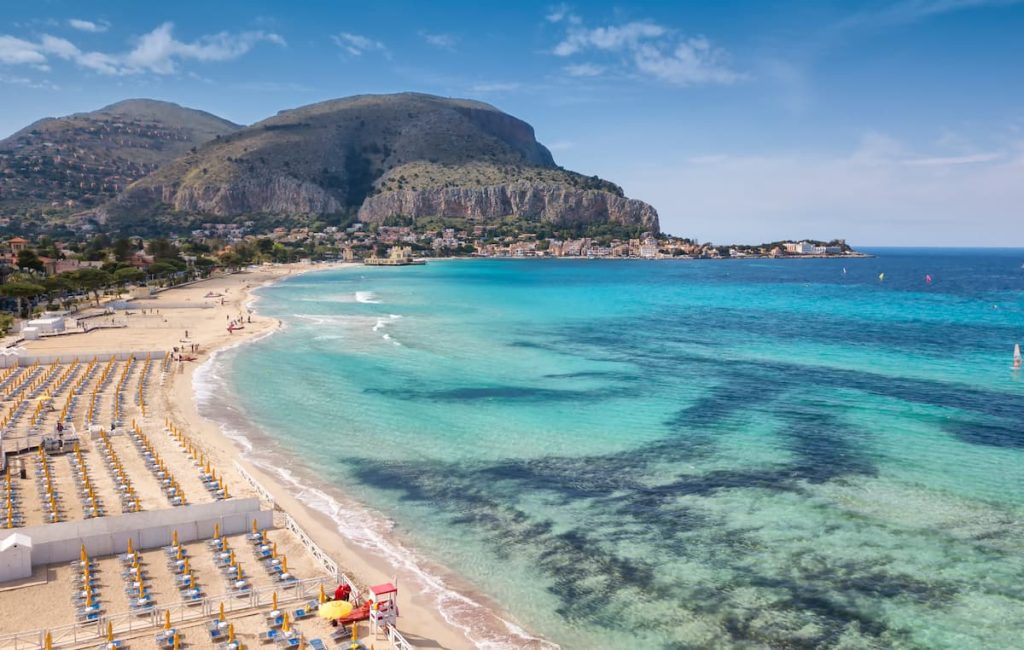
Italy’s Best Beaches in Summer
Explore Italy’s best summer destinations with our comprehensive guide. From the stunning beaches of Sardinia to vibrant cultural events, find everything you need for the perfect Italian summer vacation.
Other things to see and do in Cefalù
Climbing La Rocca
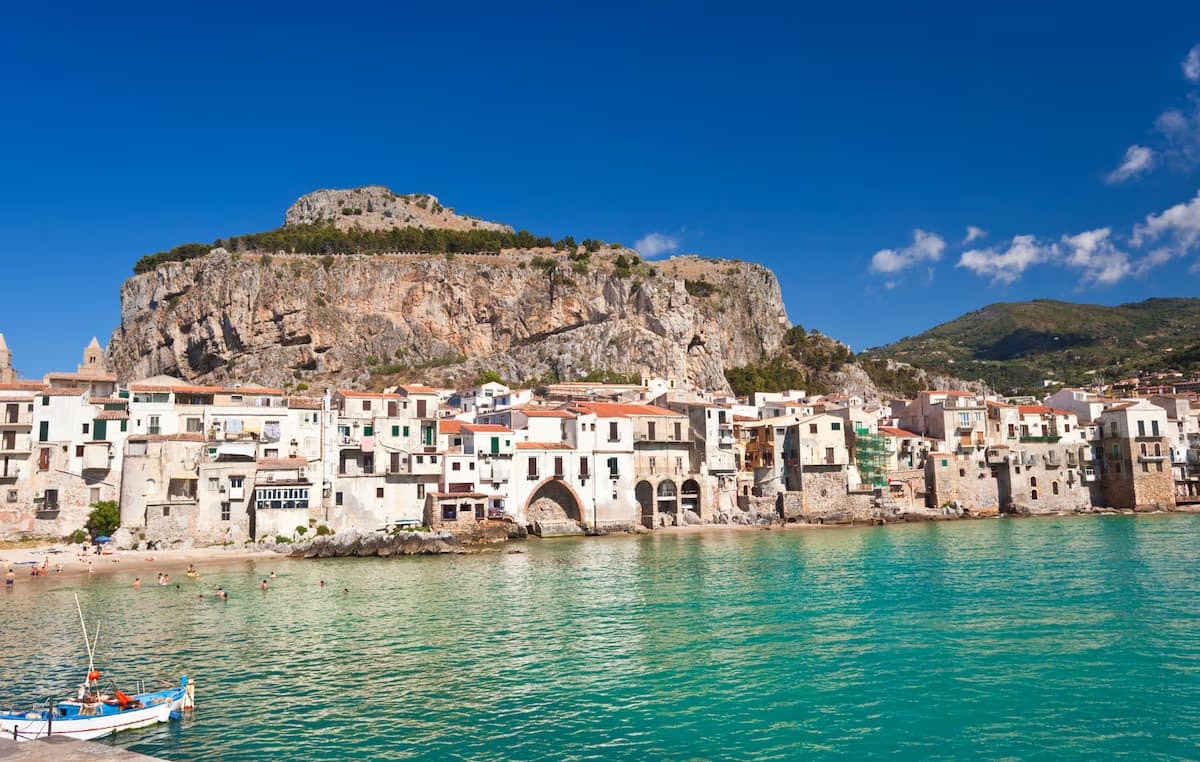
La Rocca is the massive crag that rises above Cefalù and defines its skyline. Climbing the Salita Saraceni path requires some physical effort, especially during hot weather, but the reward from the top is an extraordinary panoramic view over the red-tiled roofs of the old town and the entire northern coastline.
The Ancient Temple of Diana
Along the route up La Rocca, you will encounter the remains of the Temple of Diana, a megalithic sanctuary dating back to the 9th century B.C.. Its ancient stone blocks and defensive structures add a deep archaeological layer to the nature hike. The site features massive interlocking boulders that predate classical Greek architecture, built directly around a sacred prehistoric cistern. Standing among these silent, sun-bleached ruins offers a shady, quiet pocket of rest halfway through your trek up the mountain.
The Mandralisca Museum
The Mandralisca Museum is a precious cultural stop in the heart of the town. It houses an eclectic private collection ranging from ancient Greek ceramics and numismatics to the famous “Portrait of an Unknown Man” by Antonello da Messina, one of the masterpieces of the Italian Renaissance. Exploring these rooms feels less like visiting a rigid public institution and more like stepping into the personal study of a 19th-century noble intellectual, where unexpected treasures, like an immense collection of rare seashells, sit alongside fine art.
Sunset by the Waterfront
Sunset is a spectacular moment in Cefalù. Whether you choose a spot at the old pier, a walk along the promenade, or an outdoor table with a sea view, watching the sun dip below the horizon while the town lights up is an unforgettable experience.
Authentic Sicilian Flavours in the Centre
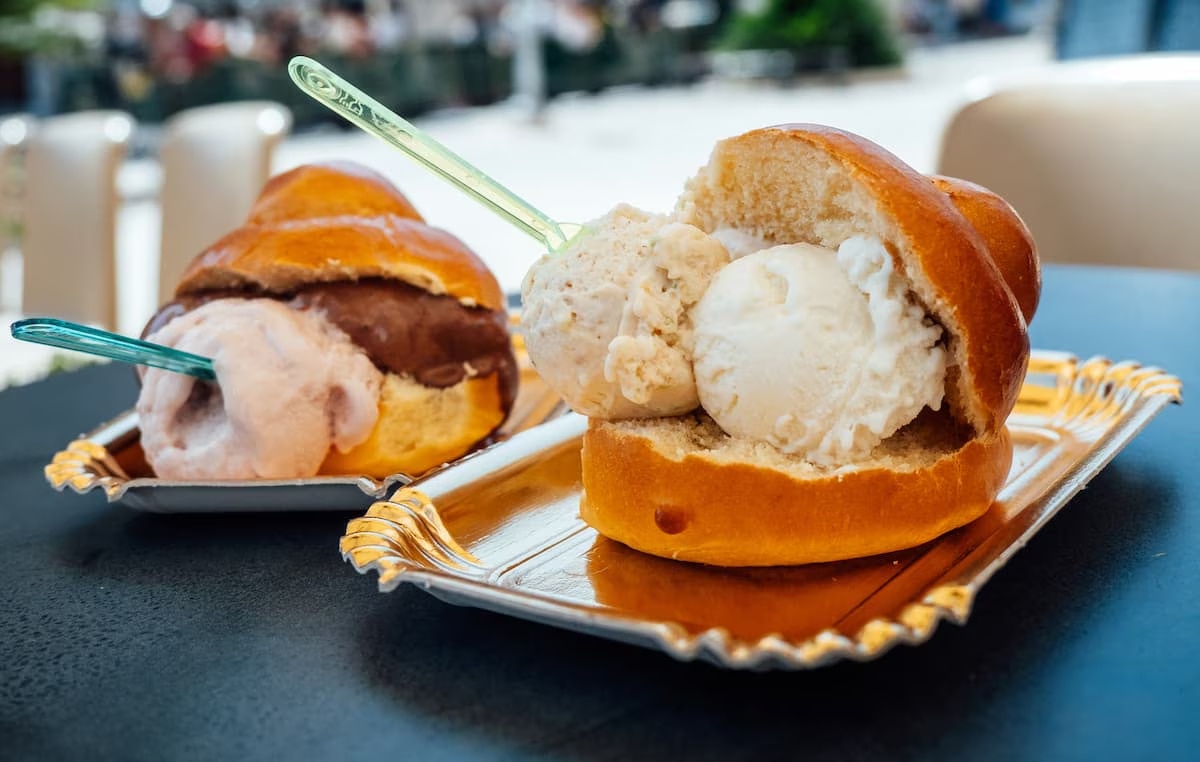
No journey here is complete without diving into the local culinary tradition. The historic centre is packed with options for every budget:
- Street Food: Grab a fresh granita con brioche for breakfast, or try an arancino and a slice of sfincione for a quick lunch.
- Seafood Specialties: Sit down at a local trattoria to taste Pasta a Taianu (a traditional local baked pasta dish with meat and eggplants) or fresh grilled fish caught daily by local boats.
- Desserts: End your meal with a classic Sicilian cannolo filled with fresh ricotta or a slice of traditional cassata.
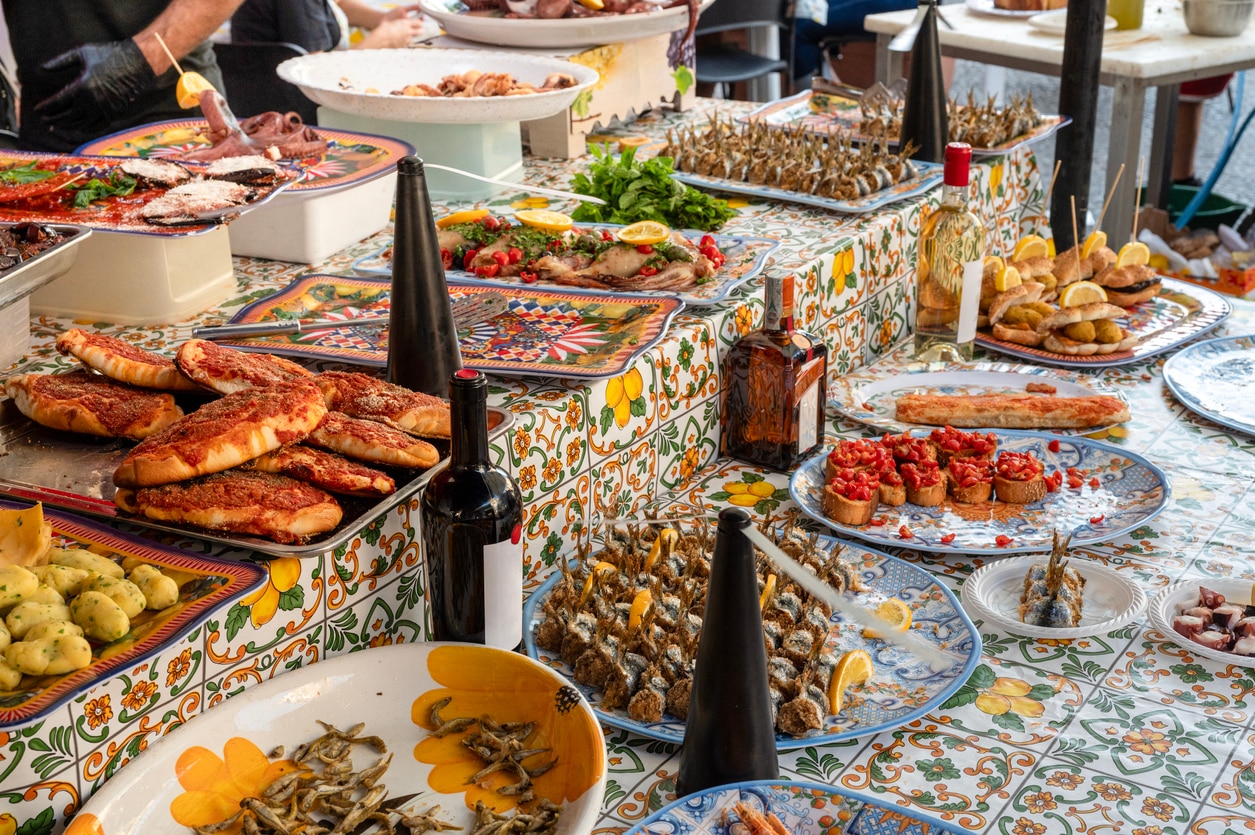
The Ultimate Guide to Summer Food Festivals in Italy
Italy is renowned for its rich culinary heritage, and what better way to celebrate this than by attending one of the many Italian food festivals held throughout the summer? These festivals provide an opportunity to indulge in traditional dishes, discover local ingredients, and immerse yourself in the vibrant culture of Italy.
Best time to visit Cefalù
The ideal time to visit Cefalù depends on your travel goals:
- Peak Summer (July & August): Perfect if you love a lively beach resort vibe, festival events, and warm sea waters, though streets and beaches will be highly crowded.
- Shoulder Season (May, June, September & October): The best compromise for slow travel. The weather remains warm enough for swimming, the prices are moderate, and the temperatures are ideal for hiking up La Rocca and exploring the monuments comfortably.
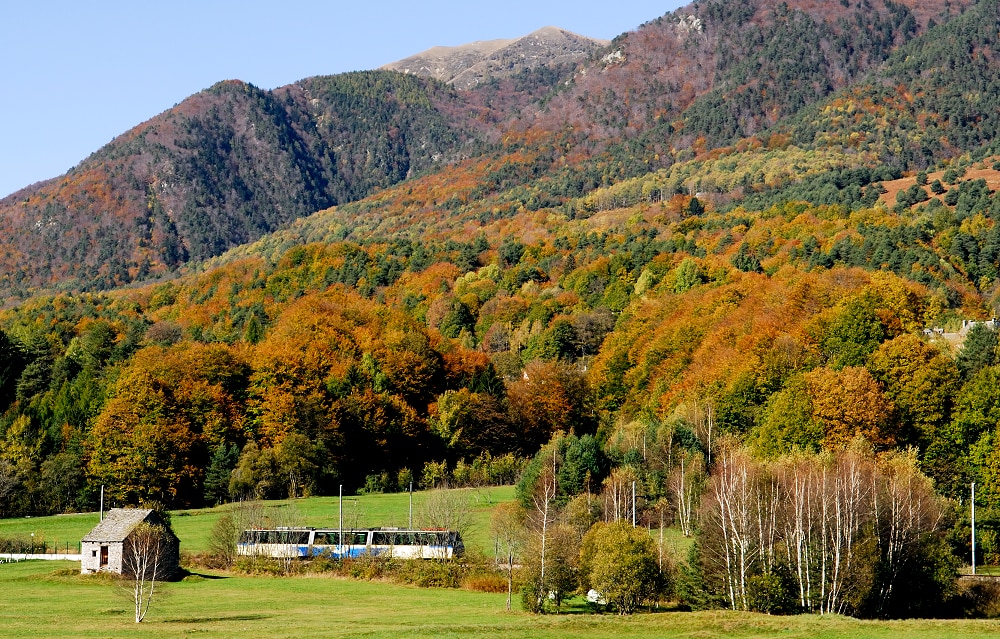
Discover Italy by Train on Your Autumn Half-Term
As the crisp autumn air begins to settle over Italy, painting the landscape in vibrant hues of red, orange, and gold, there’s no better way to experience this magical season than on a train journey. With its rich history, charming towns and breathtaking scenery, Italy offers a variety of destinations to explore during your autumn half-term break.
If you have more time: places to see near Cefalù
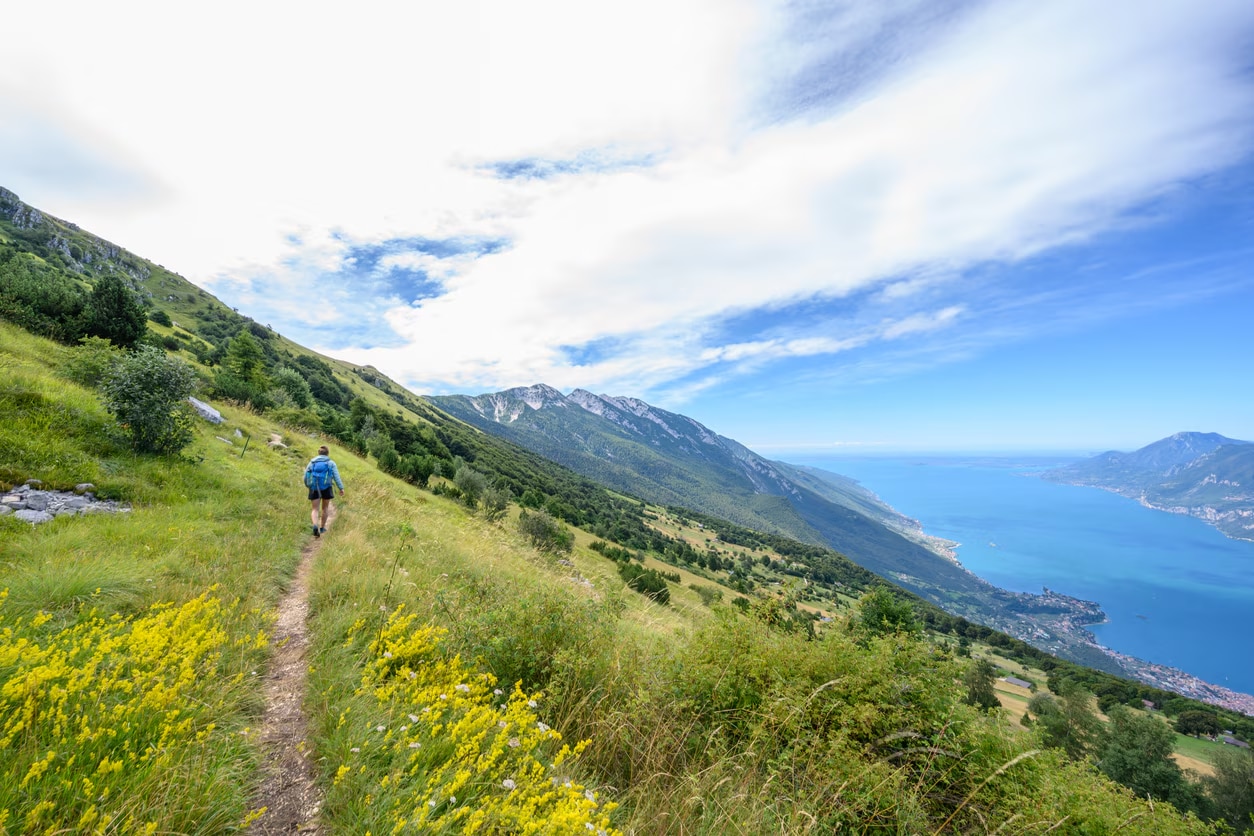
Cefalù serves as an excellent base for exploring northern Sicily. Nature lovers can easily head inland to the Madonie Regional Natural Park, a mountainous area filled with scenic hiking trails and ancient stone villages like Castelbuono, famous for its medieval castle and local artisan panettone.
Additionally, the vibrant capital city of Palermo is easily accessible for a day trip, allowing you to easily combine Cefalù’s relaxed seaside charm with a deep dive into grand Arab-Norman history and bustling street markets.
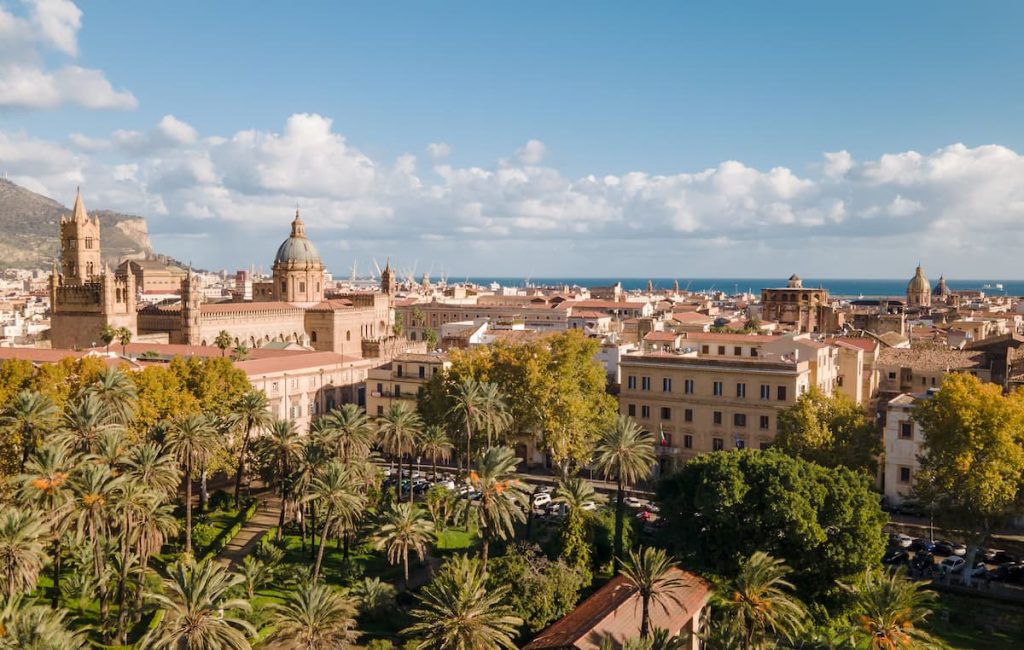
Discover Palermo: a fascinating journey through history, culture, and gastronomy
Explore Palermo, a city rich in history and culture. From Arab-Norman treasures to traditional culinary delights to the seaside, here is our guide on what to see and do in the Sicilian capital.
How to get to Cefalù with Italo and local connections
Reaching Cefalù is part of a wider journey through Sicily, and rail travel offers a comfortable way to plan your itinerary at a leisurely pace. By using the integrated Italo + Itabus service, which combines high-speed trains with bus transfers, you can travel seamlessly to key Italian transport hubs and major destinations in the south.
Cefalù’s railway station is located just a short walk from the historic centre and the main beach, meaning you can start your holiday straight away without the stress of car hire, restricted traffic zones (ZTL), or parking availability. It is a destination tailored for independent, mindful exploration.