Sicily is one of those destinations that never feels one-dimensional. In the space of a single week, you can move from lively historic capitals to hilltop villages, from monumental Greek archaeology to Baroque townscapes, and from seaside promenades to the slopes of Europe’s highest active volcano. This itinerary is designed for travellers who want a trip that feels rich but still realistic: seven days, a clear route, and enough variety to experience the island’s many identities without turning the journey into a race.
- 1 Why choose Sicily for a one-week trip
- 2 Sicily in 7 days: how to plan your route
- 3 Day 1 in Palermo: markets, churches and vibrant streets
- 4 Day 2 between Monreale and Cefalù: mosaics and seaside charm
- 5 Day 3 in western Sicily: Trapani and Erice
- 6 Day 4 in Agrigento: ancient temples and dramatic landscapes
- 7 Day 5 in Syracuse and Ortigia: history by the sea
- 8 Day 6 in the Val di Noto: baroque towns and Sicilian character
- 9 Day 7 between Taormina and Mount Etna: Sicily’s grand finale
- 10 What to eat during 7 days in Sicily
- 11 Useful tips for spending one week in Sicily
- 12 Sicily in 7 days with Italo
Why choose Sicily for a one-week trip
A week works especially well because Sicily has several cultural clusters that naturally connect with one another. The Arab-Norman UNESCO route links Palermo, Monreale and Cefalù; Syracuse and Pantalica are recognised for their exceptional Greek and Roman heritage; the Val di Noto is celebrated for its late Baroque towns; and Agrigento stands out for the Valley of the Temples. In practical terms, this means that every day can feel different without the itinerary losing coherence.
Sicily in 7 days: how to plan your route
The best way to organise your days across the island
For a trip like this, the smartest approach is to move from west to east. Start in Palermo, then continue along the northern and western side of the island before curving south toward Agrigento and finally east to Syracuse, the Val di Noto, Taormina and Etna. This avoids unnecessary backtracking and lets the journey unfold in a satisfying rhythm: first the grand urban atmosphere, then the coast, then archaeology, then Baroque Sicily, and finally the island’s most dramatic volcanic scenery.
| Day | Destination | Focus of the day |
| Day 1 | Palermo | Discover Palermo’s most authentic atmosphere through its monuments, street life and vibrant urban energy |
| Day 2 | Monreale and Cefalù | A day that combines art and relaxation, between extraordinary mosaics and the slower rhythm of the coast |
| Day 3 | Trapani and Erice | Explore western Sicily through maritime charm, historic streets and panoramic medieval lanes |
| Day 4 | Agrigento | One of the most scenic days of the trip, between ancient archaeology and dramatic coastal landscapes |
| Day 5 | Syracuse and Ortigia | A mix of history by the sea, with classical ruins and elegant island atmosphere |
| Day 6 | Val di Noto | A journey through Sicilian Baroque, local character and some of the most beautiful towns in the southeast |
| Day 7 | Taormina and Mount Etna | A spectacular finale between iconic scenery and a more adventurous experience on Sicily’s most famous volcano |
Day 1 in Palermo: markets, churches and vibrant streets
What to see in Palermo in one day
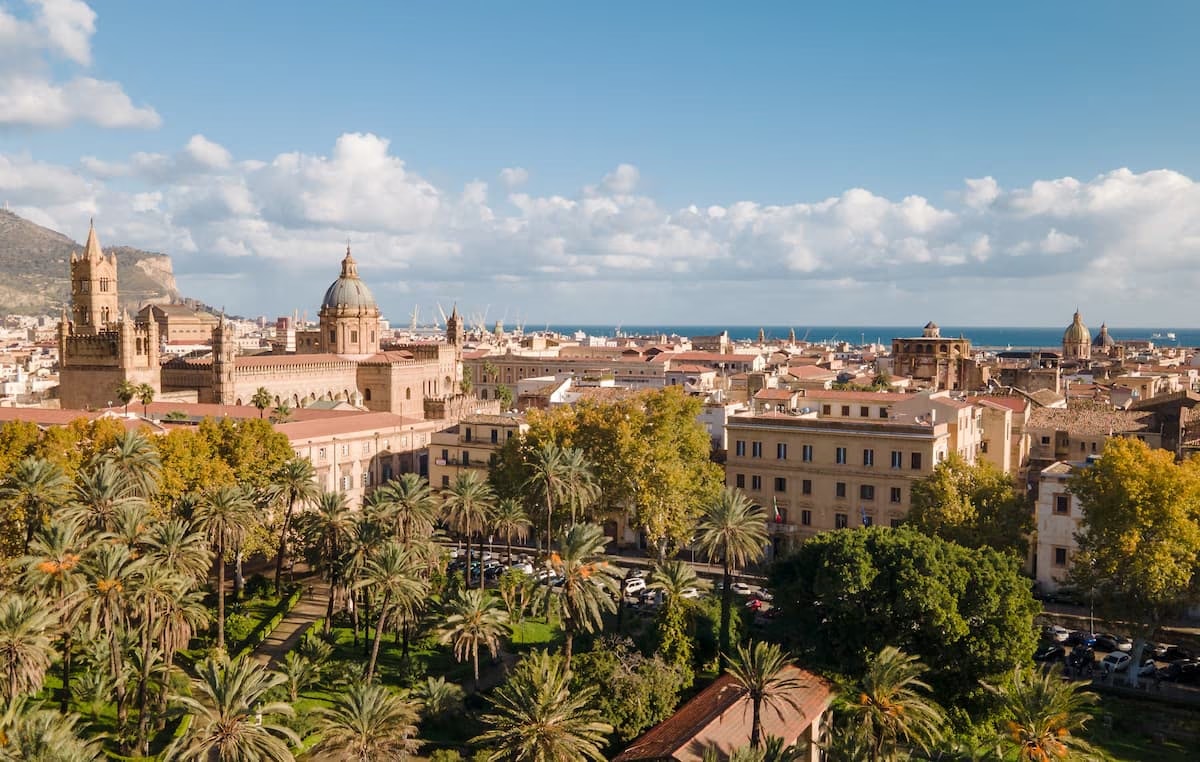
Begin with the monumental heart of Palermo, a city whose historic centre is one of the largest in Europe. This is where Arab-Norman palaces, Baroque churches and UNESCO landmarks coexist within a few streets of one another. A first day in Palermo should include the Norman Palace area, the Cathedral, and time simply spent walking, because Palermo is not a city that reveals itself through isolated monuments alone: it works best when experienced as a sequence of contrasts, layers and atmospheres.
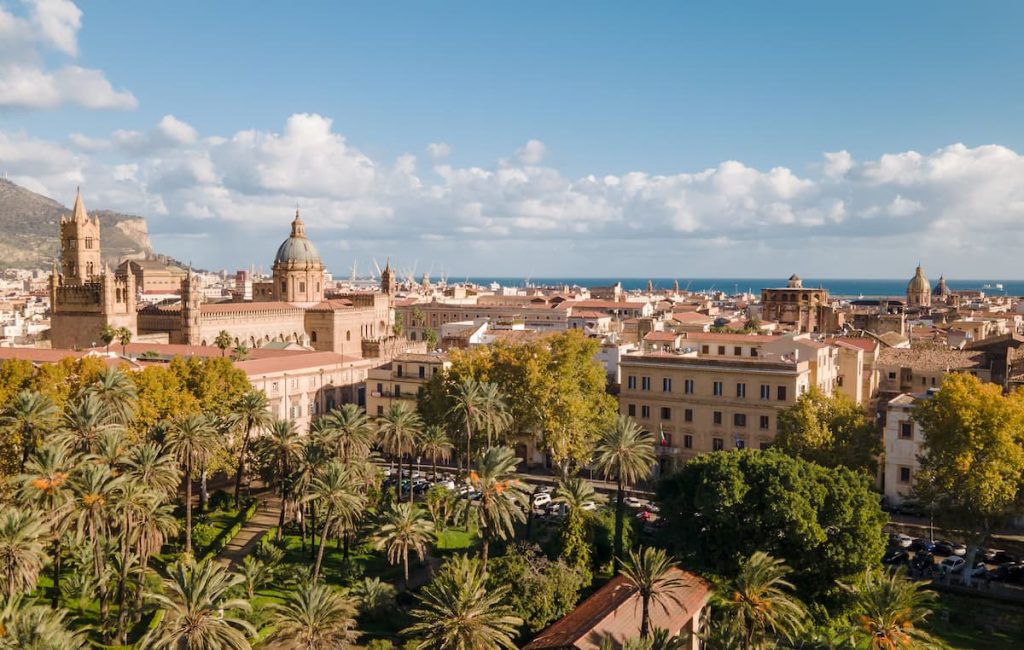
Discover Palermo: a fascinating journey through history, culture, and gastronomy
Explore Palermo, a city rich in history and culture. From Arab-Norman treasures to traditional culinary delights to the seaside, here is our guide on what to see and do in the Sicilian capital.
Where to soak up the city’s most authentic atmosphere
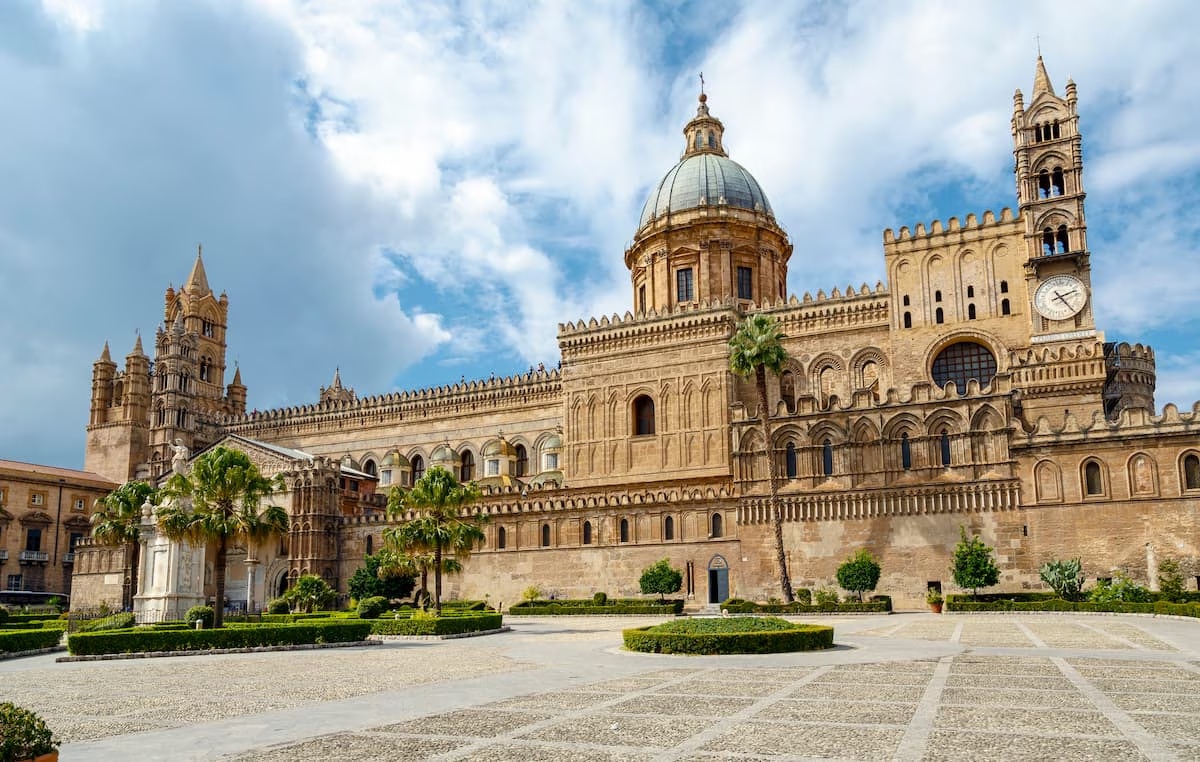
To understand Palermo properly, you need to leave room for its street life. The historic markets are part of that identity, highlighting Vucciria as a place of colours, voices, fresh produce and unmistakable urban character. This is where the city feels most immediate and least filtered. Palermo is not polished in the conventional sense, but it is magnetic, and that is precisely why it makes such a powerful starting point for a Sicilian itinerary.
Day 2 between Monreale and Cefalù: mosaics and seaside charm
Monreale and its extraordinary cathedral
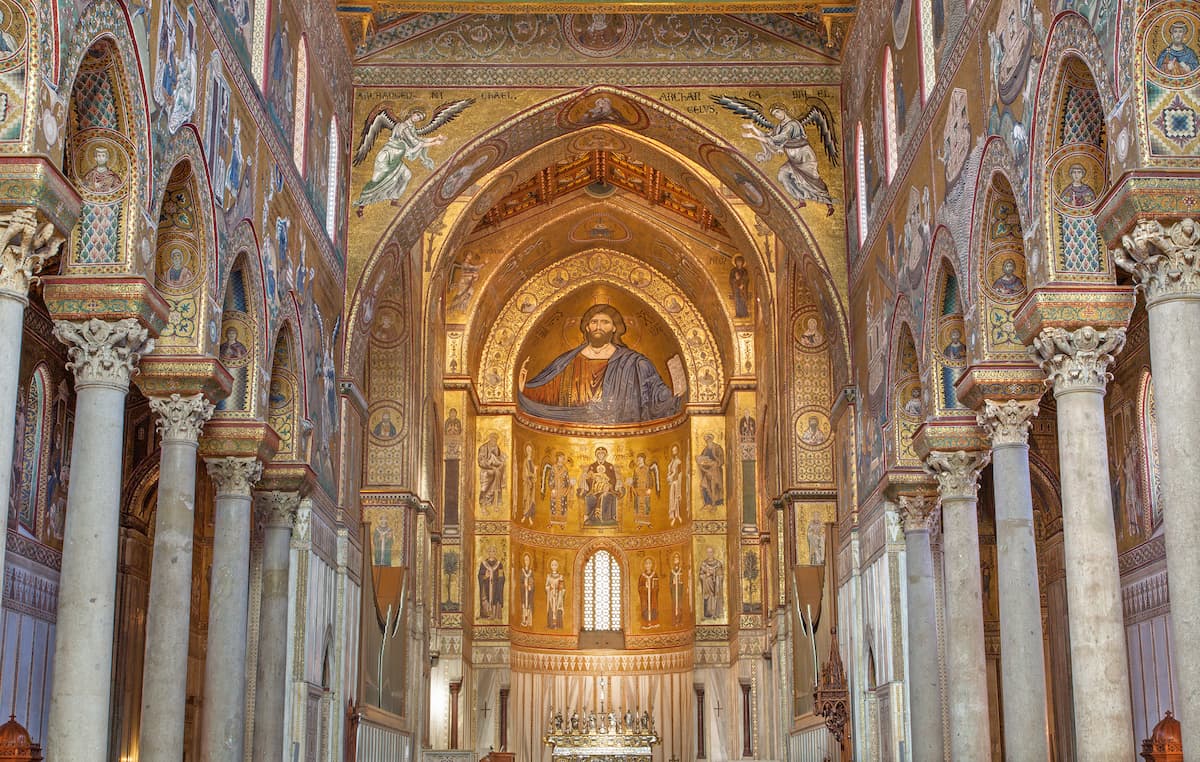
On the second day, head first to Monreale, where the cathedral remains one of Sicily’s most astonishing artistic experiences. UNESCO includes it within the Arab-Norman serial site, and the cathedral’s own official presentation underlines the exceptional significance of its mosaic decoration. Visiting Monreale means stepping into a space where golden light, sacred imagery and Norman ambition come together with remarkable force. Even travellers who are not especially interested in religious art often leave deeply impressed.
Cefalù for beaches, views and a slower pace
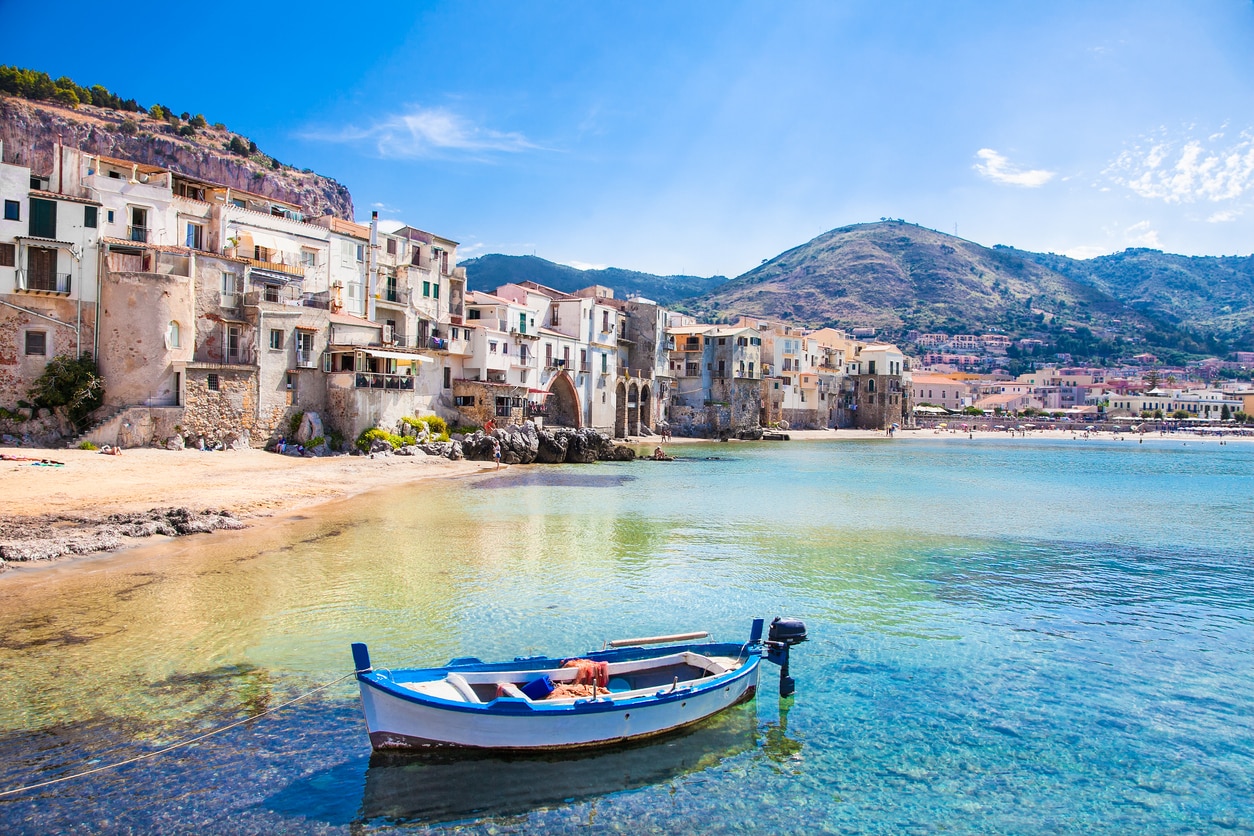
After Monreale, Cefalù offers a change of tempo. It is one of Sicily’s best-loved coastal villages, admired for its medieval streets, Norman cathedral, harbour atmosphere and the presence of the Rocca above the town. The effect is immediate: culture and relaxation stop competing and begin to reinforce each other. Cefalù is ideal for a slower afternoon, whether that means a walk through the old centre, time by the sea, or simply a long pause with a view.
Day 3 in western Sicily: Trapani and Erice
Trapani between salt pans and historic streets
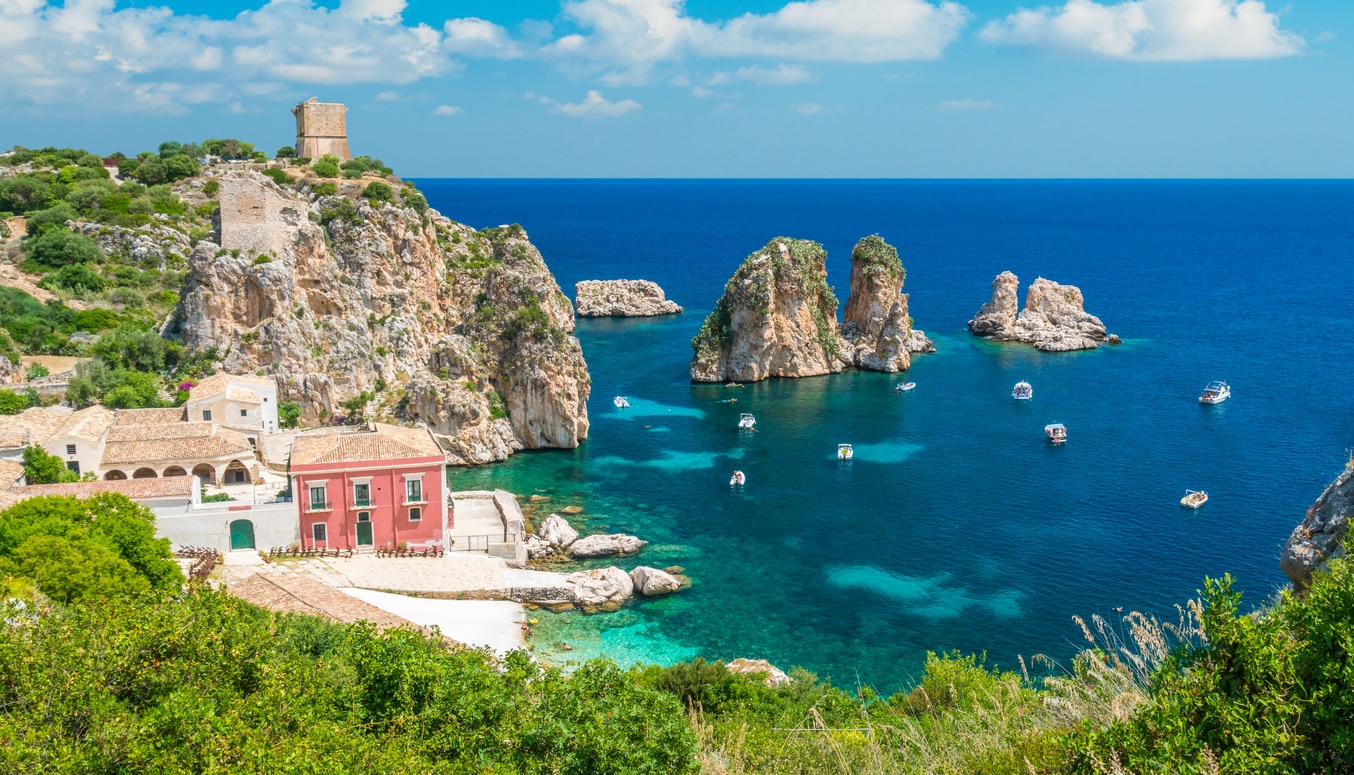
Trapani introduces a different Sicily again: maritime, wind-shaped and deeply tied to the landscape of the western coast. The city is poised between two seas, close to the famous salt pans, while the old town and the striking scenery of the saline at sunset stand out. This makes Trapani an excellent stop for travellers who want something more atmospheric than monumental. The beauty here is horizontal, luminous and open, shaped as much by the horizon as by architecture.
Erice and the timeless charm of its hilltop lanes
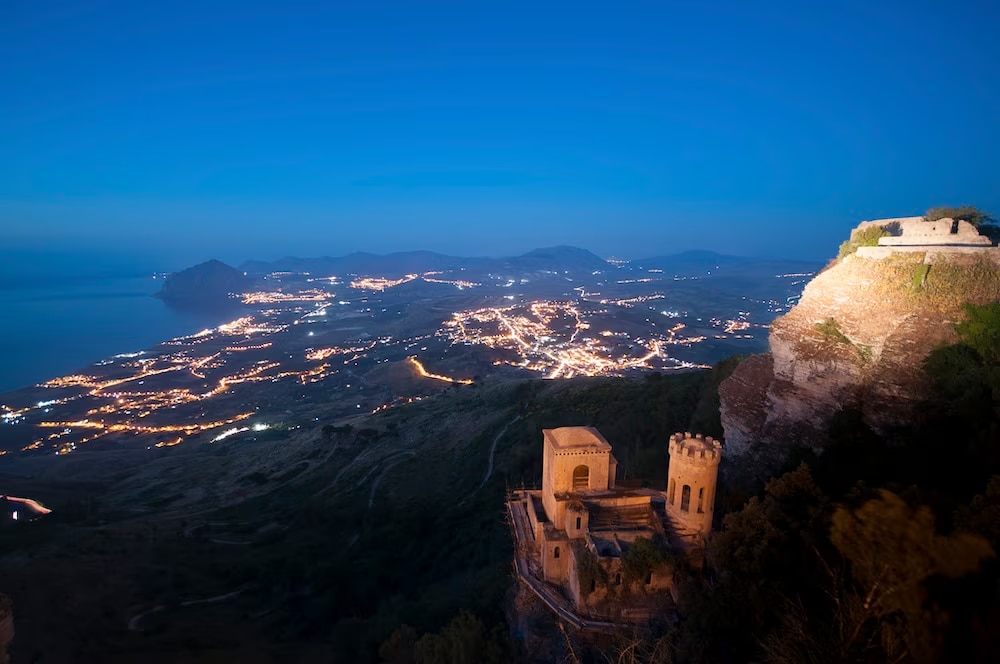
From Trapani, Erice adds altitude, silence and a very different mood. Sicily’s official tourism pages present it as an enchanting medieval village on Mount San Giuliano, marked by cobbled lanes, gardens, ancient walls and wide views. One of the most memorable ways to reach it in high season is by cable car from Trapani, a journey that already feels part of the experience. Erice is the kind of place where the itinerary slows down on its own, because every corner invites you to linger.
Day 4 in Agrigento: ancient temples and dramatic landscapes
The Valley of the Temples
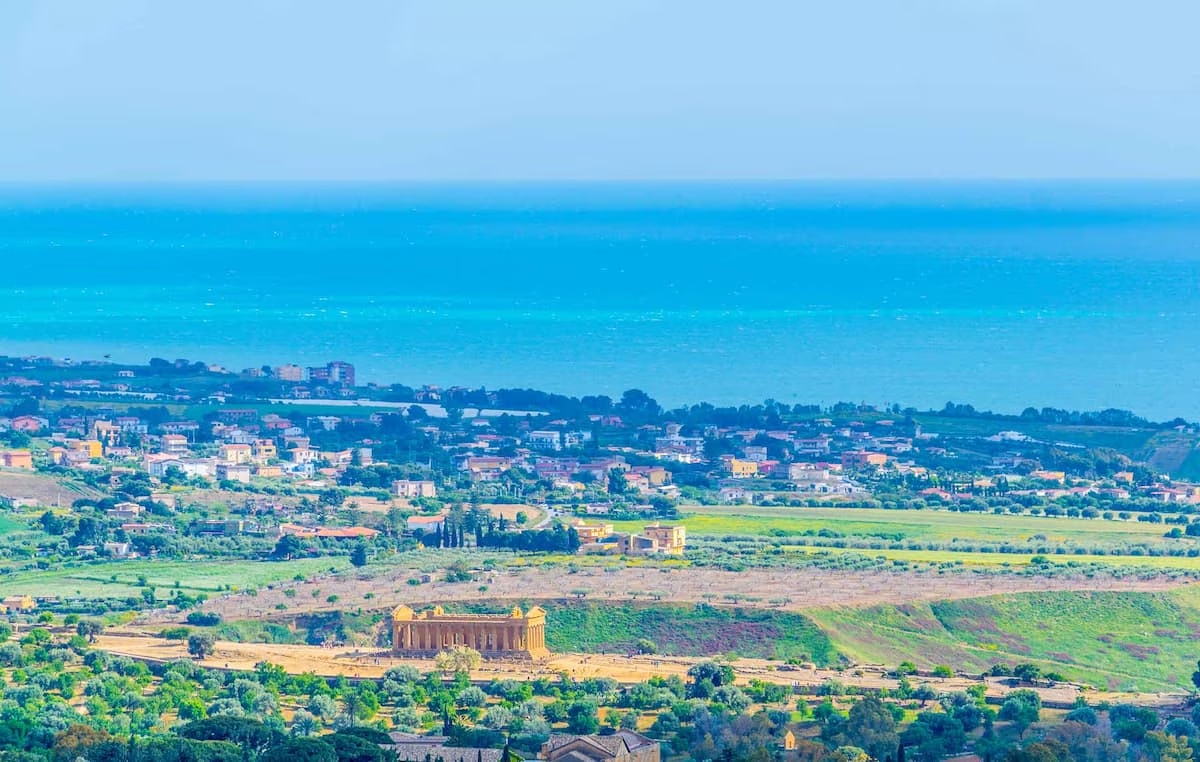
Agrigento is one of the great turning points of the trip, because here Sicily becomes unmistakably classical. UNESCO describes the archaeological area of Agrigento as the vast territory of the ancient polis; the Valley of the Temples is the island’s most important vestige of classical culture. It is not just a famous archaeological site: it is a place where scale, light and historical depth combine in a way that feels almost theatrical. Even seasoned travellers tend to remember this day vividly.
Scala dei Turchi and the beauty of the southern coast
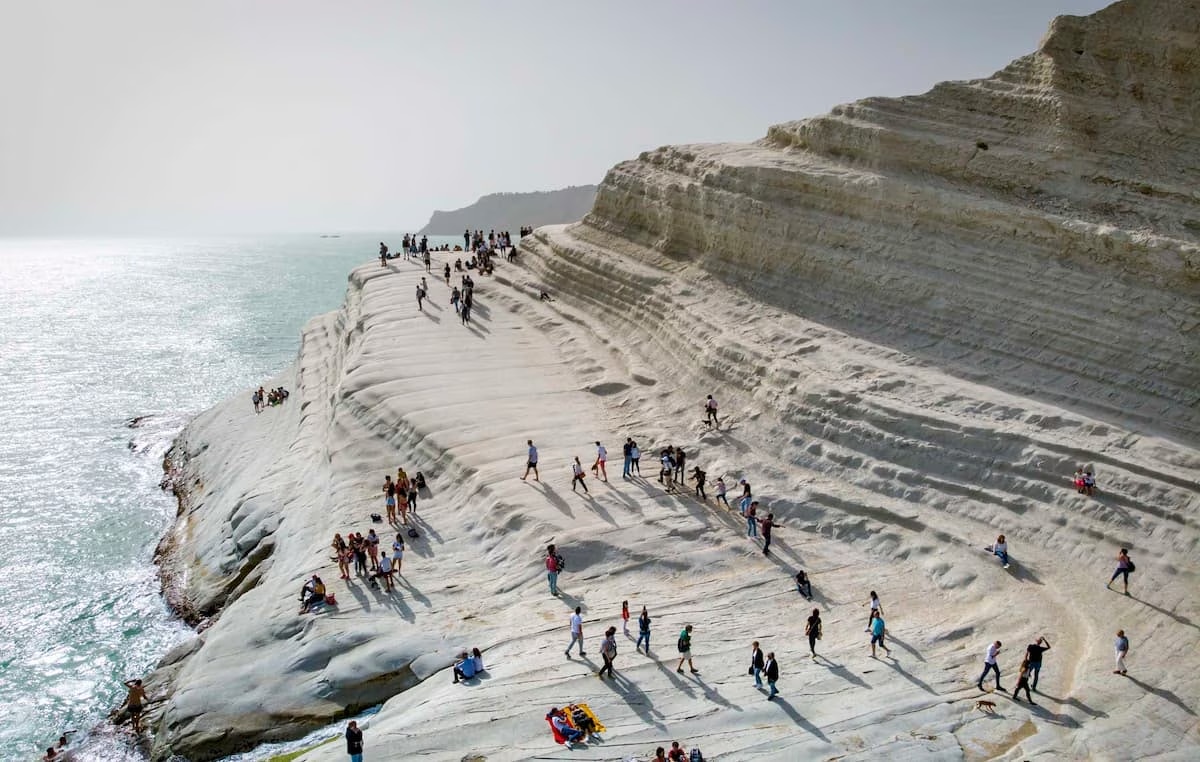
If time allows, continue toward Scala dei Turchi near Realmonte. It is a dazzling white marl cliff shaped by sea and wind into soft terraces, and that description is accurate: the landscape looks sculpted rather than merely eroded. After the solemnity of the temples, this stop introduces a different register of beauty, more elemental and more immediate. It is one of the clearest examples of how Sicily constantly alternates between history and nature without ever losing intensity.
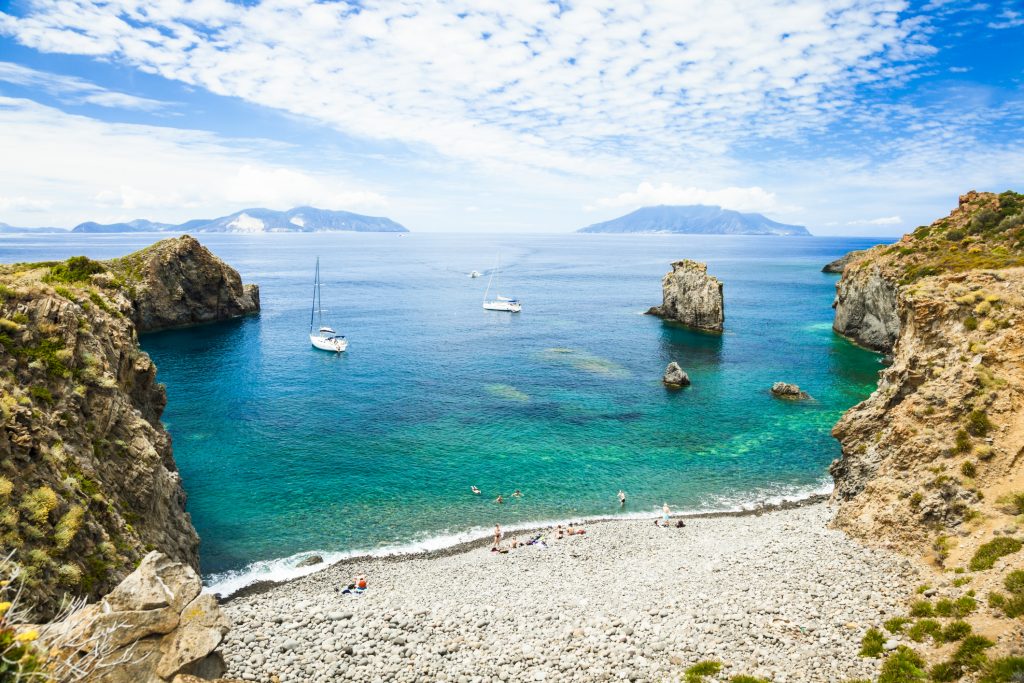
Sicily, Italy: A Complete Travel Guide
Sicily, the largest island in the Mediterranean Sea, is a treasure trove of history, culture, and breathtaking landscapes. This guide will help you navigate the wonders of this enchanting island.
Day 5 in Syracuse and Ortigia: history by the sea
The archaeological heritage of Syracuse
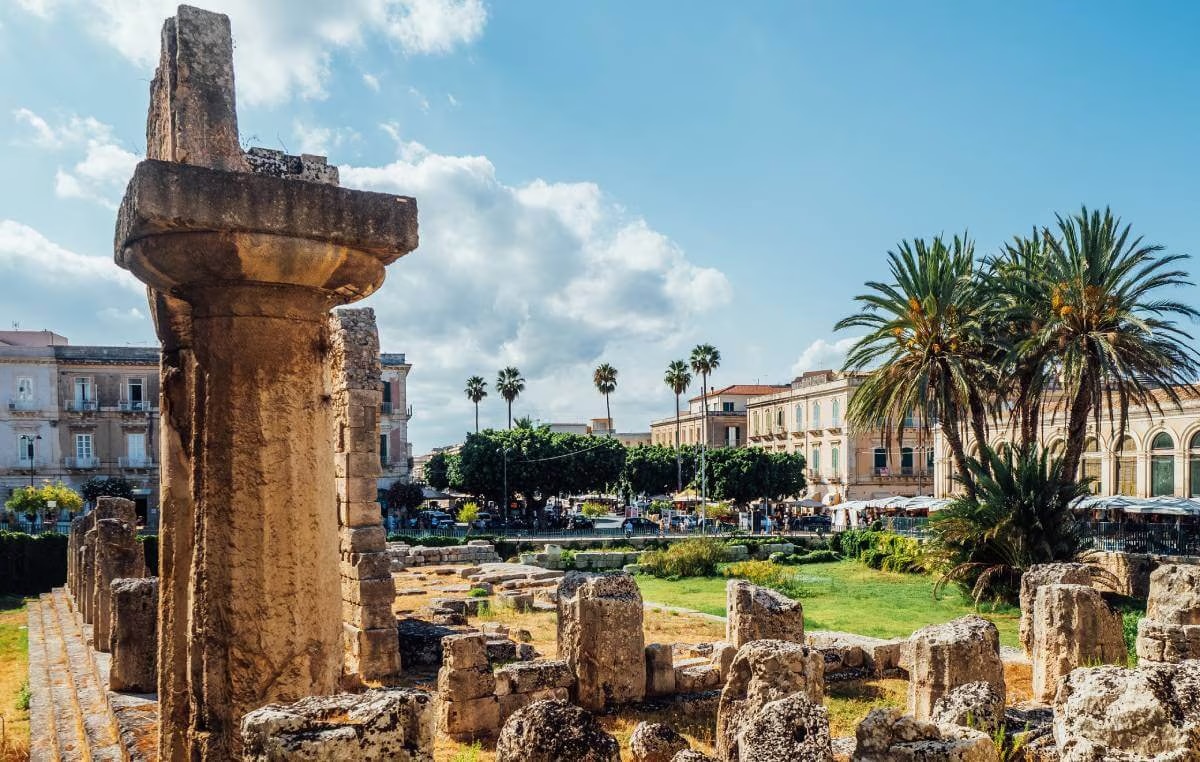
Syracuse is essential in any serious one-week itinerary because its historical importance goes far beyond a pleasant old town. UNESCO recognises Syracuse and the Rocky Necropolis of Pantalica for vestiges that span Greek, Roman and later periods; the city is one of the Mediterranean’s great cultural centres. A day here should include the archaeological side of Syracuse as a priority, because it gives context to everything that follows. This is not just a beautiful stop: it is one of the intellectual high points of the trip.
Ortigia and its elegant waterfront atmosphere
Once you cross into Ortigia, the tone shifts from archaeological grandeur to urban intimacy. Ortigia is the original nucleus of Syracuse, a jewel suspended between sea and history, made up of narrow streets, squares, Baroque palaces and views over the water. The market atmosphere at the entrance to the island, with spices, seafood and local products, adds even more character. Ortigia is where you understand how Sicily can feel cultured and sensual at the same time.
Day 6 in the Val di Noto: baroque towns and Sicilian character
Noto and its honey-coloured architecture
Noto is one of those towns that instantly justifies its reputation. It is the heart of Sicilian Baroque and a UNESCO World Heritage site, rebuilt in the eighteenth century and defined by elegant churches, palaces and golden stone. The effect of that stone is crucial: it gives the entire centre a warm, glowing quality that changes with the light. Noto feels ceremonial without becoming heavy, and that makes it ideal for a day focused on beauty, walking and detail.
Ragusa or Modica for a deeper look at southeastern Sicily
From Noto, continue either to Ragusa or Modica depending on the pace you want. Ragusa is a city with two souls, modern and ancient, with Ragusa Ibla offering the most atmospheric Baroque setting. Modica, by contrast, is elegant, layered and best explored on foot, with stairways, viewpoints and a strong identity linked to chocolate. Both work beautifully, but they offer slightly different endings to the day: Ragusa is more scenic and theatrical, Modica more intimate and flavour-driven.
Day 7 between Taormina and Mount Etna: Sicily’s grand finale
Taormina and its unforgettable views
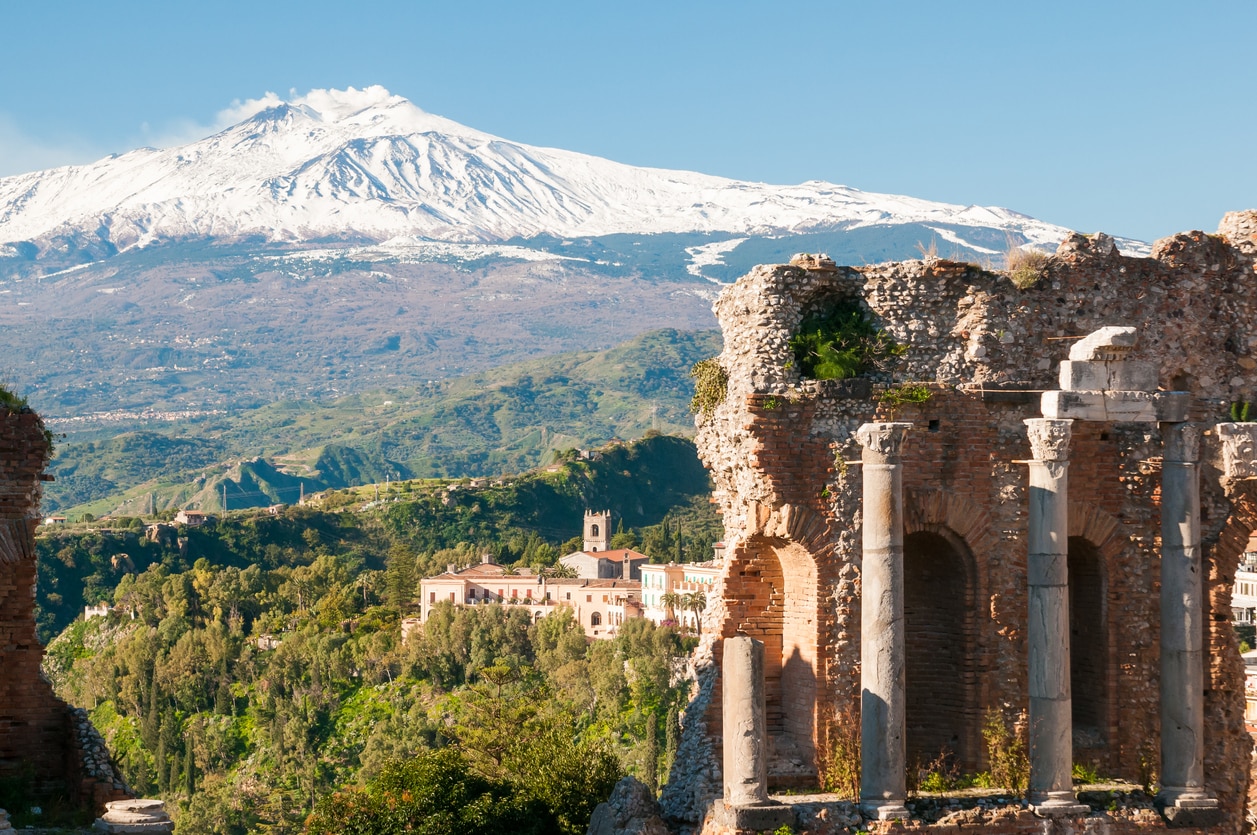
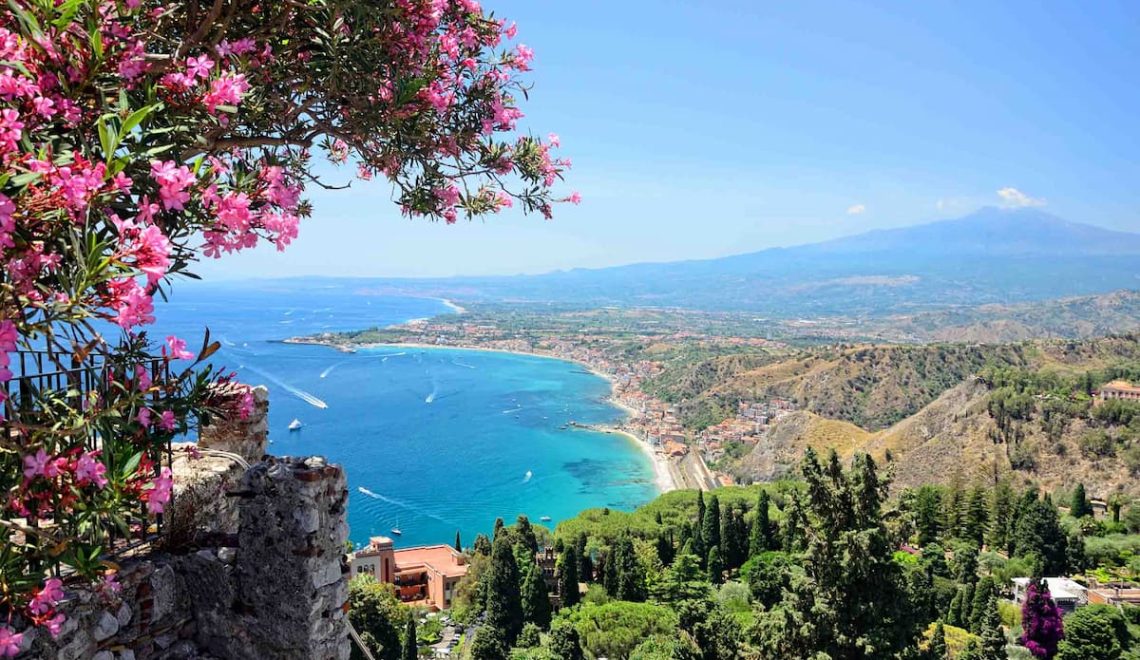
Taormina has long been one of Sicily’s emblematic destinations. It was an essential stop on the Grand Tour, as a natural terrace overlooking the sea with Mount Etna dominating the background. Add the Greek Theatre, the town’s most fascinating monument, and you have a finale with real dramatic power. Taormina is undeniably famous, but it earns that fame through setting as much as through heritage.
Mount Etna for a more adventurous last day
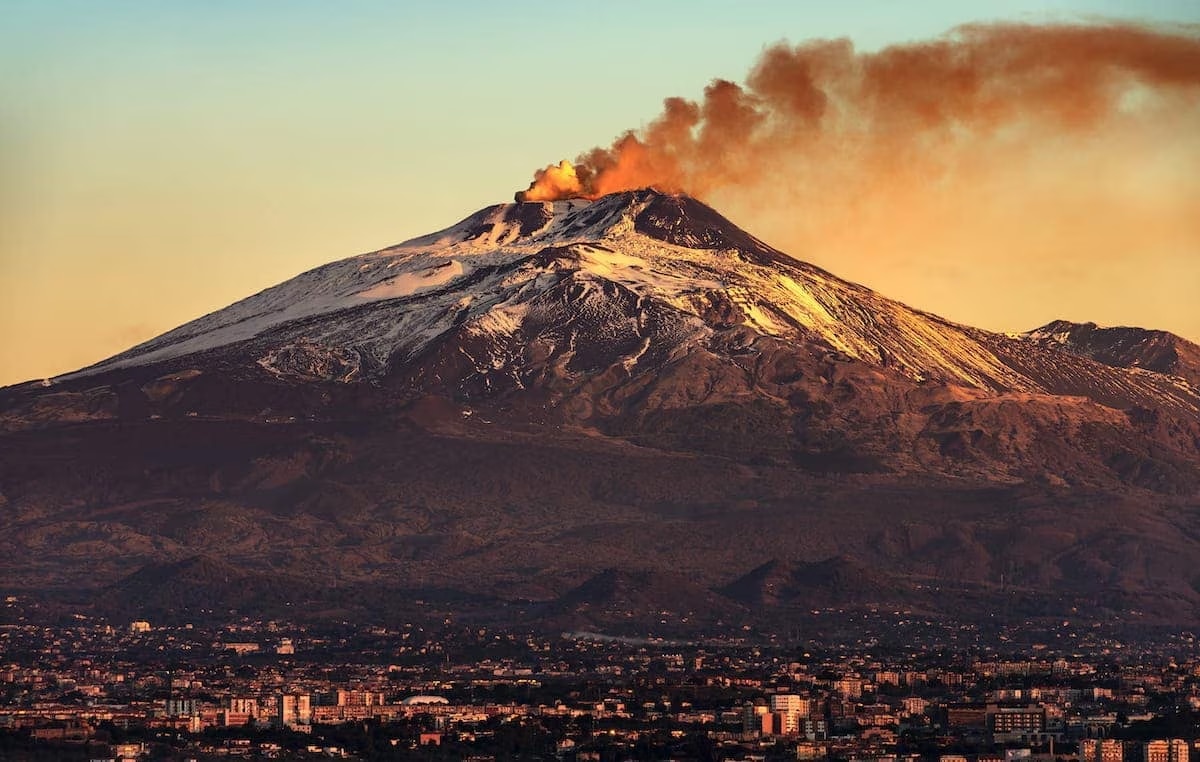
If you want your last day to end with a stronger sense of contrast, pair Taormina with Etna. It is the highest active volcano in Europe and a protected landscape of exceptional natural value. After days spent among cathedrals, historic centres and archaeological parks, Etna changes the register once more: lava landscapes, mountain air and a more rugged, powerful Sicily. It is the perfect closing chapter for travellers who want the week to finish not only beautifully, but memorably.
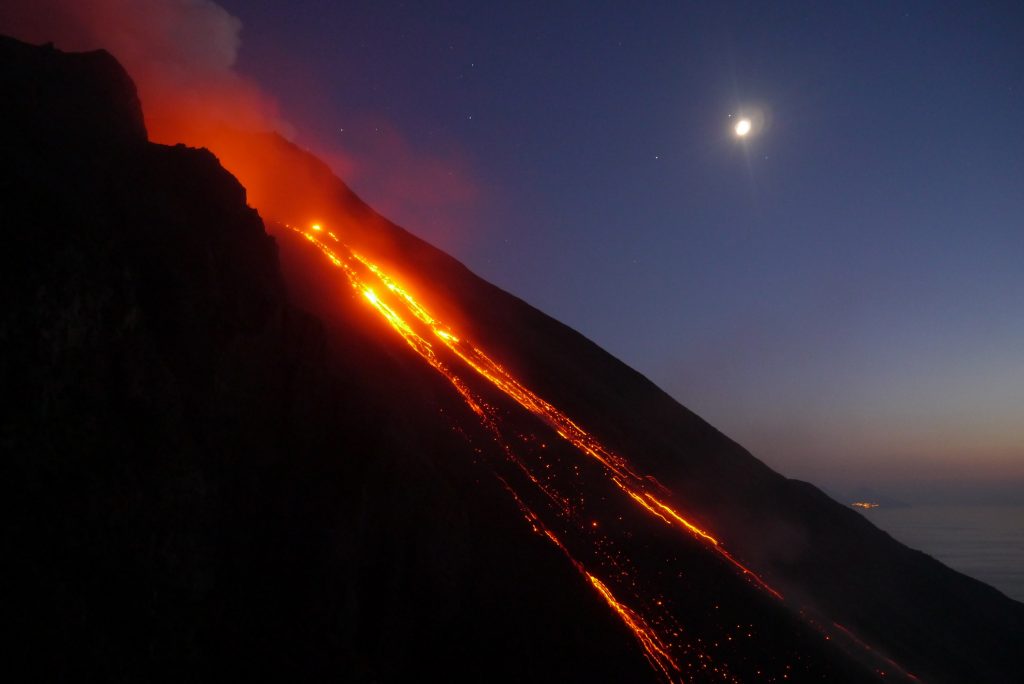
Italy’s Volcanic Landscapes: A Guide to Etna, Vesuvius and Beyond
Exploring Italy’s volcanic landscapes offers a unique adventure into the natural and cultural history of the country.
What to eat during 7 days in Sicily
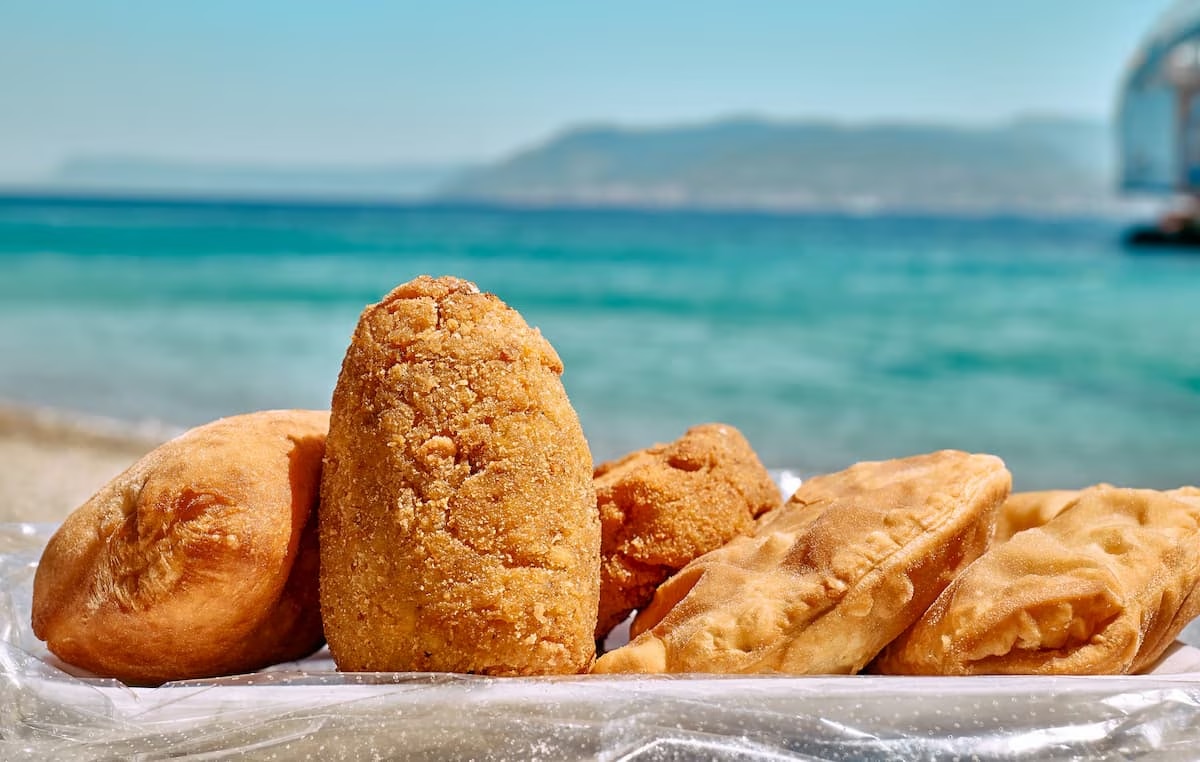
Must-try dishes from west to east
A Sicilian itinerary should always leave room for the table, because food here is not a side note: it is part of the island’s cultural narrative. Typical Sicilian are:
- Pasta con le sarde
- Pasta alla Norma
- Caponata
- Trapani couscous
- Arancini or arancine
- Panelle and street-food classics
Your route can also become a flavour map, with Palermo and the west leaning into street food and couscous traditions, and the east bringing iconic pasta dishes and seafood into sharper focus.
Sweet treats and local specialities worth a stop
Desserts deserve their own chapter, because Sicily is especially generous here. Cannoli, cassata, granita with brioche, marzipan sweets and Modica chocolate among the island’s signature indulgences. In Sicily, sweets are often part of the place itself, a local expression of memory, craft and identity.
Useful tips for spending one week in Sicily
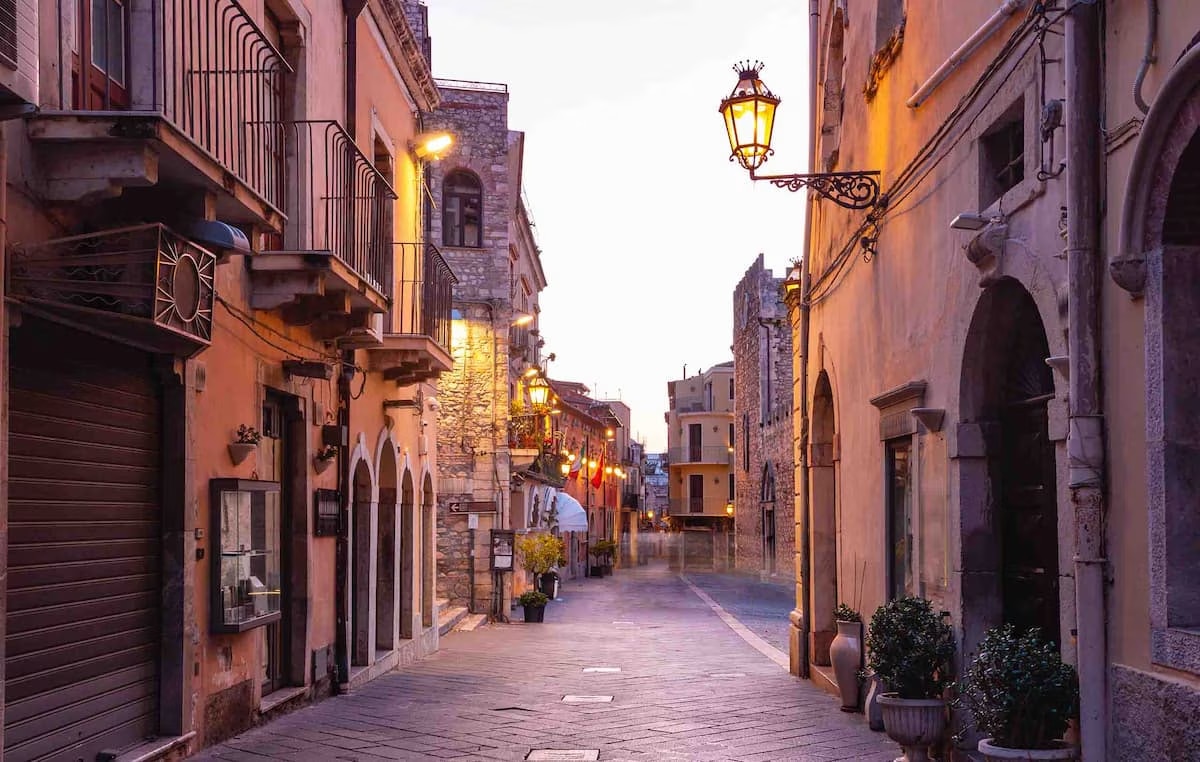
How many stops to include without rushing
The temptation in Sicily is always to add one more stop, because the island keeps offering reasons to deviate. Still, for a satisfying seven-day trip, discipline matters. The route above already includes major cultural cities, coastal moments and inland detours, so adding too many extras can flatten the experience rather than enrich it. It is better to give Palermo, Agrigento, Syracuse and the eastern finale enough breathing space than to chase every possible highlight. Sicily rewards depth as much as variety.
What to book in advance for a smoother trip
To keep the week smooth, it is wise to reserve the elements that shape the structure of the trip: your arrival, major transfers, and the most in-demand experiences or guided visits. This is especially useful on a route that touches some of the island’s best-known cultural and scenic destinations. The official tourism portal also points travellers toward local information offices across Sicily, which can be helpful if you want practical support once on the island. A little pre-planning goes a long way here, because it frees up time for the spontaneous parts of the journey.
Sicily in 7 days with Italo
How to start your journey comfortably from mainland Italy
If you are starting from mainland Italy, Italo offers a practical way to begin the trip comfortably. You can reach Sicily through Italo high-speed train connections combined with Itabus services, with routes designed to connect major cities on the Italo network to Sicilian destinations such as Catania. The journey can begin in a streamlined way on italotreno.com, allowing you to frame even a complex island itinerary within one broader, easy-to-manage travel plan.