If you are planning a trip to Italy and wondering whether English will be enough, the most realistic answer is: sometimes yes, sometimes not entirely. In the biggest cities and in the most tourist-oriented settings, speaking English is often possible and can make your trip much easier. But Italy is not a country where you should assume the same level of English everywhere
Your experience will change depending on the city, the age of the person you are speaking to, the context, and even the confidence of the speaker. The good news is that many travellers visit Italy successfully using mainly English, especially in well-known destinations. The even better news is that just a few words of Italian can make conversations warmer, smoother, and more effective. Recent European data also suggests that foreign-language ability is uneven across Europe, and Italy tends to sit below many northern European countries in self-reported proficiency, while tourist numbers remain extremely high, which helps explain why many visitors still manage well in practice.
Is English common in Italy?
English is present in Italy, but it is not equally common across the country. That distinction matters. Many first-time visitors imagine two extreme scenarios: either everyone speaks English fluently, or almost nobody does. The reality sits in the middle. You are quite likely to find some level of English in hotels, major museums, airports, central stations, popular restaurants, and attractions in cities that receive large numbers of international visitors. Italy recorded a record 458.4 million tourist nights in 2024, with non-resident visitors accounting for more than half of the total, which helps explain why many tourism-facing businesses are used to interacting with foreign travellers.
At the same time, national English proficiency in Italy remains relatively modest when compared with several other European countries. In the 2025 EF English Proficiency Index, Italy is classified in the moderate band and ranks 59th globally. Eurostat data also shows that Italy is among the EU countries with the lowest shares of working-age adults who report being proficient in their strongest foreign language.
Big cities vs small towns
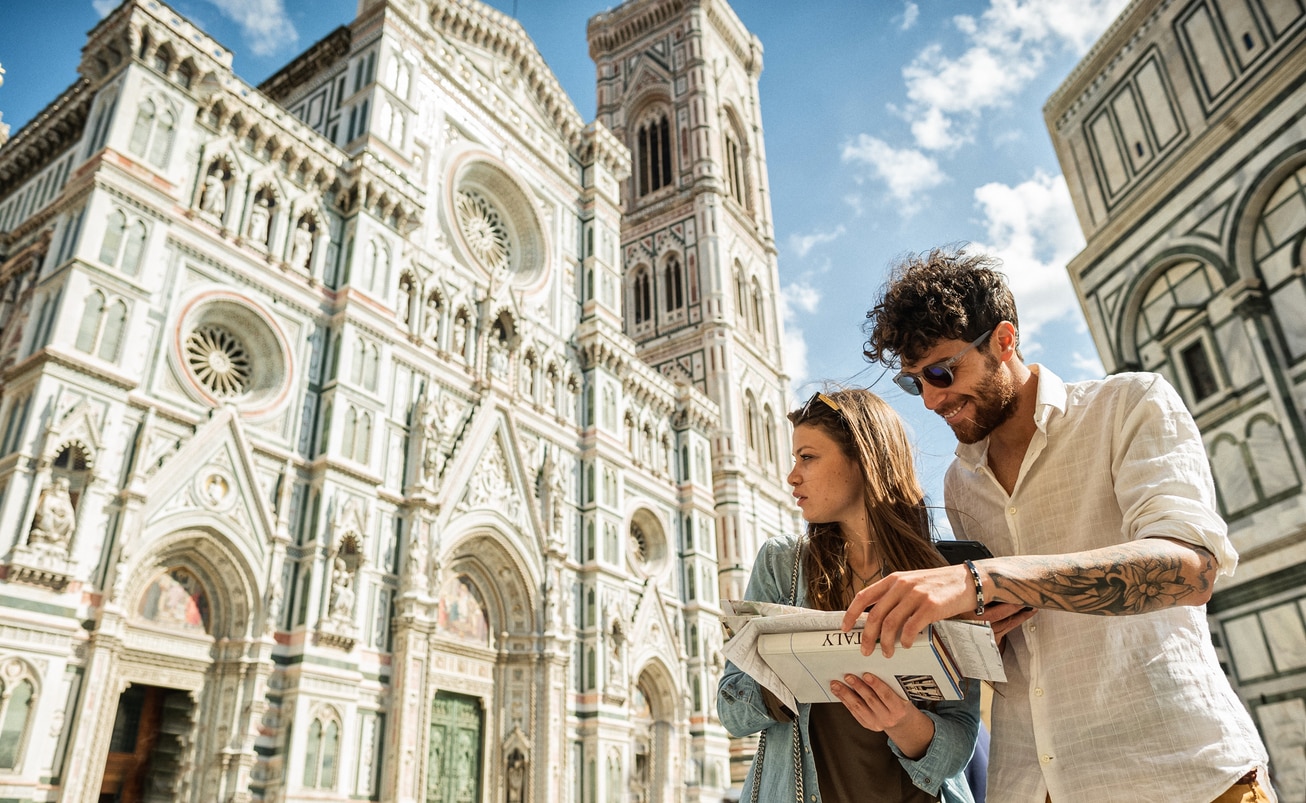
This is usually the biggest difference travellers notice. In cities such as Rome, Milan, Florence, Venice, Bologna, Naples, or Turin, you are more likely to meet people who can understand at least basic English, especially in hospitality, retail, transport, and tourism. That does not necessarily mean fully fluent conversations, but it often means enough English to help with directions, menus, tickets, and simple requests.
In smaller towns, rural areas, or places that are less shaped by international tourism, English tends to be less widespread. This does not mean people are unhelpful. Quite the opposite: many Italians will genuinely try to assist, even when their English is limited. What changes is the ease of communication. In a small town café, a family-run shop, or a local market, you may find that gestures, patience, and a few Italian phrases become much more important than perfect grammar.

Best places to visit in Italy: top cities and must-see attractions
Italy is one of those destinations that travelers dream of for a lifetime. With its blend of ancient history, breathtaking landscapes, artistic treasures, and culinary delights, it offers something for every kind of explorer.
Tourist areas vs local areas
Even inside the same city, the situation can change quickly. Around major landmarks, central hotels, museums, and high-traffic restaurants, English is much more common because international visitors are expected every day. Step a little farther into residential neighbourhoods, smaller bakeries, local bars, traditional markets, or everyday public offices, and the level of English may drop significantly.
This is why many travellers say, “People in Rome spoke English,” while others say, “I struggled in Rome.” Both can be true. The difference often lies not in the city itself, but in the kind of places you enter. A hotel receptionist near a famous monument may switch into English immediately; the owner of a tiny neighbourhood trattoria may understand only a few key words. Italy rewards travellers who stay flexible rather than assuming one single rule applies everywhere.
Do Italians speak English with tourists?

In many cases, yes. Italians working in tourism are often used to welcoming visitors from all over the world, and English is the most common shared language in those situations. Across the EU, English is the most widely spoken foreign language, with about 47% of Europeans speaking it as a foreign or second language according to the 2024 Eurobarometer; among young Europeans, the share able to have a conversation in English is even higher. That wider European context helps explain why English often functions as the default bridge language for travel.
Where it is easier to speak English
You will usually find it easier to speak English in:
- hotels and larger accommodation providers
- airports and major railway stations
- museums and major attractions
- organised tours and ticket offices
- international restaurants or places in historic centres
- younger, university-educated, or internationally exposed professionals
In these contexts, English is often part of daily work. Even when the level is not advanced, staff usually know the vocabulary needed for check-in, reservations, opening times, transport, payments, and basic recommendations.
Situations where it can be more difficult
It can be more difficult in settings tied to everyday local life rather than tourism. Think of small family businesses, local pharmacies, municipal offices, regional buses, hairdressers, neighbourhood bakeries, or conversations with older residents in less tourist-heavy areas. These are the moments when travellers sometimes mistake limited English for unwillingness. Usually, it is simply a matter of vocabulary and confidence.
Another common difficulty is speed. A person may understand English, but not when it is spoken quickly, idiomatically, or with slang. A long, complex question can fail, while a short and simple one works perfectly. So the issue is not always whether someone “speaks English,” but whether the exchange is adapted to the situation.
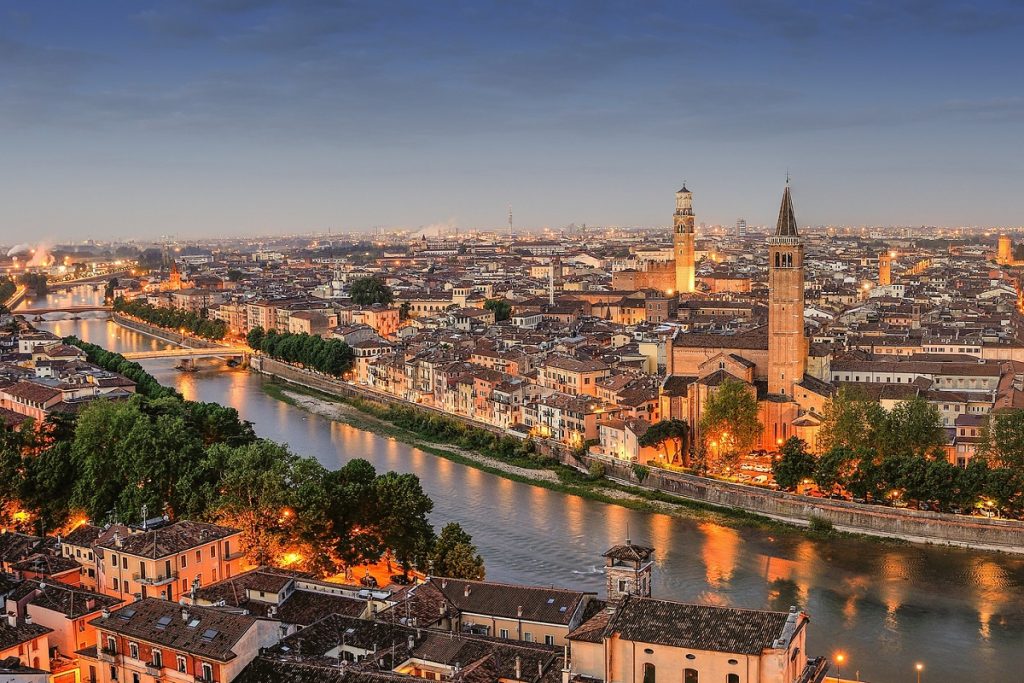
Italy in 5 days: itinerary to explore the highlights of the country
Planning to visit Italy in 5 days might sound like a challenge, but with the right itinerary and fast connections, you can truly enjoy a taste of the country’s incredible diversity.
Why not all Italians speak fluent English

This is where nuance matters. It is easy to assume that if English is taught in school, fluency should be widespread. But language ability depends on more than school exposure alone.
Age, school, and confidence
Younger Italians are generally more likely to have studied English for longer and to use it online, in media, or at work. Eurostat data shows a clear generational difference across the EU in foreign-language knowledge, with younger adults much more likely than older groups to know at least one foreign language. Education level also matters strongly: across the EU, people with higher educational attainment are far more likely to know foreign languages.
In Italy, however, confidence is often just as important as actual knowledge. Many people understand more English than they feel comfortable speaking. They may worry about making mistakes, sounding awkward, or not finding the right pronunciation. So you may meet someone who first says, “No English,” but then manages a useful conversation once you slow down and simplify things. This is an important point for travellers: limited confidence does not always mean zero comprehension.
Tips for traveling in Italy if you only speak English
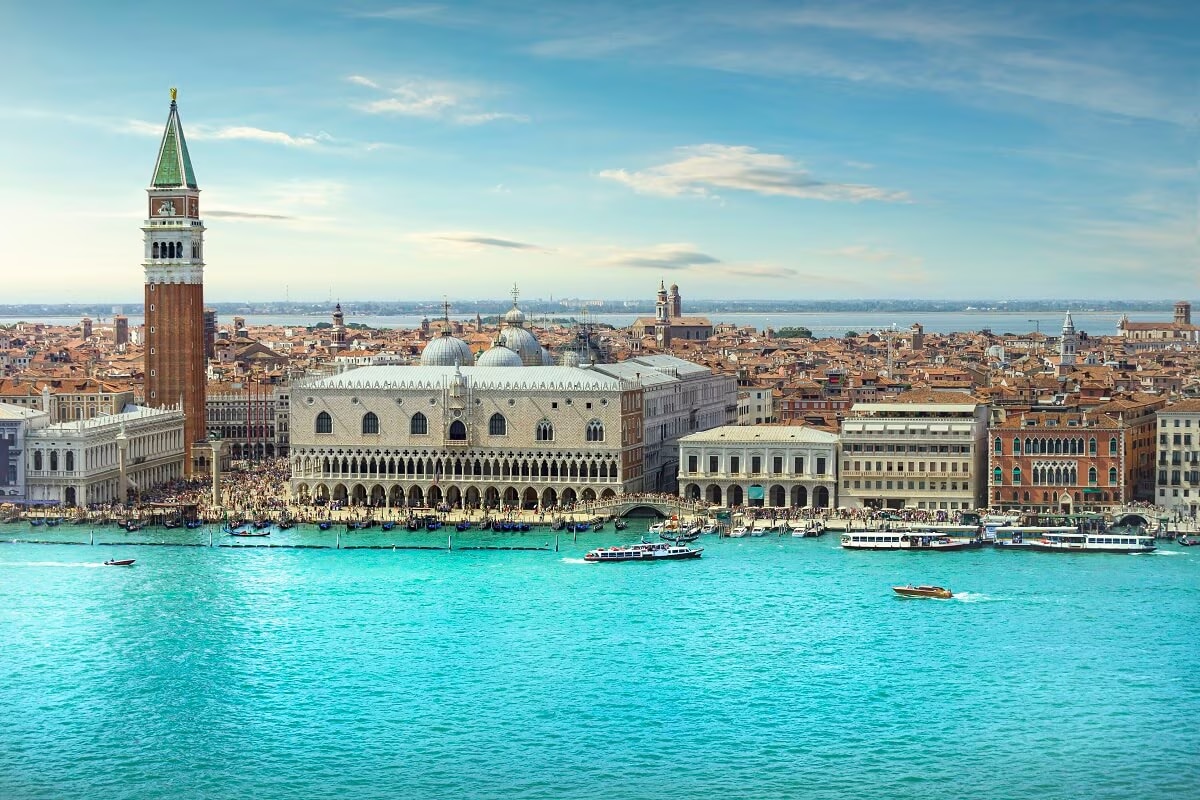
Travelling in Italy with English only is absolutely possible, especially if your itinerary includes major cities. But a smart approach makes a huge difference.
Learn a few useful Italian words
Even a tiny effort goes a long way. Words such as buongiorno (good morning), per favore (please), grazie (thank you), scusi (excuse me), biglietto (ticket), uscita (exit), and dov’è? (where is?) can immediately make interactions easier. They also signal respect, which Italians usually appreciate.
You do not need to build full sentences. Often, a mix of simple English, one or two Italian keywords, and polite body language is enough. In fact, many everyday exchanges in Italy work through this kind of practical multilingualism. The goal is not perfection. The goal is to make communication lighter and friendlier.
Use simple language and translation apps
This may be the most useful travel tip of all. Use short, direct sentences. Instead of saying, “I was wondering whether you might be able to tell me how I can get to the station from here,” say, “Station, please. Which way?” That is easier to understand and easier to answer.
Translation apps can also be extremely useful for menus, transport, addresses, and medical or practical needs. They are especially helpful outside the main tourist circuits or when discussing something more specific than a booking or an order. They do not replace human interaction, but they reduce stress and make travel more independent.
What to expect when visiting Italy

The best expectation is a balanced one. Do not assume that English will solve everything, but do not assume that communication will be a struggle at every step either.
In major destinations, many visitors travel comfortably in English for the whole trip. In more local settings, you may need to slow down, repeat, point, smile, or switch to translation tools. That is not a failure. It is simply part of travelling in a country where the local language remains central to daily life.
There is also a positive side to this. Because Italy does not always feel fully filtered through English, many visitors find that everyday moments become more memorable. Ordering coffee, asking for a platform, buying something at a market, or chatting with a shop owner can feel more human and more vivid when there is a little effort involved.
The biggest itinerary mistakes first-time visitors make in Italy
Italy is one of the most dreamt-about travel destinations in the world, yet it is also one of the easiest countries to plan badly.
English can help, but a little Italian goes a long way
This is probably the most accurate way to frame the whole question. Yes, English can help a great deal in Italy, especially in the most visited cities and travel contexts. But a little Italian often changes the quality of the interaction. It can soften the conversation, unlock goodwill, and make local encounters feel more natural.
So, do Italians speak English? Many do, some do very well, many understand more than they speak, and others speak little or not at all. That is the realistic answer. Travelling well in Italy is less about demanding perfect English from everyone and more about adapting gracefully to where you are.
Discover Italy’s cities with Italo
One of the easiest ways to make an English-speaking trip to Italy feel smoother is to structure it around major cities, where international services are more developed and communication is usually simpler. With Italo, you can move efficiently between some of the country’s best-known urban destinations and keep your itinerary centred on places where English is generally easier to use in hotels, stations, museums, and restaurants. Destinations like Florence, Milan, Naples and Venice are easily reachable from Rome in just a few hours with Italo.
That matters more than it may seem. A well-connected itinerary reduces uncertainty, keeps travel simple, and allows you to focus your time on destinations where services for international visitors are already well established. If you are visiting Italy for the first time and only speak English, combining cities such as Rome, Florence, Milan, Naples, Venice, Turin, or Bologna can make the overall experience feel much more accessible. Italo helps travellers build multi-city trips without relying on short-haul flights or complicated transfers.