Sitting right at the crossroads of the Mediterranean, Sicily is a destination that demands mindful exploration and a curious spirit. This comprehensive guide breaks down the island’s absolute essentials, mapping out its contrasting historic cities, staggering ancient ruins, volcanic wonders, and pristine coastal reserves. Alongside the must-see landmarks, we dive into Sicily’s legendary culinary heritage and provide crucial, practical travel strategies to ensure your journey across the island is both smooth and deeply authentic.
A travel experience with unmatched depth
To visit Sicily is to experience Italy with the volume turned up. It is an island that refuses to be just a passive, uniform beach resort; instead, it offers a raw, sensory intensity where thousands of years of foreign rulers have forged a completely distinct regional identity, dialect, and pace of life. The real reason to choose Sicily for your next journey is its incredible density of experiences. It is one of the few places in the world where historical epochs are compressed into single viewports, allowing you to engage with living history rather than static museum pieces. It is a destination tailored for travellers who crave unpredictability, vibrant street life, and a vacation that feels less like a polished, artificial postcard and more like a living adventure. If you want a trip where travel is still synonymous with true discovery, this island has no equal.
Top cities and towns to explore in Sicily
Palermo: history, architecture, and intense street life
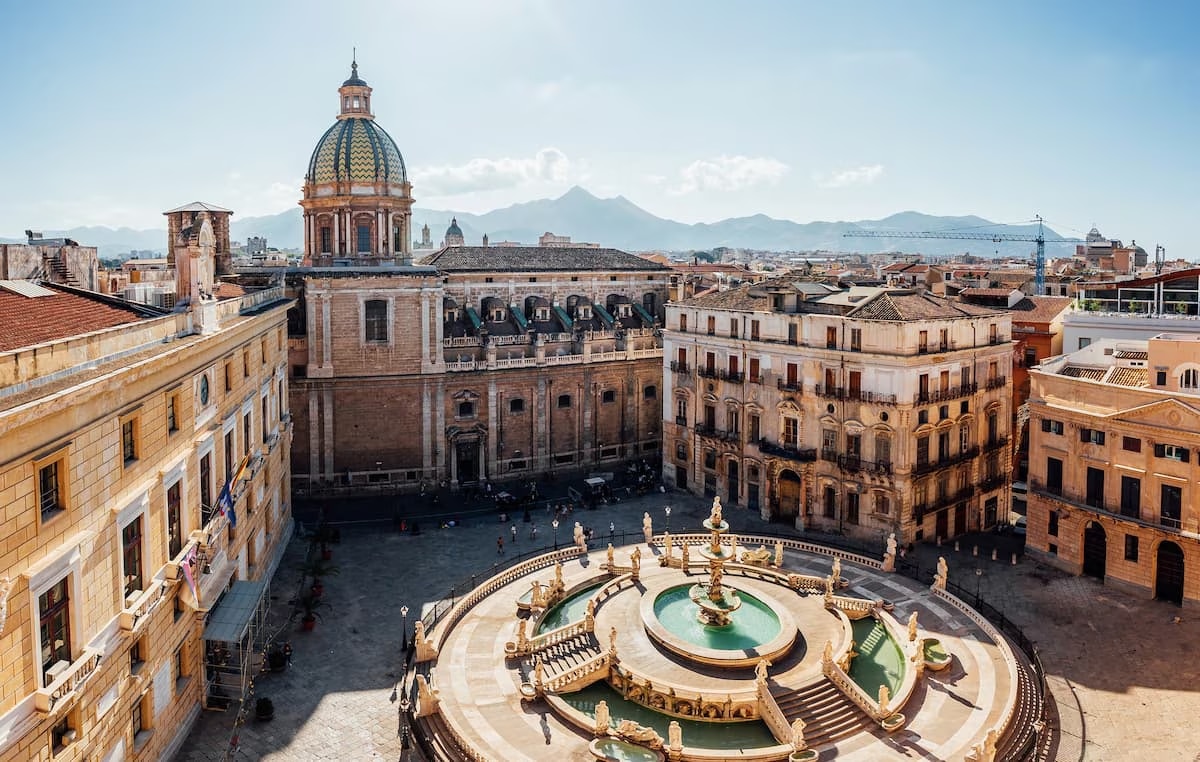
The island’s capital, Palermo, is an energetic metropolis where grand Norman palaces stand alongside weathered historical quarters. The city’s architectural signature is its unique Arab-Norman style, epitomized by the stunning golden mosaics inside the Palermo Cathedral and the Palatine Chapel. To truly capture the city’s spirit, you need to dive into its historic open-air markets:
- Ballarò and Il Capo: Winding labyrinths of stalls, where local vendors shout (i vucciri) to sell fresh swordfish and produce.
- The Street Food Scene: The ultimate spots to sample authentic panelle (chickpea fritters) or a warm, crispy arancina on the go.
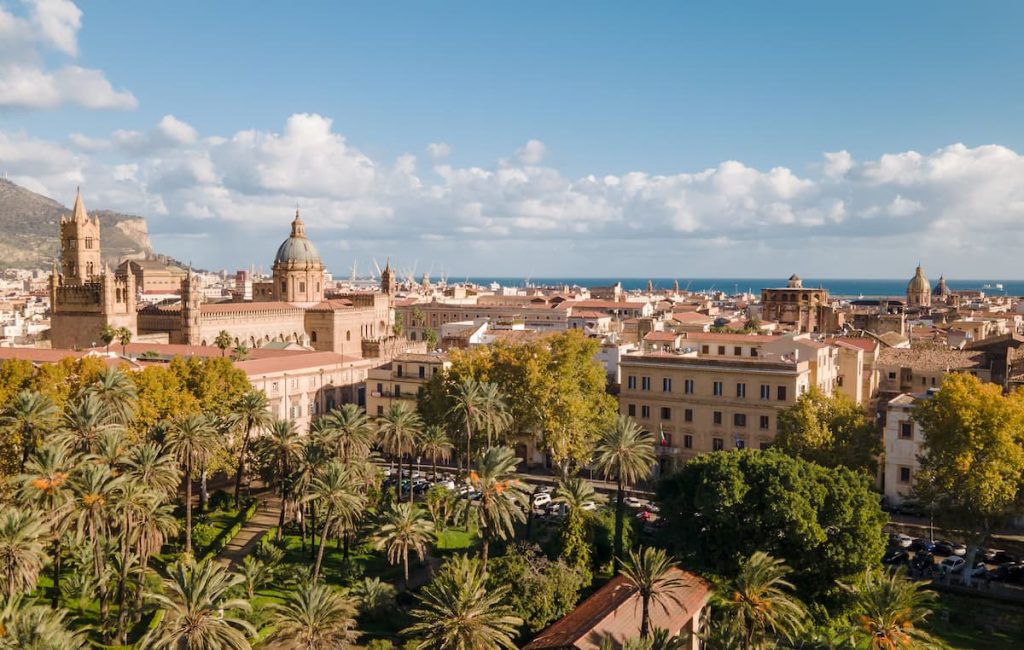
Discover Palermo: a fascinating journey through history, culture, and gastronomy
Explore Palermo, a city rich in history and culture. From Arab-Norman treasures to traditional culinary delights to the seaside, here is our guide on what to see and do in the Sicilian capital.
Catania: volcanic stone baroque and urban energy
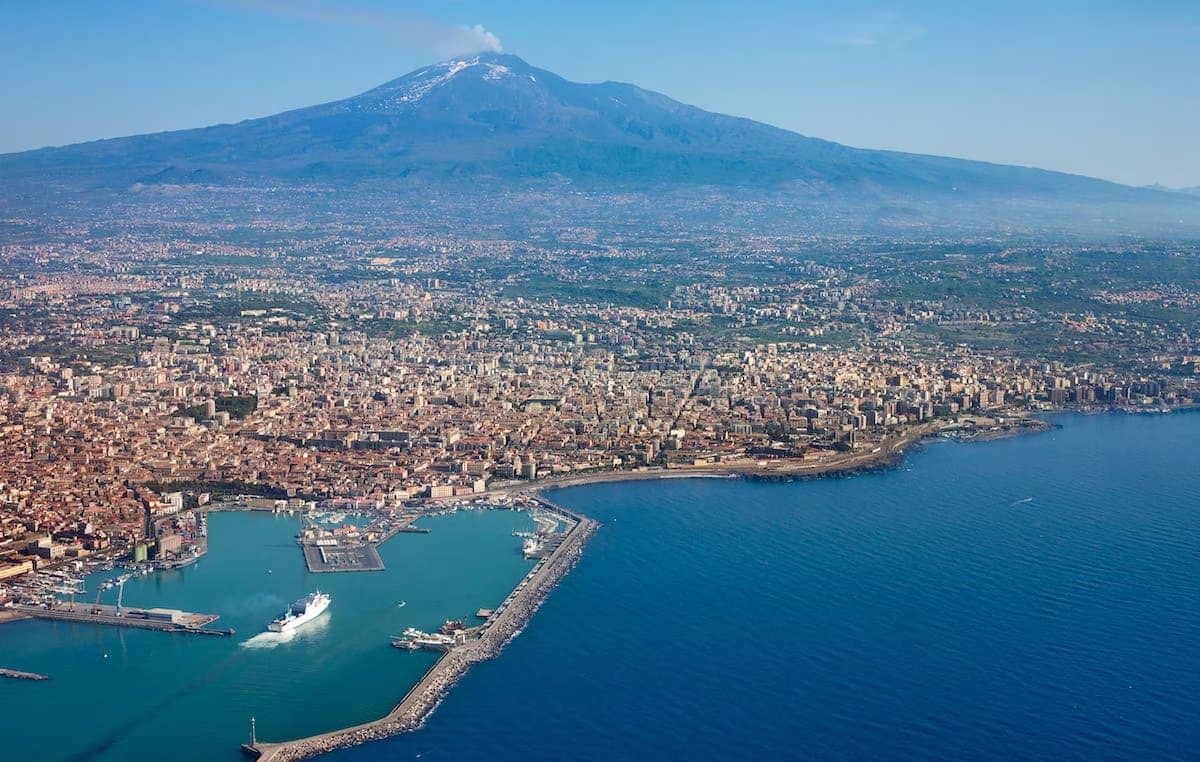
Rebuilt out of black volcanic stone after a massive earthquake in 1693, Catania boasts a dramatic, gritty charm. Its historic centre is a masterpiece of Sicilian Baroque architecture, centered around Piazza del Duomo and the iconic Elephant Fountain (Liotru), all framed by the smoking backdrop of Mount Etna.
Local Experience: Just steps from the cathedral lies A Piscaria, one of Italy’s most intense and theatrical fish markets. It offers a raw, sensory experience in the morning, which contrasts beautifully with the youthful, fast-paced nightlife that packs the volcanic stone pavements later in the evening.
Syracuse: ancient Greek heritage and island charm
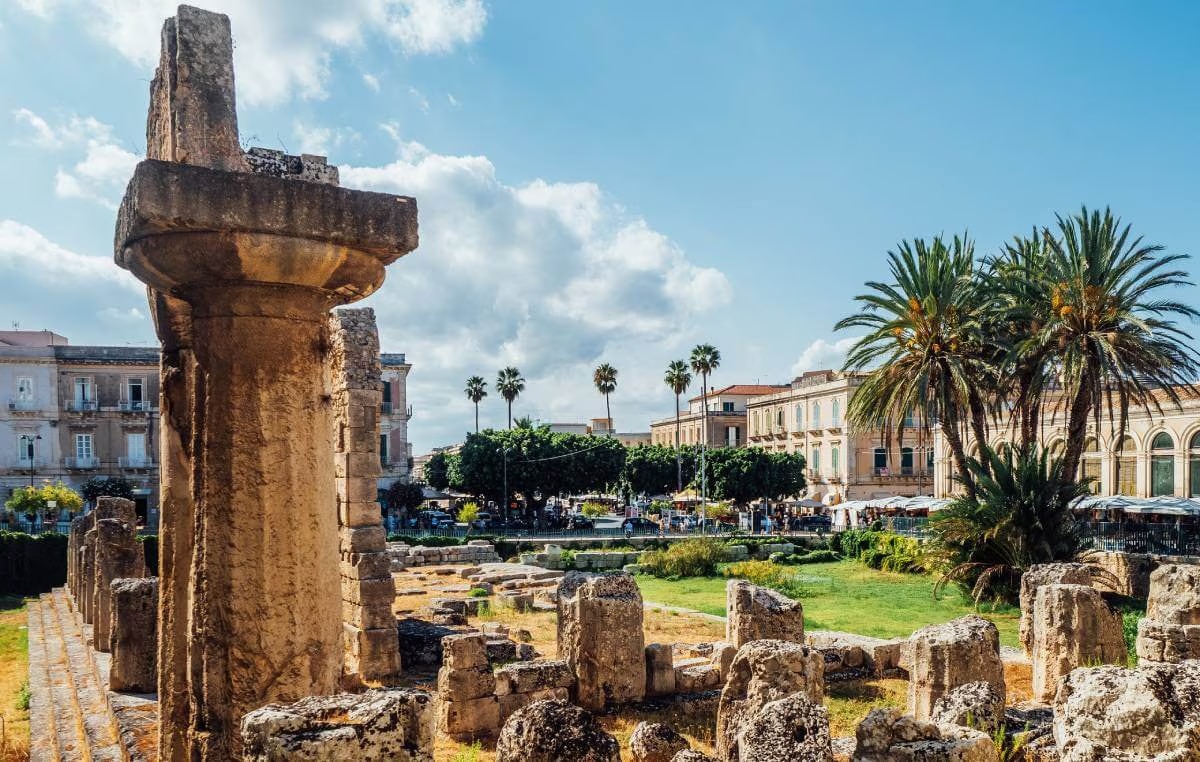
Syracuse was once the most powerful city of the ancient Greek world, outshining Athens in its prime. Today, history enthusiasts can explore this classical legacy at the Neapolis Archaeological Park, home to a spectacular 5th-century BC Greek Theatre.
However, the magnetic core of Syracuse is Ortigia, a small pedestrian-friendly island connected to the mainland by bridges. Ortigia is a maze of narrow limestone alleys that open up to a sweeping coastal promenade and the magnificent Piazza del Duomo, a square where the main cathedral was built directly into the pillars of an ancient Greek Temple of Athena.
Taormina: culture, theatre and coastal panoramas
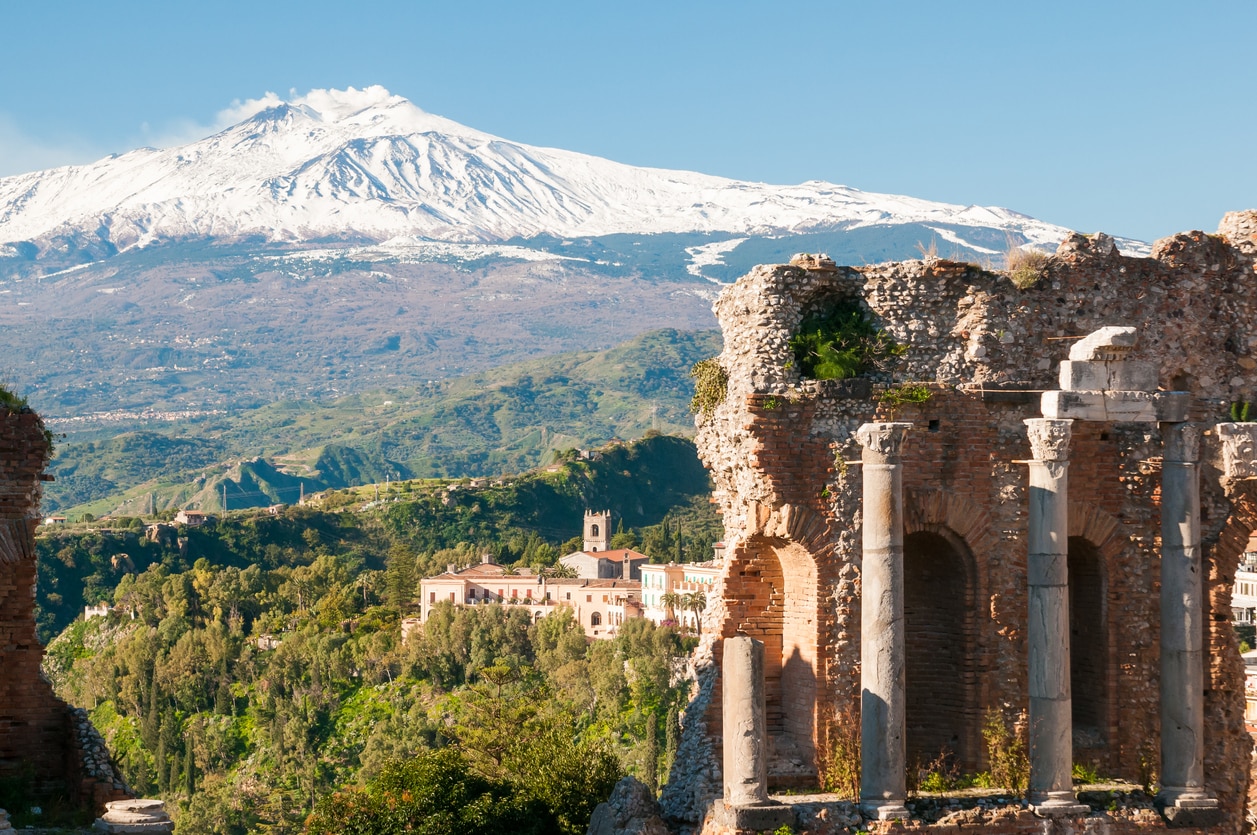
Perched high on a cliff overlooking the Ionian Sea, Taormina has been a premier luxury destination for centuries, splitting its charm between high-altitude culture and seaside relaxation:
- The Greek Theatre: The town’s absolute highlight, offering a panoramic backdrop that frames the ancient stage against Mount Etna and the coastline.
- The Town & Coast: You can stroll through the elegant boutiques of Corso Umberto, or take a short cable car ride down to Isola Bella, a spectacular nature reserve and pebble beach connected to the mainland by a narrow strip of sand.
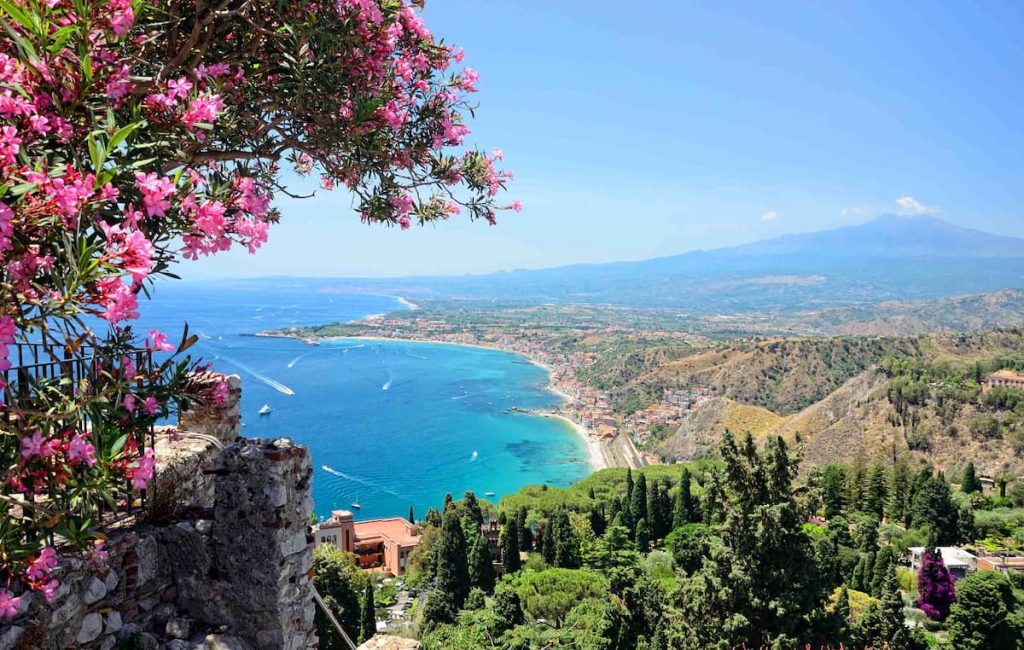
What to do in Taormina: iconic sights and secret corners to discover
Perched between the Ionian Sea, dramatic cliffs and the distant outline of Mount Etna, Taormina is one of those places that immediately feels theatrical in the best possible sense. A visit here can move easily from ancient ruins to panoramic terraces, from quiet stone alleys to lively cafés, from beach time to evening strolls.
Cefalù and other coastal gems
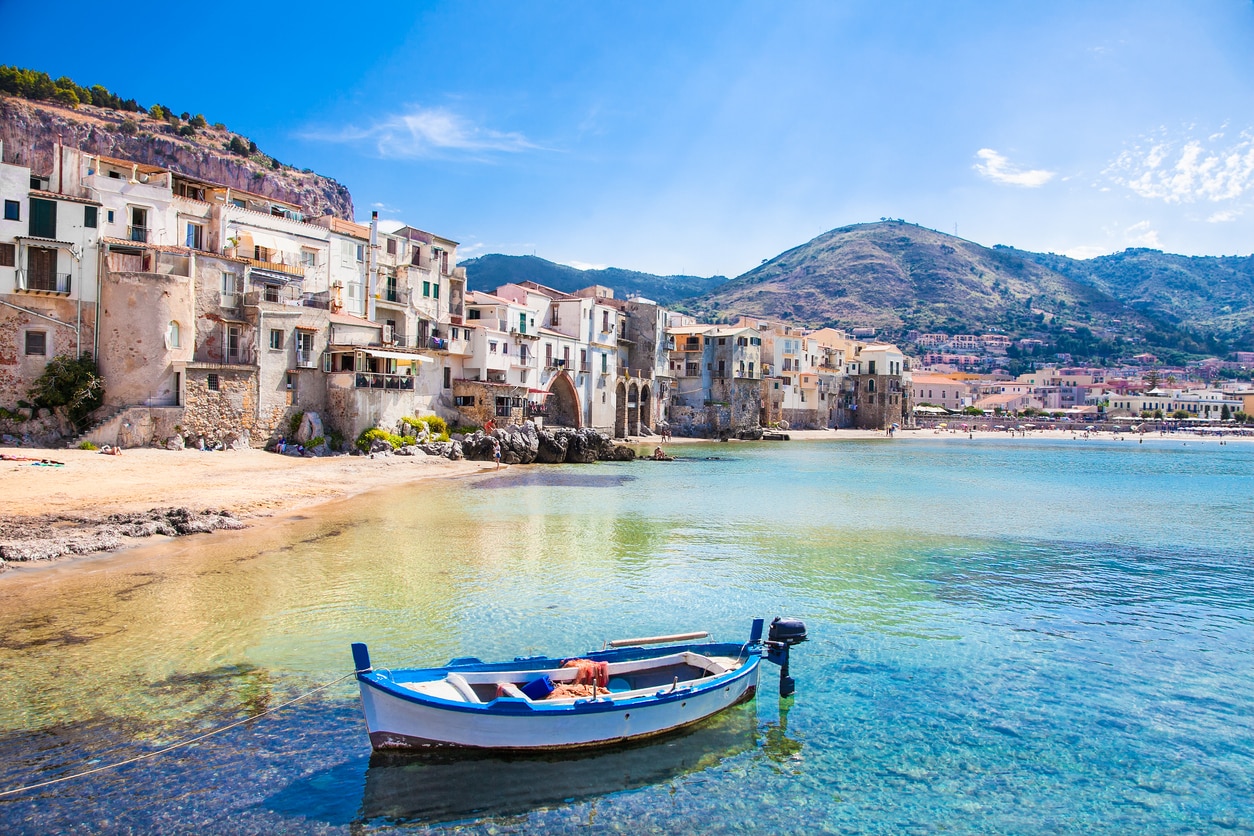
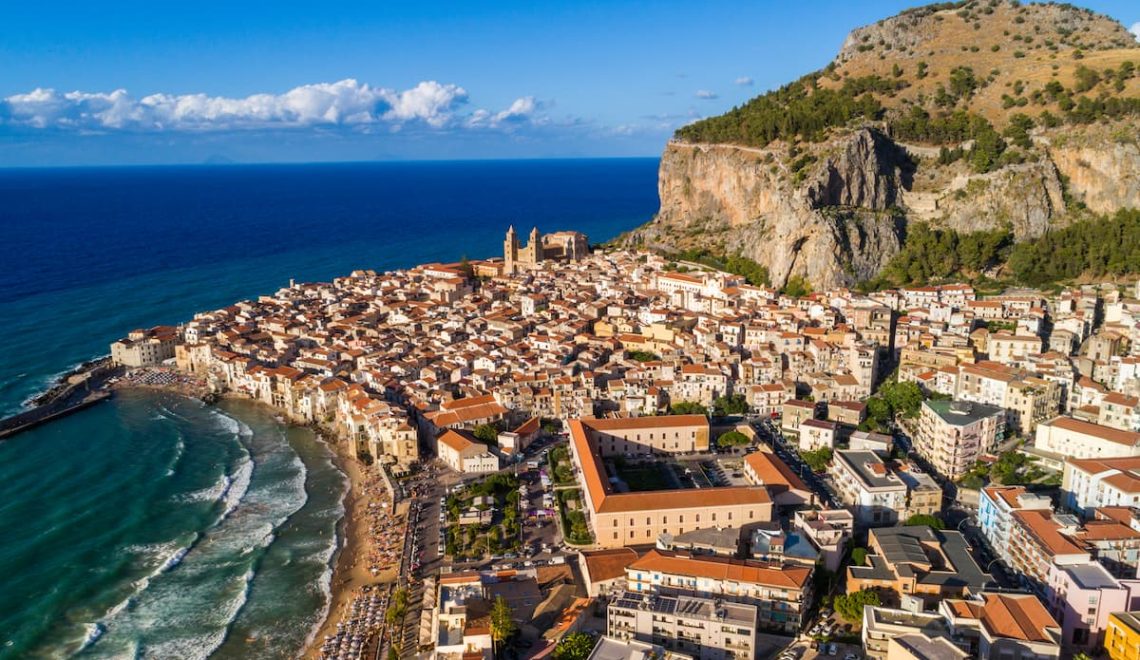
Squeezed between a massive rocky headland and a golden sandy bay, Cefalù is a picturesque medieval town famous for its towering Norman Cathedral and historic old harbour. It offers a much more relaxed, walkable alternative to the larger cities, where you can easily switch from exploring stone alleys to swimming in clear blue water.
If you want to explore beyond the town, the rest of Sicily’s coastline hides distinct varieties of natural beauty:
- San Vito Lo Capo: A northwestern paradise famous for its Caribbean-style white sand and shallow turquoise waters.
- Vendicari Nature Reserve: A protected sanctuary in the southeast, offering undeveloped beaches and quiet trails perfect for nature lovers.
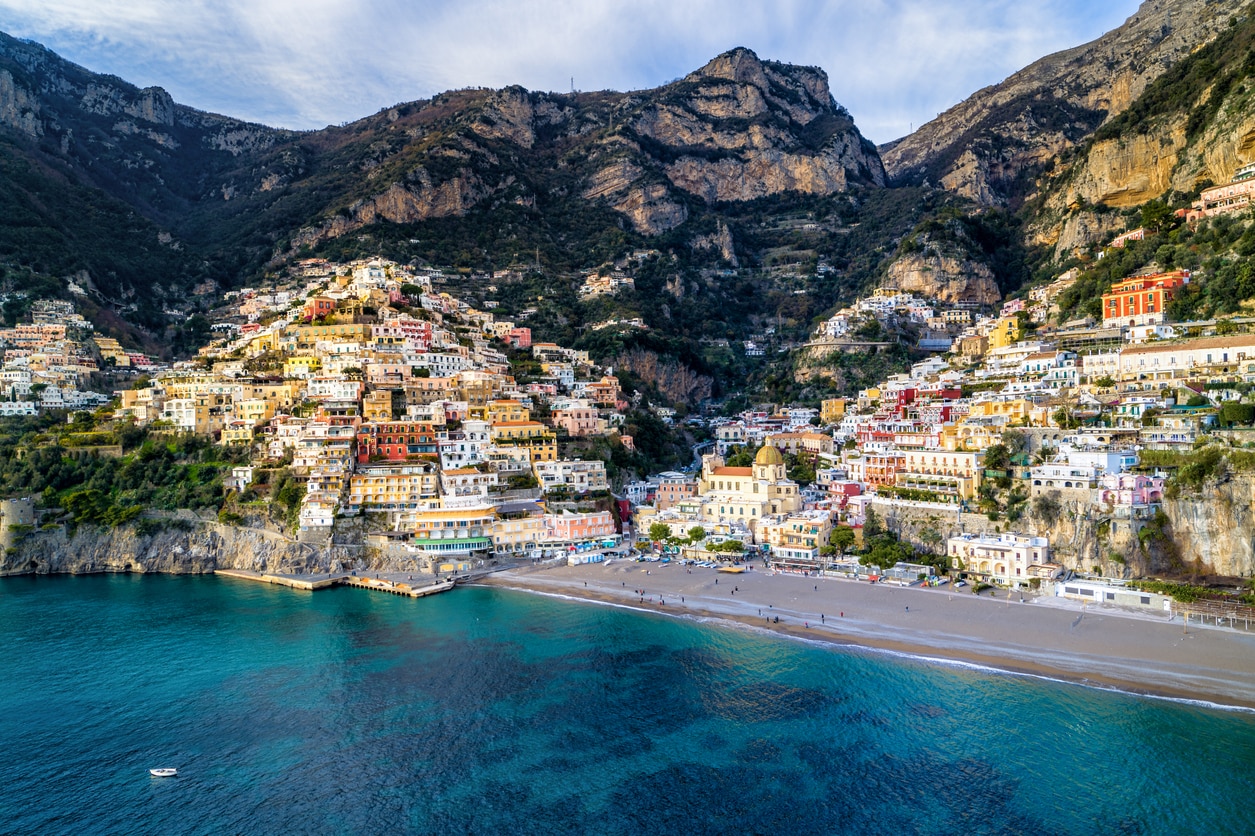
Best places to visit in South Italy: from iconic cities to hidden villages
Southern Italy is a destination that captures the imagination with its dramatic coastlines, ancient cities, vibrant traditions and slower rhythms of life. From the historic streets of Naples to the whitewashed villages of Puglia and the cliffs of Calabria, this part of the country offers a travel experience that feels authentic, diverse and deeply rooted in history.
Sicily’s natural wonders and landscapes
Mount Etna: Europe’s highest active volcano
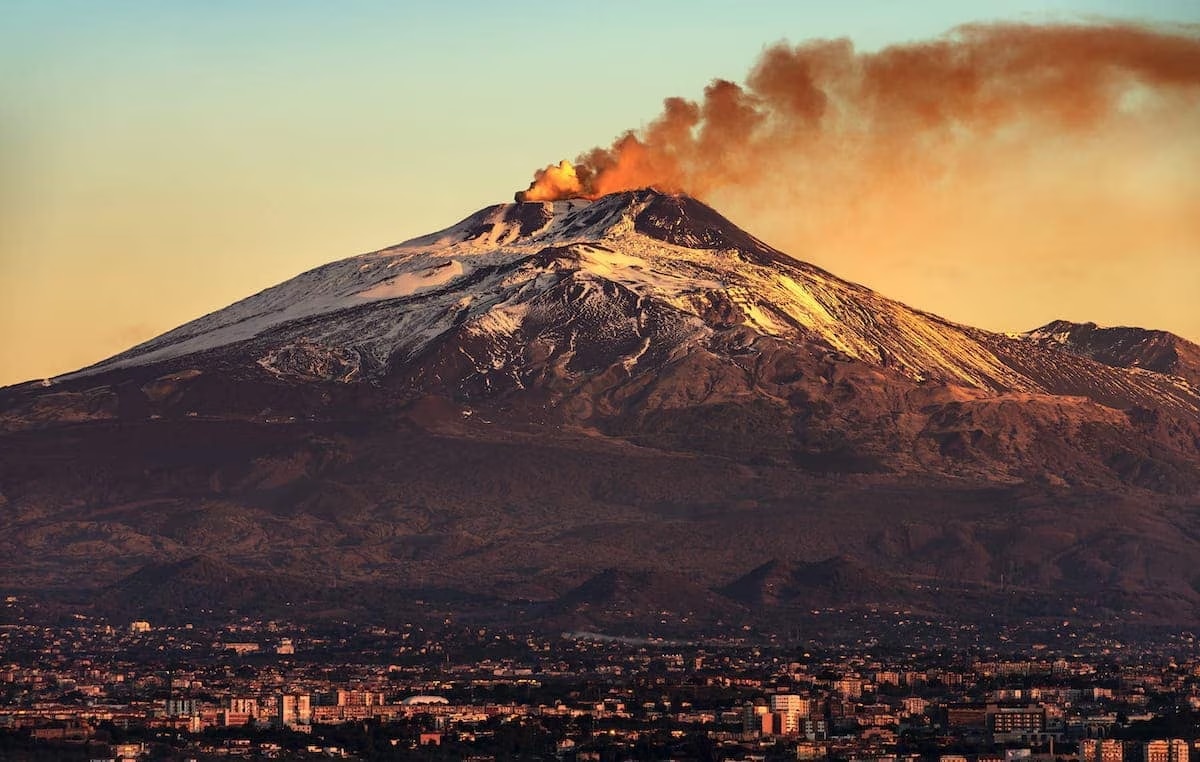
Dominating the skyline of eastern Sicily, Mount Etna is a UNESCO World Heritage site and an absolute must-visit for outdoor adventurers. Reaching over 3,300 meters, the landscape changes drastically as you ascend, shifting from fertile vineyards and lemon orchards on the lower slopes to barren, lunar-like expanses of jagged black lava fields and historic craters higher up. Visitors can explore the lower Silvestri Craters independently, or book authorized guided excursions utilizing cable cars and specialized 4×4 vehicles to reach the active, smoking summit craters safely.
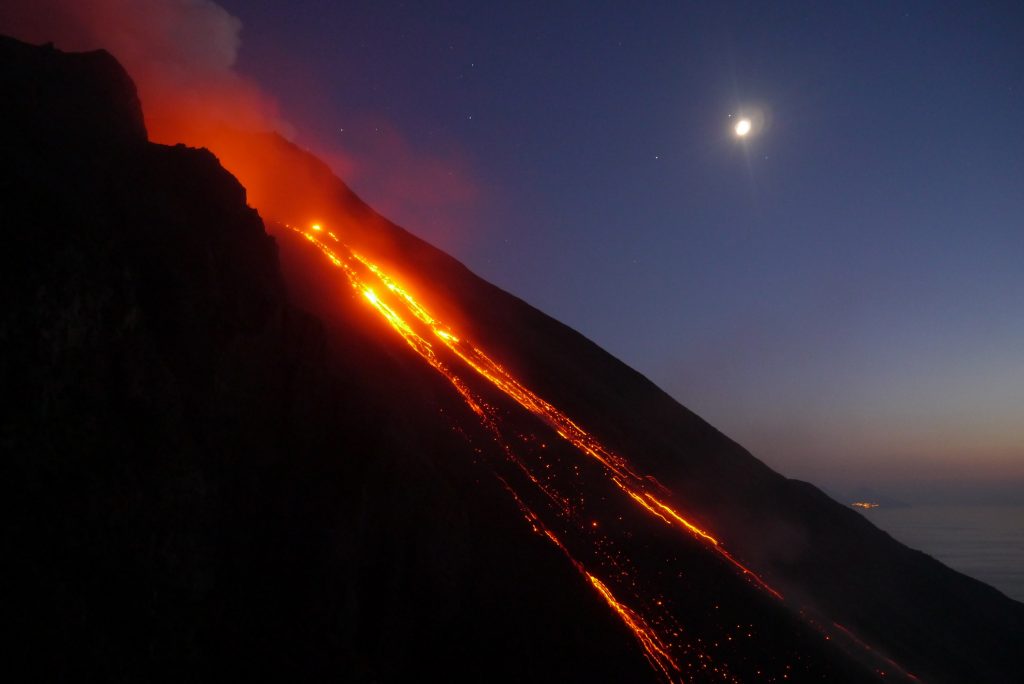
Italy’s Volcanic Landscapes: A Guide to Etna, Vesuvius and Beyond
Exploring Italy’s volcanic landscapes offers a unique adventure into the natural and cultural history of the country. With the proper respect for nature’s power and guided educational insights, these fiery mountains provide a fascinating, awe-inspiring experience that highlights the dynamic beauty of Italy.
The Aeolian Islands: volcanic archipelagos
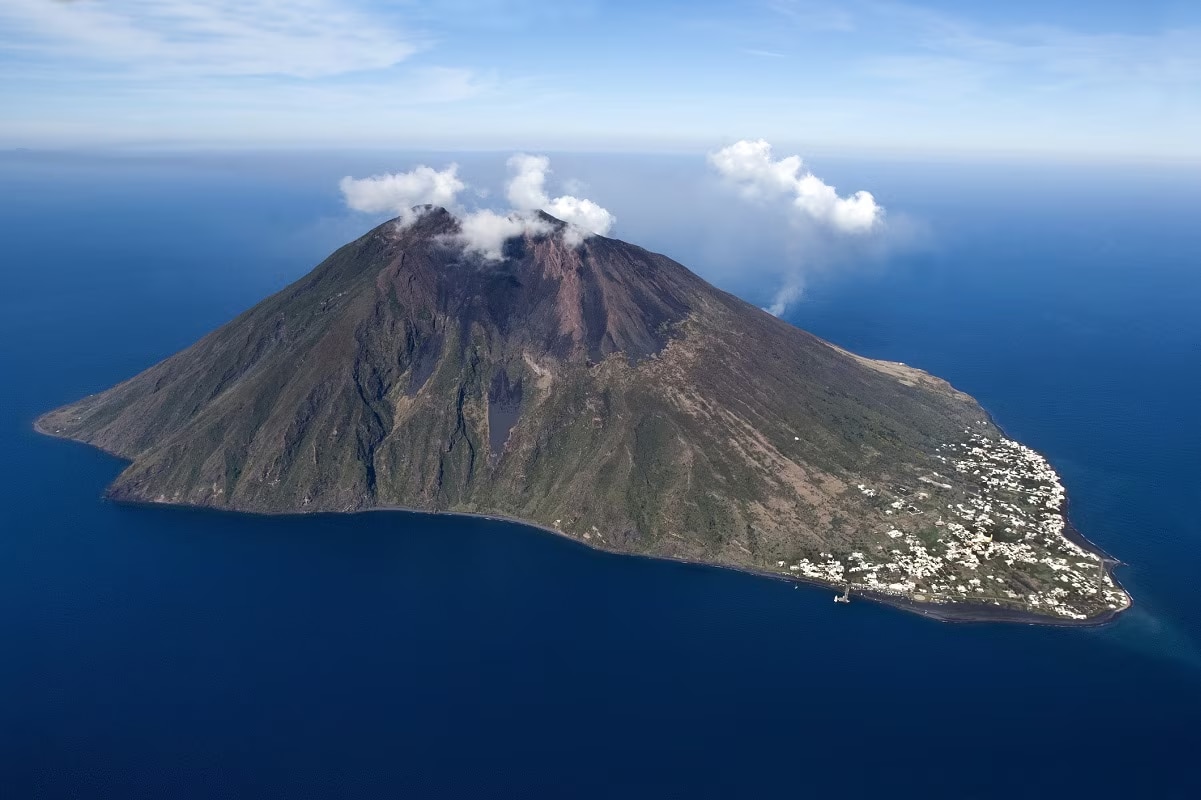
Located off Sicily’s northern coast, the Aeolian Islands are a stunning volcanic archipelago easily accessible by ferry or hydrofoil from ports like Milazzo. Rising dramatically from the Tyrrhenian Sea, this UNESCO-protected chain feels a world away from the mainland, defined by whitewashed Mediterranean houses, wild caper bushes, and deep waters. Each island offers a completely distinct personality:
- Lipari: The largest and most logistically connected island, featuring a lively historic town, a towering citadel, and an exceptional archaeological museum.
- Vulcano: Famous for its therapeutic sulfur mud baths, thermal waters, and striking black sand beaches.
- Stromboli: A continuous, naturally active volcano where travellers can take evening boat tours to watch minor, glowing lava eruptions cascade down the Sciara del Fuoco under the night sky.
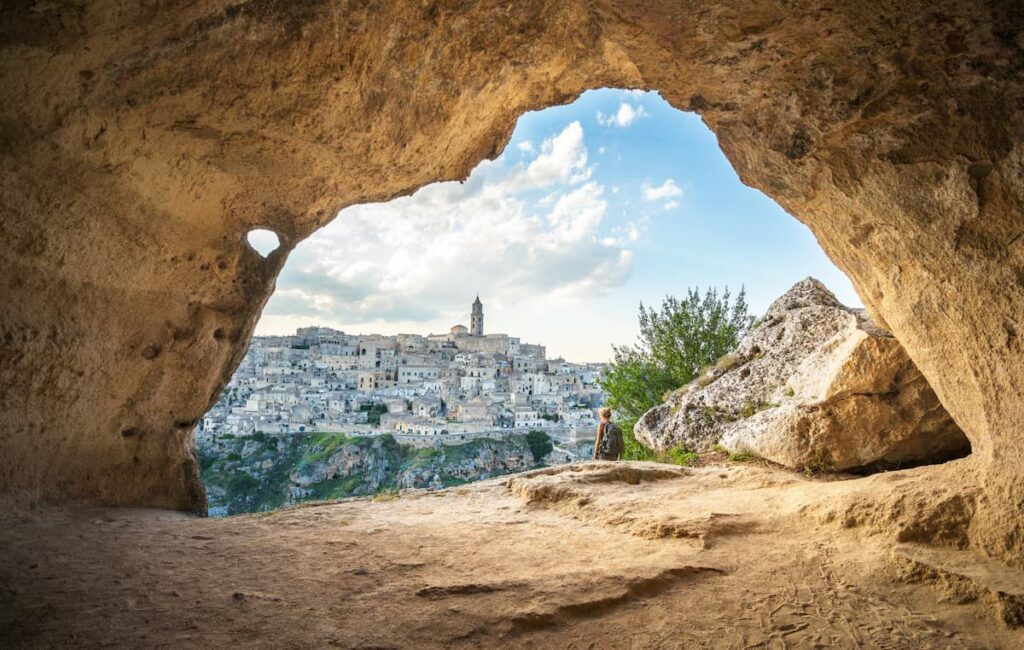
Italy’s UNESCO World Heritage Sites: A Guide to Cultural and Natural Treasures
Italy’s UNESCO World Heritage Sites are a testament to the country’s rich cultural heritage and stunning natural landscapes. From ancient ruins to breathtaking landscapes, Italy offers a journey through history and nature like no other.
Protected nature reserves and scenic trails
Away from the busy urban centres, Sicily offers exceptional biodiversity and untouched landscapes. The Zingaro Nature Reserve, the first protected pocket of land on the island, features a dramatic 7-kilometre hiking trail that winds along sheer limestone cliffs, perfumed by wild rosemary and dwarf palms. This panoramic path connects a series of hidden, turquoise swimming coves that are completely inaccessible by car.
Inland, the Madonie and Nebrodi mountains provide a completely different, alpine experience. These ranges are filled with dense oak forests, ancient medieval villages tucked into rocky ridges, and panoramic viewpoints far removed from coastal crowds, offering a direct look into the slow-paced, pastoral heart of the island.
Sicily in 7 days: ultimate itinerary for an unforgettable week
Sicily is one of those destinations that never feels one-dimensional. In the space of a single week, you can move from lively historic capitals to hilltop villages, from monumental Greek archaeology to Baroque townscapes, and from seaside promenades to the slopes of Europe’s highest active volcano.
Sicilian gastronomy: what to eat and drink
Traditional Sicilian dishes and iconic sweets
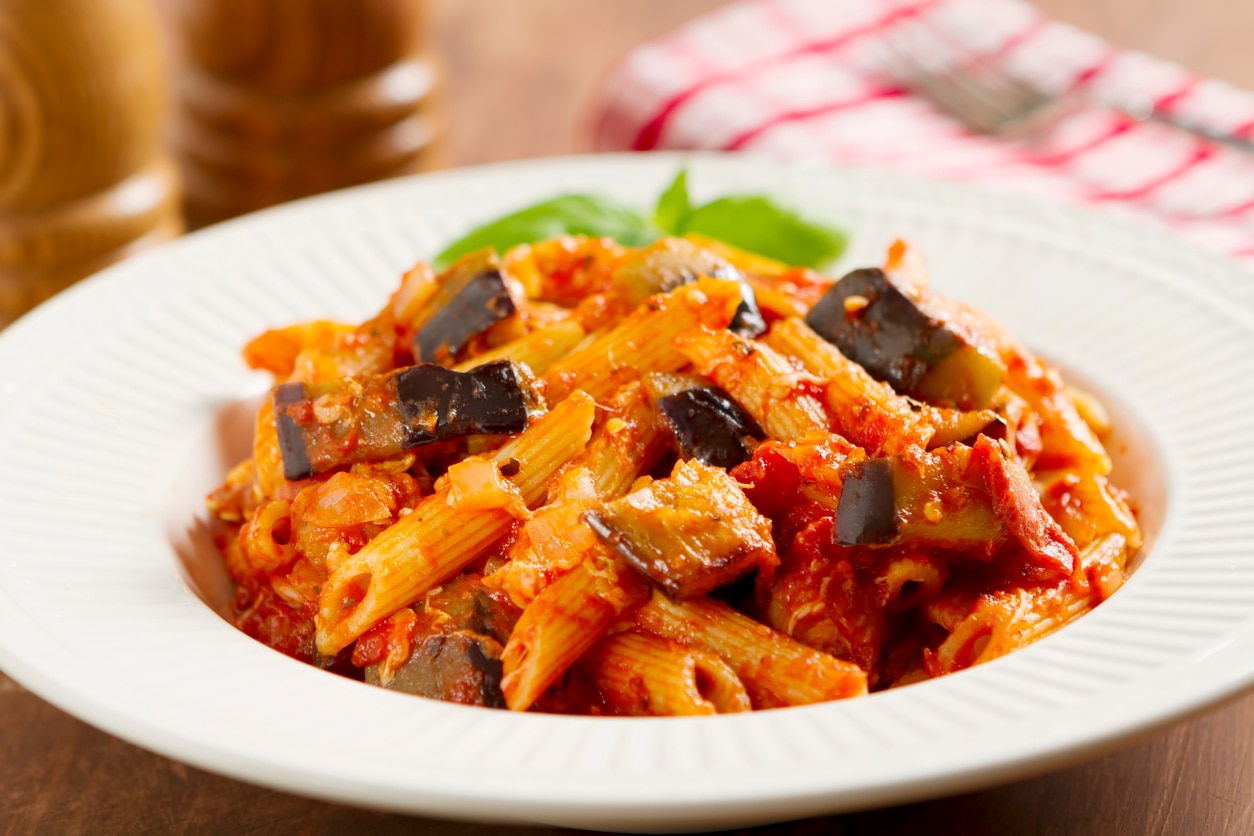
Sicilian cuisine is highly distinct from mainland Italian food, heavily influenced by Arab, Greek, and Spanish ingredients. Essential dishes to try include:
- Pasta alla Norma: A classic dish from Catania featuring pasta tossed with rich tomato sauce, fried eggplants, fresh basil, and salted ricotta cheese.
- Caponata: A sweet-and-sour agrodolce relish made of chopped fried eggplants, celery, capers, and olives.
- Cannoli: Crispy fried pastry tubes filled on the spot with sweet, fresh sheep’s milk ricotta.
- Granita: A semi-frozen dessert made from sugar, water, and fresh flavorings (like almond, pistachio, or lemon), traditionally eaten for breakfast with a warm brioche bun.

Italy’s Seafood Delights: A Culinary Journey Along the Coast
Embark on a gastronomic journey along Italy’s stunning coasts with Italo Treno. Dive into the vibrant world of Italian seafood, from Naples to Genoa, and uncover the rich flavours and traditions of Mediterranean cuisine.
Renowned volcanic and historic wines
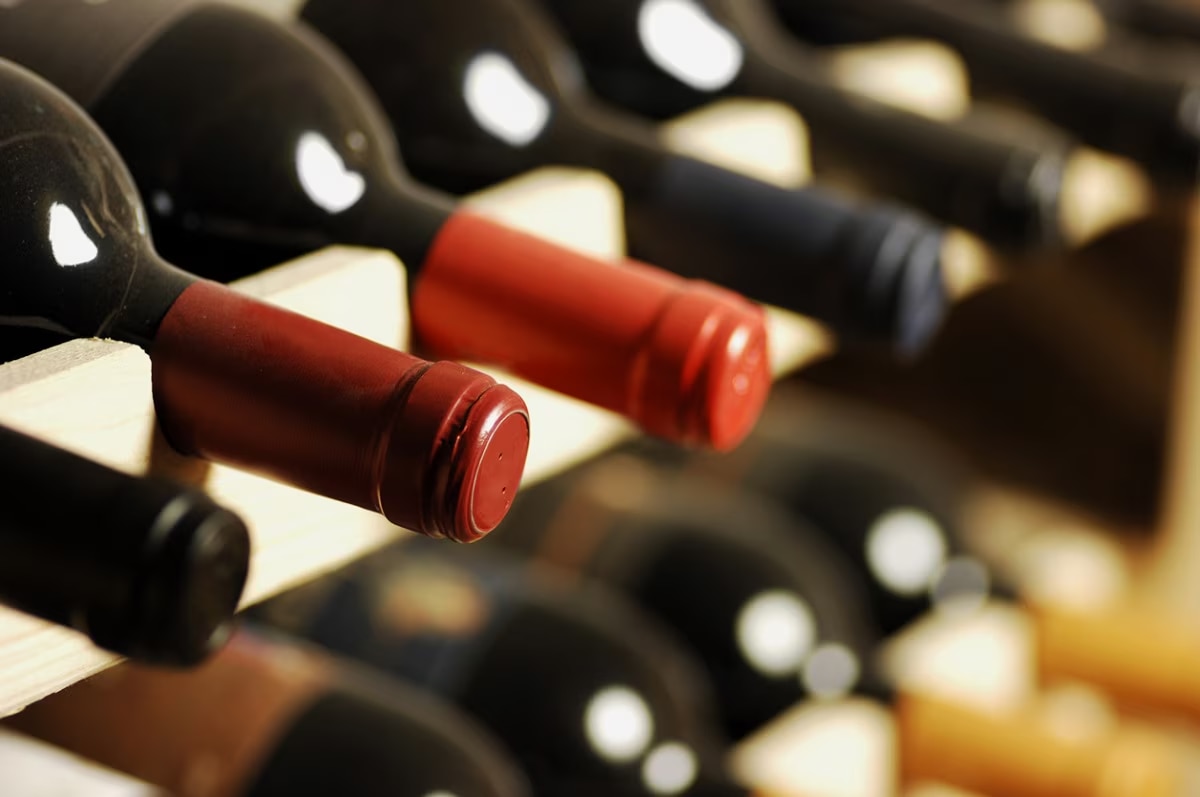
The island’s viticulture is undergoing a major renaissance, driven by unique microclimates and volcanic soils. Etna DOC wines, grown on the slopes of the volcano using native Nerello Mascalese and Carricante grapes, are highly sought after for their elegant, mineral-rich profiles. Other historic varieties include the robust red Nero d’Avola, the crisp white Grillo, and the complex, fortified dessert wines of Marsala.
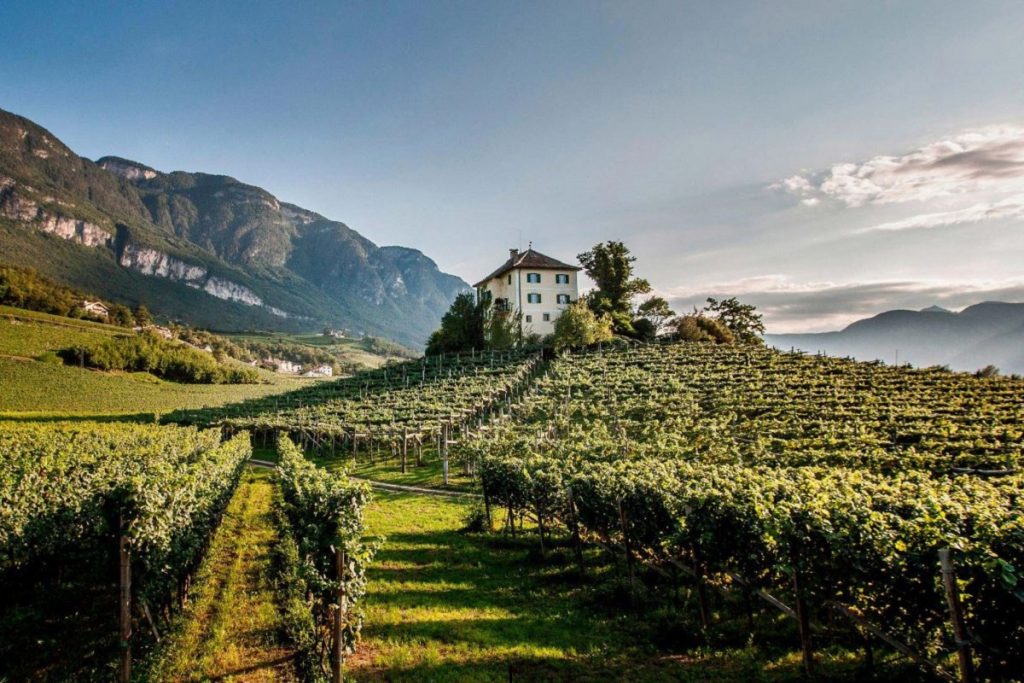
Italy’s Wine Regions: A Journey Through Vineyards and Tastings
Dive into unique flavours, prestigious estates, and wine-tasting holidays for an immersive cultural and gastronomic journey.
The legendary street food culture
Palermo is universally ranked among the world’s top street food capitals. Do not miss Arancini (or Arancine in Palermo), which are deep-fried, breaded rice balls stuffed with ragù or ham and cheese. More adventurous eaters should try Panelle (savory chickpea flour fritters), Sfincione (a thick, spongy Sicilian pizza topped with onions and caciocavallo cheese), and Stigghiola (skewered, grilled lamb intestines seasoned with parsley and lemon).
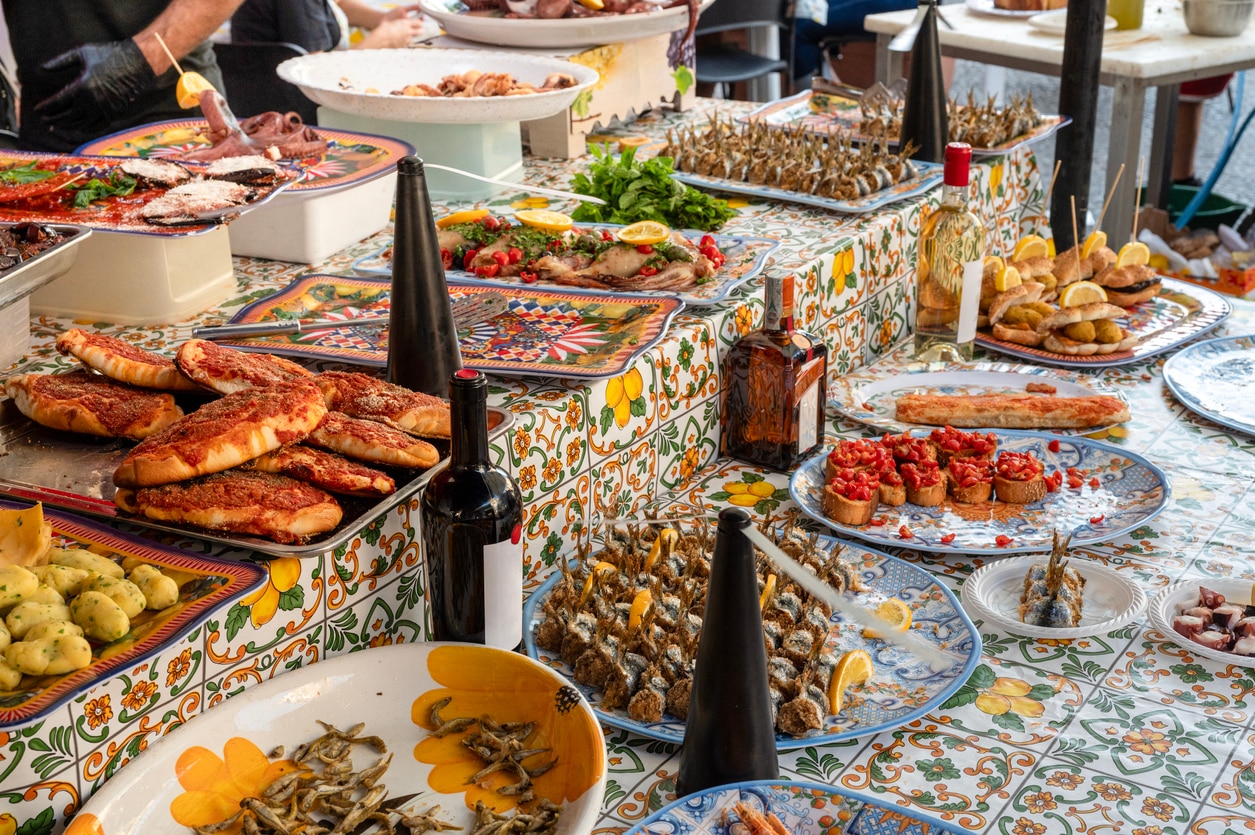
The Ultimate Guide to Summer Food Festivals in Italy
Italy is renowned for its rich culinary heritage, and what better way to celebrate this than by attending one of the many Italian food festivals held throughout the summer? These festivals provide an opportunity to indulge in traditional dishes, discover local ingredients, and immerse yourself in the vibrant culture of Italy.
Practical tips for travelling in Sicily
Best time to visit the island
The optimal periods to explore Sicily are spring (April to June) and early autumn (September to October). During these shoulder months, temperatures are ideal for urban sightseeing and hiking, the countryside is lush, and tourist crowds are manageable. Peak summer (July and August) brings intense heatwaves and crowded coastal areas, while winter is quiet but can bring snow to mountainous regions and Etna.
Local transport connections and logistics
Sicily is a large island, and travel times between coasts can be significant. Major urban centres like Palermo, Catania, Messina, and Syracuse are well connected by regional rail and bus networks. While public transport is highly efficient for moving between primary towns, renting a car can offer extra flexibility if your itinerary is heavily focused on isolated nature reserves, remote agriturismi, or rural archaeological sites.
Getting around by train with Italo

Planning a journey to Sicily is incredibly smooth when incorporating high-speed rail options. While Italo’s high-speed rail network brings you efficiently down the Italian peninsula to major southern hubs like Salerno or Reggio Calabria, the journey continues seamlessly onto the island through integrated Italo + Itabus options or connecting regional maritime services.
This approach allows you to bypass the exhaustion of a long-distance drive across the Italian mainland, arriving at key Sicilian gateway stations like Palermo, or Catania feeling completely rested. By eliminating the stress of highway traffic, toll booths, and fuel logistics, you can focus your energy entirely on exploring the historic streets, diverse beaches, and rich traditions of this Mediterranean destination.