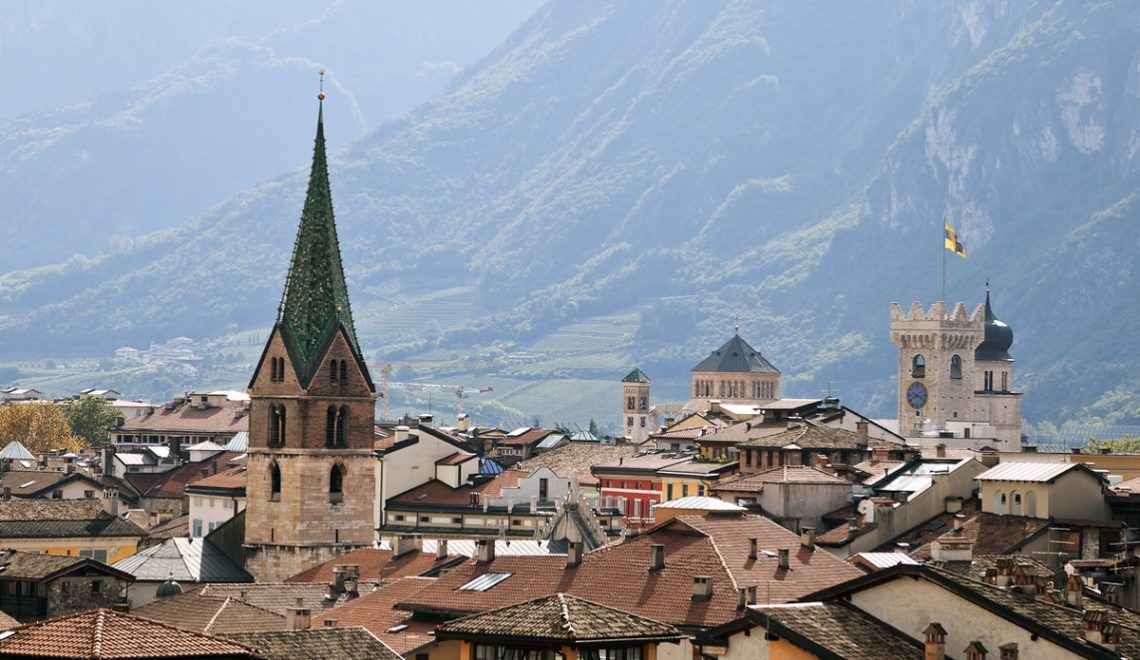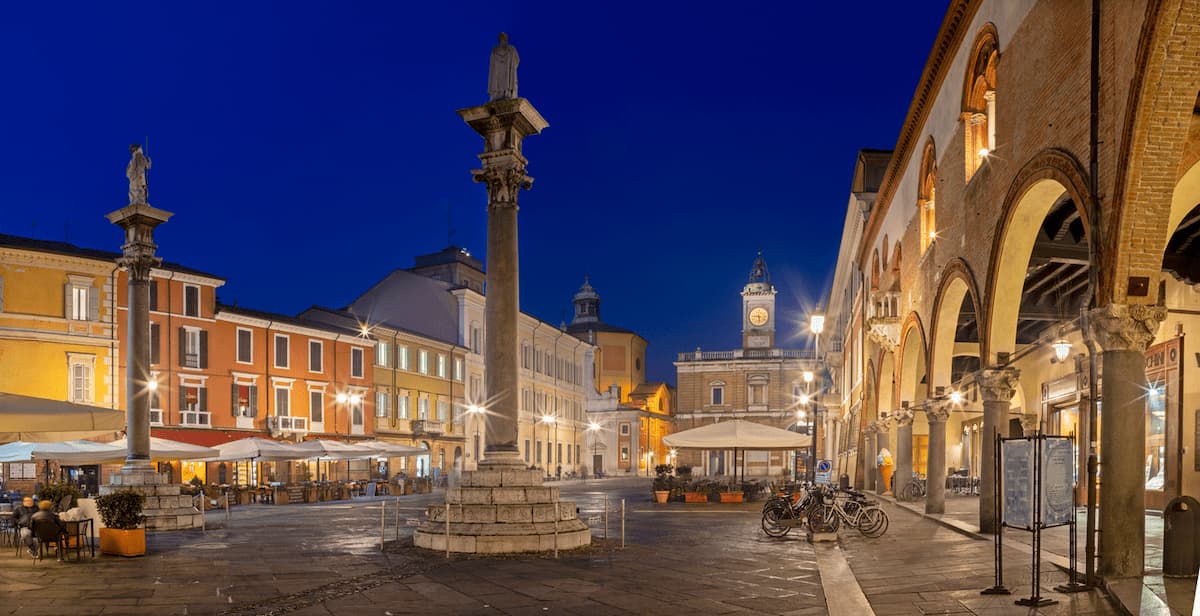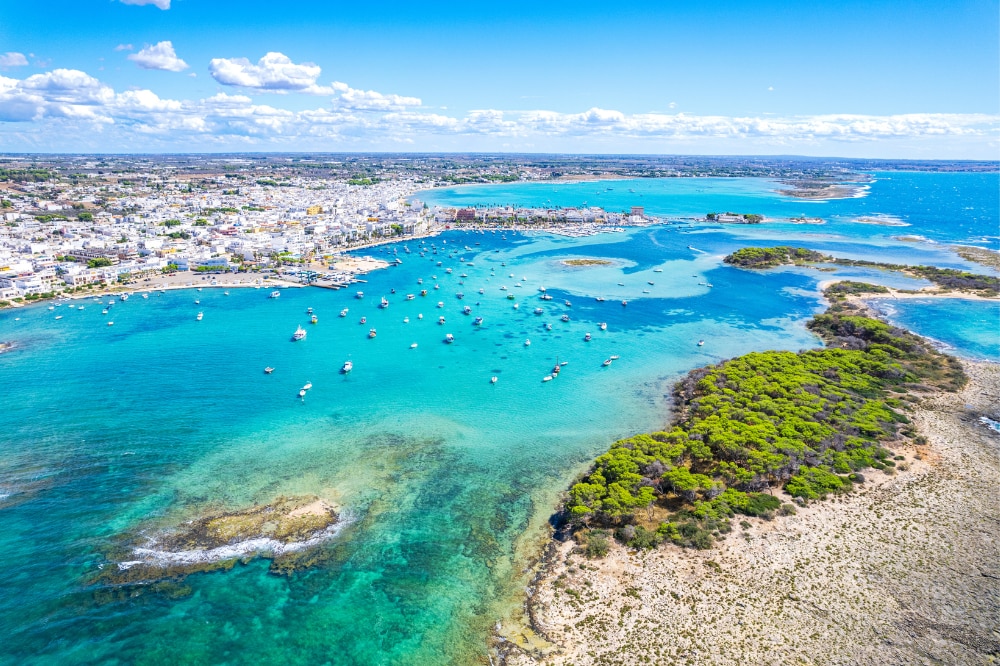
From dramatic limestone cliffs to endless fields of ancient olive trees, Puglia stretches down Italy’s sun-drenched heel like a beautifully diverse playground. It is a land where life moves to the rhythm of the sea, and every stop rewards you with incredible history or local flavors. This guide maps out the absolute must-see spots, ensuring your first trip captures the authentic soul of the region.
- 1 Why Puglia deserves a spot on your travel radar
- 2 Northern Puglia: wild nature and coastal escapes
- 3 Central Puglia: vibrant culture and postcard views
- 4 The Itria valley: trulli and whitewashed towns
- 5 Southern Puglia & Salento: baroque masterpieces and dream beaches
- 6 Top experiences: from sleeping in a masseria to exploring coastal caves
- 7 What to eat: Puglia’s rich traditions from street food to fresh seafood
- 8 How to plan your perfect Puglia trip
- 9 Travel to Puglia with Italo
Why Puglia deserves a spot on your travel radar
Puglia stands out because it refuses to be just one thing. It seamlessly blends picturesque fishing harbors with elaborate golden-stone cities, offering travelers a vibrant coastline that alternates between rugged cliffs and Caribbean-like sand.
The region rewards curious travelers who love to slow down. Whether you are wandering through white-washed alleys or watching the sunset over the sea, the real magic lies in the unhurried lifestyle that has remained unchanged for centuries.
Northern Puglia: wild nature and coastal escapes
The northern frontier of the region serves up raw, untamed beauty. It is a land of dense national parks, hidden sea grottos, and dramatic coastlines that feel beautifully wild.
Foggia: your strategic gateway to the north

Acting as the central rail hub for the entire upper region, Foggia is the perfect launching pad for your northern adventure. While many pass right through, its elegant center offers great local cafés and a peaceful look at authentic daily life. From here, a quick bus or local connection unlocks the spectacular Gargano coastline and historic mountain villages. When exploring the city, make sure to visit the Cattedrale di Santa Maria Icona Vetere to admire its ancient Romanesque crypt. You can also stroll past the grand neoclassical arches of Palazzo della Dogana and relax under the shaded pathways of the expansive Villa Comunale park.
The Gargano peninsula & Vieste: wild cliffs and golden beaches

Known as the “spur” of the boot, the Gargano peninsula boasts jaw-dropping limestone cliffs cutting into the Adriatic Sea. At its tip sits Vieste, a stunning whitewashed town perched precariously over the water.
- Don’t miss: Walking the maze of the historic center down to the sea views.
- The highlight: Photographing the iconic Pizzomunno, a towering vertical sea stack guarding the town’s main golden beach.
The real magic of this area lies in its dramatic contrasts. After exploring Vieste’s medieval castle, a short drive inland completely shifts the scenery as you plunge into the cool, UNESCO-protected ancient beech trees of the Umbra Forest. Your journey then peaks at Vico del Gargano, a medieval hilltop village frozen in time, famous for its romantic Vicolo del Bacio (Alley of the Kiss).

Italy’s Natural Wonders: A Guide to National Parks and Reserves
Italy boasts breathtaking national parks and reserves, from the Alps to the Mediterranean. This guide explores the beauty and diversity of Italy’s natural wonders, ideal for hikers and nature lovers.
The Tremiti islands: Puglia’s crystal-clear island paradise
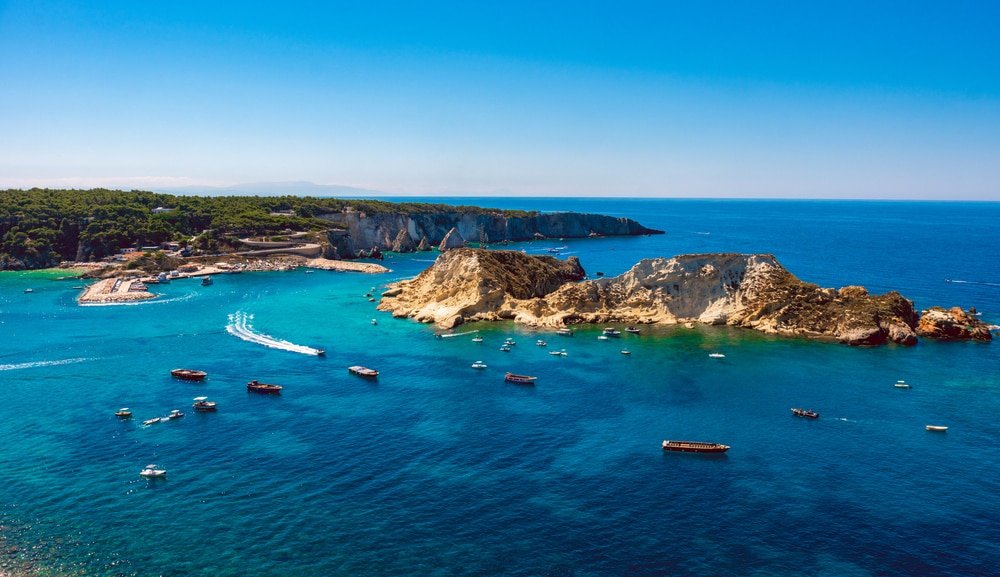
A short ferry ride from the northern coast, typically departing from Rodi Garganico or Vieste, drops you straight into a spectacular marine reserve. The Tremiti islands are a tiny, sun-drenched archipelago celebrated for blindingly transparent turquoise waters, dramatic limestone cliffs, and secluded swimming coves. It serves as a true sanctuary for snorkeling and scuba diving, but also for hiking along pine-scented paths that offer panoramic views over wild coastal drop-offs.
While exploring the island of San Nicola, make sure to climb up to the massive fortress-abbey of Santa Maria a Mare, an extraordinary 11th-century complex that once defended the archipelago from pirate attacks. Afterward, hop on a local taxi-boat to neighboring San Domino island, where you can relax on the soft sand of Cala delle Arene or swim inside the glowing, colorful depths of the breathtaking Grotta delle Viole (Violet Cave).
Eastern Italy: Exploring the Adriatic Coast
Discover Italy’s serene eastern coast, from Puglia to the Venetian lagoon, a less-traveled area known for its beautiful landscapes, quaint towns, and tranquil beaches.
Central Puglia: vibrant culture and postcard views
Moving down the coast, central Puglia steps up the energy. This area is home to the region’s main bustling ports, iconic cliffside vistas, and deep culinary roots.
Bari: old-world traditions and lively street food
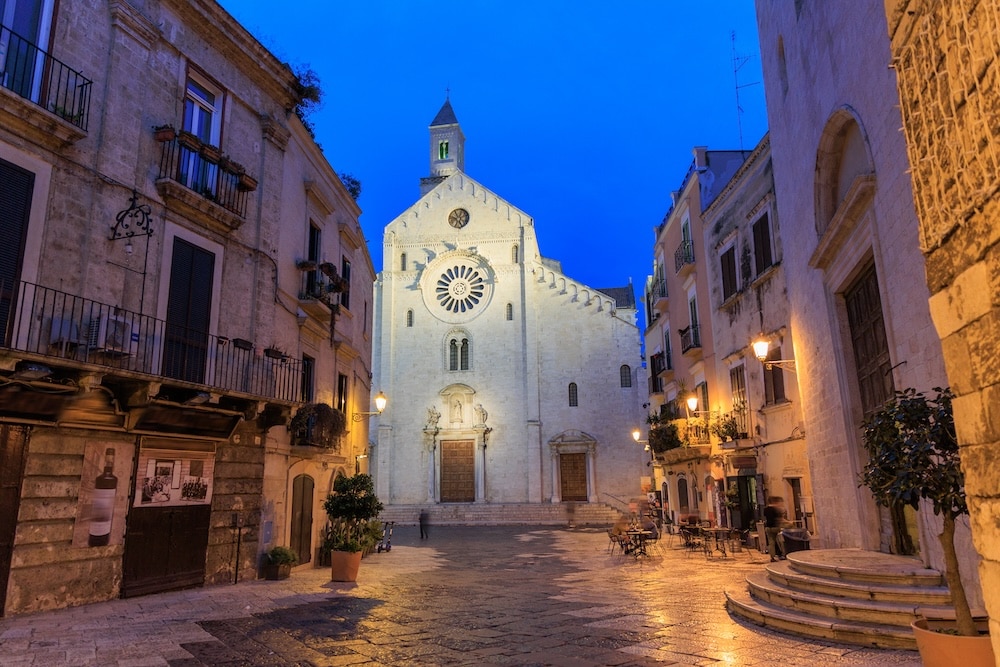
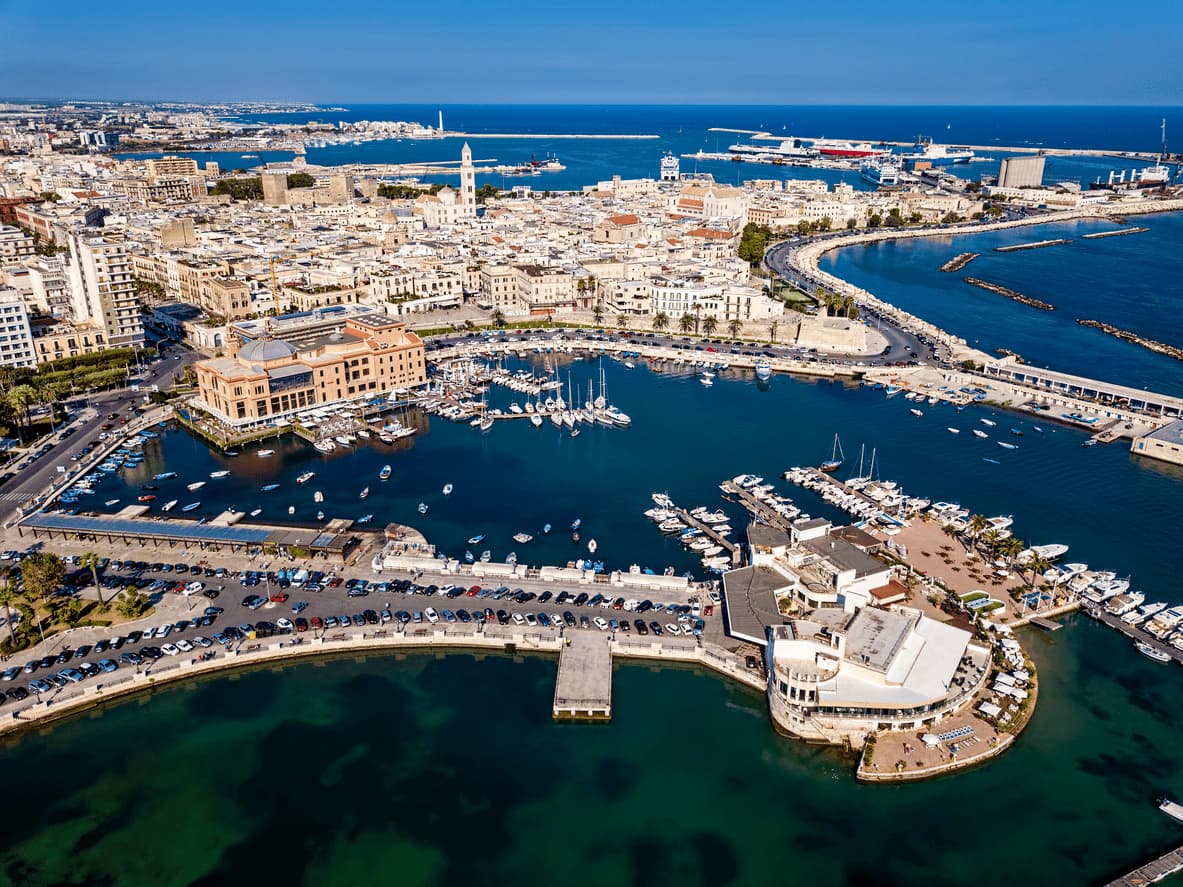
Bari is a fantastic contradiction where a modern, elegant shopping district borders the raw, medieval charm of the old town. Step into Bari Vecchia, specifically along the famous Via Arco Basso, to find yourself in a lively maze where local women sit outside hand-rolling fresh pasta on wooden tables. The sprawling, palm-lined waterfront promenade is ideal for a sunset stroll, especially after grabbing a hot, oil-glistening slice of focaccia barese topped with cherry tomatoes and olives straight from a centuries-old bakery. For a truly local experience, stop by the old harbor (Nderr la Lanz) to watch fishermen selling their fresh catch.
The city’s architectural narrative is equally captivating, anchored by the majestic Basilica di San Nicola, which holds the sacred relics of Saint Nicholas, and the towering Castello Normanno-Svevo, a massive coastal fortress wrapped in deep dry moats. Right nearby, you can admire the stunning dome and the intricate rose window of the 12th-century Cattedrale di San Sabino. Conclude your walking tour at Piazza Mercantile, the beating heart of Bari’s historic center, where you can marvel at the ancient Column of Justice and enjoy a drink at a bustling outdoor café.
What to see in Bari: wonders and curiosities of the Apulian capital
Bari is a city that surprises with remarkable naturalness: it has the slow pace of seaside towns, the lively character of Southern cities and a layered history that can be felt in every corner, among Romanesque churches, squares open to the wind, alleys full of voices and the scent of focaccia.
Polignano a Mare: the iconic cliffs above the Adriatic Sea
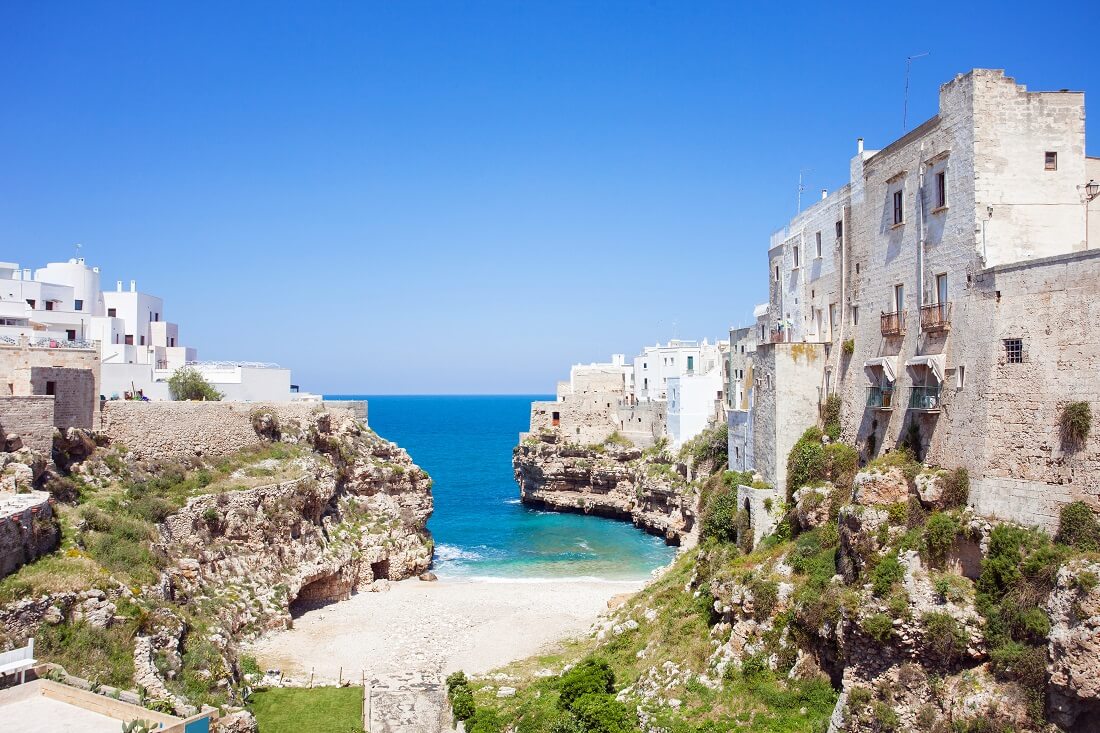
This is the image that likely inspired you to visit Puglia in the first place. Polignano a Mare is literally carved out of dramatic limestone cliffs, with whitewashed houses hanging precariously over the roaring Adriatic waves. Take a moment to stand on the high panoramic balconies, like the bustling Terrazza Santo Stefano, to enjoy breathtaking views of the open sea before walking down the stone steps into Lama Monachile. This world-famous pebble beach is tucked neatly between two towering rock walls and is crossed by a historic Roman bridge along the ancient Trajan Way.
Beyond the beach, stroll through the old town’s narrow, poem-painted alleys to the rocky terrace that holds the larger-than-life bronze monument dedicated to Domenico Modugno. The statue depicts the local music legend with his arms spread wide towards the sea, inviting you to hum his timeless anthem Volare. While exploring, you can also peek down into Grotta Palazzese, a massive, naturally hollowed-out sea cave that sits directly beneath the town’s historic palaces and now hosts one of the world’s most famous and exclusive cave restaurants.

Best Family Holiday Destinations for the May Half Term
As spring unfolds, families across the UK look forward to the Spring Bank Holiday and the May Half Term, a perfect opportunity for a getaway. Italy, with its rich culture, stunning landscapes and family-friendly activities, emerges as an ideal destination for this time of year.
The Itria valley: trulli and whitewashed towns
Characterized by rolling green hills, dry-stone walls, and millions of gnarled olive trees, the Itria valley feels incredibly romantic. It is home to some of the most unique architecture in Europe.
Alberobello: walking among the world-famous stone trulli

Alberobello is a UNESCO World Heritage site defined by its iconic conical-roofed stone huts, known as trulli. Walking through the hilly Rione Monti district feels surreal, as over a thousand of these whitewashed, limestone structures line the steep streets. Originally built without mortar so they could be easily dismantled to avoid royal taxes, today many of these unique buildings house artisan workshops, quiet bars, and panoramic rooftop terraces. For a quieter, more authentic look at local life, make sure to stroll through the residential Rione Aia Piccola district, where local families still live in these historic homes.
To see something truly unique, visit the two-story Trullo Sovrano, the largest trullo in the city which now operates as a fascinating heritage museum showcasing reconstructed 18th-century life. Inside, you can admire the masterfully built stone dome and learn how multiple families once shared this double-decker dwelling. Afterward, head over to photograph the Church of Sant’Antonio, an extraordinary 1910 building and the only church in the world constructed in the shape of a giant trullo, complete with a 21-meter-tall dome.
Ostuni: getting lost in the famous “white city”
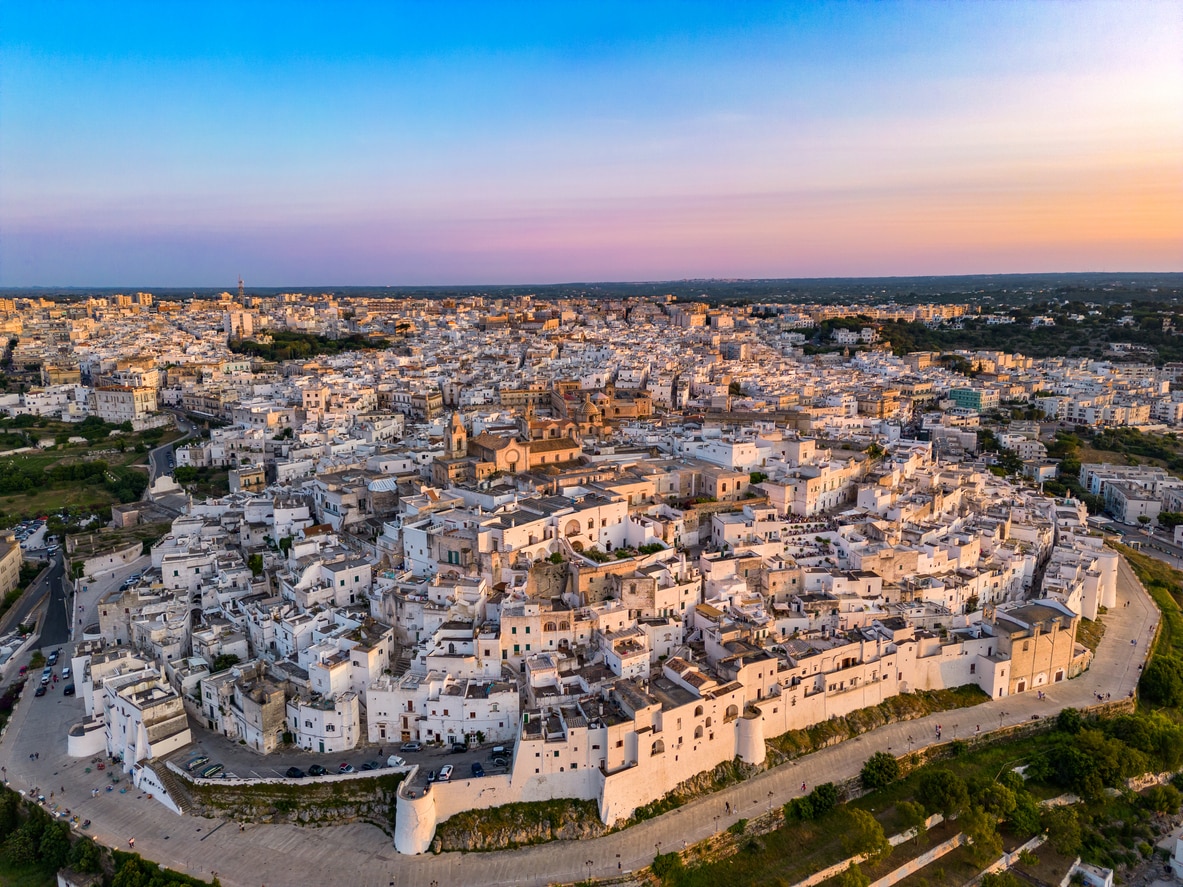
Ostuni sits like a dazzling crown atop a hill, visible from miles across the ancient olive groves. Its historic center is a brilliant, blinding maze of whitewashed houses, steep staircases, and hidden alleys decorated with colorful geraniums and green cacti. As you wander, you will discover charming archways, tiny artisan shops selling hand-painted local ceramics, and quiet, stone-paved courtyards where laundry flutters in the warm breeze.
- Insider tip: Walk to the highest point of the hill to see the late-Gothic Cathedral of Santa Maria Assunta, which is famous for its rare 24-ray rose window depicting Christ surrounded by the apostles.
- The view: The top terraces near the cathedral offer a stunning, panoramic contrast between the white city walls, the endless sea of green olive plains below, and the deep blue of the Adriatic Sea shimmering in the distance.
While exploring, stop to admire the ornate 18th-century Scoppa Arch right outside the cathedral doors, an elegant stone bridge which historically connected the bishop’s palace to the seminary. From there, head back down along the winding white streets to the grand Piazza della Libertà to marvel at the soaring, 20-meter-tall St. Oronzo Column and the beautiful, intricate facade of the neighboring San Francesco church, which often hosts lively cultural events in the summer.
Top 20 small towns in Italy worth visiting
These hidden gems offer a glimpse into authentic Italian life, complete with breathtaking landscapes, delicious cuisine and rich traditions. Here’s a Guide to the top 20 small towns in Italy that are definitely worth a visit.
Locorotondo: quiet charm and flower-filled lanes
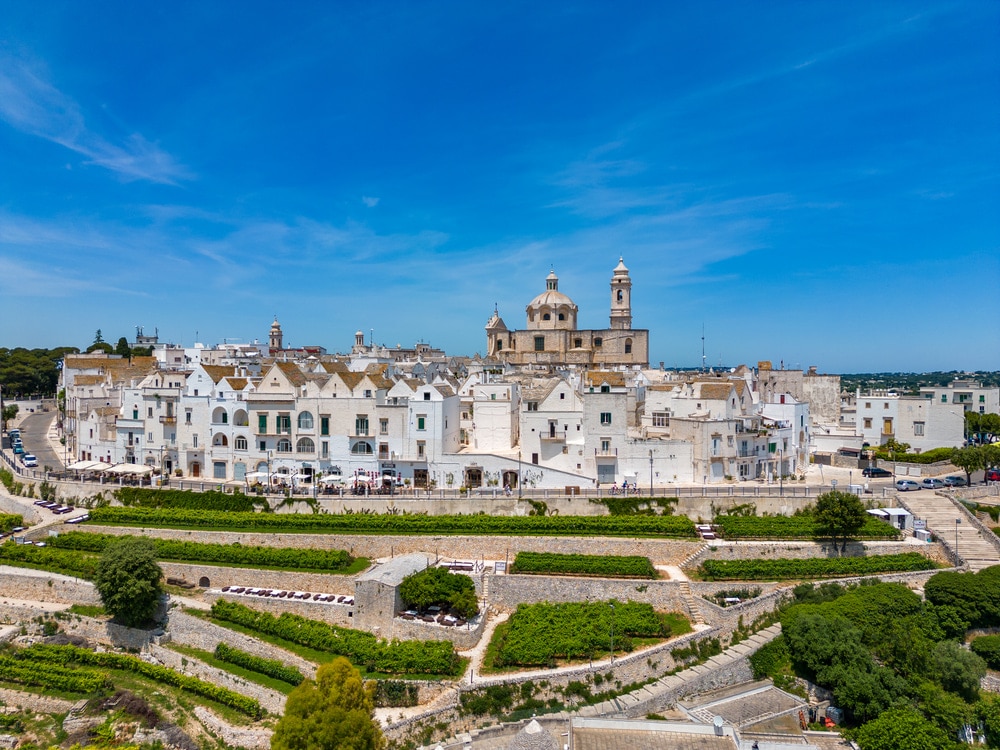
Locorotondo, built in a perfect circle on a peaceful hillside, serves as a quiet antidote to the busier tourist hotspots of the valley. Its tidy, whitewashed alleys are lined with cummerse, unique, tall houses with sharply pointed gabled roofs made of flat limestone tiles, all beautifully decorated with vibrant local flowers. It is an incredibly scenic place to slow down, order a glass of chilled Locorotondo DOC (the town’s signature crisp white wine), and simply watch the slow, authentic rhythm of Puglia unfold around you.
As you stroll along the circular route, step inside the Church of San Giorgio to admire its elegant neoclassical artwork, historic bas-reliefs, and soaring dome. Finish your walk along the famous panoramic terrace of Via Nardelli, which opens up to a breathtaking, postcard-worthy view over the entire vineyard-covered valley below. From this high viewpoint, you can easily spot tiny, rustic trulli scattered across a beautiful patchwork of green fields and ancient dry-stone walls.
Southern Puglia & Salento: baroque masterpieces and dream beaches
The deep south shifts your journey into a world of dramatic history, exquisite golden architecture, and beaches that genuinely rival the tropics.
Lecce: the stunning capital of southern baroque
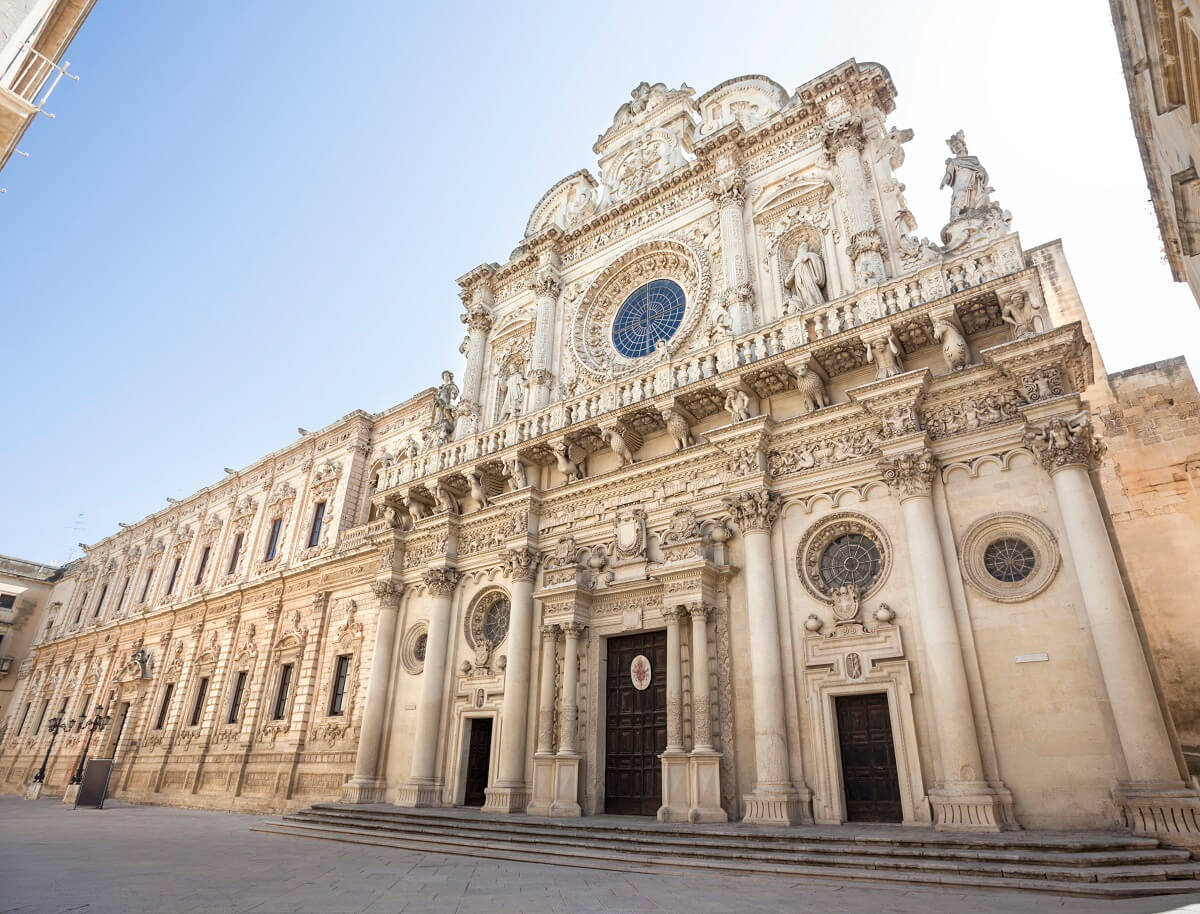
Lecce is an architectural masterpiece built entirely out of a soft, golden limestone that carvers shaped like lace. Known as pietra leccese, this unique stone gives the city the feel of an open-air museum, anchored by the breathtaking Piazza del Duomo and the sunken Roman Amphitheater right in the center, which was unearthed only in the 1900s and still hosts summer concerts today.
The absolute jewel of the city is the facade of the Basilica di Santa Croce, which is completely covered in stone cherubs, monsters, and intricate flowers. Just a short walk away, you can explore the rugged stone courtyards of the massive Charles V Castle, before watching the local student population bring the historic streets to life at night with vibrant outdoor wine bars.
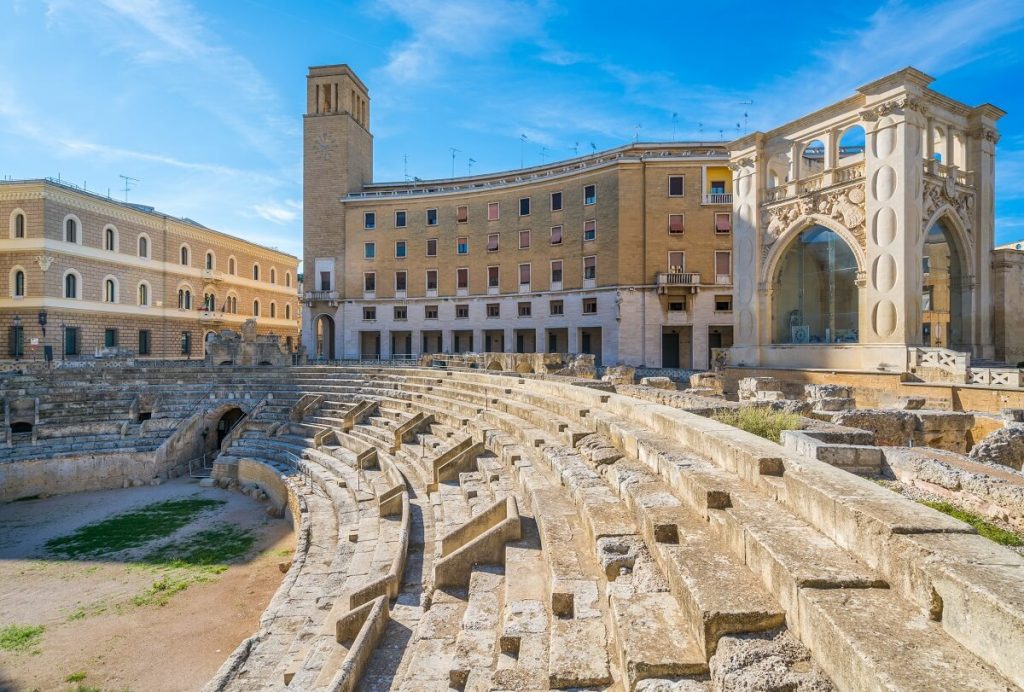
Lecce: Ten things to do and see
Lecce: the city of the Baroque, churches and scents of the Mediterranean. One of Italy’s most fascinating open-air museums, this city is ideal all year round for a holiday break to enjoy culture, food, and wine.
Otranto: centuries of history on a turquoise sea
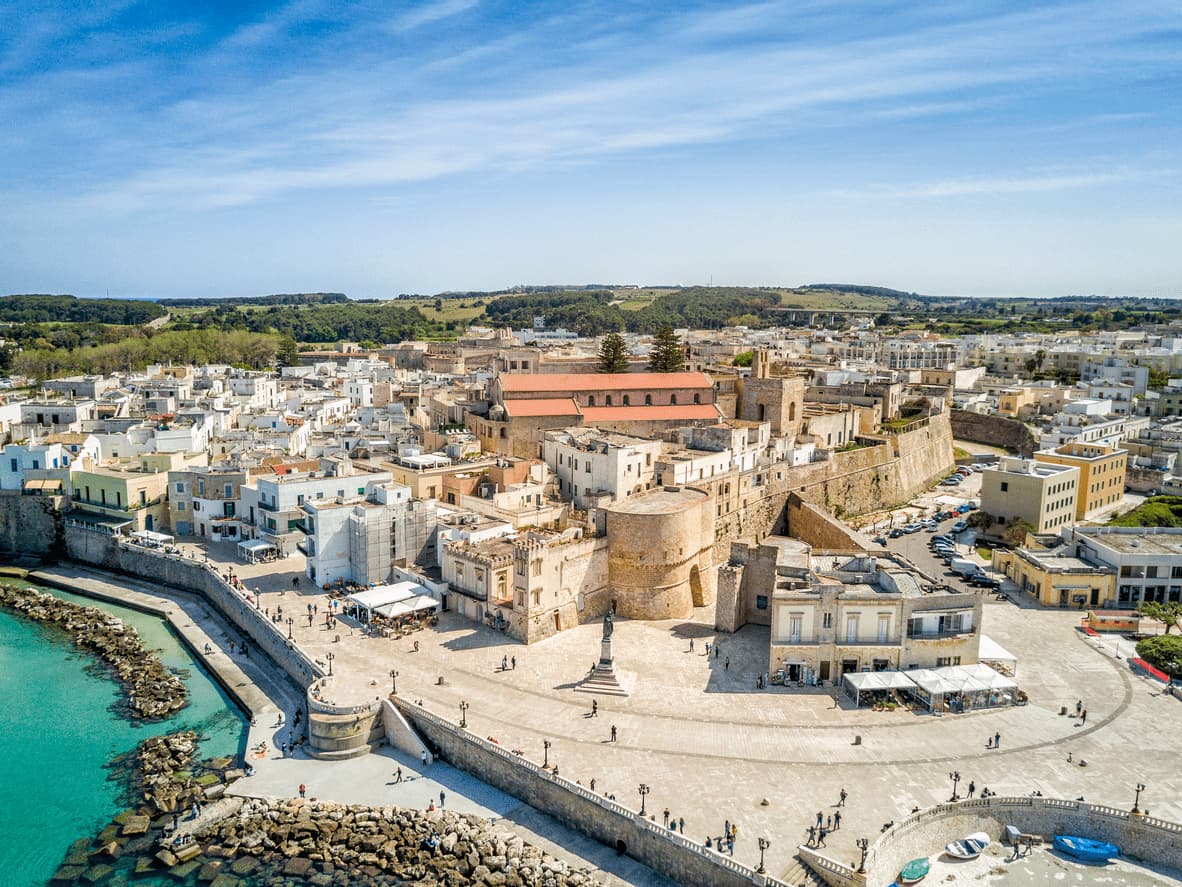
Otranto is a fortified port city that combines medieval castle walls with incredibly clear, turquoise coastal waters, famously marking the easternmost point of the Italian peninsula. Its ancient cathedral houses a massive, masterfully preserved 12th-century floor mosaic that depicts the Tree of Life and reads like an epic storybook of myth, monsters, and biblical history. Walking along the fortified ramparts at twilight offers some of the most captivating sea views on the eastern coast, where on exceptionally clear days you can even spot the mountainous peaks of Albania across the strait.
Don’t miss the haunting Chapel of the Martyrs inside the cathedral, which displays the remains of 800 local saints who lost their lives during the Ottoman invasion of 1480 behind tall glass walls. Afterward, cross the drawbridge of the imposing Aragonese Castle to explore its historic military bastions, deep defensive moats, and atmospheric underground tunnels that once protected the harbor from invading fleets.
The best of Salento: sun-drenched beaches and crystal waters
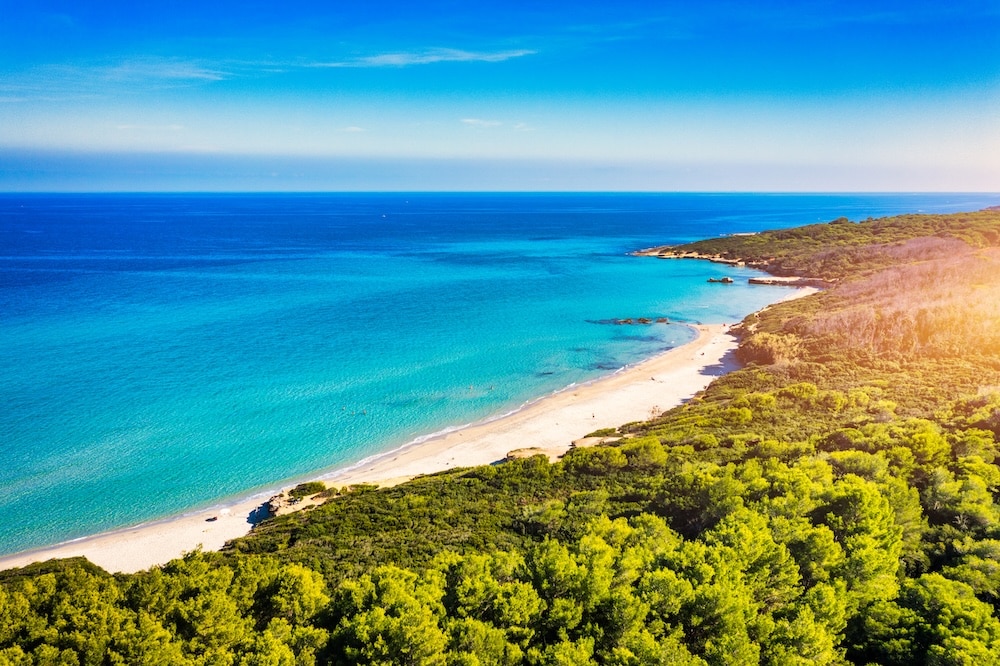
Salento is the sun-drenched “heel” of Italy’s boot. It is a distinct cultural region defined by its own passionate dialect, endless olive groves, and the hypnotic rhythms of pizzica folk music.
The biggest draw here is the coast. Because Salento is a narrow peninsula, you can easily switch between two completely different seas:
- The Adriatic Coast (Wild & Rocky): Perfect for cliff lovers. Here you will find the stunning “Two Sisters” sea stacks at Torre dell’Orso and the pine-fringed, historic sands of Baia dei Turchi.
- The Ionian Coast (Sandy & Calm): A paradise of fine white sand. Highlights include the giant dunes of Punta Prosciutto and the shallow, transparent waters of Pescoluse—rightfully nicknamed “Italy’s Maldives.”
Two unmissable Salento icons:
- Grotta della Poesia (Cave of Poetry): A breathtaking natural swimming pool sunken into the Adriatic limestone cliffs, where you can watch brave locals dive into the glowing emerald water.
- Spanish Watchtowers: Majestic 16th-century stone ruins, like Torre Lapillo, that still stand guard over the turquoise bays along the coastal roads.
Top experiences: from sleeping in a masseria to exploring coastal caves
To truly understand the heartbeat of this region, you need to step away from the standard tourist paths and dive into its unique lifestyle experiences:
- Stay in a masseria: Sleep in a fortified, centuries-old farmhouse turned boutique hotel. These peaceful estates offer organic farm-to-table dinners under the stars and pools carved directly from local white stone.
- Explore Torre Guaceto: Hike, cycle, or snorkel through this pristine marine reserve. It is a wild oasis of sand dunes, undeveloped beaches, and ancient ruins dominated by a 16th-century watchtower.
- Take a boat excursion: Cruise along the dramatic cliffs of Polignano a Mare or Santa Maria di Leuca. It is the only way to swim inside hidden coastal caves and emerald waters inaccessible by land.
- Learn to hand-roll pasta: Step into a home kitchen, perhaps in Bari Vecchia, to learn the art of shaping orecchiette from a local. The experience finishes by sharing the fresh, home-cooked meal together.
- Cycle through ancient olive groves: Rent an e-bike to wander the quiet, dry-stone-walled country lanes of the Itria valley. You will pedal past gnarled olive trees that have stood for over a thousand years.
What to eat: Puglia’s rich traditions from street food to fresh seafood

Puglian cuisine celebrates simple, high-quality ingredients sourced straight from local farms and the surrounding seas.
Start your culinary tour with a plate of orecchiette alle cime di rapa (turnip tops), followed by creamy, melt-in-your-mouth burrata drizzled with local extra virgin olive oil.
Don’t skip the local seafood, especially in coastal towns where you can feast on raw sea urchins, grilled octopus, and fresh mussels right by the harbor. You can often buy these delicacies directly from the fishermen as they unload their wooden boats in the morning.
For street food on the go, grab a slice of oily, cherry-tomato-stuffed focaccia barese or a hot fried panzerotto oozing with melted mozzarella and tomato. These cheap, savory bites are perfect for beach days when you don’t want to leave the sand.
Finally, satisfy your sweet tooth with a pasticciotto, a warm, custard-filled shortcrust pastry from Salento that makes the ultimate breakfast when paired with a local caffè leccese (espresso served over ice with a splash of sweet almond milk).

Italy’s Seafood Delights: A Culinary Journey Along the Coast
Embark on a gastronomic journey along Italy’s stunning coasts with Italo Treno. Dive into the vibrant world of Italian seafood, from Naples to Genoa, and uncover the rich flavours and traditions of Mediterranean cuisine.
How to plan your perfect Puglia trip
Planning an itinerary across a region this long requires a clear strategy to avoid endless driving or backtracking. Since the region stretches over 400 kilometers from north to south, choosing the right bases is key to enjoying your time.
Best time to visit and how many days you need
To fully experience Puglia without rushing, aim for 7 to 10 days, ideally splitting your stay between two accommodation hubs. For the perfect balance of warm swimming weather, fewer crowds, and comfortable walking temperatures, visit during Spring (May to June) or early Autumn (September to October). If you prefer a pure beach holiday, Summer brings hot days and lively night festivals (sagre), while Winter is ideal for exploring the empty baroque towns and the Itria Valley in absolute peace.
Ready-to-go itineraries for a first trip
If you have a week, focus your journey on a seamless south-bound route from Bari to Lecce. This classic path lets you sample the street food of the capital, stand on Polignano’s cliffside balconies, sleep in a Valle d’Itria trullo, and finish among the golden baroque architecture of Salento.
If you can stretch your holiday to 10 or 12 days, start your route up north on the dramatic Gargano peninsula to enjoy the wild coastlines and take a ferry to the Tremiti islands. From there, make your way south through the cliffside towns of Polignano and Ostuni, before ending your trip with a slow-paced road trip around the very tip of Salento to swim at the “Maldives of Italy.” This extended route gives you the luxury of experiencing Puglia from top to bottom, blending wild nature, historic villages, and quiet beach days at your own pace.
Travel to Puglia with Italo

With Italo high-speed trains, you can seamlessly connect major Italian hubs directly to Puglia‘s main gateways, including Foggia and Bari. Instead of white-knuckling a rental car steering wheel, you can sit back in absolute comfort, plug in your devices, and watch the Italian landscape transition into endless fields of sun-drenched olive groves.
Choosing the train is not just a stress-free alternative; it is a highly efficient way to launch your adventure:
- Direct City-Center Arrivals: Step off the platform right into the heart of the action, bypassing expensive suburban parking garages and long walks.
- Zero Parking Hassles: Avoid the headache of deciphering confusing parking signs or trying to parallel park in impossibly tight spaces on medieval slopes.
- Easy Onward Connections: From Bari’s central station, you can easily catch local regional trains that drop you directly into coastal gems like Polignano a Mare and Monopoli, or take you straight down to the baroque beauty of Lecce.
Arriving completely relaxed means you can kick off your dream Mediterranean itinerary—perhaps with a warm slice of focaccia already in hand—the exact second you step off the train.