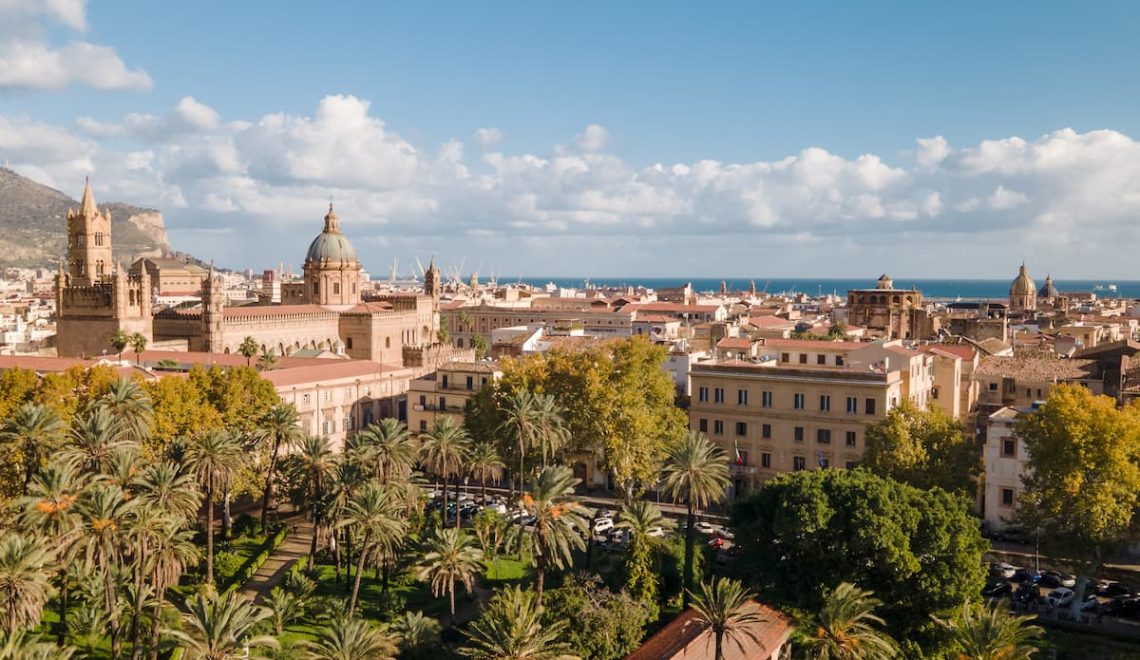
Palermo is a city that hits you all at once. It’s loud, unapologetically messy, and stunningly beautiful—often all in the same block. Instead of hiding its grit, the city wears its history out in the open, where crumbling Baroque palaces stand right next to buzzing street markets that haven’t changed in centuries. It’s a multicultural fever dream where scooters weave through medieval alleys draped in drying laundry and the smell of fried arancine hits you before you even see the street vendors. Walking through the center feels like peeling back layers of time; it’s not just a stop on an itinerary, it’s a raw, vibrant experience that stays with you long after you’ve left.
- 1 A city you explore on foot
- 2 5 Must-See Attractions in Palermo
- 3 Explore Palermo’s most famous street markets
- 4 Ballarò Market: colours, flavours and local life
-
5
Hidden gems in Palermo worth discovering
- 5.1 The beauty of Santa Maria dell’Ammiraglio
- 5.2 Palazzo Conte Federico and its noble history
- 5.3 The Palatine Chapel: A room made of gold
- 5.4 The Capuchin Catacombs: Palermo’s haunting underworld
- 5.5 San Giovanni degli Eremiti: The red domes of the past
- 5.6 Street art and secret alleys in the Kalsa district
- 6 Palermo Essentials
- 7 Getting to Palermo and Beyond with Italo
A city you explore on foot
Palermo doesn’t do “polished.” What makes it special is that it’s real, a place where you’ll find high-end architecture tucked into gritty side streets. It’s authentic, intense, completely different from any other Italian city and much easier to navigate than it looks, provided you’re ready to walk.
Most travellers arriving in Palermo begin their journey at Palermo Centrale station. Since the station sits right at the edge of the historic core, you can skip the logistics and head straight into the action. From here, you’re just a few minutes from the two main arterial streets that drop you directly into a world of historic bakeries, open-air markets, and grand piazzas.
How to reach the historic centre from the station
You won’t need to waste time on maps or taxis. As soon as you leave the station, Via Roma and Via Maqueda act as your primary guides that cut through Palermo’s most iconic neighborhoods. Instead of a boring trudge, the walk into the center is an instant deep dive giving you a front-row seat to local life before you even check into your hotel.
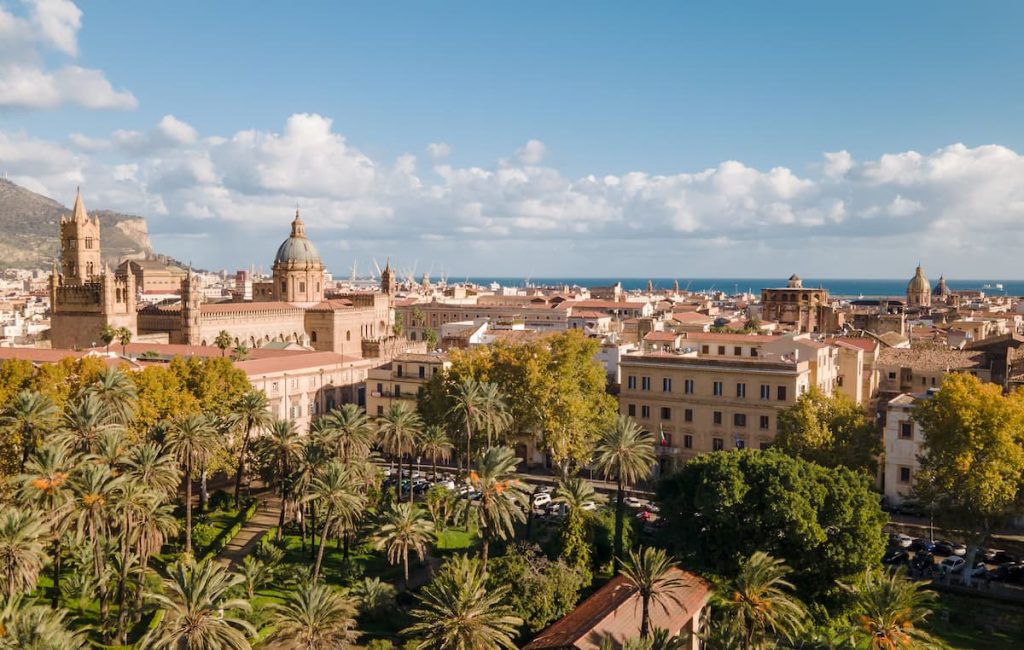
Discover Palermo: a fascinating journey through history, culture, and gastronomy
Explore Palermo, a city rich in history and culture. From Arab-Norman treasures to traditional culinary delights to the seaside, here is our guide on what to see and do in the Sicilian capital.
5 Must-See Attractions in Palermo
Palermo Cathedral: the city’s royal heritage
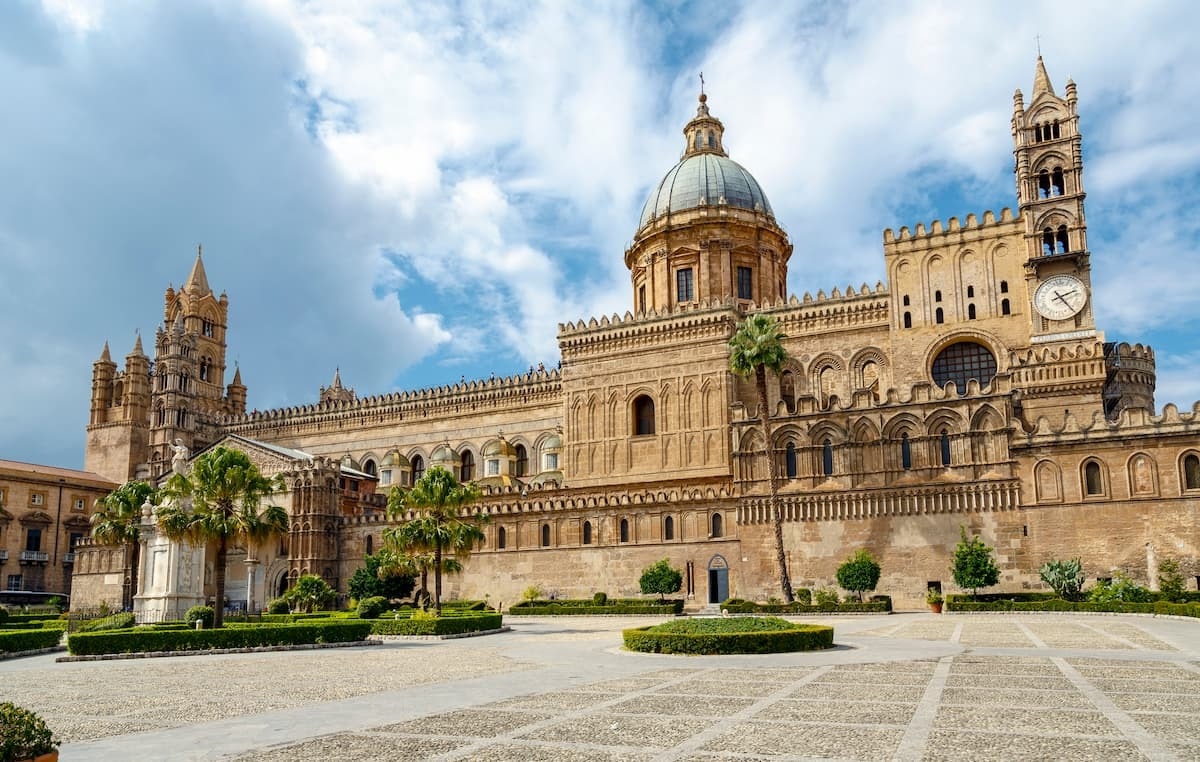
One of the most important landmarks in Palermo is undoubtedly the magnificent Palermo Cathedral. Its imposing facade reflects the city’s layered history, combining Gothic, Norman, Arab and Neoclassical elements. The cathedral dominates the surrounding square and represents one of the symbols of Sicily’s rich cultural heritage. Inside the cathedral, visitors can admire royal tombs, precious chapels and impressive architectural details. The resting places of Norman kings and emperors make the cathedral an important historical site as well as a religious monument. Climbing to the rooftop terraces is highly recommended, as the panoramic views over Palermo’s rooftops and surrounding mountains are simply breathtaking.
The Quattro Canti
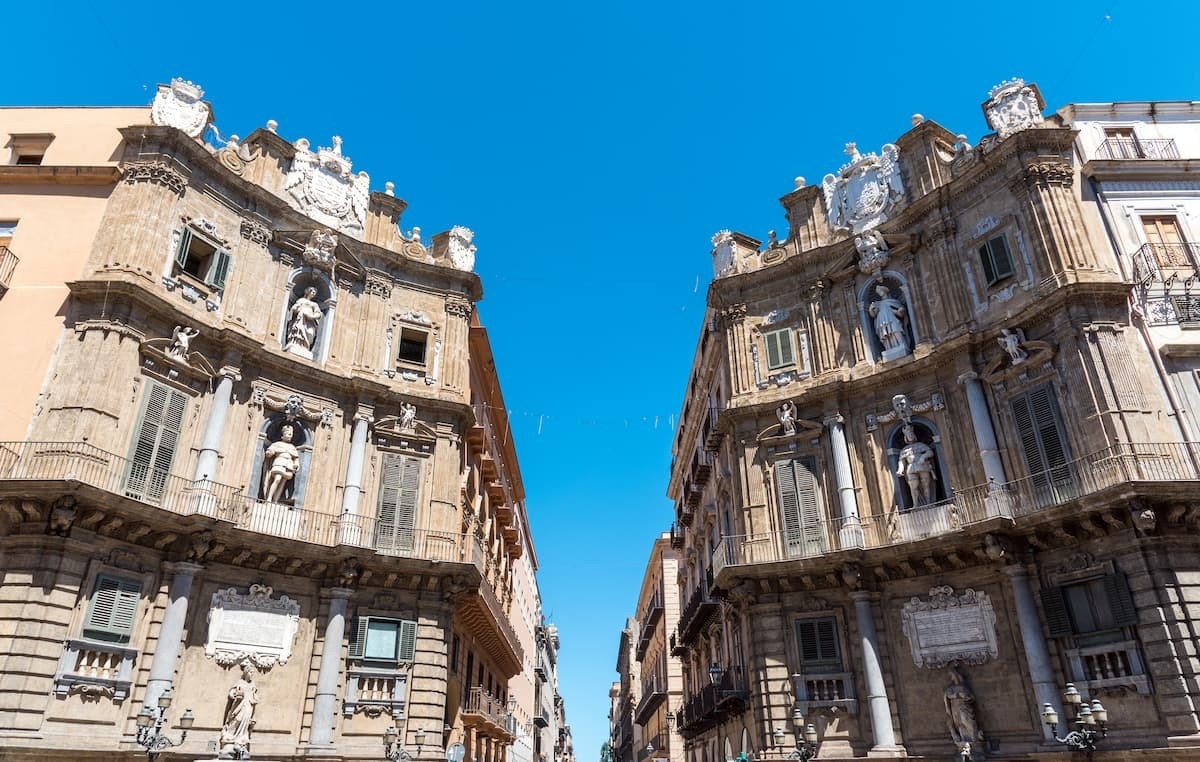
Right at the intersection of the city’s two main streets, you’ll hit Quattro Canti, a perfect octagon of Baroque architecture that feels like an outdoor theater. It’s easily the most photographed spot in town, and for good reason: each of the four corners is decorated with fountains, Spanish kings, and patron saints representing the different seasons. It’s the kind of place where you’ll want to stop, look up, and realize just how much history is squeezed into a single street corner.
Piazza Pretoria
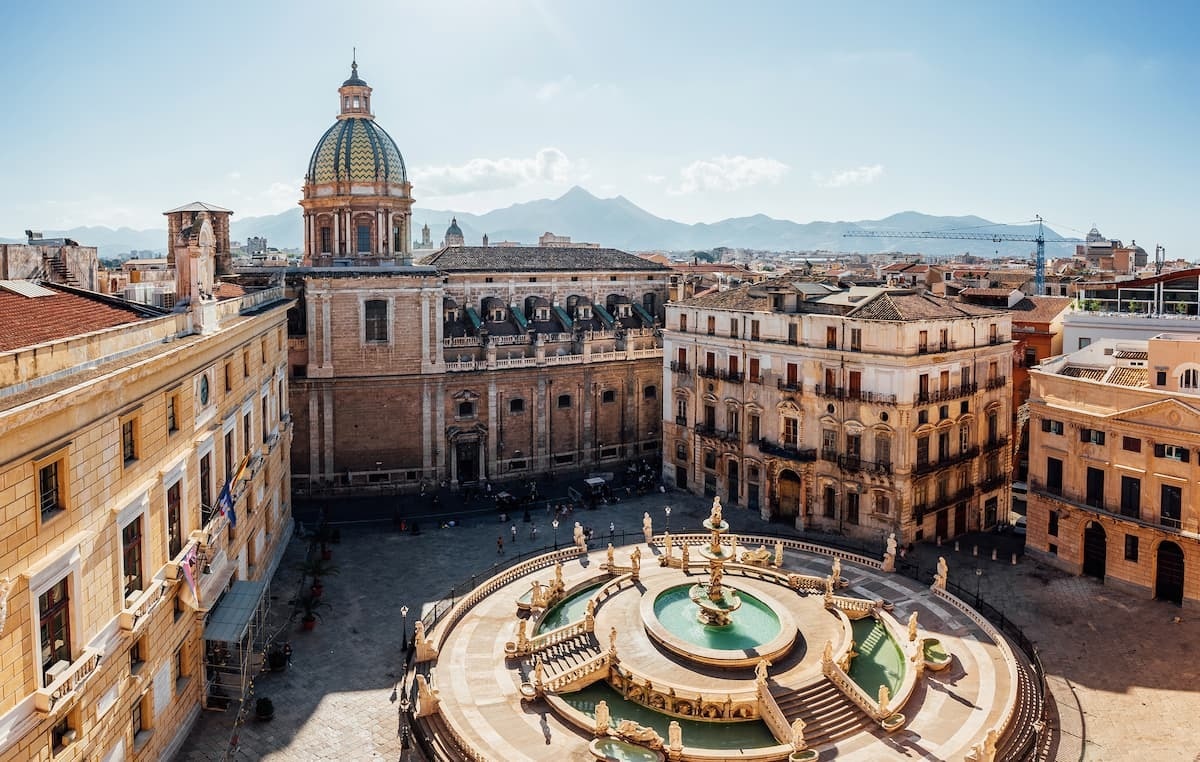
Just a few steps away is Piazza Pretoria, home to one of the most elaborate (and controversial) fountains in Italy. Locally known as the “Fountain of Shame” due to its naked marble figures, it’s a massive, tiered masterpiece that dominates the square. This area is the true beating heart of the city; by day, it’s a maze of historic palaces and hidden churches, but at night, it completely transforms. The illuminated facades and outdoor tables create a cinematic ambiance where locals and travelers grab drinks and watch the city come alive.
Teatro Massimo and Palermo’s elegant side
Beyond the loud markets and backstreets, Palermo has a surprisingly polished, aristocratic soul. The Teatro Massimo is the ultimate symbol of this elegance. As one of the largest opera houses in Europe, it’s a massive neoclassical masterpiece that completely takes over Piazza Verdi. Even if you aren’t an opera buff, you shouldn’t skip this. The interior is a world of lush velvet, grand staircases, and gold-leafed halls that feel like a time machine back to the city’s golden age. And for movie fans, it’s a site of pilgrimage: the theater’s monumental steps are where the high-stakes final scenes of The Godfather Part III were filmed.
San Domenico: The Pantheon of Sicily
Dominating one of the city’s most beautiful squares, the Church of San Domenico is much more than just a religious landmark. It’s known as the “Pantheon of illustrious Sicilians” because it serves as the final resting place for the island’s most important figures, from artists and politicians to heroes of the anti-mafia movement. The facade is a masterpiece of Roman Baroque, but inside really leaves a mark. It’s grand, solemn, and deeply connected to the modern history of Palermo. The most visited spot is undoubtedly the tomb of Giovanni Falcone, the judge who became a global symbol of the fight against the mafia.
Explore Palermo’s most famous street markets
Palermo’s markets are among the city’s most authentic experiences. They are noisy, colourful and full of energy, offering a glimpse into everyday Sicilian life.
Ballarò Market: colours, flavours and local life
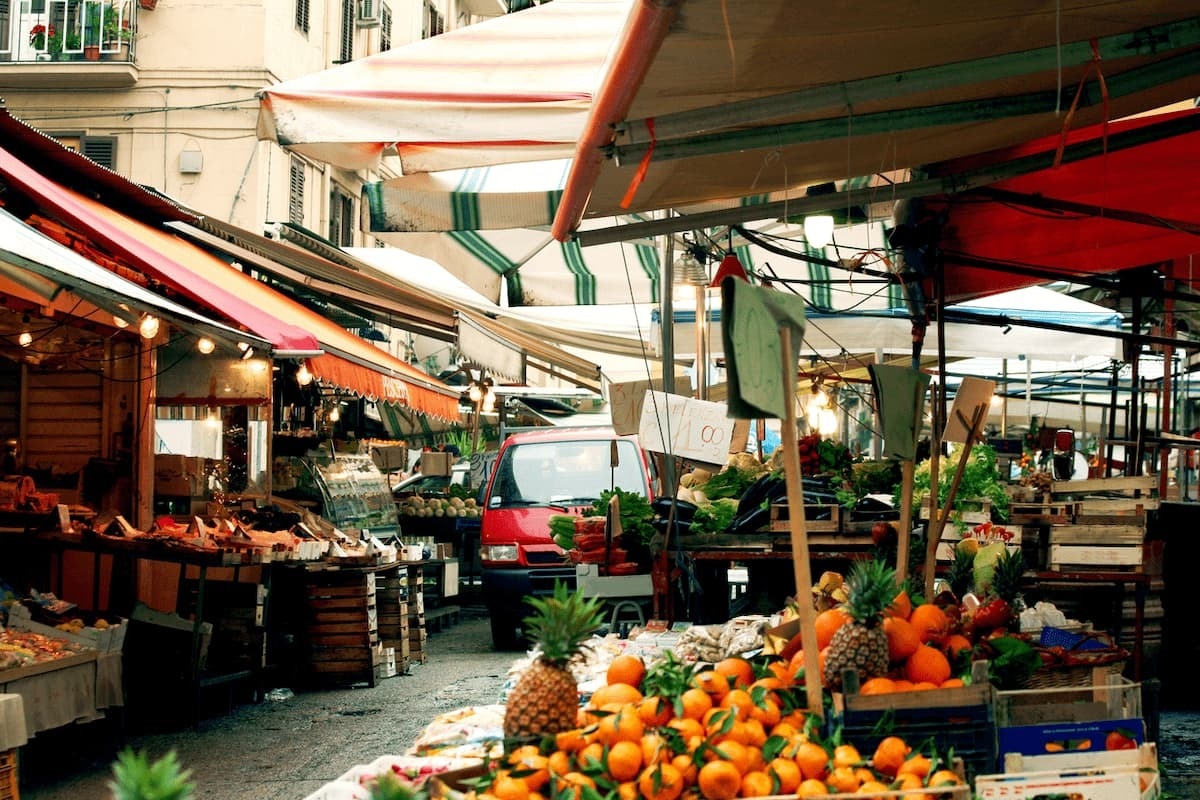
Ballarò is perhaps Palermo’s most famous street market. Here, vendors loudly advertise their products while stalls overflow with fresh fish, seasonal vegetables, spices and local delicacies. Walking through Ballarò is a sensory journey filled with aromas, sounds and flavours that perfectly capture the soul of Palermo.
Vucciria Market: Palermo’s nightlife and street food scene
During the day, Vucciria still preserves traces of its historic market identity, but in the evening it transforms into one of Palermo’s liveliest nightlife districts. Street food stalls, bars and music create a vibrant pulse where visitors can enjoy authentic Sicilian specialities late into the night.
Capo Market: authentic Sicilian atmosphere
Capo Market is another essential stop for food lovers. Narrow alleys packed with market stalls create an authentic and almost theatrical vibe. Here you can sample fresh seafood, local cheeses, olives and traditional Sicilian snacks while observing the daily rhythm of the city.
Hidden gems in Palermo worth discovering
While Palermo’s main attractions are spectacular, some of the city’s most memorable places are hidden away in quieter corners.
The beauty of Santa Maria dell’Ammiraglio
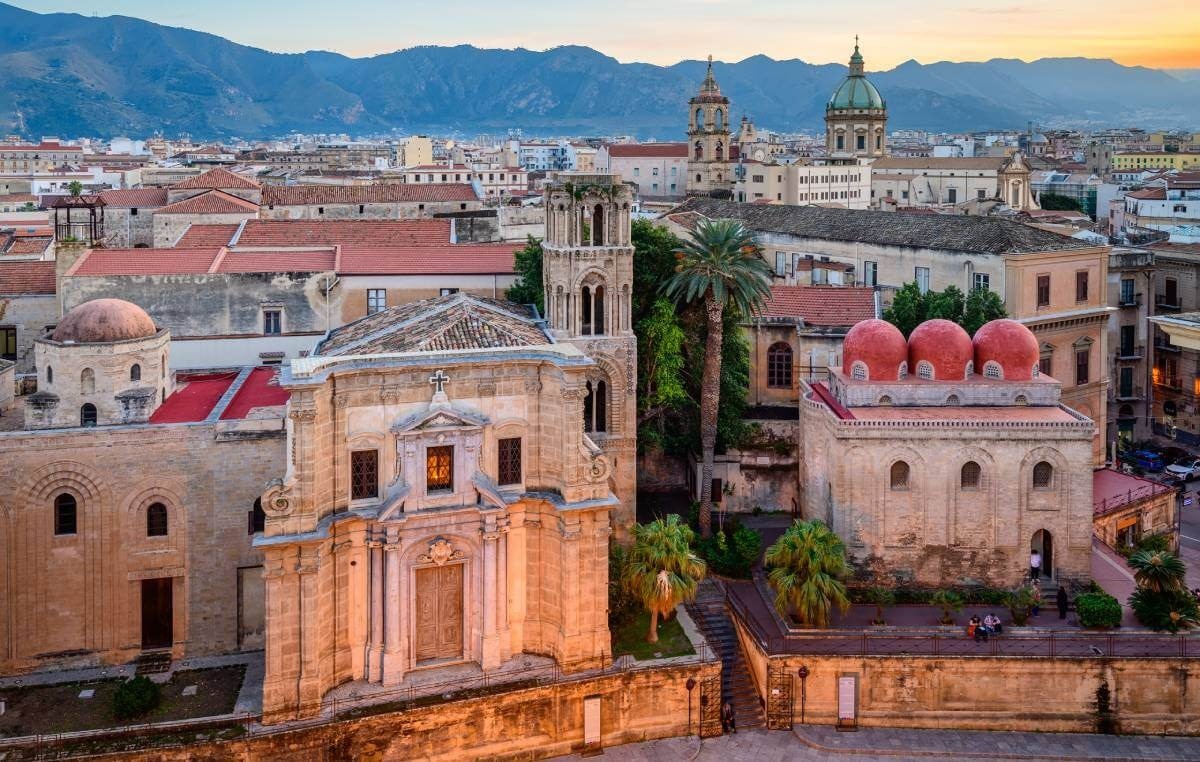
Better known as La Martorana, this church is a stunning display of Palermo’s cultural mix, where different eras and religions literally sit on top of one another. Inside, the walls are covered in shimmering Byzantine gold mosaics that make the entire space feel like it’s glowing from within, regardless of the light outside. These are among the oldest mosaics in Sicily, and they wrap around the interior in a seamless flow of religious storytelling. It’s a small and intimate space, but every corner tells a story of how Greek, Arab, and Norman influences blended together centuries ago. Don’t forget to look up at the central dome to see the Christ Pantocrator; the detail in the artwork is so precise it feels more like a living piece of history than a simple place of worship.
Palazzo Conte Federico and its noble history
For travelers interested in aristocratic history, Palazzo Conte Federico offers an experience that feels deeply personal and far removed from the typical tourist trail. Inside this residence, you aren’t just visiting a cold museum; you’re stepping into a home that is still lived in by one of Palermo’s oldest noble families, descendants of Frederick II. Walking through the elegant ballrooms and bedrooms filled with original antique furniture, family crests, and even armor gives you a rare look at Sicilian high society. The rooms are a mix of styles, featuring everything from medieval tower walls to Baroque ceilings. The owners often lead the tours themselves, sharing family anecdotes and secrets that reveal the history hidden behind the palace’s thick stone walls.
The Palatine Chapel: A room made of gold
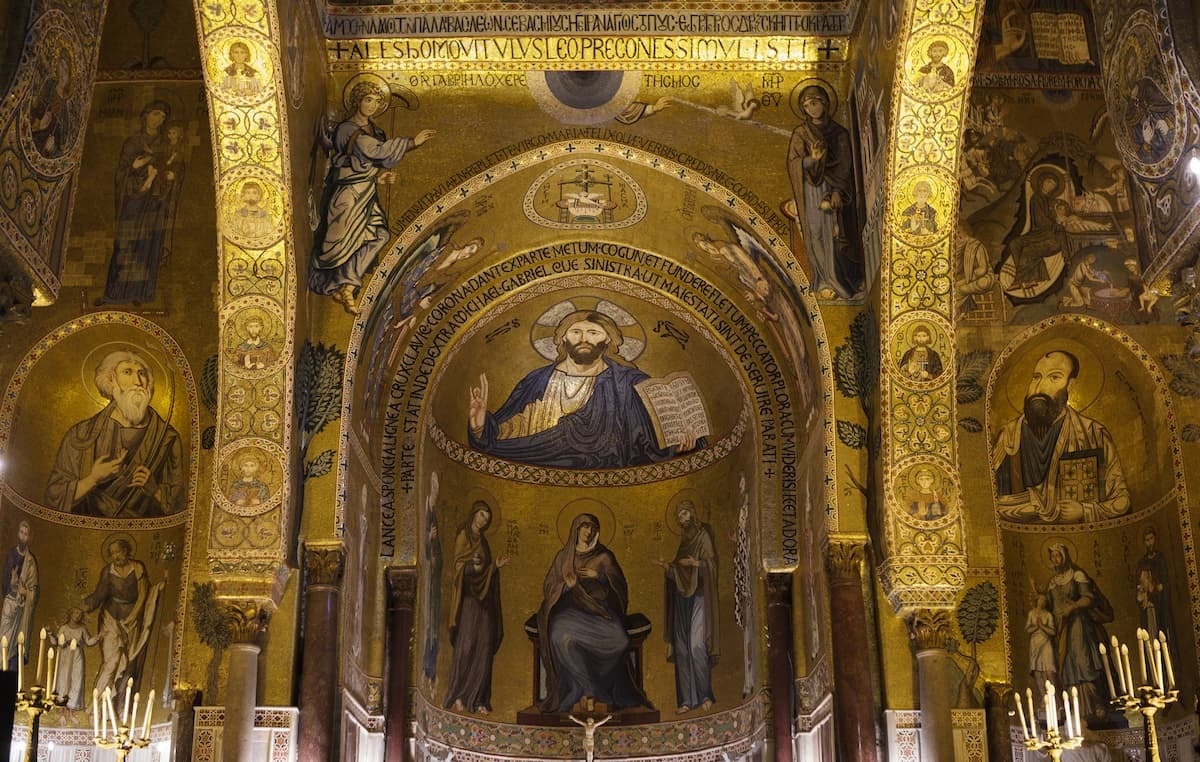
If you only have time for one interior in Palermo, make it the Cappella Palatina inside the Royal Palace (Palazzo dei Normanni). It’s hard to describe the feeling of walking into a room where every square inch is covered in gold. It’s a masterclass in craftsmanship, where intricate Arab muqarnas woodcarvings, sturdy Norman architecture, and delicate Byzantine mosaics work in total harmony. The result is something that feels less like a church and more like a massive, glowing jewelry box. It’s the ultimate pinnacle of the city’s royal side, representing a time when Palermo was one of the most enlightened capitals in the world. You’ll want to spend a long time just staring at the ceiling, where the wooden carvings depict scenes of daily life from nearly a thousand years ago.
The Capuchin Catacombs: Palermo’s haunting underworld
For something completely different—and a bit more intense—head to the Catacombe dei Cappuccini. It’s not your typical tourist stop. Deep underground, you’ll find thousands of mummies standing or reclining in their original clothes, preserved for centuries. It’s a gritty, silent, and deeply moving look at the city’s historic relationship with death. It might be haunting, but it’s one of the most authentic experiences you can have here.
San Giovanni degli Eremiti: The red domes of the past
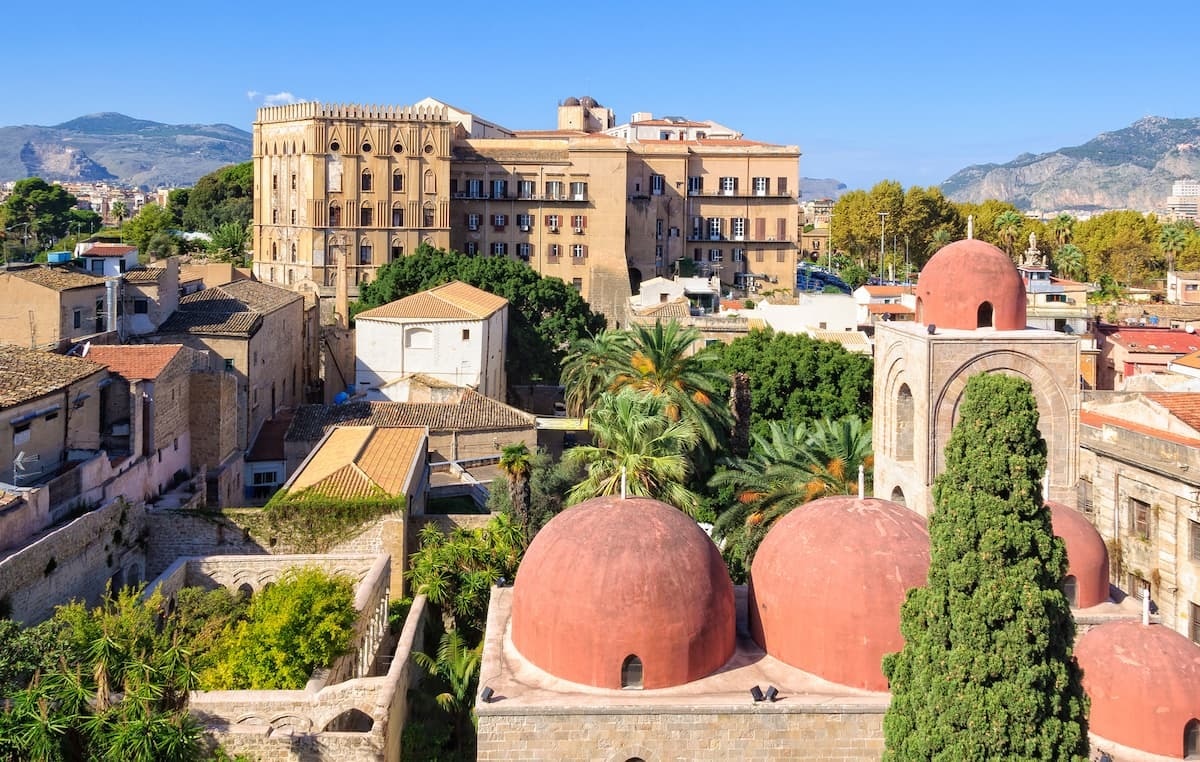
You’ve probably seen the iconic red domes in photos of Palermo; these belong to San Giovanni degli Eremiti. This spot is the perfect example of the city’s Arab-Norman soul. While the church is strikingly simple, the real highlight is the crumbling cloister filled with Mediterranean plants. It’s a silent sanctuary that offers a sudden, sharp break from the loud markets just a few steps away.
Street art and secret alleys in the Kalsa district
The Kalsa district is where Palermo’s ancient Arab roots meet modern, creative energy. Once a crumbling neighborhood heavily damaged during WWII, it has transformed into a vibrant mix of charm and new life. As you wander through its winding streets, you’ll stumble upon massive street art murals that tell stories of social struggle and rebirth, alongside hidden artisan workshops and quiet courtyards that feel like private gardens. The district is home to grand palaces that are being slowly restored and tiny cafés tucked away in alleys that haven’t changed in centuries. It’s the kind of place that rewards the curious traveler, making it the perfect area for those who want to get lost and discover the city’s contemporary, beating pulse.
Palermo Essentials
A Paradise for Food Lovers
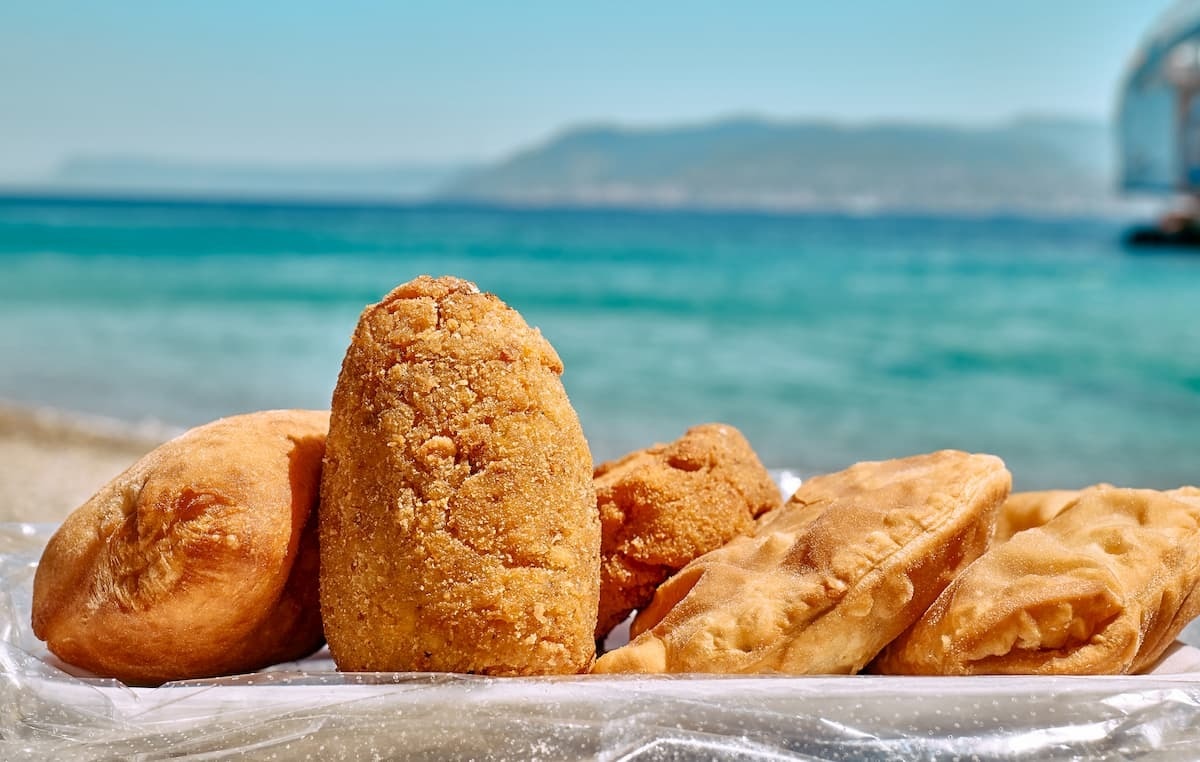
Palermo is arguably the street food capital of the world. Eating here isn’t just a meal; it’s a cultural experience. To truly eat like a local, you have to try the Arancine (golden fried rice balls), Pane e Panelle (chickpea fritters in a soft roll), and the iconic Sfincione, which is Palermo’s thick, spongy take on pizza. If you have a sweet tooth, you’re in the right place. Beyond the world-famous Cannoli stuffed with fresh ricotta, don’t miss the Cassata or the colorful marzipan fruit. For a real Sicilian breakfast, do as the locals do: order a Granita with a side of warm, soft brioche—it’s the only way to start a summer morning.
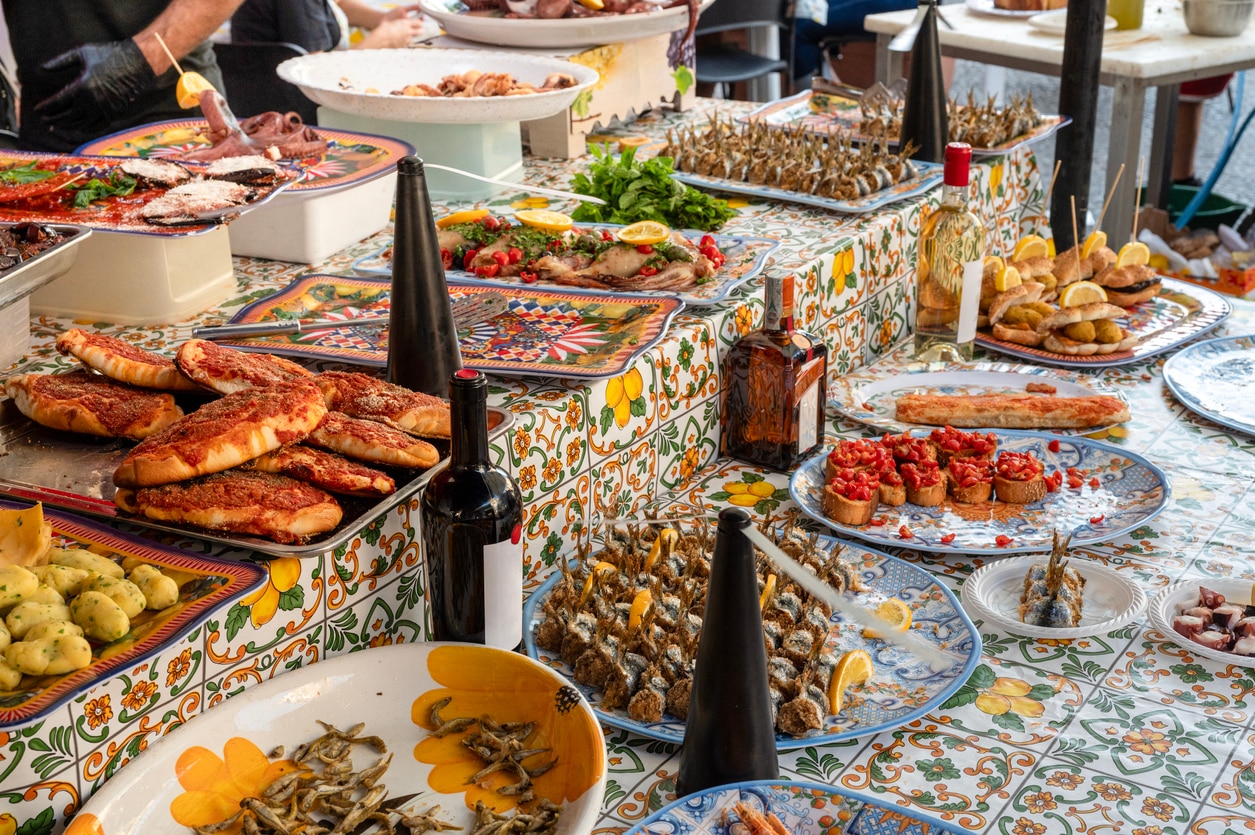
The Ultimate Guide to Summer Food Festivals in Italy
Italy is renowned for its rich culinary heritage, and what better way to celebrate this than by attending one of the many Italian food festivals held throughout the summer? These festivals provide an opportunity to indulge in traditional dishes, discover local ingredients, and immerse yourself in the vibrant culture of Italy.
The Best Time to Visit
Thanks to Sicily’s mild Mediterranean climate, there isn’t really a bad time to see Palermo, but Spring and Autumn are the sweet spots. During these months, the temperatures are perfect for long walks, the light is incredible for photos, and you’ll avoid the heavy crowds and intense heat of July and August. It’s the ideal weather for exploring the outdoor markets and dining al fresco without breaking a sweat.
Escaping to the Coast: Mondello Beach
One of the best things about Palermo is that you can go from a historic cathedral to a turquoise sea in about 20 minutes. Mondello is the city’s most famous beach, known for its pale sand and stunning Art Nouveau villas that line the coast. It’s the perfect place to spend an afternoon when you need a break from the city’s intensity. Whether you want to swim in the crystal-clear water or just grab a seafood lunch by the shore, Mondello is a must-visit.
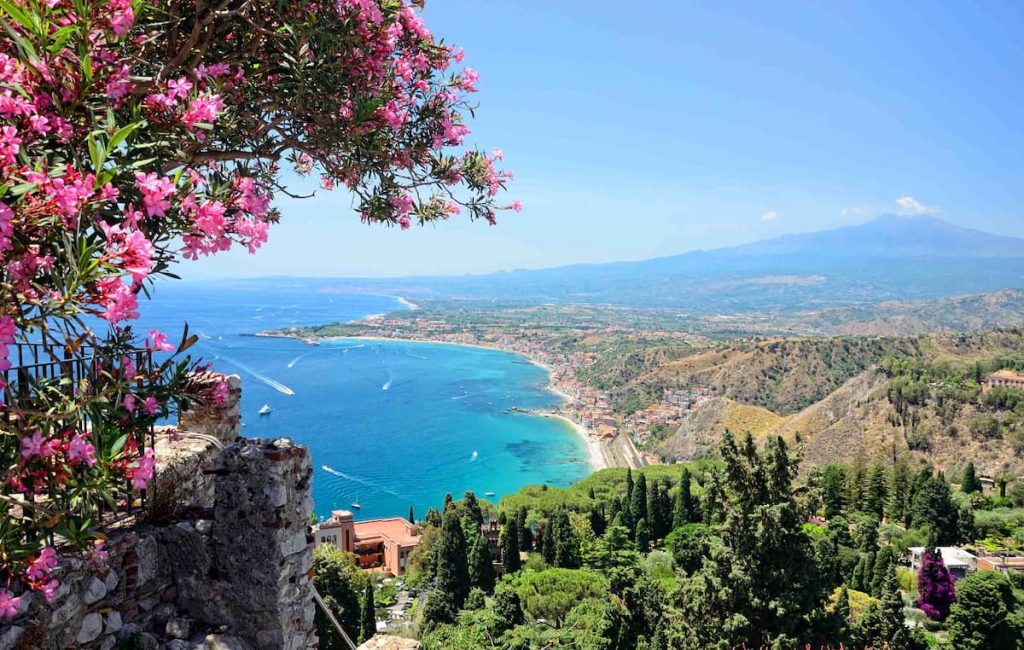
Sicily in 7 days: ultimate itinerary for an unforgettable week
Sicily is one of those destinations that never feels one-dimensional. This itinerary is designed for travellers who want a trip that feels rich but still realistic: seven days, a clear route, and enough variety to experience the island’s many identities without turning the journey into a race.
Getting to Palermo and Beyond with Italo
Travelling through Italy by train is one of the most comfortable and relaxing ways to organise your journey, especially when combining multiple destinations across the country.
How to organise your train journey in Italy
Palermo is not just a destination, but the perfect springboard for discovering the wonders of Sicily. Using the city as your base allows you to easily venture out toward iconic spots like the golden mosaics of Monreale or the stunning medieval seafront of Cefalù. This strategic position makes it effortless to experience the island’s vibrant local life while remaining well-connected to its most famous coastal and historic gems.
Exploring Italy by train is one of the most comfortable and relaxing ways to plan your trip, especially when you’re connecting multiple destinations across the country. Reaching this Sicilian hub is simple and scenic with Italo, which allows you to combine high-speed rail with efficient bus and ferry connections.