Would you like to discover what to see in Sorrento in one day after spending the morning by the sea? From panoramic terraces overlooking the Bay of Naples to historic lanes scented with citrus, Sorrento offers much more than beautiful beaches. This itinerary combines a refreshing swim with nature, art, local flavours and an evening stroll through the lively heart of town.
- 1 A morning at the beach or on the rocks?
- 2 Return to the centre through Piazza Tasso
- 3 Vallone dei Mulini: man-made works immersed in natural surroundings
- 4 Explore Sorrento’s historic centre
- 5 Stop at Sedile Dominova
- 6 The Cathedral of Sorrento
- 7 The Church and Cloister of San Francesco
- 8 Admire the view from Villa Comunale
- 9 How about a limoncello in Sorrento? Yes – in Piazza Tasso!
- 10 Visit the most beautiful provincial museum in Italy
- 11 Discover Villa Fiorentino
- 12 Walk down to Marina Grande
- 13 To Sorrento with Itabus
Summer has finally arrived, and the urge to escape routine and enjoy the coast is stronger than ever. Today, we are taking you on a truly enchanting journey, filled with crystal-clear water, dramatic cliffs, fragrant gardens and centuries of history. Here is what to do and see in Sorrento in a day, from the first swim of the morning to a limoncello in Piazza Tasso after sunset. Although one day cannot reveal every corner of the Sorrento Peninsula, the town’s compact historic centre makes it possible to combine several different experiences without rushing. You can begin with a morning by the water, continue through atmospheric streets and cultural attractions, and end the day with spectacular views of the coastline.
A morning at the beach or on the rocks?
Some travellers prefer to arrive at the beach early, when the air is cooler, the water is calm and the coastline is still relatively quiet. Others enjoy a slower start, perhaps with an Italian breakfast in the centre before heading down to the sea. Whichever rhythm you choose, Sorrento offers several ways to spend a few relaxing hours by the water.
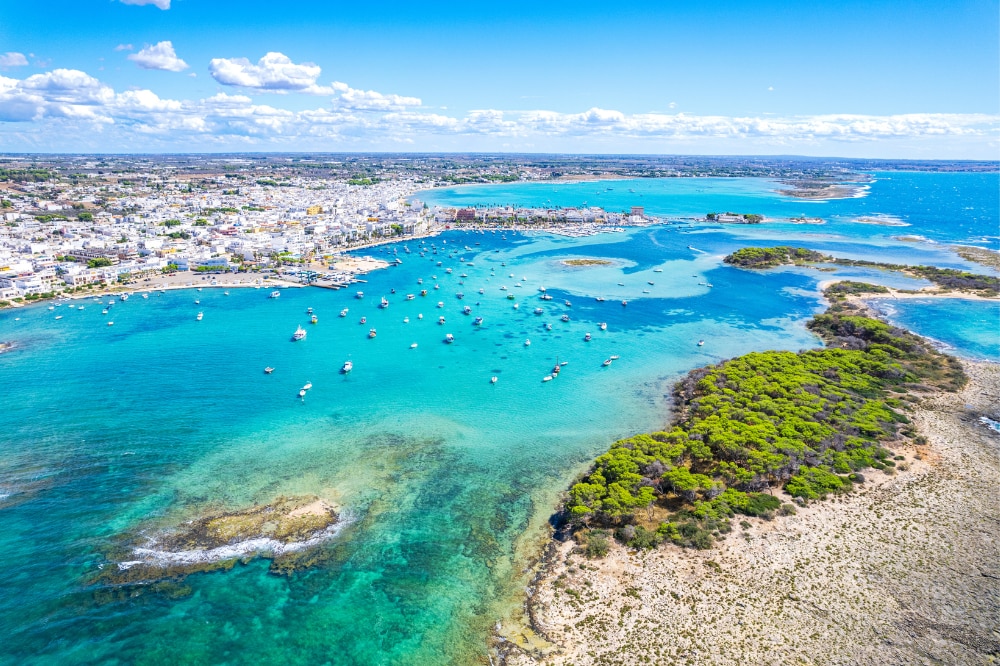
Those looking for fine sand and shallow water can travel towards nearby beaches such as Meta, Marina di Alimuri or Vico Equense. These stretches of coast are especially suitable for families, as they offer more space than the small bathing platforms found beneath central Sorrento. During the busiest summer months, arriving early is a sensible choice, particularly at weekends.
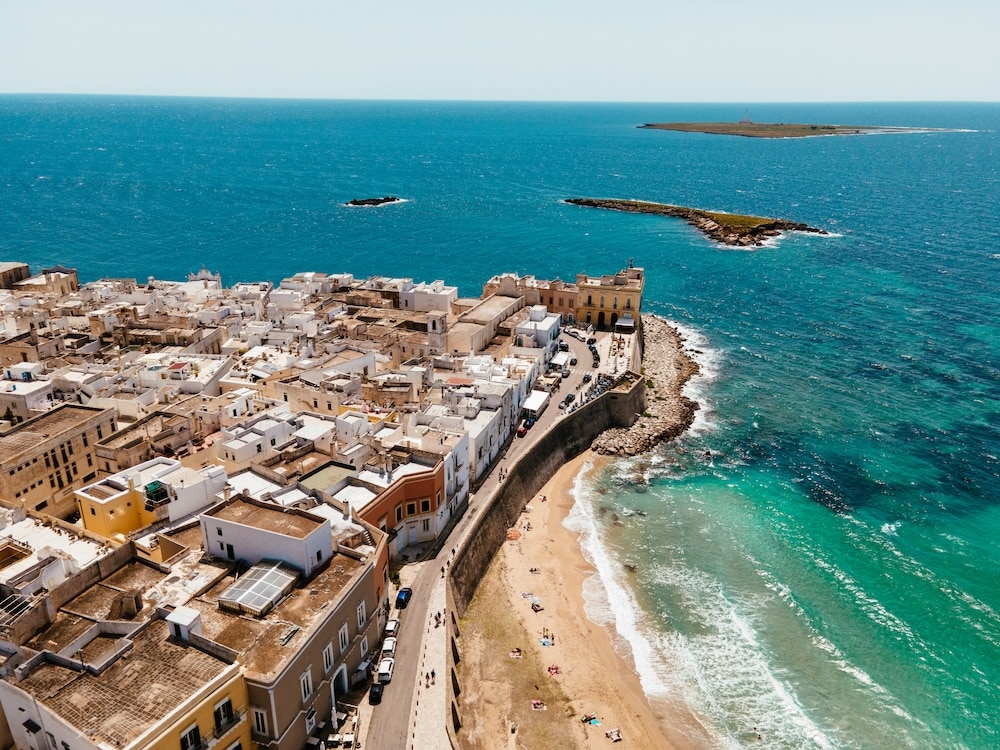
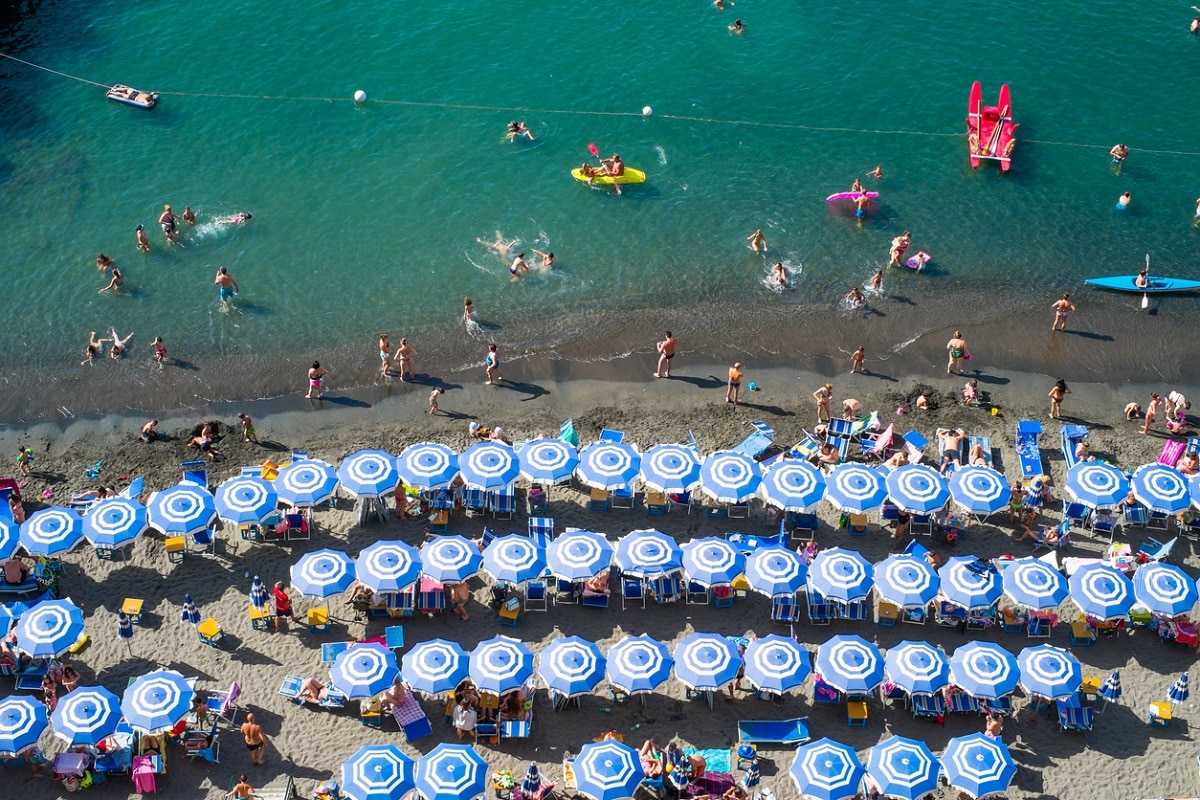
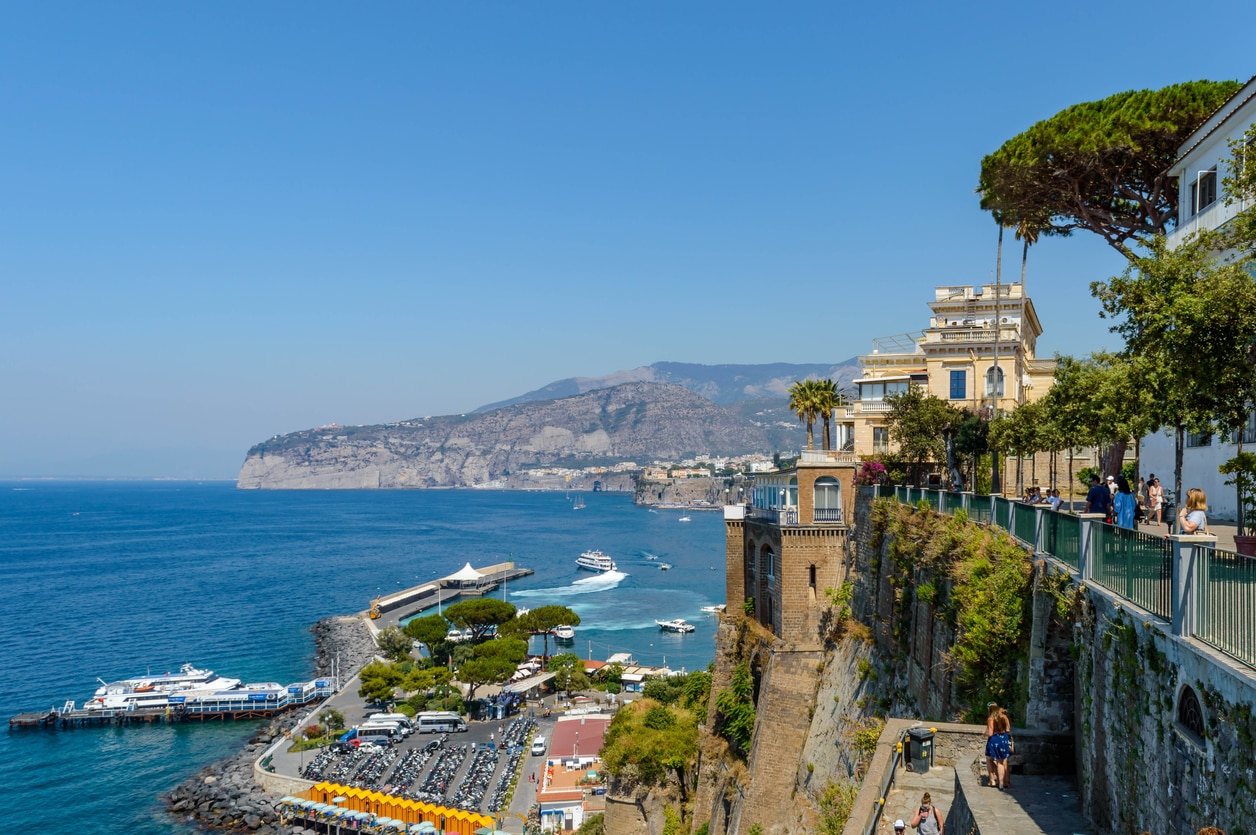
Closer to the centre, the best-known seaside area is Marina Piccola, reached from the heart of Sorrento by walking down the cliffside paths or using the lift near Villa Comunale. Here, bathing establishments are built on wooden platforms extending over the sea. The experience is unmistakably Sorrentine: you swim in deep blue water while the cliffs rise behind you and the silhouette of Mount Vesuvius appears across the bay. If, on the other hand, you prefer rocks and a more adventurous setting, you can explore Regina Giovanna’s Baths. This natural cove, enclosed by limestone walls and connected to the open sea through a narrow arch, is one of the most atmospheric swimming spots on the peninsula.
The site takes its name from Queen Joanna of Anjou, who, according to tradition, enjoyed spending time here. Beside the cove stand the remains of an ancient Roman villa traditionally associated with Pollius Felix. There are no conventional beach facilities, and the path includes uneven sections, so comfortable footwear and a light bag are recommended. Arriving early also makes it easier to enjoy the setting before the busiest part of the day.
Return to the centre through Piazza Tasso
After your morning by the sea, return to central Sorrento and begin the cultural part of the itinerary from Piazza Tasso, the town’s main meeting place.
Cafés, historic buildings and busy streets surround the square, which is named after the Renaissance poet Torquato Tasso, born in Sorrento in 1544. A monument dedicated to him stands in the piazza, while another statue commemorates Saint Antoninus, the town’s patron saint. Piazza Tasso is more than a convenient crossroads. It sits above one of the deep ravines that once divided the area and provides an excellent introduction to Sorrento’s unusual geography. The town was built on a high tufa terrace, and its dramatic position between cliffs and sea has shaped both its appearance and its history.
From the square, continue along Corso Italia, the town’s principal shopping street, before turning into the narrower lanes of the historic centre. Here, shop windows display ceramics, leather goods, citrus products and examples of traditional Sorrentine inlaid woodwork.
Vallone dei Mulini: man-made works immersed in natural surroundings
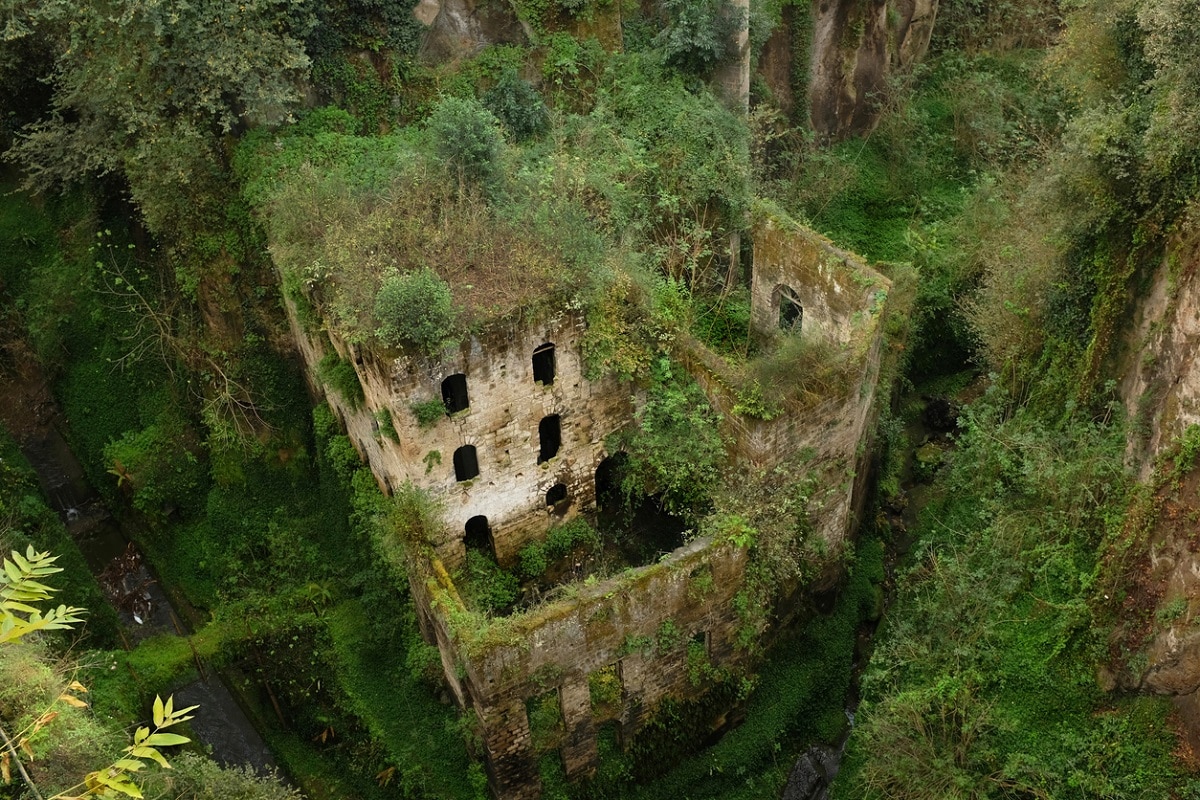
After your beach trip, among the essential sights in Sorrento is undoubtedly the Vallone dei Mulini, one of the few valleys that once marked the boundaries of the ancient town.
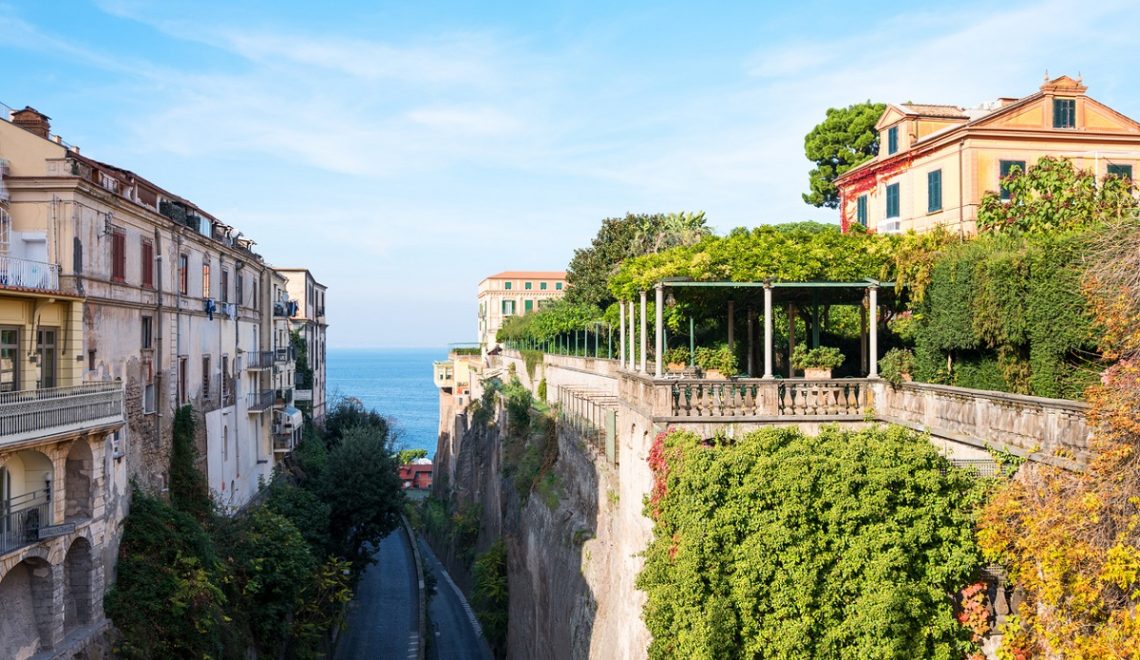
The ravine can be observed from the viewpoint near Viale Enrico Caruso, only a few steps from Piazza Tasso. Far below street level, the remains of old buildings emerge from thick vegetation, creating one of Sorrento’s most striking and mysterious scenes. The valley takes its name from the mills that operated here, using water flowing through the ravine to power their machinery. Over time, the area also supported other productive activities connected with the needs of the town. Changes to Sorrento’s urban layout gradually isolated the valley, and the buildings were eventually abandoned.
Today, moss, ferns and climbing plants cover much of the stonework. This combination of human architecture and spontaneous vegetation gives the Vallone dei Mulini its distinctive appearance. The site is admired from above rather than entered, making it an easy stop to include in a short itinerary through the centre. The ravine is part of the system of valleys that historically surrounded Sorrento and influenced the development of its oldest streets.
Explore Sorrento’s historic centre
From the Vallone dei Mulini, continue into the old town through lanes lined with workshops, small courtyards and buildings from different periods.
One of the most characteristic streets is Via San Cesareo, which follows part of the ancient urban plan. It is now a lively pedestrian route filled with shops selling local food, handicrafts, souvenirs and citrus-based specialities. Despite its popularity, it still offers glimpses of historic doorways, balconies and hidden passageways. Look out for Via Santa Maria della Pietà, a quieter lane where some of the town’s oldest buildings can be seen. Medieval and Renaissance architectural details appear unexpectedly between later façades, revealing the many layers of Sorrento’s past. Among the notable structures in this area are Palazzo Veniero and Palazzo Correale.
The pleasure of walking through central Sorrento lies precisely in these contrasts: elegant boutiques stand beside family-run workshops, while busy shopping streets open suddenly onto peaceful courtyards or views of the sea.
Stop at Sedile Dominova
A short walk from Via San Cesareo brings you to Sedile Dominova, one of the most distinctive historic buildings in Sorrento.
The open-sided loggia once served as a meeting place for members of the local nobility, who gathered here to discuss civic affairs. Its architecture immediately stands out from the surrounding streets: large arches frame the interior, while frescoes and decorative elements enrich the walls and dome. Today, the building remains closely linked to local cultural and social life. Even a brief stop allows you to imagine the role that these civic spaces played when political and administrative decisions were shaped by aristocratic families.
Sedile Dominova is also a good example of how Sorrento’s heritage is woven into the everyday fabric of the town. It is not isolated inside a monumental archaeological area; instead, it appears naturally among shops, cafés and residential buildings.
The Cathedral of Sorrento
Continue towards the Cathedral of Saints Philip and James, commonly known as Sorrento Cathedral.
Although the church has medieval origins, it has been altered and decorated over several centuries. Its relatively restrained exterior contrasts with an interior filled with marble, paintings, carved wood and ornamental details. The cathedral is particularly interesting for travellers wishing to understand the relationship between Sorrento’s religious heritage and its traditional craftsmanship. Several interior elements reflect the town’s long association with woodcarving and marquetry.
Take a few moments to observe the bell tower as well. Its architectural features reveal different construction phases, offering another reminder that Sorrento’s historic centre has evolved continuously rather than belonging to a single period.
The Church and Cloister of San Francesco
From the cathedral, walk towards the seafront and the Church of San Francesco, located close to Villa Comunale.
Beside the church is the celebrated Cloister of San Francesco, one of the most romantic places in Sorrento. Columns and arches of different styles surround a peaceful courtyard, where plants soften the stone architecture and create a cool retreat from the summer streets. The cloister reflects the long history of the complex, with architectural materials and elements drawn from different eras. This mixture gives the space its distinctive character rather than a perfectly uniform appearance.
During the warmer months, the cloister often becomes a setting for concerts, exhibitions and ceremonies. Even when no event is taking place, it is worth entering for a few quiet minutes before continuing towards the panoramic terrace.
Admire the view from Villa Comunale
Just outside the cloister lies Villa Comunale, Sorrento’s best-known public terrace.
From here, the view stretches across the Bay of Naples towards Mount Vesuvius, with Marina Piccola directly below. On clear days, the panorama extends along the coastline and towards the islands, creating one of the most memorable viewpoints in town. Villa Comunale is an ideal place to pause in the afternoon. Benches and shaded areas invite you to rest, while the changing light transforms the colour of the sea. It is also an excellent location for photographs, especially in the late afternoon when the sun begins to soften.
From the gardens, you can descend towards Marina Piccola or return to the centre. Travellers who have already spent the morning by the sea may prefer to remain on the upper level and continue towards the next cultural stop.
How about a limoncello in Sorrento? Yes – in Piazza Tasso!
What better way to celebrate a full day in Sorrento than with a drink made from the fruit that has become one of the symbols of the peninsula? Return towards Piazza Tasso and order a glass of limoncello, traditionally prepared by infusing lemon peel in alcohol before adding syrup. The result is an intensely aromatic liqueur, generally served chilled after a meal.
Sorrento’s lemons are also used in cakes, ice cream, granita, preserves and savoury recipes. As you walk through the centre, you will see them arranged outside shops or growing beneath the traditional wooden frames of local citrus gardens. Piazza Tasso is the ideal place for an aperitif because it captures the town’s lively evening atmosphere. Residents and visitors gather around café tables, while the streets leading into the old centre fill with people heading out for dinner.
For a quieter experience, choose one of the side streets nearby. Small wine bars and restaurant courtyards often provide a more intimate setting just a few minutes from the square.
Visit the most beautiful provincial museum in Italy
Archaeologist Amedeo Maiuri described the Correale Museum of Terranova as one of Italy’s finest provincial museums. Housed in an aristocratic villa surrounded by a garden, it offers a very different atmosphere from Sorrento’s busy streets. The museum grew from the collections of the Correale family and contains paintings, archaeological artefacts, porcelain, glass, clocks, furniture and examples of decorative art. Its rooms preserve the character of a historic residence, making the visit feel more personal than a tour of a conventional gallery.
One of the highlights is the collection of Sorrentine marquetry, which illustrates the precision and creativity of the town’s wood-inlay tradition. Landscapes, floral patterns and figurative scenes are created by combining pieces of wood in different shades. The museum grounds are also worth exploring. Citrus trees and a traditional Sorrentine pergola accompany the path towards a terrace overlooking the sea. The combination of art, domestic interiors and gardens makes the museum an excellent option during the hottest hours of the afternoon.
The museum reopened in spring 2026 following a temporary closure and is generally open from Tuesday to Sunday, with Monday as its weekly closing day. As timetables can vary, especially around holidays or special events, it is sensible to check the current schedule before visiting.
Discover Villa Fiorentino
Another cultural stop that can enrich your day is Villa Fiorentino, located along Corso Italia. Built in the 1930s as the home of Antonino Fiorentino and Lucia Cuomo, the villa was later donated to the town. Today, it hosts exhibitions, cultural events and initiatives connected with Sorrento and the surrounding peninsula.
The elegant white building is surrounded by a spacious garden, providing a pleasant contrast to the lively main street outside. The programme changes throughout the year and may include contemporary art, photography, local craftsmanship and seasonal events. Permanent displays on the upper floor include a collection of engravings and a space dedicated to Sorrentine craftsmanship. The garden is also known for its camellias, with more than thirty specimens flowering at different points between winter and late spring.
Before planning your visit, check which exhibition is currently running, as opening times and admission conditions depend on the event.
Walk down to Marina Grande
As the afternoon begins to cool, leave the central streets behind and head towards Marina Grande, Sorrento’s historic fishing village. Despite its name, Marina Grande is smaller and quieter than Marina Piccola. Traditional houses, fishing boats and waterfront restaurants create an atmosphere that feels distinct from the centre above.
You can reach the marina through the old town and pass through Porta Marina Grande, one of the ancient gateways associated with Sorrento’s historic walls. The route offers appealing glimpses of stairways, façades and the sea before opening onto the small harbour. Marina Grande is particularly atmospheric around sunset. Fishing boats return to shore, restaurant terraces begin to fill and the light reflects on the pastel-coloured buildings. It is one of the best areas in which to end a day in Sorrento, especially over a seafood dinner.
Remember that the climb back to the centre includes steps and sloping streets. Travellers who prefer to avoid the uphill walk should check the available local transport or taxi options.
To Sorrento with Itabus
When planning your journey, travel by Italo high-speed train to Naples Centrale or Naples Afragola and continue towards Sorrento with the connecting Itabus service. The combined connection allows travellers departing from cities such as Turin, Milan, Bologna, Florence and Rome to purchase the train and bus sections together and reach Sorrento without organising separate bookings.
Once you arrive, the centre can be explored mainly on foot. Piazza Tasso, Corso Italia, the Vallone dei Mulini and the principal historic attractions are all relatively close to one another, making Sorrento particularly suitable for a day trip. Book your journey to Sorrento with Italo and Itabus, then prepare for a day of sea views, hidden valleys, citrus-scented streets and unforgettable sunsets.