The Amalfi Coast rewards travellers who take time to look beyond its most famous views. Between towns shaped by the sea, hillside paths and long-standing local traditions, every stop offers a different way to experience the landscape. From choosing the right base to discovering beaches, food and villages with distinct personalities, a well-planned journey reveals a coastline that is far richer than its postcard image.
- 1 Why the Amalfi Coast belongs on your Italian itinerary
-
2
The best places to visit on the Amalfi Coast
- 2.1 Amalfi, where maritime history meets daily life
- 2.2 Positano, a town built almost entirely on steps
- 2.3 Ravello and its gardens above the sea
- 2.4 Vietri sul Mare, the coast’s colourful gateway
- 2.5 Atrani, small in size and rich in character
- 2.6 Praiano for sunsets and a slower pace
- 2.7 Maiori and Minori, two neighbouring towns with different personalities
- 2.8 Cetara, a fishing village with a serious food tradition
- 3 Top things to do on the Amalfi Coast
- 4 The best beaches on the Amalfi Coast
- 5 What to eat on the Amalfi Coast
- 6 When is the best time to visit the Amalfi Coast?
- 7 Practical tips for planning a trip to the Amalfi Coast
- 8 How to reach the Amalfi Coast with Italo
Why the Amalfi Coast belongs on your Italian itinerary
For decades, the Amalfi Coast has drawn filmmakers, artists and international celebrities with its cliffside towns, glamorous hotels and luminous Mediterranean scenery. Yet the real magic lies in the way beauty and everyday life exist side by side: fishing boats return to small harbours, lemon terraces climb above the sea and historic villages preserve their own traditions. It is this mix of elegance, authenticity and natural drama that continues to make the coast one of Italy’s most irresistible destinations.
The best places to visit on the Amalfi Coast
Amalfi, where maritime history meets daily life
Amalfi draws you in from the moment you reach Piazza Duomo. Café tables fill the square, the cathedral staircase rises dramatically above the rooftops and the scent of coffee drifts through the narrow streets nearby.
The town’s past is still easy to recognise. Once a powerful maritime republic, Amalfi preserves traces of its trading history in its churches, museums and traditional paper workshops, where one of its oldest crafts continues today.
Its central position also makes it a convenient base for exploring the coast. Boats leave from the waterfront, Ravello sits in the hills above and Atrani is close enough for an easy walk. Amalfi is ideal for travellers who want a lively town with history, sea views and useful connections.
Positano, a town built almost entirely on steps
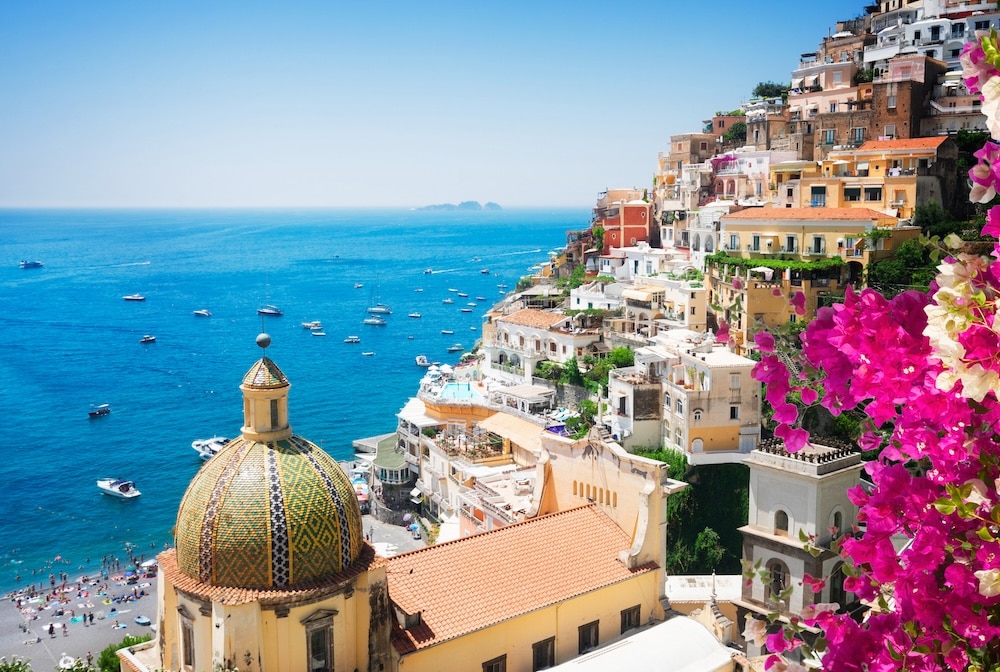
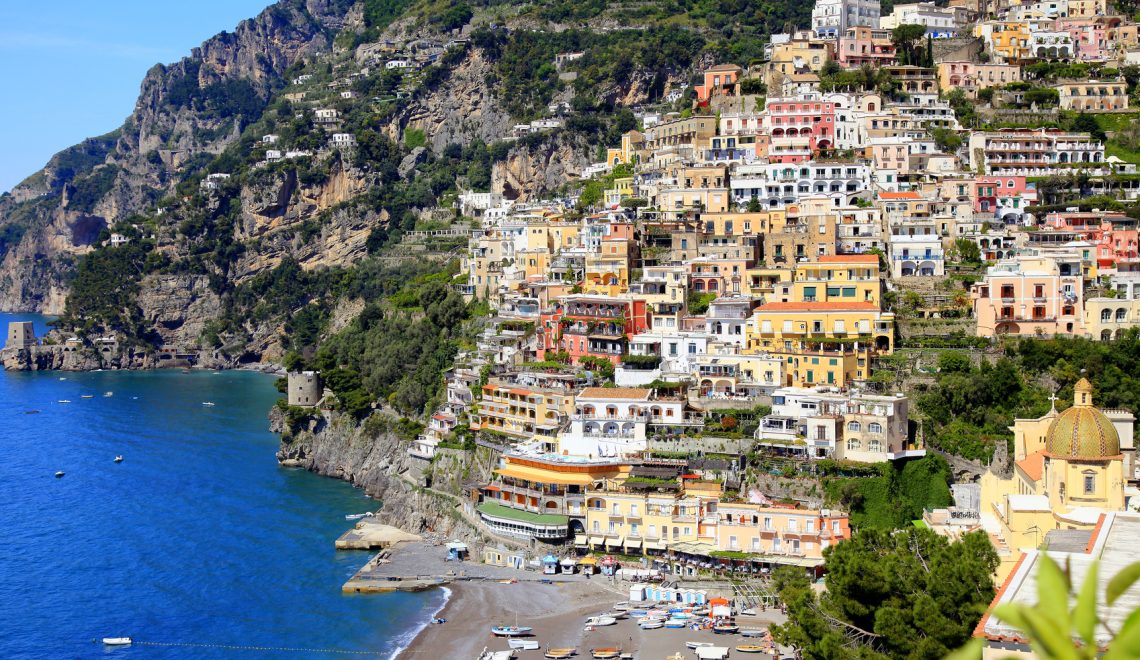
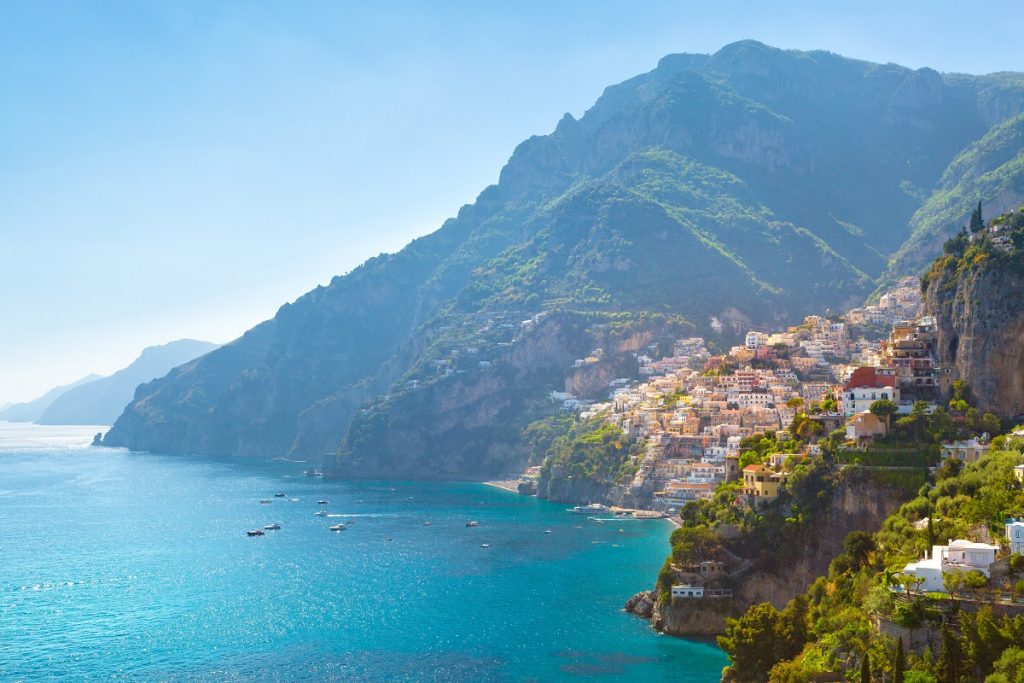
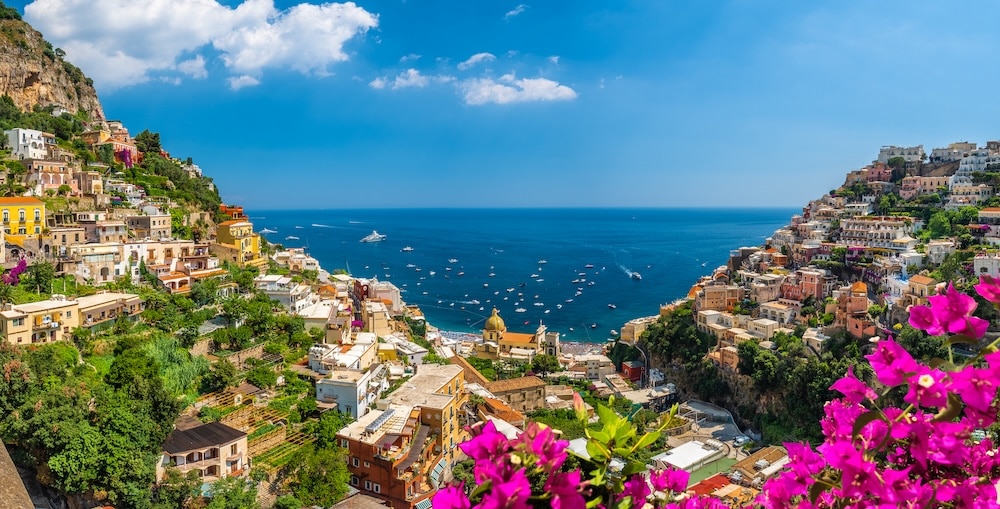
Most travellers recognise Positano before they arrive. Its houses descend towards the sea in layers of pink, peach and cream, creating the famous vertical view seen across travel magazines and postcards.
Once inside the town, that view becomes a maze of steps, terraces and sloping lanes. Exploring takes some effort, but the changing glimpses of the sea make the climb feel like part of the experience rather than a simple way of getting around.
Positano suits travellers looking for stylish boutiques, lively beach cafés and a sociable atmosphere. Those who prefer a calmer setting can follow the path to Fornillo Beach or explore early in the morning, before the centre reaches its busiest point.
How to get to Positano
Positano, a picturesque village on the Amalfi Coast, captivates visitors with its stunning views, vibrant culture, and rich history. Known for steep cliffs covered in colorful houses, charming streets, and beautiful beaches, it is a must-visit spot in Italy.
Ravello and its gardens above the sea
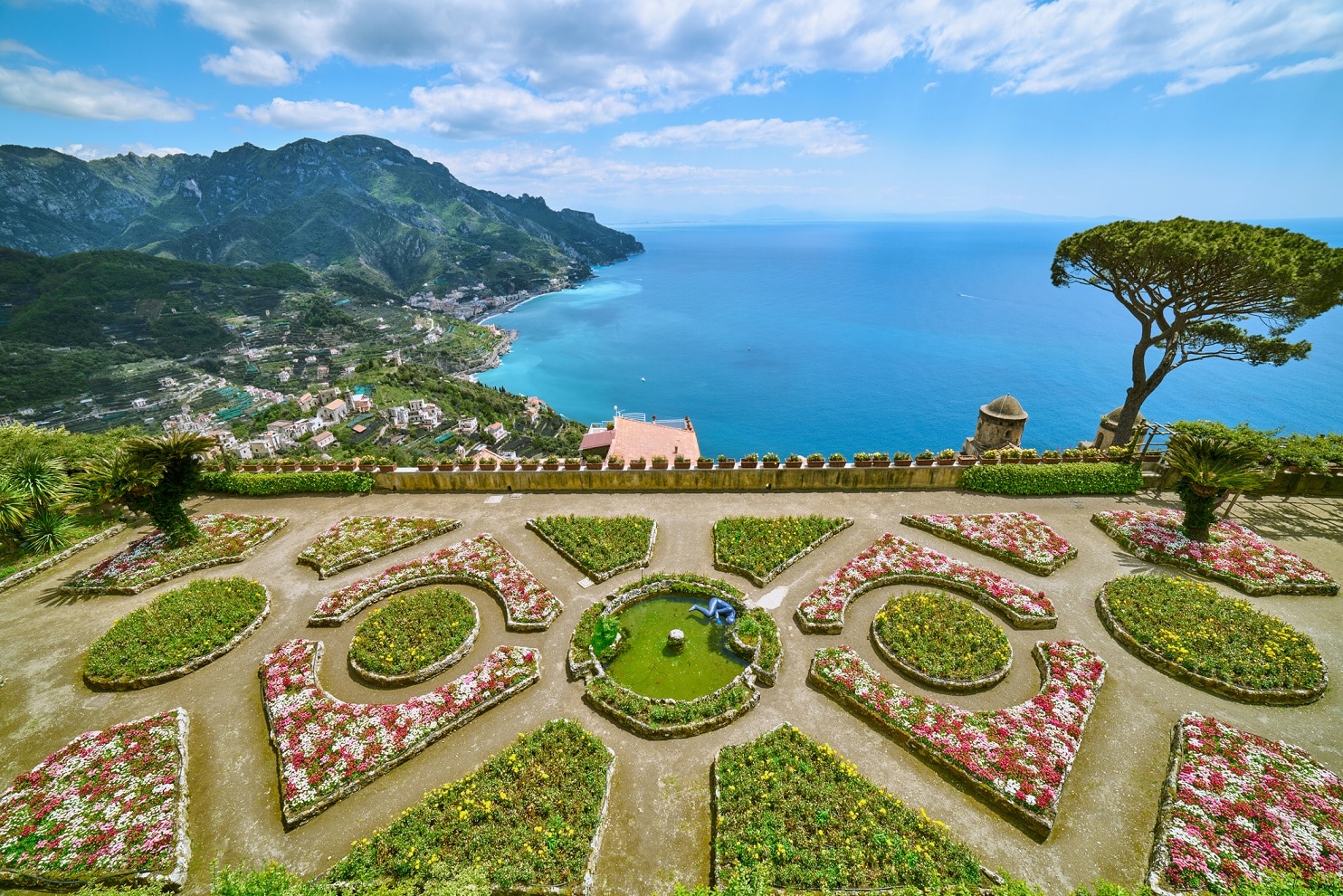
The sea remains visible in Ravello, but it no longer dominates every street. From its position high above the coast, the town feels cooler and more spacious, with quiet squares replacing crowded beaches.
Its personality is closely linked to art, music and gardens. Villa Rufolo draws visitors through courtyards and flower-filled terraces, while Villa Cimbrone saves its broadest panorama for the end of a long garden walk.
Rather than squeezing Ravello between two seaside towns, devote at least half a day to it. The pleasure lies in moving slowly, sitting in the main square and watching the coastline from a distance.
Vietri sul Mare, the coast’s colourful gateway
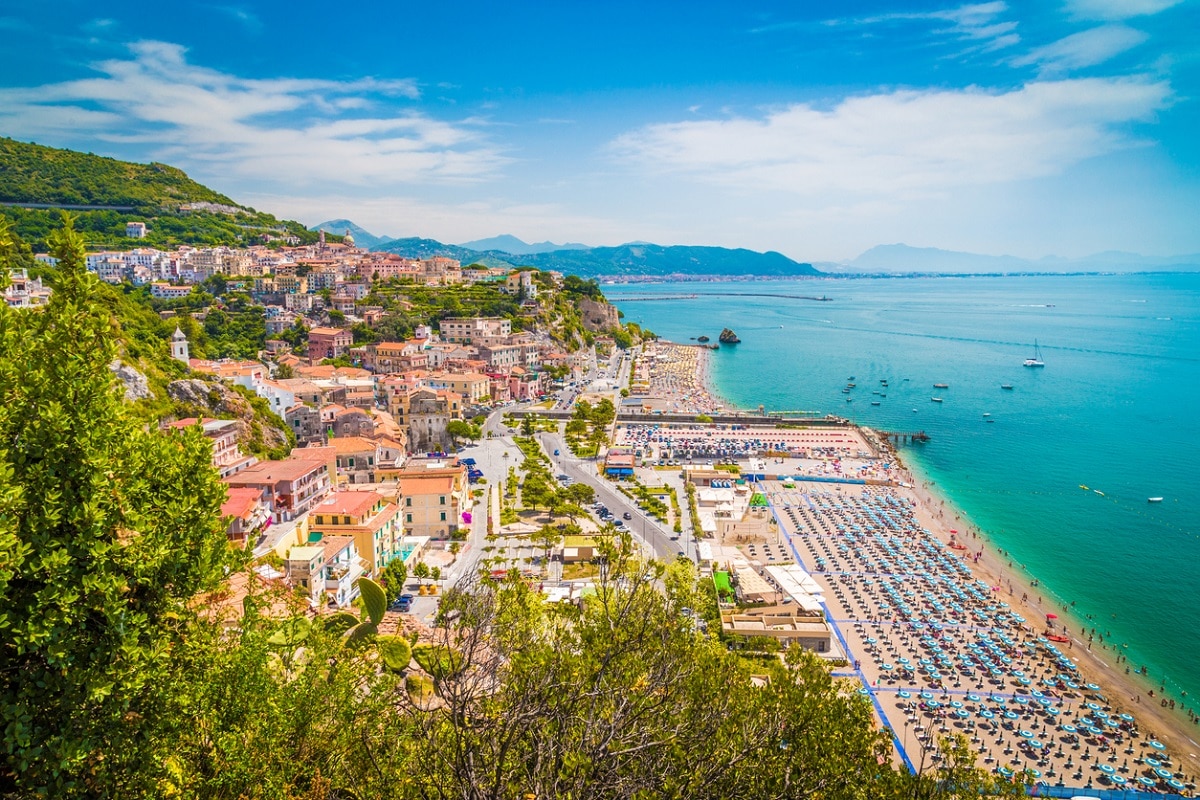
You do not need to enter a museum to understand Vietri sul Mare’s ceramic tradition. Tiles decorate house numbers, fountains, benches, church domes and entire façades, giving the town a colourful identity unlike anywhere else on the coast.
Behind that visual character lies a working craft. Small studios continue to shape and paint bowls, plates and decorative panels, often using designs handed down through local workshops.
Vietri is a good choice for travellers interested in everyday culture rather than grand monuments. It also has a more residential feel than Positano or Amalfi, so the artisan shops share the streets with neighbourhood cafés and local businesses.
Atrani, small in size and rich in character
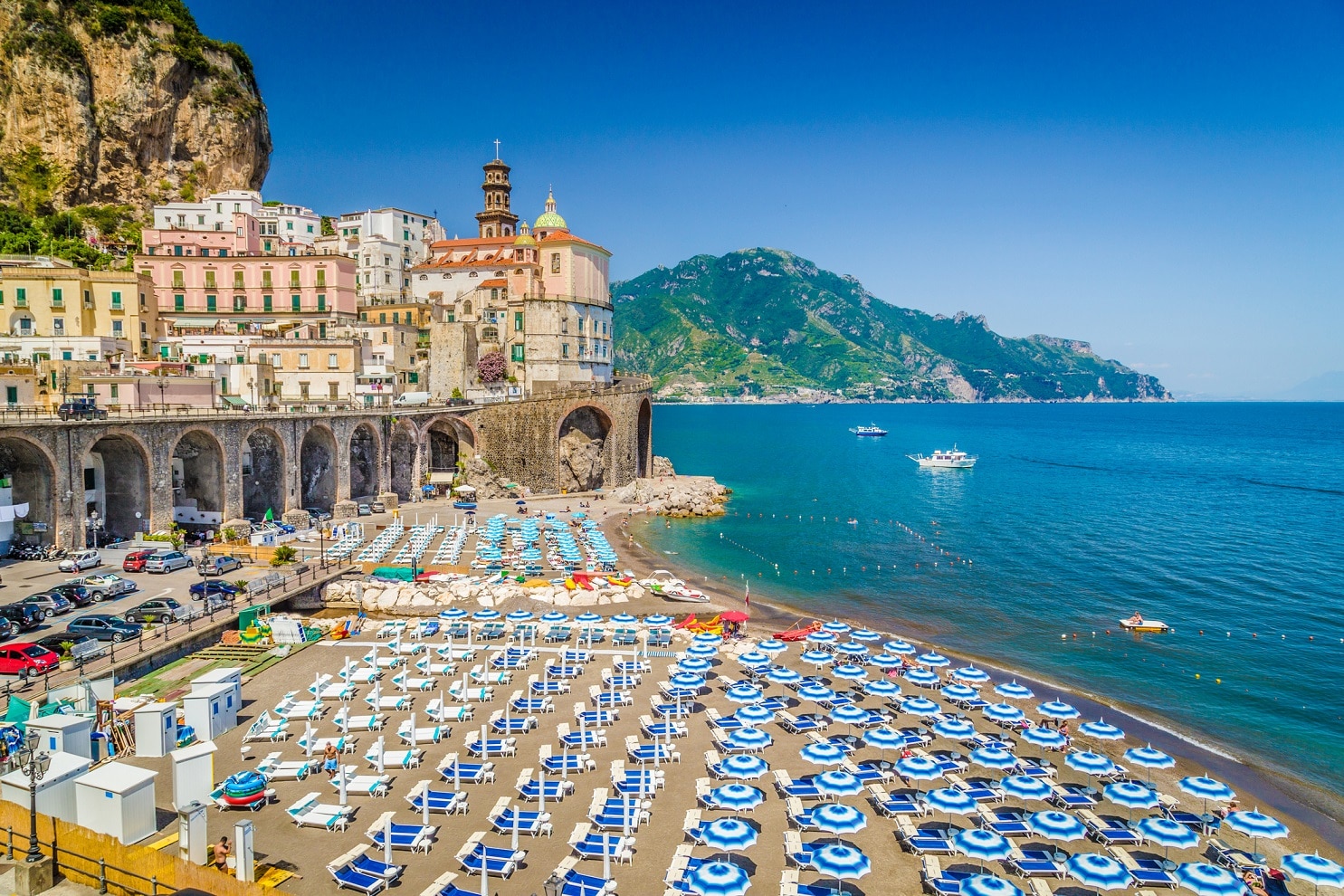
A few minutes beyond Amalfi, the scale of the coast suddenly changes. Atrani is gathered around one small square, with houses, arches and stairways rising closely behind the beach.
Its charm does not depend on a famous monument. Instead, it comes from the feeling of entering a village where the central square still belongs to daily life. Children play nearby, residents cross between the narrow passages and café tables fill gradually rather than all at once.
Atrani is ideal when you need a pause from busier destinations. Walk over from Amalfi, explore without a map and stay long enough for the village to feel like more than a quick detour.
Praiano for sunsets and a slower pace
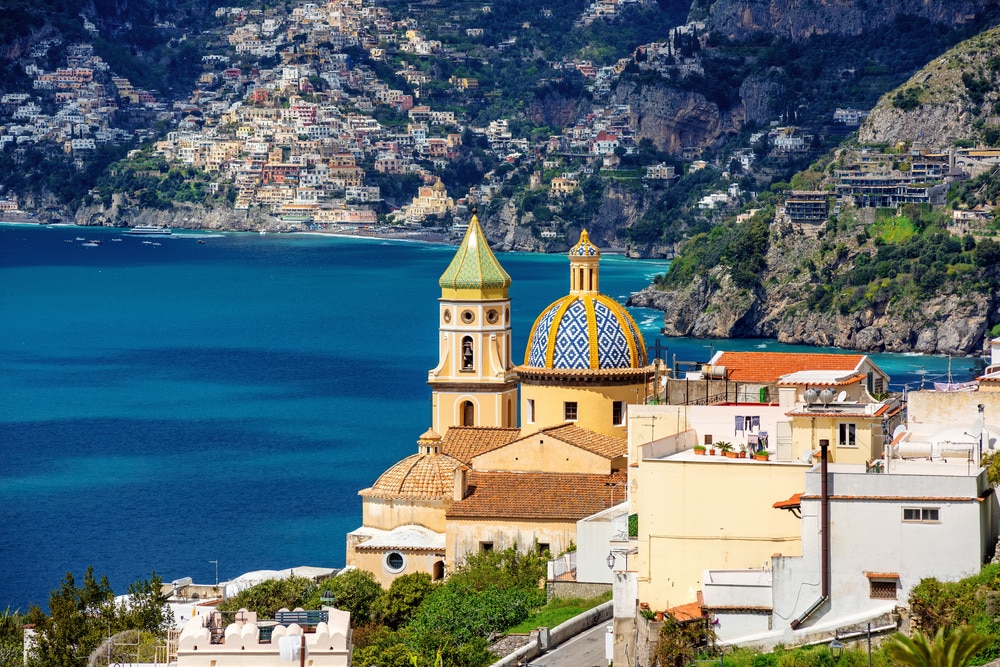
Praiano is the place to choose when you want the Amalfi Coast without the constant rush. Days here tend to move between quiet viewpoints, small churches and long pauses overlooking the sea.
The town is especially beautiful in the late afternoon, when the light begins to soften and the view stretches towards Capri and Positano. Instead of busy shopping streets, Praiano offers peaceful terraces, local restaurants and a more intimate atmosphere.
Down by the water, Marina di Praia sits between two high cliffs. You can spend the afternoon swimming, then stay for dinner as the boats return and the cove lights up for the evening.
Maiori and Minori, two neighbouring towns with different personalities
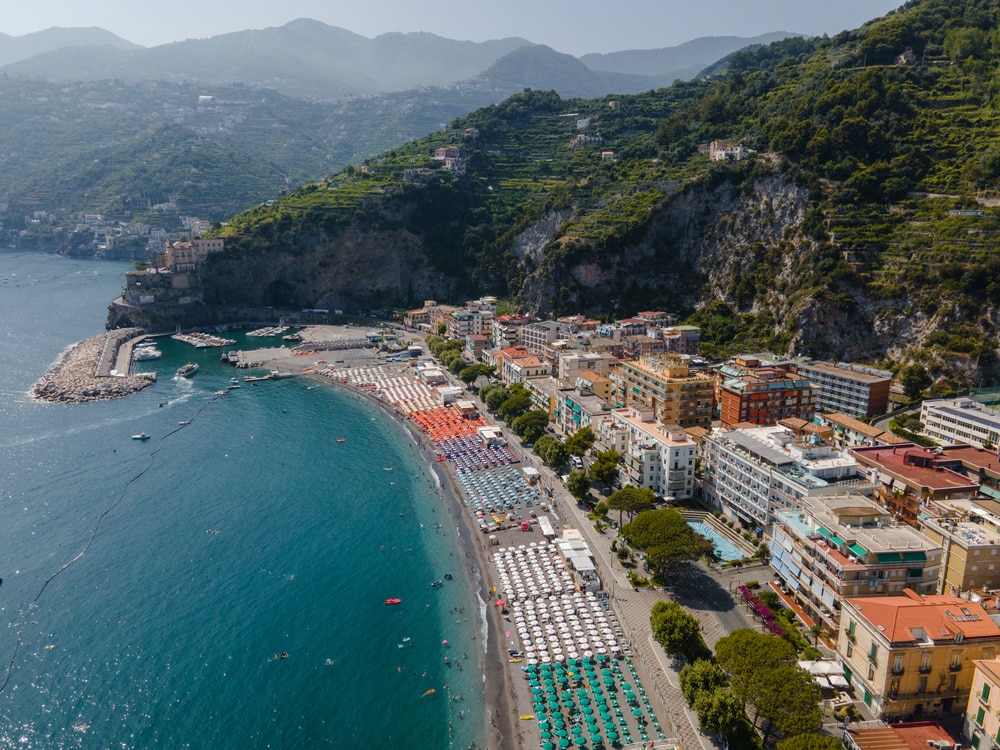
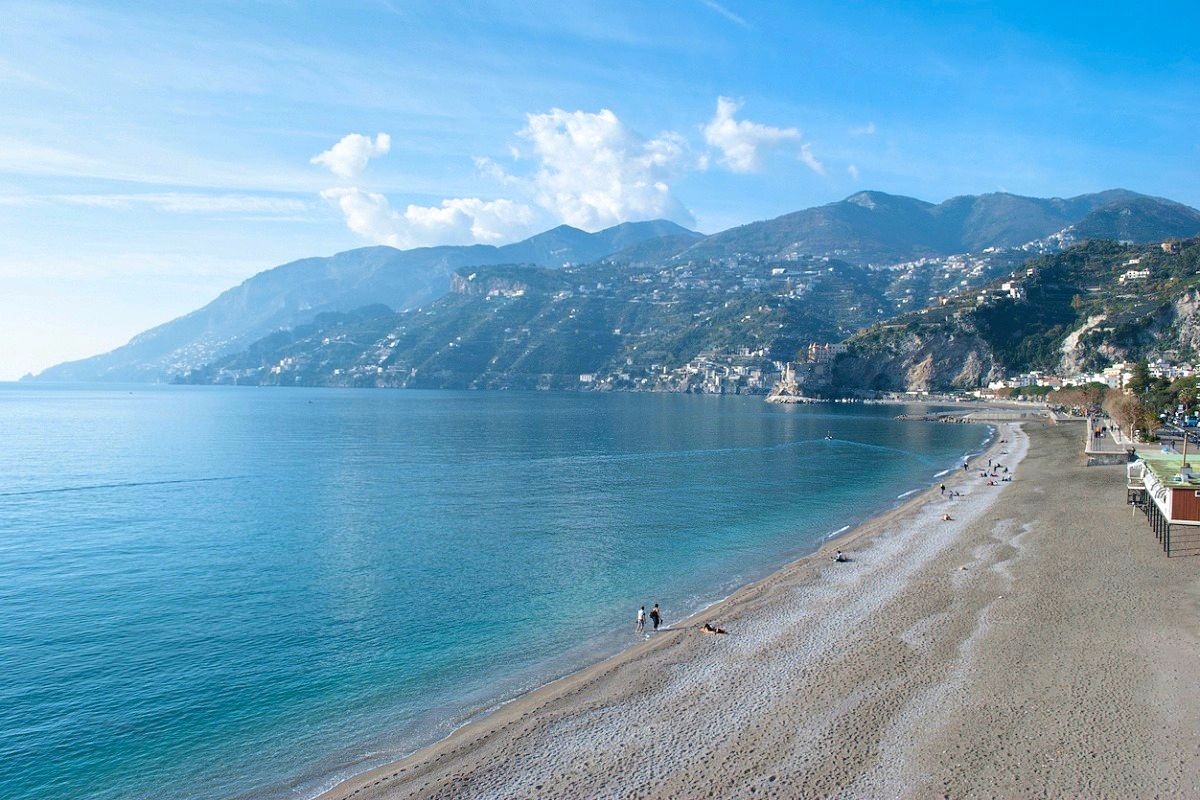
Maiori immediately feels more open than many Amalfi Coast towns. Its long beach and flat promenade make access to the sea straightforward, which is particularly useful for families and anyone who would rather avoid long staircases.
A short distance away, Minori offers a more compact experience. Roman remains, small streets and a celebrated pastry tradition give the town a cultural and culinary identity that goes beyond the waterfront.
The Path of Lemons connects the two through terraces and hillside settlements. Walking it shows how closely agriculture has shaped the coast and turns two neighbouring towns into a varied day of beach time, history and local food.
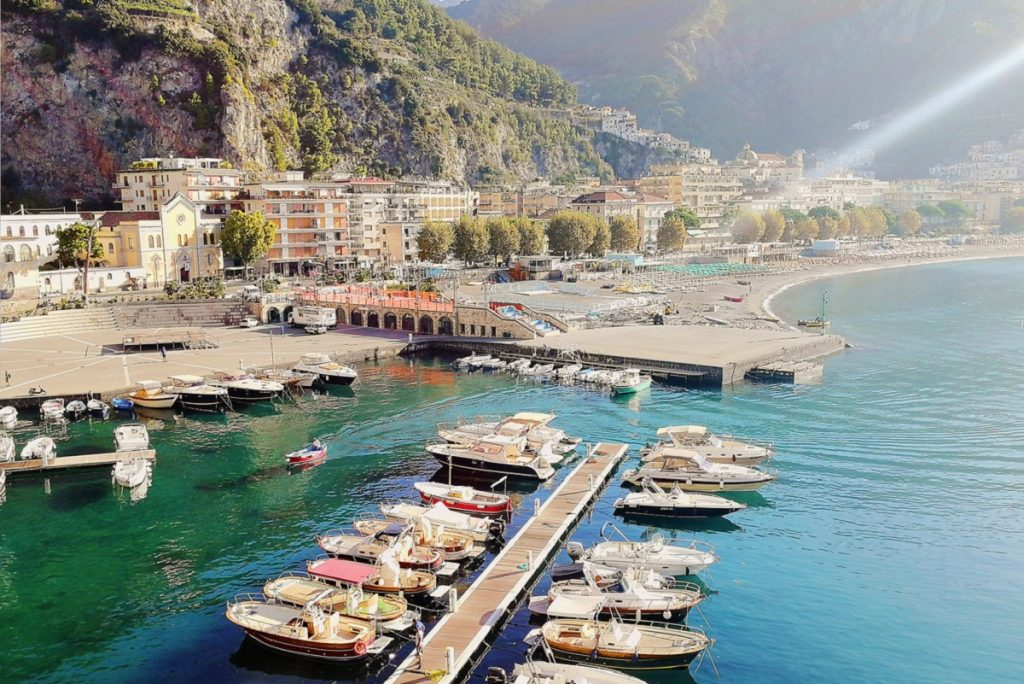
Maiori: what to see in the pearl of the Amalfi Coast
In the heart of the Divine Coast, a place not to be missed is Maiori: here is what to see and what to do in the town, between history and nature.
Cetara, a fishing village with a serious food tradition
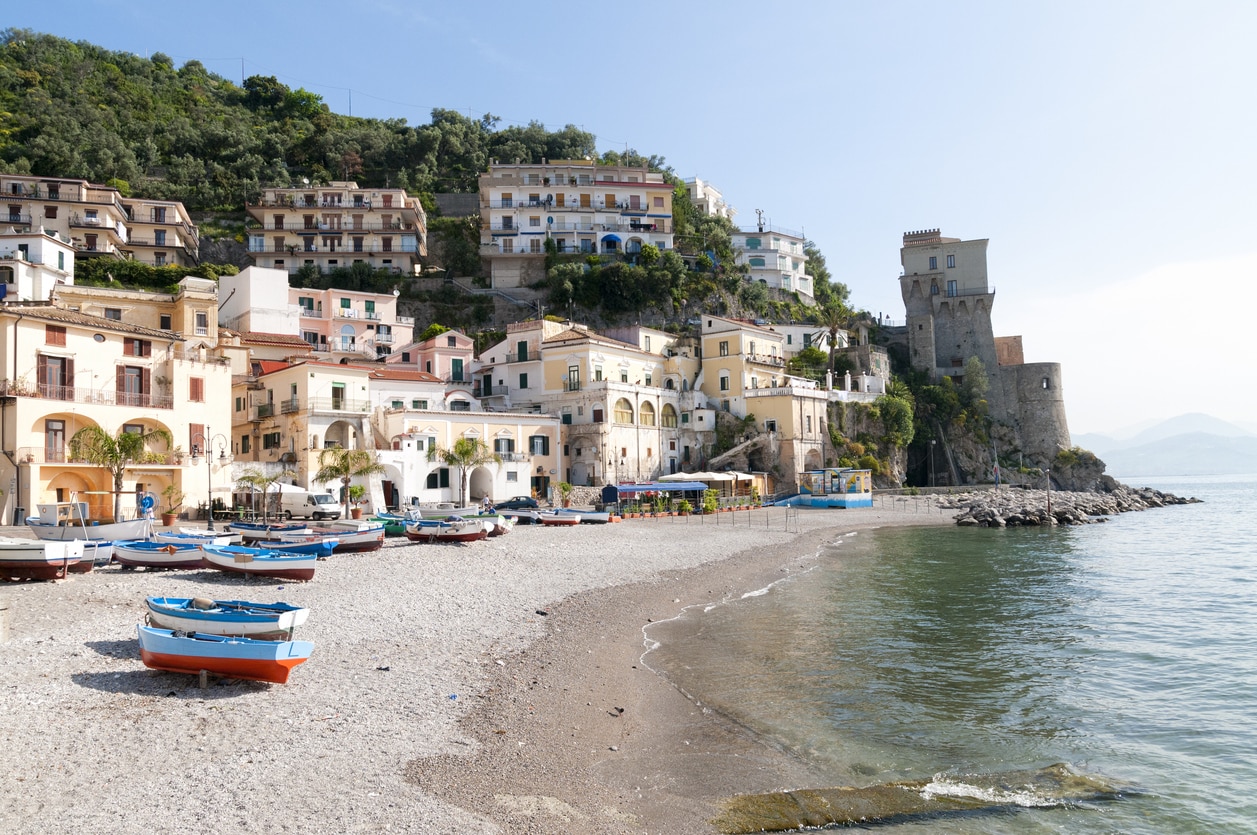
Arriving in Cetara, attention moves away from hotels and boutiques towards the harbour. Fishing boats line the water, and the day’s catch influences what appears on local menus.
Anchovies and tuna are central to the village’s culinary identity. Cetara is also the birthplace of colatura di alici, an amber anchovy extract used to season pasta with just a few drops.
Food lovers should plan more than a short walk around the harbour. Sit down for lunch, try a local seafood dish and let the flavours explain why Cetara feels so different from the more polished resorts farther along the coast.
One week on the Amalfi Coast: the ideal 7-day itinerary
Discover seven days of Mediterranean magic along the iconic Amalfi Coast, from Positano to Vietri sul Mare.
Explore UNESCO-listed cliffside villages, sunlit beaches, and panoramic terraces at your own rewarding pace.
Top things to do on the Amalfi Coast
Follow the Path of the Gods

For much of the journey, the Amalfi Coast is seen from below or from the water. The Path of the Gods changes that perspective by climbing above the towns and following the mountainside between Bomerano and Nocelle.
Rocky sections alternate with cultivated terraces, while Positano and Capri appear in the distance on clear days. The scenery develops gradually, which makes the route more rewarding than a single panoramic stop.
Starting in Bomerano generally helps tackling more descents than climbs. Even so, the path is uneven and exposed, so supportive shoes, water and an early departure are essential.
See the coastline from the water
The towns may feel large while you are walking through them, but from the sea they become small clusters pressed between cliffs and mountains. A boat journey reveals that dramatic geography more clearly than the coastal road.
Scheduled ferries are often enough to enjoy the view while travelling between destinations. Smaller excursions offer a different experience, with swimming stops and access to coves hidden below the road.
Try to include at least one journey by sea. It breaks up the time spent on roads and turns a practical transfer into a memorable part of the holiday.
Meet the coast’s artisans
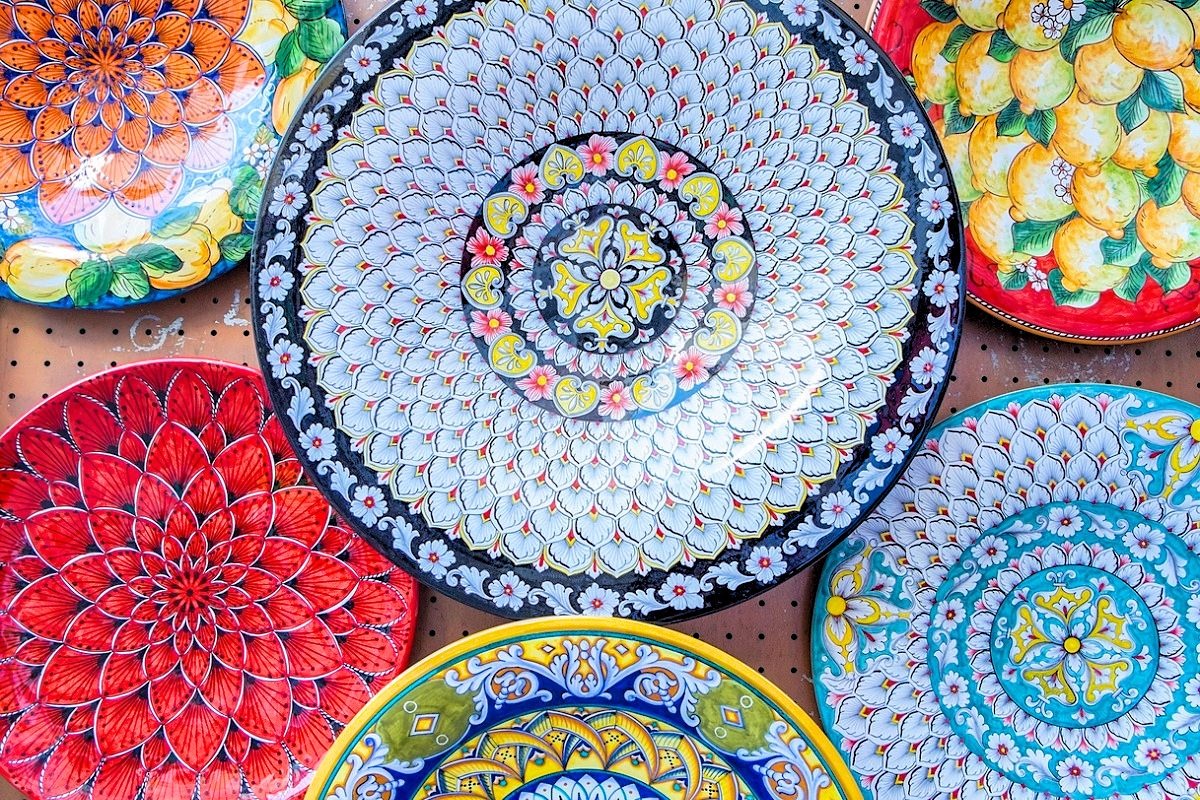
Ceramics are the most visible craft tradition, especially in Vietri sul Mare, but the coast is also known for handmade sandals, linen clothing and paper production.
Look for workshops where items are made on site rather than shops selling identical souvenirs. Speaking with an artisan often adds more value to the experience than simply buying a finished object.
The best beaches on the Amalfi Coast
- Marina Grande, Positano: the beach at the heart of the town, with Positano rising directly behind it. It is lively, central and surrounded by restaurants, beach clubs and boat services. For a quieter atmosphere, walk towards nearby Fornillo Beach.
- Fiordo di Furore: a tiny beach hidden between steep rock walls and crossed by the famous coastal bridge. Come for the dramatic setting and a quick swim rather than a full day by the sea, as space is limited.
- Marina di Praia: a small pebble beach tucked below Praiano, where fishing boats share the cove with waterfront restaurants. Arrive in the morning for more sunshine or stay into the evening for dinner beside the water.
- Maiori Beach: one of the easiest beaches to reach along the coast, with a long shoreline and a flat promenade. Its generous space and nearby services make it particularly practical for families.
- Santa Croce Beach: a quieter option close to Amalfi, reached most easily by boat. Surrounded by cliffs and clear water, it feels pleasantly removed from the activity of the town centre.

Italy’s Seafood Delights: A Culinary Journey Along the Coast
Embark on a gastronomic journey along Italy’s stunning coasts with Italo Treno. Dive into the vibrant world of Italian seafood, from Naples to Genoa, and uncover the rich flavours and traditions of Mediterranean cuisine.
What to eat on the Amalfi Coast
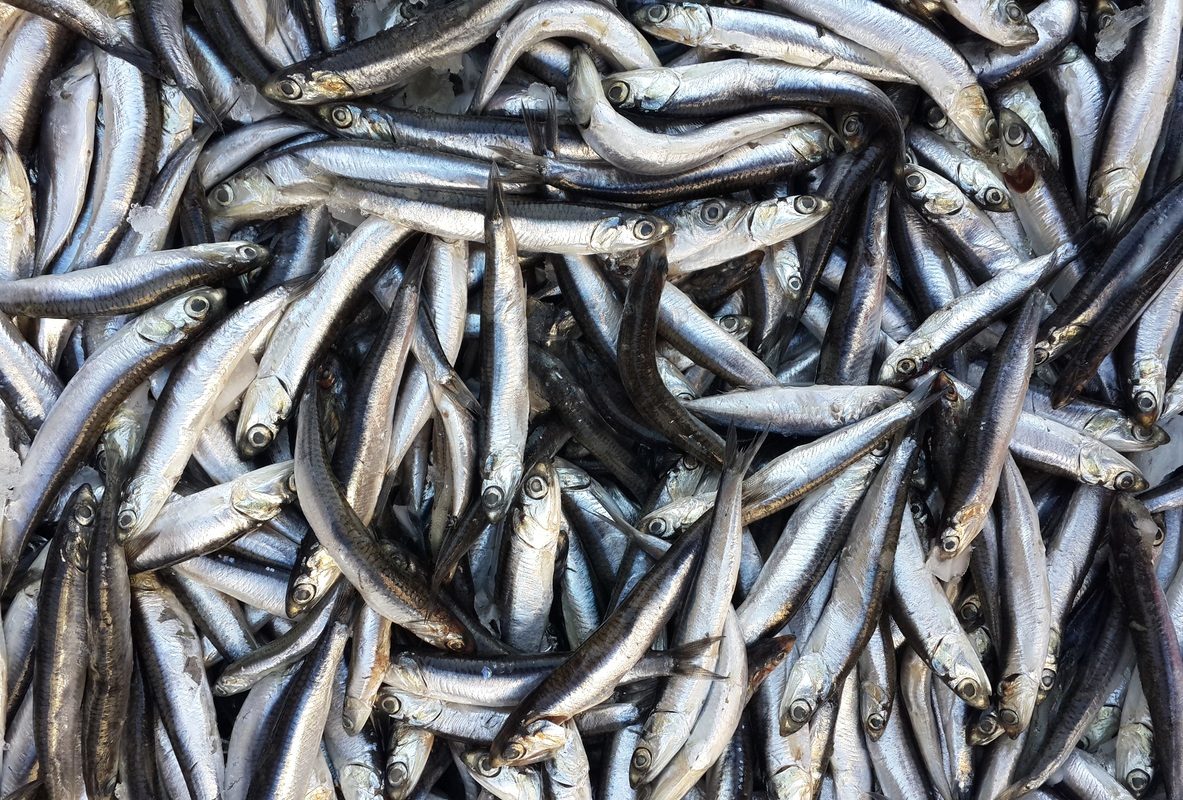
Food along the Amalfi Coast follows the landscape. In fishing villages such as Cetara, menus feature seafood like anchovies, tuna and seafood pasta, while elsewhere you may find grilled fish, clams, mussels and squid prepared with olive oil, herbs and lemon. Asking what has arrived fresh that day is often the best way to choose.
Lemons are just as important as seafood. The local Sfusato Amalfitano appears in sauces, cakes, creams, sorbets and granitas, as well as in limoncello served after a meal.
Save room for dessert, especially in Minori. A classic delizia al limone, with soft sponge and lemon cream, is the obvious choice, but pastry counters also tempt visitors with sfogliatelle, babà and almond biscuits.
When is the best time to visit the Amalfi Coast?
May, June, September and early October offer a good balance between warm weather and manageable visitor numbers. Ferries are generally operating, outdoor walks remain comfortable and the sea may be warm enough for swimming.
July and August bring longer evenings and a lively holiday atmosphere. They also bring traffic, crowded beaches and higher accommodation prices, so the days work better with early starts and fewer planned stops.
Winter is quieter and more local, although some hotels, restaurants and sea connections reduce their services. It is a good choice for walking and village life, but less suitable for travellers focused on beaches and boat trips.
Practical tips for planning a trip to the Amalfi Coast
Pack light, but do not underestimate the terrain
Comfortable shoes are essential for steep stairways, uneven paths and polished stone streets. Bring light clothing, swimwear, sun protection and a reusable water bottle, keeping your day bag small enough to carry easily on ferries and buses.
Keep the itinerary realistic
Buses run throughout the year, although traffic can make journey times unpredictable, while ferries are often the most comfortable and scenic option in season. The best way to enjoy the Amalfi Coast is to avoid overplanning: choose fewer stops, allow time for delays and leave space for beaches, meals and unexpected detours along the way.
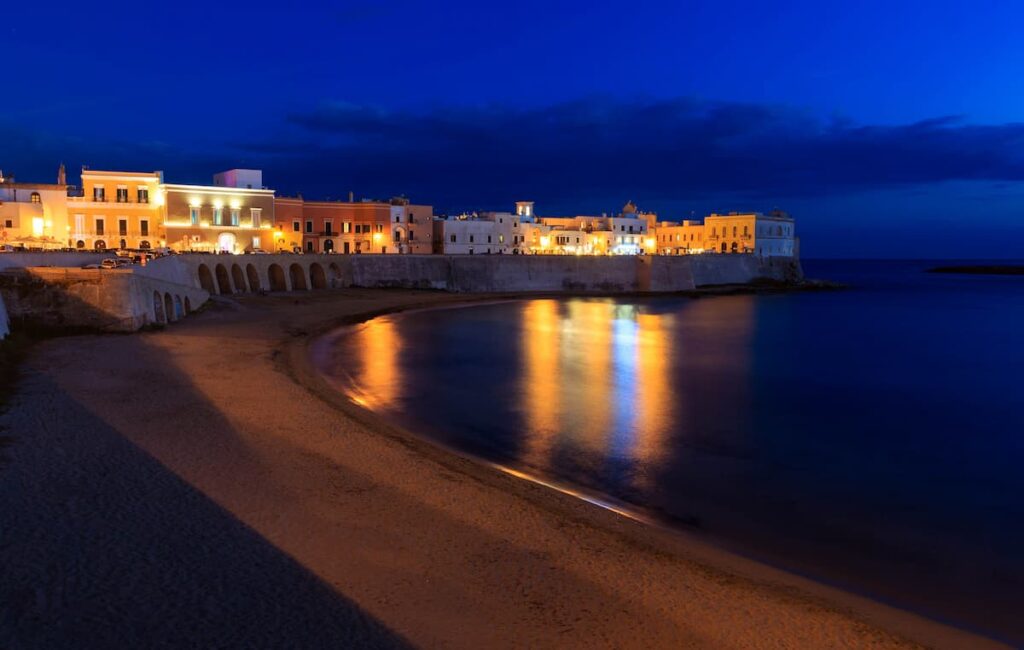
Italy’s Coastal Escapes: A Guide to the Most Beautiful Towns
Dreaming of an Italian escape? This guide unveils Italy’s most captivating coastal towns, from the iconic Amalfi Coast to hidden gems in Puglia and Sicily. Discover sandy beaches, charming villages, and cultural delights waiting to be explored.
How to reach the Amalfi Coast with Italo
There is no railway station directly on the Amalfi Coast. The simplest option is to travel by Italo high-speed train from major Italian cities such as Milan, Bologna, Florence or Rome to Naples or Salerno, then continue by ferry, bus or private transfer.
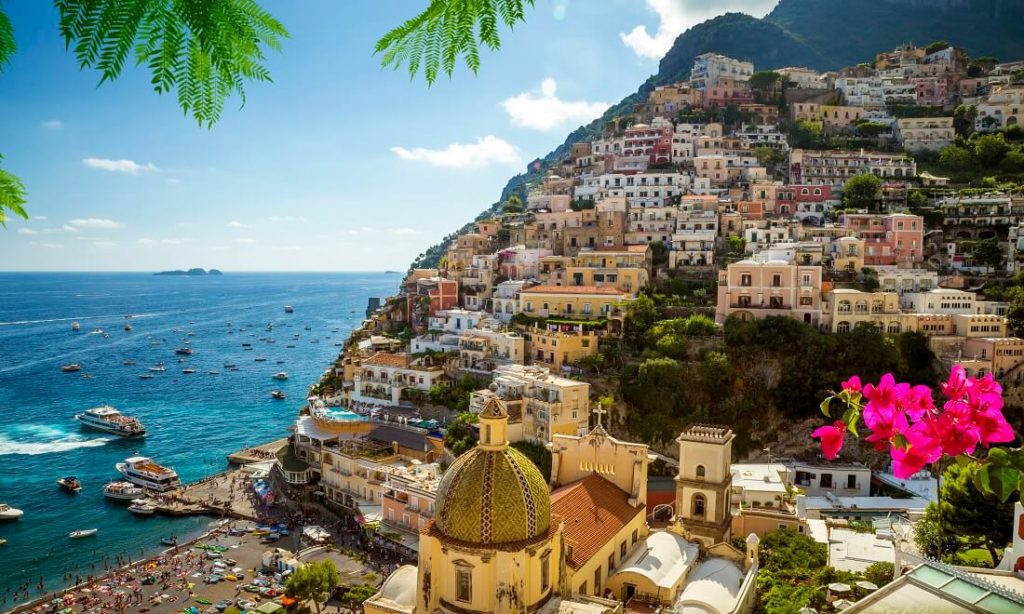
How to Get to the Amalfi Coast
Learn how to reach the stunning Amalfi Coast from Rome, Florence, Sorrento, Naples, Sicily, and the US. Discover travel tips, routes, and transport options for an unforgettable journey.
From Naples to the Amalfi Coast
Naples is a useful gateway for Positano and the western side of the coastline. After arriving at Napoli Centrale, travellers can continue towards Molo Beverello for seasonal ferry connections to Positano and Amalfi.
The port and railway station are not in the same area, so allow enough time for the journey across the city. Road transfers provide an alternative when ferry services are unavailable.
Naples is particularly convenient for itineraries that also include the city itself, Capri or the Sorrento Peninsula.
From Salerno to the Amalfi Coast
For Vietri sul Mare, Cetara, Maiori, Minori and Amalfi, Salerno is often the most straightforward starting point. The ferry departure area at Molo Concordia can be reached on foot from the railway station.
During the main ferry season, boats travel along the coast and continue towards Positano. Beginning the journey by sea avoids much of the road traffic and provides an immediate view of the villages from the water.
However you choose to explore it, the Amalfi Coast is best enjoyed slowly, leaving room for unexpected views, long lunches and the small moments that often become the most memorable part of the journey.