Compact, elegant, and woven with crystal-clear waterways, Treviso is the ideal northern Italian day trip. Located just 30 minutes north of Venice, this medieval walled town offers an intimate, relaxed alternative to its crowded neighbor, blending frescoed palaces, lively open-air markets, and world-class gastronomy into a seamless walking itinerary straight from Treviso Centrale station.
What makes Treviso the ideal day trip
Beyond its proximity to Venice, Treviso possesses a distinct personality shaped by art, water, and culinary tradition. Historically known as the Urbs Picta (painted city), its medieval and Renaissance building facades are adorned with elaborate frescoes, creating a unique open-air gallery along its historic streets.
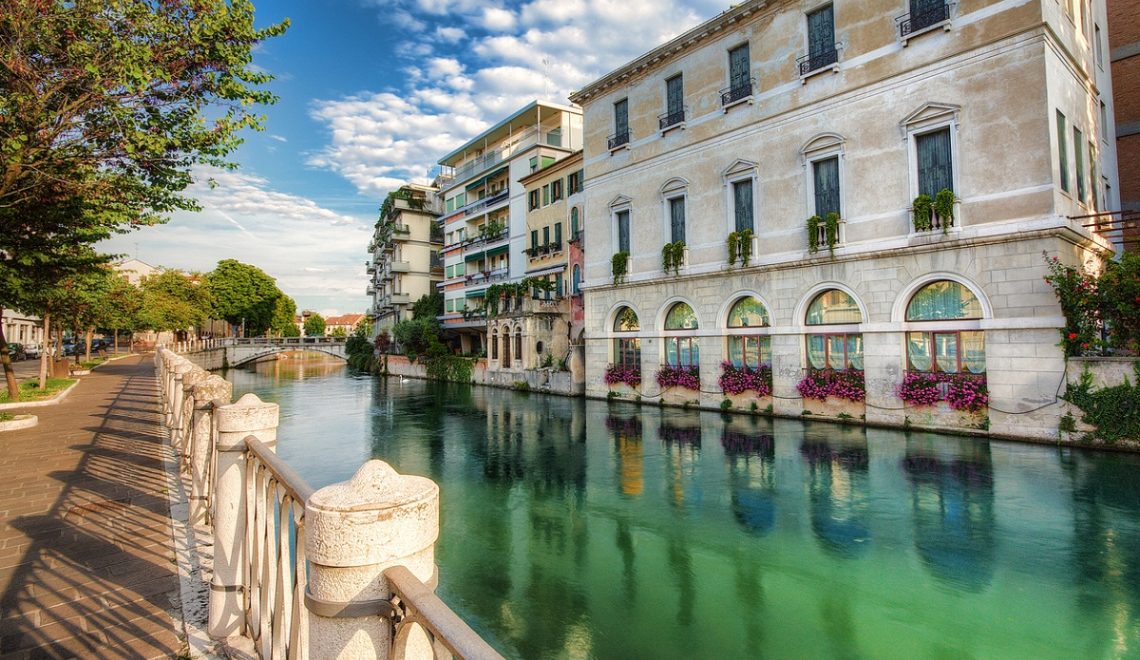
The city’s identity is equally defined by its aquatic geography. Fed by the meeting of the Sile and Botteniga rivers, a network of quiet canals flows under timber porticoes, powering ancient water wheels and framing picturesque residential corners. Combined with its status as the birthplace of Tiramisù and the gateway to the Prosecco hills, Treviso delivers a remarkably rich cultural experience wrapped in an uncrowded, local atmosphere.
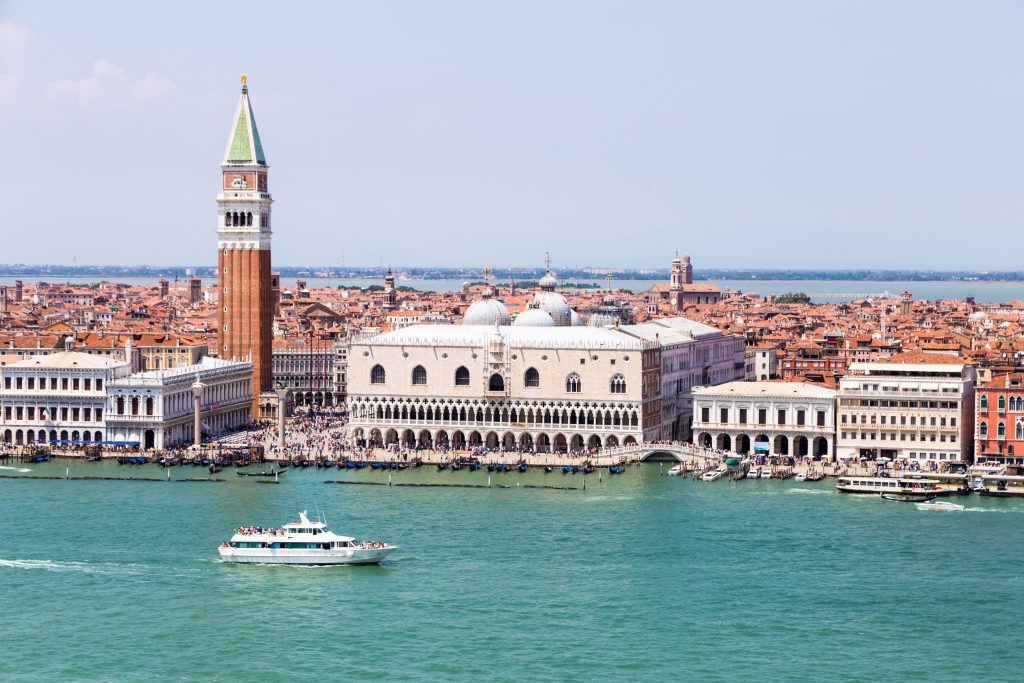
Venice in 1 day: a perfect itinerary for all the must-see sights
Venice can enchant you in just one day. Even with only 24 hours available, this itinerary helps you discover its iconic landmarks and romantic canals at a relaxed pace, capturing the true essence of this timeless city.
Treviso in one day: walking itinerary and best things to see
Map of a one-day itinerary in Treviso
| Destination | Focus of the Tour (Geographical Flow) |
| Treviso Centrale & Sile River | Begin at the railway station, crossing Ponte San Martino over the Sile River to enter the historic pedestrian core. |
| Piazza dei Signori & Palazzo dei Trecento | Explore the civic heart of the city, admire the 13th-century brick fortress, and observe daily life from the arcaded loggia. |
| Calmaggiore, Piazza Duomo & Fontana delle Tette | Follow the main porticoed street to Treviso Cathedral and its 11th-century crypt, then locate the famous 16th-century wine fountain. |
| Canale dei Buranelli & Isola della Pescheria | Wander along photogenic canal banks lined with historic townhouses, heading downstream to the willow-shaded fish market island. |
| Church of San Francesco | Visit the early Franciscan brick church housing the tombs of Dante’s son (Pietro Alighieri) and Petrarch’s daughter (Francesca Petrarca). |
| Porta San Tomaso & City Ramparts | View the 16th-century Venetian gate in Istrian stone and walk the elevated green parkway along the historic city walls. |
| Historic Center (Osterias & Piazzas) | Pause for an aperitivo with Prosecco Superiore and cicchetti, followed by authentic local dishes featuring Radicchio Rosso di Treviso IGP and classic Tiramisù. |
Treviso Centrale: start your walking itinerary
Your arrival at Treviso Centrale railway station places you at the ideal gateway for a pedestrian adventure. Leaving the station platforms behind, a brief walk northward takes you across the Ponte San Martino over the Sile River, officially welcoming you into the historic perimeter. As you transition away from the modern transit zone, wider avenues quickly narrow into cobblestone lanes lined with characterful arcades. The city’s urban geography is immediately evident as historic brickwork and gentle water currents frame your path. Within fifteen minutes, you seamlessly arrive near the central civic district, perfectly positioned to begin exploring the historic core.
Piazza dei Signori and Palazzo dei Trecento
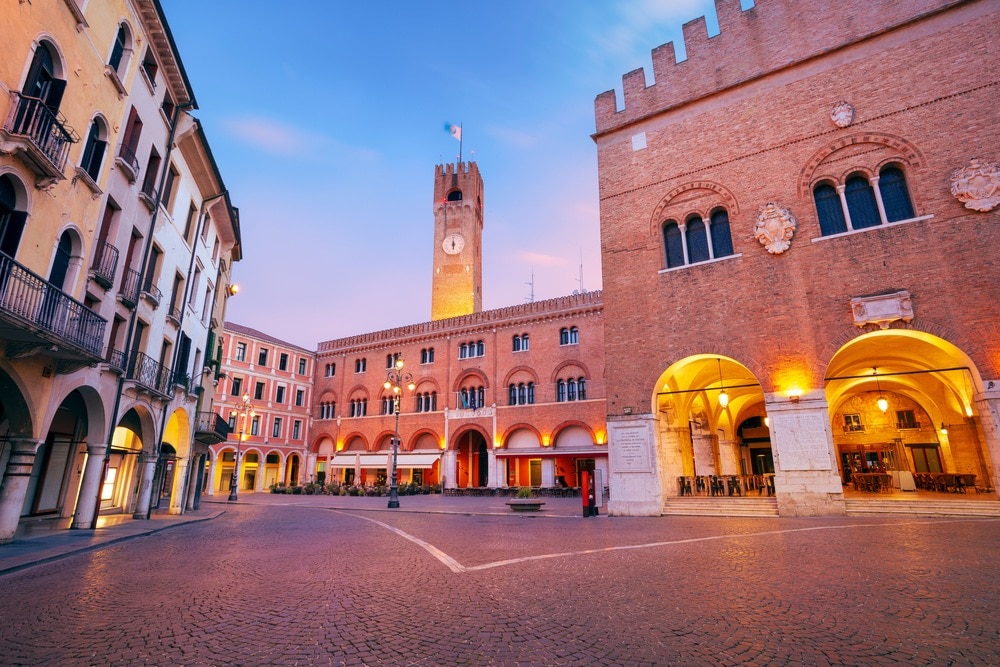
Piazza dei Signori serves as the vibrant social and architectural anchor of Treviso, drawing both locals and visitors to its open-air sitting rooms. Framing the northern edge of the square stands the monumental Palazzo dei Trecento, an impressive 13th-century brick fortress historically known as the Palazzo della Ragione. Constructed as the seat for the city’s council of three hundred citizens during its era as an independent medieval commune, the hall remains a symbol of municipal pride. The ground-floor loggia provides shade for bustling outdoor café tables where you can observe daily civic life. Above, battlements and arched windows recall the region’s rich heritage, making this lively square an essential first landmark on your walking route.
Calmaggiore, Treviso Cathedral and Fontana delle Tette
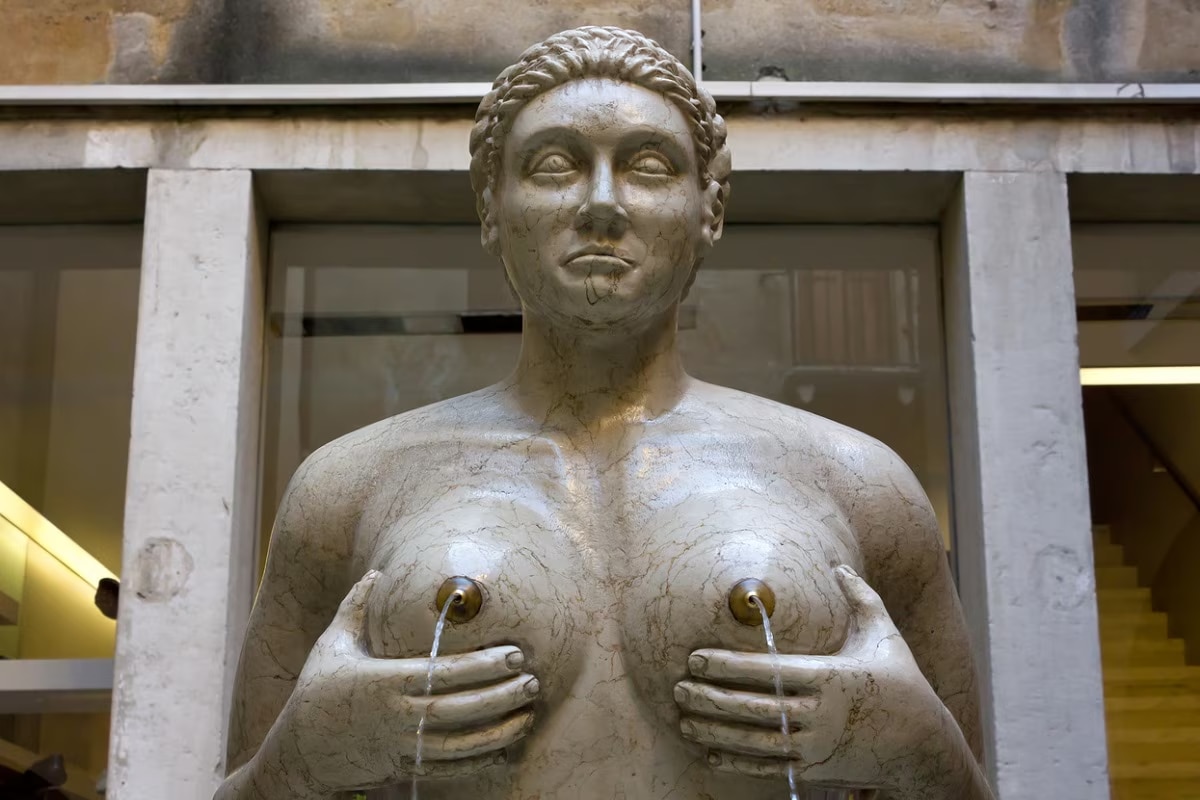
Stepping away from the main square along Calmaggiore reveals Treviso’s principal historic thoroughfare, famed for its sweeping vaulted porticoes and boutique shops. This noble street leads directly to Piazza Duomo, home to the multi-domed Treviso Cathedral dedicated to St. Peter the Apostle. Rebuilt across several centuries, the grand neoclassical facade conceals an ancient 11th-century crypt beneath its choir, housing precious Romanesque columns and religious relics. Nearby, tucked within a quiet courtyard passage, lies the famous Fontana delle Tette. Sculpted in 1559 following a severe drought, this curious fountain famously spouted free white and red wine for three days straight during Venetian festival celebrations, offering a quirky glimpse into the city’s colorful folklore.

A Beginner’s Guide to Italian White Wine
Among the various types of Italian wines, white wines hold a special place, offering a diverse range of flavors, aromas, and styles. This guide will introduce you to the world of Italian white wines, highlighting key regions, popular varieties, and tips for enjoying these delightful beverages.
Canale dei Buranelli and Pescheria Island
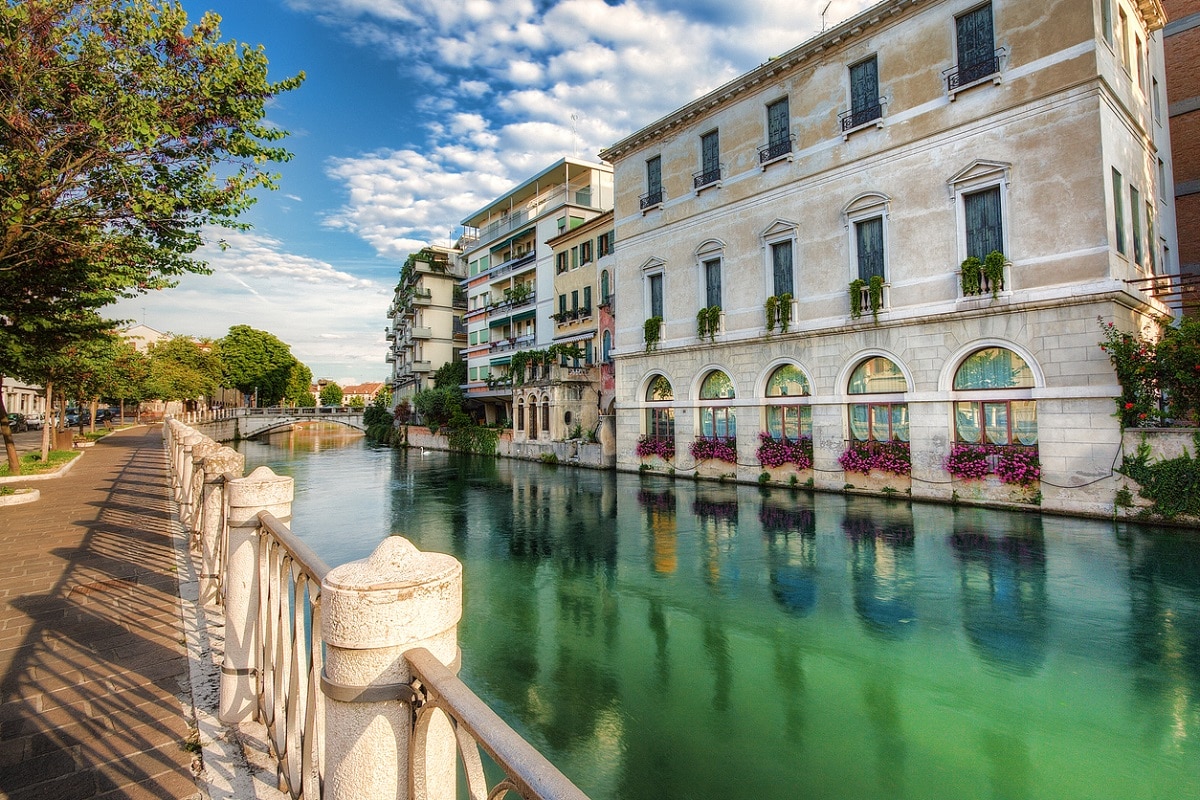
The urban scenery transforms dramatically along the Canale dei Buranelli, arguably the most picturesque aquatic quarter in the entire city. Historic brick townhouses, overgrown balconies, and low stone bridges overhang the clear water, reflecting soft pastel shades along the canal bed. Named after the Venetian merchants from Burano who once established their trading posts and residences along these banks, the waterway exudes an authentic maritime charm. A short stroll downstream leads directly to Isola della Pescheria, a charming river island situated on the Cagnan Grando channel. Designed in the 19th century to house the city’s vibrant daily fish market, this shady islet surrounded by weeping willows and iron stalls remains one of Treviso’s most atmospheric locations.
Church of San Francesco
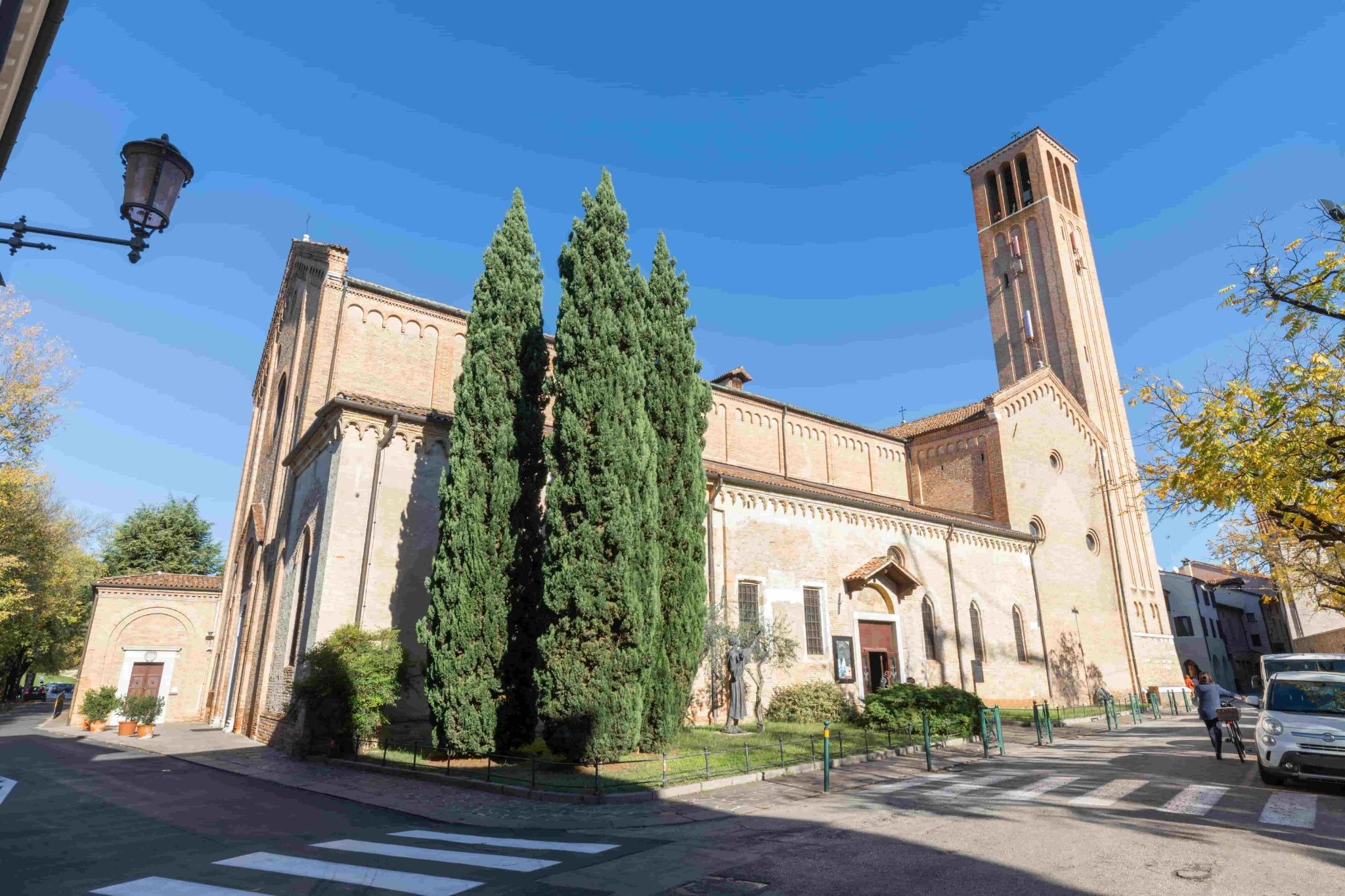
Standing in a quiet neighborhood square, the Church of San Francesco represents a masterclass in early Franciscan architecture. Constructed between 1230 and 1270, the building marks a fascinating transition between austere Romanesque proportions and early Italian Gothic elements, characterized by its soaring timber ceiling and tall brick nave. Beyond its architectural significance, the church preserves extraordinary literary connections that attract history enthusiasts from across the globe. Inside the tranquil interior lie the final resting places of Pietro Alighieri, Dante’s eldest son and commentator, alongside Francesca Petrarca, the beloved daughter of Renaissance poet Petrarch. The simple stone monuments offer a profound connection to two of Italy’s greatest literary dynasties.
Porta San Tomaso and Treviso’s city walls
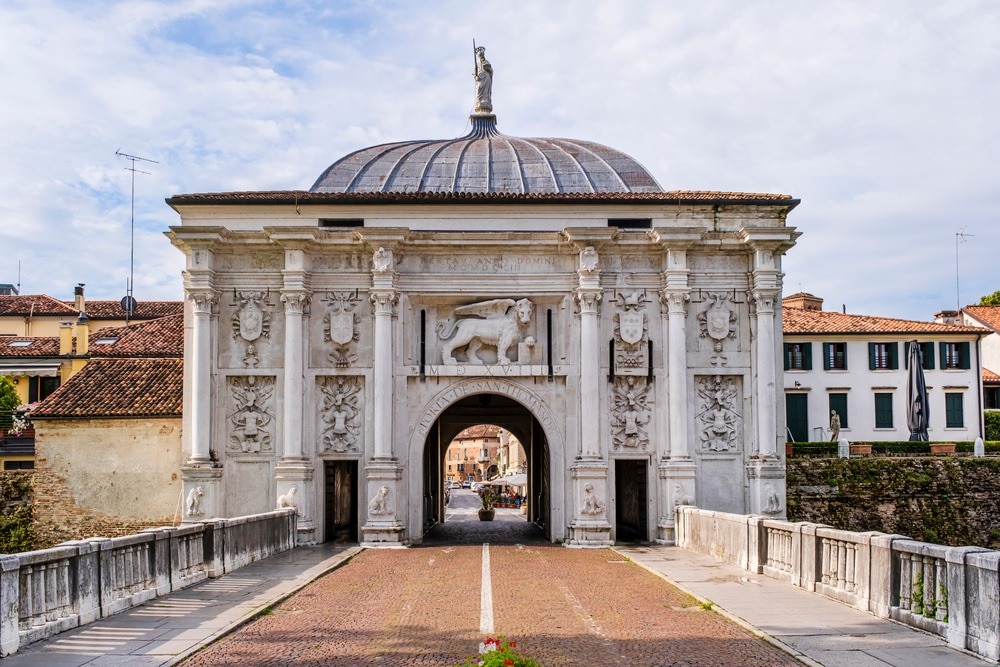
Heading toward the northern edge of the old town brings you to Porta San Tomaso, the grandest gate among Treviso’s surviving Renaissance fortifications. Erected in 1518 under Venetian rule, this imposing structure features a decorative facade clad in bright Istrian stone, crowned by a majestic Lion of Saint Mark and named after Saint Thomas of Canterbury. Beyond the gate lies the northern stretch of the 16th-century ramparts, designed by military engineer Fra Giocondo. Today, these massive earthworks and brick walls have been transformed into an elevated green parkway, lined with mature trees, walking paths, and moat-fed waterways that offer elevated views over both the historic center and the distant countryside.
Best things to do in Treviso along the way
Walk along the canals and waterways
Water defines Treviso’s geography, flowing through a labyrinth of channels fed by the alpine Botteniga and Sile rivers. Beyond the primary sightseeing spots, wandering along lesser-known waterways like the Canale delle Convertite or the Riviera Margherita reveals silent residential corners where ancient water wheels still creak gently against stone walls. The clear, constant current brings a refreshing breeze and a unique acoustic backdrop to the city’s pedestrian streets. Taking time to follow these winding channels allows you to admire timber bridges, private gardens dipping into the water, and frescoed facades that reflect beautifully in the current, showcasing a side of Treviso that feels entirely disconnected from modern urban hurry.
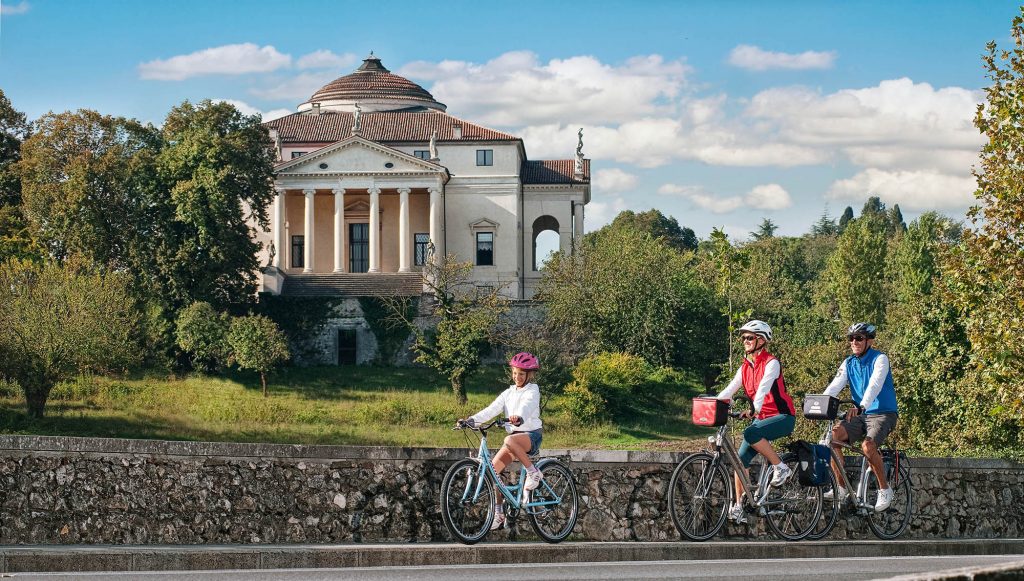
Things to do in Veneto Seven experiences in the city, the lakes and the mountains
Undecided about what to do in Veneto with options that range from art cities, mountain trekking, and lake bike tours? Choose the itinerary that best suits you and leave with Italo!
Enjoy an aperitivo in the historic centre
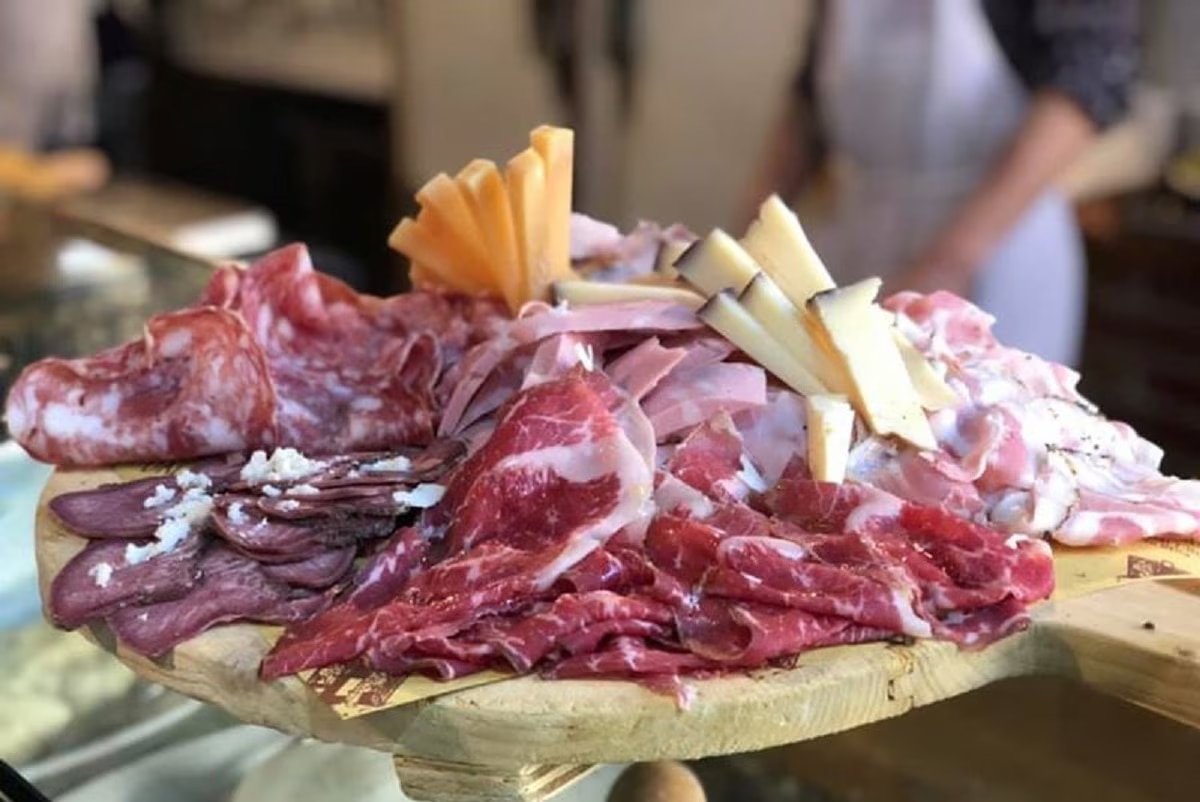
As late afternoon approaches, the local population gathers under the porticoes and along the canal banks for the cherished ritual of the Venetian aperitivo. Treviso lies at the doorstep of the Prosecco hills, making a chilled glass of Prosecco Superiore di Conegliano-Valdobbiadene DOCG the traditional beverage of choice. Pair your glass with cicchetti—traditional small Venetian bar bites ranging from creamy baccalà mantecato on grilled polenta to local cured meats and marinated seafood. Choosing a table in Piazza dei Signori or along the water in the Pescheria district lets you soak in the warm evening atmosphere, conversing with locals and enjoying the relaxed lifestyle that defines daily life in the region.
Taste traditional Treviso food and local specialities
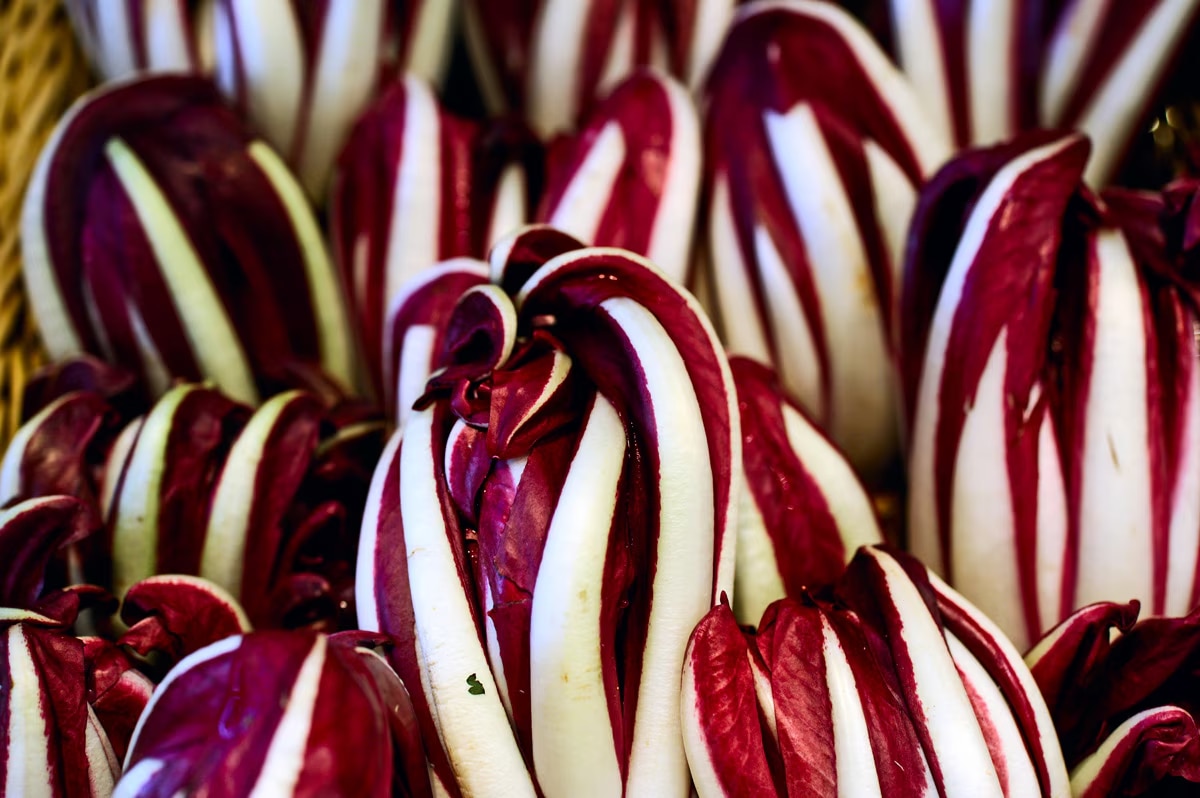
Treviso boasts a world-class culinary identity deeply rooted in the agricultural traditions of the surrounding countryside. The undisputed star of local gastronomy is Radicchio Rosso di Treviso IGP, a winter chicory prized for its crunchy texture and pleasantly bitter profile, featured in creamy risottos, handmade pasta, and wood-fired preparations. No meal in Treviso is complete without honoring its most famous global creation: authentic Tiramisù. Born in the city’s historic restaurants during the mid-20th century, this legendary dessert combines espresso-soaked savoiardi biscuits, rich mascarpone cream, and bitter cocoa powder into a heavenly balance. Enjoying a slow lunch or dinner at a neighborhood osteria elevates your day trip into an unforgettable culinary journey.
How to get to Treviso with Italo

Have you put this enchanting canal city on your list and wondered about the easiest way to get there? Italo offers daily high-speed trains directly to Treviso, connecting you smoothly from major hubs across Italy straight into Treviso Centrale. Leaving the car behind means pure relaxation—no highway traffic, parking stress, or restricted traffic zones (ZTL). You also gain total freedom to enjoy local Radicchio dishes and an extra glass of Prosecco at aperitivo hour without thinking twice about driving. Just minutes after stepping off the platform, you’ll be strolling beneath historic arcades and along romantic waterways.
Planning to extend your getaway? A short train ride away lies another Veneto jewel: discover Vicenza and its famous Palladian Villas, UNESCO treasures scattered around the city!