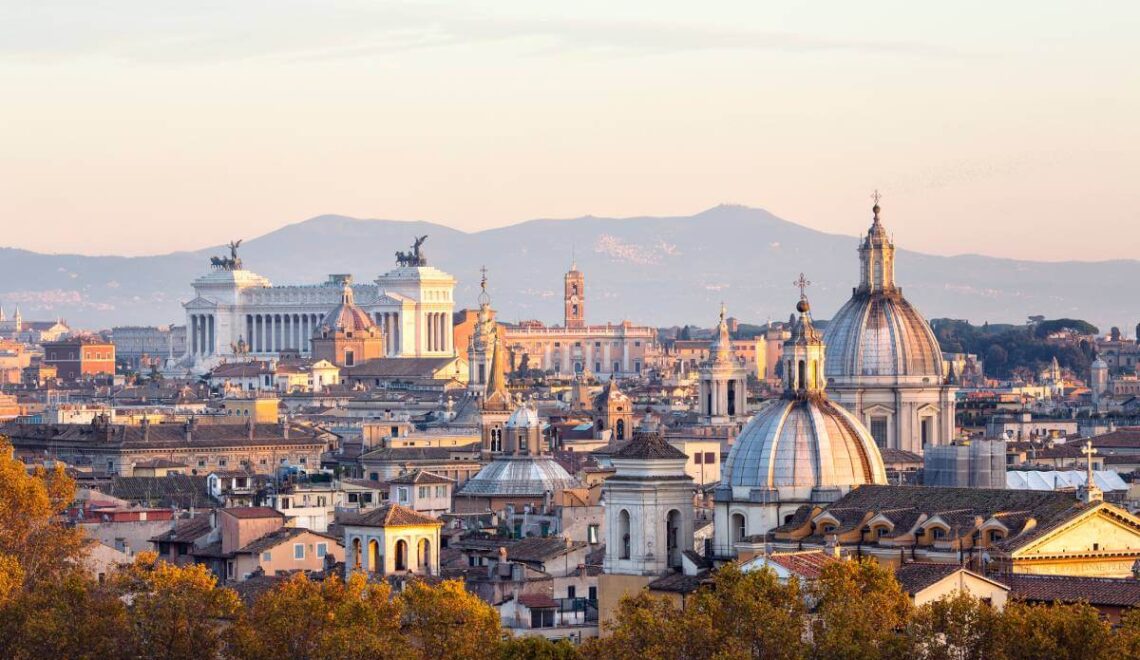
Seven days in Rome give you something shorter trips rarely allow: the time to see world-famous monuments without exhausting yourself. This one-week itinerary balances the heavy hitters—Ancient Rome, Vatican City, world-class art galleries—with quiet green spaces, residential food districts, and evening wanderings along cobbled lanes. Starting right from Roma Termini station, this route groups attractions geographically so you spend less time commuting and more time enjoying long lunches in local trattorias.
- 1 Why Seven Days in Rome Just Works
- 2 7-Day Rome Itinerary
- 3 Essential Planning Tips Before You Start
- 4 Day 1: Ancient Rome & The Historic Centre
- 5 Day 2: Vatican City & The Tiber Riverfront
- 6 Day 3: Historic Piazzas & Evening in Trastevere
- 7 Day 4: Borghese Gardens, Fine Art & Shopping
- 8 Day 5: Aventine Hill & Testaccio Food District
- 9 Day 6: The Appian Way & Aqueducts
- 10 Day 7: Imperial Basilicas & The Character of Monti
- 11 Getting to Rome with Italo
Why Seven Days in Rome Just Works
A full week in Rome gives you the one thing most trips lack: space to breathe. Starting right from Roma Termini station, this route groups attractions geographically so you spend less time commuting and more time exploring district by district. You can easily pair heavy hitters like the Colosseum with long lunches in neighborhood trattorias—ticking off the icons, avoiding burnout, and truly enjoying the Roman pace of life.
7-Day Rome Itinerary
Map of a one-week itinerary in Rome
| Day | Activities | Area |
| 1 | Colosseum, Roman Forum, Palatine Hill, Trevi Fountain, and Spanish Steps. | Ancient Rome & Historic Centre |
| 2 | St. Peter’s Basilica, Vatican Museums, Sistine Chapel, and Castel Sant’Angelo. | Vatican City & Prati |
| 3 | Piazza Navona, The Pantheon, Campo de’ Fiori market, and evening in Trastevere. | Historic Piazzas & Trastevere |
| 4 | Borghese Gallery, Villa Borghese Gardens, Pincio Terrace, and shopping on Via Condotti. | Villa Borghese & Spagna |
| 5 | Aventine Keyhole, Orange Garden, Baths of Caracalla, and food tasting in Testaccio. | Aventine & Testaccio |
| 6 | Cycling along Via Appia Antica, visiting the Catacombs, and Parco degli Acquedotti. | Appian Way |
| 7 | Basilica of Santa Maria Maggiore, San Giovanni in Laterano, and aperitivo in Monti. | Monti & Esquiline |
Essential Planning Tips Before You Start
- Book key sights weeks in advance: Major attractions like the Colosseum, Vatican Museums, and Borghese Gallery sell out well ahead of time. Secure official timed-entry tickets online weeks before your train arrives to skip the longest lines and lock in your preferred time slots.
- Prioritise comfortable footwear: Expect to log between 15,000 and 20,000 steps a day across Rome’s historic sampietrini (cobblestones), which are notoriously uneven and slippery. Swap thin sandals or flat shoes for sturdy, well-cushioned walking sneakers.
- Use public transport strategically: Central Rome is wonderfully walkable, but Metro Lines A and B alongside key local buses (like line 118 to the Appian Way) save crucial energy on longer cross-town stretches. You can simply tap any contactless bank card at turnstiles and bus readers to pay as you go.
- Stay hydrated for free at the nasoni: Carry a reusable water bottle throughout your trip. Rome is dotted with over 2,500 historic public drinking fountains (nasoni) dispensing fresh, cold spring water completely free of charge.
- Keep a light cover-up handy: When visiting St. Peter’s Basilica, the Vatican Museums, or any active church, shoulders and knees must be covered. Packing a lightweight shawl or scarf in your daypack makes it easy to stay compliant without overheating in warmer weather.
Rome’s station-museums: when the metro becomes a journey through history
Rome is redefining urban mobility by turning metro stations into underground exhibition spaces. Line C leads this vision, transforming transit into a cultural experience right at the heart of the Capital.
Day 1: Ancient Rome & The Historic Centre
The Colosseum, Forum & Palatine Hill
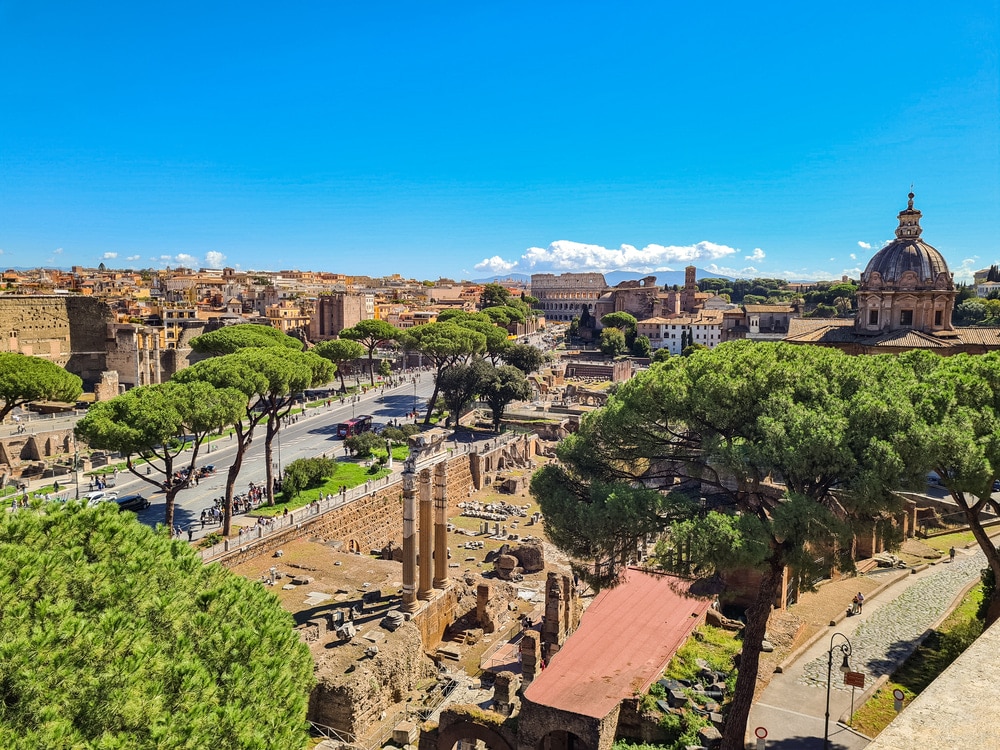
Step out at Roma Termini and take Metro Line B directly to Colosseo. Exiting the station puts you right in front of the Flavian Amphitheatre. After taking in the exterior, head inside with your pre-booked ticket to explore the tiers where gladiatorial contests took place.
Adjacent to the Colosseum lies the entrance to the Roman Forum and Palatine Hill. Walk along the Via Sacra among ruined temples, arches, and the ancient Senate House (Curia). Climb Palatine Hill for panoramic views across the ruins and the Circus Maximus below. Walking among these monumental ruins offers a deep sense of how Imperial Rome operated at its peak. Don’t miss taking a quiet moment on Palatine Hill to admire the pine-framed vistas overlooking the entire archaeological valley.
From Piazza Venezia to the Spanish Steps
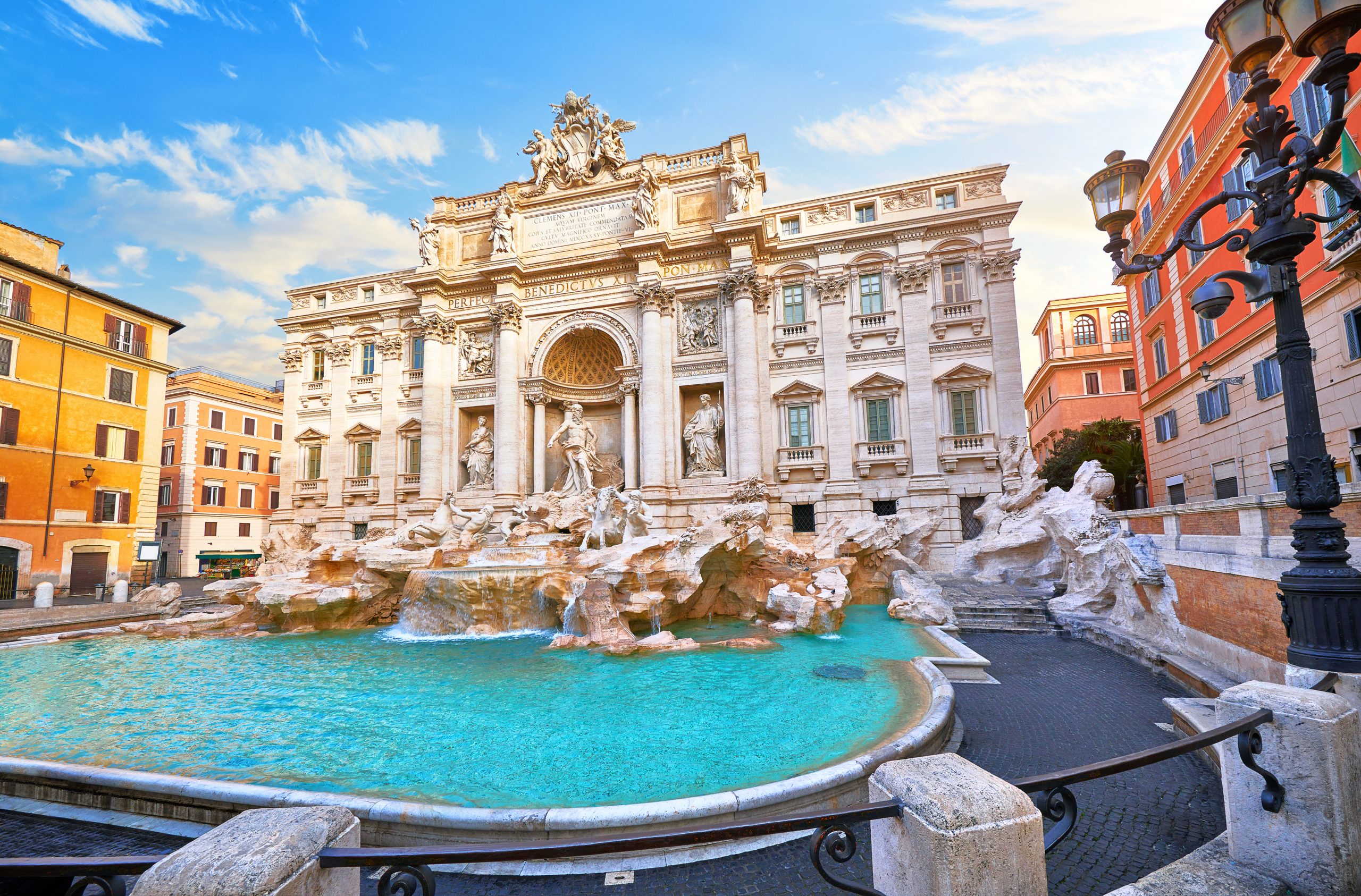
Heading northwest past the Monument to Victor Emmanuel II (Altare della Patria) brings you into the commercial heart of the city.
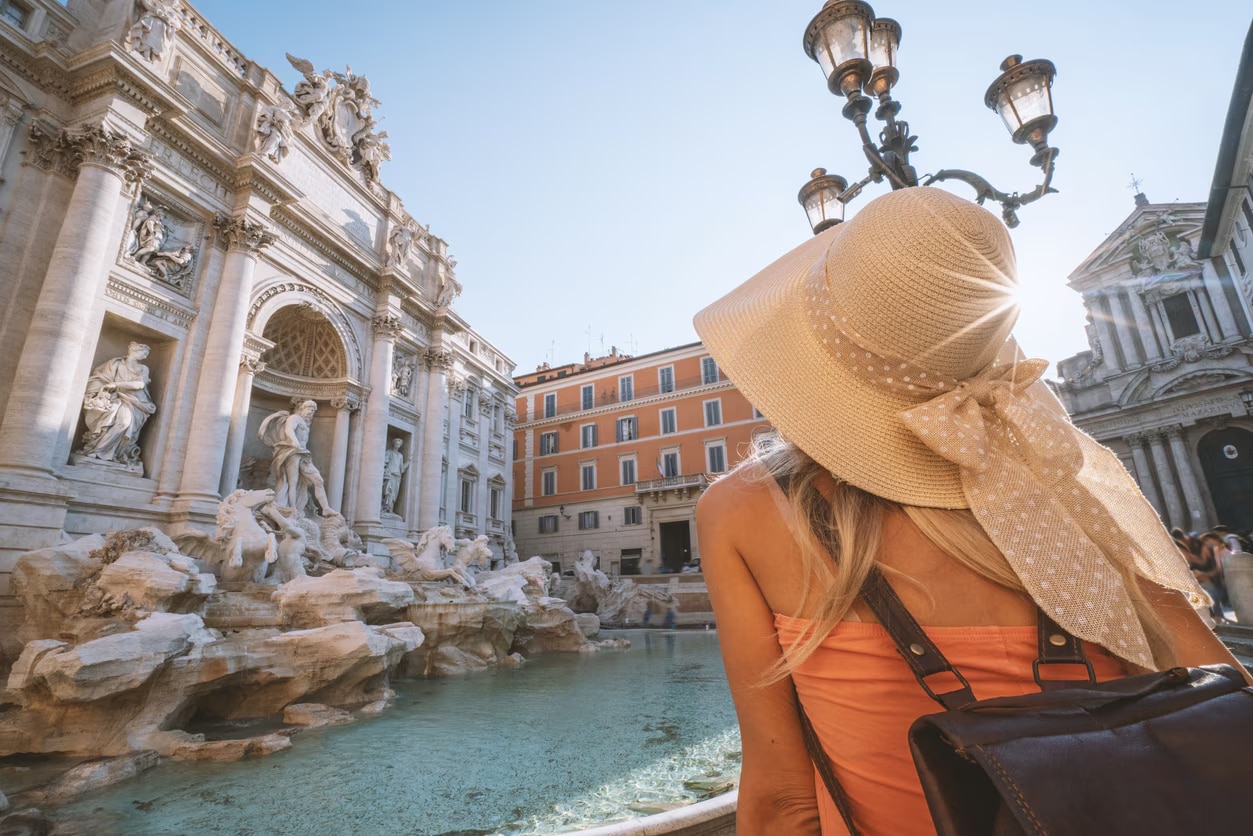
- Trevi Fountain: Tucked into a compact square, Nicola Salvi’s Baroque masterpiece is always lively. Throw a coin over your left shoulder to ensure your return to Rome.
- Piazza di Spagna & Spanish Steps: End your afternoon climbing the 135 steps leading to the Trinità dei Monti church. The surrounding streets, such as Via Babuino and Via Margutta, offer quiet corners ideal for a late afternoon espresso.
As dusk falls, the marble façades and fountains along this route are beautifully illuminated, creating a completely different, romantic atmosphere. It is the perfect transition from ancient history to the vibrant evening energy of modern Rome.
Romantic Getaways in Italy: Top Destinations for Couples
Discover the allure of Italy, a nation celebrated for its romantic ambiance, rich culture, and historical depth. Whether it’s for a honeymoon, an anniversary celebration, or a quest for a romantic retreat, Italy’s varied landscapes provide an idyllic setting for love to flourish.
Day 2: Vatican City & The Tiber Riverfront
St. Peter’s Basilica & The Vatican Museums
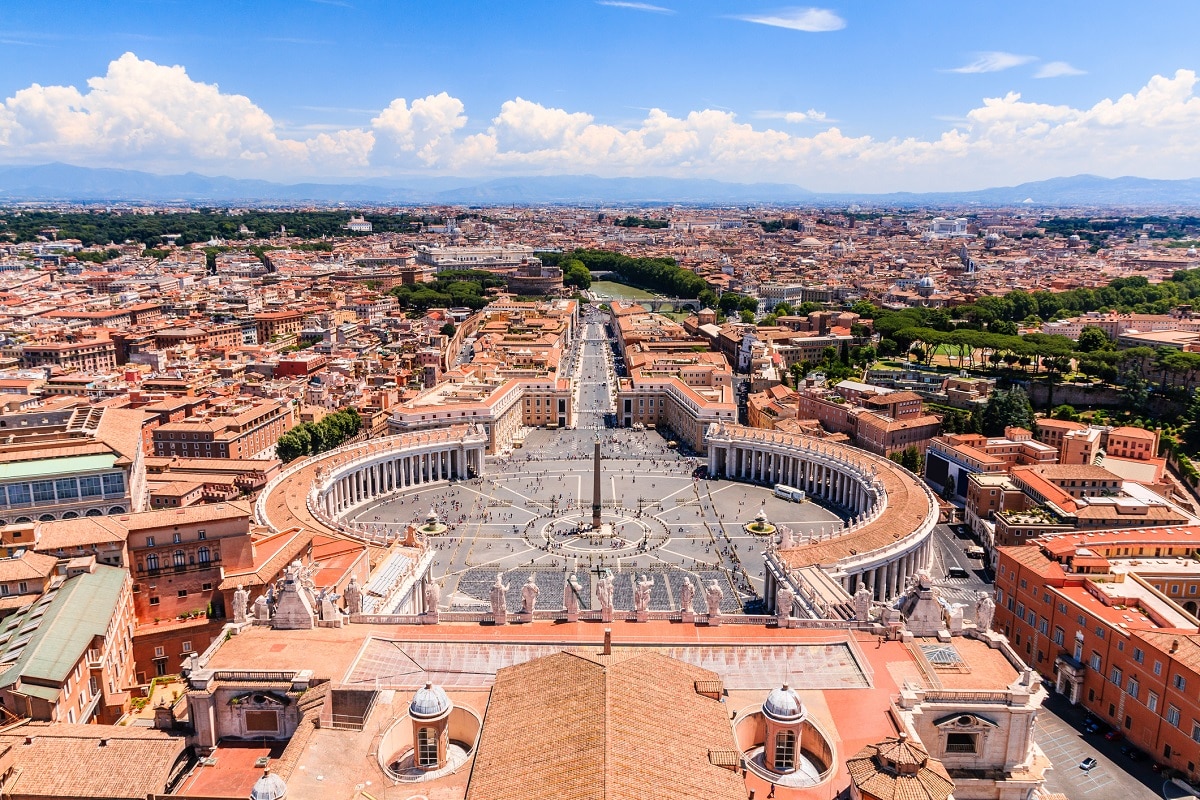
Start early in St. Peter’s Square to beat the security queues. Bernini’s sweeping colonnade frames the approach to Christendom’s largest church. Inside, look for Michelangelo’s Pietà and Bernini’s bronze Baldachin. If you are up for a climb, the 551 steps to the top of the dome reward you with one of the best perspectives over Rome.
A short walk along the Vatican walls leads to the Vatican Museums. Focus your energy on key sections:
- The Map Gallery and Tapestries Gallery
- The Raphael Rooms (Stanze di Raffaello)
- The Sistine Chapel, featuring Michelangelo’s breathtaking ceiling and The Last Judgment
Taking time to appreciate the sheer craftsmanship of the Vatican’s endless corridors makes the journey to the Sistine Chapel even more rewarding. Be sure to dress respectfully with covered shoulders and knees to ensure smooth access into all holy sites.
Castel Sant’Angelo
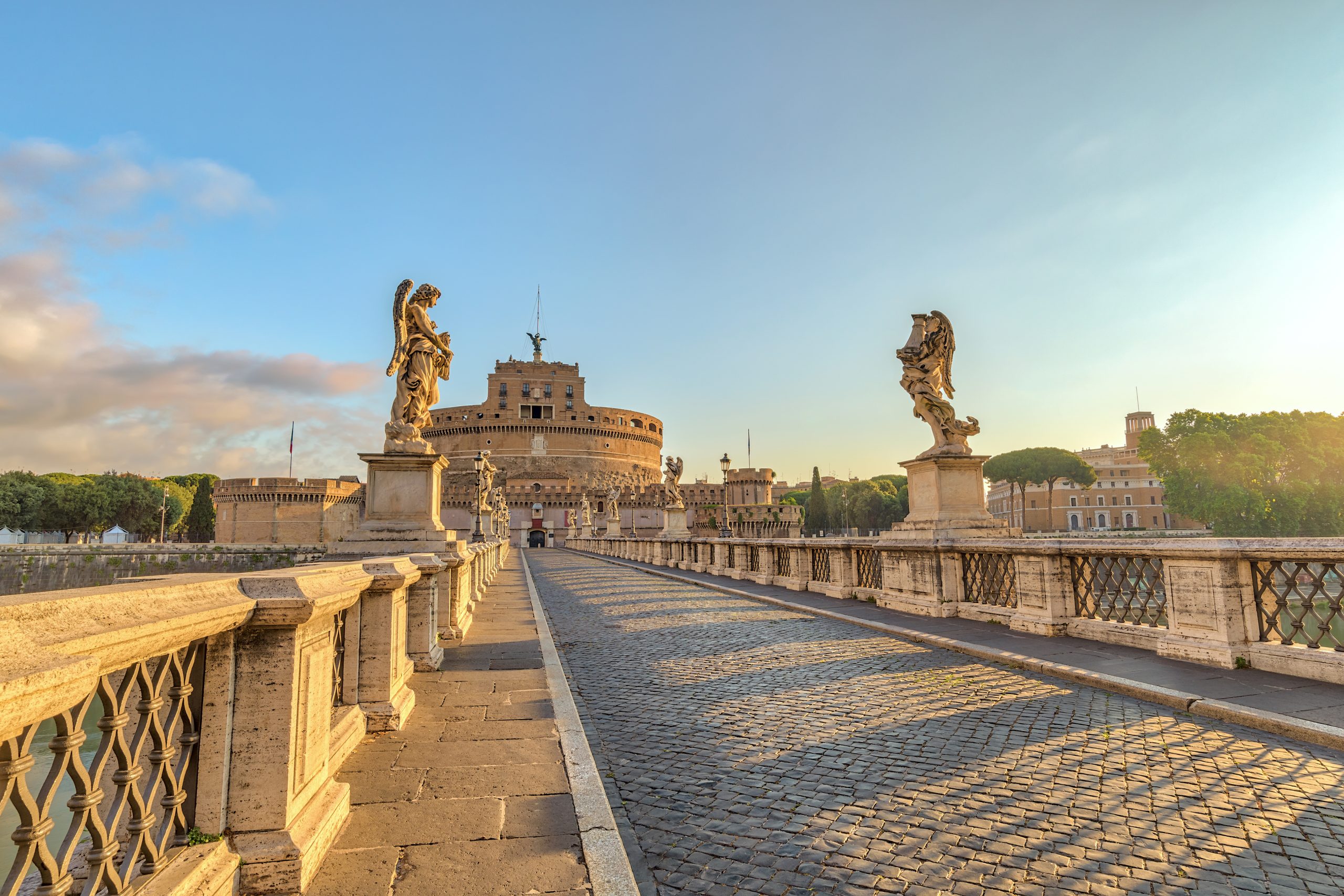
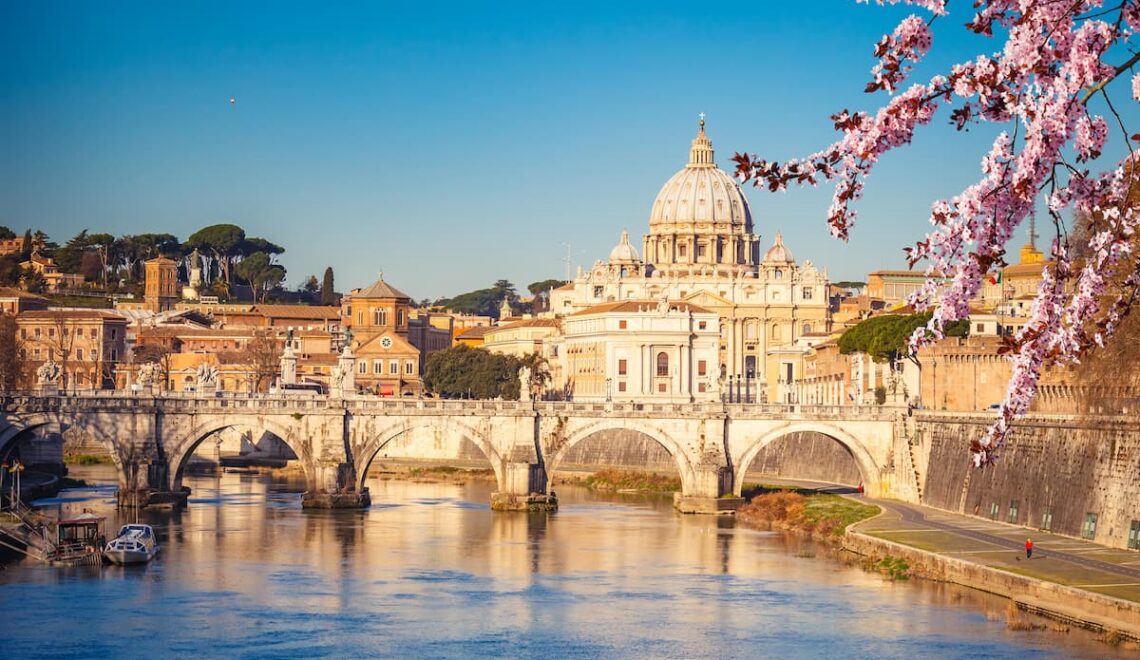
Follow the Tiber River east towards Castel Sant’Angelo. Originally built as a mausoleum for Emperor Hadrian, this fortress was later used by popes as a refuge during sieges. Cross the pedestrian Ponte Sant’Angelo, lined with Bernini-designed angel statues, as the streetlights begin to flicker on along the river.
The rooftop terrace of the castle provides an incredible panoramic view of St. Peter’s dome framed against the skyline. Crossing the bridge at golden hour is also one of the finest photography spots in the entire city.
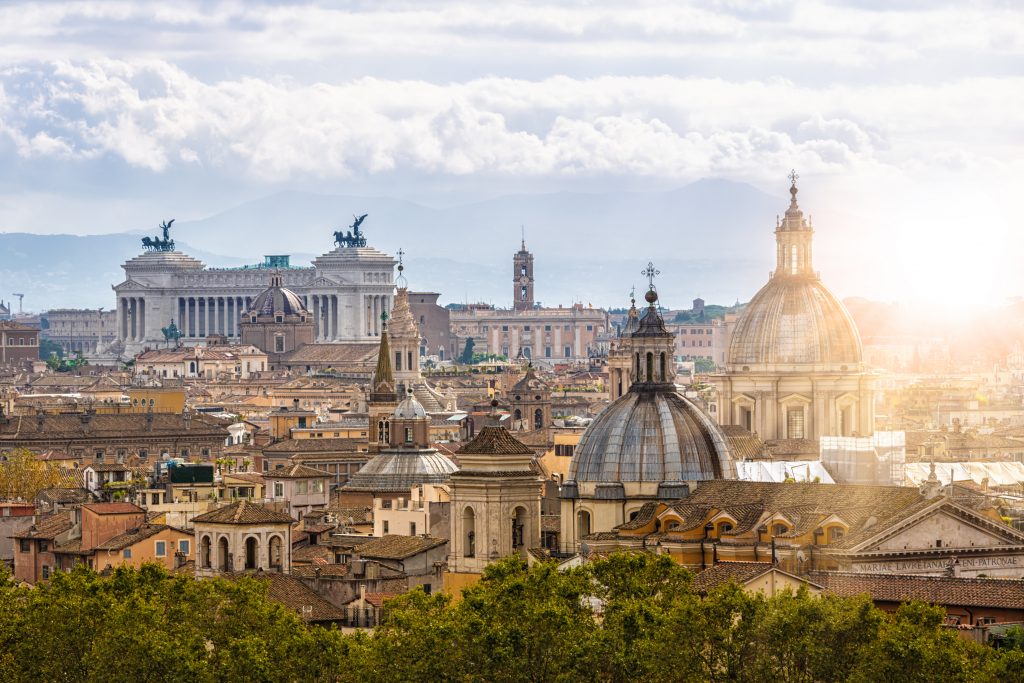
What to see in Rome: the ultimate guide to must-see places
Rome is a city of grand emotions but also of small, intimate surprises: a sunset from the Janiculum Hill, a lantern-lit alley in Trastevere, a plate of carbonara served in a family-run trattoria. Visiting Rome means embracing a total experience where art, history, faith, and everyday life weave together into a timeless mosaic.
Day 3: Historic Piazzas & Evening in Trastevere
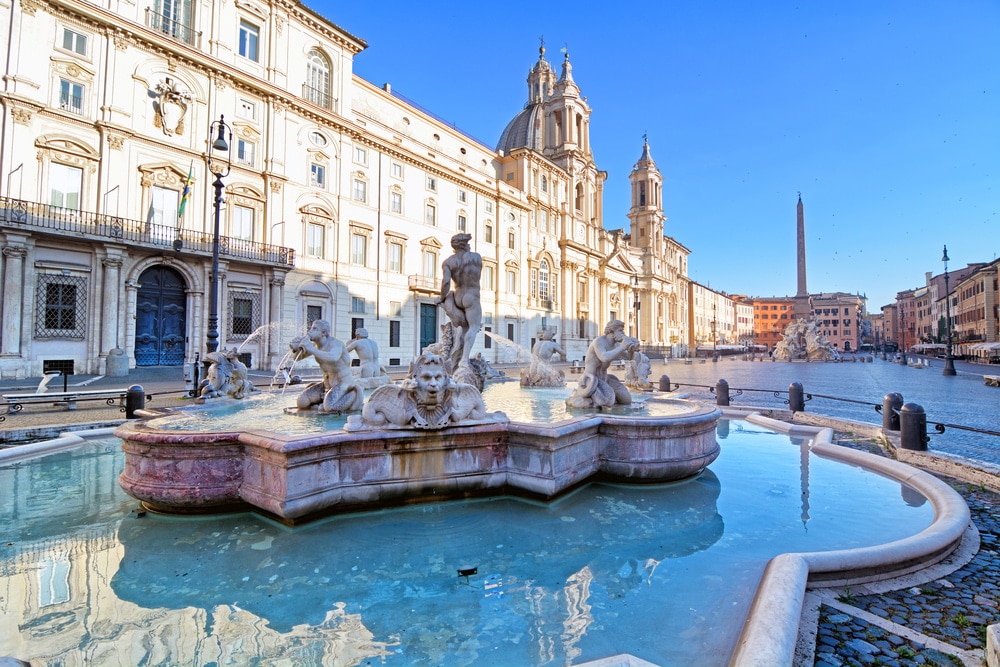
Built directly over the 1st-century Stadium of Domitian, Piazza Navona retains the elongated oval shape of the ancient athletic arena. Today, it stands as one of Rome’s most magnificent Baroque showcases, defined by dramatic fountains, open-air cafes, and lively street performers. At its center rises Bernini’s masterwork, the Fountain of the Four Rivers (Fontana dei Quattro Fiumi), featuring giant river gods dramatically supporting an Egyptian obelisk. Directly facing it is Borromini’s striking church of Sant’Agnese in Agone. Taking a moment to walk its wide cobblestone expanse lets you appreciate how ancient entertainment spaces evolved into vibrant modern gathering spots.
The Pantheon
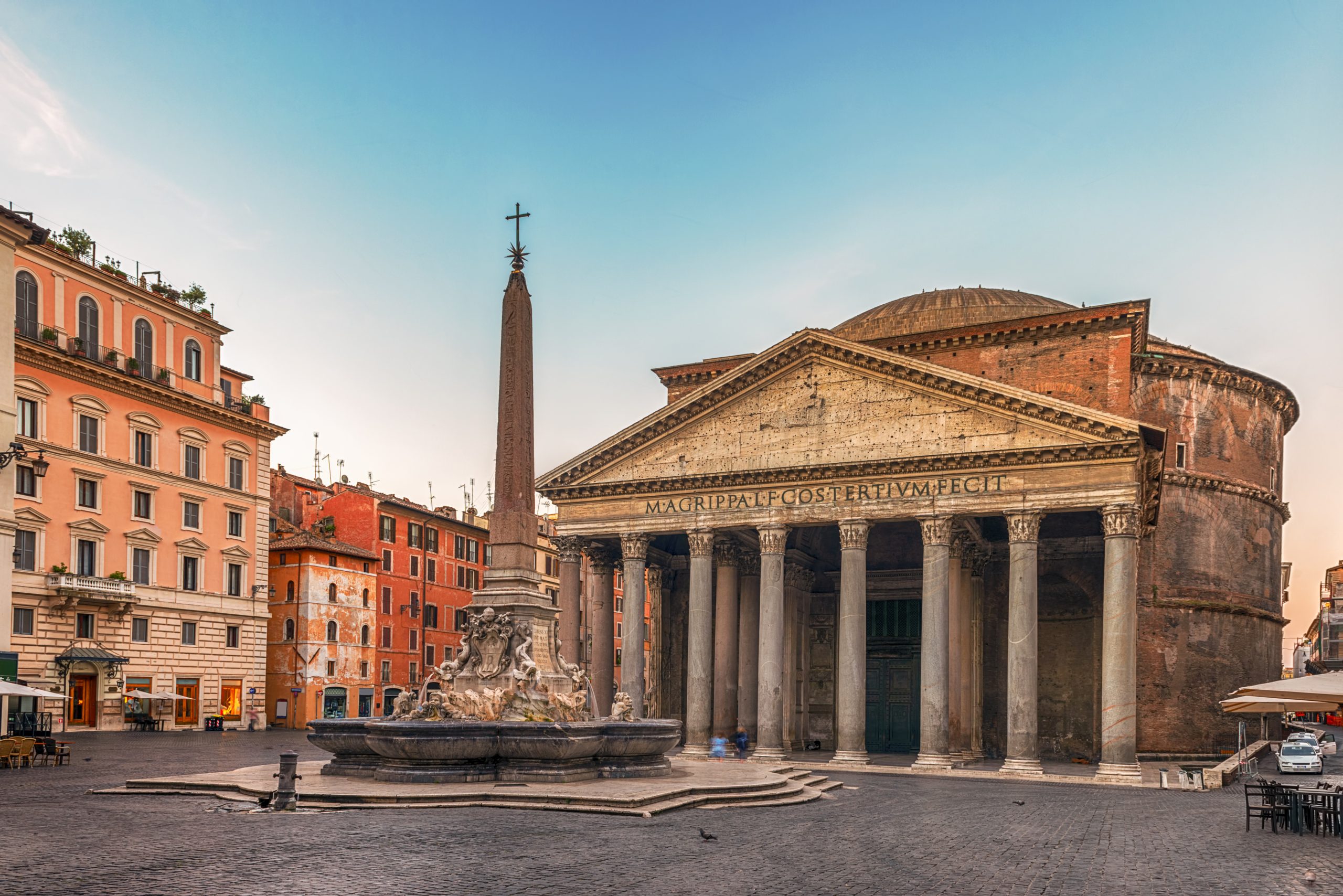
A short stroll through narrow pedestrian lanes brings you to the Pantheon, extraordinarily well-preserved since its completion under Emperor Hadrian in 126 AD. Step past the massive Corinthian monoliths into a vast interior crowned by the world’s largest unreinforced concrete dome. Sunlight streams through the central oculus, illuminating the patterned marble floors and ancient tombs within, including that of Renaissance master Raphael. Now operating as an active basilica, its flawless mathematical geometry remains one of antiquity’s supreme engineering triumphs. Grabbing an espresso at a café in Piazza della Rotonda right outside lets you soak in the view of its monumental facade.
Campo de’ Fiori
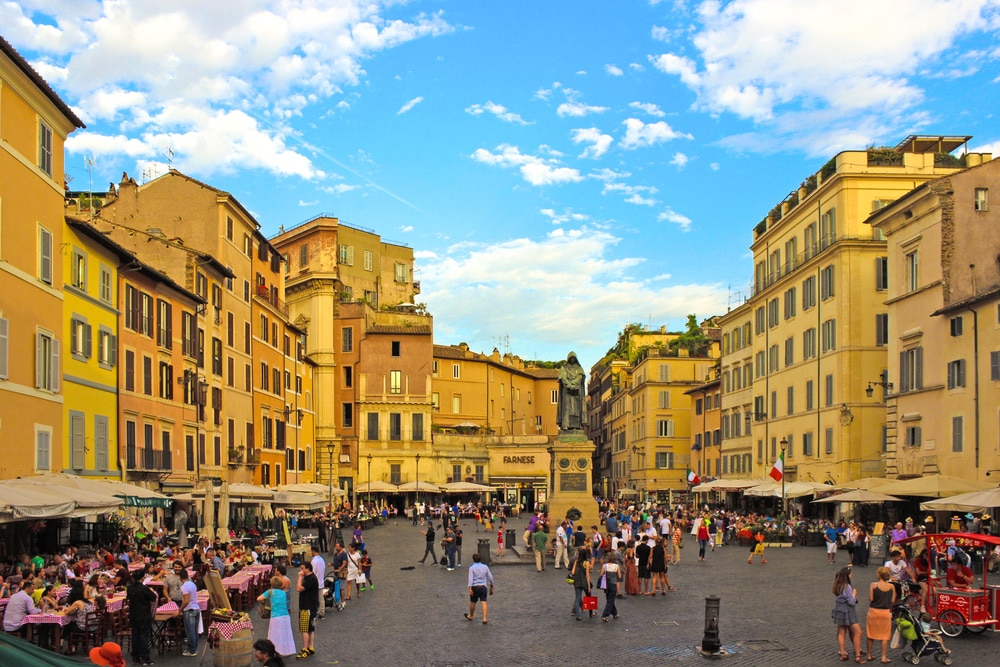
Continue south towards Campo de’ Fiori, a historic square that transforms every morning into a bustling open-air market. Stalls overflow with fresh local produce, vibrant flowers, Roman spices, and artisanal olive oils, making it a favorite morning stop for locals and visitors alike. Standing silently at its center is the sombre bronze statue of philosopher Giordano Bruno, erected on the exact spot of his execution in 1600. Surrounded by traditional bakeries and lively trattorias, the square offers a grounded slice of daily Roman life. Wandering through the adjacent lanes, such as Via dei Cappellari, reveals historic artisan workshops and quiet corners hidden just steps from the market noise.
Crossing to Trastevere
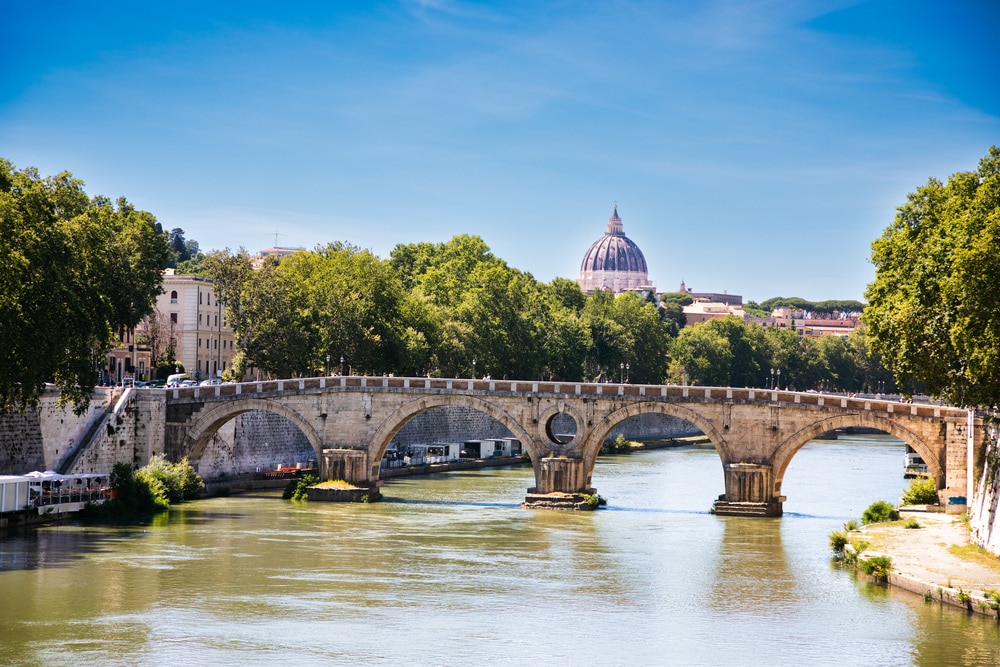
Cross the Tiber via the pedestrian bridge Ponte Sisto into Trastevere. Known for its vine-draped ochre buildings, this neighbourhood comes alive in the late afternoon.
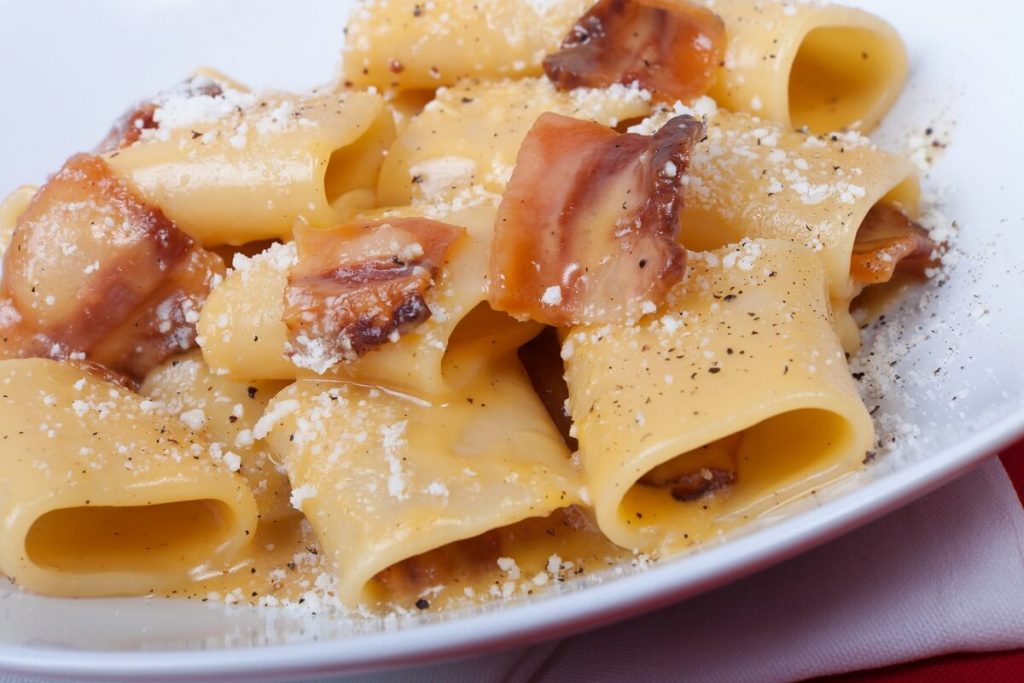
Wander past the medieval mosaics at the Basilica of Santa Maria in Trastevere, then grab a table outdoors for dinner. Trastevere is famous for classic Roman pasta dishes—try Carbonara, Cacio e Pepe or Rigatoni all’Amatriciana at a traditional neighborhood trattoria.
Best carbonara in Rome: the top 10 restaurants for locals
Discover where to find the best pasta carbonara in Rome with our expert guide. From classic trattorias to modern eateries, taste the authentic flavors of this Roman delicacy in the heart of Italy.
Day 4: Borghese Gardens, Fine Art & Shopping
Borghese Gallery & Park
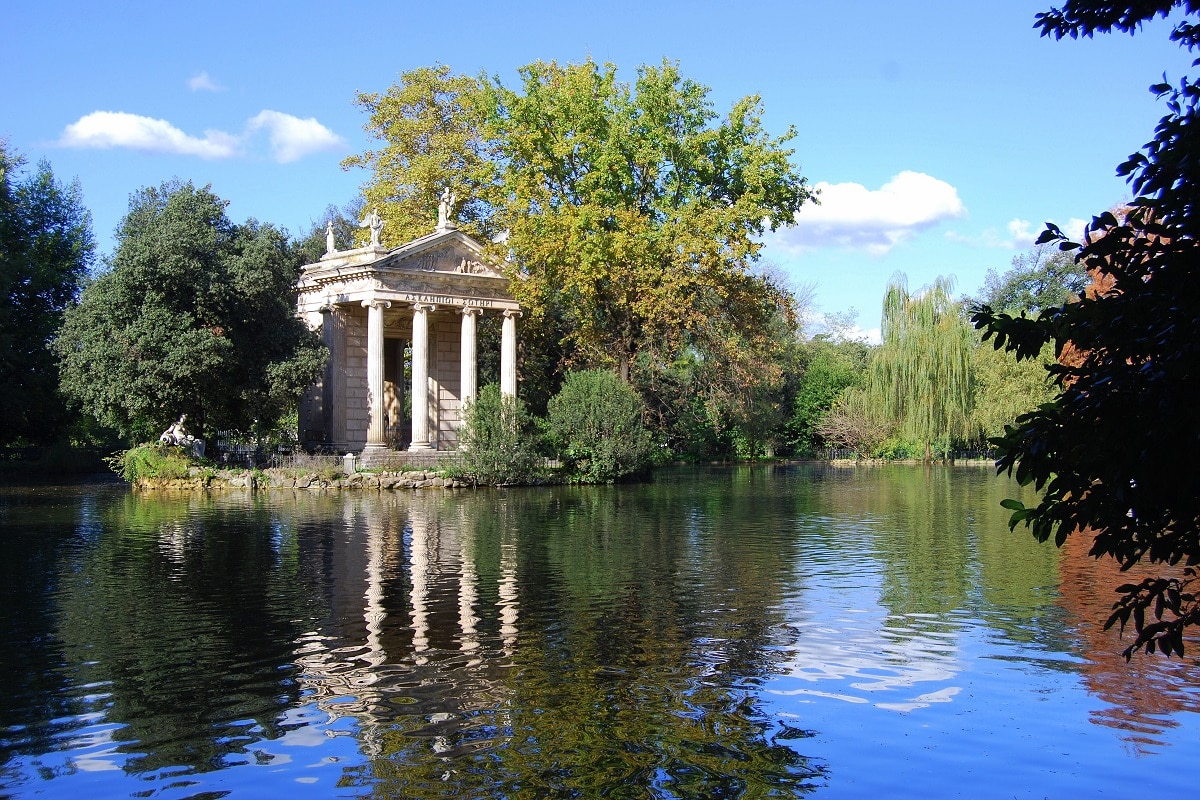
Dedicated art lovers should reserve a morning slot at the Borghese Gallery (Galleria Borghese). Set inside a 17th-century villa, it houses a world-class collection of Bernini sculptures (including Apollo and Daphne) and dramatic canvases by Caravaggio. Entry is strictly capped, making for an uncrowded viewing experience.
Afterwards, stroll through the surrounding Villa Borghese gardens, rent a rowboat on the small lake, or walk to the Pincio Terrace for a sweeping view looking down over Piazza del Popolo.
Via del Corso & The Trident
Descend the Pincio steps into Piazza del Popolo, flanked by the twin churches of Santa Maria dei Miracoli and Santa Maria in Montesanto. From here, three famous streets branch out:
- Via del Corso: Running from Piazza del Popolo to Piazza Venezia, this lively pedestrian avenue is Rome’s primary high-street shopping destination. It is filled with popular international brands, beauty stores, and historic arcades like Galleria Alberto Sordi, making it ideal for accessible retail therapy and a classic evening passeggiata.
- Via Condotti: Framed by a direct view of the Spanish Steps, this world-famous street is the epicenter of Italian luxury fashion. Here you will find flagship boutiques for Valentino, Gucci, and Prada alongside Antico Caffè Greco, Rome’s historic 18th-century coffee house where literary legends once gathered.
- Via del Babuino: Connecting Piazza del Popolo to Piazza di Spagna, this refined street offers a quieter, more sophisticated atmosphere. It is renowned for its high-end antique shops, contemporary art galleries, and historic facades, perfectly blending classical Roman elegance with chic boutique hotels.
Day 5: Aventine Hill & Testaccio Food District
Keyholes, Gardens & Ancient Baths
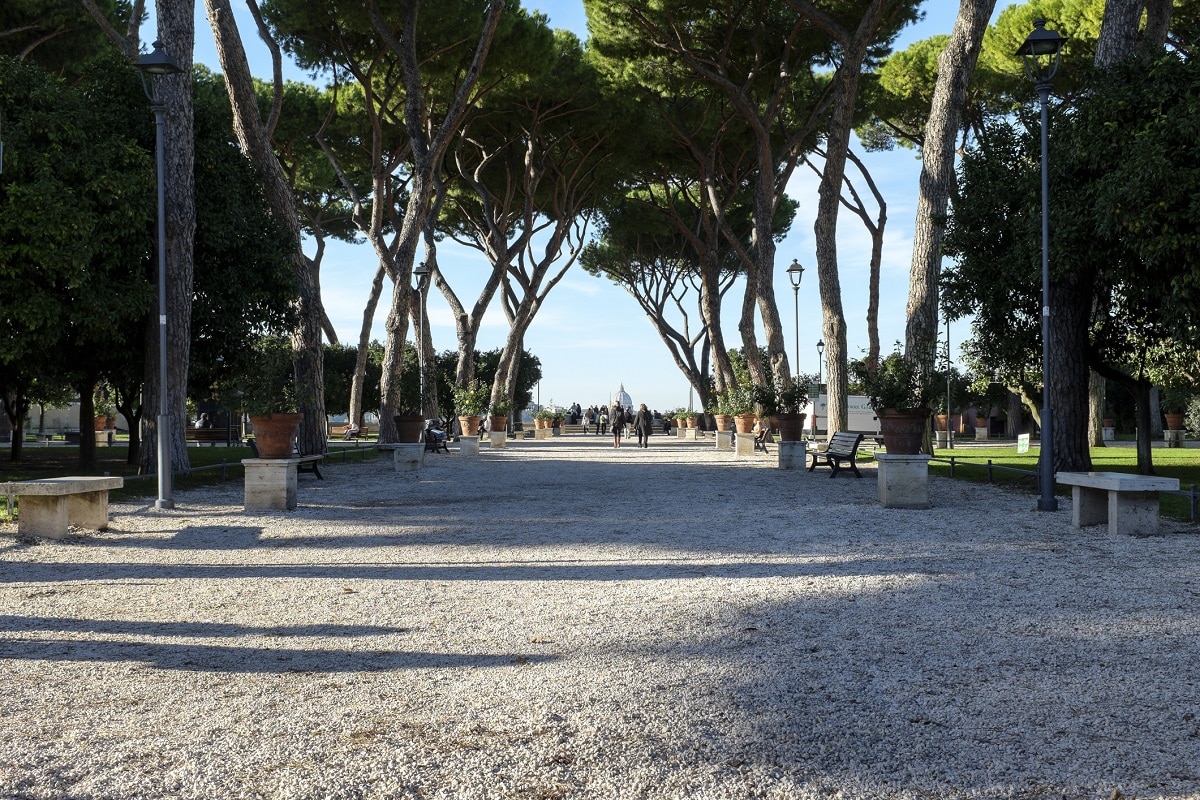
Begin on the quiet, residential Aventine Hill.
- Giardino degli Aranci (Orange Garden): Perched atop the peaceful Aventine Hill, this walled grove provides a shady, aromatic escape from the bustling streets below. Its wide panoramic terrace offers one of Rome’s finest vistas, sweeping across the Tiber directly toward St. Peter’s dome and the city’s terracotta rooftops.
- Knights of Malta Keyhole: Located just a short stroll away at Piazza dei Cavalieri di Malta, this unassuming heavy door conceals one of Rome’s most famous optical illusions. Peering through the brass keyhole reveals a breathtaking, perfectly centered view of St. Peter’s dome framed precisely by a manicured hedge tunnel.
Walk down the hill towards the monumental ruins of the Baths of Caracalla (Terme di Caracalla). Walking through these vast brick vaults gives a vivid sense of ancient Roman engineering and leisure culture.
Culinary Exploration in Testaccio
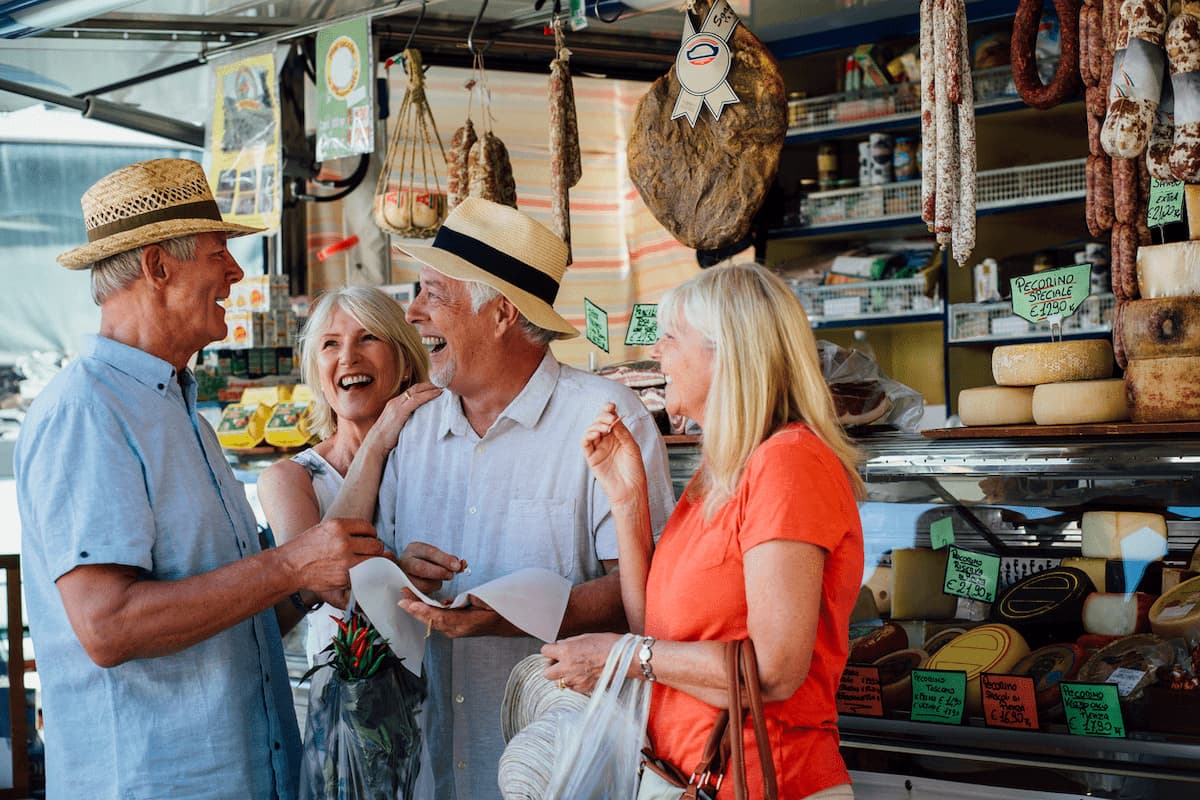
Just across the Via Ostiense lies Testaccio, widely considered the birthplace of modern Roman cuisine.
- Visit the indoor Mercato di Testaccio: Sample authentic local street food, such as crispy supplì (fried rice balls filled with mozzarella) or panini stuffed with slow-cooked meats. The lively market stalls also feature fresh produce, artisan cheeses, and casual wine bars, making it a favorite spot for an unpretentious lunch among locals.
- Wander past the Pyramid of Cestius: Marvel at this remarkably preserved 36-metre ancient Roman pyramid, built as a tomb in 12 BC during Rome’s obsession with Egyptian architecture. Just behind it lies the peaceful Non-Catholic Cemetery, a serene garden shaded by cypress trees where romantic poets John Keats and Percy Bysshe Shelley are buried.
Day 6: The Appian Way & Aqueducts
Via Appia Antica
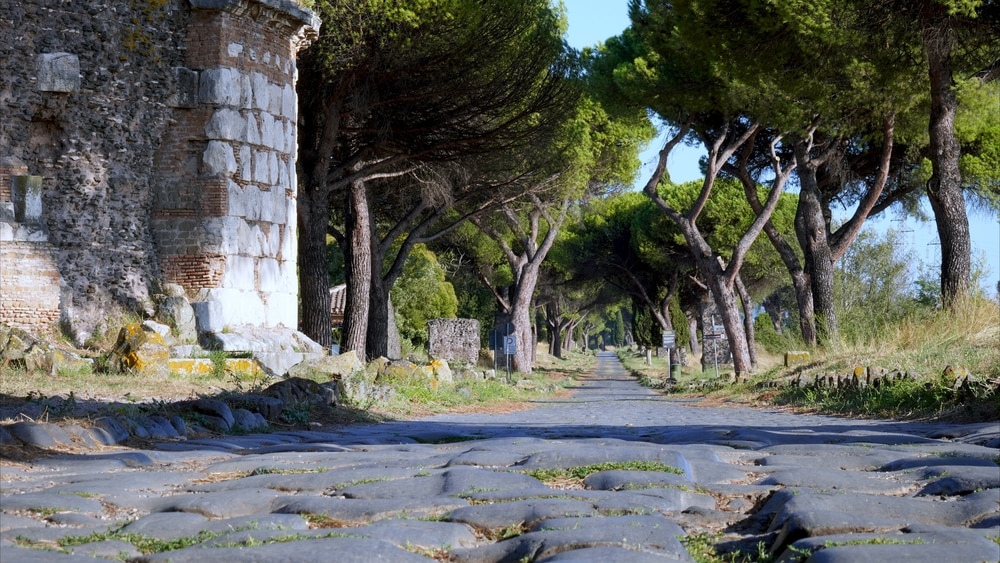
Escape the urban bustle by traveling south along the Appian Way (Via Appia Antica), one of Rome’s earliest and most strategic military roads. Parts of the original basalt paving stones remain intact, flanked by umbrella pines, ruined tombs, and ancient villas.
Rent a bicycle near the info point or walk the traffic-free sections. Along the route, stop to explore the Catacombs of San Callisto or San Sebastiano, extensive underground burial networks used by early Christians.
Parco degli Acquedotti
Conclude the afternoon at the Park of the Aqueducts, part of the Appian Way Regional Park. Here, massive arches of the Aqua Claudia and Anio Novus stretch across open grassy fields. It is a scenic, quiet spot to watch the sun set behind ancient stone structures.

Best trips from Rome: travel ideas to discover more of Italy
Whether you’re exploring ancient ruins, enjoying lakeside serenity, or indulging in culinary delights, the areas around Rome offer diverse experiences that can be enjoyed in a single day. These trips enrich your Italian adventure with minimal travel and maximum enjoyment.
Day 7: Imperial Basilicas & The Character of Monti
Santa Maria Maggiore & San Giovanni in Laterano

Dedicate your final morning to two of Rome’s major papal basilicas.
- Santa Maria Maggiore: Located near Roma Termini, this church retains fifth-century Christian mosaics along its nave and a stunning gilded ceiling said to contain early gold brought from the Americas.
- San Giovanni in Laterano: The official cathedral of Rome, featuring towering statues of the Apostles, a peaceful cloister, and the nearby Scala Sancta (Holy Stairs).
Final Evening in Rione Monti
Spend your remaining hours wandering through Monti, a historic neighborhood tucked between the Forum and Termini station. Once a rough working-class quarter in ancient times (the Suburra), Monti is now filled with bohemian boutiques, craft shops, ivy-covered alleyways, and lively wine bars (enoteche).
Grab a final aperitivo in Piazza della Madonna dei Monti and reflect on a week spent exploring the Eternal City.
Florence-Rome Day Trip: What You Need to Know
Explore Italy’s timeless beauty on a day trip from Florence to Rome or vice versa. Immerse in history, culture, and stories as you traverse between these iconic cities. Experience the warm May weather and embrace the rich Italian way of life.
Getting to Rome with Italo
Arriving directly in the city centre is the easiest and most relaxed way to begin your holiday, eliminating the hassle of expensive taxis, airport shuttles, or highway traffic. Step off the train refreshed, leave your luggage nearby, and start exploring immediately.
Italo high-speed trains connect Rome seamlessly to major destinations across Italy—including Milan, Florence, Venice, Naples, Turin, and Bologna. With frequent daily departures, modern onboard amenities, and high-speed efficiency, getting to the Eternal City is as comfortable as it is convenient, serving both Roma Termini and Roma Tiburtina stations.
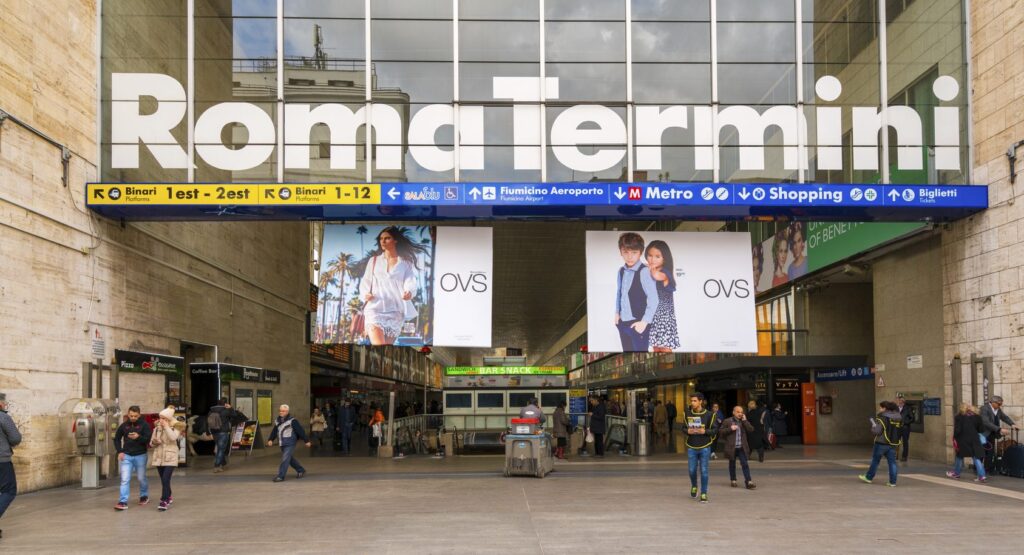
For this 7-day itinerary, arriving at Roma Termini drops you right in the heart of the capital. You are just a short walk from the historic neighborhood of Monti, the majestic Basilica of Santa Maria Maggiore, and direct Metro Line B connections to the Colosseum—allowing your Roman adventure to begin the moment you step onto the platform.